CCQ’s Nicolas Regnault Named American Physical Society Fellow
Featuring
-
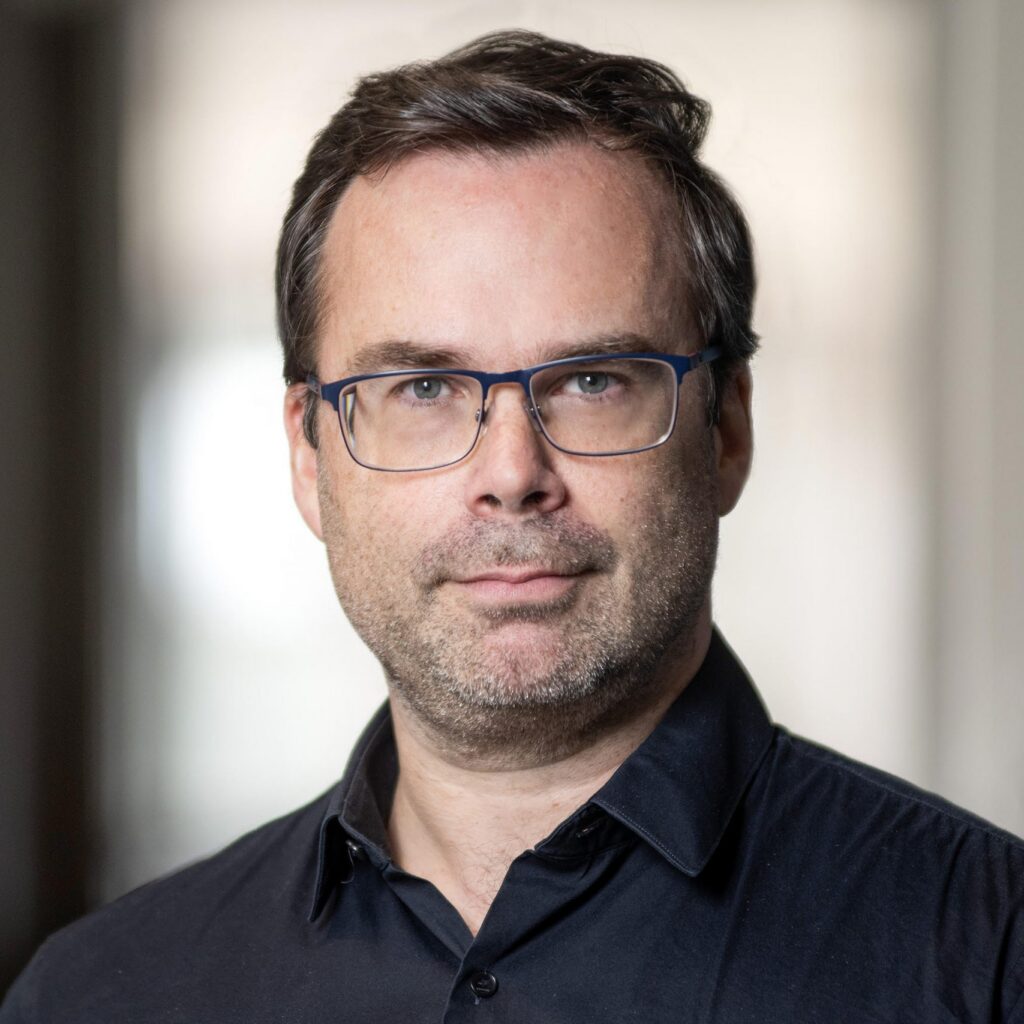
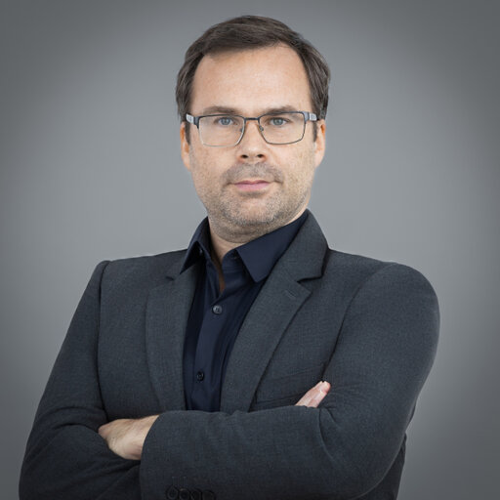
Nicolas Regnault
Research Scientist, Center for Computational Quantum Physics
Bringing people and ideas together to fund, conduct, and share transformative science.
Our grants advance knowledge and strengthen connections between science and society.
Discover the latest news, research, and updates.
We convene scientists, mathematicians, and thinkers to share ideas and explore new questions.
Founded by Jim and Marilyn Simons, we’re a private philanthropy advancing mathematics and basic science.
Work with us on the frontier of basic science research.
The Flatiron Institute is a research center that uses computational science to advance fields like physics, biology, and astronomy.
Search
Research Scientist, Center for Computational Quantum Physics
Nicolas Regnault, a research scientist at the Center for Computational Quantum Physics (CCQ) at the Flatiron Institute, has been named a Condensed Matter Physics Fellow by the American Physical Society (APS). The fellowship recognizes those “who have contributed to the advancement of physics by independent, original research or who have rendered some other special service to the cause of the sciences.”
Regnault is a research director for the French National Centre for Scientific Research (CNRS) at the École Normale Supérieure in Paris and a visiting researcher at Princeton University. He completed his Ph.D. thesis on integrable models for gravity and then moved to condensed matter physics. He is a renowned expert in fractional quantum Hall physics (especially its numerical aspects), topological phases of matter, entanglement properties in many-body quantum states and out-of-equilibrium quantum systems.
Regnault receives the award for his breakthroughs in these areas, including the creation of open-source resources, such as topological material databases and code for fractional quantum Hall systems, that will help accelerate science worldwide. He is also recognized for his seminal works on fractional Chern insulators and quantum many-body scars.

