Our History
About
The Simons Foundation’s mission is to advance the frontiers of research in mathematics and the basic sciences.

Our Cofounders
Remembering Jim Simons
Our Impactful Work
1994
Founding
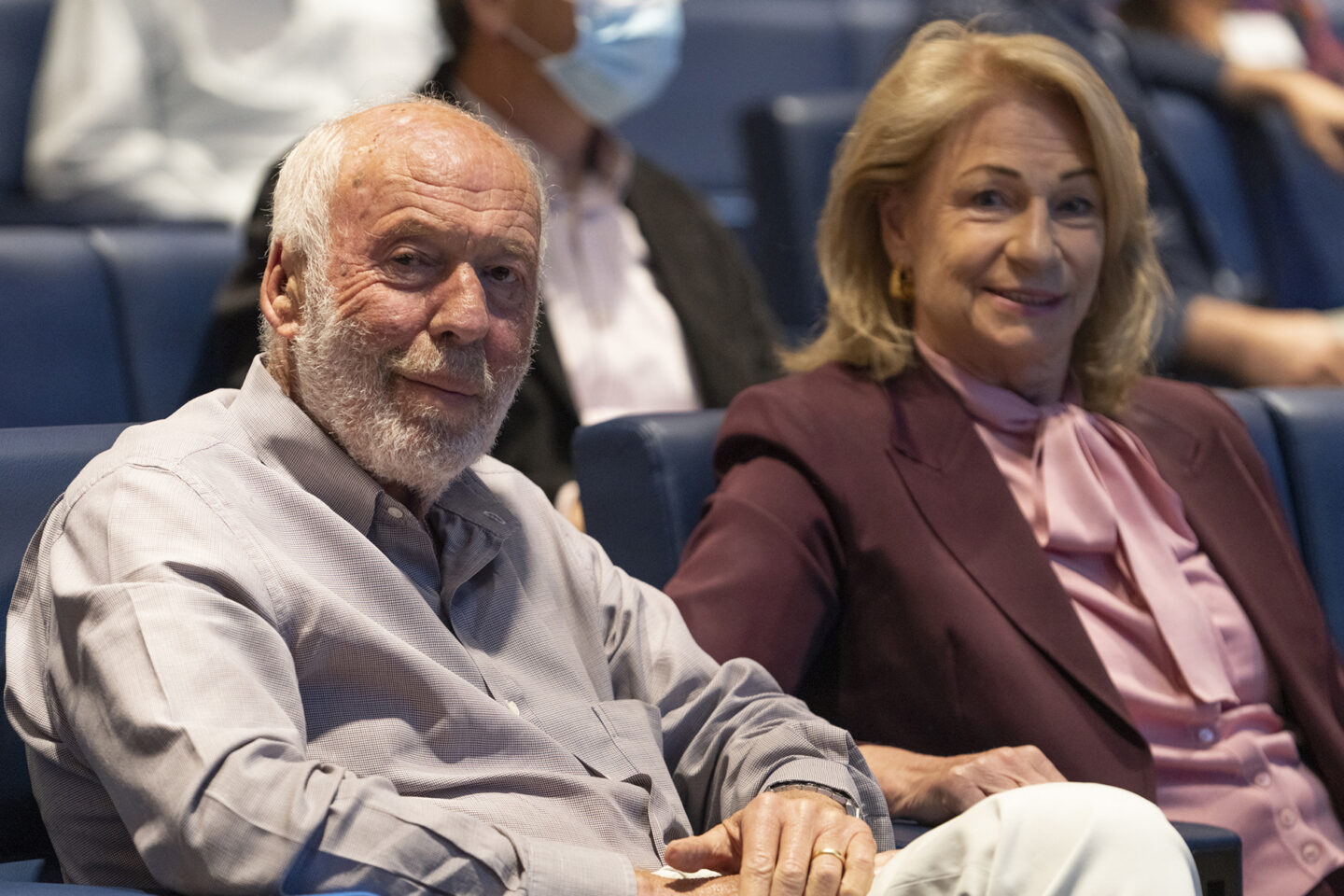
Jim and Marilyn Simons start the Simons Foundation as a 501(c)(3) to facilitate their charitable giving to educational institutions and other causes. Marilyn begins serving as the foundation’s first president.

2001
New York City
The Simons Foundation establishes its first physical offices at 126 East 19th Street in New York City. The foundation eventually moves to its current headquarters at 160 Fifth Avenue.

2003
Autism Research
The foundation organizes a daylong roundtable of scientists and other experts to discuss the state of autism research. Such roundtables become a template for launching future programs.

2004
Mission
Jim and Marilyn Simons set the foundation’s mission to advance the frontiers of research in mathematics and the basic sciences.

2004
Math for America
A founder-directed grant from the Simons Foundation helps establish Math for America, an organization that supports outstanding STEM teachers in New York City.
2006
Autism Research Initiative
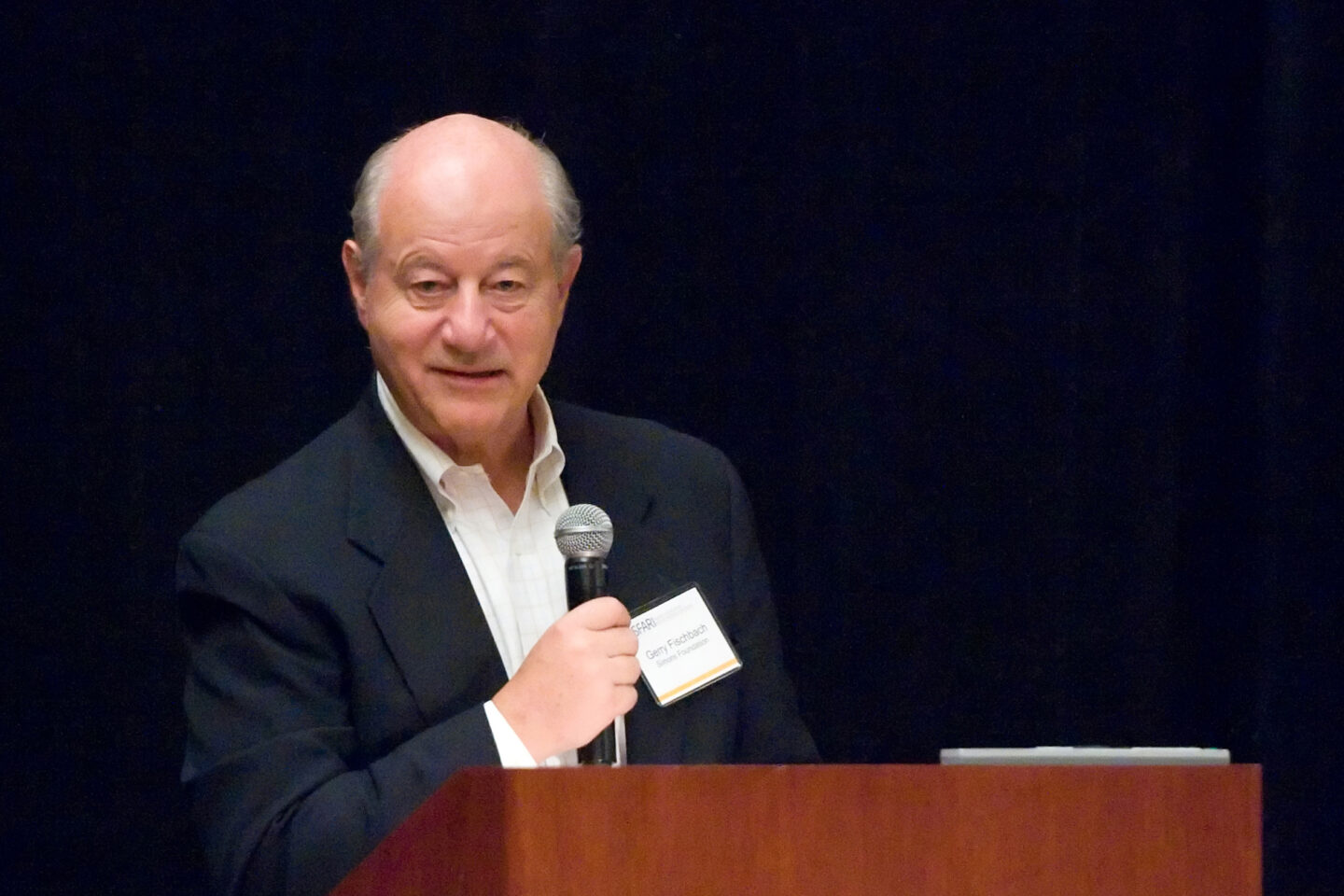
Renowned neuroscientist Gerald Fischbach joins as scientific director to lead the Simons Foundation Autism Research Initiative (SFARI). SFARI’s mission is to advance the basic science of autism and related neurodevelopmental disorders.
2008
Spectrum
SFARI launches what will later be called Spectrum, an editorially independent news division focused on autism research. Apoorva Mandavilli serves as the publication’s first editor-in-chief.
2009
Mathematics & Physical Sciences
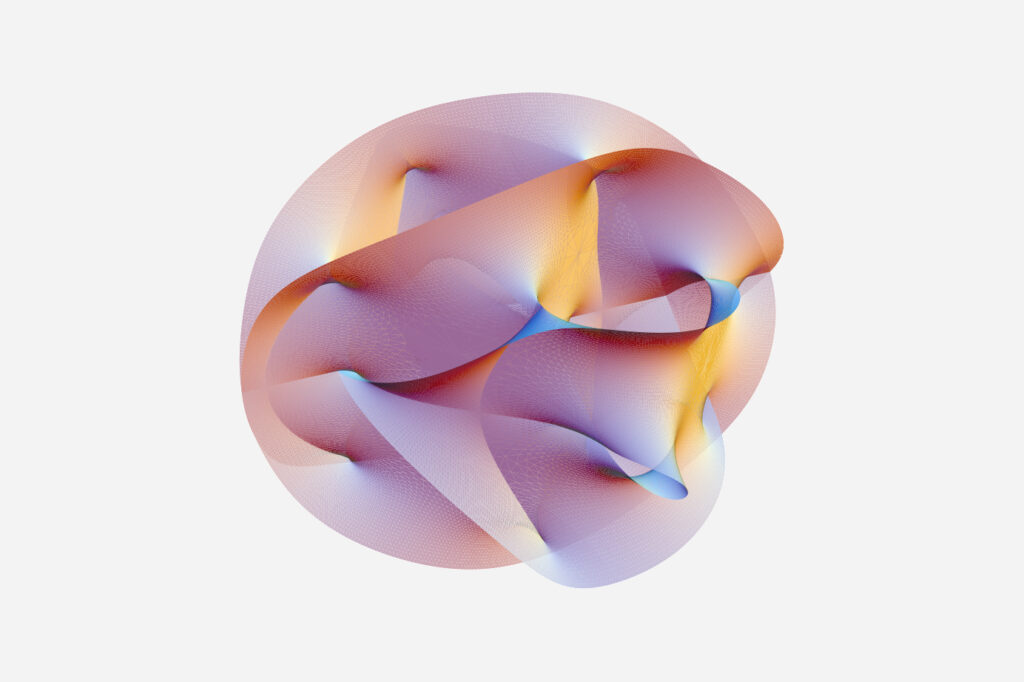
Mathematician David Eisenbud joins the foundation to lead a Mathematics & Physical Sciences division,

2011
$150M Stony Brook Gift
The Simons Foundation donates $150 million to Stony Brook University, the largest donation in the university’s history.
2012
Buttermilk Falls
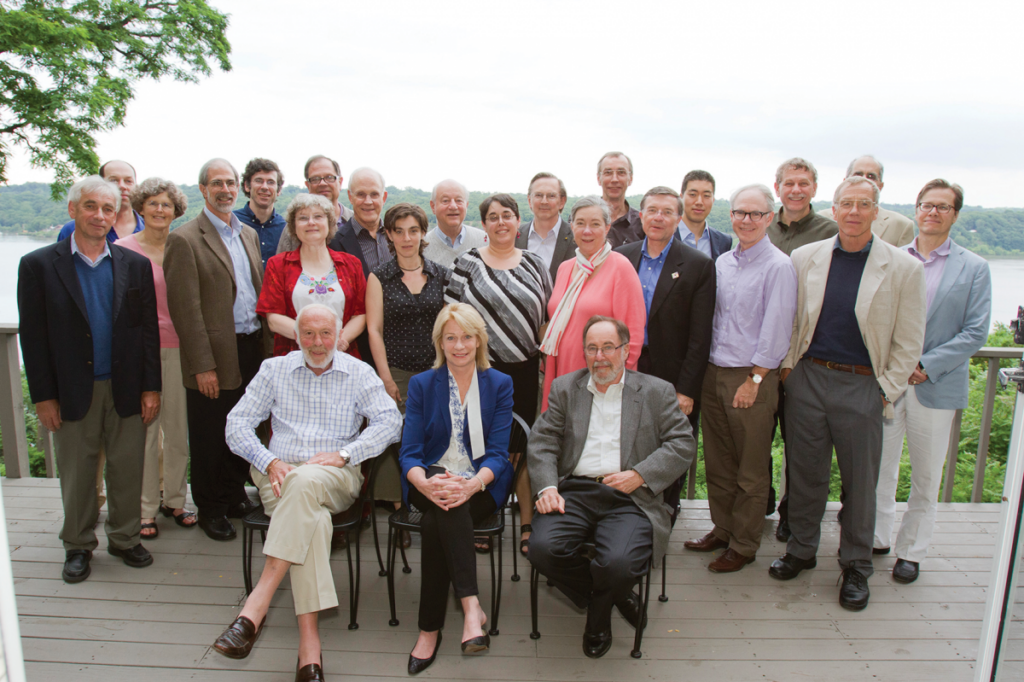
Over a two-day meeting at the Buttermilk Falls Inn in upstate New York, Jim and Marilyn Simons convene a panel of distinguished scientists to discuss opportunities to advance math and science research over the coming decade. The meeting leads to many of the Simons Foundation’s cornerstone projects, including the launch of Simons Collaborations and the creation of the Flatiron Institute.
2012
Quanta Magazine
Thomas Lin serves as the first editor-in-chief of the digital science magazine, initially called Simons Science News. Rebranded as Quanta Magazine in 2013, the editorially independent publication strives to advance public understanding of science.

2013
Simons Center for Data Analysis
Leslie Greengard directs the Simons Center for Data Analysis. The internal center focuses on using innovative methods to analyze large and complex biological datasets. SCDA will later expand to become the Flatiron Institute, with the data analysis center rebranded as the institute’s Center for Computational Biology.
Credit: Michael Lisnet

2013
Life Sciences
Marian Carlson begins a new Life Sciences division to support research into fundamental questions in biology.

2013
Simons Collaborations
The Life Sciences division launches the Simons Collaboration on the Origins of Life. Such collaborations become a major focus of the foundation’s support of collaborative, cutting-edge research.

2014
Science, Education & Outreach
The foundation establishes a new division — later renamed Science, Society & Culture — dedicated to providing opportunities for people to forge connections to science. Foundation president Marilyn Simons oversees the new division.


2016
Center for Computational Astrophysics
Astrophysicist David Spergel joins the Simons Foundation to establish the Center for Computational Astrophysics at the Flatiron Institute.
2017
Flatiron Institute
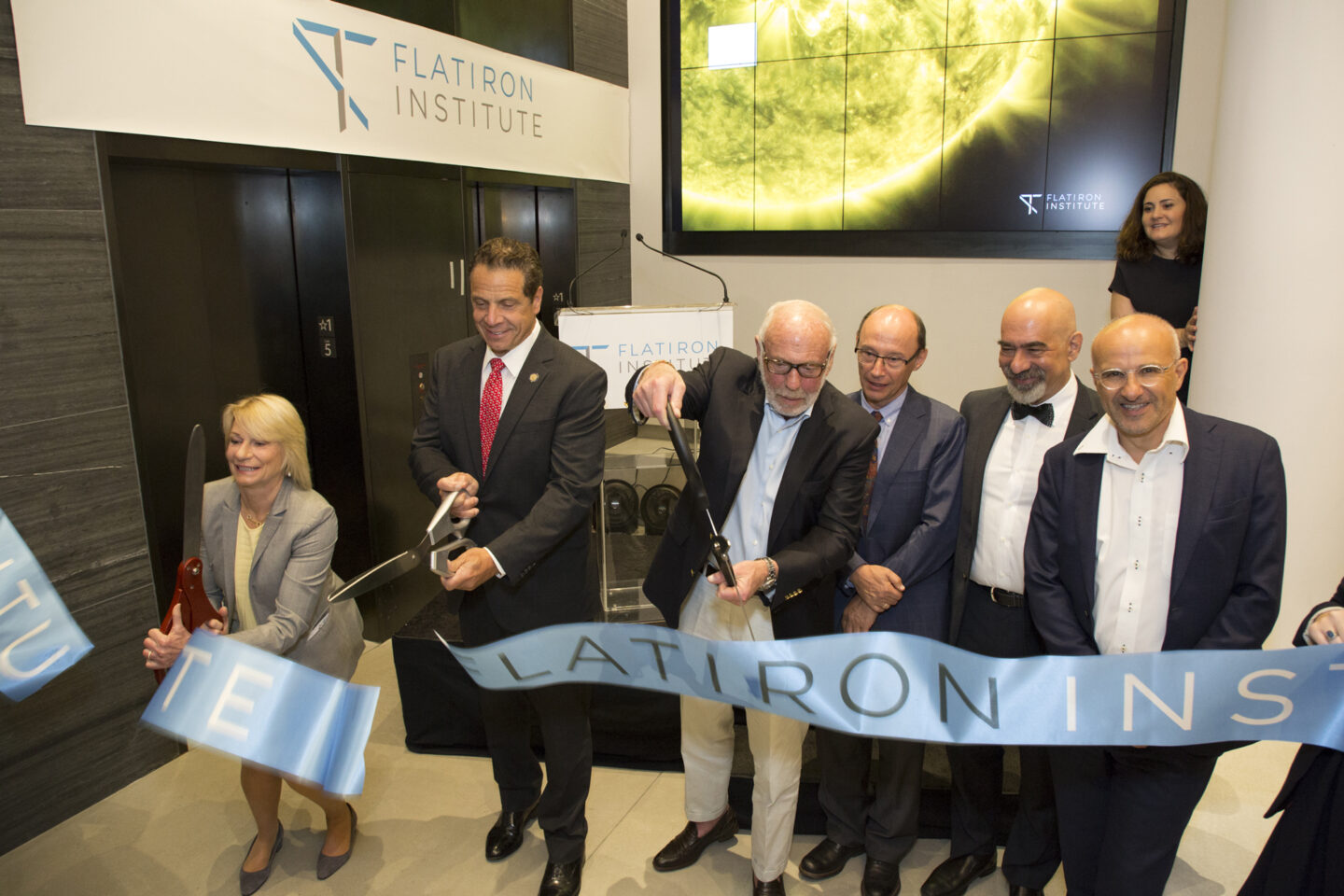
In a special ceremony, the Flatiron Institute is officially dedicated. The institute launches with centers devoted to research in astrophysics, biology and quantum physics, as well as the Scientific Computing Core, which serves as the institute’s technical backbone. The institute will later expand to include new centers focused on mathematics and neuroscience.
2018
Center for Computational Mathematics
Leslie Greengard, previously head of the Flatiron Institute’s Center for Computational Biology, serves as founding director of the institute’s new Center for Computational Mathematics.

2019
25 Years
The Simons Foundation commemorates a quarter century of supporting math and science research.

2020
Sandbox Films
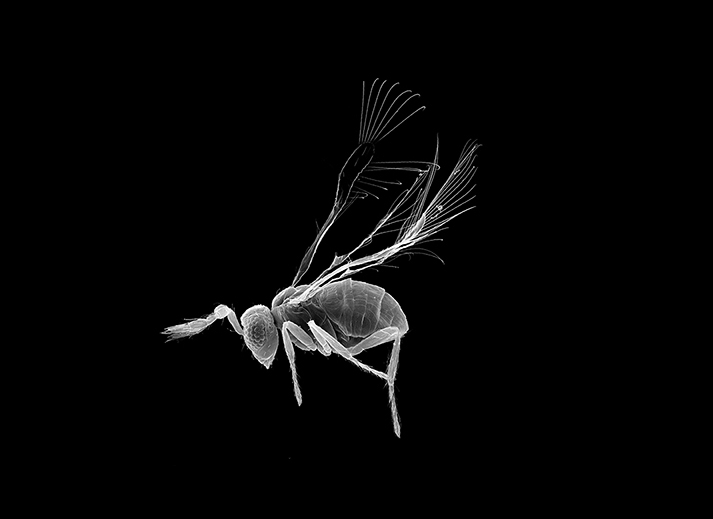
Sandbox Films launches as an editorially independent subsidiary of the Simons Foundation with a mission to illuminate the art and beauty of scientific inquiry. The production company’s creation follows a string of successful science documentaries funded by the Simons Foundation, including 2018’s The Most Unknown.
2021
Center for Computational Neuroscience
The Flatiron Institute announces its fifth center, the Center for Computational Neuroscience. Led by computational neuroscientist Eero Simoncelli, the center uses and develops computational tools to understand how the brain works.

2021
New President
David Spergel, director of the Flatiron Institute’s Center for Computational Astrophysics, is inaugurated as the Simons Foundation’s second president. Marilyn Simons, the foundation’s president from the time of its formation in 1994, becomes co-chair of the foundation’s board of trustees.
2022
Pulitzer Prize
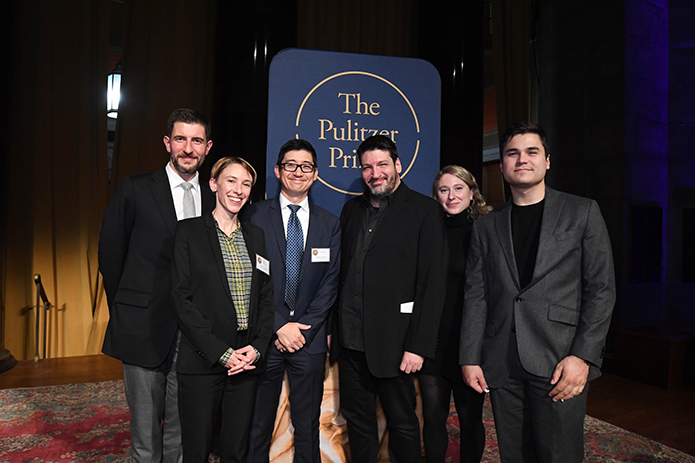
The staff of Quanta Magazine, notably senior editor Natalie Wolchover, win the 2022 Pulitzer Prize for explanatory writing “for coverage that revealed the complexities of building the James Webb Space Telescope.”
2023
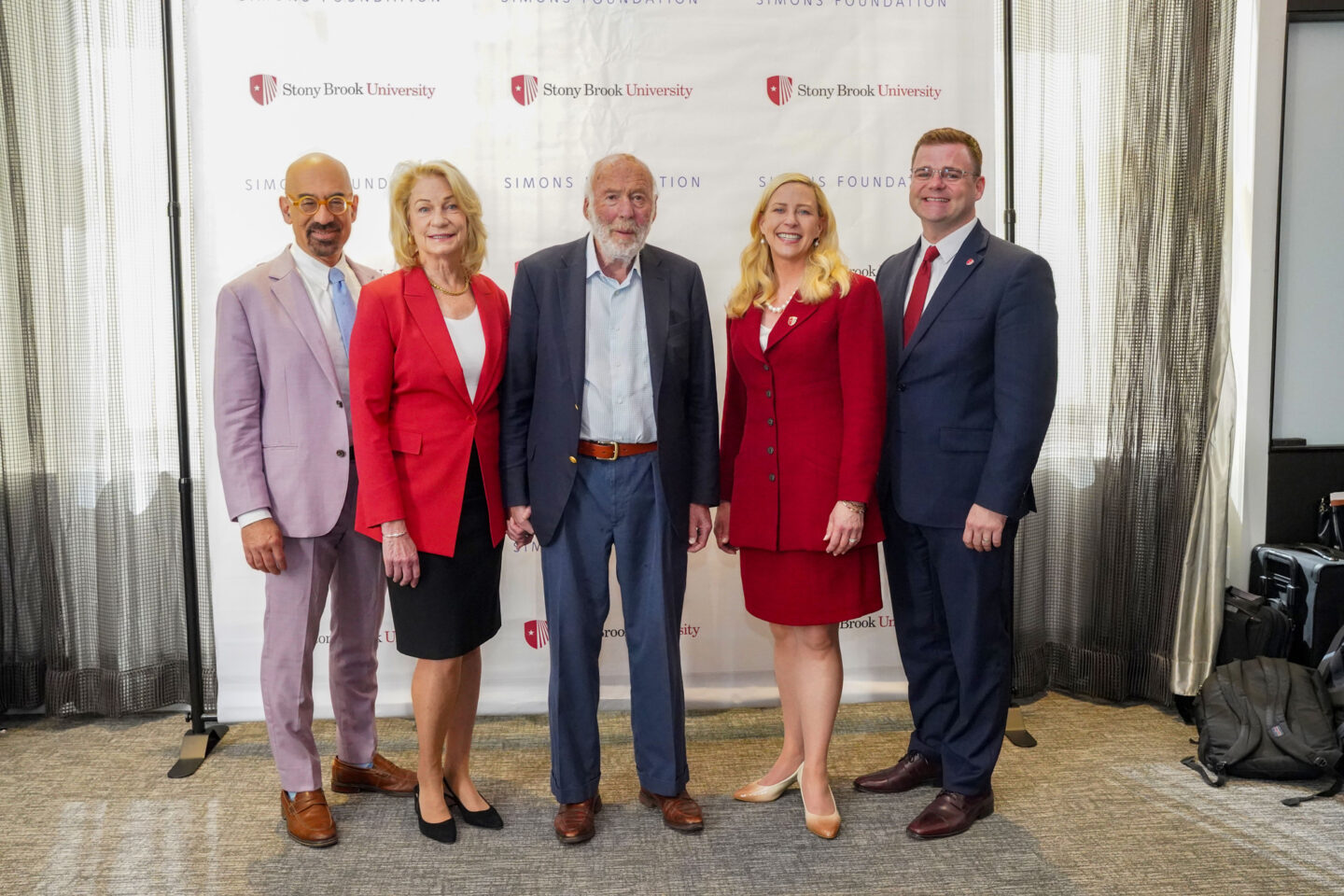
$500M Stony Brook Gift
The $500 million contribution from the Simons Foundation and Simons Foundation International is the largest unrestricted endowment gift to a higher education institution in American history.

2023
The Transmitter
The team behind Spectrum launches The Transmitter, a publication covering the latest developments in neuroscience research. Spectrum‘s autism research coverage anchors the new publication.
2024
Jim Simons’ Legacy
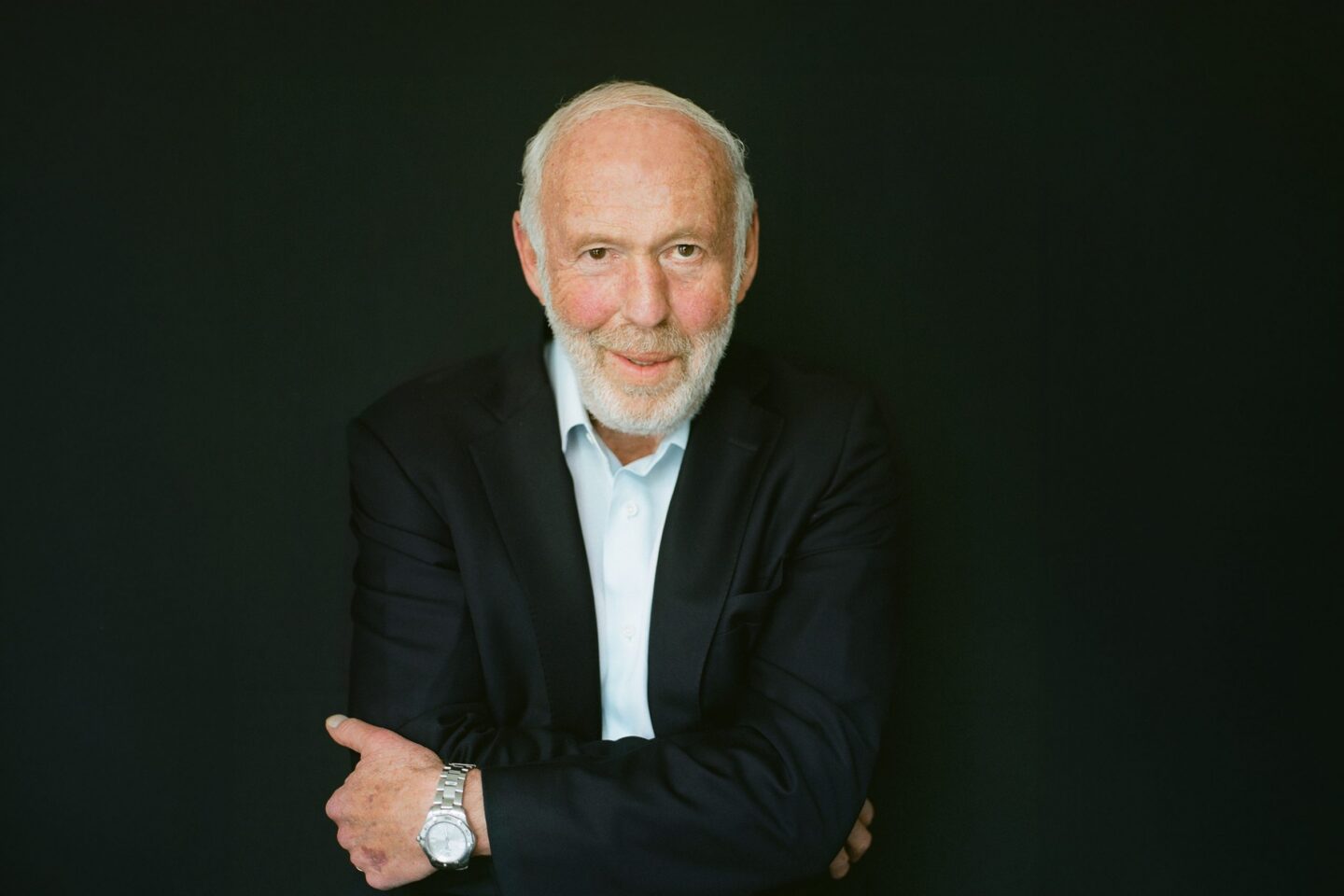
The Simons Foundation announces the death of its co-founder and chair emeritus, James Harris Simons, on May 10, 2024, at the age of 86. He leaves an incredible legacy as an award-winning mathematician, a legend in quantitative investing, and an inspired and generous philanthropist.
© Béatrice de Géa