A grid of evenly spaced, small white dots arranged in a circular pattern on a light gray background. The dots gradually fade out toward the edges.

Biophysical Modeling: Dynamics Inside Nucleus

We study chromatin organization and dynamics, HP1 proteins and nucleocytoplasmic transport.

About

Our research develops biophysical and mathematical models to understand how active processes shape the function and physical organization of the cell nucleus.

Our work has shown how stresses generated by nuclear enzymatic activity can drive coherent chromatin motions and promote the spatial compartmentalization of euchromatin and heterochromatin. To do this, we develop continuum and polymer-based models that link microscopic nonequilibrium activity to large-scale nuclear dynamics, finding understanding through both simulation and mathematical analysis.

In joint work with the Genomics research team, we have developed ML-enabled mechanistic frameworks that clarify how sequence features and transition-state kinetics govern enzymatic reaction rates, with Cas9-mediated DNA cleavage serving as an important model system. Ongoing efforts address the dynamics and repair of nuclear rupture and seek to connect multiscale nuclear mechanics with genomic features and regulation.

Publications

People

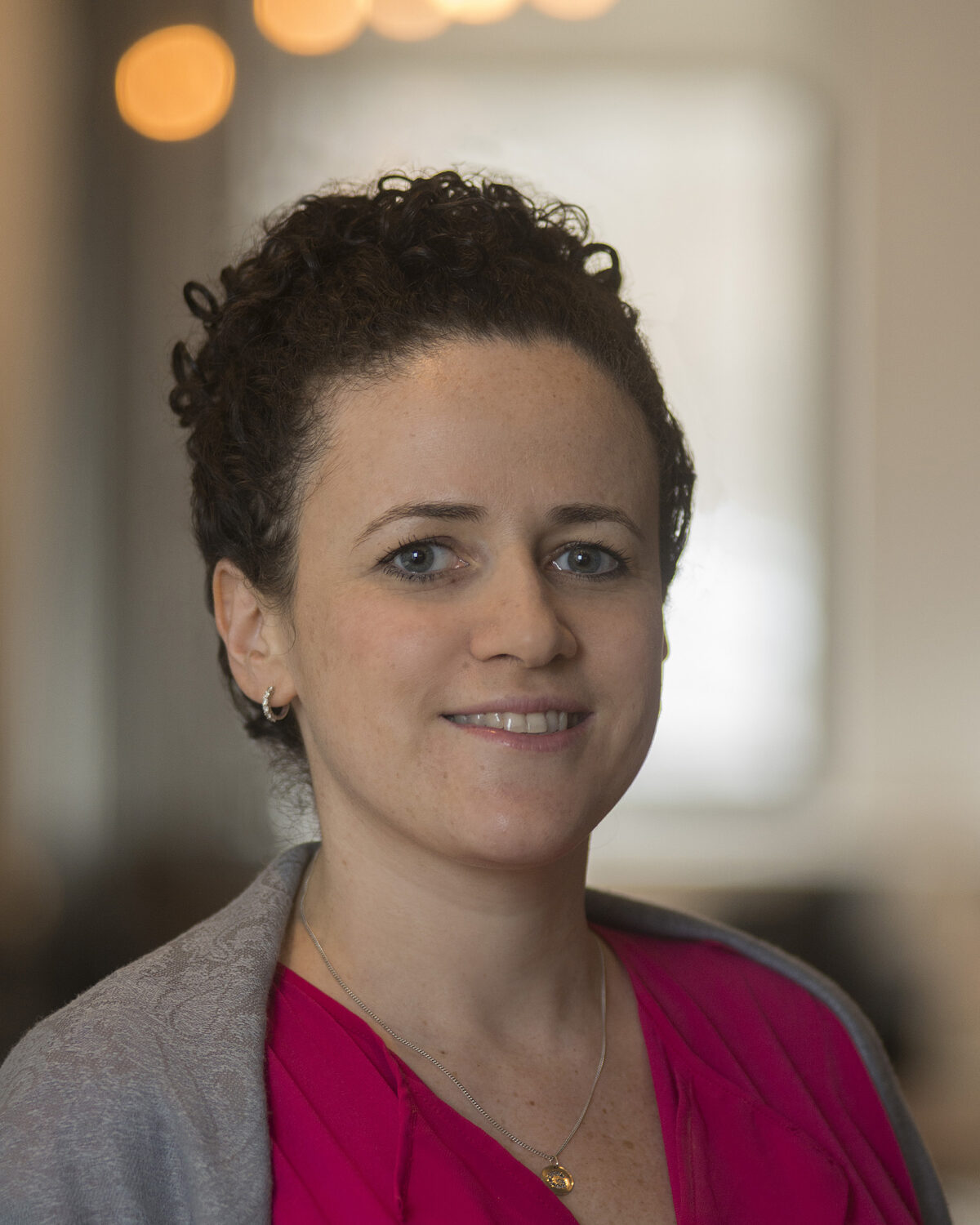
Portrait photo of Olga Troyanskaya

Olga Troyanskaya

Senior Research Scientist, Center for Computational Biology
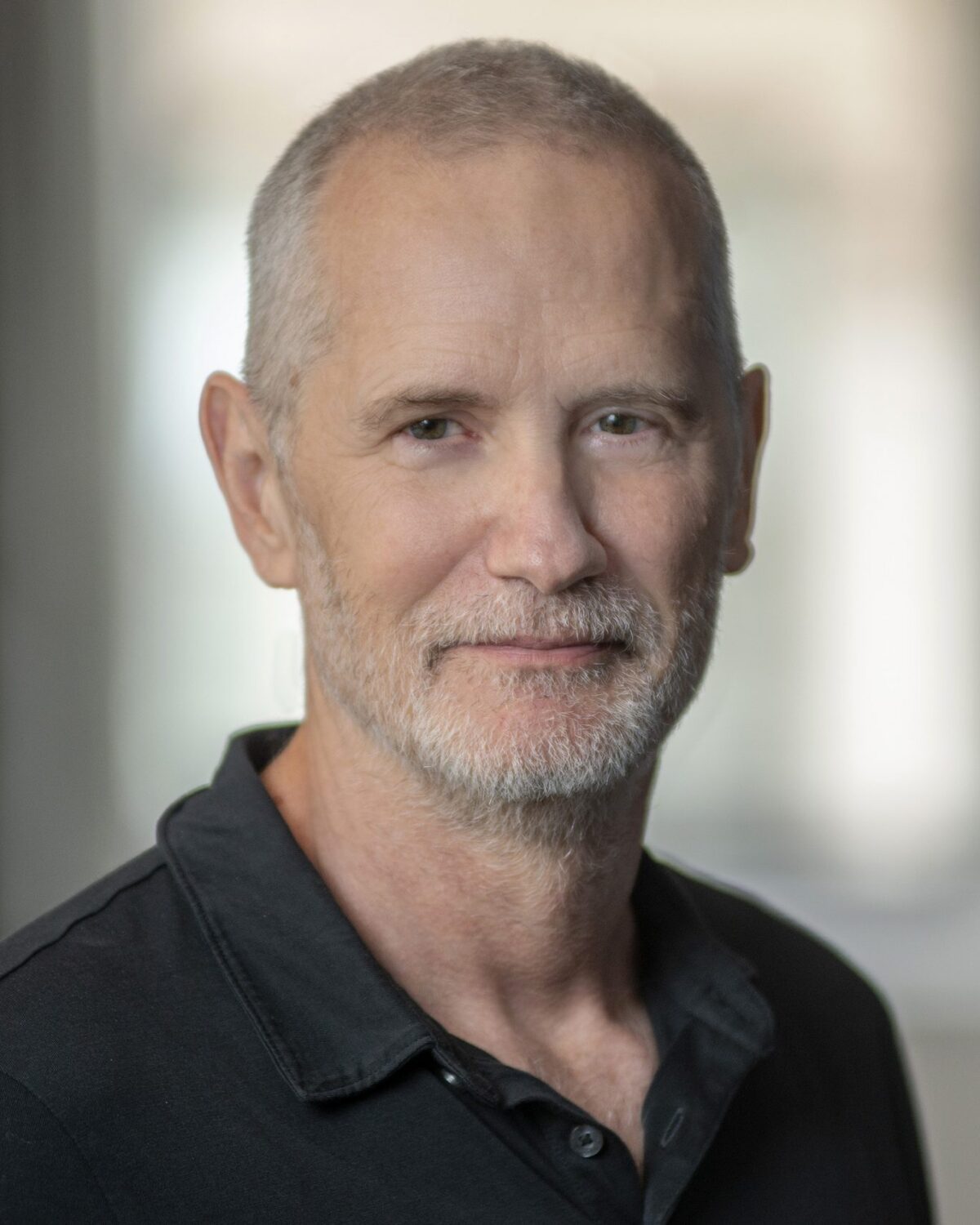
A middle-aged man with short gray hair and a beard, wearing a black collared shirt, stands indoors with a soft, blurred background.

Michael Shelley

Director, Center for Computational Biology

A woman with short wavy brown hair and black glasses smiles at the camera. She is wearing a light green top. The background is softly blurred with warm lighting.

Alexandra Zidovska

Associate Professor of Physics, Center for Soft Matter Research, New York University
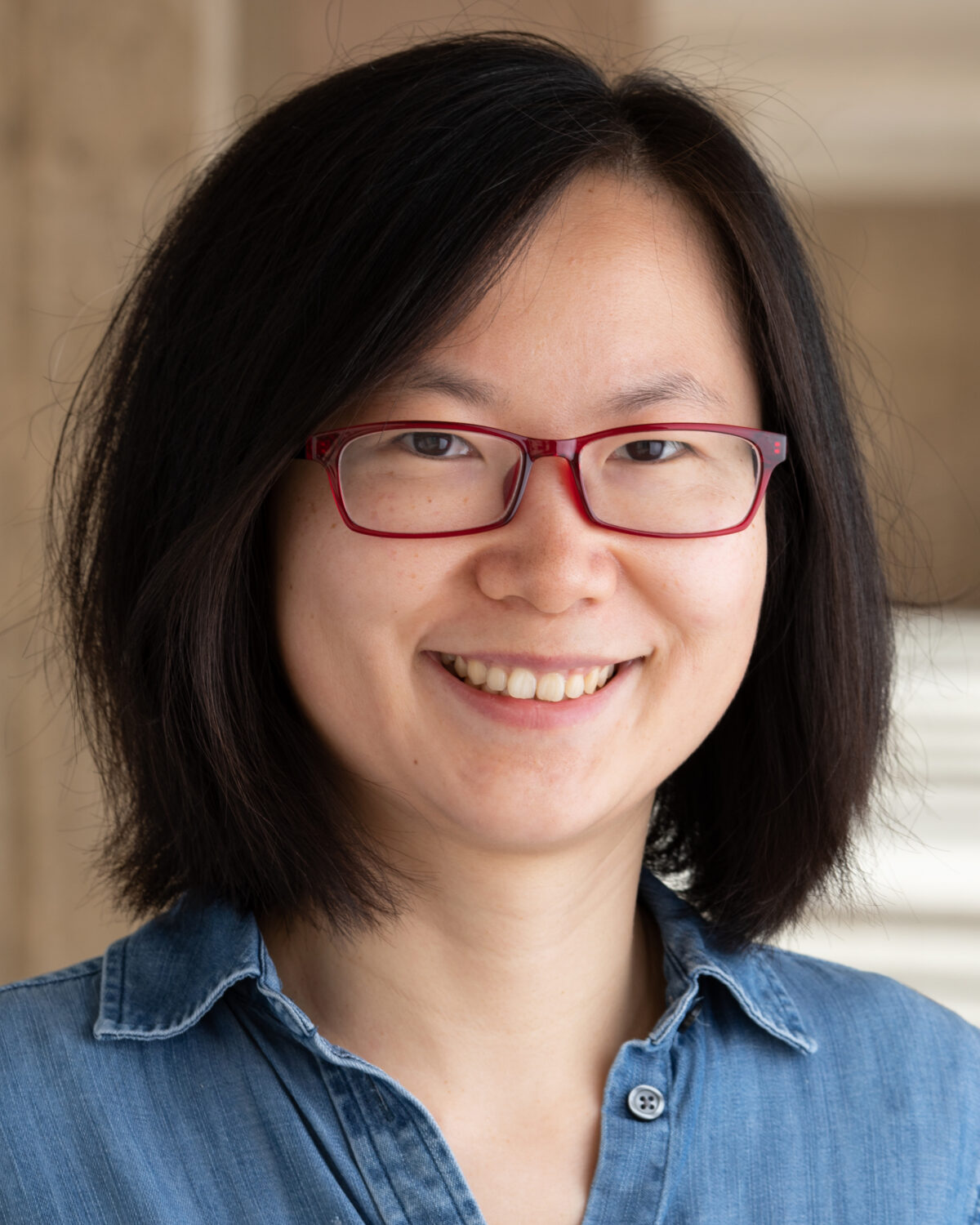
Image of Investigator Zhuzhu Zhang.

Zhuzhu Zhang

SFARI Investigator

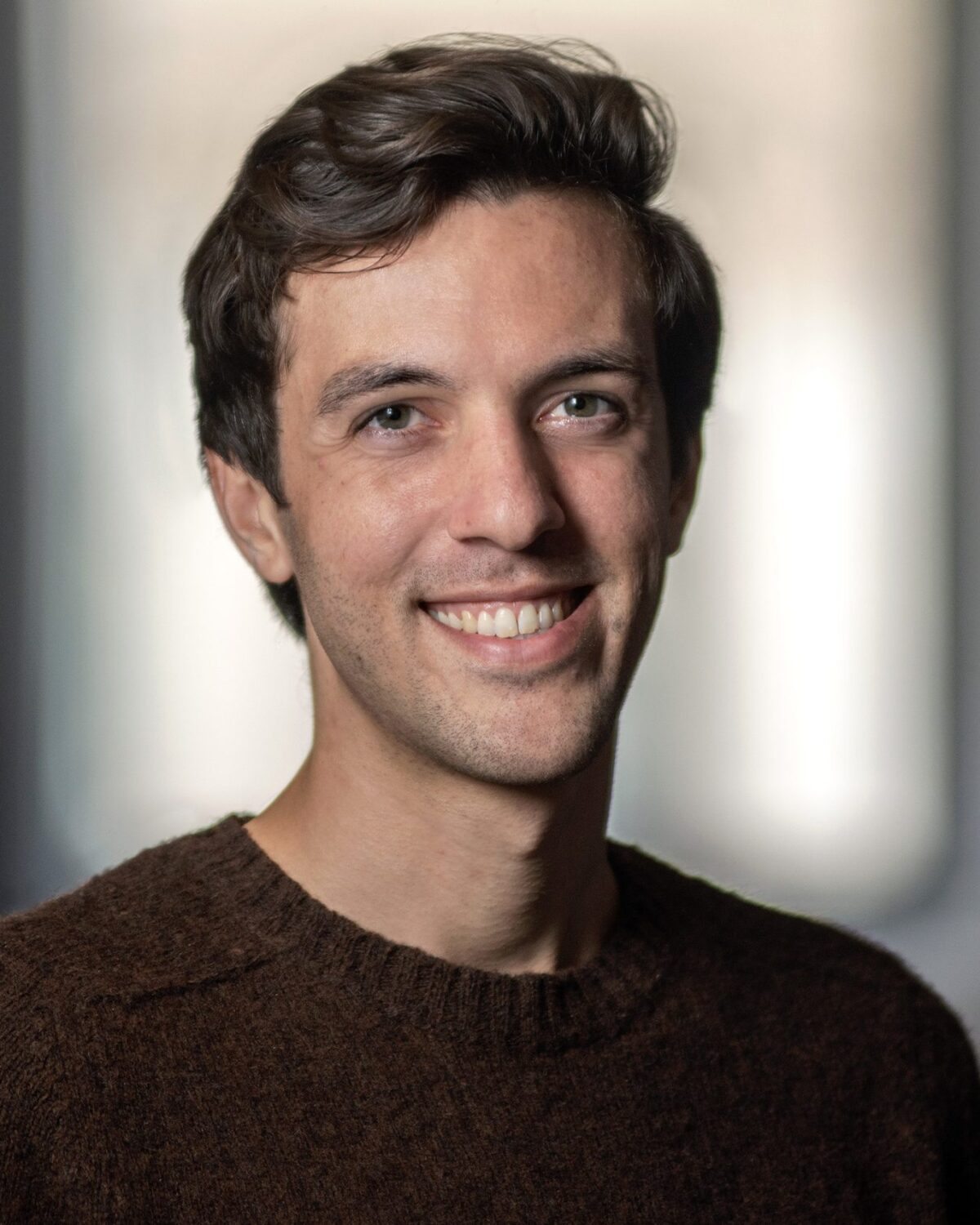
A man with short brown hair, wearing a brown sweater, smiles at the camera in a softly lit indoor setting with a blurred background.

Scott Weady

Associate Research Scientist, Center for Computational Biology