
Computational Biology: Developmental Dynamics
Combining experiment, theory and computing, we elucidate the inner workings of embryonic development.
About
Our Approach
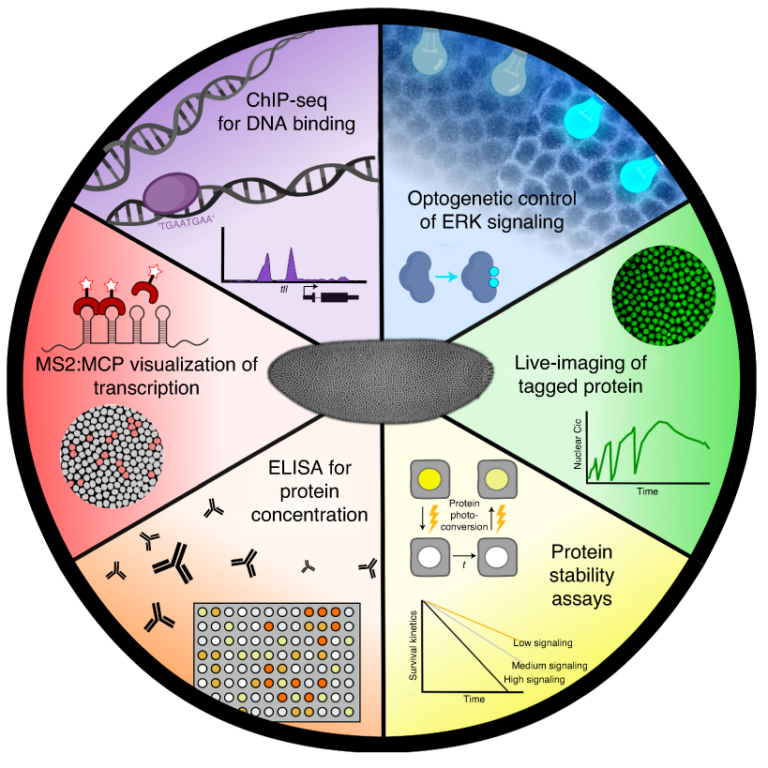
We integrate experiments and modeling to track developmental dynamics at molecular, cellular, tissue, and organismal levels.
1. Molecular Level
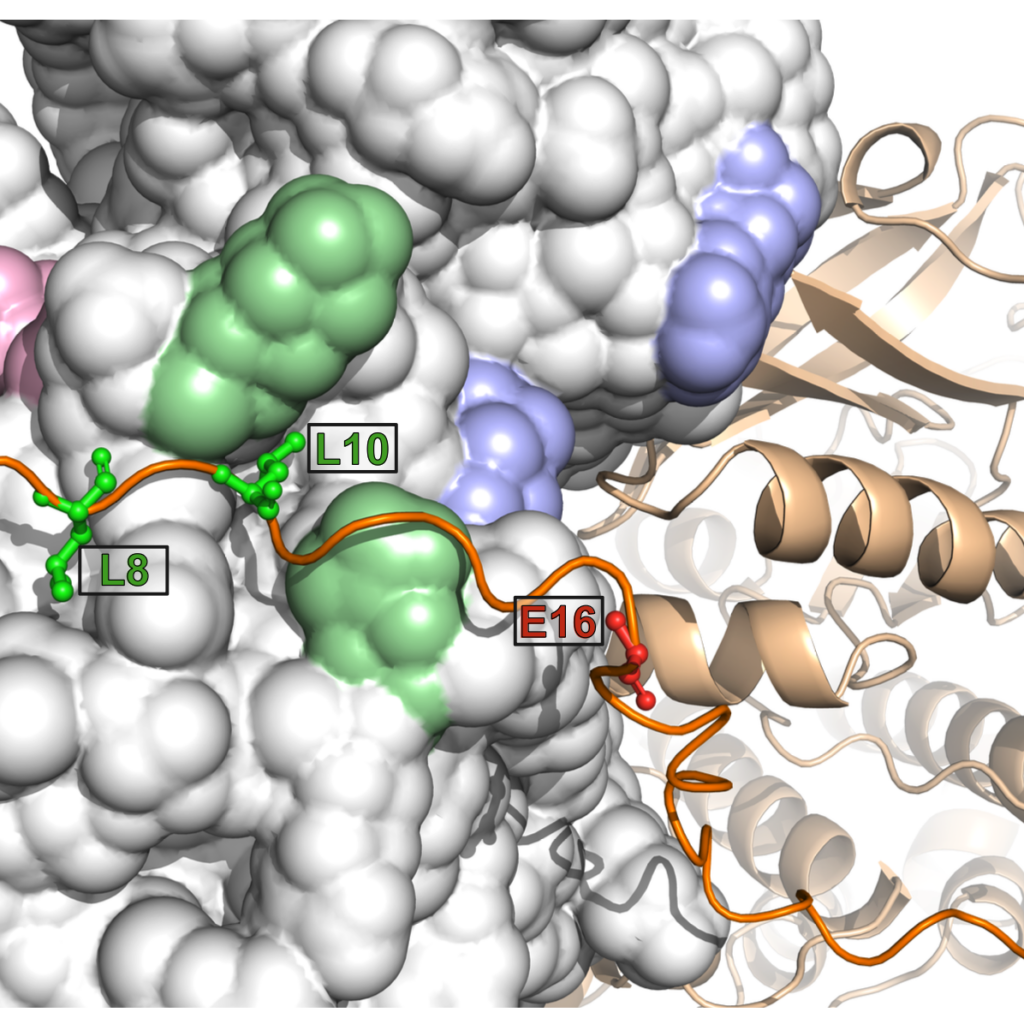
We quantify signaling reactions and protein–protein interactions to reveal how timing and specificity are encoded. Precision biochemistry pairs with structural modeling and Molecular Dynamics simulations to link sequence to function and design targeted perturbations.
2. Cellular Level
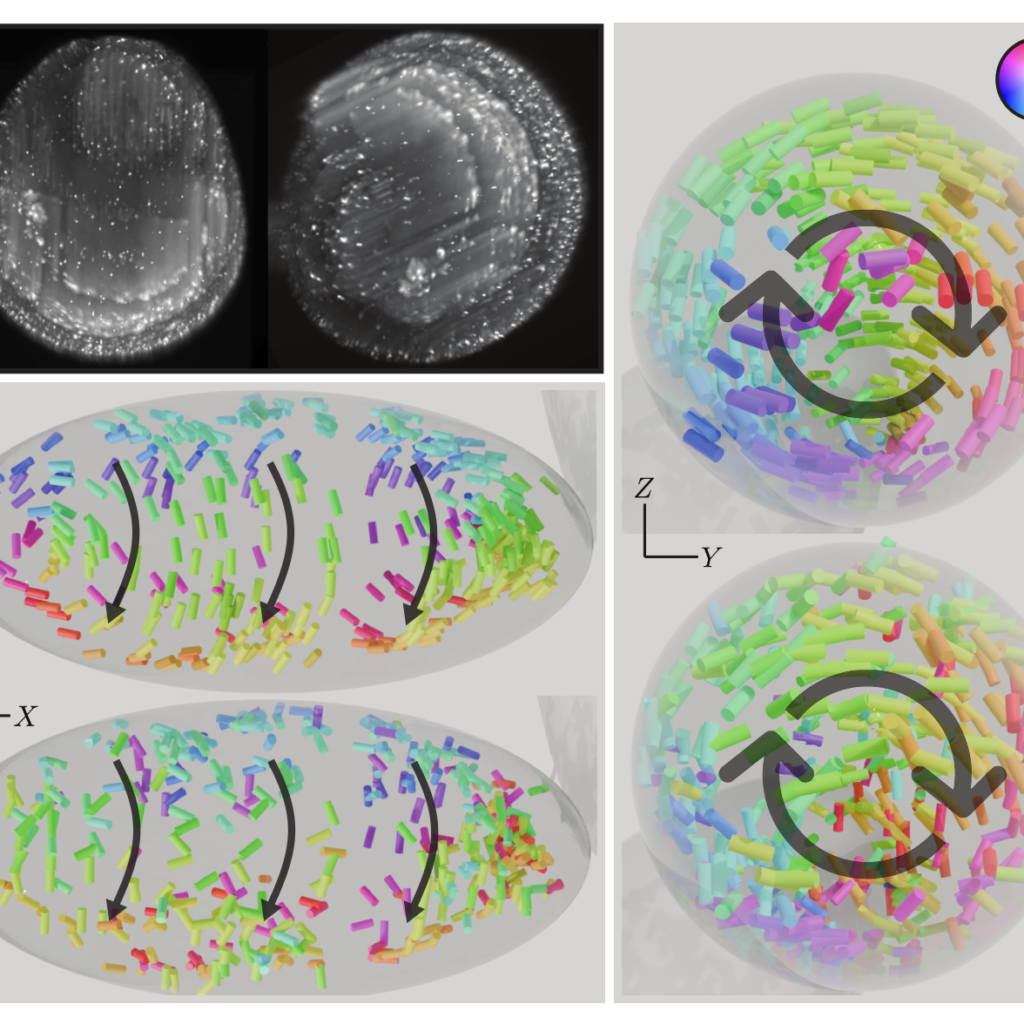
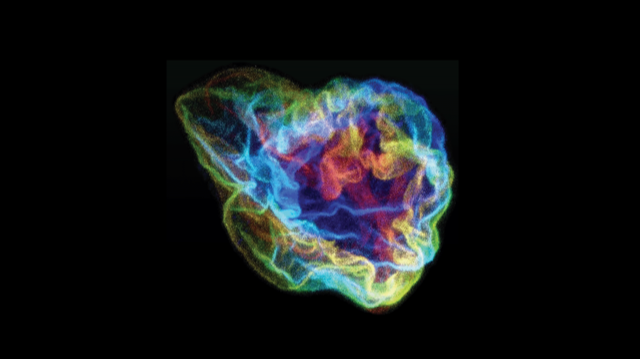
We investigate the role that cytoplasmic streaming plays in organizing the large Drosophila oocyte. We study questions of transport, mixing, and flow structure as a function of cell shape. We develop 3D live lightsheet imaging techniques to track tracer particles during cytoplasmic streaming and we compare the streamlines to predictions from modeling. We show that the flow rotates around the long axis of the cell as predicted by simulations.
3. Tissue Level
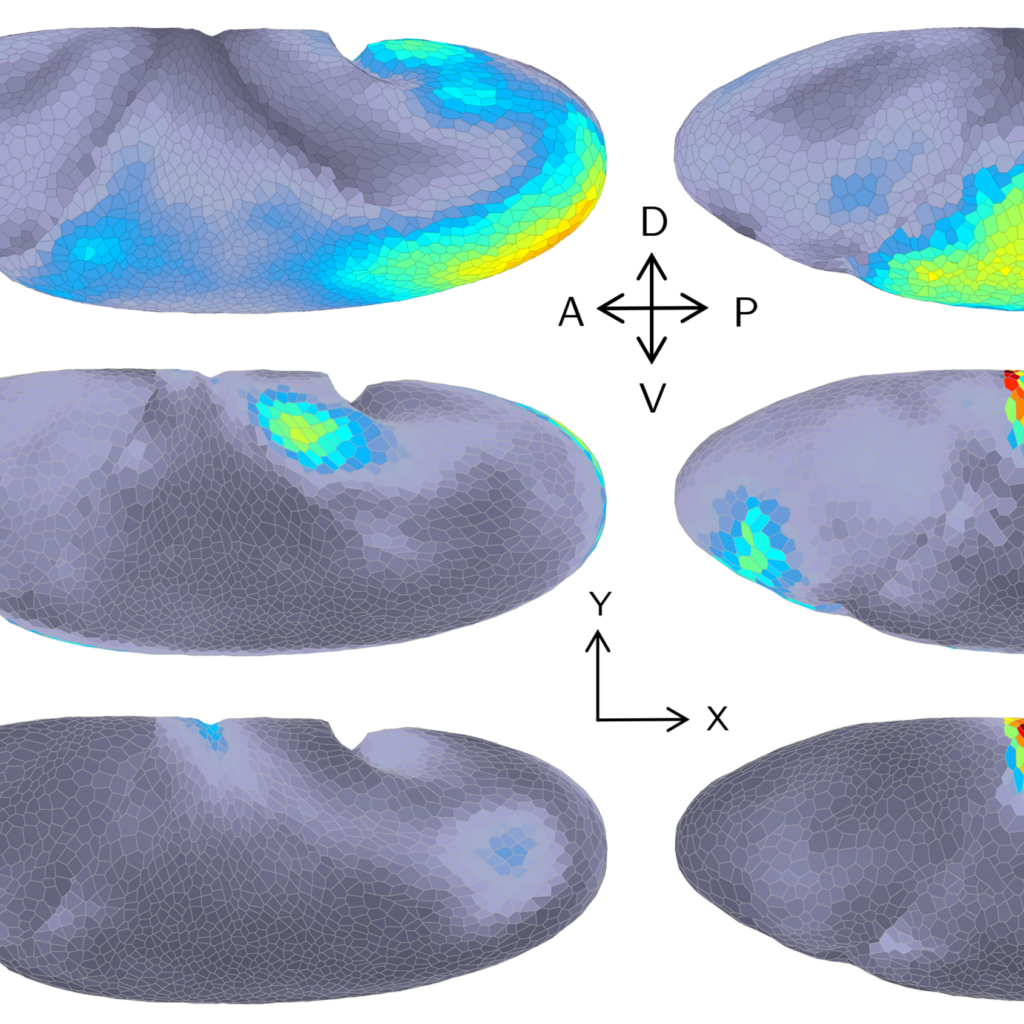
From time-lapse movies of embryogenesis, we measure tissue deformations from the local dynamics of cell clusters. We connect local measures, such as strain, to distinct morphological domains in the developing embryo.
4. Organismal Level
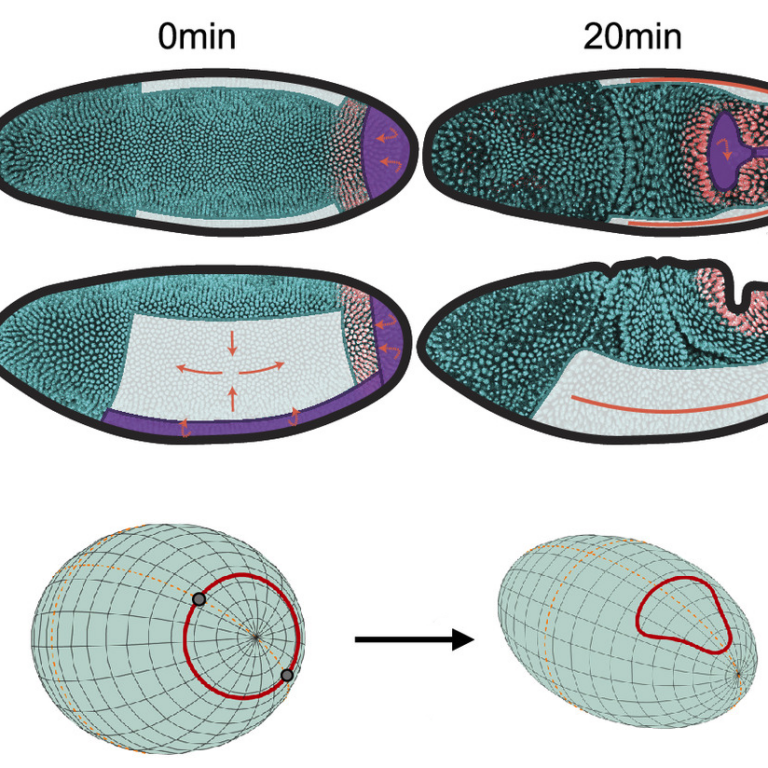
We use experimental and computational models to demonstrate how mechanical forces within developing tissues shape the form and function of the whole organism. The results lay the groundwork for understanding how organs and tissues take shape in embryos across many species.
5. Data Integration
We develop mathematical models to computationally fuse partial observations, such as expression measurements of individual genes, to reconstruct complex developmental dynamics of cell fate decisions and tissue morphologies. Our general approach allows for the integration of data from diverse technologies yielding otherwise inaccessible views into fundamental processes across organisms.

Research Staff
We are a team of biophysicists, biochemists, computational bilogists and mathematicians, driven by a shared fascination with the developmental dynamics.
Jasmin Imran Alsous
Research Scientist, Center for Computational Biology
Maria Avdeeva
Associate Research Scientist, Center for Computational Biology
Lisa M. Brown
Senior Data Scientist, Center for Computational Biology
Olenka Jain
Flatiron Research Fellow, Center for Computational Biology
Hayden Nunley
Associate Research Scientist, Center for Computational Biology
Anton Persikov
Senior Data Scientist, Center for Computational Biology
Stanislav Shvartsman
Senior Research Scientist, Center for Computational Biology
Dominic Skinner
Associate Research Scientist, Center for Computational Biology
Alumni
Software & Datasets
Job Openings
- Posted
- Section
- Computational Biology
- For
- Postdoctoral Researcher
- Type
- Fixed Term / Temporary
- Area
- Research/Science
- About
- The Center for Computational Biology (CCB) of the Simons Foundation’s Flatiron Institute is actively seeking enthusiastic, full-time post-doctoral Flatiron Research Fellows to join its Developmental Dynamics Group. Candidates interested in data-driven modeling of biological systems, especially in the context of behavioral changes during postembryo…