
A circular pattern of evenly spaced, white radial lines on a light gray background, creating a sunburst or spinning wheel effect with an empty center.

Quantum Many-Body Problem Theory and Methods: Electronic Structure Beyond DFT

We develop and implement advanced computational frameworks that extend the reach of powerful many-body approaches to quantum materials.

About

Understanding the electronic properties of complex materials from first principles represents a major challenge in quantum physics, driven by the large system sizes and the vast number of degrees of freedom—such as spin, orbital, and lattice—that characterize these systems.

While ab initio methods grounded in density functional theory (DFT) provide key microscopic insights into many materials, their effectiveness is constrained when strong electron correlations are involved. In such scenarios, quantum many-body methods become indispensable. However, direct application of these techniques to complex materials from first principles is often hindered by the overwhelming number of interacting degrees of freedom and competing energy scales.

We are pioneering the development and implementation of advanced computational frameworks that extend the reach of powerful many-body approaches to quantum materials, all from first principles. A central thrust of this work is the integration of ab initio GW methods with quantum embedding methods such as extended dynamical mean-field theory (EDMFT). The development of a new efficient implementation of the GW method is the focus of the COQUÍ code, and our implementation of fully self-consistent GW+EDMFT combines this code with the ModEST code, a redesigned interface between the TRIQS code and electronic structure methods. GW is also being combined with other many-body methods such as AFQMC.

Additionally, fast embedding solvers based on the ghost-Gutzwiller approach are being developed and, when combined with DFT or GW, are poised to yield novel and efficient methodologies for the study of quantum materials. These efforts are closely aligned with CCQ’s broader initiatives in quantum embedding, quantum Monte Carlo, and tensor network methods .

Project Leader

A portrait photo of Miguel Morales.

Miguel Morales

Research Scientist, Center for Computational Quantum Physics

Project Scientists
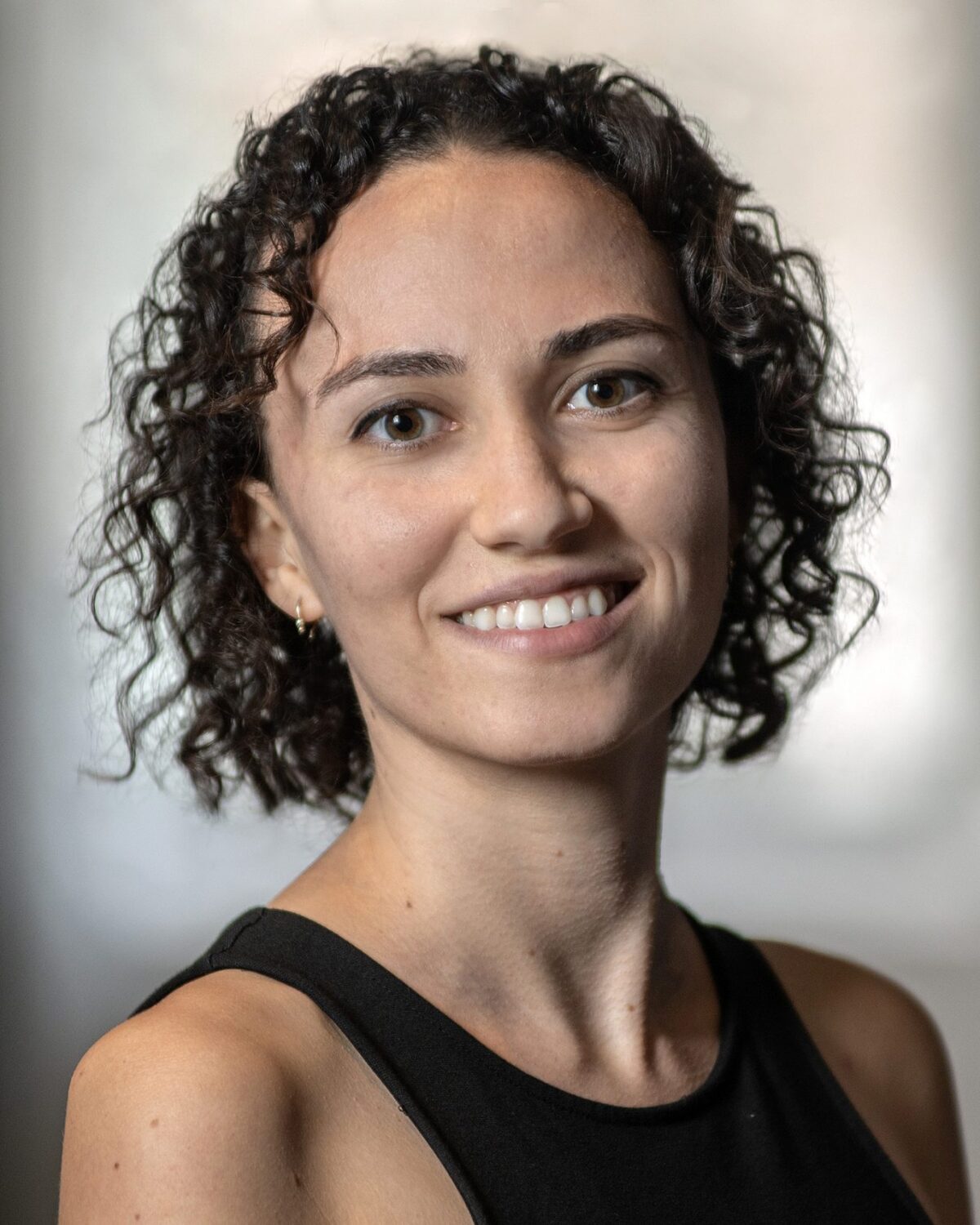
A woman with curly dark hair, wearing a sleeveless black top, smiles at the camera in a softly blurred indoor setting.

Jennifer Coulter

Associate Research Scientist, Center for Computational Quantum Physics
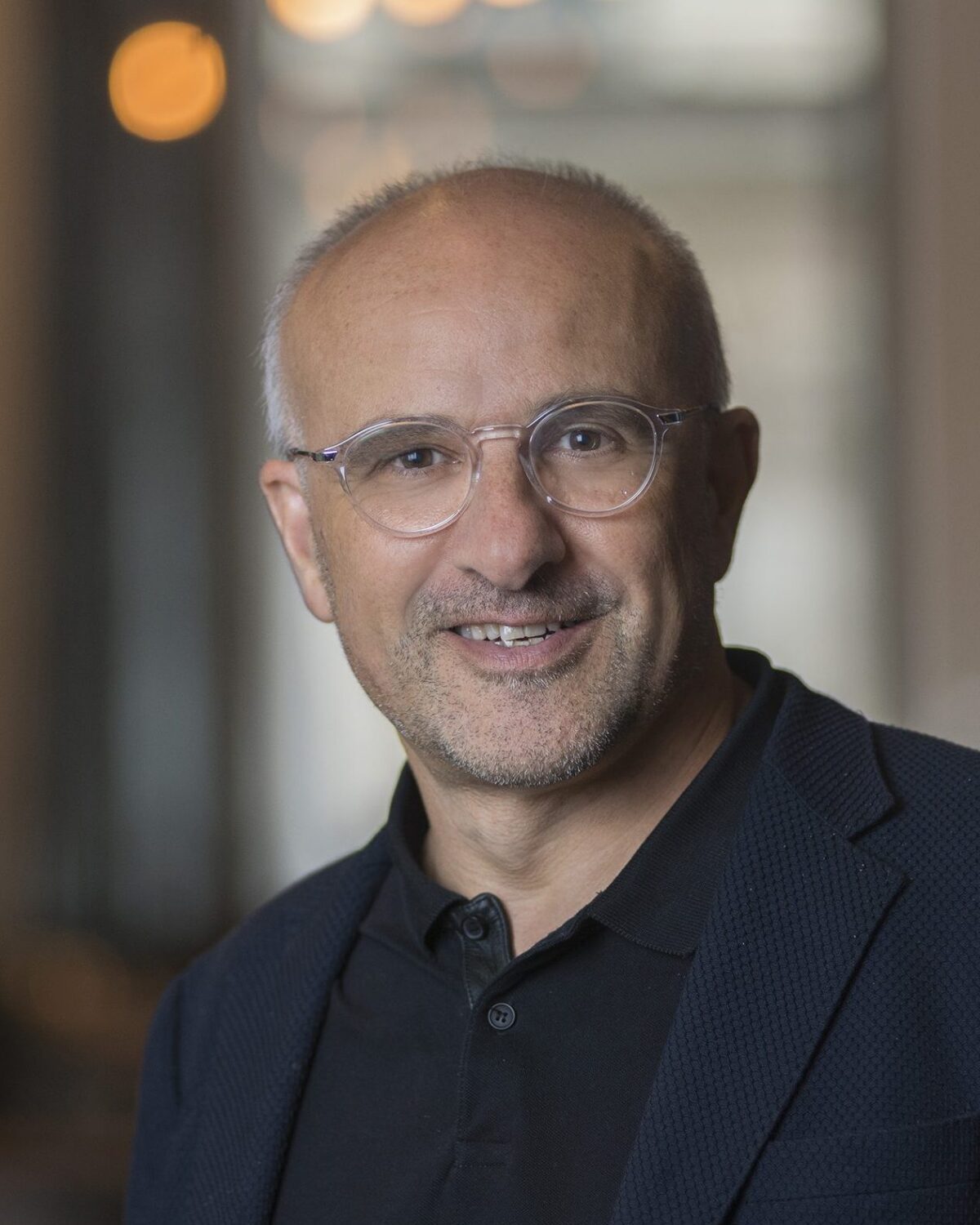
Portrait photo of Antoine Georges

Antoine Georges

Director, Center for Computational Quantum Physics
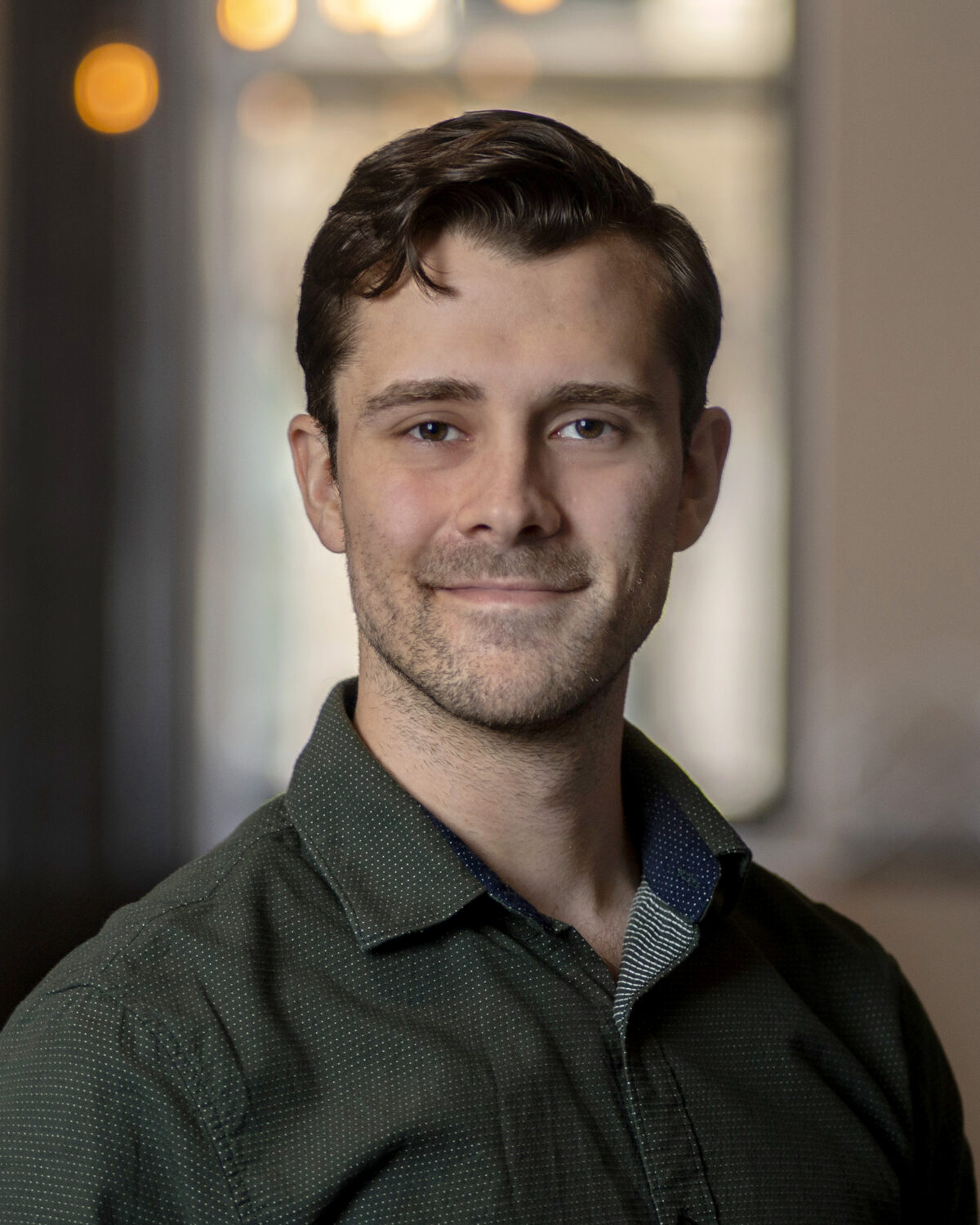
A portrait photo of Olivier Gingras.

Olivier Gingras

Associate Research Scientist, Center for Computational Quantum Physics
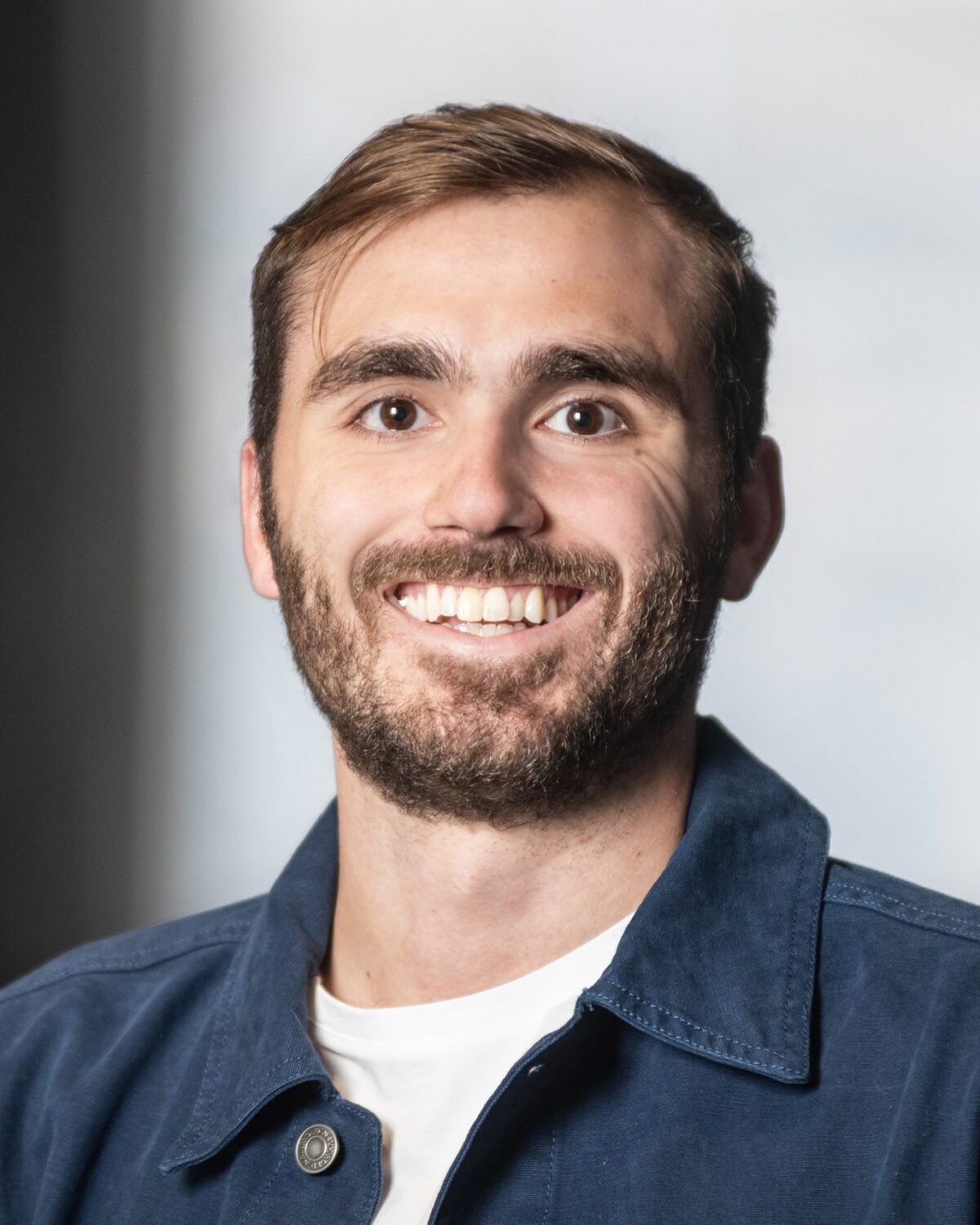
A man with short brown hair and a beard smiles at the camera. He is wearing a white shirt and a blue jacket, with a blurred background behind him.

Harrison LaBollita

Flatiron Research Fellow, Center for Computational Quantum Physics
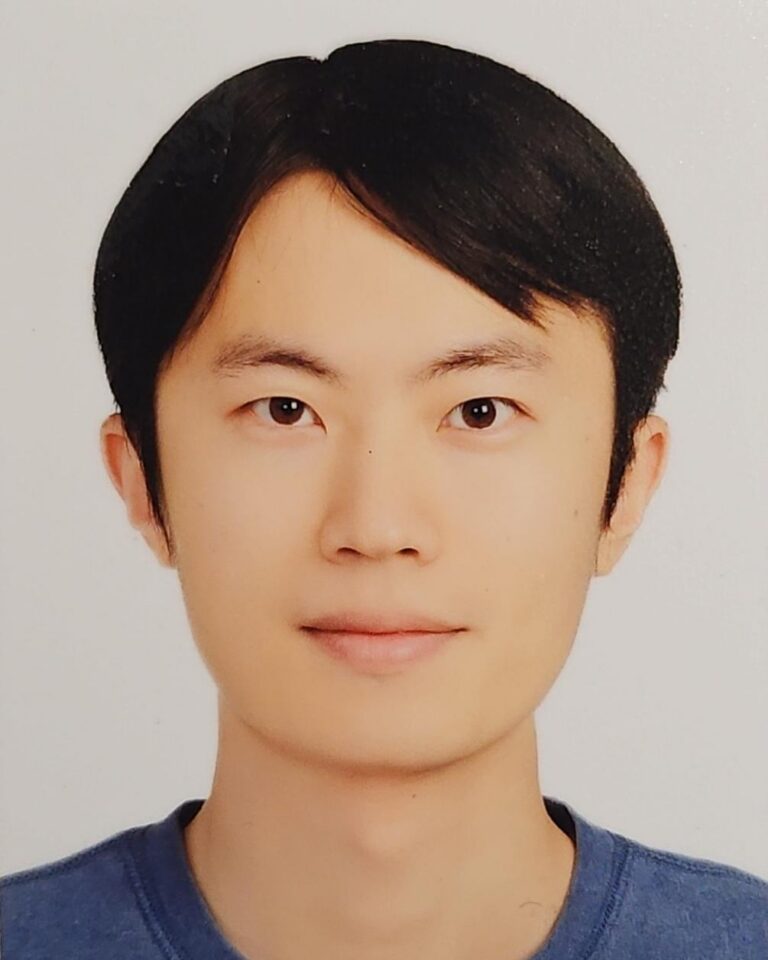
A young person with straight black hair, wearing a blue shirt, is facing the camera and smiling softly in a passport-style photo against a plain white background.

Jae-Mo Lihm

Flatiron Research Fellow, Center for Computational Quantum Physics

Portrait photo of Olivier Parcollet

Olivier Parcollet

Senior Research Scientist, Center for Computational Quantum Physics
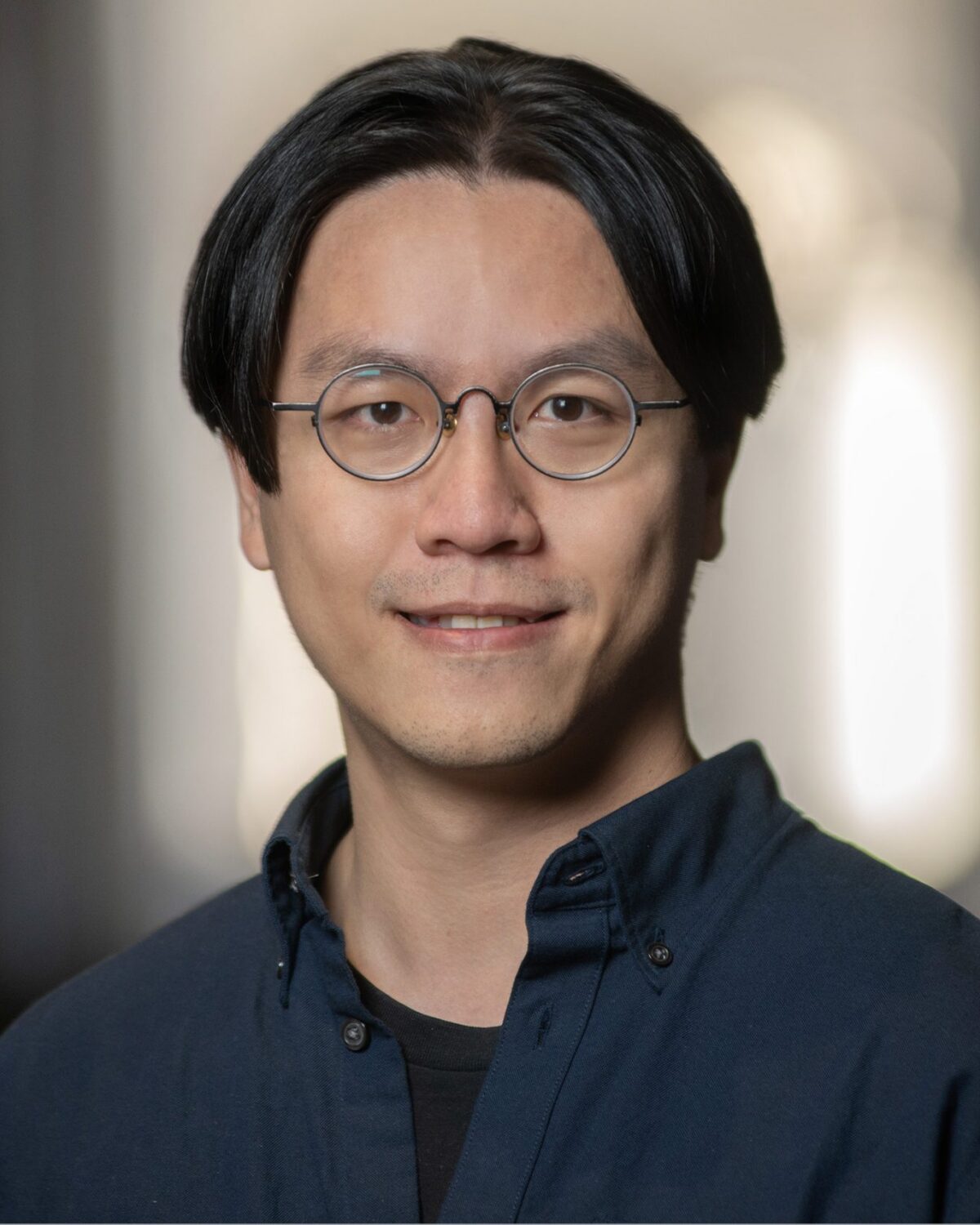
A person with medium-length black hair, round glasses, and a dark blue shirt is smiling slightly while looking at the camera. The background is softly blurred.

Chia-Nan Yeh

Associate Research Scientist, Center for Computational Quantum Physics