
Computational Quantum Physics: Quantum Many-Body Problem Theory and Methods
We develop the methods and algorithms to make the quantum many-body problem tractable.
About
Focus Areas
Quantum Embedding Methods
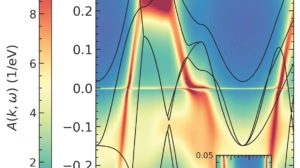 Quantum embedding methods are theoretical approaches to study models and materials with strong electronic correlations that are formulated in terms of a few degree of freedom system (“quantum impurity” or “atom”) coupled to a self-consistently determined environment. Dynamical mean field theory (DMFT) is a posterchild for such approaches.
We use quantum embedding techniques to solve models of interacting fermions and, in combination with electronic structure methods such as DFT and GW, to compute properties of strongly correlated materials.
We also develop next generation quantum embedding methods including:
- Vertex extensions to include the effect of longer-range spatial correlations as well as longer range interactions and to accelerate convergence
- New algorithms for solving quantum impurity models, to obtain the precision needed to compute transport at low temperatures and the compute time and memory efficiency needed to address larger impurity systems
Project Leader: Olivier Parcollet
Project Scientists: Jenny Coulter, Antoine Georges, Olivier Gingras, Samuele Giuli, Jason Kaye, Harry LaBollita, Andy Millis, Miguel Morales, Ina Park, Miles Stoudenmire, Nils Wentzell, Chia-Nan Yeh, Zhen Huang, Andrew Klevorkian-Hardy, Ivan Pasqua
Quantum Monte Carlo
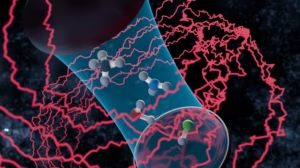 Quantum Monte Carlo (QMC) is an umbrella term that refers to computational methods using stochastic sampling in some form to study interacting quantum systems.
A key characteristic of the quantum many-body problem is the high dimensionality of the Hilbert space involved. QMC methods thus have an integral role in CCQ activities.
QMC at CCQ is anchored by both methodological innovations and software developments. It spans a wide range of algorithms:
- AFQMC: formulating the solution of the Schrödinger equation directly as random walks in a manifold of Slater determinants (auxiliary-field quantum Monte Carlo, or AFQMC)
- NQS/VMC: evaluating expectation values of a given many-body wave function ansatz and optimizing with respect to the neural network and/or many parameters (variational Monte Carlo, often used in combination with neural quantum states – NQS – and machine learning) – see `Machine Learning’ project.
- DiagMC: evaluating by sampling the successive terms of perturbation theory and summing this series to reach strong-coupling regimes (diagrammatic Monte Carlo).
- Monte Carlo sampling methods to solve local quantum impurity problems which are central to dynamical mean-field theory (DMFT) and quantum embedding methods.
The QMC effort connects broadly to multiple application domains including condensed matter physics, ultracold atoms in AMO physics, quantum chemistry, and materials physics. It is driven by solving outstanding problems ranging from understanding model systems for exotic quantum states to ab initio and predictive computations in molecules and solids.
Project Leaders: Shiwei Zhang, Miguel Morales
Project Scientists: Conor Smith, Olivier Parcollet, Agnes Valenti, Zhou-Quan Wan, Lukas Weber, Nils Wentzell, Yueqing Chang, Fikret Ardal
Machine Learning; Neural Quantum States
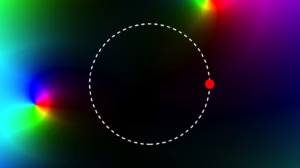 Machine learning techniques can be used to grasp, reduce, and ultimately better understand the inherent complexity of many-body physical systems. A promising route for applying machine learning ideas to physics is by using artificial neural networks to describe quantum wave functions, which allows one to simulate interacting quantum models that would otherwise be very challenging.
The goal of this CCQ project is to develop new variational wave functions as well as to understand their training, interpretation, and applications, with a special focus on fermionic strong correlation effects. Current work focuses both on lattice models, like the Hubbard model and its generalizations, and on continuum space models, like 2D electron gas and moiré systems. CCQ is also using and developing Machine Learning methods for data-driven tasks, especially in connection to quantum simulators.
Project Leader: Anirvan Sengupta
Project Scientists: Antoine Georges, Miguel Morales, Alev Orfi, Conor Smith, Agnes Valenti, Roland Wiersema, Shiwei Zhang, Riccardo Rende, Hannah Lange
Tensor Networks
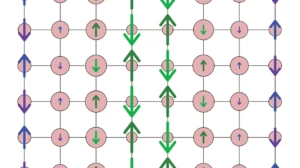 Tensor networks are an elegant approach for compactly representing very high dimensional wavefunctions and other objects encountered when modeling quantum many-body systems.
The success of a tensor network description arises from the locality of interactions between quantum particles, and provides an interesting connection between many-body quantum entanglement and computational efficiency
Tensor networks are not only a powerful numerical tool, but also provide an interesting way to understand and even classify quantum many-body systems. The development of tensor network algorithms is a dynamic area of research, and CCQ researchers are both discovering more efficient algorithms and applying them to solve more complex and realistic models of quantum systems. Current areas of activity include tensor networks for higher-dimensional systems, tensor network impurity solvers for embedding methods, and methods for continuum functions including solving differential equations. CCQ is home to the ITensor library for the rapid development of tensor network algorithms.
Project Leader: Miles Stoudenmire
Project Scientists: Matt Fishman, Joseph Tindall, Olivier Parcollet, Lukas Devos, Sophia Wolczko, Jack Dunham, Marc Ritter
Electronic Structure Beyond DFT
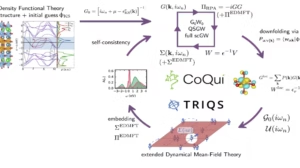 Understanding the electronic properties of complex materials from first principles represents a major challenge in quantum physics, driven by the large system sizes and the vast number of degrees of freedom—such as spin, orbital, and lattice—that characterize these systems.
While ab initio methods grounded in density functional theory (DFT) provide key microscopic insights into many materials, their effectiveness is constrained when strong electron correlations are involved. In such scenarios, quantum many-body methods become indispensable. However, direct application of these techniques to complex materials from first principles is often hindered by the overwhelming number of interacting degrees of freedom and competing energy scales.
We are pioneering the development and implementation of advanced computational frameworks that extend the reach of powerful many-body approaches to quantum materials, all from first principles. A central thrust of this work is the integration of ab initio GW methods with quantum embedding methods such as extended dynamical mean-field theory (EDMFT).
The development of a new efficient implementation of the GW method is the focus of the COQUÍ code, and our implementation of fully self-consistent GW+EDMFT combines this code with the ModEST code, a redesigned interface between the TRIQS code and electronic structure methods. GW is also being combined with other many-body methods such as AFQMC.
Additionally, fast embedding solvers based on the ghost-Gutzwiller approach are being developed and, when combined with DFT or GW, are poised to yield novel and efficient methodologies for the study of quantum materials. These efforts are closely aligned with CCQ’s broader initiatives in quantum embedding, quantum Monte Carlo, and tensor network methods.
Project Leader: Miguel Morales, Olivier Parcollet
Project Scientists: Jennifer Coulter, Antoine Georges, Olivier Gingras, Harrison LaBollita, Jae-mo Lihm, Chia-Nan Yeh, David Abramovitch
People
Matthew Fishman
Research Scientist, Center for Computational Quantum Physics
Antoine Georges
Director, Center for Computational Quantum Physics

Samuele Giuli
Flatiron Research Fellow, Center for Computational Quantum Physics

Harrison LaBollita
Flatiron Research Fellow, Center for Computational Quantum Physics
Andrew Millis
Co-Director, Center for Computational Quantum Physics
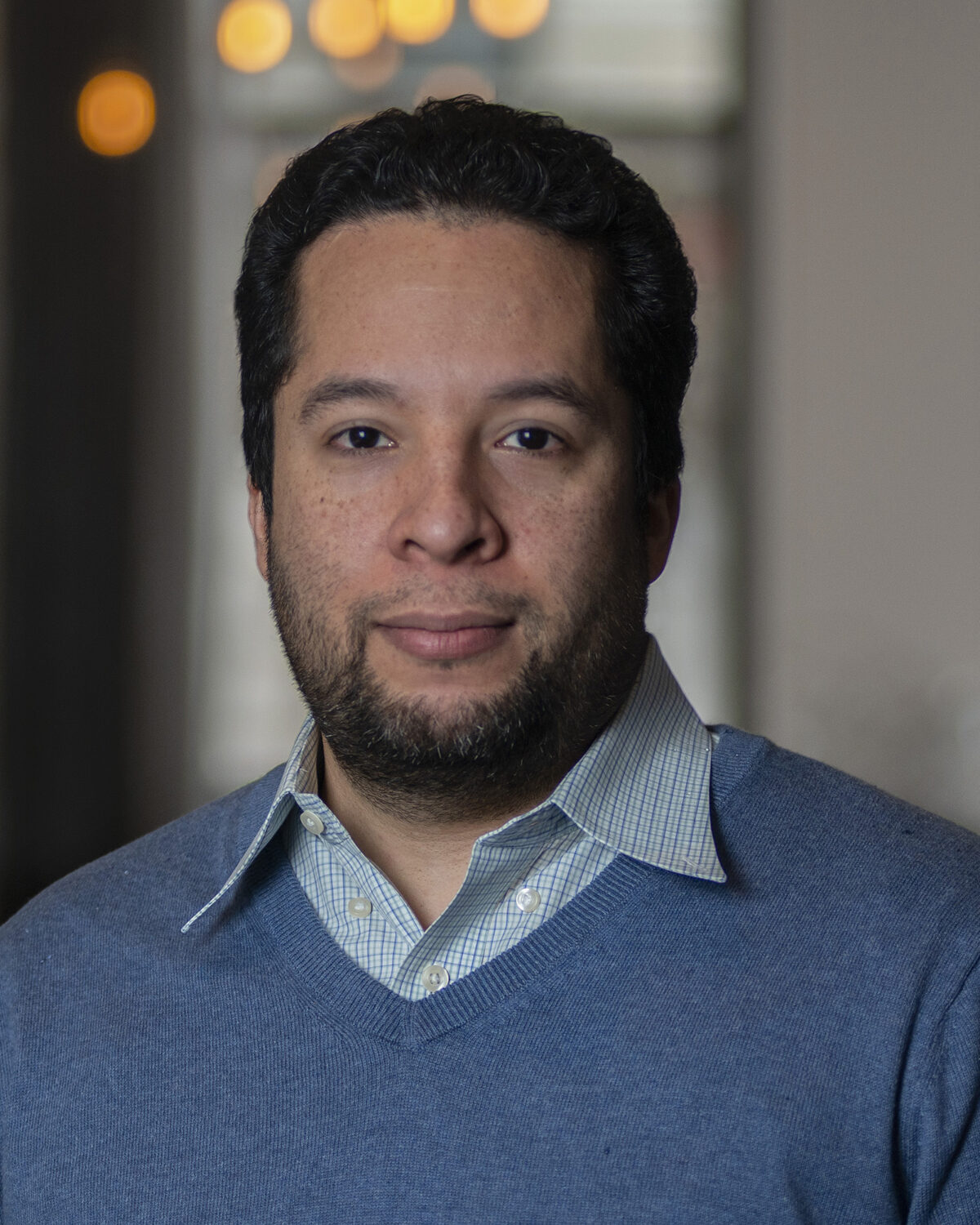
Miguel Morales
Research Scientist, Center for Computational Quantum Physics
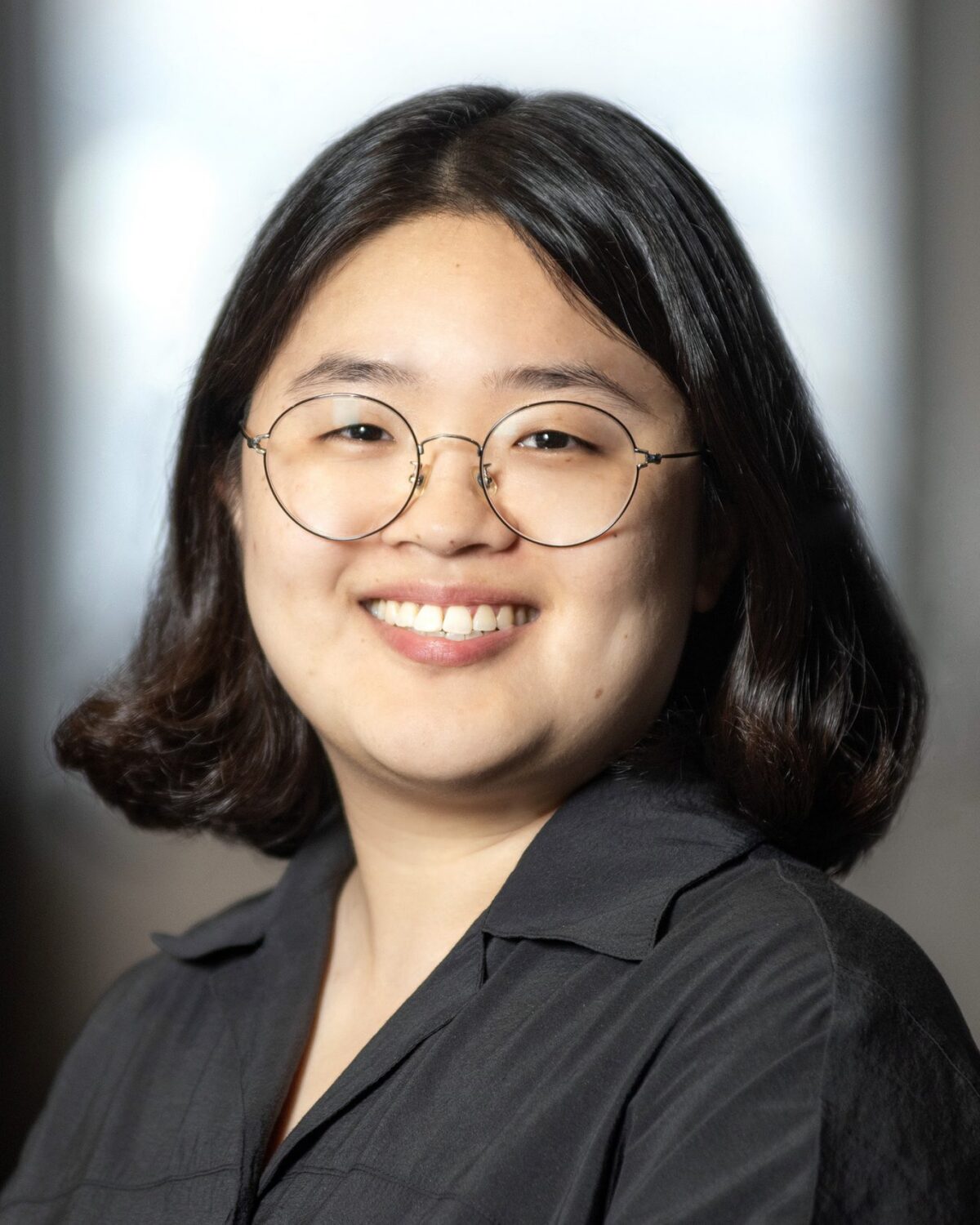
Ina Park
Flatiron Research Fellow, Center for Computational Quantum Physics
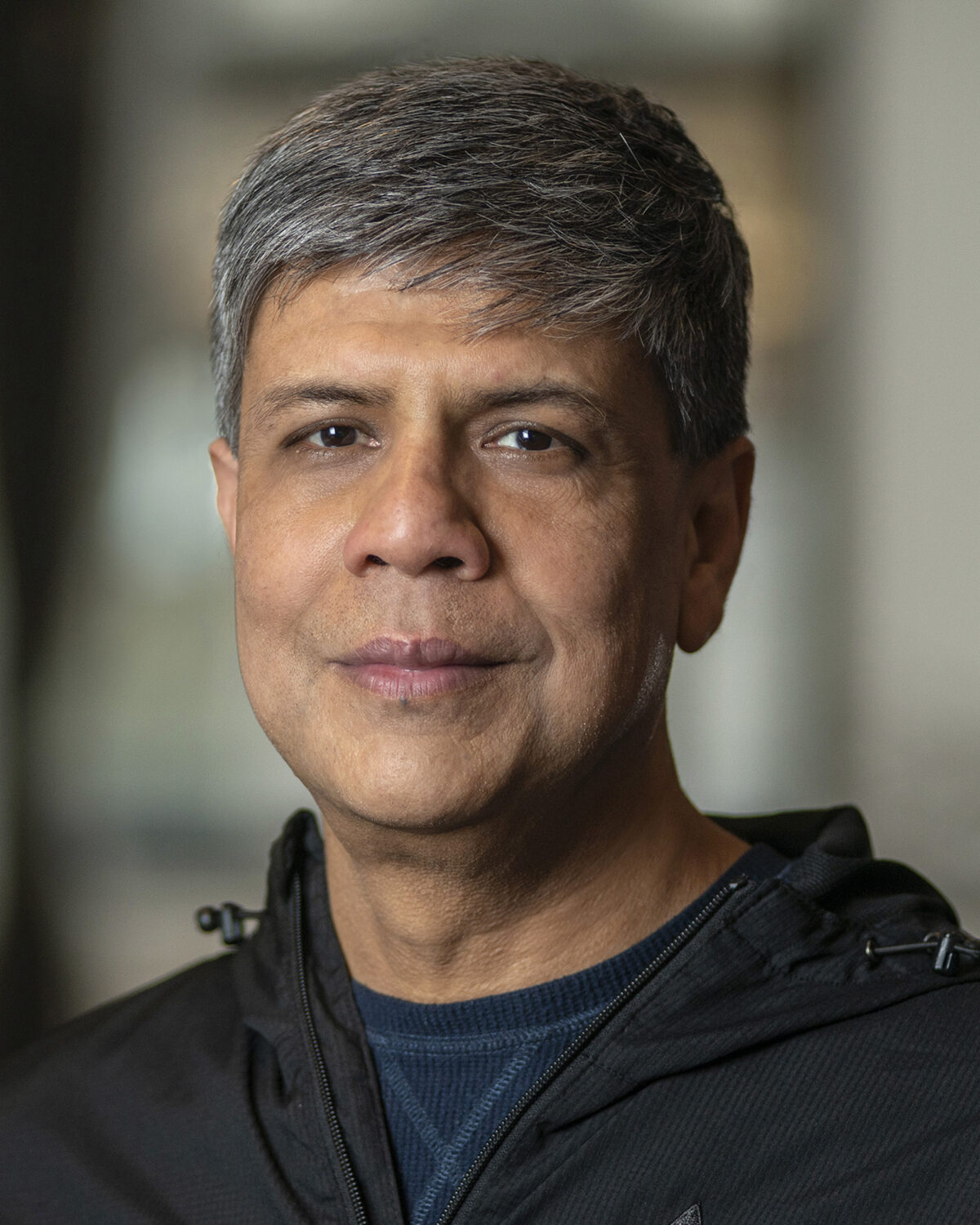
Anirvan Sengupta
Senior Research Scientist, Centers for Computational Mathematics and Quantum Physics
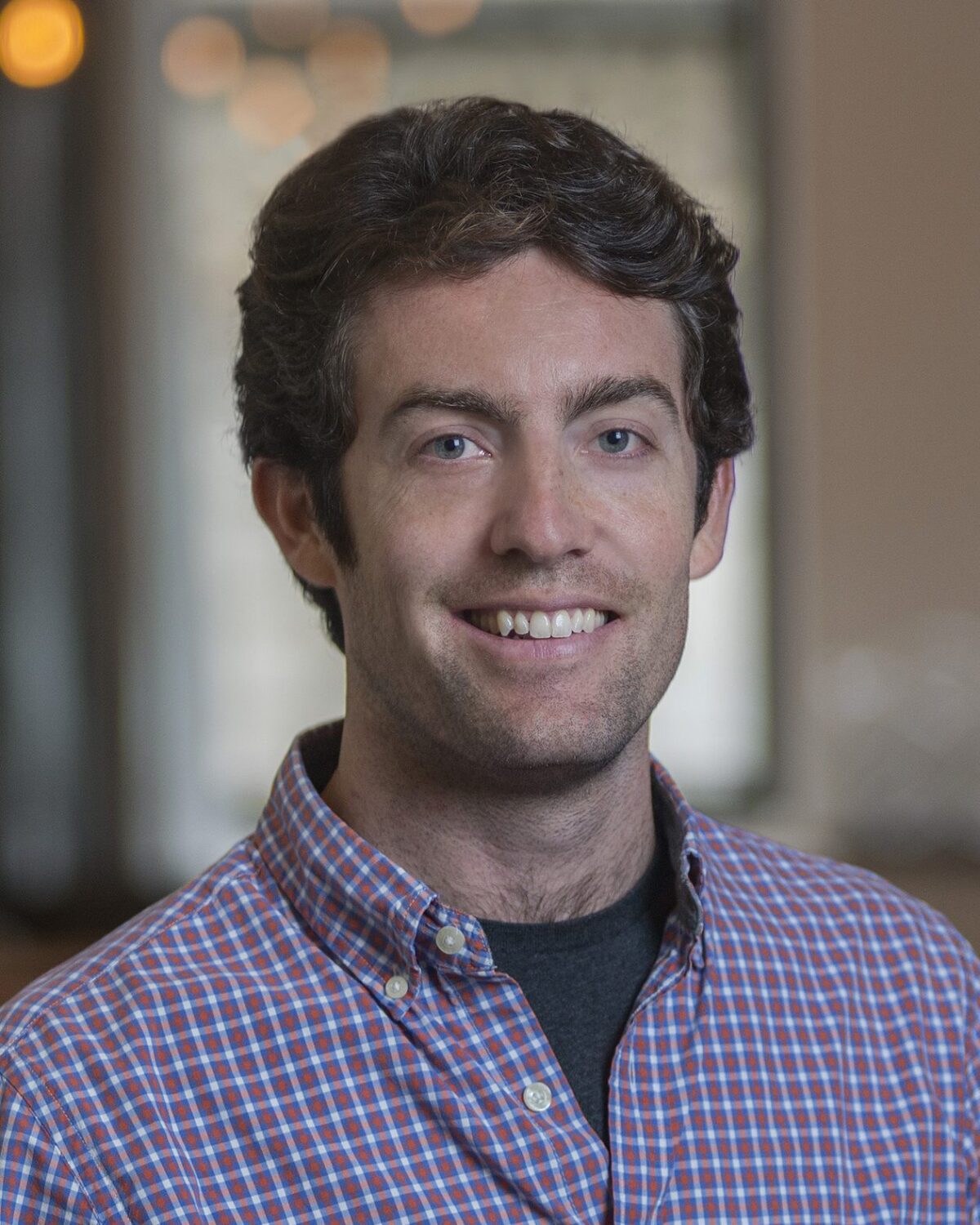
Miles Stoudenmire
Research Scientist, Center for Computational Quantum Physics
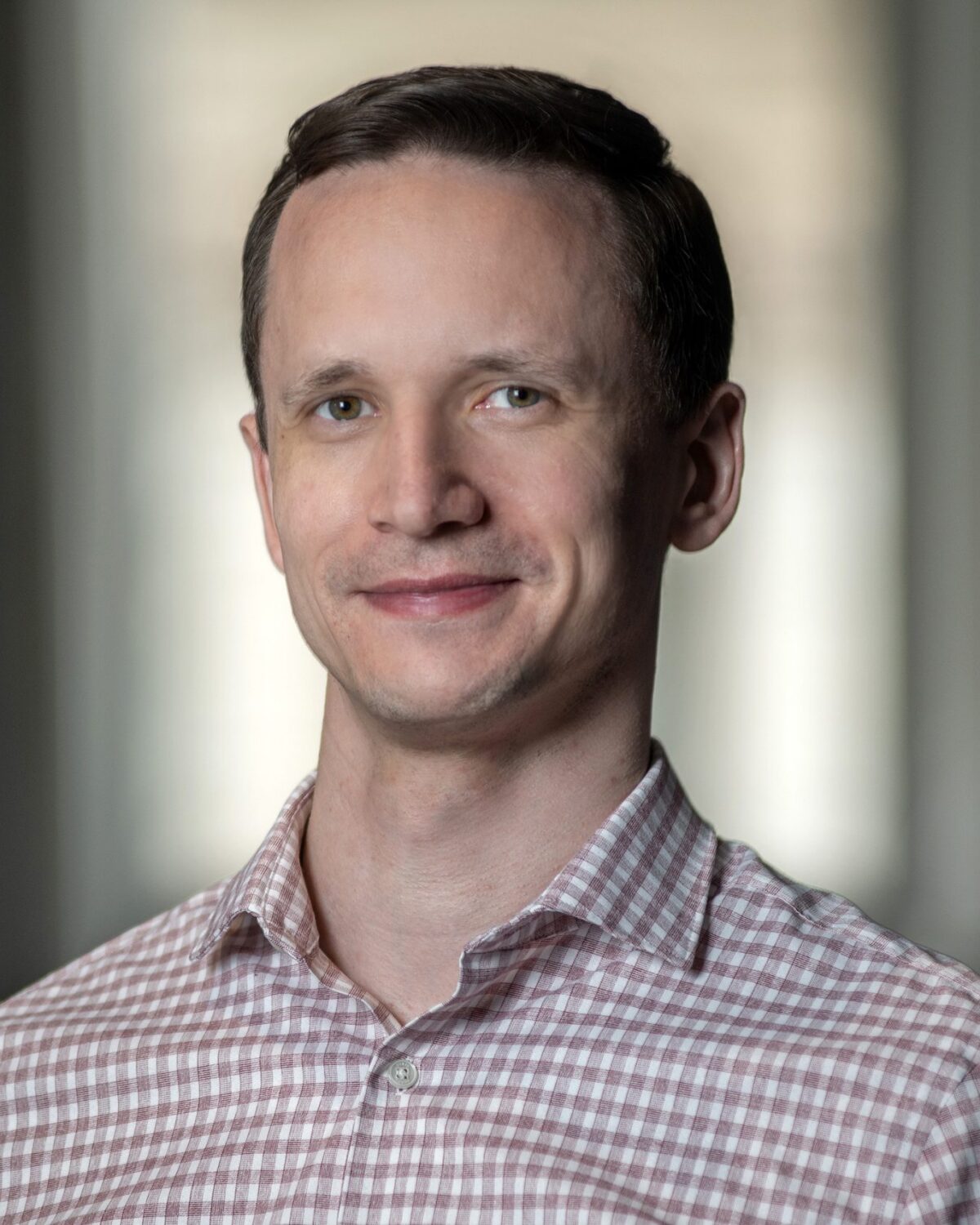
Nils Wentzell
Research Scientist, Center for Computational Quantum Physics
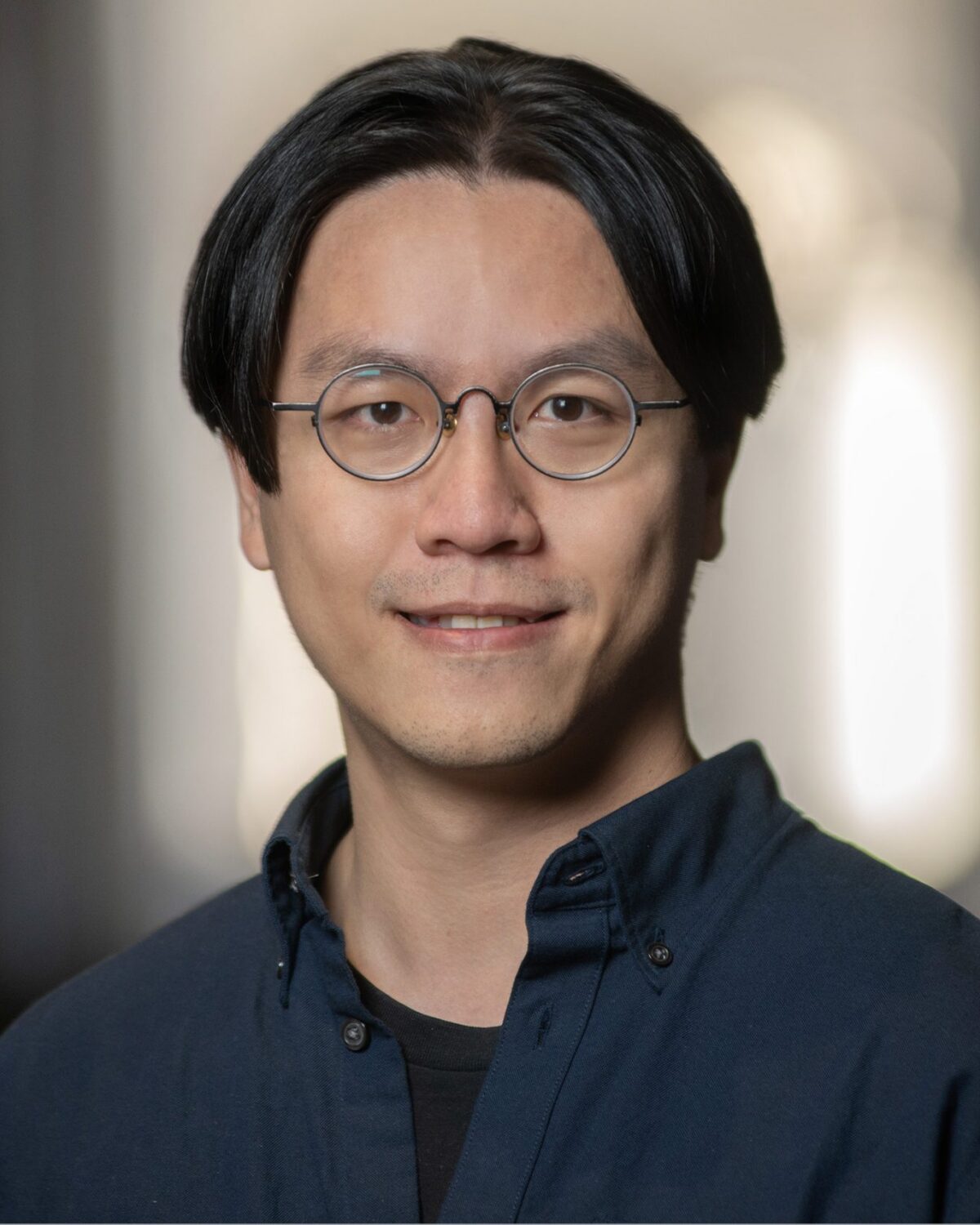
Chia-Nan Yeh
Associate Research Scientist, Center for Computational Quantum Physics
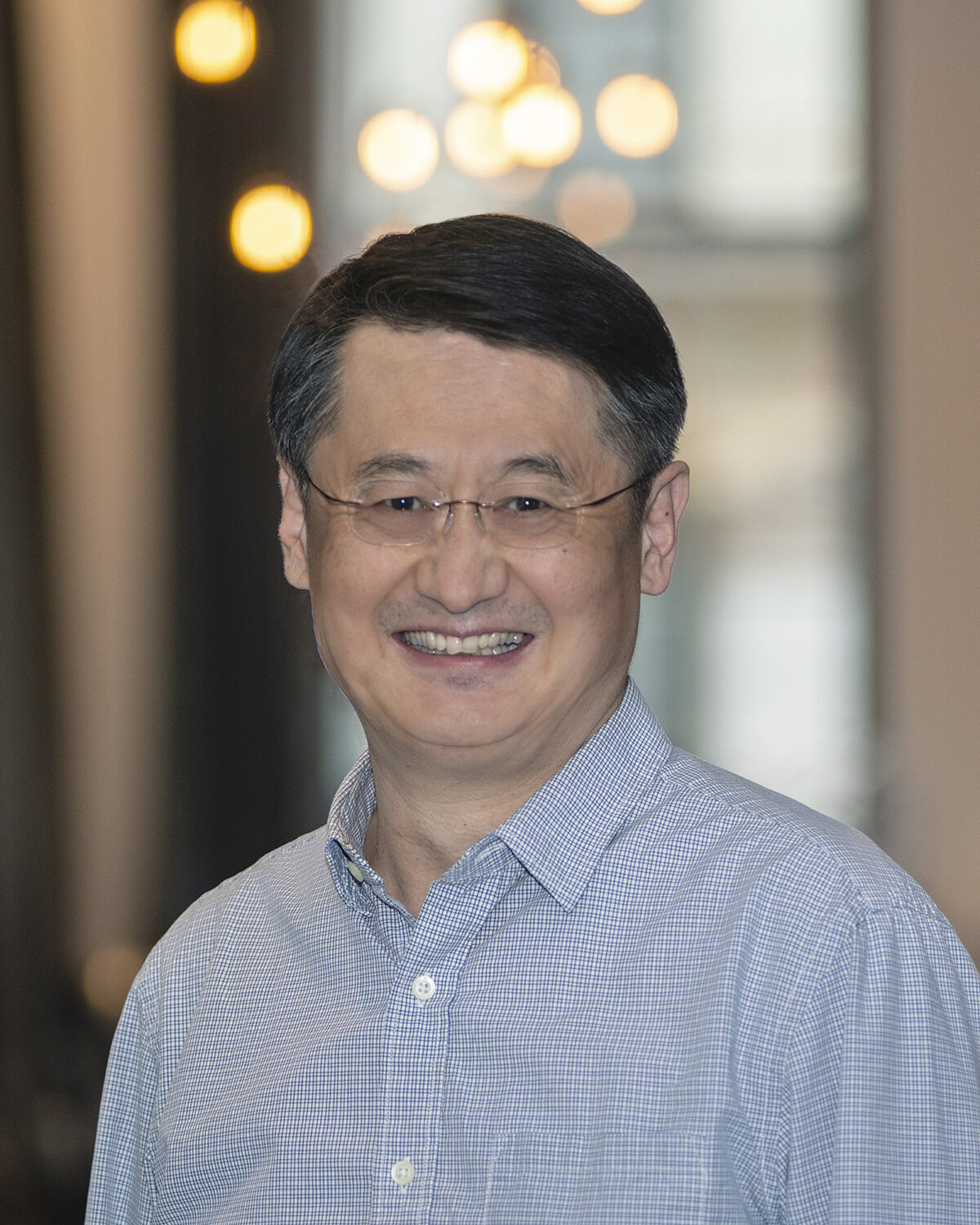
Shiwei Zhang
Senior Research Scientist, Center for Computational Quantum Physics