Skip to content
Simons Foundation
Simons Foundation
Simons Foundation
Search
  • Bringing people and ideas together to fund, conduct, and share transformative science.

    In-House Research

    • Computational Astrophysics
    • Computational Biology
    • Computational Mathematics
    • Computational Neuroscience
    • Computational Quantum Physics
    • Computational Catalysis

    Research We Fund

    • Autism
    • Neuroscience
    • Mathematics & Physical Sciences
    • Ecology & Evolution
    • Plant Biology

    Public Engagement

    • Grantmaking
    • Media Initiatives
    • Public Events
    • Researcher Engagement
    • National Initiatives

    Resources

    • Computational Software
    • Computational Datasets
    • SFARI Base
    All Resources

    Simons Collaborations

    • Simons Collaboration on Localization of Waves
    • Simons Collaboration on Plasticity and the Aging Brain
    • Simons Collaboration on Principles of Microbial Ecosystems
    All Collaborations
  • Our grants advance knowledge and strengthen connections between science and society.

    All Funding Opportunities

    Autism & Neuroscience

    • Fellows-to-Faculty
    • New Ideas
    • SFARI Conferences & Courses Awards
    • Shenoy Undergraduate Research Fellowship in Neuroscience

    Life Sciences

    • Simons Graduate Fellowships in Ecology & Evolution
    • Simons Postdoctoral Fellowships in Plant Biology
    • Synthetic Plant Biology
    • Simons Collaborations in Ecology & Evolution

    Science, Society & Culture

    • Science in Culture
    • Science in Community
    • STEM Pathways

    Mathematics & Physical Sciences

    • Scientific Software Research Faculty Award
    • Simons Collaborations in MPS
    • Simons Dissertation Fellowship
    • Simons Fellows in Mathematics
    • Targeted Grants to Institutes
    • Targeted Grants in MPS
    • Travel Support for Mathematicians

    Shared Programs

    • Pivot Fellowship
    • Simons Society of Fellows

    Resources for Applying

    • Open Funding Opportunities
    • Policies & Procedures
    • SAM FAQ and Instructional Videos
    • Past Funded Work
  • Discover the latest news, research, and updates.

    All News

    The Latest

    • Research News
    • Funding Announcements
    • Newsletter Sign Up

    For the Media

    • Press Releases
    • Media Relations
  • We convene scientists, mathematicians, and thinkers to share ideas and explore new questions.

    All Events

    Public Events

    • Presidential Lectures
    • Presents
    Attend an Event

    Flatiron Events Our in-house research institute hosts events for scientists and researchers.

    See All

    Past Events Find videos, presentations, and resources from our past events.

    See All
  • Founded by Jim and Marilyn Simons, we’re a private philanthropy advancing mathematics and basic science.

    About Us

    About

    • Our History
    • Annual Reports
    • Brand Guidelines
    • Visitor Information
    • Media Relations
    • Contact
    About Us

    People

    • Leadership
    • Board of Trustees
    • Research Staff
    All People

    Careers

    • Working Here
    • Internship Opportunities
    • Undergraduate Students
    • Graduate Students
    • Postdoctoral Opportunities
    • Research Scientists
    Open Jobs
  • Flatiron Institute
  • Careers
    Search all
  • Funding
    Search all
  • Explore opportunities for...
    • Undergraduate students
    • Graduate students
    • Postdoctoral researchers
    • Research scientists
Simons Foundation

Filters

Section

Show 2 more Show less

Award Program

Award Year

Show 18 more Show less

Type

Show 24 more Show less

Tag

Show 3 more Show less
Simons Foundation
  • Find a Person

Bringing people and ideas together to fund, conduct, and share transformative science.

Our grants advance knowledge and strengthen connections between science and society.

Discover the latest news, research, and updates.

  • All News
  • Research News
  • Funding Announcements
  • Newsletter Sign Up
  • Press Releases
  • Media Relations

We convene scientists, mathematicians, and thinkers to share ideas and explore new questions.

  • Events Calendar
  • Public Events
  • Presidential Lectures
  • Presents
  • Flatiron Events
  • Past Events

Founded by Jim and Marilyn Simons, we’re a private philanthropy advancing mathematics and basic science.

Work with us on the frontier of basic science research.

  • All Open Positions
  • Undergraduate Students
  • Graduate Students
  • Postdocs
  • Research Scientists

The Flatiron Institute is a research center that uses computational science to advance fields like physics, biology, and astronomy.

  • Explore Flatiron Institute
  • People
  • Careers
  • Publications
  • Software & Data
  • Computational Astrophysics
  • Computational Biology
  • Computational Mathematics
  • Computational Neuroscience
  • Computational Quantum Physics
  • Computational Catalysis
Flatiron Institute
  • Autism
  • Neuroscience
  • Mathematics
  • Ecology & Evolution
  • Plant Biology
  • Grantmaking
  • Media Initiatives
  • Public Events
  • Researcher Engagement
  • National Initiatives
  • Computational Software
  • Computational Datasets
  • SFARI Base
  • Publications
  • Simons Collaboration on Localization of Waves
  • Simons Collaboration on Plasticity and the Aging Brain
  • Simons Collaboration on Principles of Microbial Ecosystems
All Collaborations
  • Policies & Procedures
  • Instructional Videos
  • Past Funded Work
  • Undergraduate Students
  • Graduate Students
  • Postdocs
  • Research Scientists
All Funding Opportunities
  • Fellows-to-Faculty
  • New Ideas
  • SFARI Conferences & Courses Awards
  • Shenoy Undergraduate Research Fellowship in Neuroscience
Autism & Neuroscience
  • Simons Graduate Fellowships in Ecology & Evolution
  • Simons Postdoctoral Fellowships in Plant Biology
  • Synthetic Plant Biology
  • Simons Collaborations in Ecology & Evolution
Life Sciences
  • Science in Culture
  • Science in Community
  • STEM Pathways
Science, Society & Culture
  • Scientific Software Research Faculty Award
  • Simons Collaborations in MPS
  • Simons Dissertation Fellowship in Mathematics
  • Simons Fellows in Mathematics
  • Targeted Grants to Institutes
  • Targeted Grants in Mathematics & Physical Sciences
  • Travel Support for Mathematicians
Mathematics & Physical Sciences
  • Pivot Fellowship
  • Simons Society of Fellows
  • Our History
  • Annual Reports
  • Visitor Information
  • Media Relations
  • Contact Us
About Us
  • Leadership
  • Board of Trustees
  • Research Staff
Search All People
  • Working Here
  • Internship Opportunities
  • Undergraduate Students
  • Graduate Students
  • Postdoctoral Students
  • Research Scientists
All Open Positions

Centers

  • Computational Astrophysics
  • Computational Biology
  • Computational Mathematics
  • Computational Neuroscience
  • Computational Quantum Physics
  • Scientific Computer Core
  • Initiative for Computational Catalysis

Collaborative Projects

  • Foundation Models of Science
  • Simons Observatory
Flatiron Institute

Search

What are you looking for?

Filter Results

Funded Work

Our funded projects advance discovery across mathematics, the physical and life sciences, neuroscience, and autism.

Results update as you type and when you change filters.

Skip to results

Filters

Section

Show 2 more Show less

Award Program

Award Year

Show 18 more Show less

Type

Show 24 more Show less

Tag

Show 3 more Show less

Results

  1. Neuro-oscillatory function and network communication in autism

    Funded Work
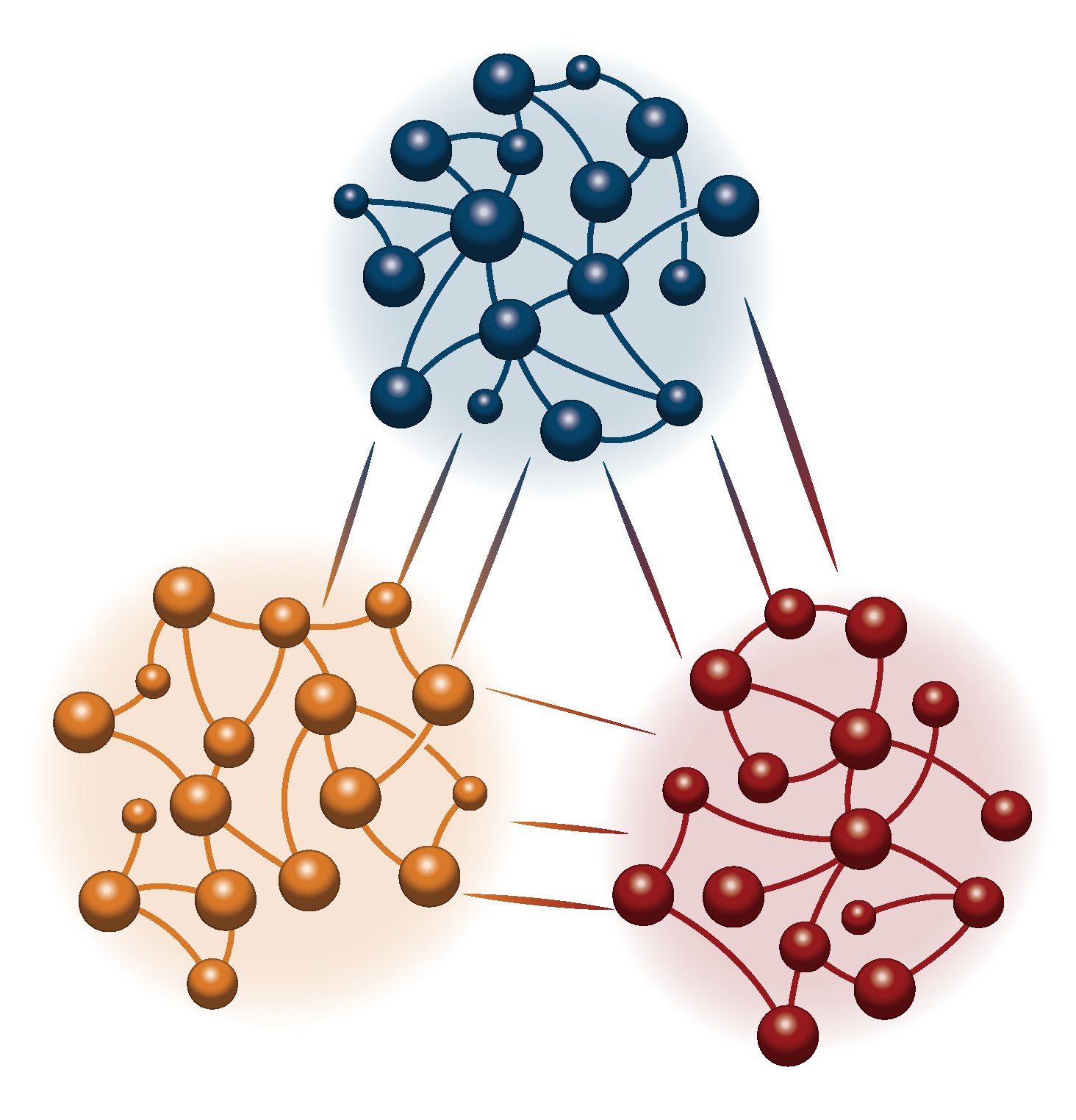
    Brain imaging research strongly suggests that autism spectrum disorder (ASD) involves altered function in multiple neural networks.
  2. Regulation of cortical interneuron wiring in neurodevelopmental disorders

    Funded Work
    Tuberous sclerosis complex (TSC) is a genetic condition caused by inactivating mutations in TSC1 or TSC2 genes, with variable penetrance and severity.
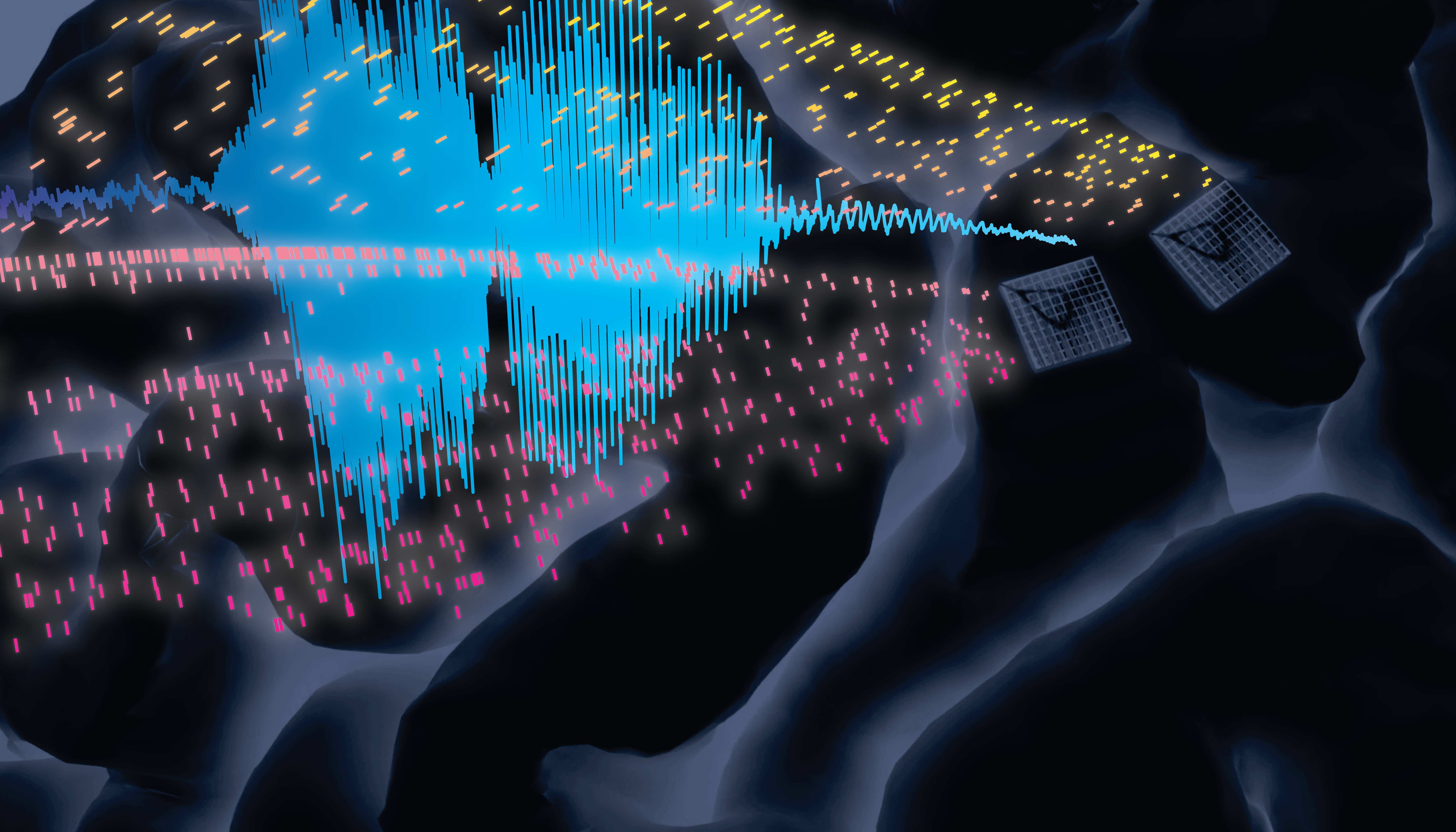
  3. Single-neuron-resolution population dynamics in human Broca’s area and motor cortex when preparing and producing speech

    Funded Work
    Speech is a highly sophisticated, uniquely human behavior.
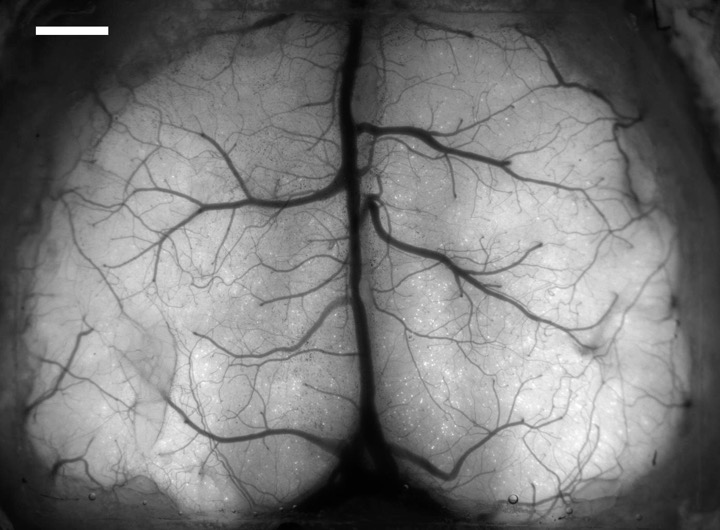
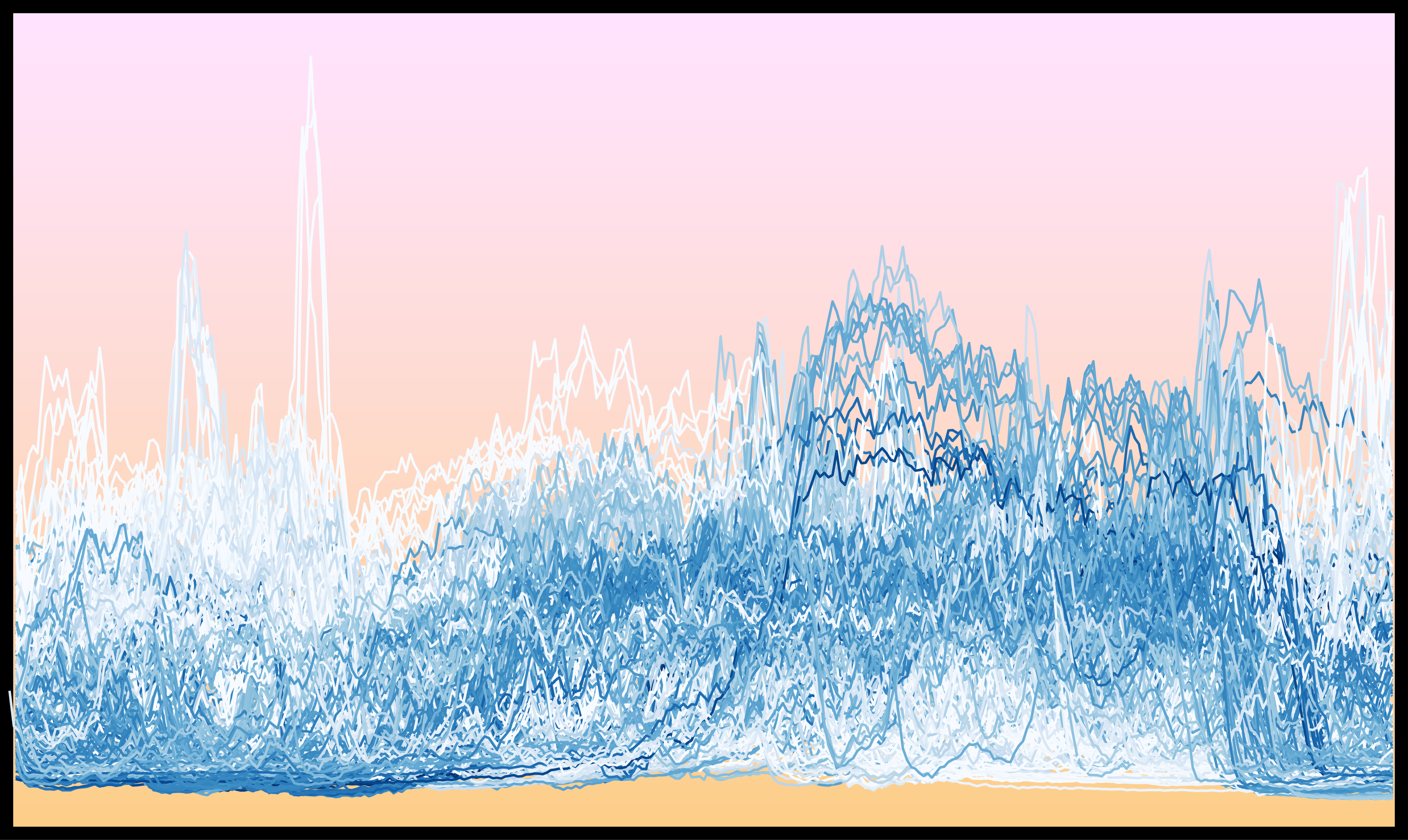
  4. How does the brain predict the future? Large-scale neural calcium imaging, two-photon optogenetic and deep neural network studies of future prediction across 11 neocortical areas in behaving mice

    Funded Work
    Prediction of the future and mental simulation of experiences are key to many forms of cognition and sensory processing.
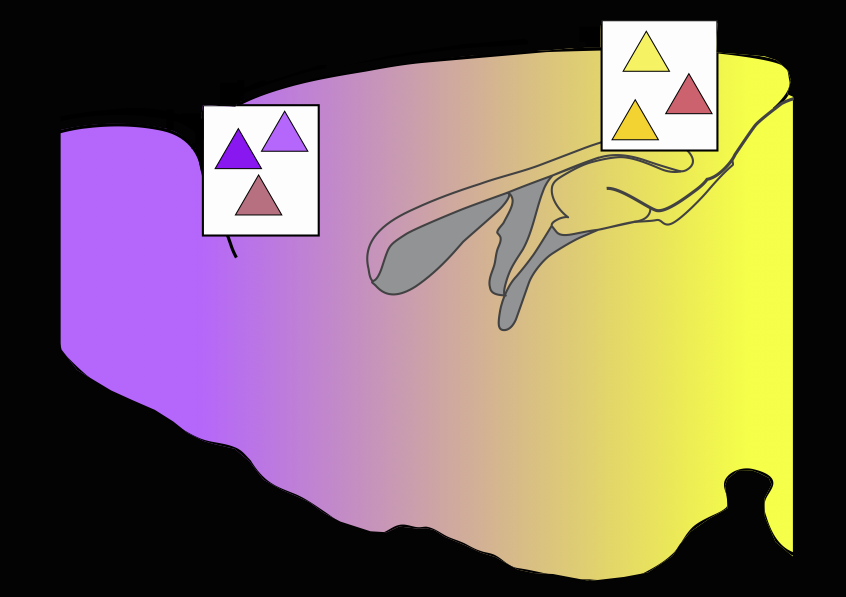
  5. Computation timescales as an organizing principle of large-scale cortical dynamics during decision-making

    Funded Work
    The ability to make decisions lies at the core of cognition, but much remains unknown about its underlying neural mechanisms.
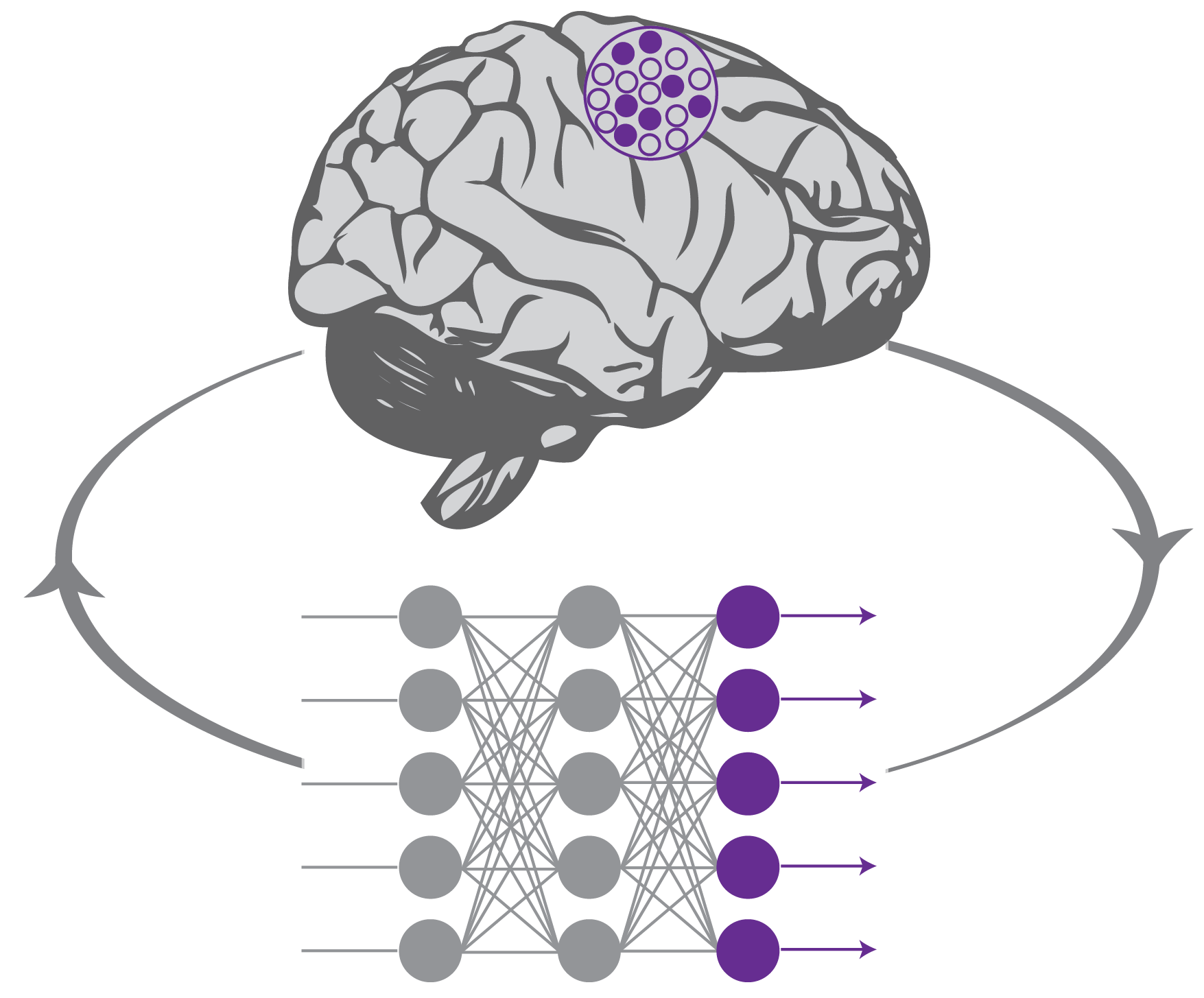
  6. Using brain-machine interfaces to identify and manipulate computational principles of learning

    Funded Work
    Learning a complex motor skill like playing tennis or a music instrument requires changes in connections between many neurons in the brain.
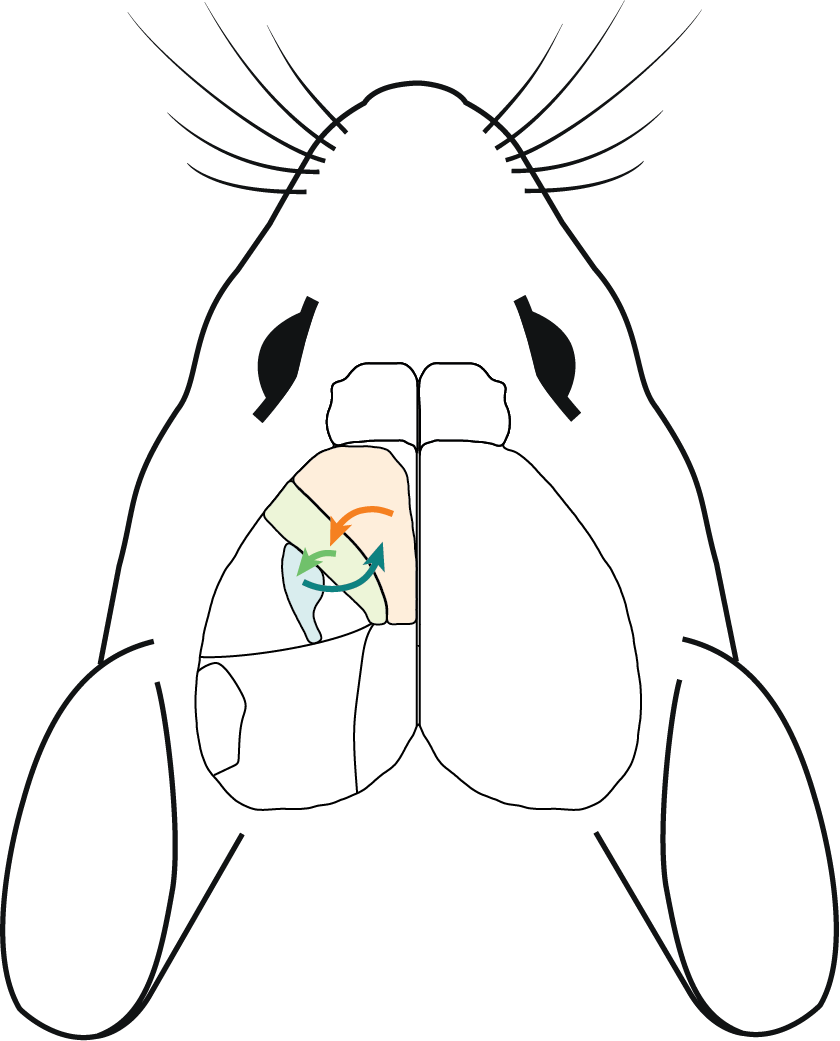
  7. Dissection of inter-area interactions of motor circuits

    Funded Work
    Behaviors are known to arise from numerous neurons communicating with each other within and across brain areas.
  8. Communication among sensorimotor cortices: Where state space meets biology

    Funded Work
    Movement is the primary way animals interact with the world.
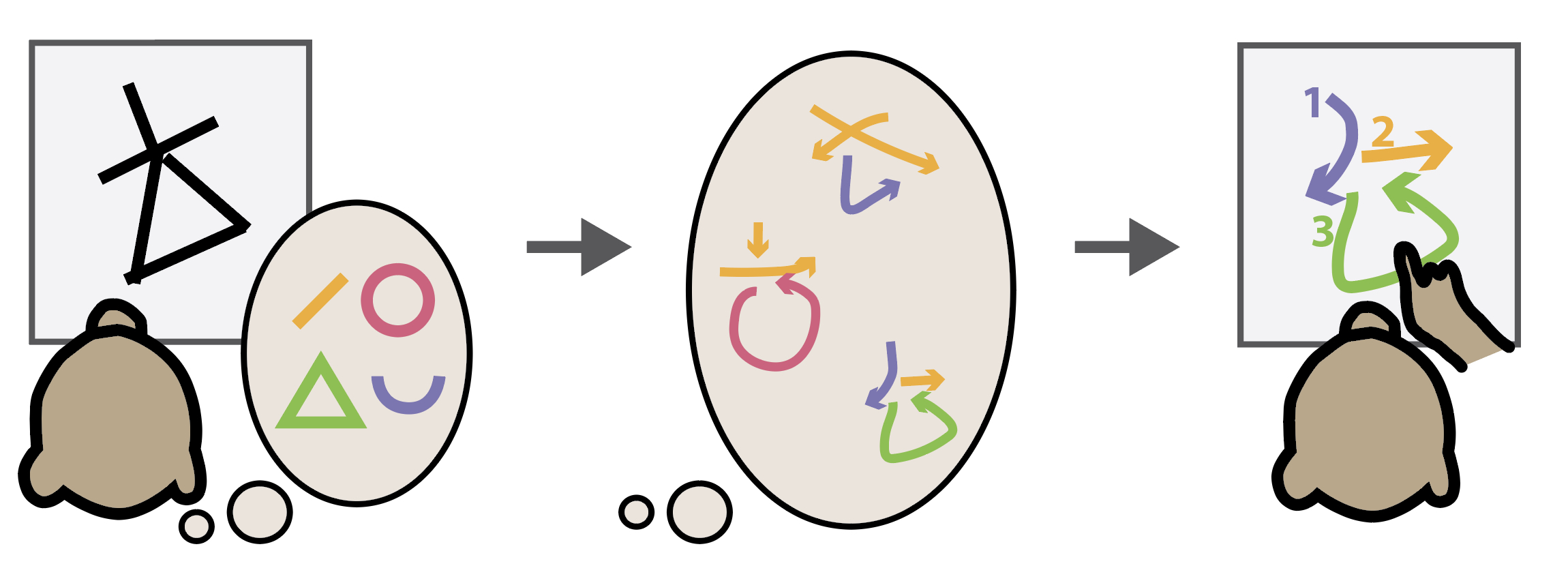
  9. Investigating symbol-like reasoning in the brain: Neural mechanisms of compositional action planning

    Funded Work
    Humans and other animals can rapidly solve new problems — such as imitating a dance from a single observation — by adaptively combining components from prior knowledge to generate new …
  10. Theory-driven approaches to identify minimal circuits for susceptibility and resilience

    Funded Work
    Individuals vary widely in the types of behavioral transitions they undergo in response to adverse environmental conditions.
  11. Brainwide dynamics of a social interaction

    Funded Work
    Communication is a fundamental aspect of life among animals, and yet we lack a comprehensive understanding of the underlying neural mechanisms.
  12. Critical windows and reversibility of autism associated with mutations in chromatin remodelers

    Funded Work
    Neurodevelopmental conditions, such as autism spectrum disorder (ASD) and intellectual disability, affect more than three percent of children worldwide, yet in the majority of cases, therapeutic options and …
  13. Assessing signaling pathway- and brain region-specific alterations in Trio mouse models of autism

    Funded Work
    TRIO is among the genes most frequently impacted by damaging de novo mutations and rare variants in individuals with autism spectrum disorder (ASD), severe intellectual disability (ID), schizophrenia …
  14. Statistical analysis of autism phenotypic and genotypic data

    Funded Work
    Since the fall of 2008, Abba Krieger and colleagues (most prominently Andreas Buja) at the Wharton School of the University of Pennsylvania have served as statistical consultants to …
  15. Exploring the integrated stress response as a driver of autism features

    Funded Work
    The integrated stress response (ISR) has recently emerged as a main causative driver of normal aging as well as a wide spectrum of cognitive disorders of vastly different …
  16. Microbial-based interventions in rodent models of autism: An exploratory study

    Funded Work
    Despite the increase in the prevalence of autism spectrum disorder (ASD), currently, there are no treatments that can effectively reverse ASD core features.
  17. Regulation and reversibility of DNA methylation changes associated with autism spectrum disorders

    Funded Work
    Accumulating evidence indicates that autism spectrum disorder (ASD) susceptibility mutations are frequently found within genes encoding chromatin regulators that control the expression of genes across the genome.
  18. Cortical encoding of speech in autism

    Funded Work
    Among the most challenging aspects of autism is a variety of aural speech processing issues that deeply impact individuals’ language abilities.
  19. Neuron type-specific roles of Ube3a: Excitatory-inhibitory imbalance and seizures

    Funded Work
    Seizures are an extreme outcome of excitatory-inhibitory imbalance and are the most common neurological complication in autism spectrum disorder (ASD).
  20. Assessing how the autism risk gene ASXL3 regulates cortical neuronal fate

    Funded Work
    Autism spectrum disorder (ASD) is a complex brain condition with a developmental etiology rooted in corticogenesis.
  21. Investigating BKCa channel agonists as a potential treatment of atypical sensory information processing in autism

    Funded Work
    Atypical sensory experience is a core feature of autism spectrum disorder (ASD) and is strongly determinant of other ASD traits.
  22. Understanding and reversing large protein underproduction in fragile X–associated conditions

    Funded Work
    In order for the brain to carry out its complex functions, gene expression must be precisely controlled at the levels of transcription and translation.
  23. Investigating social communication and attachment deficits in prairie vole models of autism

    Funded Work
    Social attachments form the basis of human relationships at every level of social organization, from relationships between parents and children, romantic partners, to peers and group affiliation.
  24. Identification and validation of expression quantitative trait loci (eQTLs) in discrete cell types across human brain development

    Funded Work
    Functional genomic analyses of the developing human brain have revealed highly dynamic spatiotemporal patterns of gene expression and epigenetic changes during prenatal and early postnatal development and across …
  25. Mapping the common genetic architecture of fine and gross infant motor development in the context of autism

    Funded Work
    Motor development is a central feature in the first two years of life.
  26. New phylogenomic models and methods to resolve the prokaryote to eukaryote transition - Moore-Simons Project on the Origin of the Eukaryotic Cell

    Funded Work
    https://doi.org/10.46714/735923LPI
  27. Tracing the geological record of eukaryogenesis - Moore-Simons Project on the Origin of the Eukaryotic Cell

    Funded Work
    https://doi.org/10.46714/735933LPI
  28. Archaeal cell-cell interactions and their role in the emergence of eukaryotes - Moore-Simons Project on the Origin of the Eukaryotic Cell

    Funded Work
    https://doi.org/10.46714/735929LPI
  29. Diversity, genomics, physiology, and ultrastructure of Asgard archaea and implications for eukaryogenesis - Moore-Simons Project on the Origin of the Eukaryotic Cell

    Funded Work
    https://doi.org/10.46714/735925LPI
  30. Bioenergetics, population genetics, and the origin of cellular features - Moore-Simons Project on the Origin of the Eukaryotic Cell

    Funded Work
    https://doi.org/10.46714/735927
  31. Media Art Exploration (MAX)

    Funded Work
    An international live-arts convening of artists, scientists, influencers and machines to develop new works for diverse audiences.
  32. Advancing a monkey model of social impairment

    Funded Work
    Karen Parker’s team has used the extremes of naturally occurring variation in the social behavior of rhesus monkeys to develop a novel model of social deficits with …
  33. Development of antisense oligonucleotides for SYNGAP1 haploinsufficiency associated with autism spectrum disorder and intellectual disability

    Funded Work
    Precise synaptic connectivity and plasticity are critical for human cognition.
  34. Neuromodulatory control of cerebellar non-motor functions in mouse models of autism

    Funded Work
    Autism spectrum disorder (ASD) can arise from a multitude of genetic and environmental factors and span a wide range of features, including difficulties in social interactions, restricted interests …
  35. The role of heparan sulfate motifs in regulating neurexin function and synaptic development

    Funded Work
    Mutations in neurexins have been identified in genetic studies and animal models as risk factors for autism spectrum disorders (ASDs).
  36. A human brain organoid model of neural network dysregulation in neurodevelopmental conditions

    Funded Work
    Brain oscillations are critical for neural computation and can serve as a biomarker of excitatory-inhibitory (E/I) balance in neural circuits.
  37. Leveraging systemic adeno-associated viral vectors to ameliorate autism-associated phenotypes in a mouse model of neurofibromatosis type 1

    Funded Work
    Neurofibromatosis type 1 (NF1) is an autosomal dominant disorder affecting 1 in 3,500 individuals worldwide due to inactivating mutations in the NF1 gene.
  38. Cellular and molecular analysis of Setd2 function during cortical neurogenesis

    Funded Work
    Many of the genes strongly associated with autism spectrum disorder (ASD) risk encode chromatin modifiers that regulate gene expression during neurogenesis.
  39. Computerized assessment of motor imitation (CAMI): Advancing the validity and scalability of a promising phenotypic biomarker for autism

    Funded Work
    In the current project, Stewart Mostofsky and colleagues plan to use computer vision technology to examine motor imitation ability, which is known to be crucial for social-communicative …
  40. Mapping circuits and physiological mechanisms for disrupted behavioral imitation in a FoxP1 songbird model of autism

    Funded Work
    Humans and other animals learn many of their complex and socially-oriented behaviors by imitating more experienced individuals in their environment.
  41. Identifying substrates of UBE3A-mediated ubiquitination in neural progenitor cells and cortical neurons

    Funded Work
    Autism spectrum disorders (ASDs) are neurodevelopmental syndromes associated with diverse genetic alterations.
  42. Defining the regulatory landscape of autism susceptibility genes in human neurons

    Funded Work
    Individuals with autism spectrum disorders (ASDs) exhibit phenotypic diversity that reflects the complex genetic architecture of this group of conditions, which is influenced by hundreds of rare variants …
  43. Evaluating molecular changes in the brain of Chd8 mutant mice as a function of age

    Funded Work
    Genetic risks for autism are diverse and encompass mutations and copy number variations in hundreds of genes.
  44. The Autism Inpatient Collection: Expanding the cohort and transforming the approach to aggression

    Funded Work
    Unpredictable and potentially dangerous aggressive behavior by youth with autism spectrum disorder (ASD) isolates them from foundational educational, social and familial activities, thereby markedly exacerbating morbidity and costs …
  45. Gut-intrinsic mechanisms of gastrointestinal dysmotility in zebrafish models of autism

    Funded Work
    Gastrointestinal (GI) distress is pervasive in autism spectrum disorders (ASDs).
  46. How do neurexins promote presynaptic development?

    Funded Work
    Neurexins constitute a family of presynaptic transmembrane molecules that interact with postsynaptic cell adhesion molecules, most notably neuroligins.
  47. Assembly of cortical microcircuit motifs in a mouse model of Arid1b haploinsufficiency

    Funded Work
    The cerebral cortex contains diverse types of excitatory projection neurons and inhibitory interneurons that form specific circuits to support healthy brain function.
  48. Behavioral phenotyping of rat models of autism

    Funded Work
    New technologies for efficiently manipulating genomes have expanded autism research to mammalian models beyond the mouse.
  • Prev
  • 1
  • …
  • 5
  • 6
  • 7
  • 8
  • 9
  • …
  • 23
  • Page 7 of 23
  • Next

About

  • About Us
  • History
  • Annual Reports
  • People
  • Visitor Information
  • Careers

Funding

  • Funding Opportunities
  • Funded Work
  • Simons Award Manager
  • Simons Foundation International
  • Policies & Procedures

Program Areas

  • Life Sciences
  • Autism & Neuroscience
  • Mathematics & Physical Sciences
  • Science, Society & Culture

Connect

  • Newsletters
  • Events
  • Contact us
  • Media Relations
  • Terms & Conditions
  • Privacy Policy
Simons Foundation
Bluesky Facebook Instagram YouTube X RSS Feed

Advancing Research in Basic 
Science and Mathematics

Customize your preferences

Your preferences have been saved.

Confirm your subscription by clicking the link in the email we sent.