From the Body to the Brain: Understanding Sensory Differences in Autism

Presidential Lecture

Speaker

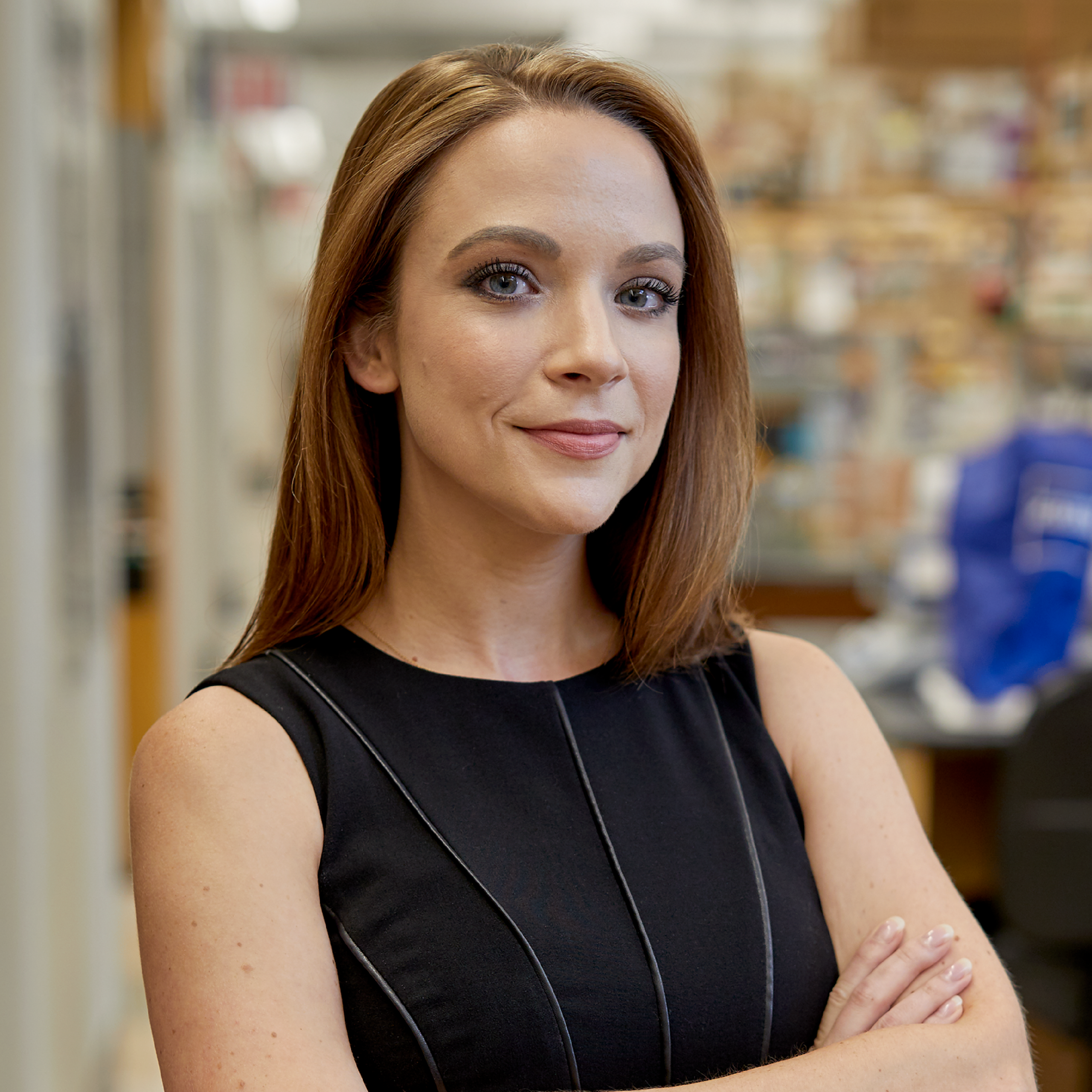
  • Lauren Orefice Assistant Professor, Department of Genetics, Harvard Medical School

When

  • – ET

  • Doors open:

    5:30 p.m. (No entrance before 5:30 p.m.)

  • Lecture:

    Lecture: 6:00 p.m. – 7:00 p.m. (Admittance closes at 6:20 p.m.)

Where

Gerald D. Fischbach Auditorium

160 5th Avenue

New York, NY 10010, United States

Open Map for Gerald D. Fischbach Auditorium

Altered sensory processing is a common feature of autism spectrum disorder, affecting how individuals experience touch, pain and sensations arising from within the body. These sensory differences can profoundly impact daily life, yet the neural mechanisms underlying them — and their contributions to brain development and behavior — remain poorly understood.

In this Presidential Lecture, Lauren Orefice will discuss how dysfunction of peripheral sensory neurons, which detect and convey information from the body to the central nervous system, contributes to sensory abnormalities in autism. She will present research demonstrating how altered sensory signaling from the gastrointestinal tract drives increased visceral pain and behavioral changes in mice. Building on these findings, she will discuss how dysfunction of peripheral sensory neurons can have broader consequences for the developing nervous system. She will focus on the mechanisms through which altered sensory inputs disrupt the maturation of brain circuits involved in sensory processing and social interactions. Together, these findings highlight the importance of body-to-brain communication in shaping neural circuit development and behavior and identify potential new avenues for therapeutic intervention.

About the Speaker

Orefice is an investigator in the Department of Molecular Biology at Massachusetts General Hospital and an assistant professor in the Department of Genetics at Harvard Medical School. Her laboratory investigates the development and function of somatosensory and viscerosensory systems, focusing on how sensory information from the body is detected, encoded and processed by neural circuits to guide behavior. Her research combines mouse genetics, electrophysiology, neural circuit analysis and behavioral approaches to uncover fundamental principles of sensory system organization and function. A major focus of her laboratory is to investigate how dysfunction of these sensory pathways contributes to altered brain development, sensory processing and behavior in neurodevelopmental conditions, including autism.

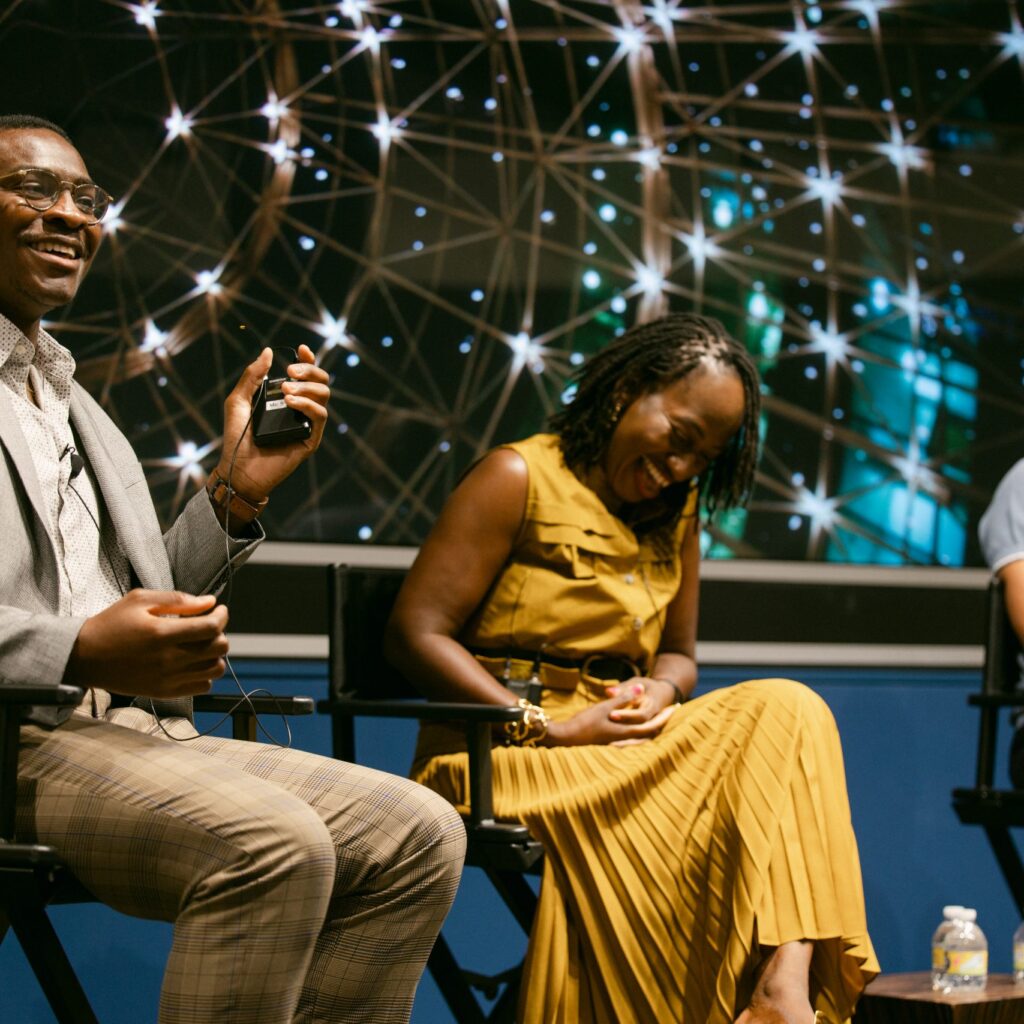
Three people sit onstage, laughing and talking. The man on the left holds a microphone, the woman in the center wears a yellow dress, and the man on the right smiles. A backdrop of glowing lights is behind them.

Event Series

Presidential Lectures 2026

A weekly series of free colloquia spotlighting groundbreaking research.

Presidential Lectures span four themes: neuroscience and autism science, physics, biology, and mathematics and computer science. These curated, high-level scientific talks feature leading scientists and mathematicians and are designed to foster discussion and drive discovery within the New York City research community.

See events

More Events

Initiative for Computational Catalysis

Machine Learning for Computational Catalysis

Workshop

November 16–18, 2026

Science, Society & Culture

Statistics in the Era of Computation

Presidential Lecture

November 18, 2026

6–7 p.m. ET

Speaker

Kyunghyun Cho

Science, Society & Culture

The Search for Randomness

Presidential Lecture

December 2, 2026

6–7 p.m. ET

Speaker

Persi Diaconis
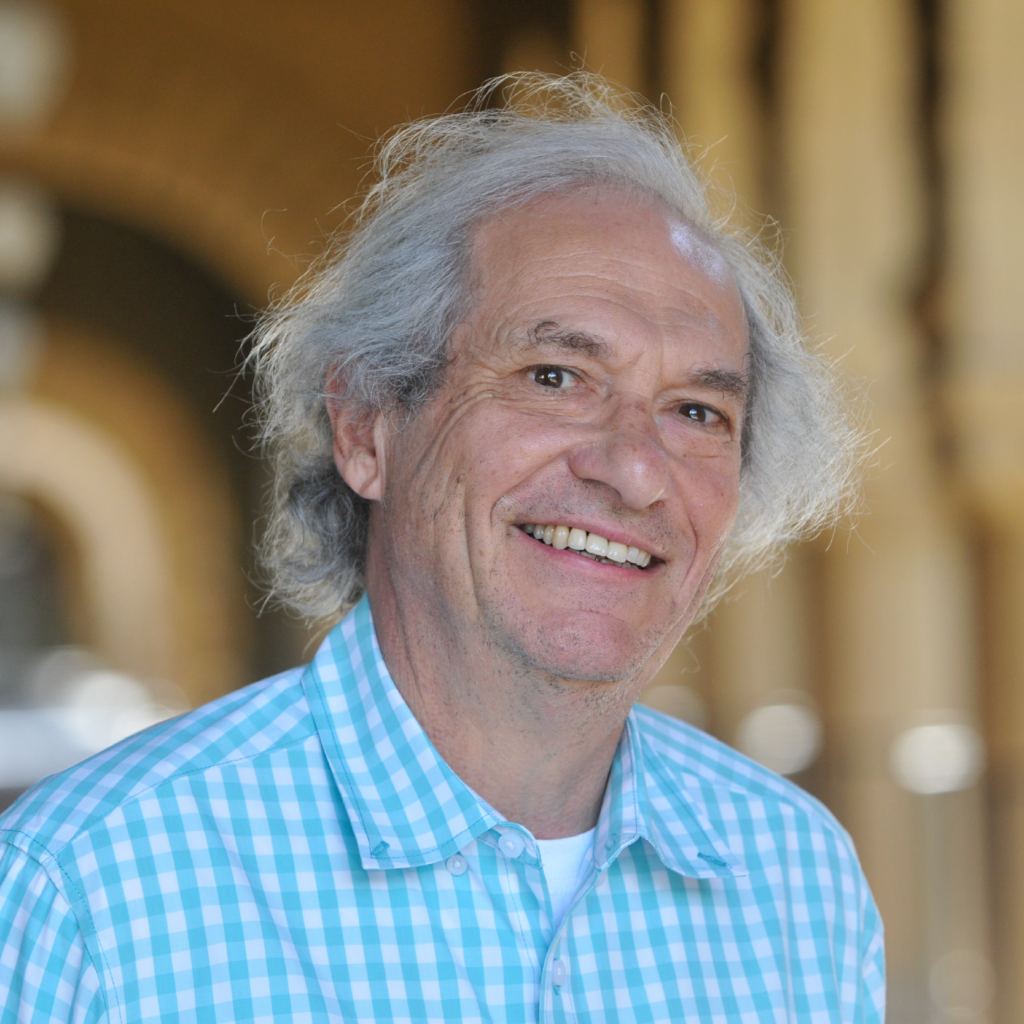
Smiling man with white hair wearing a light blue and white checkered shirt.