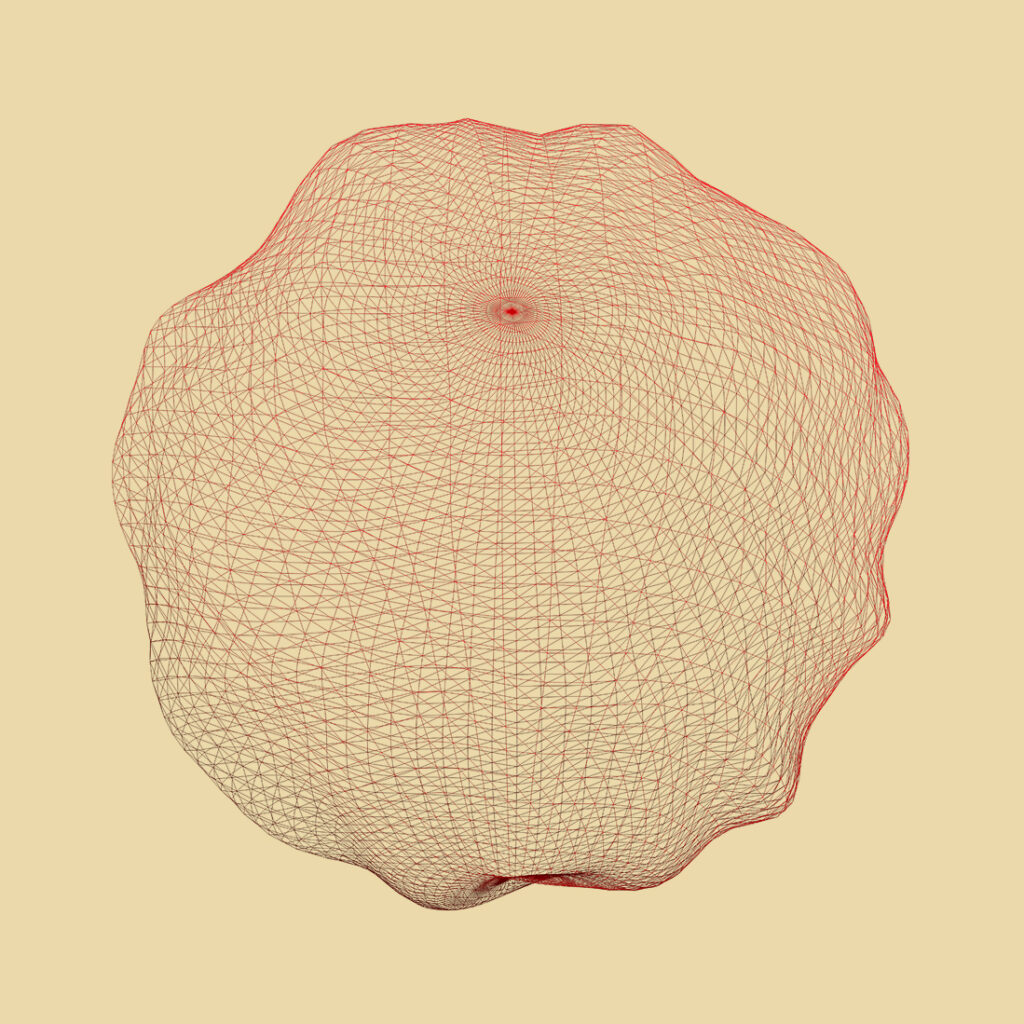
Red giants and supergiants have large, tenuous envelopes that are gradually lost via winds. These winds are launched from a dense chromosphere supported by shock waves due to stellar pulsations and vigorous convection. The resulting mass loss is stochastic, episodic, and asymmetric, with profound consequences on stellar evolution. For exploding red supergiants, the dense chromosphere profoundly alters the early light curve and spectra of type II supernovae. For red giants in binaries, the chromosphere can overfill its Roche lobe before the photosphere does, creating larger mass transfer rates than predicted by standard stellar evolution models, greatly altering the outcome of mass transfer. Finally, episodic mass loss events impart small and randomly oriented kicks to AGB stars, and the combination of many events imparts a total kick of roughly 1 km/s to the resulting white dwarf. These kicks can unbind wide binaries, or cause collisions between an AGB star and a companion star, likely leading to unusual luminous red novae.