Reporting in the Margins of Error

In Conversation

Speakers

  • Ivan Oransky headshot
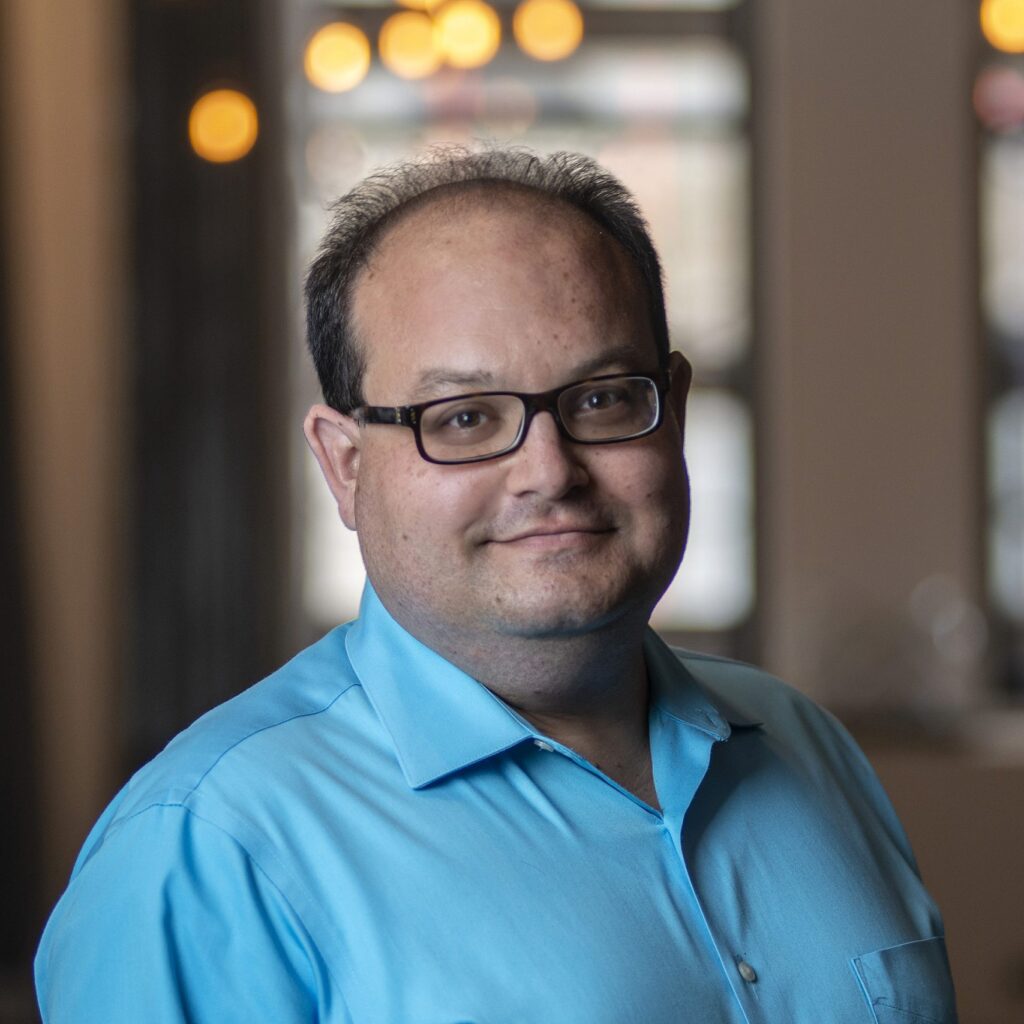
    Ivan Oransky Editor-in-Chief
  • Angela Saini
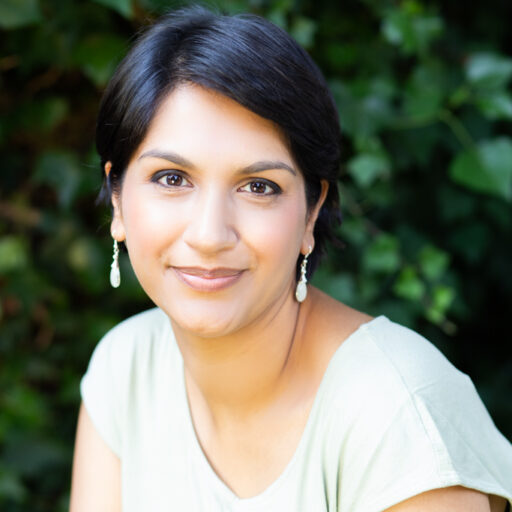
    Angela Saini Science Journalist and Author

When

  • – ET

Where

Gerald D. Fischbach Auditorium

160 5th Ave

New York, NY 10010, United States

Being wrong and making mistakes is part of the human experience.

As part of their core values, scientists and journalists take this one step further and share a commitment to the pursuit of proving themselves wrong in hopes of moving their work forward to benefit society.

As editor-in-chief of Spectrum and co-founder of Retraction Watch, Ivan Oransky has kept a close eye on this process. For more than a decade, he has reported on retractions of scientific papers to increase transparency within the scientific community.

Similarly, science journalist and author Angela Saini has worked to uncover how bias has negatively impacted science throughout history and how recognizing our biases can lead to better science. In her role as chair of the Royal Institution’s Challenging Pseudoscience group, she also combats modern-day scientific misinformation.

Join Oransky and Saini as they sit down with Ivvet Abdullah-Modinou, director of outreach, education and engagement at the Simons Foundation, to discuss how science works and what checks and balances can be put into place to correct it when it doesn’t.

About the Speakers

Ivan Oransky joined Spectrum in 2020, previously having served in editorial leadership roles at outlets including Medscape, Reuters Health and Scientific American. In addition, he is a distinguished writer in residence at New York University’s Arthur L. Carter Journalism Institute, where he teaches medical journalism, and co-founder of Retraction Watch, which reports on scientific retractions. He earned his B.A. in biology at Harvard University and his M.D. at New York University.

Angela Saini is an award-winning science journalist and broadcaster. She presents science programs on the BBC, and her writing has appeared in New Scientist, National Geographic and Wired. Her latest book, “Superior: The Return of Race Science,” was a finalist for the LA Times Book Prize. Her previous book, “Inferior: How Science Got Women Wrong,” has been translated into 14 languages. Angela has a master’s in engineering from the University of Oxford and was a fellow at the Massachusetts Institute of Technology.

A circular pattern with alternating dark blue and light blue radial segments, creating a pinwheel or sunburst effect.

Event Series

Presents

Come for the conversation, stay for the connections.

Presents is a free event series exploring the connections between science, culture and society. Join our scientists and special guests as they discuss the intersections of their work, followed by an evening of conversation over drinks. It’s an opportunity to hear new perspectives that may challenge your assumptions and stoke your curiosity. Meet interesting people who share a passion for ideas and discovery.

See events

More Events

October 12–14, 2026

October 16, 2026

6–8 p.m. ET

Speakers

Penny Lane, Jessica Harrop
A woman with long dark hair and bangs smiles, wearing a floral-patterned blouse and small hoop earrings, against a soft blue-gray background.
Black and white portrait of a woman with long hair, wearing a blazer and necklace, sitting and looking confidently at the camera with a slight smile.

A Universe of Grief

In Conversation

November 20, 2026

6–8 p.m. ET

Speakers

Amy Secunda, Ain Gordon, Neha Shastry, John Tracey

A woman with long brown hair wearing a black t-shirt and jeans stands smiling in front of a white wall, with an office space visible to the left.
A man with graying dark hair and a beard wearing a black and gray plaid shirt.
A woman wearing a denim jacket sits in a booth against a brick wall.
John Tracey headshot