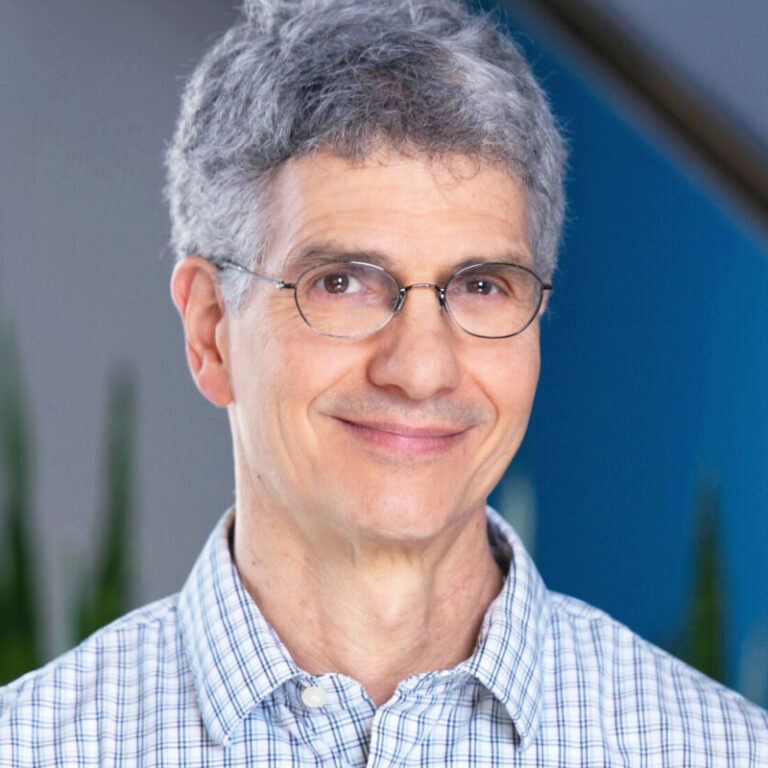
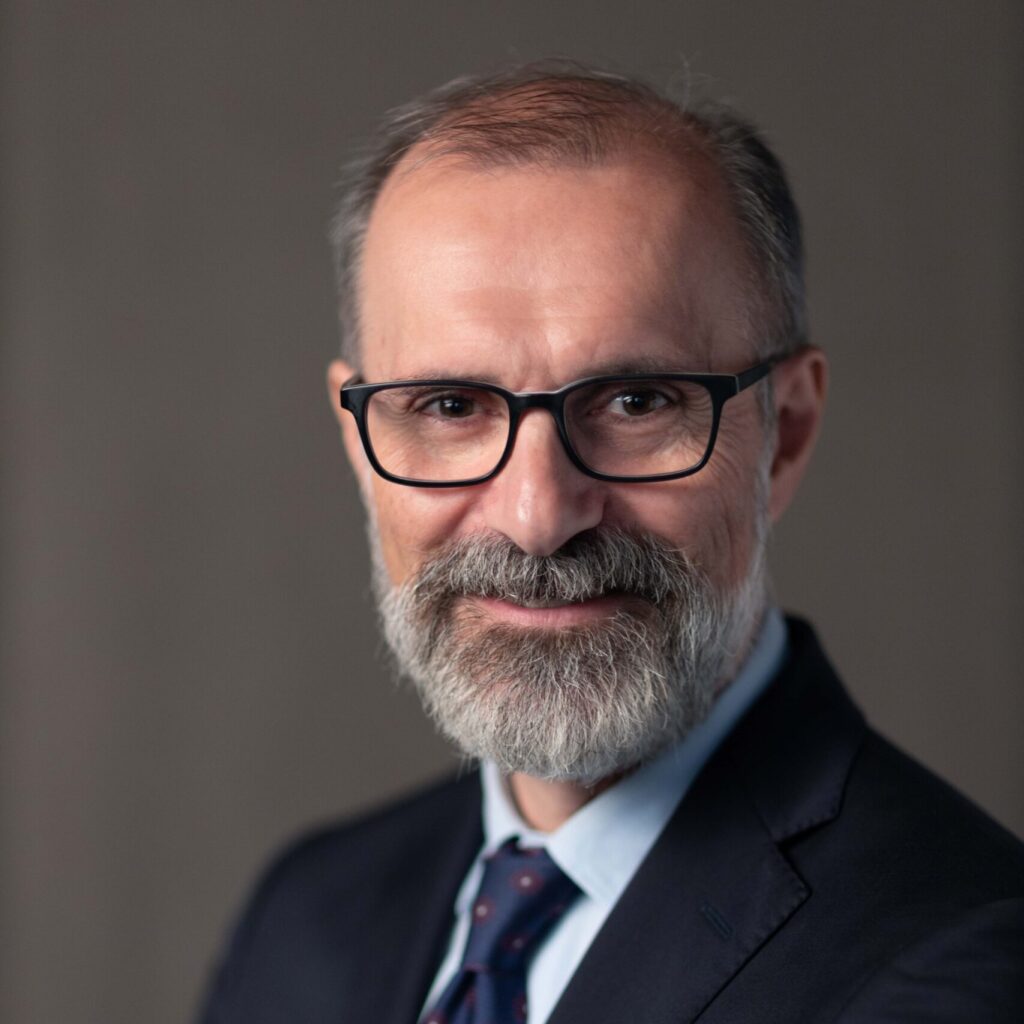
Javier Moscoso is a research professor of history and philosophy of science at the Spanish National Research Council (CSIC). His book, His Pain: A Cultural History, was published in French in October 2011 and later published in English in 2012. The French edition received the French booksellers’ Libr’à Nous prize for the best history book of 2015 and is now being translated into Arabic. Critics considered the text an example of cultural history and medical humanities. Throughout his career, Moscoso has lectured all over the world. He has been a visiting scholar at the University of Harvard, the Georges Lurcy visiting professor at the University of Chicago and a visiting professor at the Sorbonne. His latest book, Arc of Feeling: A History of the Swing, explores the similarity between rituals and mythologies of the swing across history and the planet.
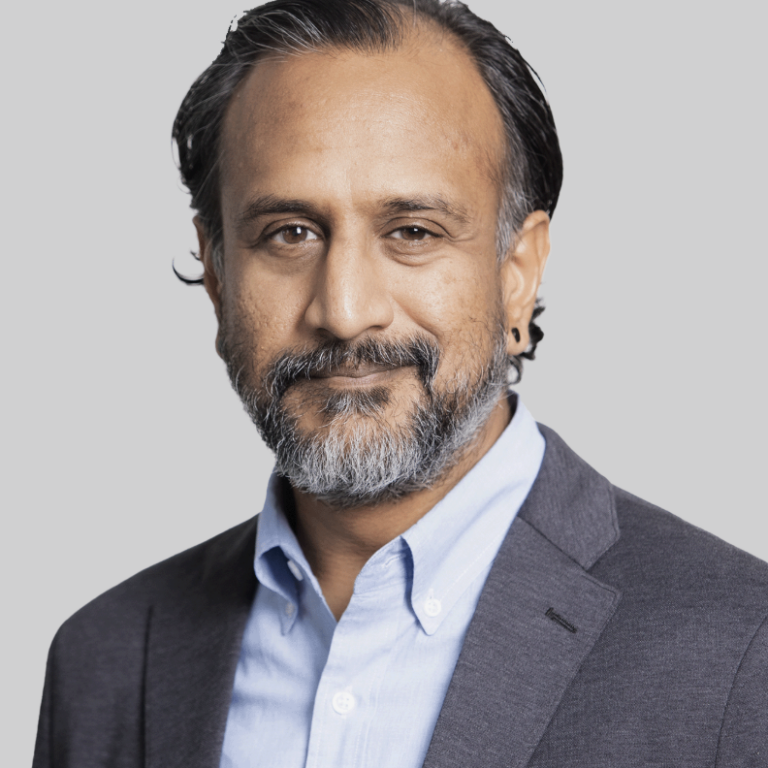
Andre B. Toussaint is a Simons Society Junior Fellow and a postdoctoral research scientist in the laboratory of Ishmail Abdus-Saboor at the Zuckerman Mind Brain Behavior Institute at Columbia University. Prior to arriving at Columbia, Toussaint earned his Ph.D. in psychology and neuroscience at Temple University under the mentorship of Mathieu Wimmer. For Toussaint’s doctoral work, he studied the long-term consequences of addiction on behavior and physiology across multiple generations. Toussaint used a multigenerational rat model of paternal morphine exposure to characterize addiction and pain-related phenotypes in male and female first-generation progeny. Toussaint’s initial research training in addiction neuroscience started while earning his bachelor’s and master’s degrees in psychology and biopsychology, respectively, at the City University of New York at Hunter College. Toussaint’s current postdoctoral research interests will integrate topics on mouse genetics, pain sensitivity and addiction vulnerability.
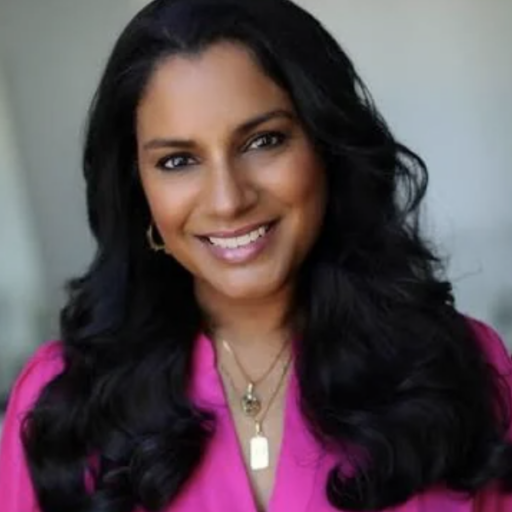
Molly Webster is the senior correspondent at Radiolab. After completing a degree in biology, Webster pursued science journalism, writing for outlets such as Scientific American and National Geographic Adventure. Her ability to comprehend and totally immerse herself in complicated issues has helped Radiolab investigate international surrogacy, the price of a human life and more. She has adapted her audio and written work for the stage, including on the TED main stage. A frequent guest host on Radiolab, she developed, produced and hosted their first-ever special series, “Gonads,” — a critically acclaimed podcast and live event series about the parts of us that make more of us. Webster recently published a children’s book about a lonely black hole.
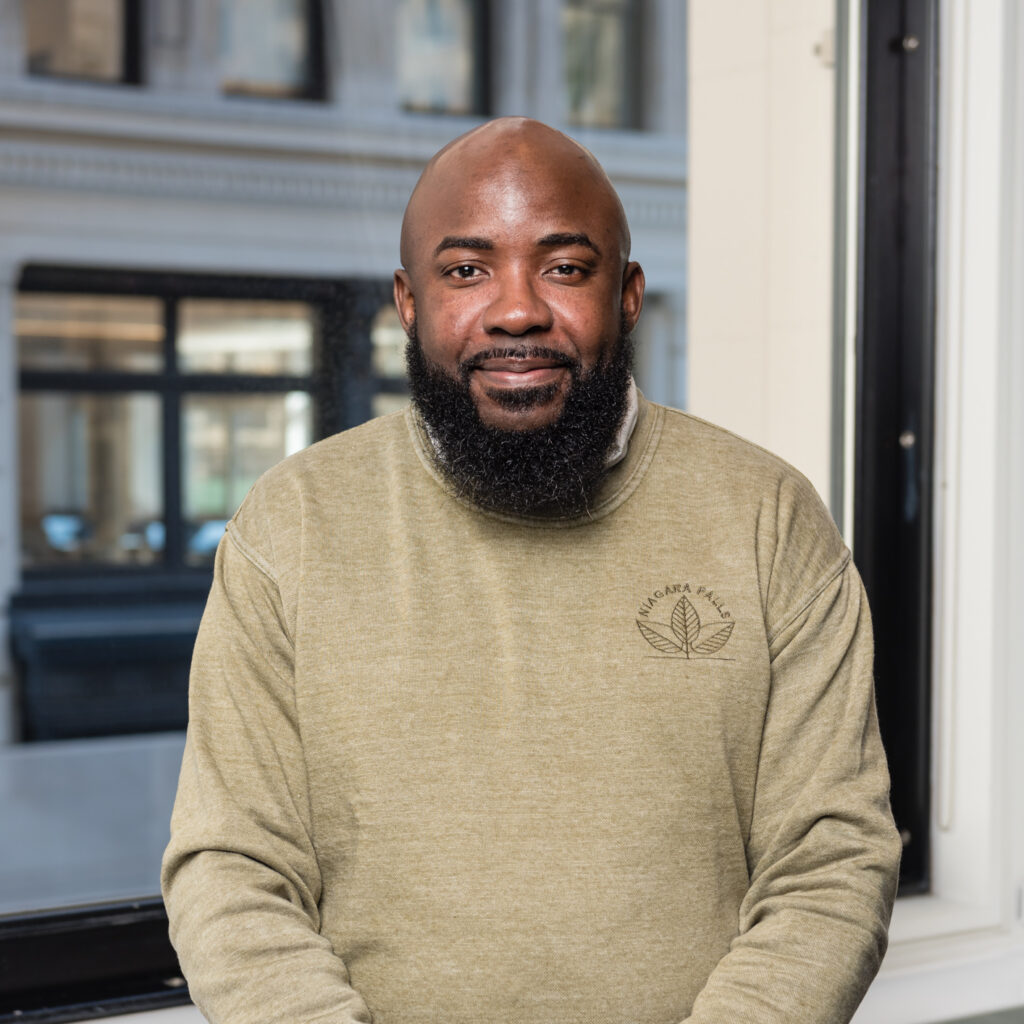 Andre B. Toussaint
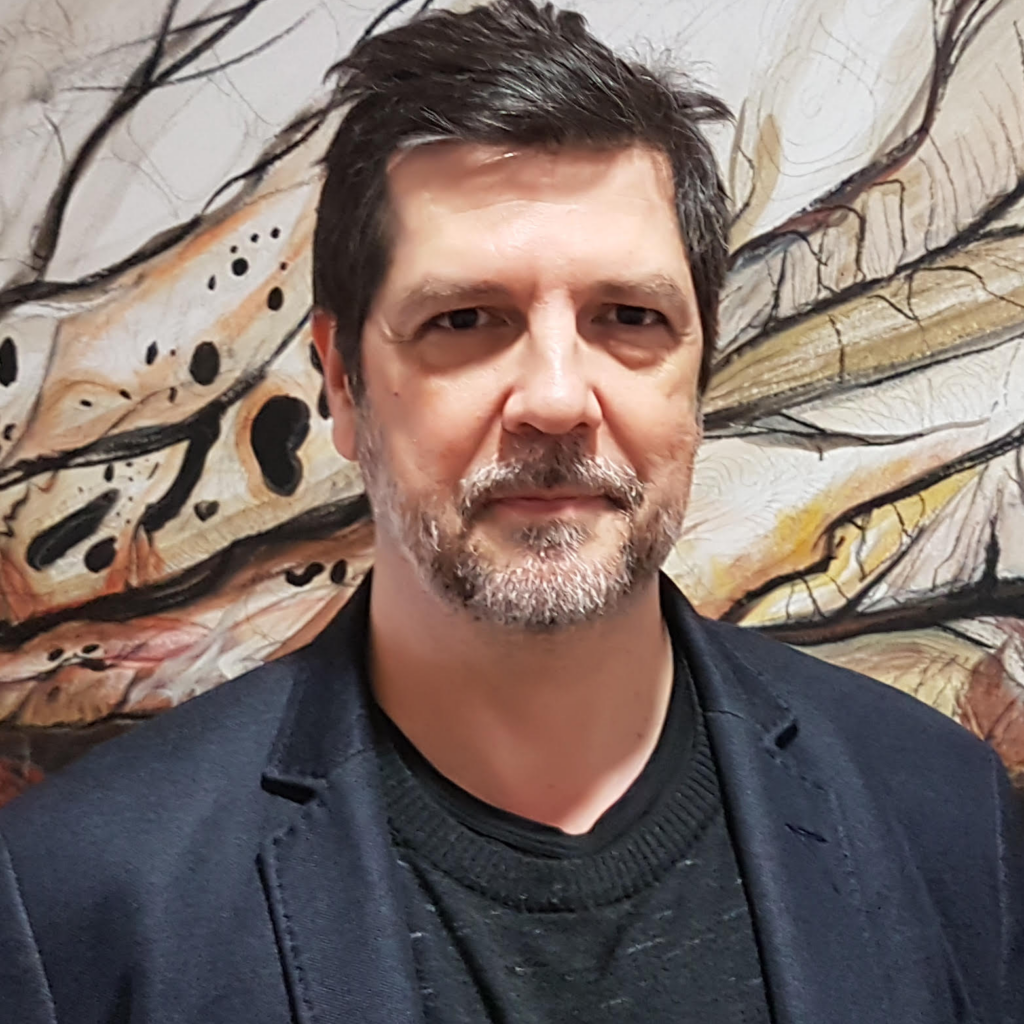 Javier Mosoco Research Professor, History and Philosophy of Science, Center for Human and Social Sciences, Spanish National Research Council
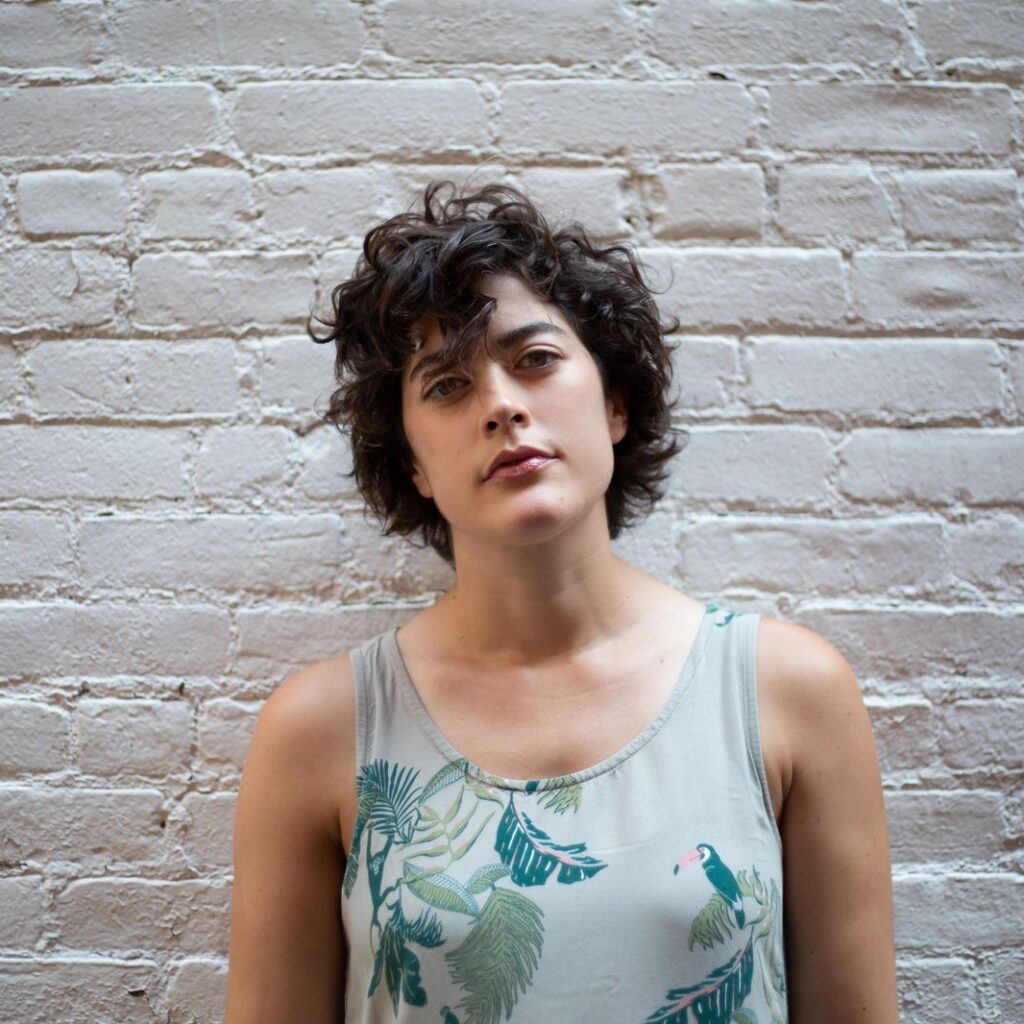 Molly Webster Senior Correspondent, Radiolab