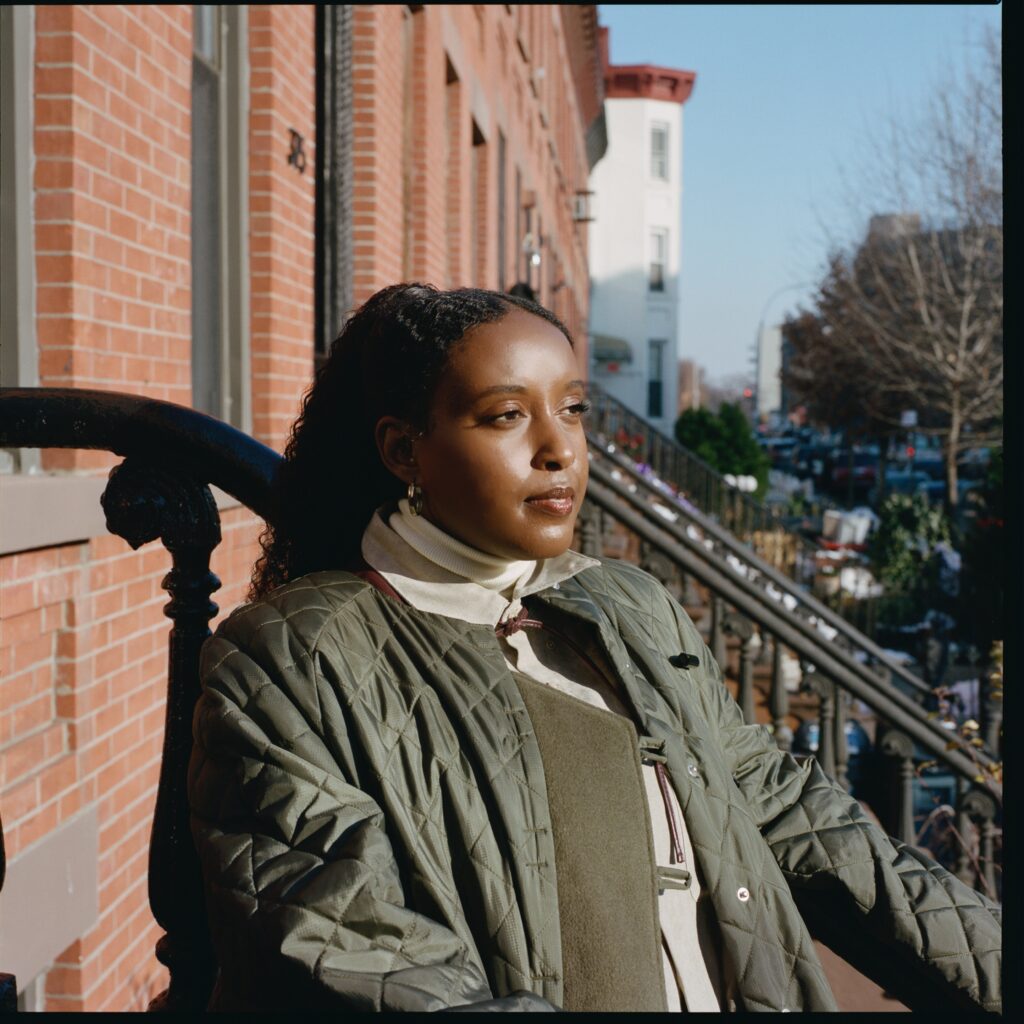
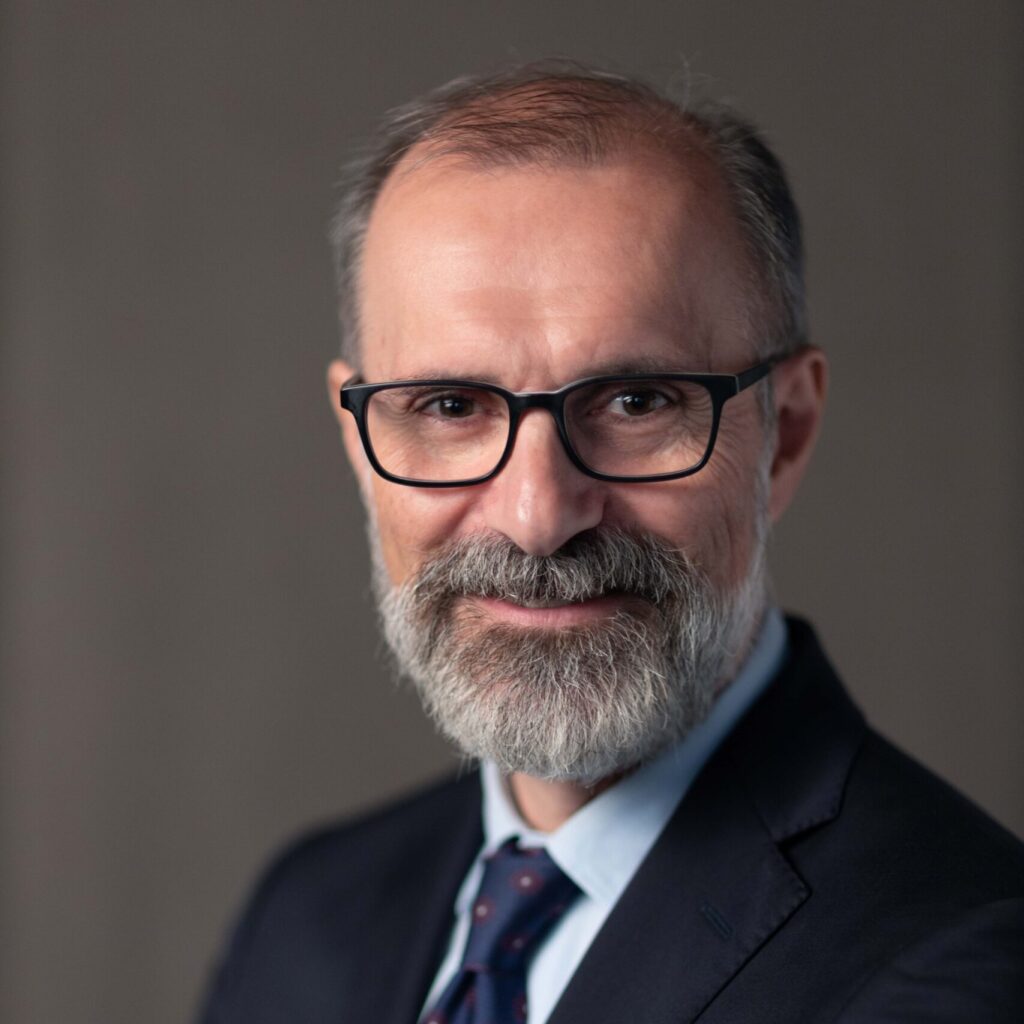
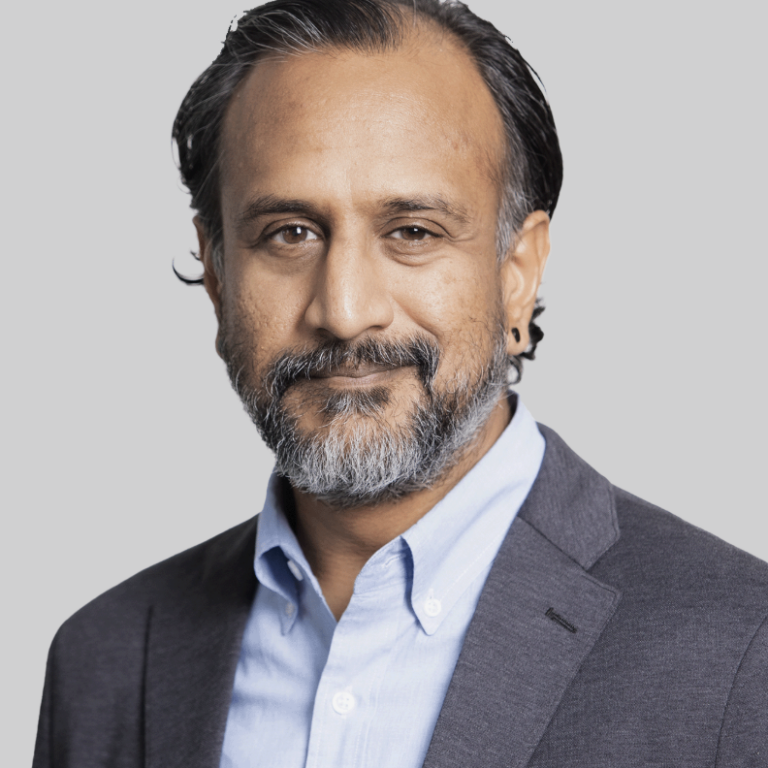
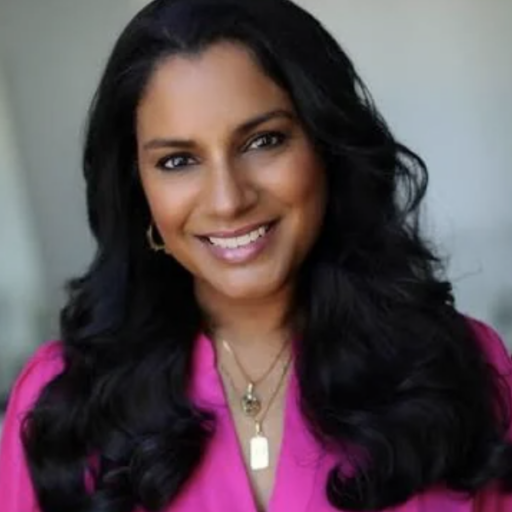
Salome Asega is a new media artist and the director of NEW INC, a creative incubator at the New Museum. She is a 2022 United States Artist Fellow in Media, and has previously exhibited at the Shanghai Biennale, MoMA, Carnegie Library, August Wilson Center, Knockdown Center, and elsewhere. Asega sits on the boards of Eyebeam, National Performance Network, and the Guild of Future Architects. She received her MFA from Parsons at The New School in Design and Technology where she teaches classes on speculative design and participatory design methodologies.
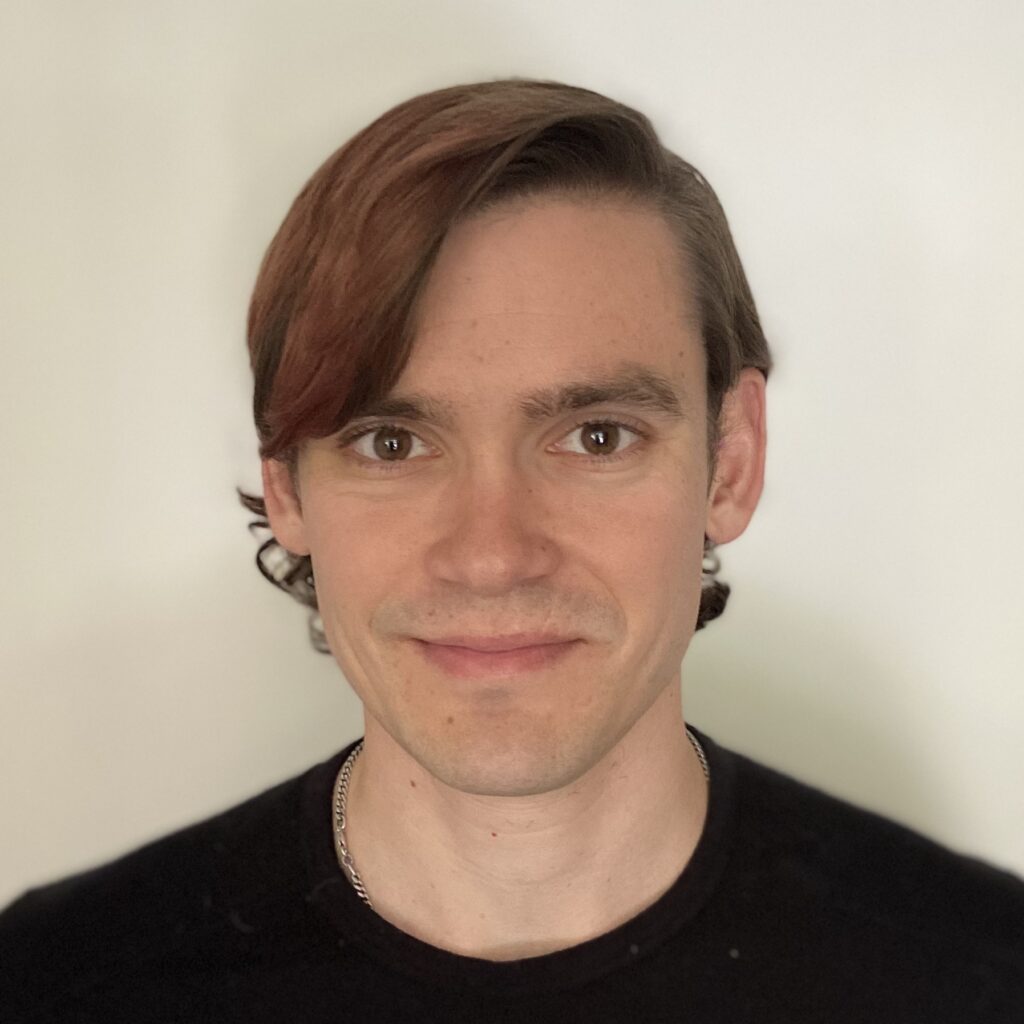
Adam Lamson joined the Simons Foundation in 2020 as part of the Flatiron Institute’s Center for Computational Biology’s Biophysical Modeling and Genomics groups. His research focuses on simulating active filament networks using computational and analytic techniques. These models are being used to study cytoskeletal self-assembly and chromatin organization. Before coming to the foundation, he received his Ph.D. in physics from the University of Colorado Boulder.
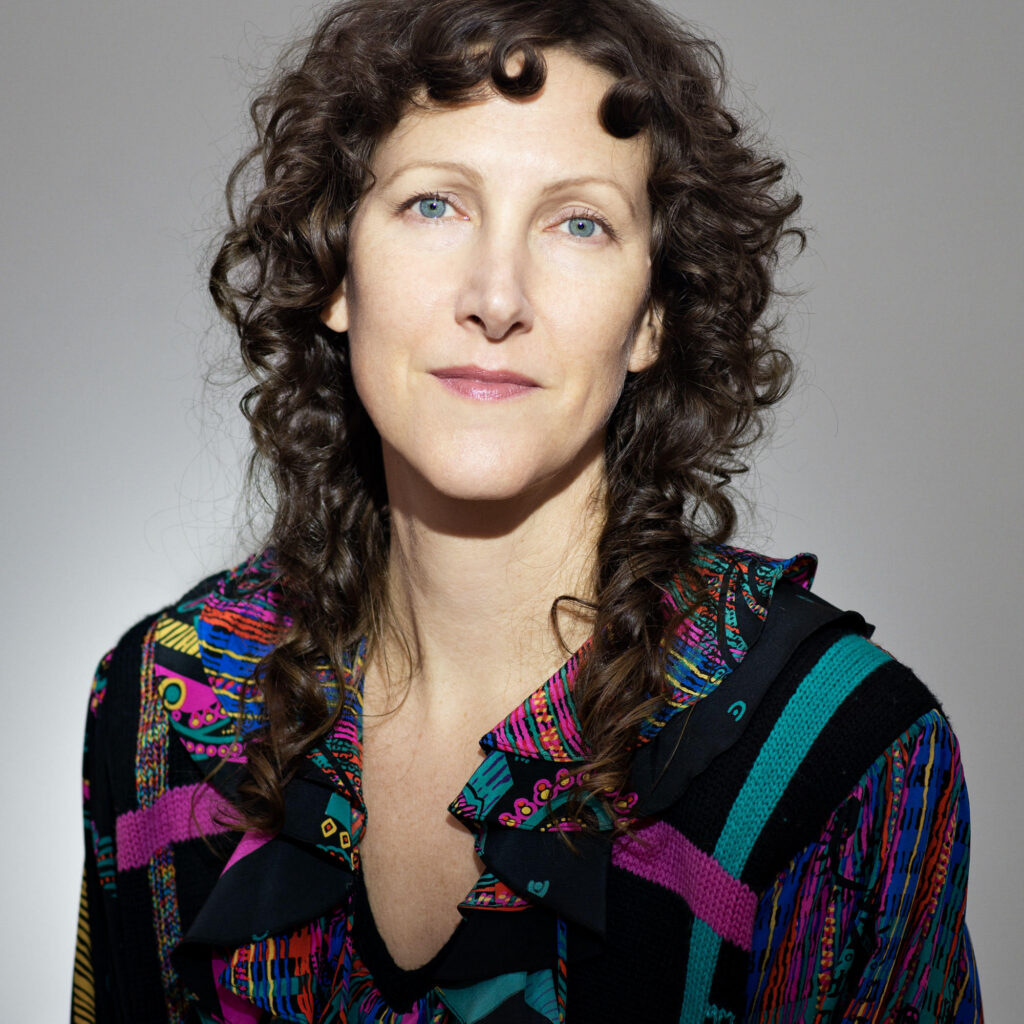
Laura Splan is a transdisciplinary artist working at the intersections of science, technology, and culture. Her research-driven projects connect hidden artifacts of biotechnology to everyday lives through embodied interactions and sensory engagement. The Centers for Disease Control Foundation and the Triënnale Brugge have commissioned her artworks exploring biomedical imaginaries. Her work appeared at the Museum of Arts and Design, Pioneer Works and New York Hall of Science and is represented in the collections of the Thoma Art Foundation, the Chan Zuckerberg Initiative, NYU’s Langone Art Collection, and the Berkeley Art Museum. As a member of the New Museum’s NEW INC Creative Science incubator, her research included collaborations with scientists to interrogate interspecies entanglements in the contemporary biotechnological landscape. Her recent exhibitions featuring molecular animations and material artifacts of laboratory animals include her large-scale immersive installation in the Brooklyn Army Terminal at BioBAT Art Space. In addition, Splan creates public engagement with her projects to make concepts and techniques behind her work accessible to audiences with programming, including everything from all ages bacterial transformation workshops to remote textiles collaborations.