AI As a Research Partner, Not a Replacement
Despite the rapid pace of AI advances, speakers agreed that today’s models work best as collaborators rather than replacements for scientists.
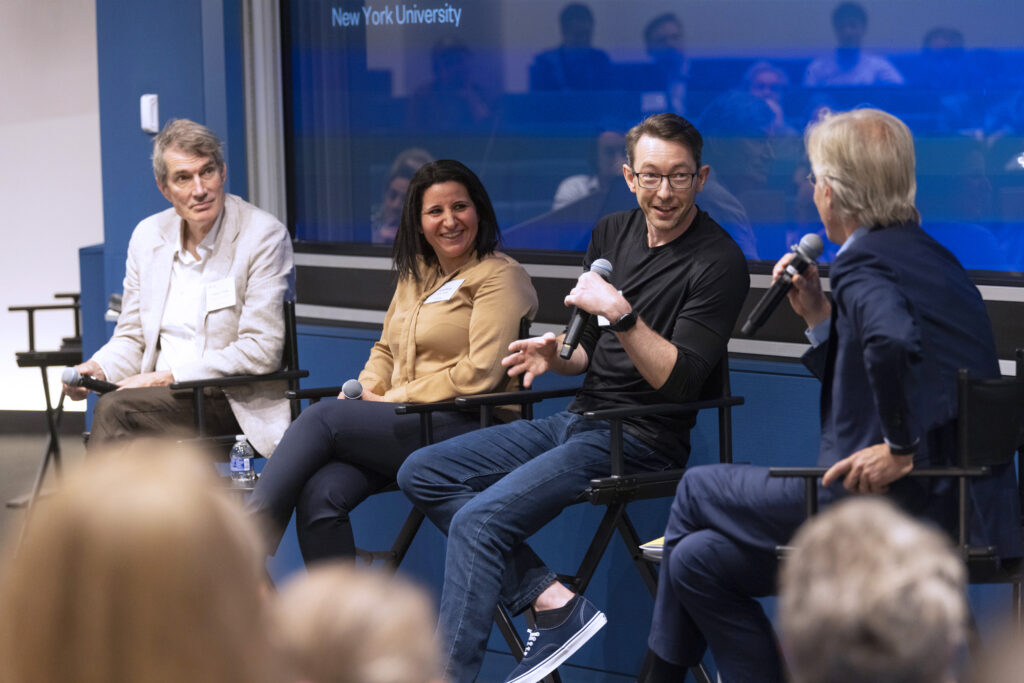
“I need my engineers to still do their analysis and validate that this is going to work,” said Steven Brunton, the Boeing Professor of AI and Data-Driven Engineering at the University of Washington. “They can’t just trust the numbers that they’re getting.”
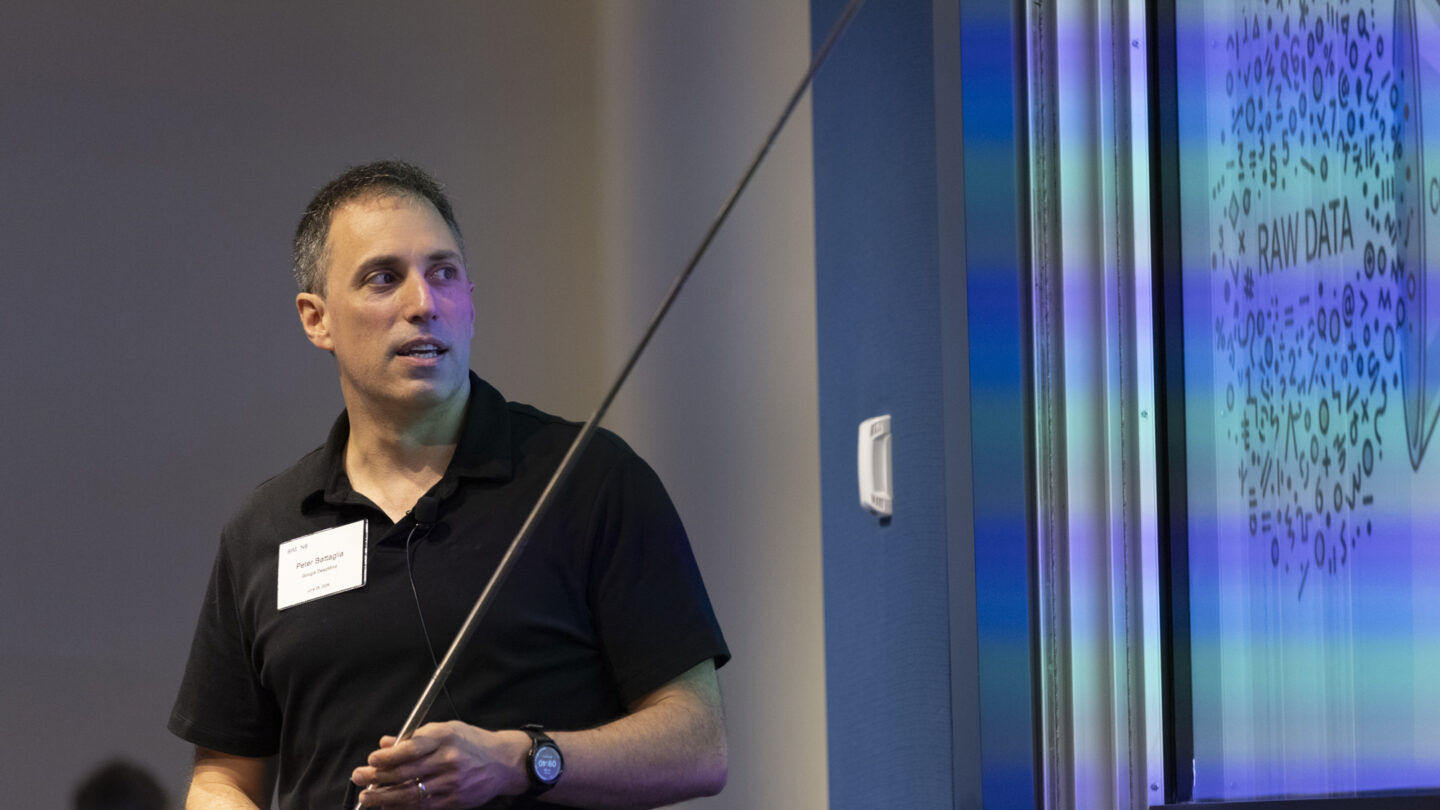
Looking ahead, speakers expect AI to become an even more powerful tool for scientific discovery. Battaglia believes AI will transform science much as it transformed weather forecasting — by complementing first-principles reasoning with learned, data-driven models that are highly effective, even if they are not perfectly interpretable.
“I think in many ways it can democratize science,” he said. “It can give people tools that they don’t need a huge amount of training to use, help them make discoveries and hopefully get rid of some of the tedious work so we can focus on the enjoyment of science.”
Martiniani said the field is at a turning point. “AI computing capacity is doubling every seven months because the demand is so large, but it’s still not enough.”
How far — and how fast — AI will advance remains an open question.
“I don’t think any of us would be shocked if, in five or 10 years, [AI] is far beyond the capabilities that it is now, far beyond any of ours,” Brunton said. “But I also don’t think any of us would be shocked if it levels off and just becomes a very solid collaborator. It’ll be interesting to see.”