Death of a Molecule
Oxygen-carrying molecules called hemes are an essential part of red blood cells in mammals, but they can become toxic at high levels. Mammals have enzymes and proteins that traffic and recycle hemes, but some organisms, such as the malaria parasite, interrupt this process, causing hemes to form toxic hemozoin crystals.
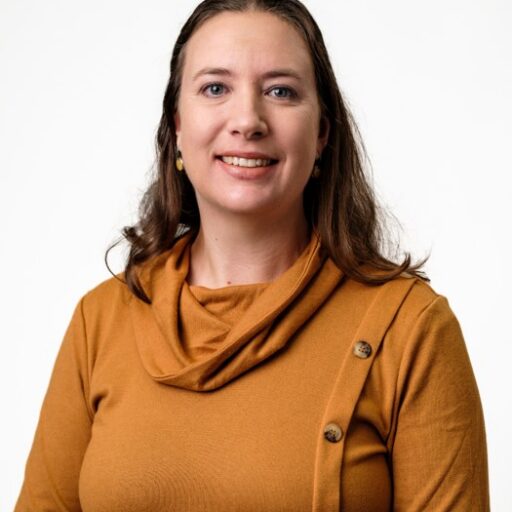
Katherine de Villiers, a Pivot Fellow from Stellenbosch University, pivoted from the chemistry of hemes to their biological roles. During her fellowship, she studied the recycling pathways of hemes in mammals and the important role of the heme transporter protein, HRG1.
De Villiers’ mentor at the University of Maryland School of Medicine, Iqbal Hamza, previously found that when HRG1 is removed in mice, hemozoin builds up in tissues that are responsible for heme recycling. De Villiers studied how heme is recycled in the body and what conditions in a cell might lead to a buildup of hemozoin. This work could one day be applicable in the study of human diseases where high levels of free heme occur.
“As a chemist, I had no experience with biological model systems but was fascinated to immerse myself in this new field and work with members of my mentor’s lab to better understand mammalian hemozoin formation,” says de Villiers. “With the training in cellular biology and genetics that I have acquired through this Pivot Fellowship, I will now be able to legitimately collaborate and work at the interface of chemistry and biology.”
Microbial Math
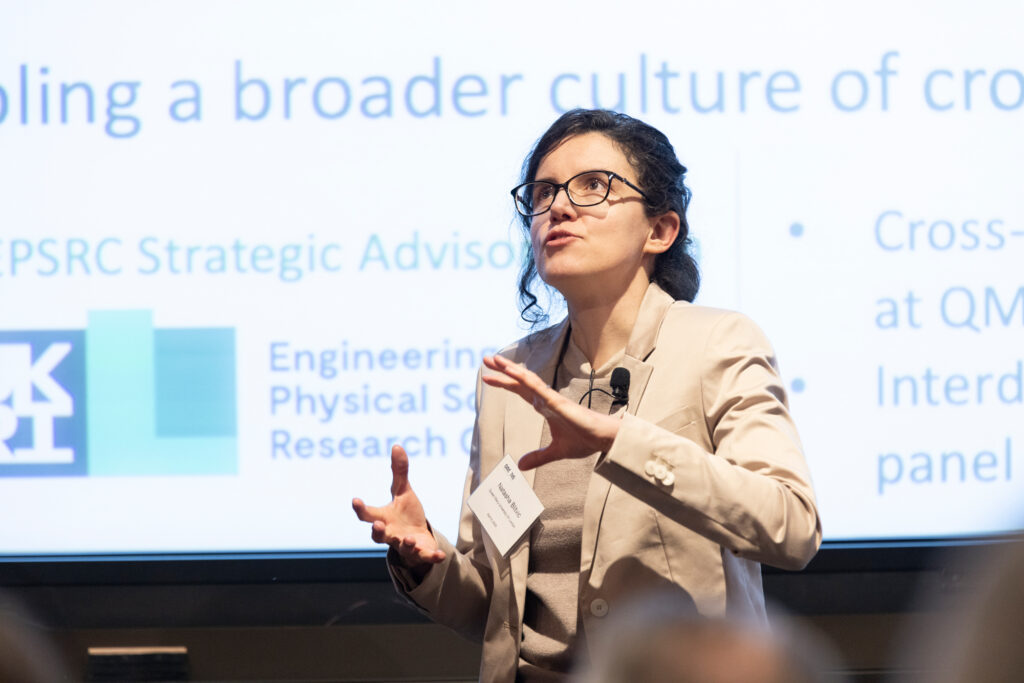
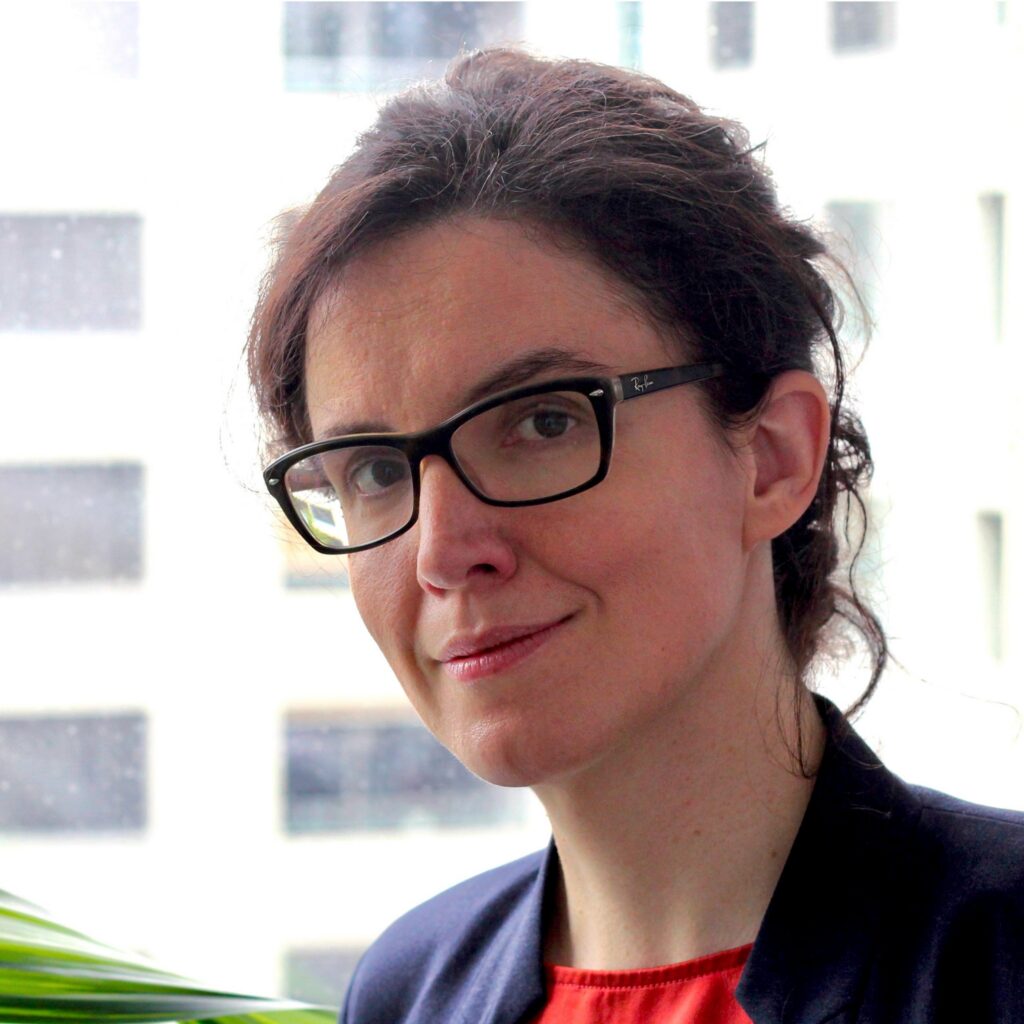
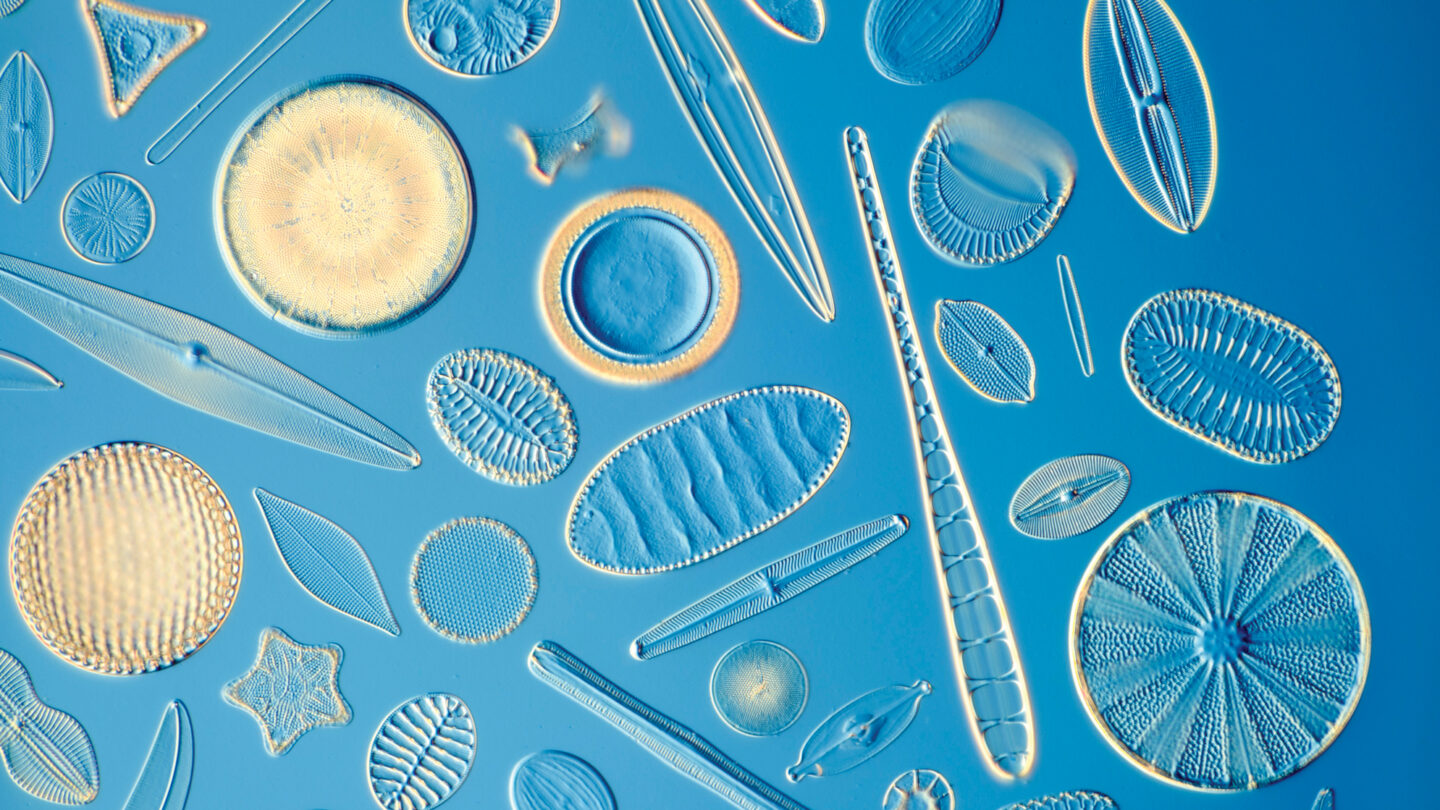
Pivot Fellow Natasha Blitvic, a mathematician at Queen Mary University of London, used her expertise in probability theory to study marine microbes. In three distinct projects, Blitvic developed statistical tools and methods to study microbes’ interactions and growth patterns and to improve tests of microbes’ movements due to environmental changes.
Blitvic’s work focused on randomness in biological and ecological systems. Previous models of such systems have tended to include randomness only in limited ways and ones not tailored to the oceanic setting.
“But we are finding in many of the systems with which we have been working, randomness is intrinsic,” Blitvic says. “Its specifics matter to the system outcome, and it needs to be taken into account.”
By leveraging probability and statistics, Blitvic has been able to more accurately model a range of phenomena in microbial ecology, enabling new insights into these systems. Through this work, Blitvic aims to better integrate mathematics with experimental science, in hopes of furthering interdisciplinary collaborations.
“Being a Pivot Fellow is a huge kick-start and catalyst, and in that sense, it is career-changing,” says Blitvic. “But the hard work is now beginning.”