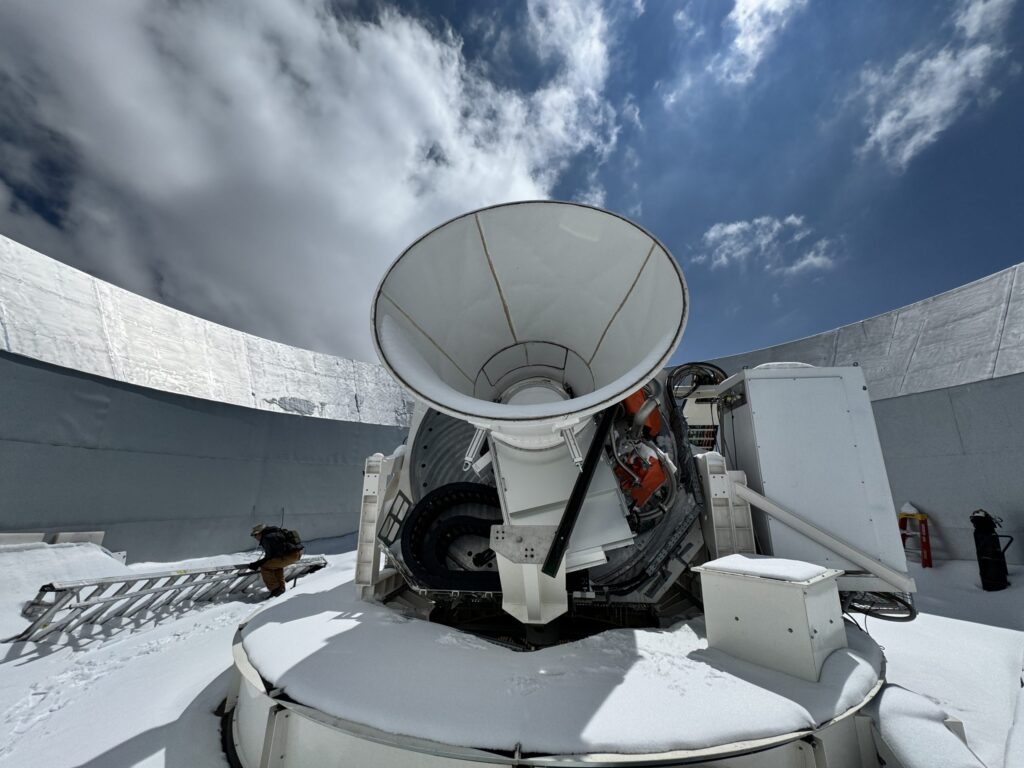
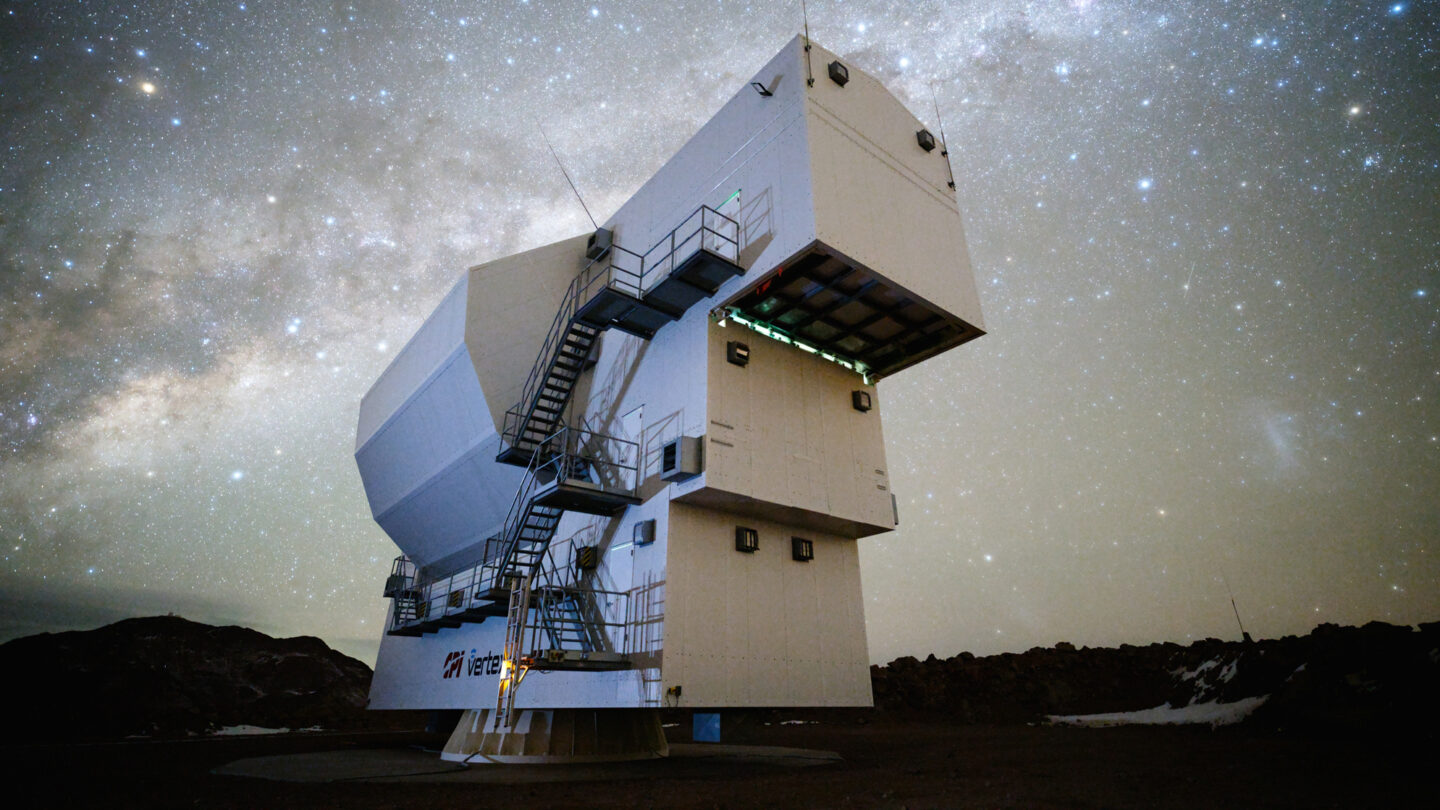
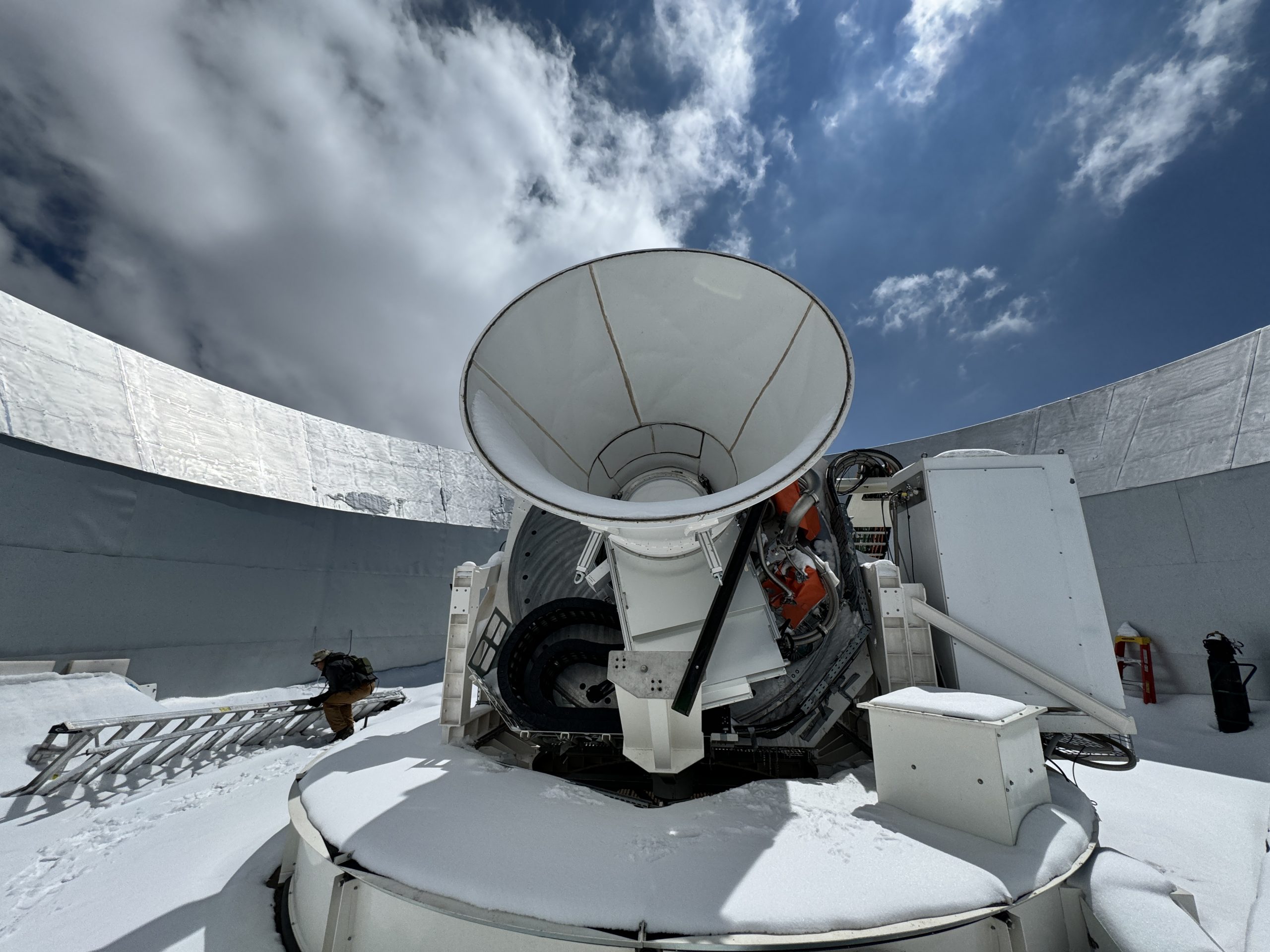
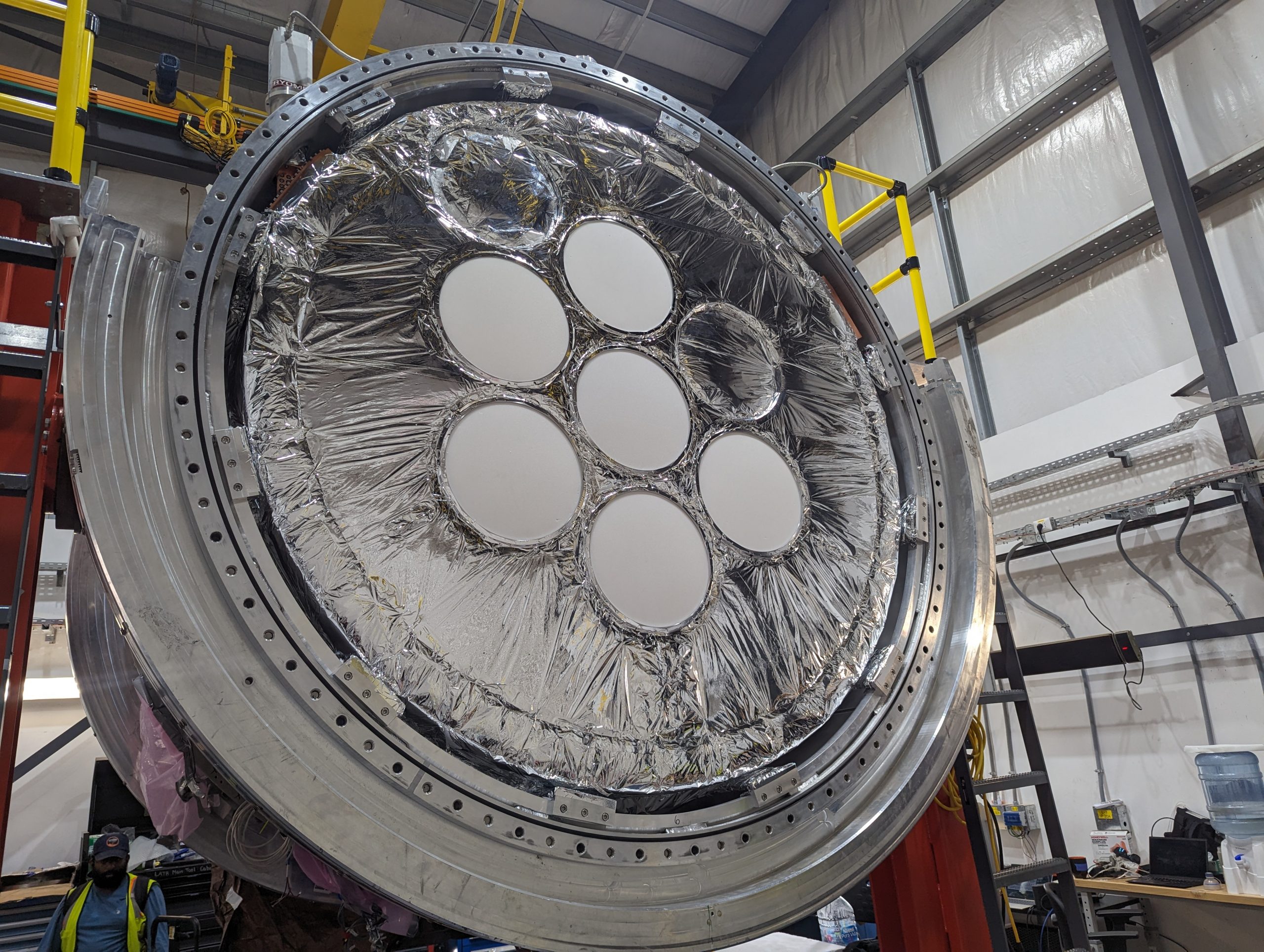
The hunt is on. From a vantage point high in the Chilean Andes, cosmologists with the Simons Observatory have begun searching for evidence of what happened in the minuscule fraction of a second that followed the Big Bang.
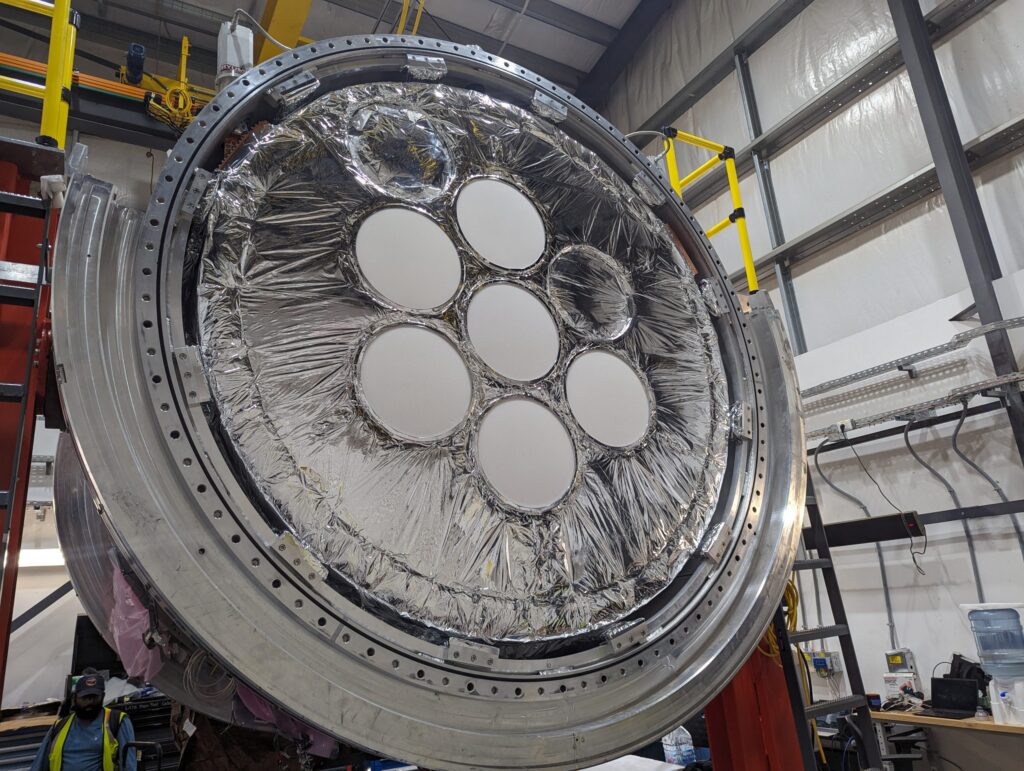
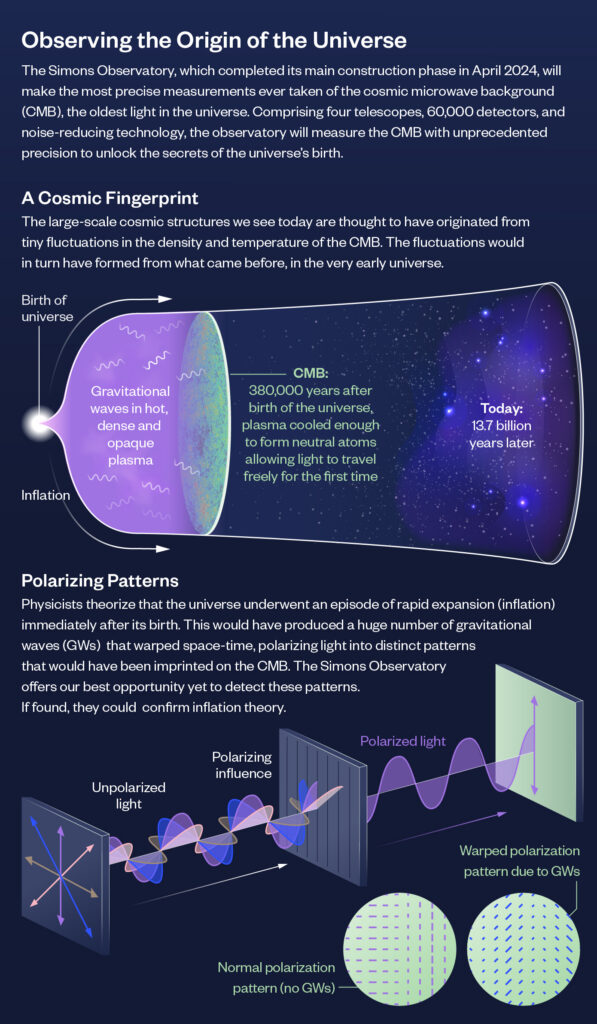
The observatory, which just completed its main construction phase, will make some of the most precise measurements ever taken of the oldest light in the universe. That light, known as the cosmic microwave background (CMB), originated about 380,000 years after the Big Bang and holds secrets of the universe’s birth.
“We’re taking the search for cosmic inflation to a new level,” says Simons Observatory co-director Suzanne Staggs of Princeton University. “Our instrument sensitivity breaks new ground for the field.”
Physicists predict that a period of rapid expansion of the newborn universe, called inflation, generated ripples in the fabric of space-time. Those ripples would have led to giant swirling patterns in the polarization of the CMB light called ‘B-modes.’ Despite decades of CMB observations, the swirls elude detection.
Their discovery would provide an unprecedented window into how the universe came to be and offer confirmation of the inflation theory, says observatory co-director Mark Devlin of the University of Pennsylvania. “A detection of primordial B-modes will tell us about the state of the universe in the first instants after its birth,” he says.
Humans have long gazed at the stars, wondering how the universe came to be, says observatory principal investigator Brian Keating of the University of California, San Diego. “With the Simons Observatory, we stand on the brink of uncovering answers rooted not in mere speculation but in the most precise and expansive data ever gathered by the world’s most advanced telescopes,” he says. “We are not just observing the cosmos; we are unlocking the secrets of our origins.”
A Cosmic Merger
The Simons Observatory team came from two earlier CMB projects: the Atacama Cosmology Telescope and the Simons Array. In 2014, mathematician and Simons Foundation co-founder Jim Simons proposed the collaboration as a way of creating a supergroup of top-tier CMB researchers.
“He brought together teams with a variety of expertise but a common goal,” Staggs says. The completion of the observatory’s main construction coincided with Simons’ 86th birthday on April 25, she notes. Sadly, Simons died a few weeks later on May 10.
The Simons Foundation is the primary funder of the observatory, which is named after Jim Simons and foundation co-founder and chair Marilyn Simons. Planned extensions have already been funded by the U.S. National Science Foundation, U.K. Research and Innovation and the Japan Society for the Promotion of Science.
Additional funding comes from the Heising-Simons Foundation, six founding institutions — Princeton University; the University of California, Berkeley, with Lawrence Berkeley National Laboratory; the University of California, San Diego; the University of Chicago; and the University of Pennsylvania — and additional collaborating institutions worldwide. In total, the collaboration includes more than 350 researchers from more than 35 institutions.