On September 9, the Simons Foundation announced a gift to the New York Structural Biology Center (NYSBC) of $15 million to upgrade its cryo-electron microscopy facility, and to support general operations at the center. The foundation will provide additional funds to support equipment enhancement in cryo-electron microscopy.
This gift coincides with the news that Bridget Carragher and Clint Potter, both currently professors at the Scripps Research Institute in La Jolla, California, will be joining the NYSBC in January 2015 to lead its cryo-electron microscopy facility.
“Jim [Simons] and I are very pleased to provide this support to NYSBC. Together with the arrival of new, outstanding leadership, our gift should enable the center to attain a new level of excellence, enhancing science in the New York City area and elsewhere in the nation,” says foundation president Marilyn Simons.
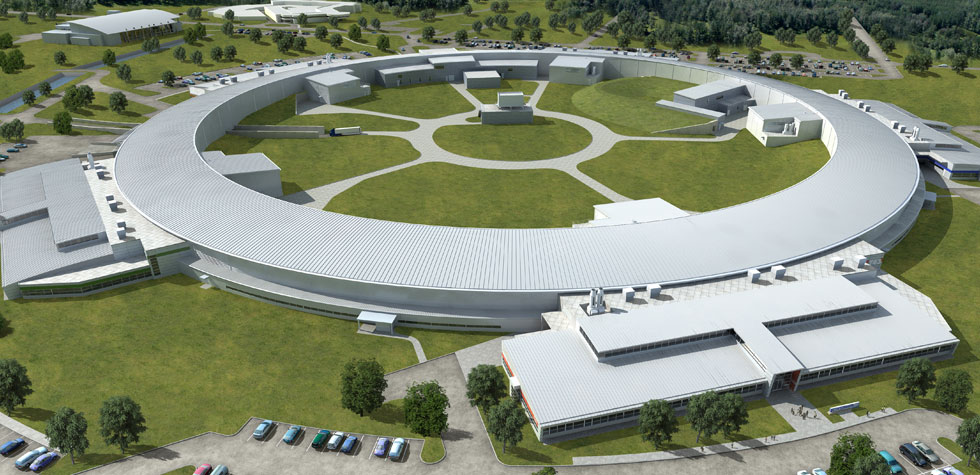
The NYSBC is a consortium of nine preeminent academic research institutions that provides advanced resources and tools in structural biology to its members and outside investigators. It was founded in 2002 and was the first cooperative research center established in New York. Its primary facility is located in Harlem and an auxiliary facility is at the National Synchrotron Light Source at Brookhaven National Laboratory in Long Island.
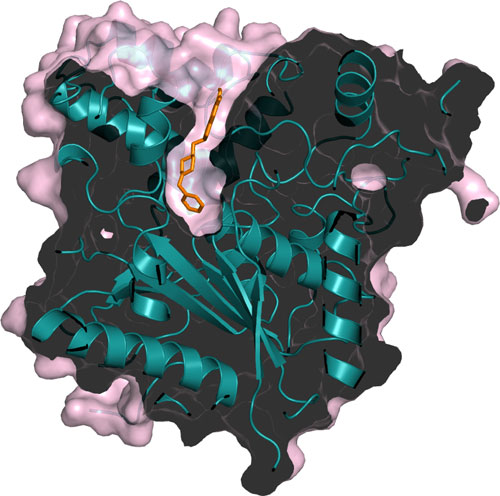
Structural biologists use several key technologies to determine the three-dimensional structure of molecules and molecular assemblies — information that offers insight into their role in cell behavior and the mechanisms that lead to disease. These technologies include X-ray crystallography, cryo-electron microscopy and nuclear magnetic resonance spectroscopy.
At a time when federal funding is scarce, this gift will enable the NYSBC to continue its work and to continue providing instrumentation and expertise to researchers throughout New York. The gift will also ensure that local scientists have access to the most state-of-the-art resources in these critical and burgeoning fields.