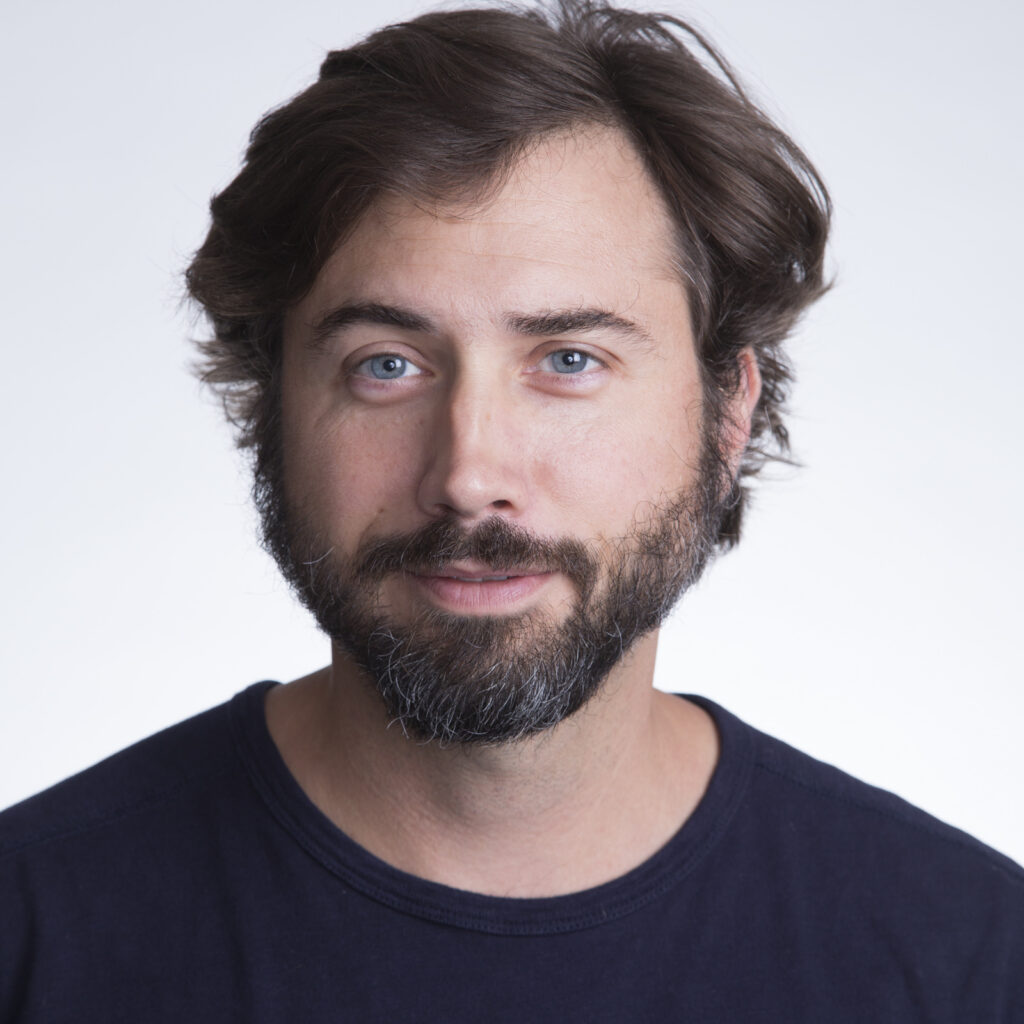
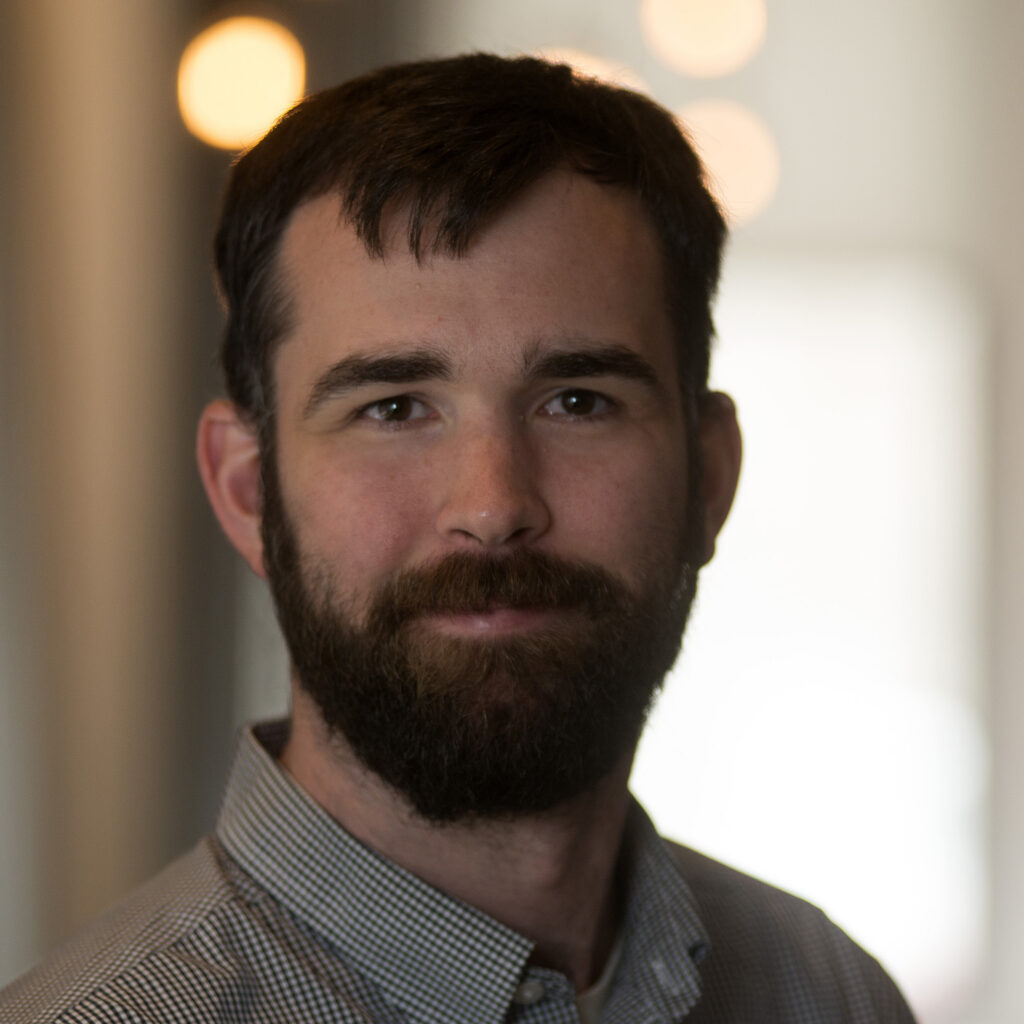
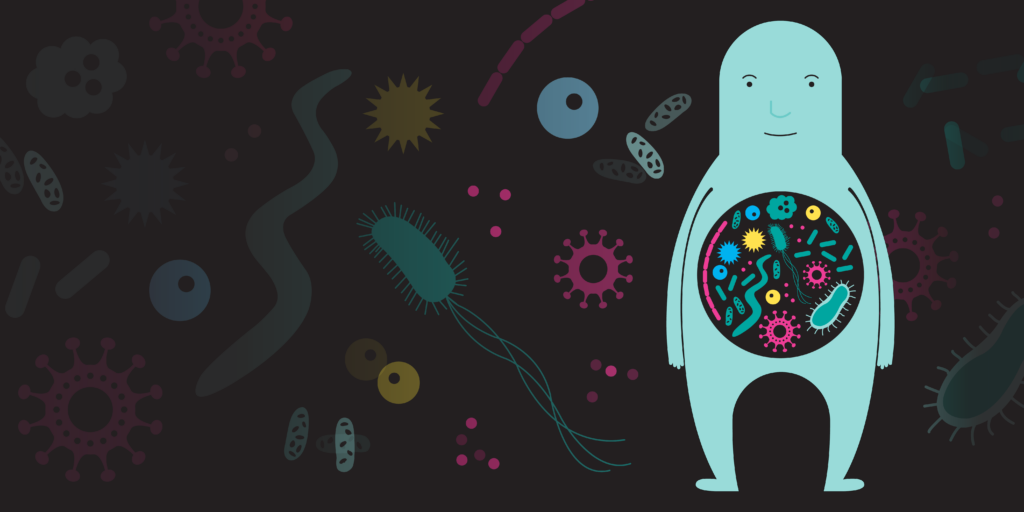
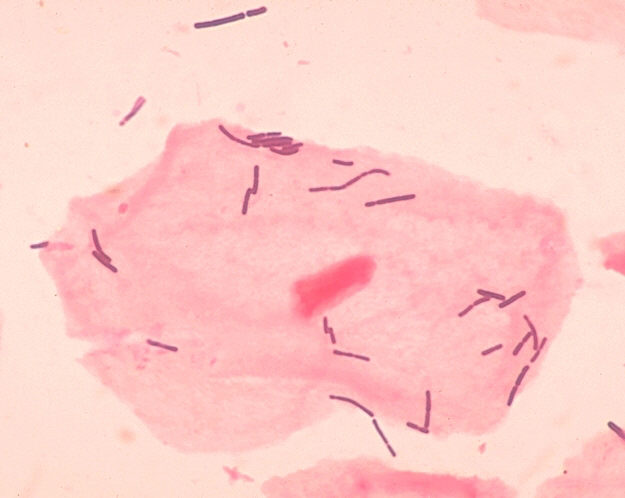
One of the project’s three principal investigators, Richard Bonneau, group leader for systems biology at the Flatiron Institute’s Center for Computational Biology, ran the World Community Grid’s first project, which studied the folding of proteins in the human body. Computational biologist P. Douglas Renfrew — Bonneau’s colleague at the Flatiron Institute — and others run a program called Rosetta on the volunteers’ computers, which predicts the sequences and 3-D structures of proteins. Those structures help scientists understand what functions the proteins carry out. A better understanding of proteins produced by gut-dwelling bacteria could help scientists develop medical interventions to disrupt, or even cure, diseases, Bonneau says.
“There is so much excitement that through the microbiome we can make huge progress in autoimmune diseases, inflammation, heart disease and the prognosis and treatment of cancers like colon cancer and lung cancer,” Bonneau says. “That excitement isn’t overblown.”
“We’ve barely scratched the surface in our understanding of the gut microbiome and how it affects human health,” Renfrew says.
“This type of research on the human microbiome, on this scale, has not been done before,” says Ramnik Xavier, co-director of the Infectious Disease and Microbiome Program at the Broad Institute of MIT and Harvard; gastrointestinal unit chief at the Massachusetts General Hospital and director of the Center for the Study of Inflammatory Bowel Disease at Massachusetts General Hospital. “It’s only possible with massive computational power.”
According to Rob Knight, a professor in the departments of pediatrics and computer science and engineering and director of the Center for Microbiome Innovation at the University of California, San Diego, “Had World Community Grid not existed, we wouldn’t have even contemplated this project. By harnessing the efforts of volunteers, we can do something that exceeds the scale of what we have access to by a factor of thousands. For the first time, we’re bringing a comprehensive structural biology picture to the whole microbiome, rather than solving structures one at a time in a piecemeal fashion.”
Since its founding in 2004, the World Community Grid has supported 29 research projects in areas such as cancer, HIV/AIDS, Zika, clean water, renewable energy and other humanitarian challenges. To date, the World Community Grid, hosted by IBM Cloud, has connected researchers to $500 million worth of free supercomputing power. More than 730,000 individuals and 430 institutions from 80 countries have donated more than 1 million years of computing time from more than 3 million computers and Android devices. Volunteer participation has helped researchers to identify potential treatments for childhood cancer, more efficient solar cells and more efficient water filtration.
To learn more about the World Community Grid and volunteer to contribute your unused computing power, please visit https://www.worldcommunitygrid.org/.