Bringing people and ideas together to fund, conduct, and share transformative science.
Our grants advance knowledge and strengthen connections between science and society.
Discover the latest news, research, and updates.
We convene scientists, mathematicians, and thinkers to share ideas and explore new questions.
Founded by Jim and Marilyn Simons, we’re a private philanthropy advancing mathematics and basic science.
Work with us on the frontier of basic science research.
The Flatiron Institute is a research center that uses computational science to advance fields like physics, biology, and astronomy.
Search
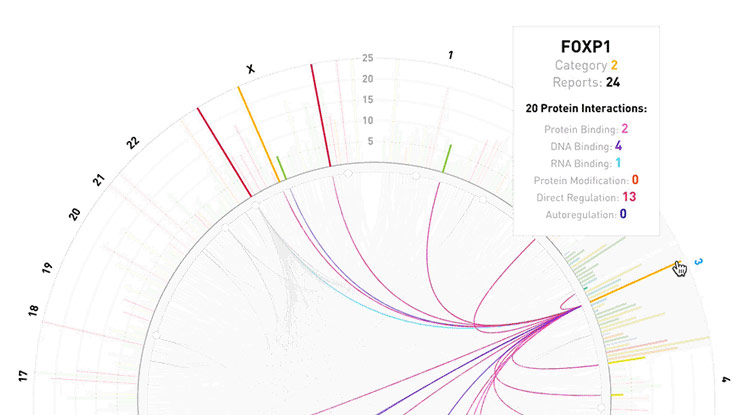
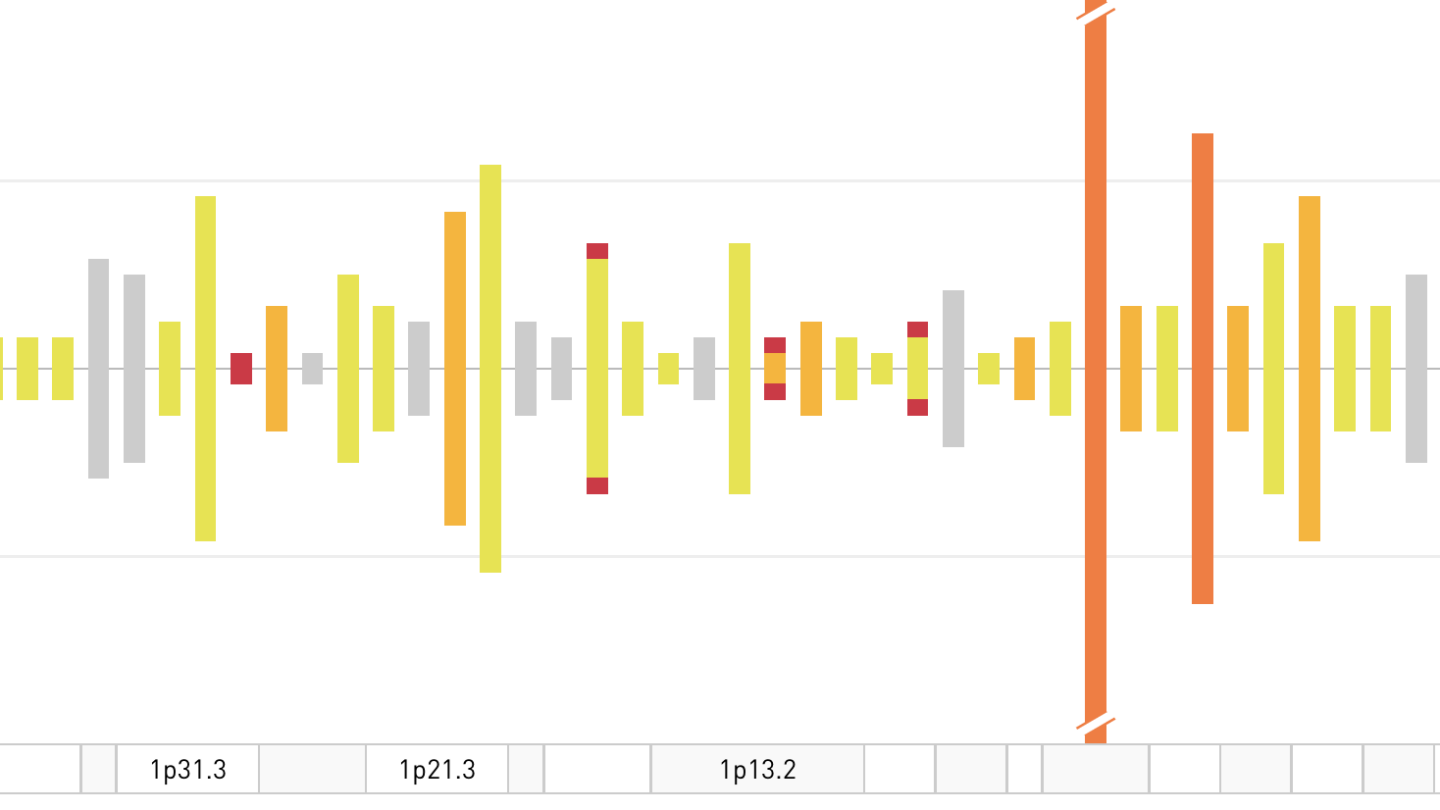
SFARI has recently implemented a number of changes to SFARI Gene, including modification of the gene scoring, copy number variant, animal models and protein interaction modules. Curation of the human gene module will continue as before.
Current estimates suggest that variation in several hundred genes could affect susceptibility to autism spectrum disorder (ASD). The Simons Foundation Autism Research Initiative (SFARI) and other funding agencies are supporting efforts to identify as many ASD risk genes as possible, with an eye toward understanding how mutations may impact typical brain development and result in the complex spectrum of behaviors that we term autism.
One such effort led to the creation of SFARI Gene, a trusted, comprehensive and dynamic database that captures ASD risk genes from the published literature and tells autism researchers what it is known about them.
To help strengthen the aspects of SFARI Gene that are most useful to the autism research community, SFARI has recently made a number of changes to the database. These changes affect several SFARI Gene modules, as follows:
Given the regular citation of the Human Gene module in the literature, curation of the autism risk gene list will continue as before, using the current annotation model.
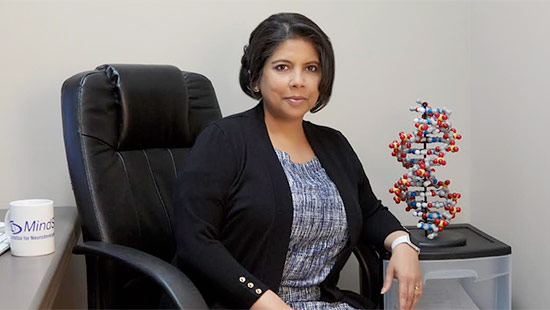
“Our goal is for SFARI Gene to continue to be a sustainable and trusted resource for geneticists and non-geneticists working on autism,” says SFARI senior scientist Alan Packer.
A full description of the new changes can be found here. An archive of the previous version of the site will be maintained here. As always, we welcome user feedback here.
For all other inquiries, please email us at [email protected].
.o-page-header figcaption {
margin-left: 0;
}