
Computational Quantum Physics: Quantum Dynamics and Control
We use the quantum nature of light to understand and control quantum phenomena in complex systems.
About
Focus Areas
Strong Light-Matter Coupling of Molecular Systems; Cavities
 In recent years, research at the interface between chemistry, material science, condensed matter physics, and quantum optics has emerged, opening new pathways to control properties of chemical systems using quantum light. In this new field of QED chemistry, or polaritonic chemistry, light and matter lose their identities in the strong coupling limit and novel hybridized states of light and matter are formed, e.g., molecular polaritons, plasmon-polaritons, exciton-polaritons or vibrational-polaritons and others will emerge. Those new light-matter hybridized states provide novel ground for designing a wealth of new functional materials.
We describe these systems using a unified exact ab-initio density-functional framework (quantum-electrodynamical density-functional theory (QEDFT)), where light and matter degrees of freedom can be treated on the same quantized footing.
Our work includes methods development on QEDFT, such as adding new capabilities to the framework, e.g. extensions to vibrational strong coupling, multiscale modelling and new exchange-correlation functionals for both electronic/ionic and light matter sectors. We also study the effects of strong light-matter coupling on chemical reactions, topology and Berry phases, spectroscopy including non-linear effects, electron-phonon and anharmonic phonon-phonon interactions.
Project Leader: Johannes Flick
Project Scientists: Jaylyn C. Umana, Lukas Weber, Andy Millis, Angel Rubio
Quantum Dynamics and Circuits
 Quantum circuits provide a unifying framework for quantum many-body systems evolving in time. The most familiar use of quantum circuits are as “programs” for quantum computers to execute, or as building blocks of quantum algorithms. Just as importantly, quantum circuits can capture discretized Hamiltonian dynamics and serve as a modeling framework for dynamical phenomena such as measurement-driven transitions.
We develop and implement methods for simulating quantum circuits using classical methods. Our work aims to push the boundaries of classical simulation methods and uncover new physical insights into the dynamical phenomena realized by quantum circuits.
One prominent simulation approach is tensor networks, which offer efficient representations and algorithms for manipulating quantum states with classical resources. In addition to core algorithms based on one-dimensional and tree tensor networks, we are developing tools for working with more general tensor network geometries—including higher-dimensional networks with loops.
Another set of methods we work on for quantum circuit dynamics are neural quantum states, which use a machine-learning inspired ansatz to capture complex quantum states.
Project Leaders: Miles Stoudenmire, Joseph Tindall
Project Scientists: Matthew Fishman, Roeland Wiersema, Antonio Mello
Analog Quantum Simulators
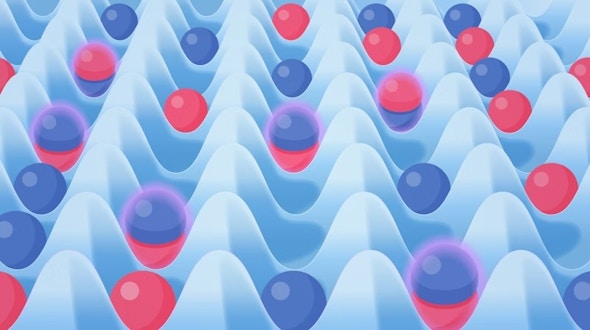 Analog quantum simulators are experimental platforms engineered to mimic the behavior of interacting quantum many-body systems. Unlike digital quantum computers, they do not use logic gates but instead evolve under a designed Hamiltonian.
At CCQ, we are mostly focusing on two platforms: arrays of Rydberg atoms trapped in optical tweezers and ultra-cold atomic gases in optical lattices. The former offers a challenge to classical simulations of quantum dynamics, state preparation and evolution. Remarkable recent progress in cooling fermionic cold atoms in optical lattices usher a new era of fruitful synergies between quantum and classical simulation.
Project Leaders: Antoine Georges; Shiwei Zhang
Project scientists: Miles Stoudenmire, Joseph Tindall
Light Control
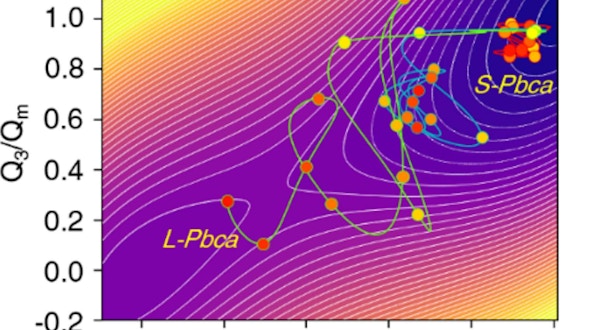 A long-standing goal of quantum science is to dynamically control electronic behavior (e.g. inducing electronic phases not found in equilibrium) by application of appropriately designed light or other driving fields.
The subject combines the theoretical and conceptual challenges of nonequilibrium physics with the complexities of the quantum many-body problem.
CCQ scientists, in collaboration with our theoretical and experimental partners in the Max Planck/New York Center for Non-Equilibrium Quantum Phenomena are developing theoretical methods and using them to understand topics including photoinduced twisting transitions in Moire materials (arXiv:2502.11452), voltage-driven excitonic insulators (Phys. Rev. Lett. 132, 266001 (2024) ), optically generated/cavity modified superconductivity in organic conductors (Phys. Rev. X 10, 031028, arXiv:2505.17378) and driven metal-insulator transitions (Nature Physics 20, 807 (2024)).
Project Leader: Andrew Millis
Project Scientists: Johannes Flick, Angel Rubio
People
Matthew Fishman
Research Scientist, Center for Computational Quantum Physics
Johannes Flick
Associate Research Scientist, Center for Computational Quantum Physics
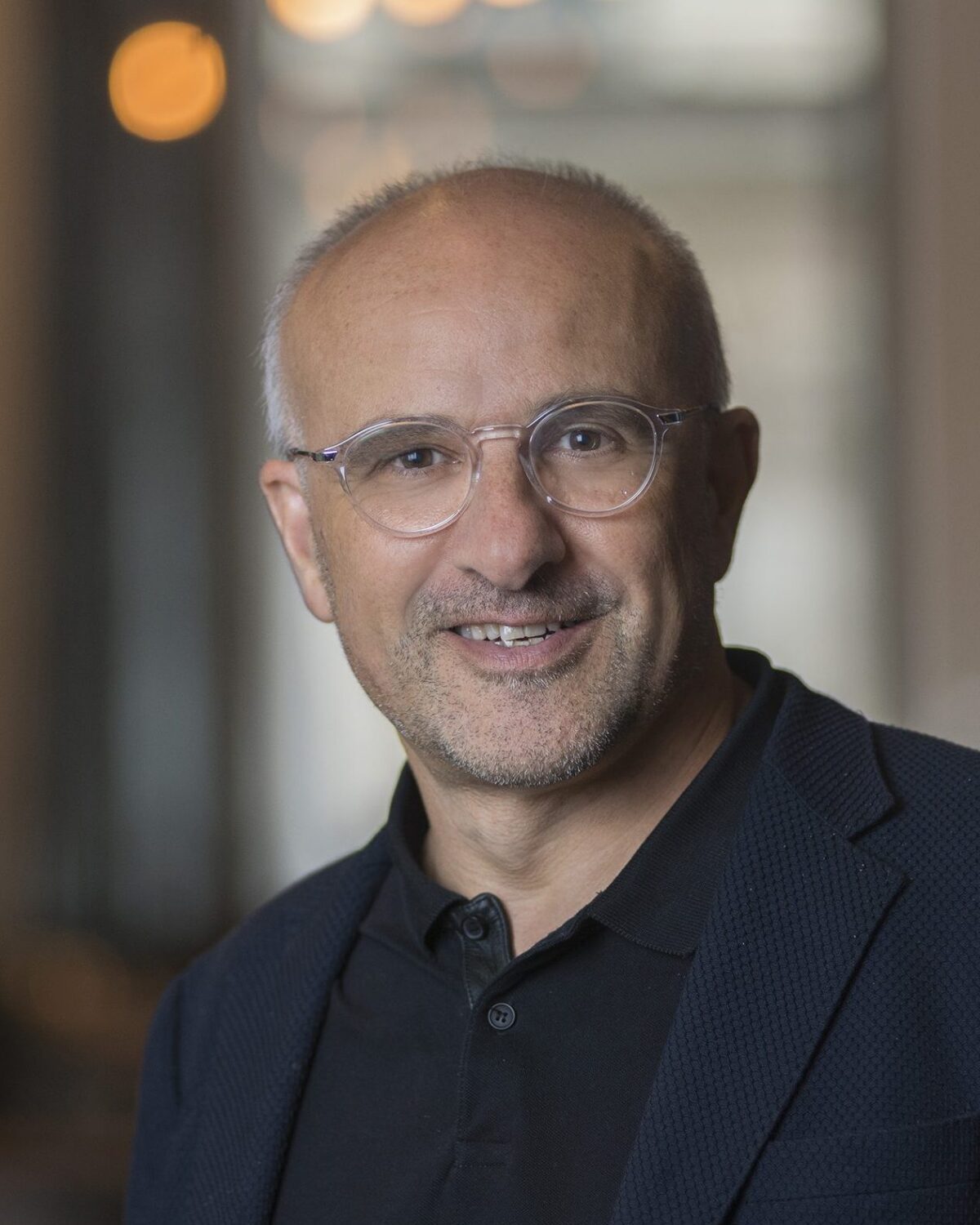
Antoine Georges
Director, Center for Computational Quantum Physics
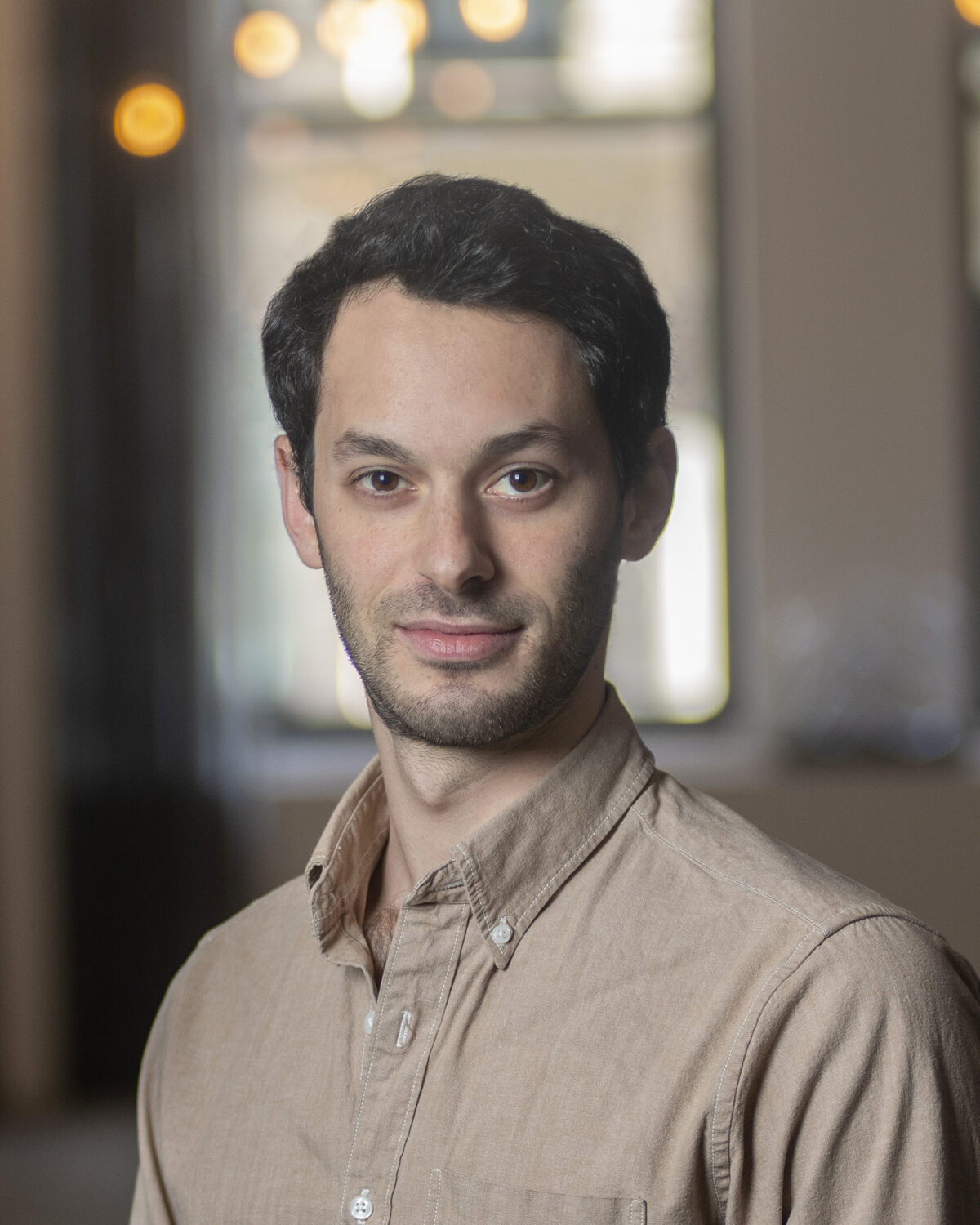
Jason Kaye
Associate Research Scientist, Centers for Computational Mathematics and Quantum Physics
Andrew Millis
Co-Director, Center for Computational Quantum Physics

Olivier Parcollet
Senior Research Scientist, Center for Computational Quantum Physics
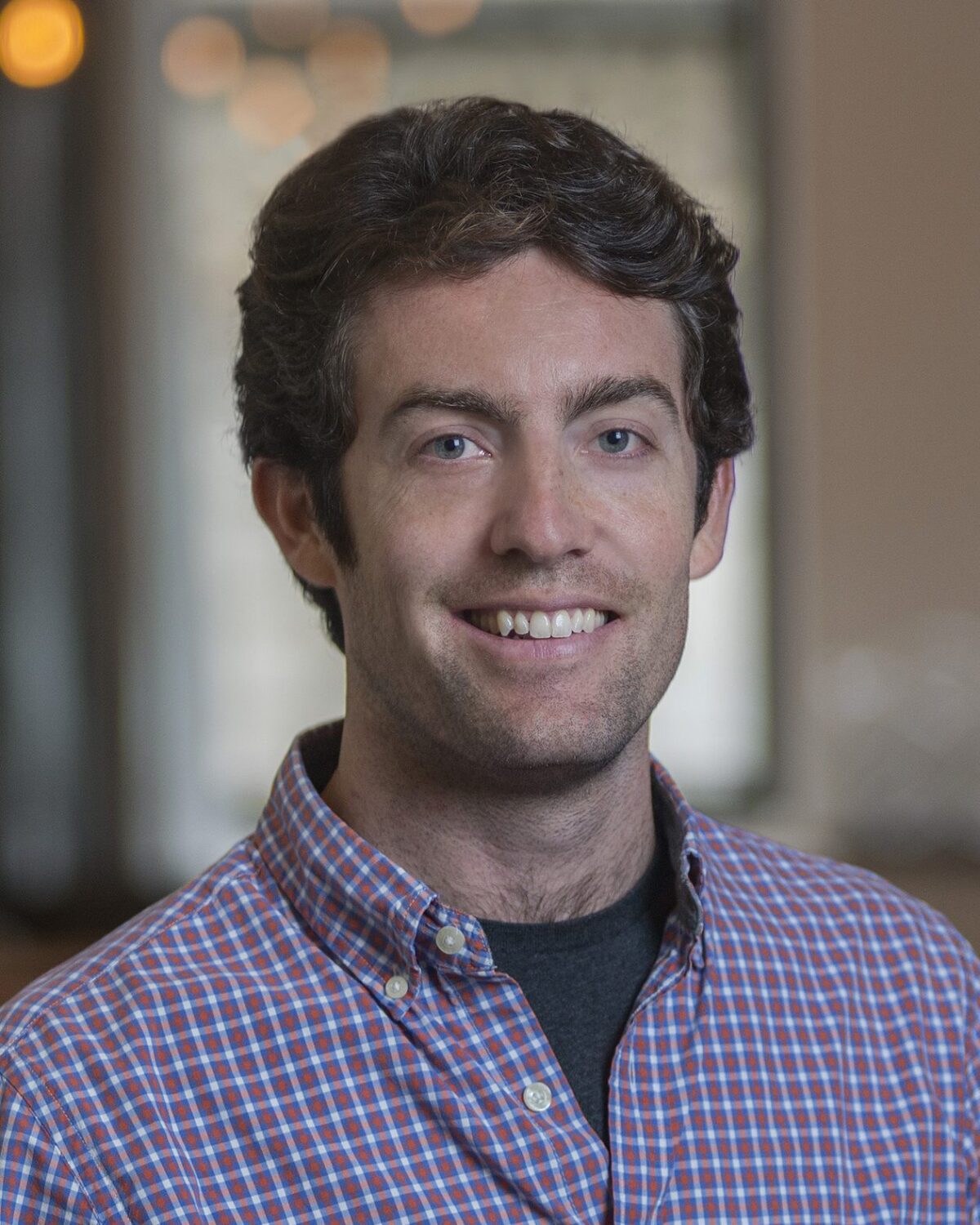
Miles Stoudenmire
Research Scientist, Center for Computational Quantum Physics
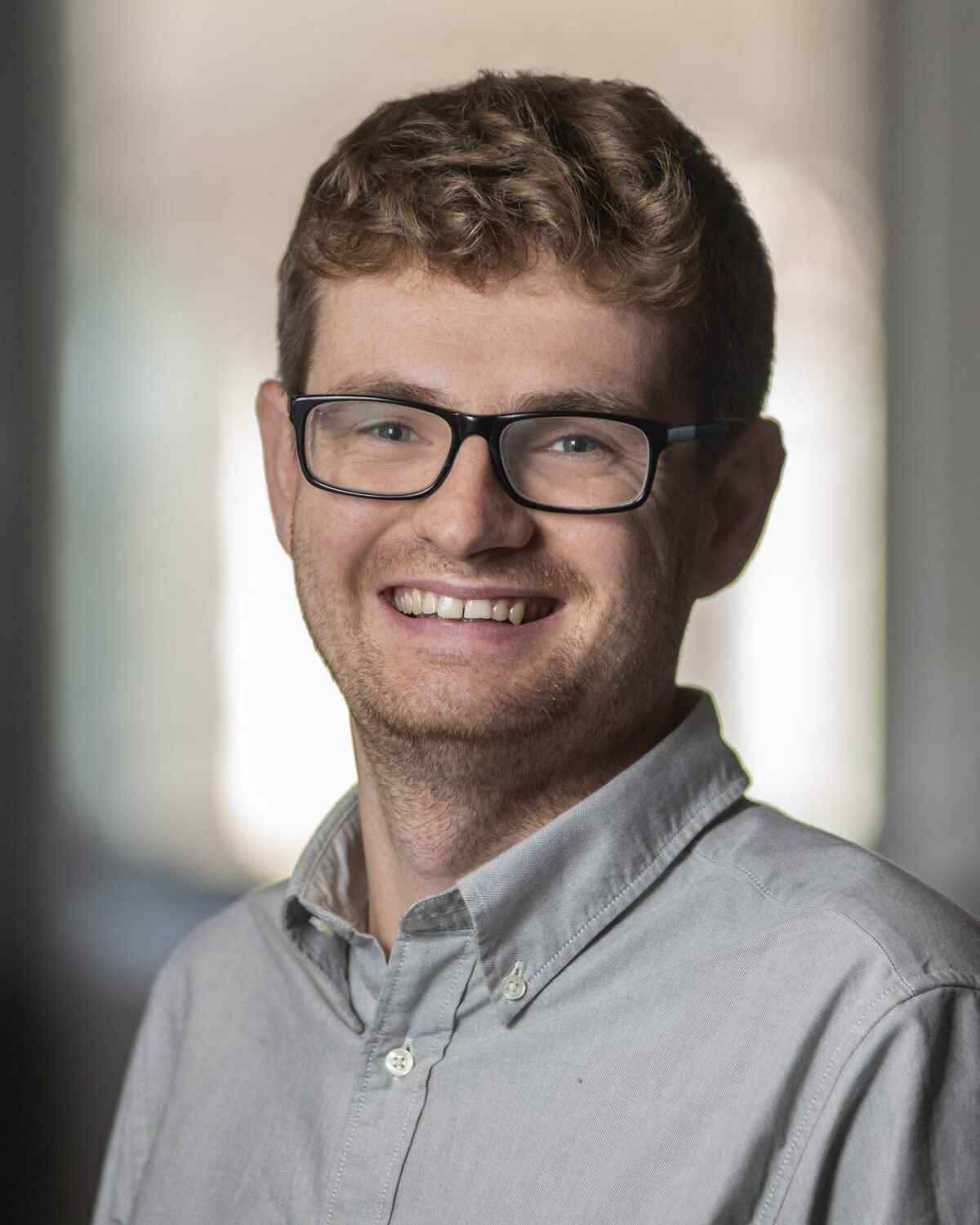
Joseph Tindall
Associate Research Scientist, Center for Computational Quantum Physics
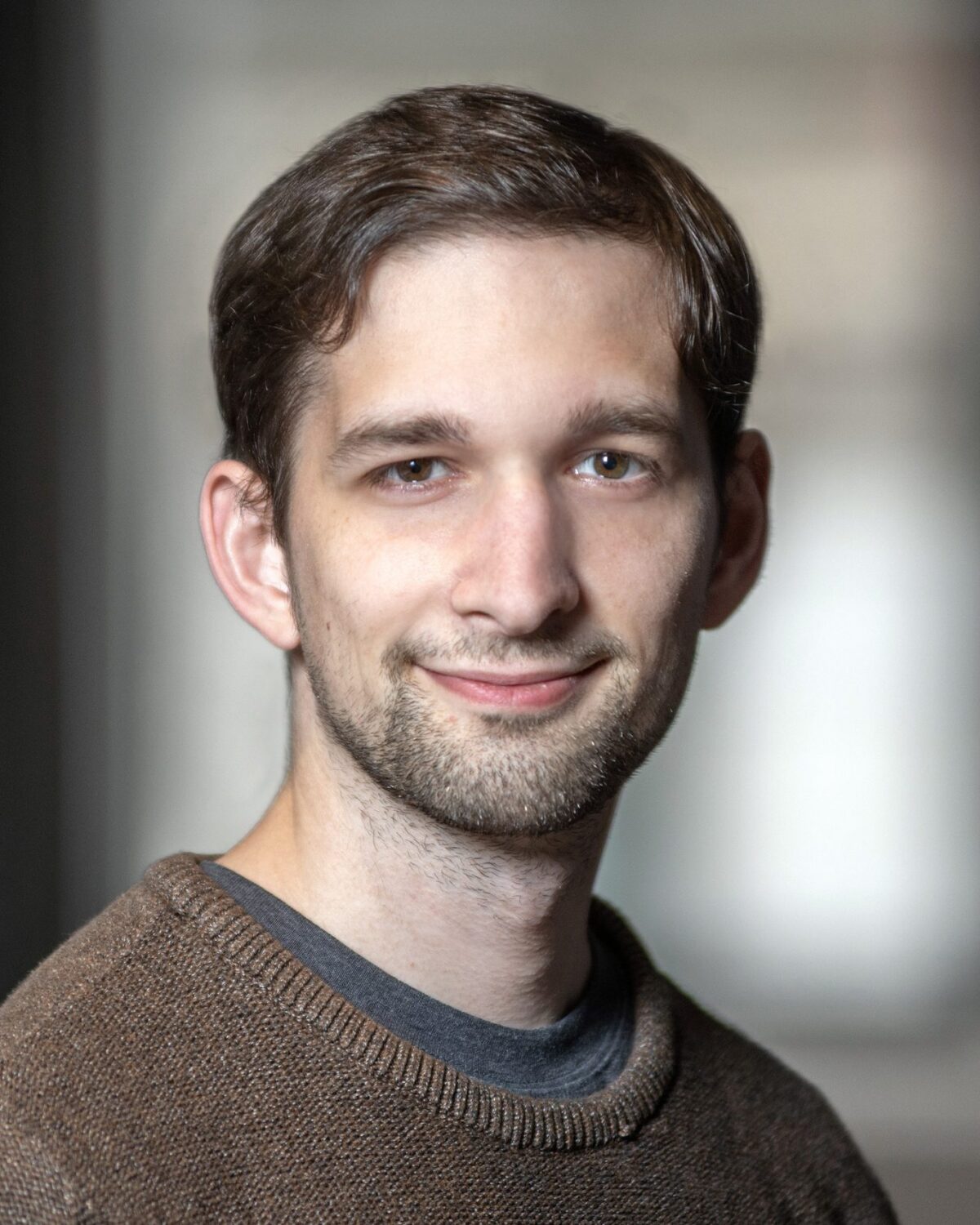
Lukas Weber
Flatiron Research Fellow, Center for Computational Quantum Physics
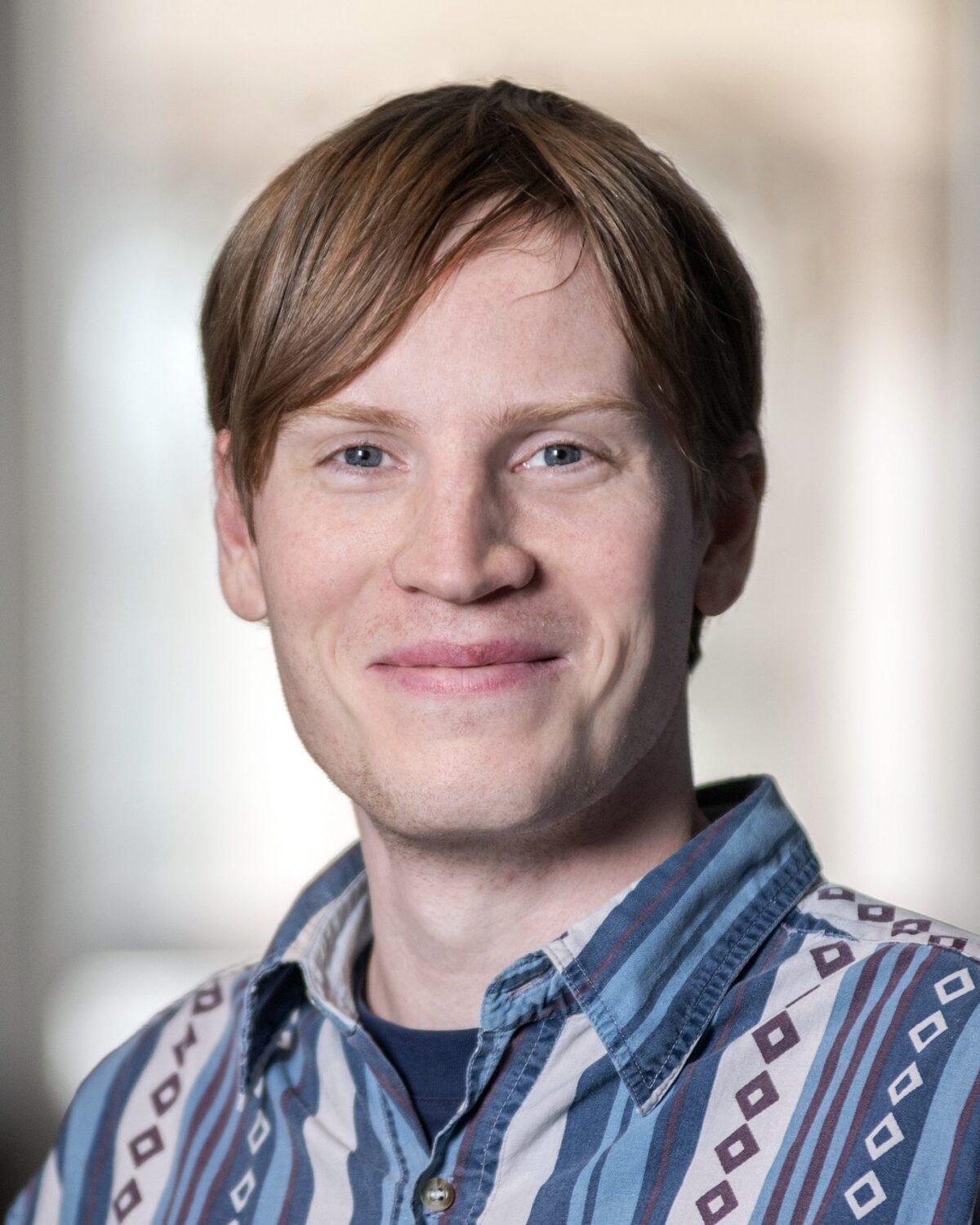
Roeland Wiersema
Flatiron Research Fellow, Center for Computational Quantum Physics
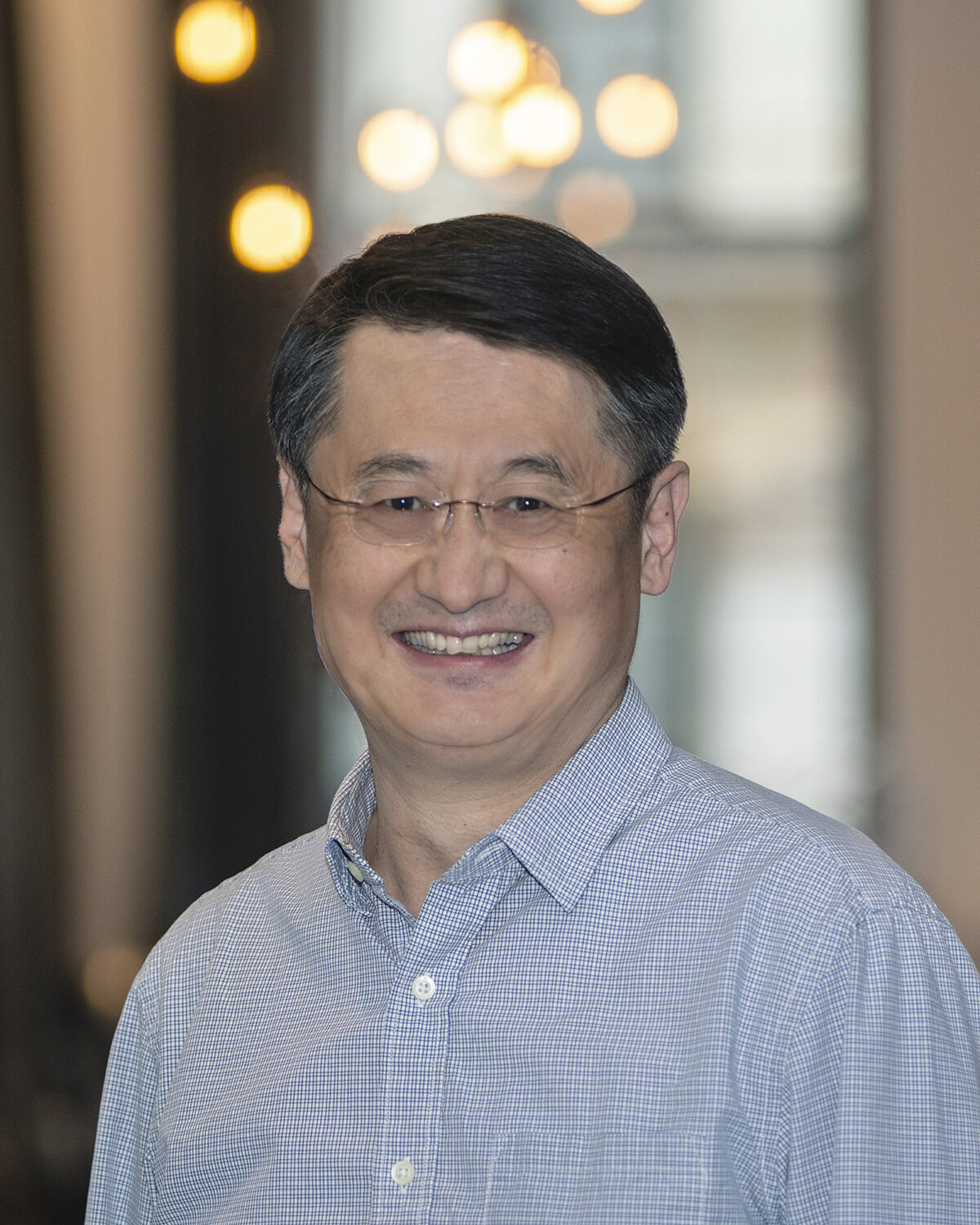
Shiwei Zhang
Senior Research Scientist, Center for Computational Quantum Physics