Half a century ago, the introduction of karyotyping transformed human genetics and clinical diagnostics by opening access to gross changes in chromosomes, revealing an entire class of previously undetectable genetic lesions. More recently, new technologies have refined our ability to search for genetic variants that cause disease. Yet in autism spectrum disorders (ASDs), a large proportion of genetic contribution still remains unexplained. Classes of chromosomal alterations that can cause loss-of-function mutations, namely balanced and complex structural variation (SVs), and copy number variants (CNVs), below the threshold of microarray — collectively referred to as cryptic SVs — remain to be fully considered for their potential contribution to ASD.
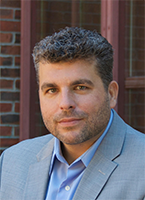
In this project, Michael Talkowski and his colleagues at Massachusetts General Hospital aim to bring together expertise in genomics, statistics, clinical diagnostics and computational genetics to fully characterize the genetic landscape of cryptic SVs in ASD. These variants remain intractable to detection by traditional chromosomal microarray, whole-exome sequencing and low-depth short insert whole-genome sequencing; yet a Simons Simplex Collection (SSC) pilot study performed by this team suggests cryptic SVs can have a profound impact in ASD. In particular, the researchers discovered cryptic loss-of-function mutations in ASD that range from small microinversions and single-exon deletions of known syndromic genes to highly complicated shattering and reorganization of chromosomes such as chromothripsis.
Talkowski and his team will utilize an innovative form of whole-genome sequencing using large DNA fragments to identify all classes of SVs in the SSC, and to annotate the proportion of genetic etiology of the disorder that can be explained by cryptic variation in this cohort. Given the unique technology and computational algorithms, and the convergent profiling of additional clinical datasets with genome data from more than 150,000 independent individuals, this study will uniquely complement ongoing efforts of ASD gene discovery in the SSC and rapidly fill one of the last remaining knowledge voids regarding genomic variation in ASD.