Analysis of autism-linked genes in C. elegans

Funded Work

Award Year

2013

Award Type

Research

Awardees

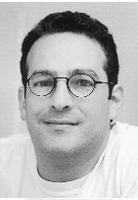
Headshot of Investigator Joshua Kaplan.

Joshua Kaplan

SFARI Investigator

Laboratory scene with test tubes in a plastic rack, a pipette, glass vials, and a microscope on a data sheet background, all shown with a blue and yellow tint.

SHANK mutations and copy number variations  (CNVs) — duplications or deletions of stretches of DNA — are linked to autism. Mammals have three SHANK genes, each encoding multiple variants of the SHANK protein expressed by different messenger RNAs. Several mouse SHANK knockouts have been described, but these mutants exhibit inconsistent — and often contradictory — patterns of defects at synapses, or neuronal junctions. Thus, mouse genetic studies have not produced a clear picture of how SHANK proteins regulate the formation or function of synapses. This is most likely due to overlapping functions of the SHANK protein variants.

The worm C. elegans has a single SHANK gene, SHN-1. Joshua Kaplan and his colleagues at Massachusetts General Hospital showed that gain- and loss-of-function mutations in SHN-1 have opposite effects on synaptic transmission and that synaptic transmission is sensitive to changes in SHN-1 gene copy number.

These results suggest that SHANK mutations and CNVs may contribute to autism via changes in synaptic transmission. Kaplan and his group are trying to determine the biochemical mechanisms that link SHANK to changes in synaptic transmission.