The number of children identified with autism spectrum disorders (ASD) has increased substantially over the last few decades; today an estimated one in 68 children in the United States has an ASD. Clinical signs of ASD, which include impaired development and social interactions, typically become apparent in early childhood. Yet the genotypic and phenotypic heterogeneity in ASD has made research in ASD, including the development of novel treatments, challenging.
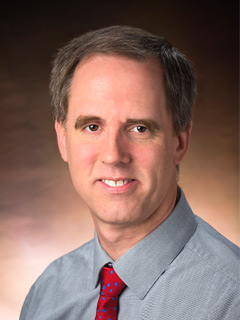
Charles Bailey and colleagues will test the feasibility of linking existing information of SPARK participants with information from these individuals that is present in the Children’s Hospital of Philadelphia (CHOP) pediatric learning health system database (PEDSnet), and will then characterize this linked dataset. The overarching goal of this research project is to increase the depth and breadth of information available for study of ASD.
The study will be conducted using data from CHOP only, using information from individuals who previously consented to participate in SPARK and indicating CHOP as their health care provider. The estimate of consented SPARK registry participants receiving care at CHOP is 800 individuals. These individuals will be eligible to have their clinical electronic health record (EHR) data from the PEDSnet data resource linked to their existing SPARK registry entry. A complete and unselected population of individuals are eligible.
Bailey’s team will construct a clinical data set for eligible individuals, and perform descriptive analyses of demographic and clinical data, as well as administrative data (e.g., insurance claims, medications dispensed by pharmacies) from data partners and data provided by participants themselves. The data sources will include the PEDSnet curated database, as well as additional data from the CHOP EHR. The development of this linked database will improve the quality of information available for these SPARK participants and, more broadly, for understanding the etiology of ASD. Ultimately, such information should aid the ability to both care for, and treat, individuals with ASD.