More Events
October 12–14, 2026
October 14, 2026
6–7 p.m. ET
Speaker
Shep Doeleman

October 21, 2026
6–7 p.m. ET
Speaker
Sonya Hanson

Bringing people and ideas together to fund, conduct, and share transformative science.
Our grants advance knowledge and strengthen connections between science and society.
Discover the latest news, research, and updates.
We convene scientists, mathematicians, and thinkers to share ideas and explore new questions.
Founded by Jim and Marilyn Simons, we’re a private philanthropy advancing mathematics and basic science.
Work with us on the frontier of basic science research.
The Flatiron Institute is a research center that uses computational science to advance fields like physics, biology, and astronomy.
Search
Lecture
– ET
160 5th Avenue
New York, NY 10010, United States
Profiling the molecules that make up a tumor is now a standard of care for many cancer types. The existence of recurrent and targetable genetic alterations across distinct histologically defined tumor types, coupled with an expanding portfolio of molecularly-targeted therapies, demands flexible and comprehensive approaches to profile clinically significant genes across the full spectrum of cancers.
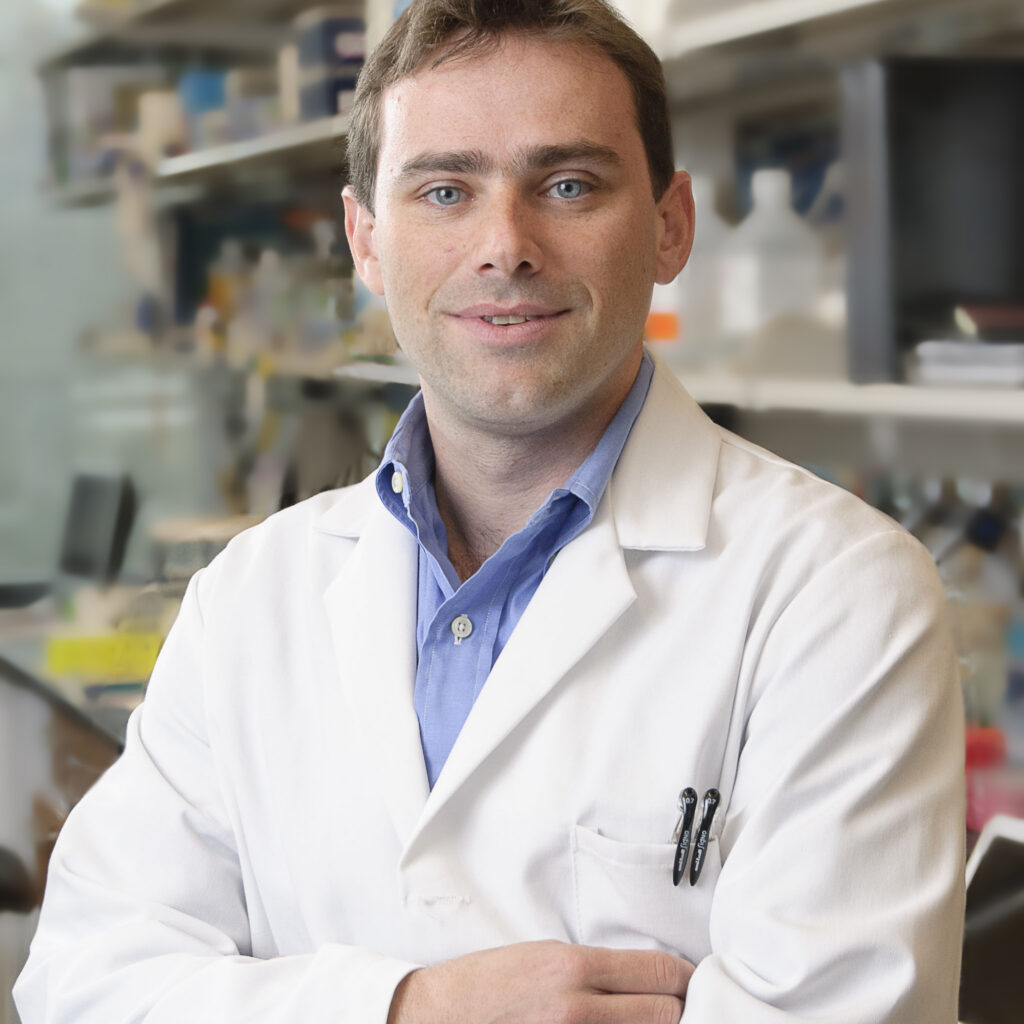
In this talk, David Solit will review the Memorial Sloan Kettering Cancer Center (MSKCC) experience from a large-scale, prospective clinical sequencing initiative utilizing a comprehensive assay called MSK-IMPACT. Through this platform, Solit and colleagues have compiled matched tumor and normal sequence data from a unique cohort of more than 15,000 patients with advanced cancer. Using these data, Solit and his team have identified clinically relevant alterations and mutational signatures that were shared among common and rare tumor types. Patients were enrolled on matched clinical trials at a rate of around 11 percent. Pathogenic germline mutations, some of which are predictive biomarkers of drug response, were also identified in a significantly higher proportion of patients than expected. Such a high identification rate suggests that using matched germline sequencing to identify mutant alleles associated with increased heritable risk should be considered in all patients with advanced cancer. To enable discovery of novel biomarkers and deeper investigation into rare alterations and tumor types, all results will be made publicly accessible through the AACR GENIE initiative.
October 12–14, 2026
October 14, 2026
6–7 p.m. ET
Speaker
Shep Doeleman
October 21, 2026
6–7 p.m. ET
Speaker
Sonya Hanson