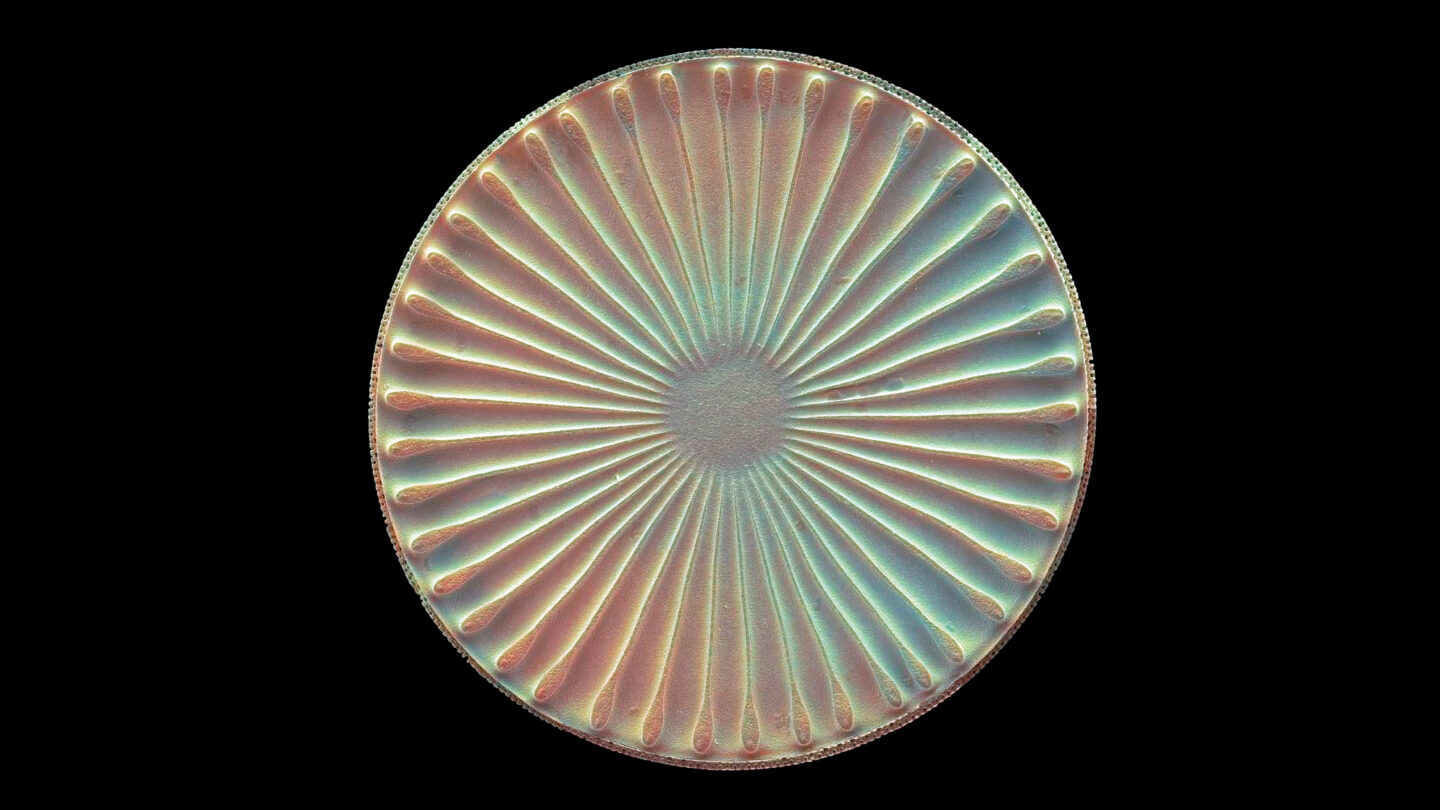
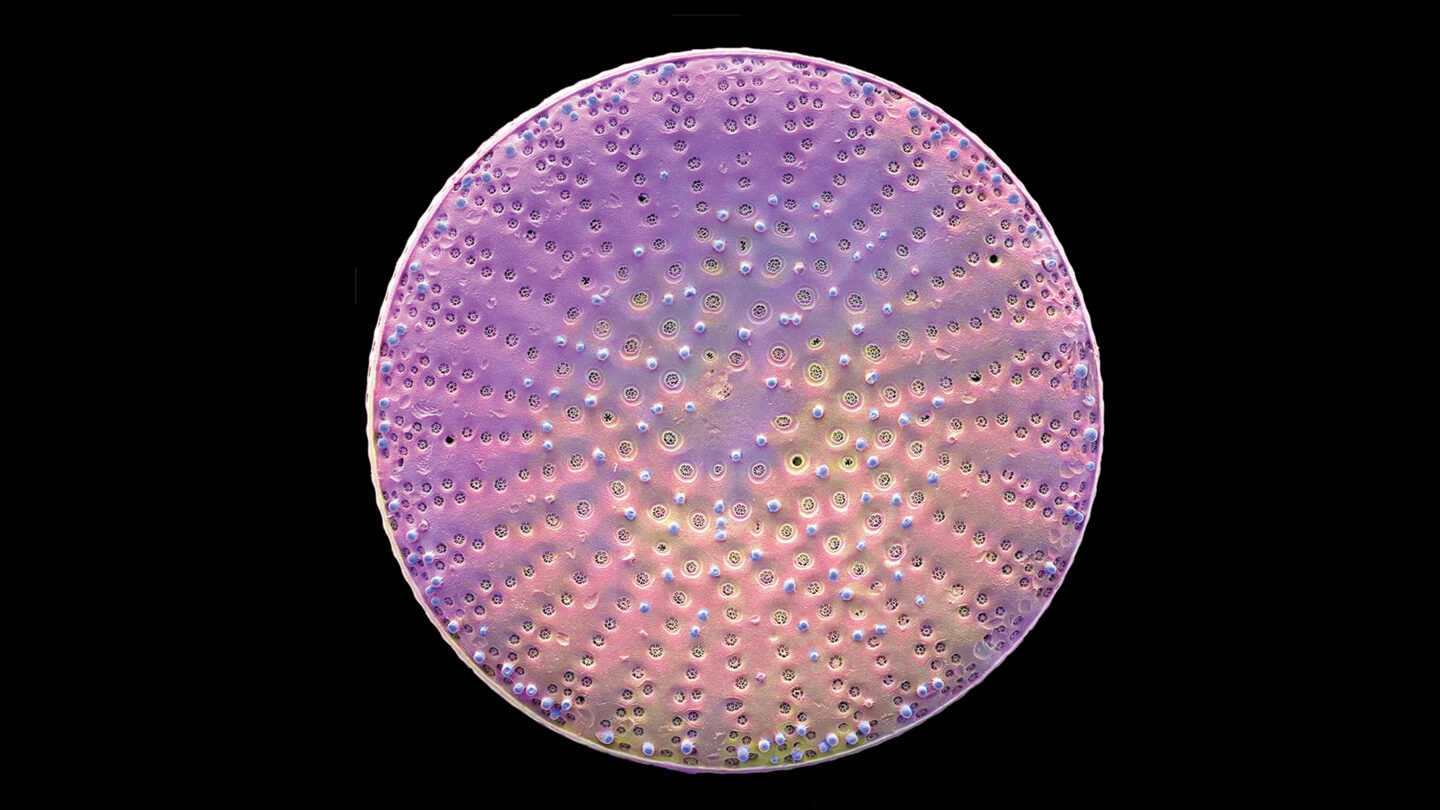
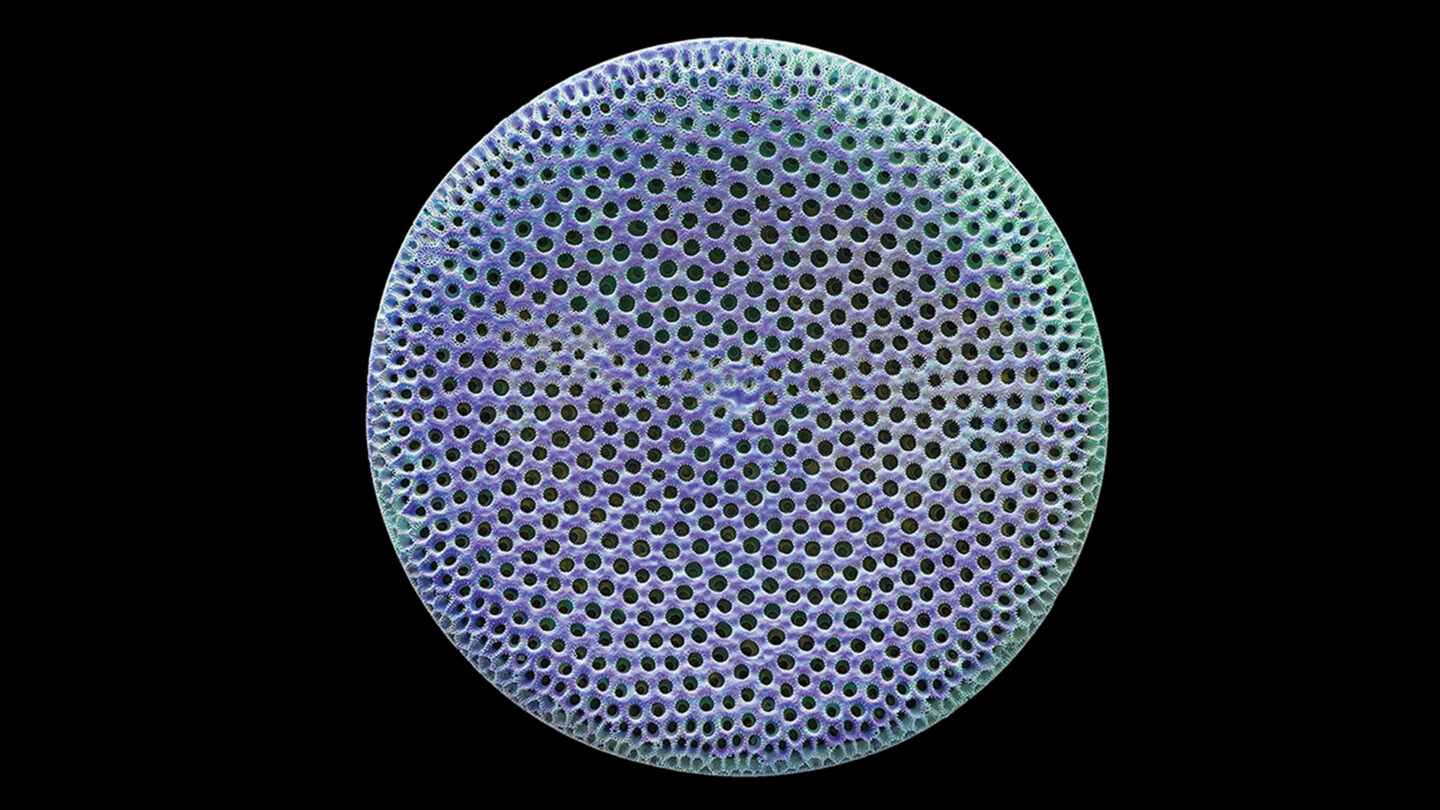
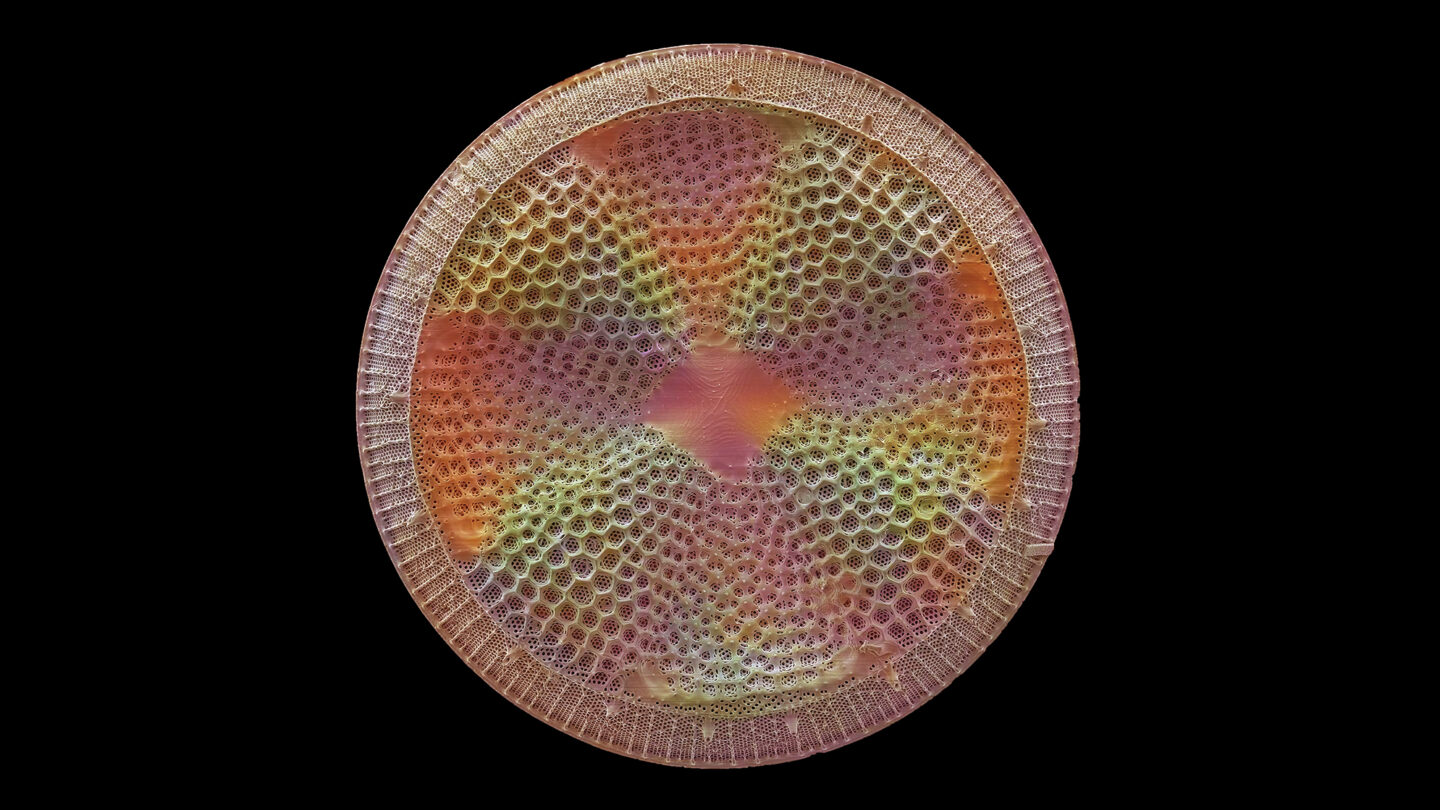
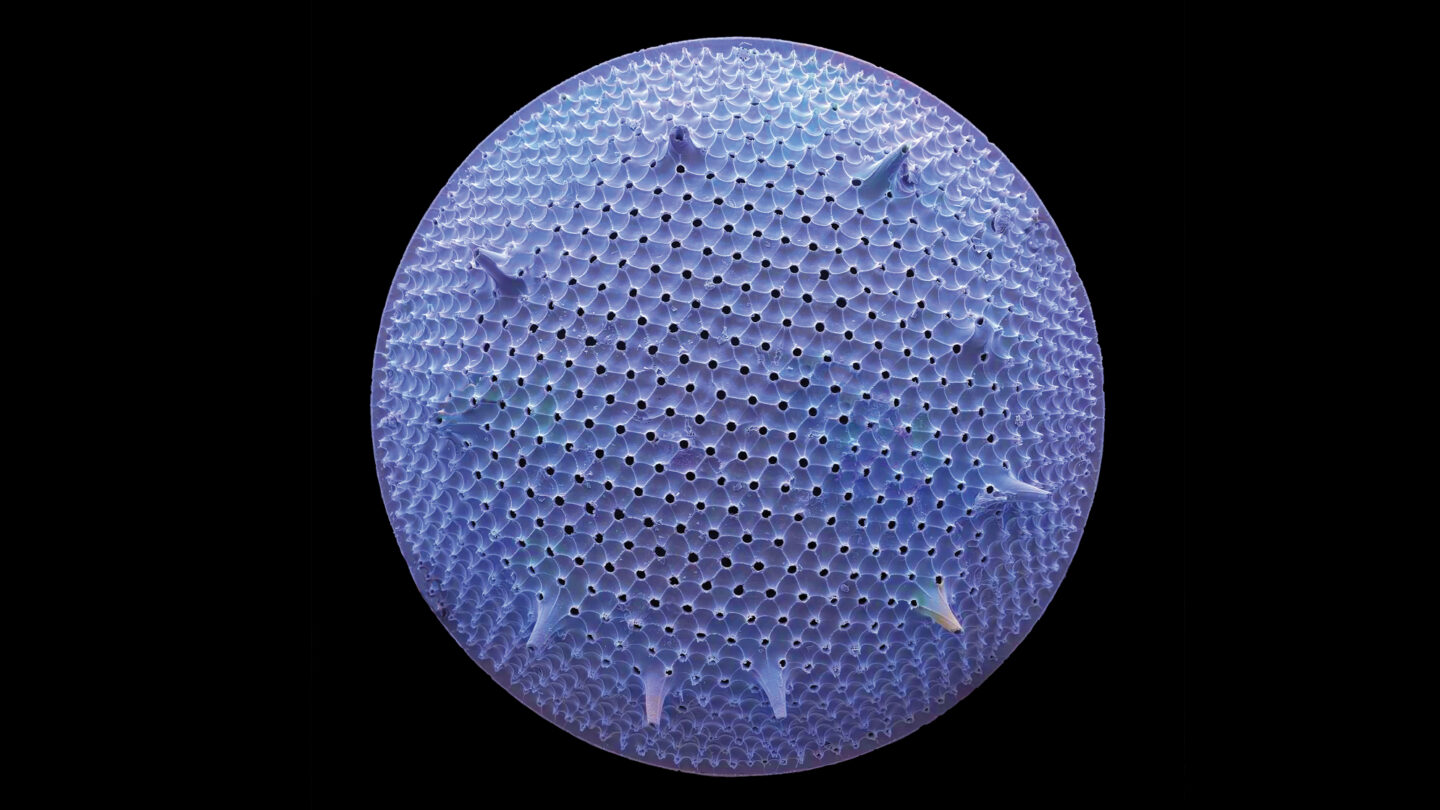
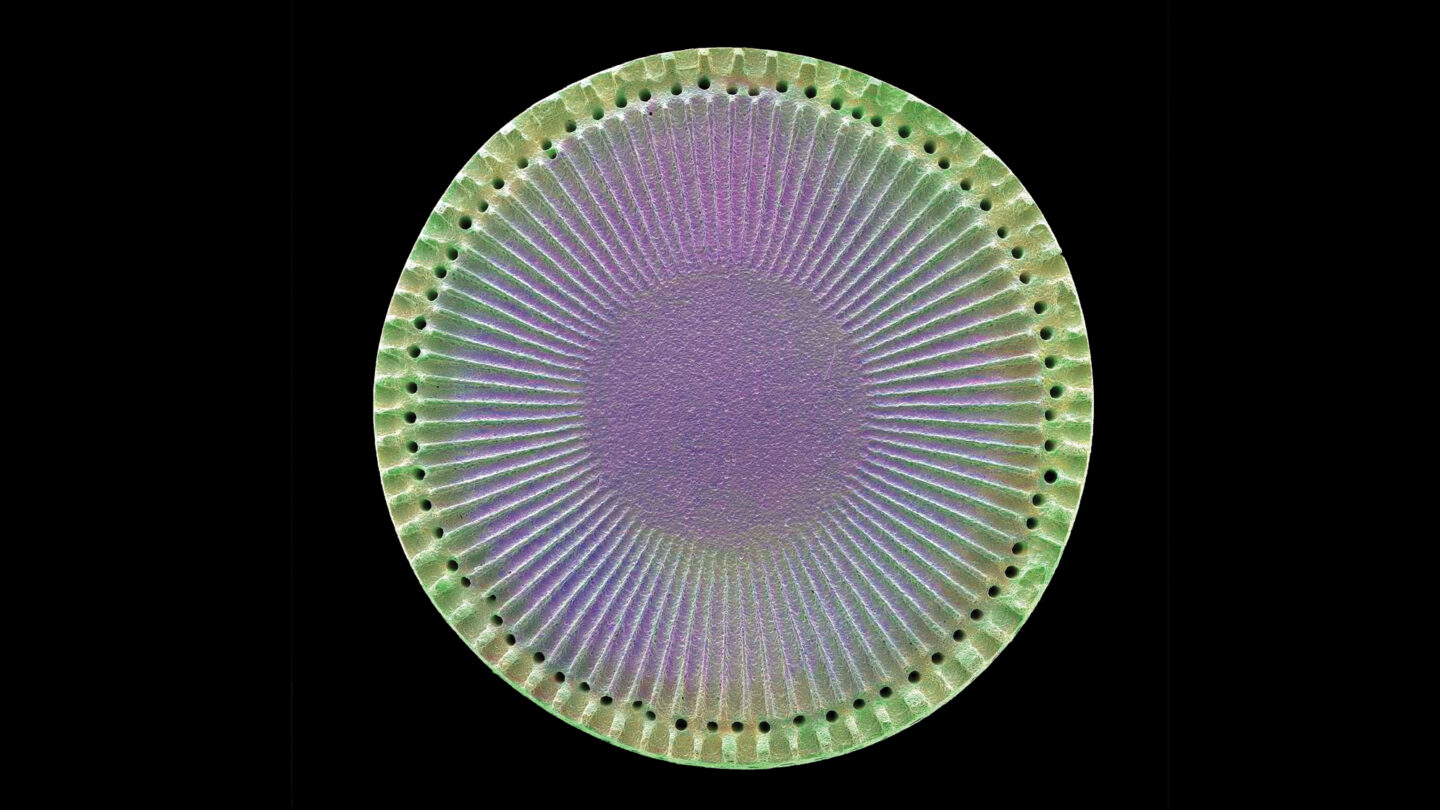
Peer into a single drop of seawater and you’ll find millions of individual bacteria, algae and plankton. Each microbe leads a busy life. Collectively, their behavior exerts an influence far larger than their microscopic size would suggest. Marine plankton account for roughly half of all photosynthesis on Earth, and by breaking down organic materials, microbes help drive the global cycling of nutrients such as carbon, nitrogen and phosphorus.
Teasing apart just how small-scale interactions between microbes influence large-scale processes is a massive question, and it’s one that cannot be answered by any one lab or even a single scientific discipline. Rather, it’s a problem that requires scientists from across fields to bring their knowledge to the task, pivoting from one field to inform another.
Mathematician Natasha Blitvic of Queen Mary University of London recently did just that, completing a 12-month term as a Simons Foundation Pivot Fellow investigating marine microbial systems. First launched in 2022, the fellowship supports researchers embarking on work in a new discipline. Shifting from one field to another can enable surprising breakthroughs, as seen in the work of famous cross-disciplinary pioneers such as physicist-turned-chemist Marie Curie and Louis Pasteur, a microbiologist who began his career in chemistry.
Still, it can be an uphill battle to learn a new field, build a community and convince funders to support your work. The Pivot Fellowship addresses these issues by having each fellow work with a mentor and by providing financial support. After a year of mentoring, fellows may have the option to apply for an additional five-year research award in their new field.
“I’m impressed with this fellowship because it’s one of the rare schemes that really understands what it means to pivot,” Blitvic says. “They’ve thought about the challenges and tried to alleviate them so you can really focus on your best work.”
Blitvic understands those challenges well. Despite a lifelong interest in math and philosophy, Blitvic initially felt she needed to pursue a degree in something with stronger job prospects. She therefore majored in engineering instead of mathematics, taking math classes on the side “for fun,” she says. Ultimately, she committed to math, earning a Ph.D. from the Massachusetts Institute of Technology in 2012 with a thesis in pure mathematics.
Today, Blitvic describes herself as a probabilist — someone who specializes in probability theory and searches for unexpected probabilistic intuition in other areas of mathematics. At its core, her work attempts to pull order from chaos based on the premise that even the most random systems have underlying drivers that mathematicians can measure and model. As an example, you can think of a coin: On any given flip, it’s impossible to know which side the coin will land on. But if you flip 100 coins, roughly half will land heads and half tails. “Randomness becomes predictable if you look at it on the right scale,” Blitvic says.