Black background with a circular, radial pattern of white bars spiraling outward from the center, creating concentric rings and a visually striking geometric design resembling a modern abstract art piece.

Computational Mathematics: Biomolecular and Biophysical Inference

Our work bridges the gap between molecular simulations and experimental data, enabling quantitative characterization of dynamic biomolecular properties.
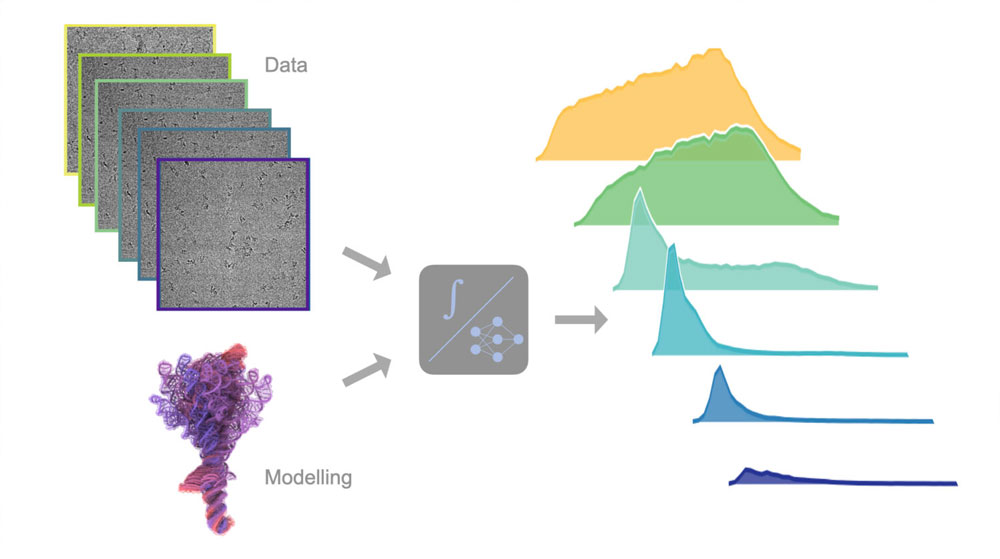
A diagram showing raw image data and a 3D molecular model being processed by a computational tool to generate a series of corresponding distribution curves.
Inference Frameworks. We develop Bayesian inference and machine-learning frameworks that combine prior modelling with experimental data to determine the probability distributions and dynamics of biomolecules.

About

Working at the intersection of statistical mechanics, machine learning, and structural biology, we develop rigorous frameworks to extract biophysical understanding from molecular simulations and noisy and incomplete data.

This group is a collaboration between the Center for Computational Mathematics and the Center for Computational Biology.

Biomolecules carry out their functions by continuously exploring a landscape of conformational states, ranging from stable, highly populated states to rare, transient states that are often functionally essential. Quantifying the populations of these states and the kinetics of transitions between them is central to understanding the molecular mechanisms of biological function. Single-molecule and single-particle techniques, such as cryo-electron microscopy and force spectroscopy, provide direct access to these distributions by recording individual molecules rather than ensemble averages. However, the resulting data are high-dimensional, noisy, and only indirectly related to the underlying structural ensemble, making their interpretation challenging.

A central goal of this team is to develop rigorous statistical and computational frameworks that infer biomolecular structure, conformational populations, and kinetics from such individual measurements. Rather than treating simulation and experiment as separate approaches, we integrate them within unified inference frameworks, using physics-based simulations as prior models that are refined against single-molecule data. This combination enables quantitative, physically interpretable descriptions of biomolecular properties with well-defined uncertainties.

Particular areas of interest include:

  • Statistical Biophysics 
  • Inference for Biophysics
  • Molecular Simulations 
  • Cryo-Electron Microscopy 
  • Single-Molecule Force Spectroscopy
  • Simulation-Based Inference

Research

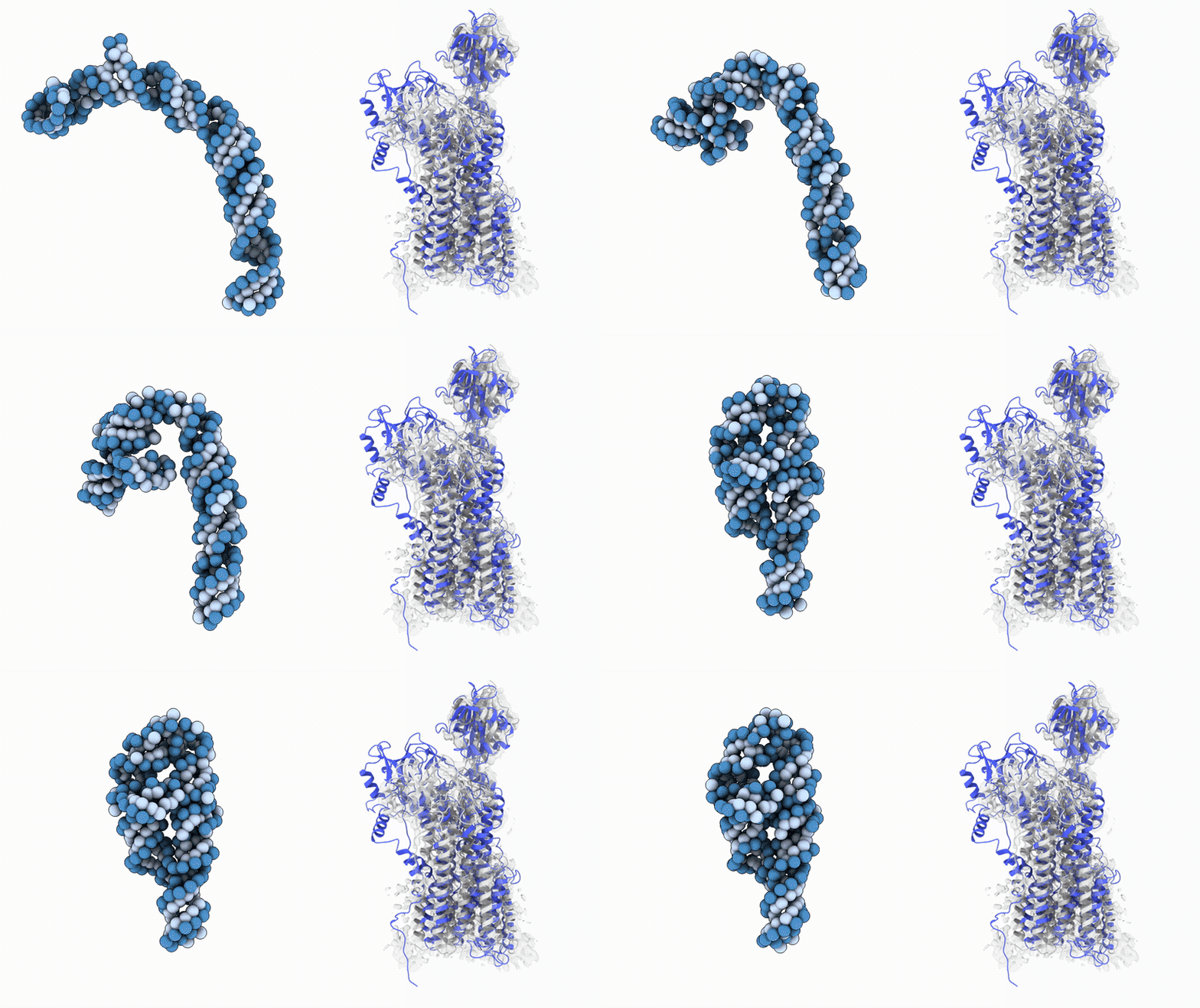
A molecular model of DNA shown as a strand of spheres on the left, and a protein structure shown as blue ribbons and a gray translucent surface on the right.

RNA Folding
We study the folding of RNAs using simulations and cryo-EM data (left animation), and we guide pre-trained biomolecular diffusion models with experimental data (right image).
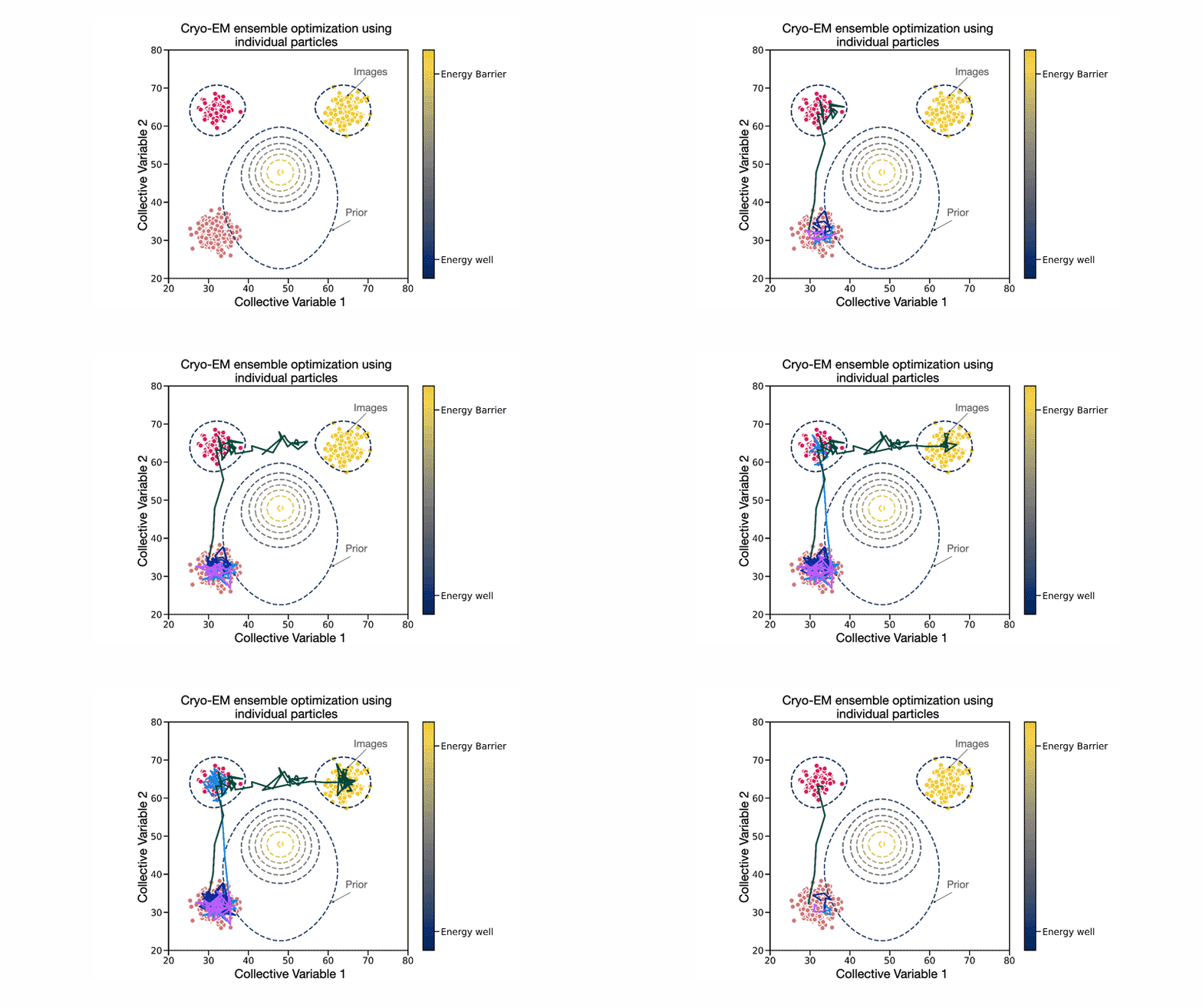
A scatter plot titled Cryo-EM ensemble optimization using individual particles showing clusters of data points with a central concentric contour plot, labeled with energy levels on a color scale.

Cryo-EM Ensemble Optimization
Our experiment-guided methods enable efficient exploration of the conformational landscape while avoiding entrapment in local minima.
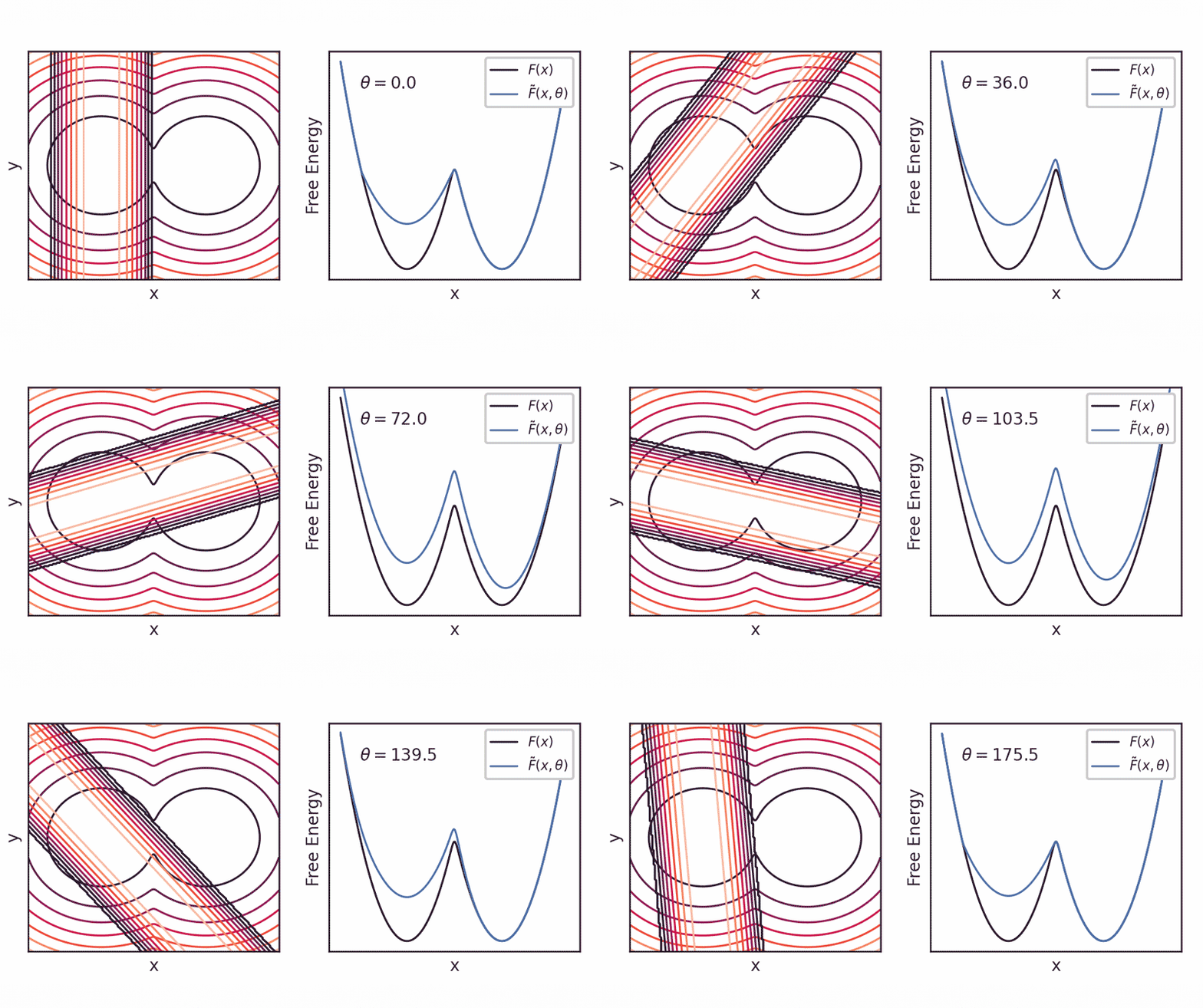
A side-by-side plot showing a 2D contour map of a double-well potential on the left and a corresponding one-dimensional free energy profile with two curves labeled F(x) and F̃(x, θ) on the right.

Extraction Methods
We develop methods that extract dynamical information from biased simulations.

Collaborations

We have strong collaborations with members of the Center for Computational Biology and the Initiative for Computational Catalysis, who work on molecular simulations and/or cryo-electron microscopy.

Together with researchers in the Center for Computational Mathematics, we are part of the Collaboration On Molecular Physics and Sampling Strategies (COMPASS).

Members

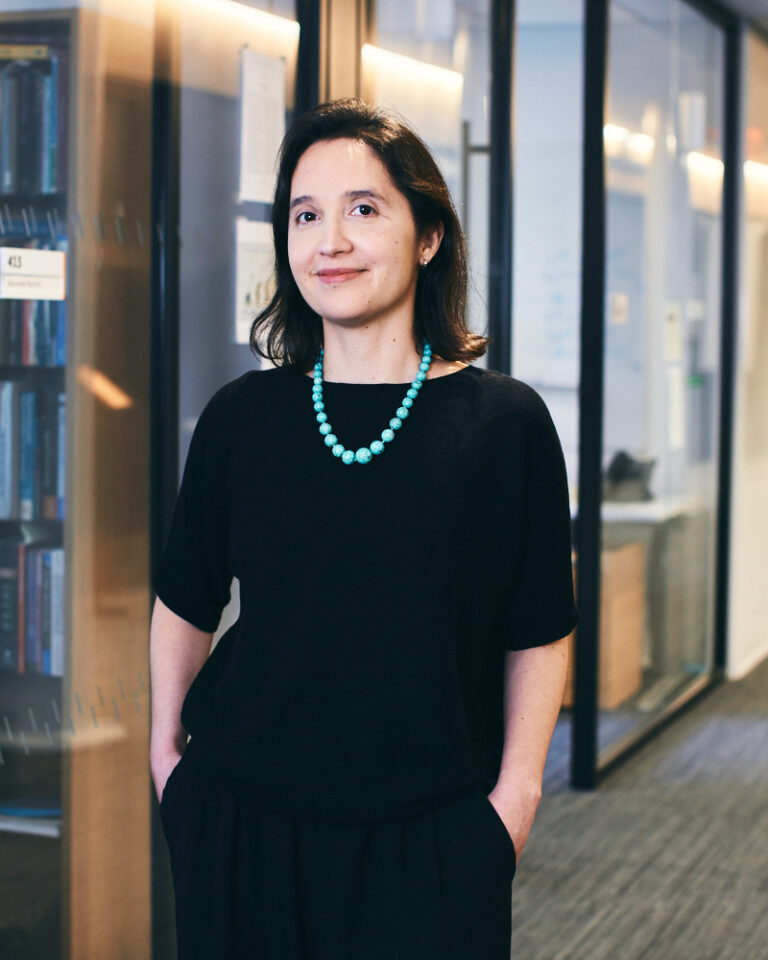
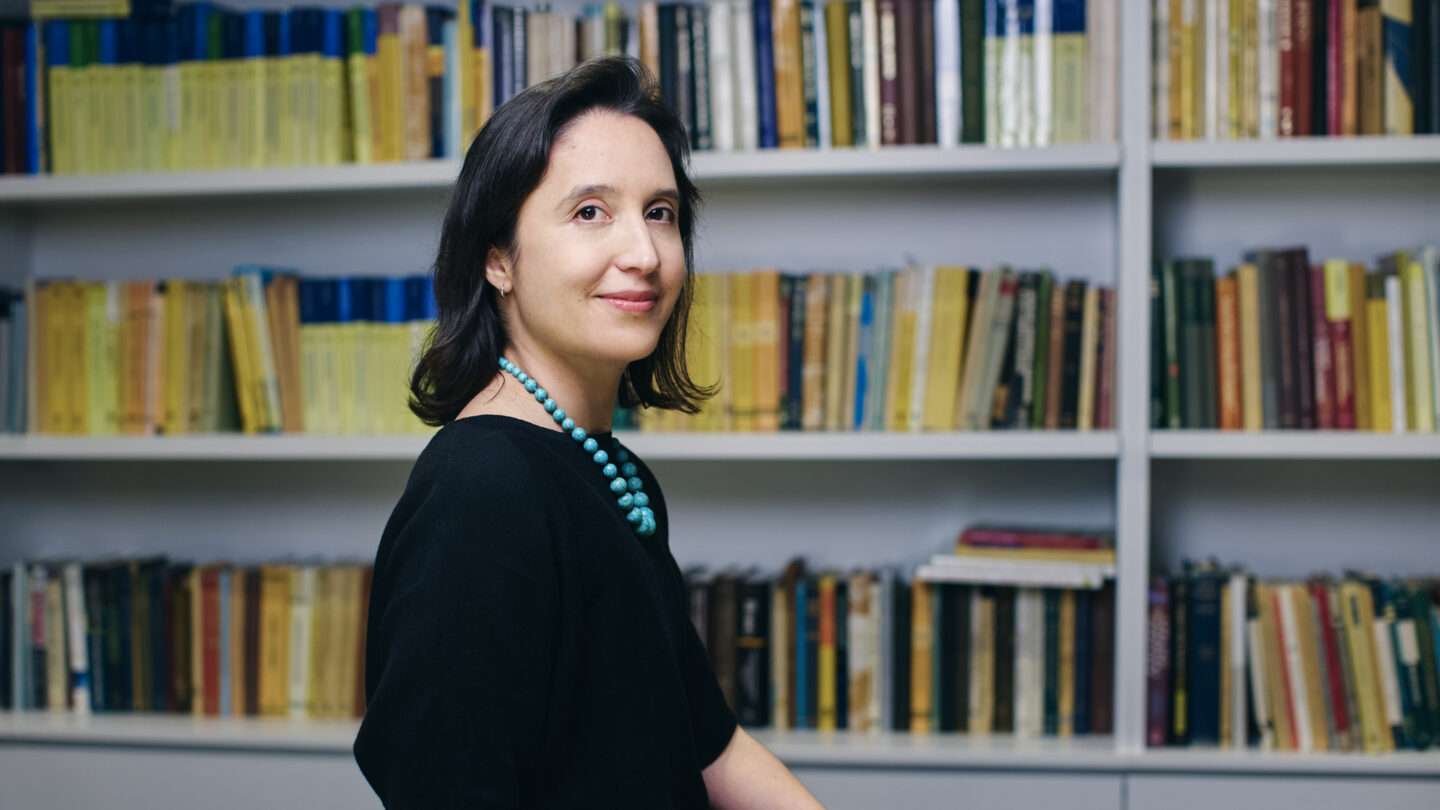
A woman with dark hair, wearing a black outfit and turquoise necklace, stands with hands in pockets in a modern office hallway lined with glass walls and bookshelves.

Pilar Cossio

Senior Research Scientist, Centers for Computational Biology and Mathematics

A man with short hair and a beard, wearing a dark patterned shirt, smiles slightly while looking at the camera. The background is softly blurred.

Luke Evans

Associate Research Scientist, Center for Computational Mathematics
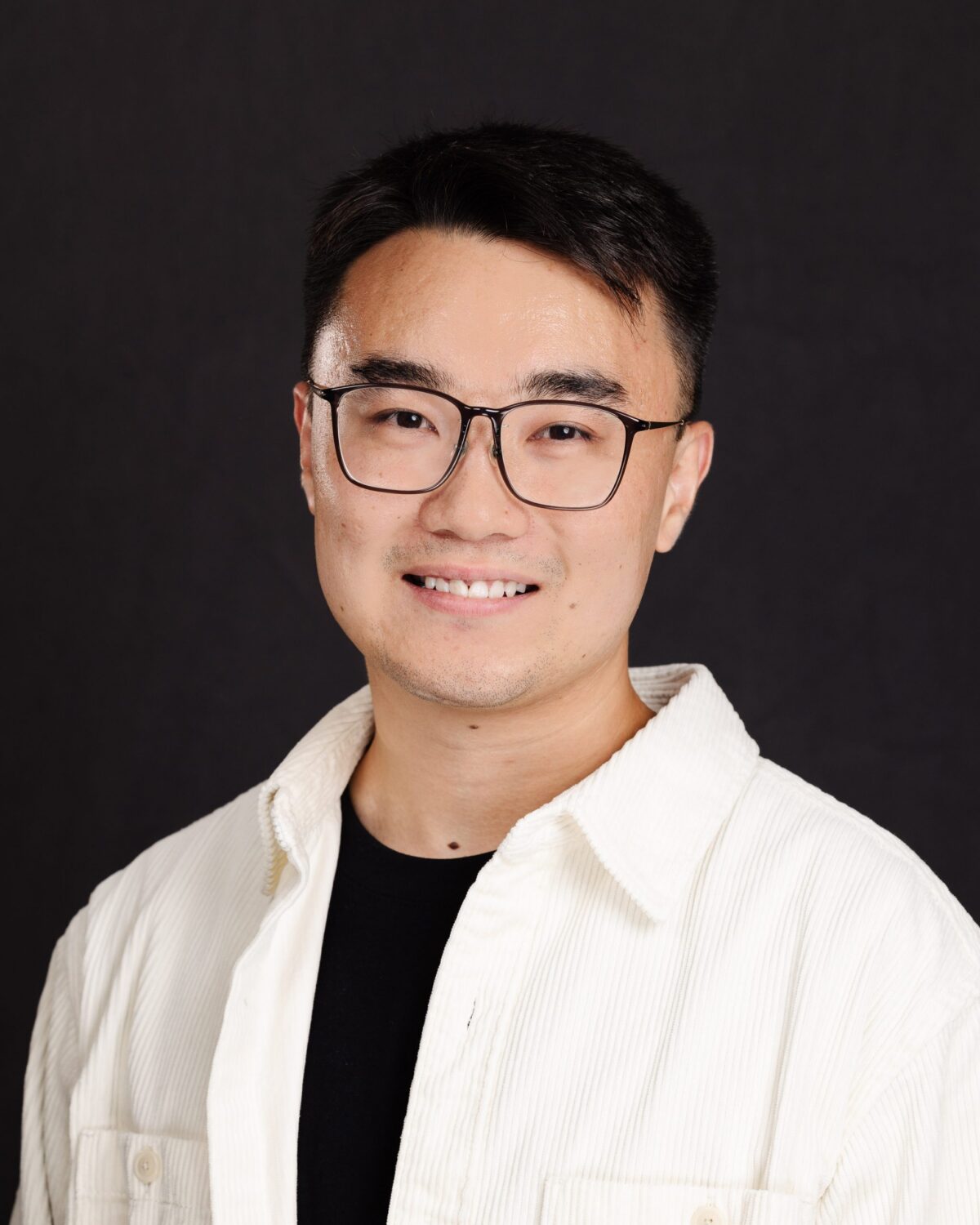
A person with short dark hair and glasses, wearing a white jacket over a black shirt, smiles at the camera against a plain dark background.

Minhuan Li

Flatiron Research Fellow, Center for Computational Mathematics

A young man with short hair and a beard, wearing a dark button-up shirt, smiles in a softly lit indoor setting with a blurred background.

Emil Thomasen

Flatiron Research Fellow, Center for Computational Mathematics

Joint Members

Joint members are postdocs and students shared with partner institutions, for example through the CCBx program.

Stephen Zhang

Flatiron Research Fellow, ML

Paolo Rissone

Postdoc, NYU

Debanjan Maji

Postdoc, New York Structural Biology Center

Junlang Liu

Postdoc, New York Structural Biology Center

Lingli Kong

Postdoc, University of Massachusetts

David Silva-Sanchez

PhD Student, Yale University

Alumni

Erik Thiede

Assistant Professor, Cornell University

Wai Shing Tang

AI & Software Engineering

Phu Tang

Software Developer, OpenEYE
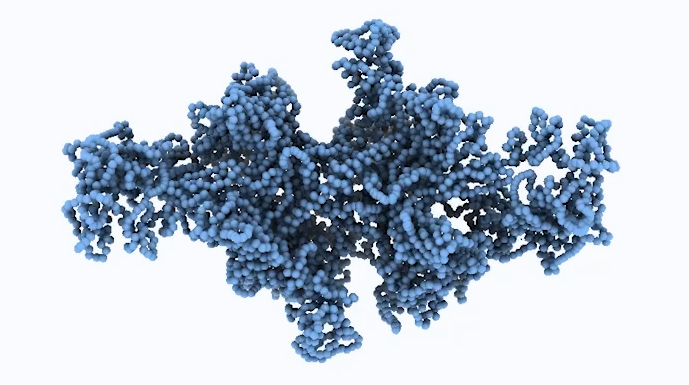
Software & Datasets

Job Openings

Posted
Section
Computational Mathematics
For
Postdoctoral Researcher
Area
Research/Science
About
Applications are invited for postdoctoral Flatiron Research Fellowships (FRF) at the Center for Computational Mathematics (CCM), in the Flatiron Institute, a division of the Simons Foundation. The mission of the Flatiron Institute is to advance scientific research through computational methods, including data analysis, theory, modeling and simulat…