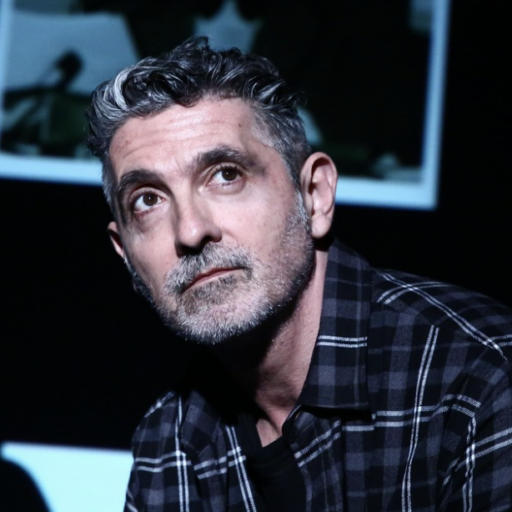
Medupe is a professor of astronomy and the deputy dean for community engagement at the Department of Natural and Agricultural Sciences at North-West University, South Africa. He is deeply committed to building a pipeline for other black South Africans to enter astronomy in post-apartheid South Africa. He is a steering committee member and helped establish the National Astrophysics and Space Science Programme, which is a multi-institutional initiative that aims to train South African students in astrophysics and space science at honors and master’s levels and provide a path to Ph.D. studies in these and related research areas. Medupe is also the current president of the African Astronomical Society and has been involved in the National Research Foundation Astronomy Advisory Council and other panels.
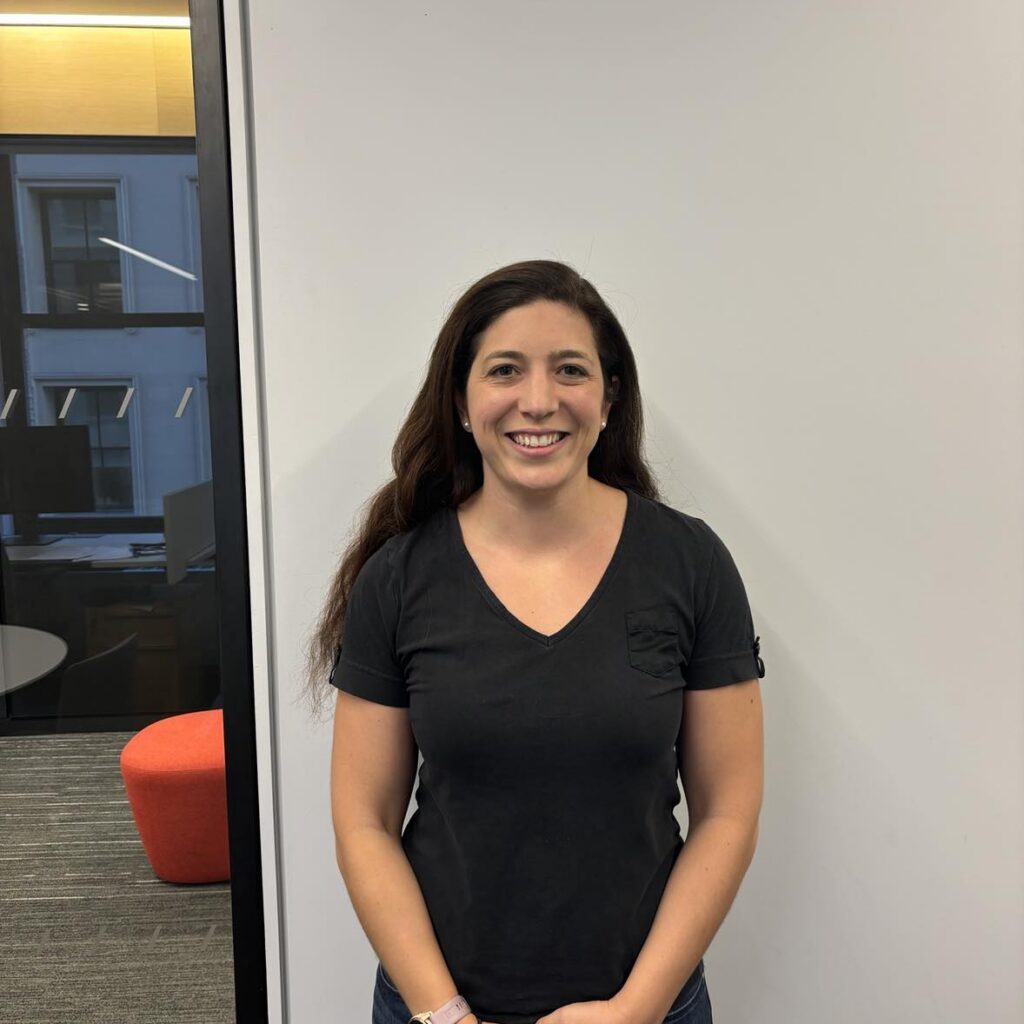
Perez joined the Center for Computational Astrophysics (CCA) as a Flatiron Research Fellow in August 2023, after beginning her postdoctoral research at Princeton University as a Future Faculty in the Physical Sciences fellow. Perez completed her Ph.D. in astrophysics from Arizona State University in 2022, focusing on the clustering of Lyman Alpha Emitters and reionization. During this time, she primarily worked out of the NASA Goddard Space Flight Center thanks to the development of the Roman Space Telescope. Perez was a part of the CCA pre-doctoral program in the fall of 2020, where she began her work with CAMELS-SAM. This line of research led to her current focus on the galaxy-halo connection, in which she creates simulations and galaxy catalogs at scale and uses machine learning to constrain cosmology and astrophysics. Past research experiences took her to South Africa on a Fulbright Fellowship, Germany to work with LOFAR, NASA Marshall for a bout with planetary science and Pacific Northwest National Laboratory to contribute to dark matter detection efforts. Perez earned her bachelor’s degree from Wellesley College.
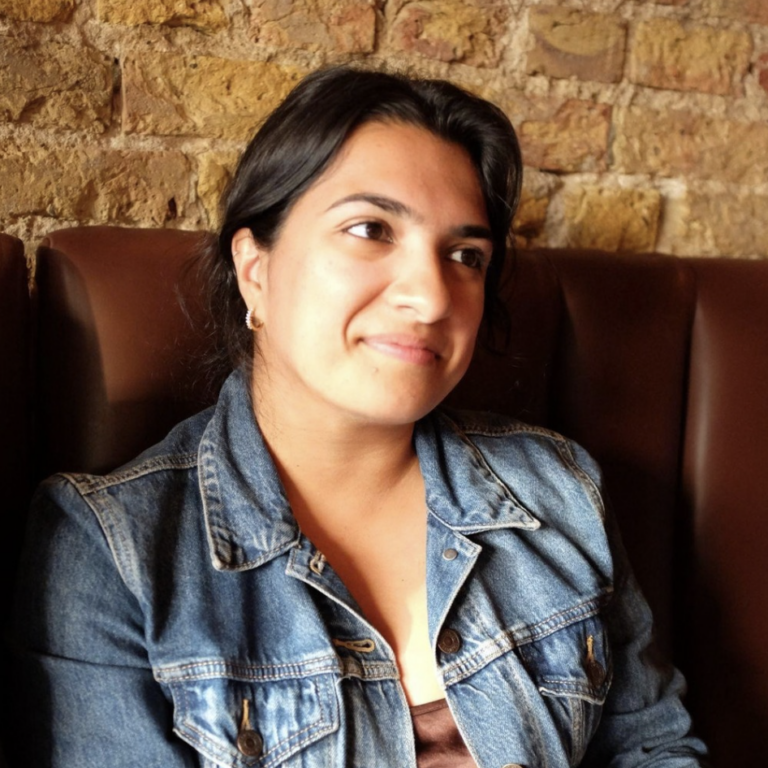
Webster is the senior correspondent at Radiolab. After completing a degree in biology, Webster pursued science journalism, writing for outlets such as Scientific American and National Geographic Adventure. Her ability to comprehend and immerse herself in complicated issues has helped Radiolab investigate international surrogacy, the price of a human life and more. She has adapted her audio and written work for the stage, including on the TED main stage. A frequent guest host on Radiolab, she developed, produced and hosted their first-ever special series, “Gonads” — a critically acclaimed podcast and live event series about the parts of us that make more of us. Webster recently published a children’s book about a lonely black hole.
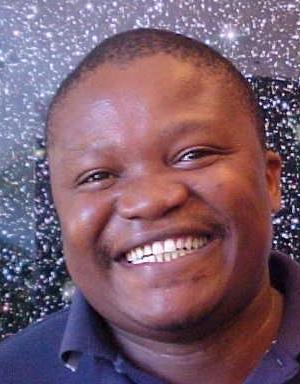 Thebe Medupe professor of astronomy and the deputy dean for community engagement at the Department of Natural and Agricultural Sciences
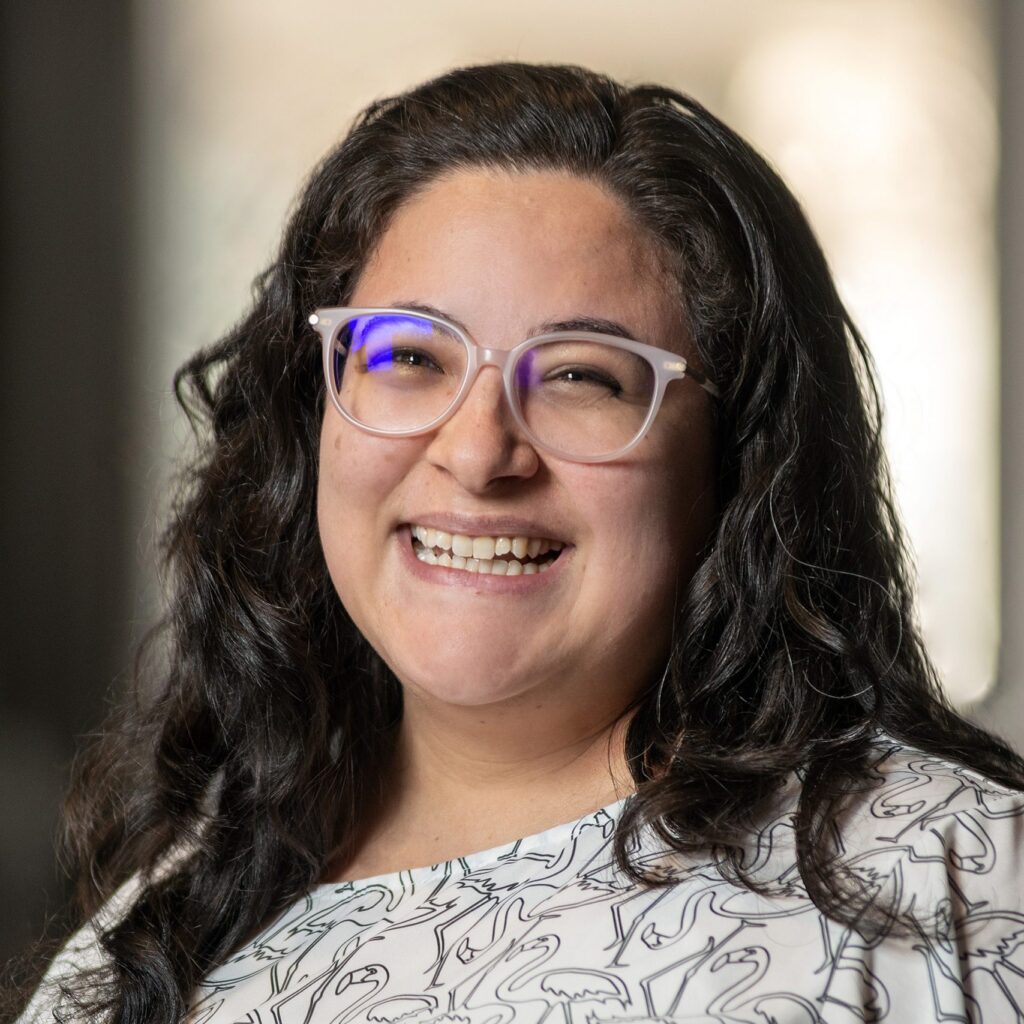 Lucia Perez Flatiron Research Fellow, Center for Computational Astrophysics
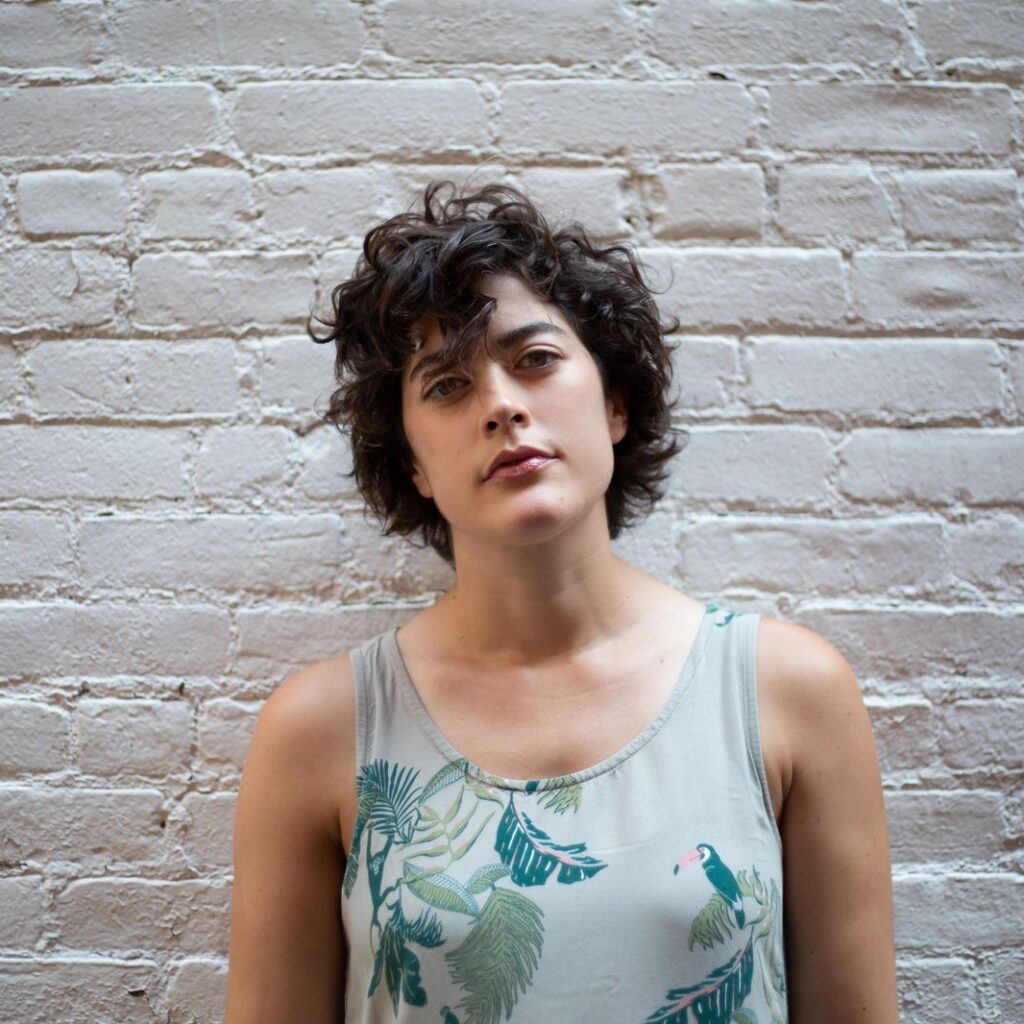 Molly Webster Senior Correspondent, Radiolab