Skip to content
Simons Foundation
Simons Foundation
Flatiron Institute
Computational Astrophysics
Search
  • Learn more about our researchers, events, and discoveries.

    Community

    • People
    • News
    • Events
    • Video Archive

    Connect

    • Contact
    • Media Relations
    • Visitor Information
  • Astronomical Data Developing advanced methods and tools for building probabilistic models, discovering sources in noisy data and making precise measurements.

    Cosmology Melding cutting-edge machine learning and data science techniques with profound cosmological inquiries.

    Exoplanets Studying the origins and evolution of planetary systems around other stars.

    Galaxy Formation Developing numerical tools and physical insights to learn how galaxies form and evolve within a cosmological context.

    Gravitational Wave Astronomy Using gravitational waves to probe physics, astrophysics and cosmology.

    Machine Learning X Astrophysics Leading the development and adoption of machine learning techniques to accelerate scientific discovery.

    Nearby Universe Studying the structure, growth and dynamical evolution of our galaxy and its neighbors.

    Stars and Plasma Astrophysics Investigating the life cycle of stars and the astrophysics of neutron stars and black holes.

  • Projects
  • Publications
  • Software & Data
  • Learn more about our career opportunities.

    • Job Openings
    • Flatiron Research Fellow Opportunities
    • Predoctoral Program
  • Careers
    Search all
  • Funding
    Search all
  • Explore opportunities for...
    • Undergraduate students
    • Graduate students
    • Postdoctoral researchers
    • Research scientists
Simons Foundation
Flatiron Institute

Computational Astrophysics

  • About

    Learn more about our researchers, events, and discoveries.

    Community

    • People
    • News
    • Events
    • Video Archive

    Connect

    • Contact
    • Media Relations
    • Visitor Information
  • Research Groups

    Astronomical Data Developing advanced methods and tools for building probabilistic models, discovering sources in noisy data and making precise measurements.

    Cosmology Melding cutting-edge machine learning and data science techniques with profound cosmological inquiries.

    Exoplanets Studying the origins and evolution of planetary systems around other stars.

    Galaxy Formation Developing numerical tools and physical insights to learn how galaxies form and evolve within a cosmological context.

    Gravitational Wave Astronomy Using gravitational waves to probe physics, astrophysics and cosmology.

    Machine Learning X Astrophysics Leading the development and adoption of machine learning techniques to accelerate scientific discovery.

    Nearby Universe Studying the structure, growth and dynamical evolution of our galaxy and its neighbors.

    Stars and Plasma Astrophysics Investigating the life cycle of stars and the astrophysics of neutron stars and black holes.

  • Projects
  • Publications
  • Software & Data
  • Careers

    Learn more about our career opportunities.

    • Job Openings
    • Flatiron Research Fellow Opportunities
    • Predoctoral Program

Filters

Type

Show 5 more Show less

Tag

Show 3 more Show less
Simons Foundation
  • Find a Person

Bringing people and ideas together to fund, conduct, and share transformative science.

Our grants advance knowledge and strengthen connections between science and society.

Discover the latest news, research, and updates.

  • All News
  • Research News
  • Funding Announcements
  • Newsletter Sign Up
  • Press Releases
  • Media Relations

We convene scientists, mathematicians, and thinkers to share ideas and explore new questions.

  • Events Calendar
  • Public Events
  • Presidential Lectures
  • Presents
  • Flatiron Events
  • Past Events

Founded by Jim and Marilyn Simons, we’re a private philanthropy advancing mathematics and basic science.

Work with us on the frontier of basic science research.

  • All Open Positions
  • Undergraduate Students
  • Graduate Students
  • Postdocs
  • Research Scientists

The Flatiron Institute is a research center that uses computational science to advance fields like physics, biology, and astronomy.

  • Explore Flatiron Institute
  • People
  • Careers
  • Publications
  • Software & Data
  • Computational Astrophysics
  • Computational Biology
  • Computational Mathematics
  • Computational Neuroscience
  • Computational Quantum Physics
  • Computational Catalysis
Flatiron Institute
  • Autism
  • Neuroscience
  • Mathematics
  • Ecology & Evolution
  • Plant Biology
  • Grantmaking
  • Media Initiatives
  • Public Events
  • Researcher Engagement
  • National Initiatives
  • Computational Software
  • Computational Datasets
  • SFARI Base
  • Publications
  • Simons Collaboration on New Frontiers in Superconductivity
  • Simons Collaboration on Ecological Neuroscience
  • Simons Collaboration on Principles of Microbial Ecosystems
All Collaborations
  • Policies & Procedures
  • Instructional Videos
  • Past Funded Work
  • Undergraduate Students
  • Graduate Students
  • Postdocs
  • Research Scientists
All Funding Opportunities
  • Fellows-to-Faculty
  • New Ideas
  • SFARI Conferences & Courses Awards
  • Shenoy Undergraduate Research Fellowship in Neuroscience
Autism & Neuroscience
  • Simons Graduate Fellowships in Ecology & Evolution
  • Simons Postdoctoral Fellowships in Plant Biology
  • Synthetic Plant Biology
  • Simons Collaborations in Ecology & Evolution
Life Sciences
  • Science in Culture
  • Science in Community
  • STEM Pathways
Science, Society & Culture
  • Scientific Software Research Faculty Award
  • Simons Collaborations in MPS
  • Simons Dissertation Fellowship in Mathematics
  • Simons Fellows in Mathematics
  • Targeted Grants to Institutes
  • Targeted Grants in Mathematics & Physical Sciences
  • Travel Support for Mathematicians
Mathematics & Physical Sciences
  • Pivot Fellowship
  • Simons Society of Fellows
  • Our History
  • Annual Reports
  • Visitor Information
  • Media Relations
  • Contact Us
About Us
  • Leadership
  • Board of Trustees
  • Researchers
Search All People
  • Working Here
  • Internship Opportunities
  • Undergraduate Students
  • Graduate Students
  • Postdoctoral Students
  • Research Scientists
All Open Positions

Centers

  • Computational Astrophysics
  • Computational Biology
  • Computational Mathematics
  • Computational Neuroscience
  • Computational Quantum Physics
  • Scientific Computing Core
  • Initiative for Computational Catalysis

Collaborative Projects

  • Foundation Models of Science
  • Simons Observatory
Flatiron Institute

Search

What are you looking for?

Filter Results
A textured sphere with three horizontal stripes: yellow on top, dark blue in the middle, and dark orange at the bottom.
Flatiron Institute Computational Astrophysics

Computational Astrophysics: Video Archive

Watch recordings of past scientific talks and lectures.

Access the full list of CCA videos on the Flatiron Institute YouTube channel.

Results update as you type and when you change filters.

Skip to results

Filters

Type

Show 5 more Show less

Tag

Show 3 more Show less

Results

  1. Watch

    Computational Astrophysics

    AstroPath: Astronomy Meets Pathology to Study Cancer Immunotherapy

    Colloquium

    October 23, 2026

    3–4 p.m. ET

    Speaker

    Alex Szalay

  2. Watch

    Computational Astrophysics

    The Renaissance of Cosmic Ray Self-Confinement

    Colloquium

    October 2, 2026

    3–4 p.m. ET

    Speaker

    Eve Ostriker
  3. Watch

    Computational Astrophysics

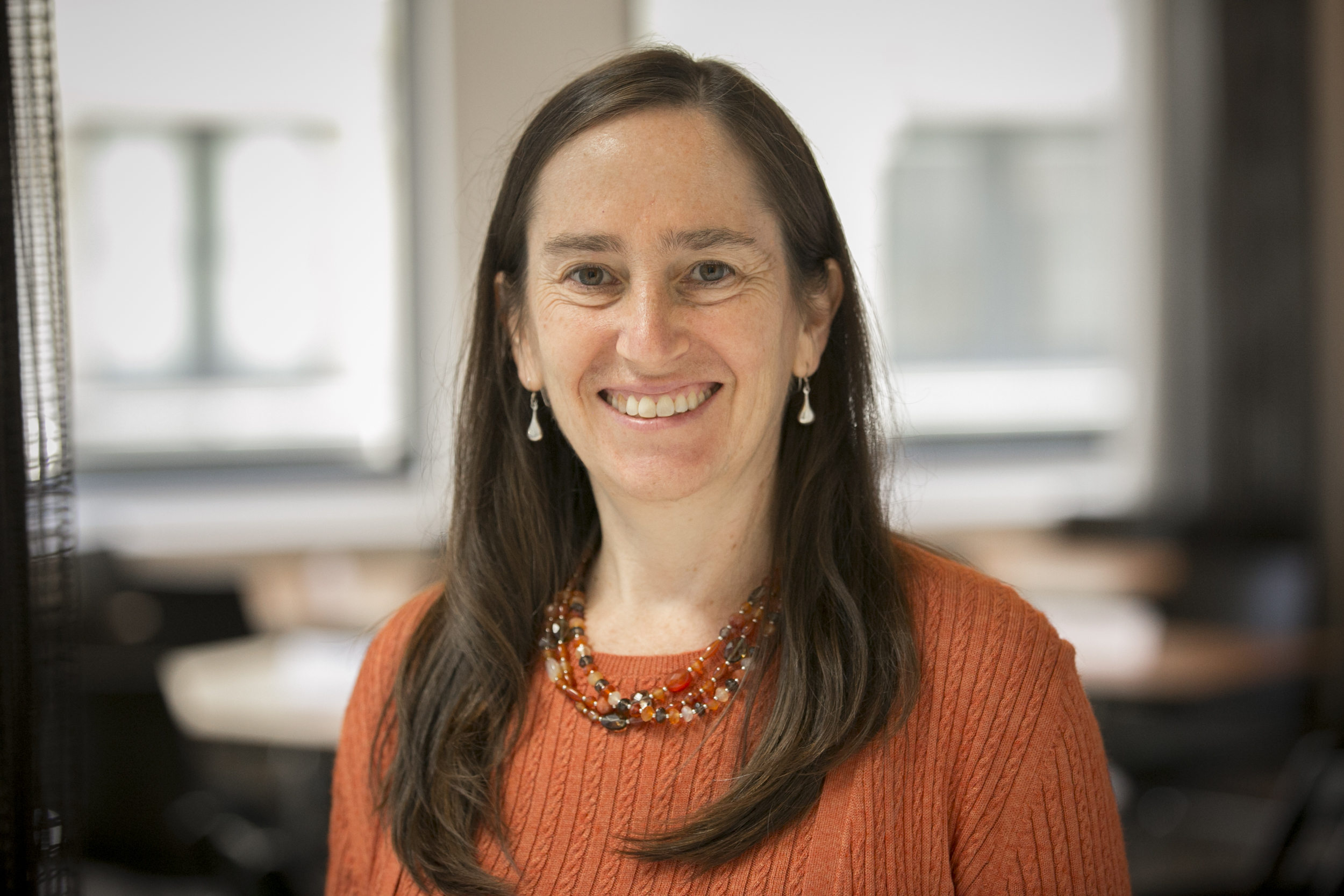
    The Deep Synoptic Array (DSA): Revolutionizing Access to the Radio Sky

    Colloquium

    June 5, 2026

    3–4 p.m. ET

    Speaker

    Fabian Walter

  4. Watch

    Computational Astrophysics

    CUNY Masters Graduation 2026

    June 2, 2026

    10 a.m.–3 p.m. ET

    Speakers

    Emma Kleiner, Thyra Eysselinck, Amethyst Barnes, Shawn Ray, Emily McPike, + 2 more

  5. Watch

    Computational Astrophysics

    Metal Transport in the Interstellar and Circumgalactic Medium

    Colloquium

    May 15, 2026

    3–4 p.m. ET

    Speaker

    Mark Krumholz

  6. Watch

    Computational Astrophysics

    Probing the Universe’s Expansion with Multi-Messenger Astronomy

    Colloquium

    May 8, 2026

    3–4 p.m. ET

    Speaker

    Antonella Palmese

  7. Watch

    Computational Astrophysics

    Protostars and Protoplanetary Disks with JWST

    Colloquium

    April 17, 2026

    3–4 p.m. ET

    Speaker

    Ewine Disheok

  8. Watch

    Computational Astrophysics

    Transformative Insights into the Cosmic Baryon Cycle from JWST

    Colloquium

    April 10, 2026

    3–4 p.m. ET

    Speaker

    Alice Shapley

  9. Watch

    Computational Astrophysics

    Mapping Dark Matter with Stellar Streams

    Colloquium

    April 3, 2026

    3–4 p.m. ET

    Speaker

    Nora Shipp

  10. Watch

    Computational Astrophysics

    The Physics of Exoplanet Atmospheres: Microphysics, Photochemistry, and Dynamics

    Colloquium

    March 13, 2026

    3–4 p.m. ET

    Speaker

    Diana Powell

  11. Watch

    Computational Astrophysics

    How the Last Evolutionary Stages Shape the Explosive Deaths of Massive Stars

    Colloquium

    February 20, 2026

    3–4 p.m. ET

    Speaker

    Eva Laplace

  12. Watch

    Computational Astrophysics

    Ionizing Radiation, Nebular Emission, and Lyman-alpha Feedback in the High-Redshift Universe

    Colloquium

    February 6, 2026

    3–4 p.m. ET

    Speaker

    Aaron Smith

  13. Watch

    Computational Astrophysics

    Modeling Black Hole Mergers and Stellar Streams from Dense Star Clusters in a Cosmological Context

    Colloquium

    January 30, 2026

    3–4 p.m. ET

    Speaker

    Carl Louis Rodriguez

  14. Watch

    Computational Astrophysics

    Turbulence Across Cosmic Scales: From the Interstellar to Intracluster Medium

    Colloquium

    December 12, 2025

    3–4 p.m. ET

    Speaker

    Yuan Li
  15. Watch

    Computational Astrophysics

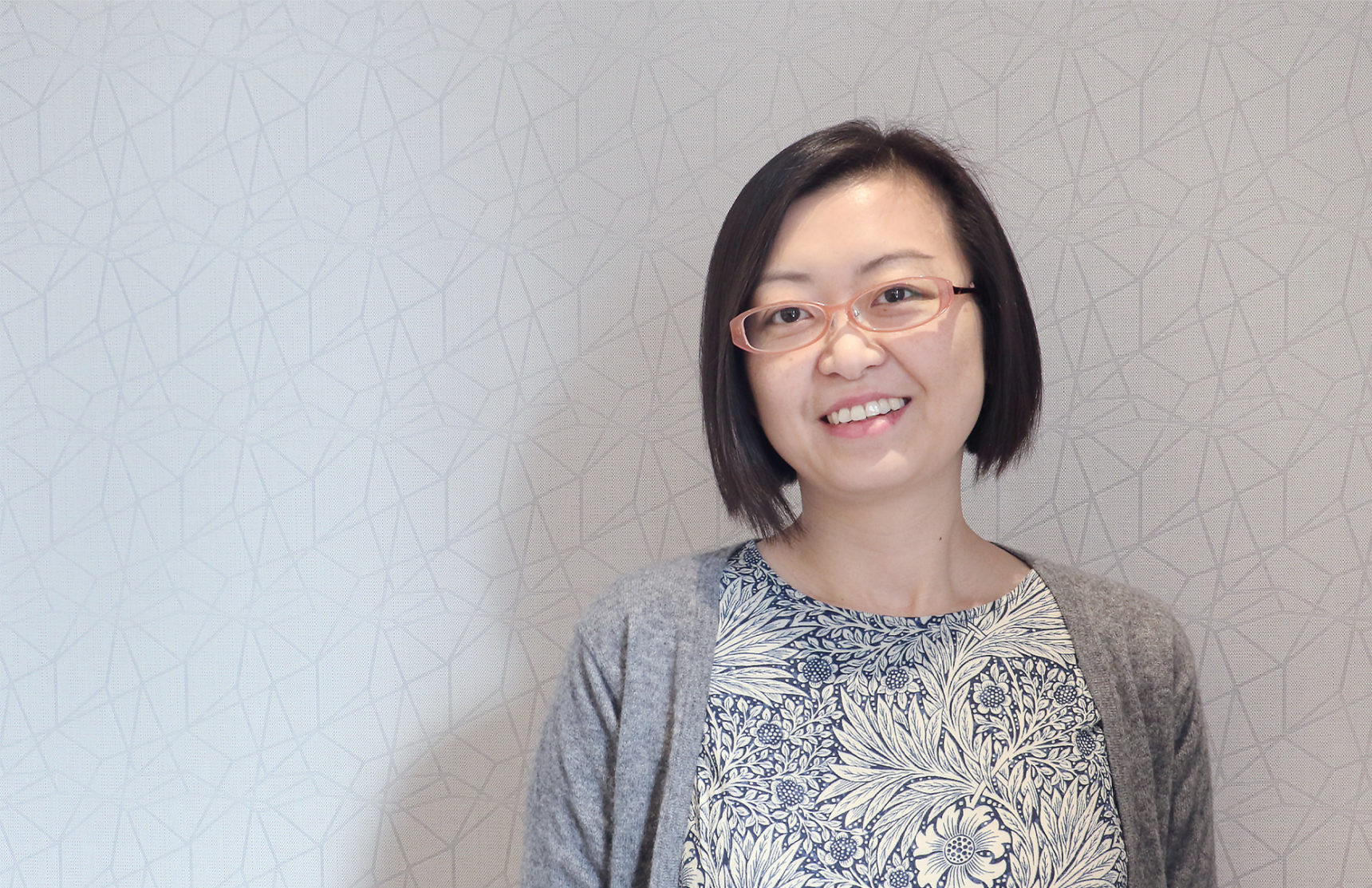
    From 7 Minutes to 70000 Years: The Renaissance of Compact Objects in Binary (and Triple) Systems

    Colloquium

    November 21, 2025

    3–4 p.m. ET

    Speaker

    Kevin Burdge

  16. Watch

    Computational Astrophysics

    A Biased History of our Galaxy

    Colloquium

    November 14, 2025

    3–4 p.m. ET

    Speaker

    Jason Sanders

  17. Watch

    Computational Astrophysics

    AGN HBT OMG

    Colloquium

    November 7, 2025

    3–4 p.m. ET

    Speaker

    Neal Dalal

  18. Watch

    Computational Astrophysics

    Putting Compact Objects Where They Don't Belong: Hawking Stars, Dark Matter Stars, Thorne–Żytkow Objects, and Quasi-Stars

    Colloquium

    October 24, 2025

    3–4 p.m. ET

    Speaker

    Earl Bellinger

  19. Watch

    Computational Astrophysics

    Sonification for Research: Techniques, Efficacy, and Applications (SoniTEA)

    Workshop

    October 20–22, 2025

  20. Watch

    Computational Astrophysics

    Small-Scale Structure in Cold Dark Matter: From Ultra-Faint Dwarfs to Prompt Cusps

    Colloquium

    October 17, 2025

    3–4 p.m. ET

    Speaker

    Sownak Bose

  21. Watch

    Computational Astrophysics

    Exploring Neutron Star Mergers in Numerical Relativity

    Colloquium

    October 10, 2025

    3–4 p.m. ET

    Speaker

    Masaru Shibata

  22. Watch

    Computational Astrophysics

    Hot Rocks and Host Stars

    Colloquium

    October 3, 2025

    3–4 p.m. ET

    Speaker

    Hannah Diamond-Lowe

  23. Watch

    Computational Astrophysics

    Hard Problems in Computational Stellar Physics

    Colloquium

    September 19, 2025

    3–4 p.m. ET

    Speaker

    Matteo Cantiello

  24. Watch

    Computational Astrophysics

    Celebration for GW Decade

    September 15, 2025

    4–5:30 p.m. ET

  25. Watch

    Computational Astrophysics

    First Observations from the PFS Galactic Archaeology Survey

    Colloquium

    September 5, 2025

    3–4 p.m. ET

    Speaker

    Evan Kirby

  26. Watch

    Computational Astrophysics

    Summer School: The landscape of astronomical transients

    Lecture

    July 28 – August 8, 2025

  27. Watch

    Computational Astrophysics

    Prospects for Dark Matter Signals in Future Gamma-Ray Observations

    Colloquium

    June 27, 2025

    3–4 p.m. ET

    Speaker

    Tracy Slatyer
  28. Watch

    Computational Astrophysics

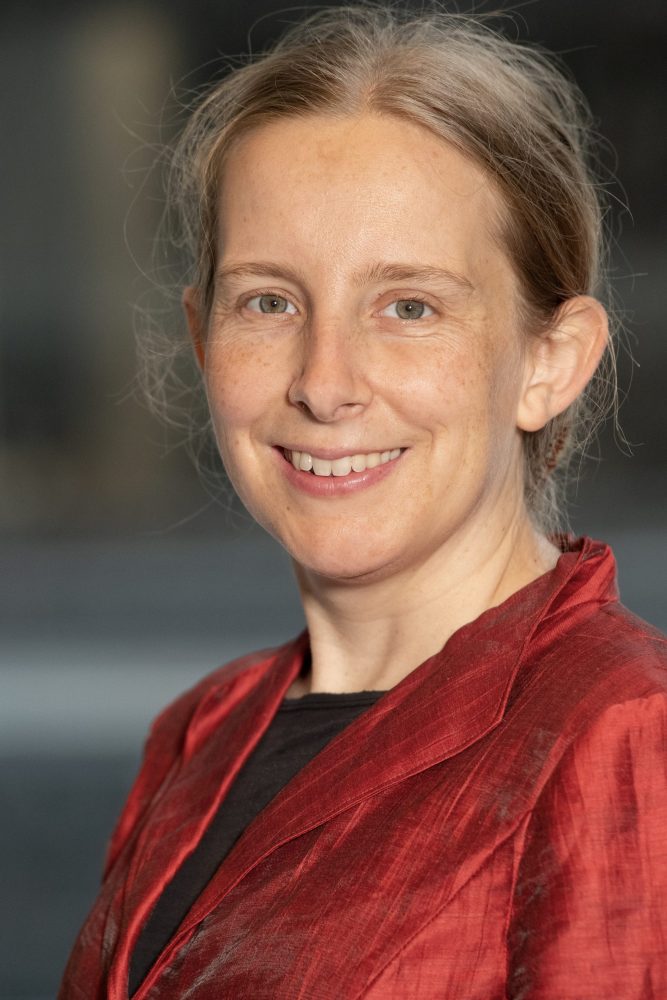
    Photodynamical Modeling of Exoplanet Systems: From Transit Timing Variations to Possibly Habitable Worlds

    Colloquium

    June 20, 2025

    3–4 p.m. ET

    Speaker

    Eric Agol

  29. Watch

    Computational Astrophysics

    CUNY Masters Graduation 2025

    Seminar

    June 10, 2025

    11 a.m.–3:30 p.m. ET

  30. Watch

    Computational Astrophysics

    2025 CCA Pre Doc Symposium

    Colloquium

    May 20, 2025

    1–7 p.m. ET

  31. Watch

    Computational Astrophysics

    Exploring Binary Interactions With Luminous Red Novae Transients

    Colloquium

    May 16, 2025

    3–4 p.m. ET

    Speaker

    Nadejda Blagorodnova Mujortova

  32. Watch

    Computational Astrophysics

    Learning how Stars Form: Harnessing Machine Learning to Extract Insights from Noisy Spectral Cubes

    Colloquium

    May 2, 2025

    3–4 p.m. ET

    Speaker

    Stella Offner

  33. Watch

    Computational Astrophysics

    Self Supervised Learning: The Final Frontier of AI

    Workshop

    April 29, 2025

    9 a.m.–6 p.m. ET

  34. Watch

    Computational Astrophysics

    Are We There Yet? First-Principles Modeling of Multimessenger Signals in the Plasma Universe

    Colloquium

    April 18, 2025

    3–4 p.m. ET

    Speaker

    Bart Ripperda

  35. Watch

    Computational Astrophysics

    Black Hole Imaging: Past, Present, Future

    Colloquium

    April 11, 2025

    3–4 p.m. ET

    Speaker

    Charles Gammie

  36. Watch

    Computational Astrophysics

    Growing Pains: The Dining Habits of Stars, Planets and Black Holes

    Colloquium

    March 28, 2025

    3–4 p.m. ET

    Speaker

    Daniel Price

  37. Watch

    Computational Astrophysics

    Q: Why should I believe you? A: Because I am an Astrophysics Foundation Model

    Colloquium

    March 21, 2025

    3–4 p.m. ET

    Speaker

    Joshua Speagle

  38. Watch

    Computational Astrophysics

    ACT DR6 Webinar

    Event

    March 12, 2025

    3–4 p.m. ET

  39. Watch

    Computational Astrophysics

    Particles vs. New Probes (P vs. NP)

    Workshop

    March 3–6, 2025

  40. Watch

    Computational Astrophysics

    Gas Evolution in Protoplanetary Disks

    Colloquium

    February 21, 2025

    3–4 p.m. ET

    Speaker

    Ke Zhang

  41. Watch

    Computational Astrophysics

    Dynamics and Energetic Transients in Galactic Nuclei

    Colloquium

    February 14, 2025

    3–4 p.m. ET

    Speaker

    Itai Linial

  42. Watch

    Computational Astrophysics

    Two New Ways to Probe the Nature of Dark Matter with Tidal Streams

    Colloquium

    February 7, 2025

    3–4 p.m. ET

    Speaker

    Monica Valluri

  43. Watch

    Computational Astrophysics

    Is Anything True, or Is Everything Permitted (Galactically Speaking)?

    Colloquium

    January 31, 2025

    3–4 p.m. ET

    Speaker

    Ben Keller

  44. Watch

    Computational Astrophysics

    Cosmology and galaxy astrophysics with simulations and machine learning 2024

    Conference

    December 9–12, 2024

  45. Watch

    Computational Astrophysics

    Low-End Black-Hole Mass Gap: Out There or Not?

    Colloquium

    November 22, 2024

    3–4 p.m. ET

    Speaker

    Vicky Kalogera
  46. Watch

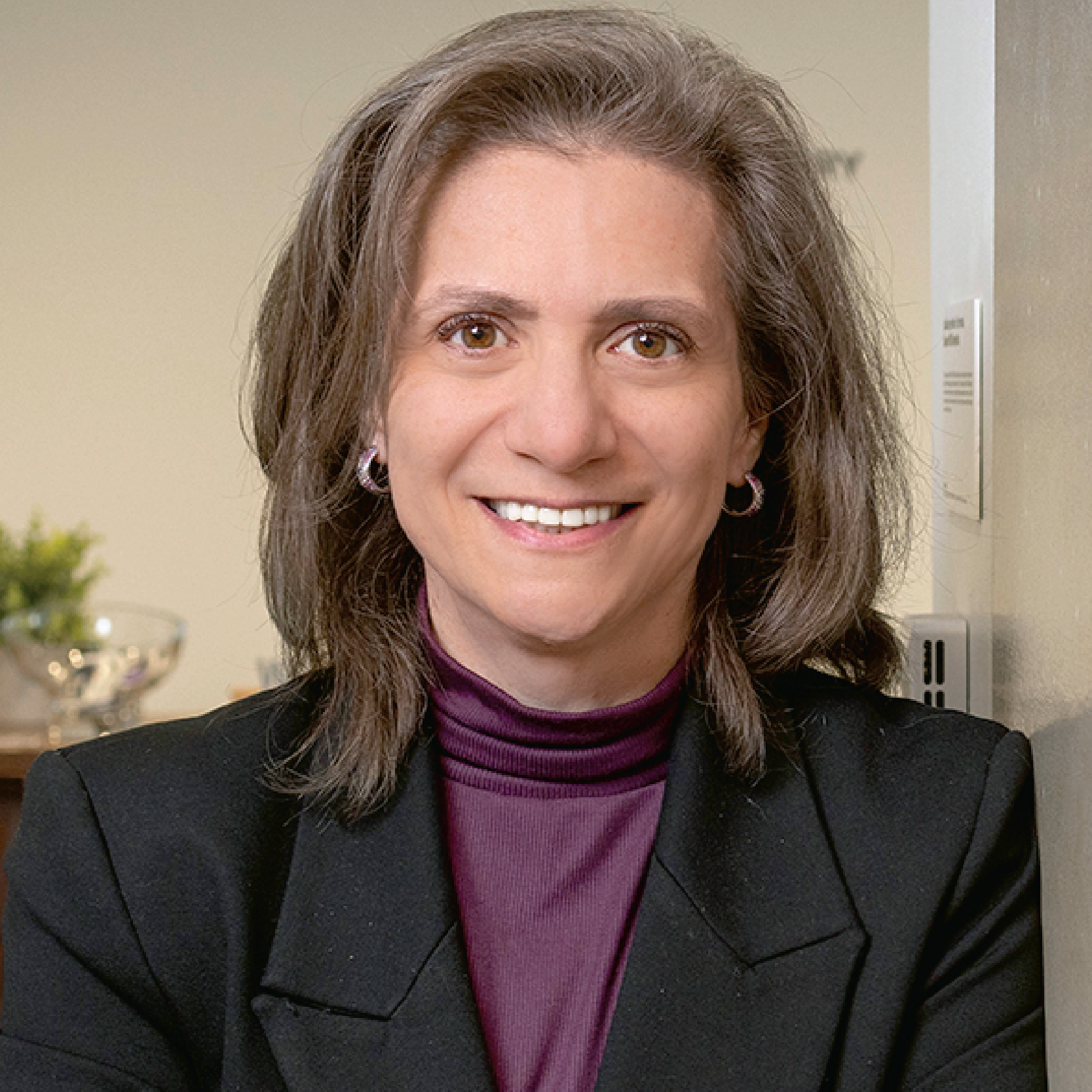
    Computational Astrophysics

    Unraveling Hierarchical Galaxy Formation: The Potential from Galaxy Stellar Halos Beyond Milky Way

    Colloquium

    November 1, 2024

    3–4 p.m. ET

    Speaker

    Tjitske Starkenburg

  47. Watch

    Computational Astrophysics

    The Era of Precision Core Collapse Supernova Modeling

    Colloquium

    October 25, 2024

    3–4 p.m. ET

    Speaker

    Anthony Mezzacappa

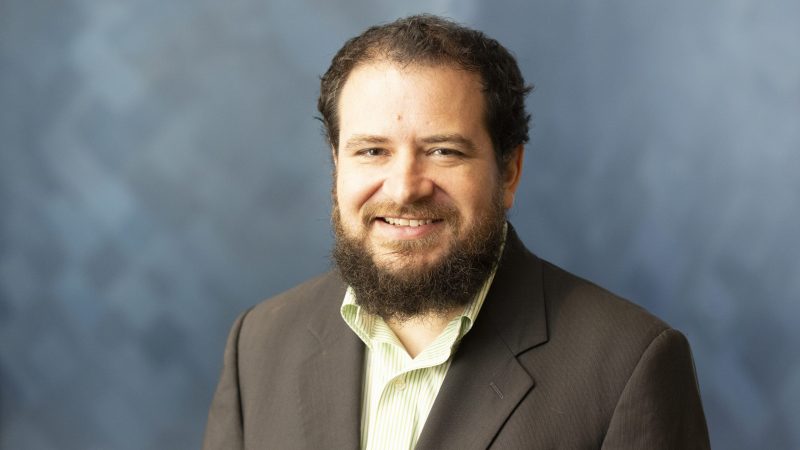
  48. Watch

    Computational Astrophysics

    Connecting Stars, Galaxies, and Supermassive Black Holes: From AU to Mpc

    Colloquium

    October 4, 2024

    3–4 p.m. ET

    Speaker

    Philip Hopkins
  • Prev
  • 1
  • 2
  • 3
  • …
  • 5
  • Page 1 of 5
  • Next

About

  • About Us
  • History
  • Annual Reports
  • People
  • Visitor Information
  • Careers

Funding

  • Funding Opportunities
  • Funded Work
  • Simons Award Manager
  • Simons Foundation International
  • Policies & Procedures

Program Areas

  • Life Sciences
  • Autism & Neuroscience
  • Mathematics & Physical Sciences
  • Science, Society & Culture

Connect

  • Newsletters
  • Events
  • Contact us
  • Media Relations
  • Terms & Conditions
  • Privacy Policy
Simons Foundation
Bluesky Facebook Instagram YouTube X RSS Feed

Advancing Research in Basic 
Science and Mathematics

Customize your preferences

Your preferences have been saved.

Confirm your subscription by clicking the link in the email we sent.