Computational Astrophysics: Nearby Universe
We study the structure, growth and dynamical evolution of our galaxy and its neighbors.
About
Focus Areas
Dark Matter in the Nearby Universe
Astrophysical inferences provide one of the most promising avenues for constraining the fundamental properties of dark matter. Our group uses observations of stellar kinematics to infer and characterize the distribution of dark matter in the Milky Way and other galaxies in the Local Group. We are interested in both the galaxy-scale structure and evolution of dark matter and its smaller-scale properties, as can be inferred from perturbations to structures like stellar streams. We also use cosmological simulations to understand the impact of varying dark matter models on galaxy formation and evolution.
Galactic Chemo-Dynamics
Galactic chemo-dynamics is the study of correlations between the chemical compositions and kinematic properties of stars. Our group uses these correlations to study the structure and evolution of stellar populations throughout the Milky Way. We also pioneer the development and use of new methods for improving dynamical inferences of the structure of dark matter throughout the Local Group using survey data.
Resolved Stellar Populations
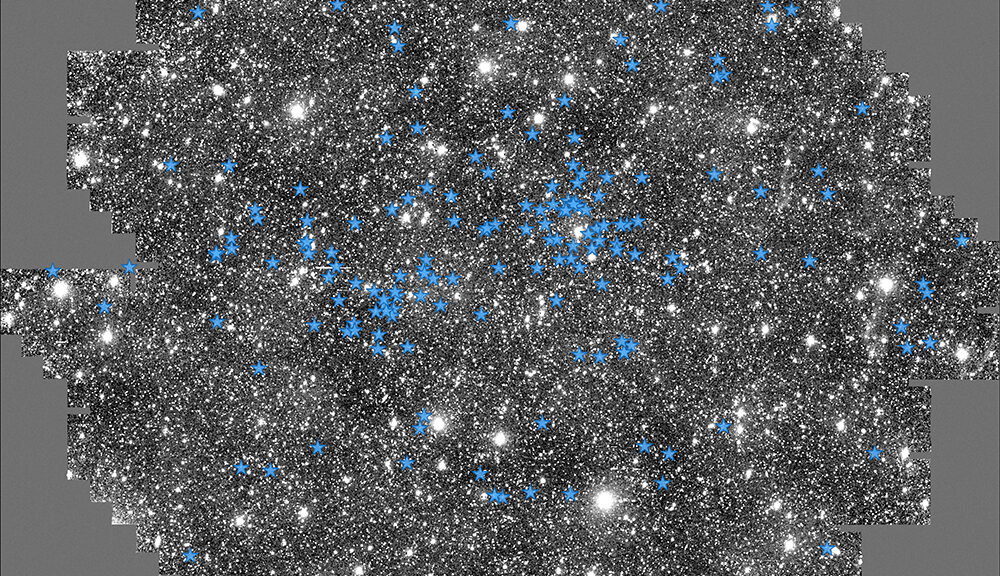
Galaxies are predominantly made of stars, gas and dark matter. By studying individual stars in nearby galaxies, we can infer their ages, chemical compositions and evolutionary histories across a diverse range of galactic environments. With new surveys and data analysis methods, we can use inferences about populations of individual stars to understand the underlying processes that shape galaxies. We use cosmological simulations of dwarf galaxies to relate their stellar populations to their underlying dark matter and gas content.
Dealing with Dynamical Disequilibrium
Most progress in modeling the mass distribution and structure of galaxies has come from assuming that the systems are close to dynamical equilibrium. With modern stellar survey data, we now see signatures of disequilibrium at high significance on all scales throughout our galaxy. Our group maps the imprint of time-dependent dynamics in data, runs dynamical simulations to characterize the impact of phenomena like satellite mergers on the evolution of the Milky Way, and develops new frameworks for interpreting these complex dynamical processes. By combining statistical methods and numerical simulations, we use these signatures of disequilibrium to study the interplay between dark matter, stellar dynamics and galactic evolution. Many in the group are members of the Beyond Basis Function Expansions collaboration, which aims to revise our understanding of the dynamical mechanisms that shape galaxies by integrating mathematical techniques from spectral analysis into our work with theory and large-scale simulations.
Projects
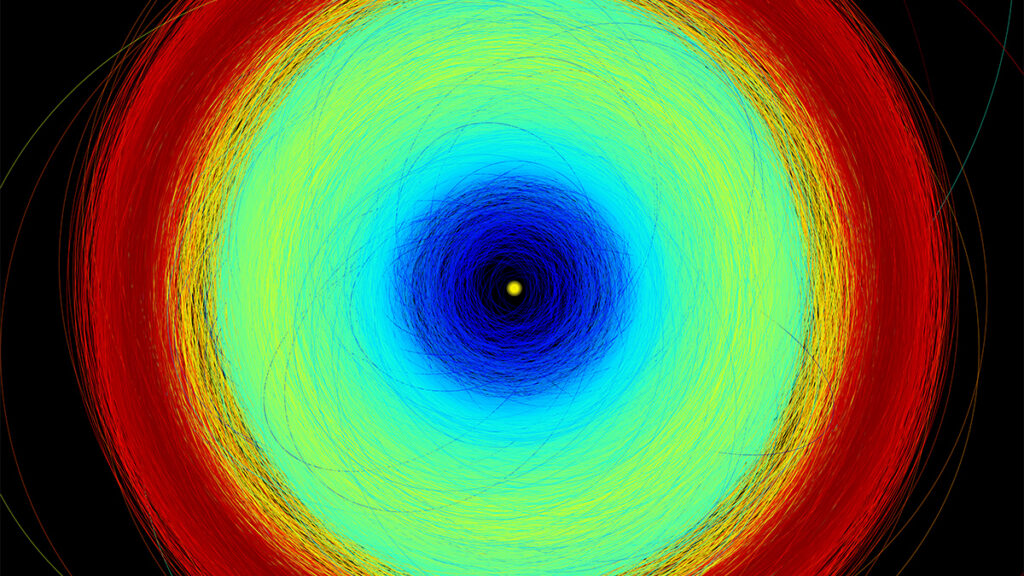
We’re experts in working with data from large-scale, collaborative surveys.

Organizational Leadership

Adrian Price-Whelan
Research Scientist, Center for Computational Astrophysics
Full Team

Aida Behmard
Flatiron Research Fellow, Center for Computational Astrophysics

Julianne Dalcanton
Director, Center for Computational Astrophysics

Carrie Filion
Flatiron Research Fellow, Center for Computational Astrophysics

David Hogg
Senior Research Scientist, Center for Computational Astrophysics

Shaunak Modak
Flatiron Research Fellow, Center for Computational Astrophysics

Adrian Price-Whelan
Research Scientist, Center for Computational Astrophysics

Sheila Sagear
Flatiron Research Fellow, Center for Computational Astrophysics
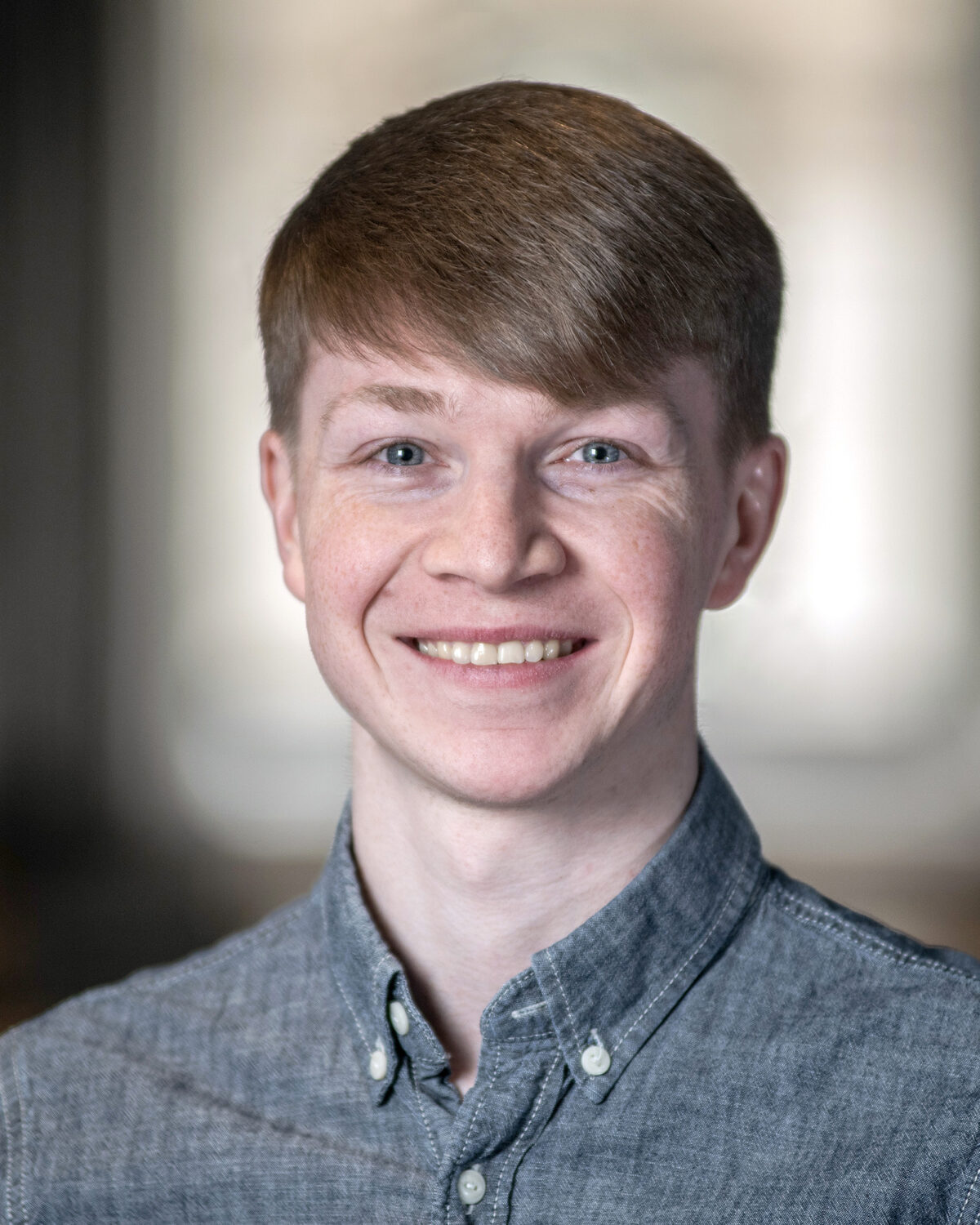
Tom Wagg
Flatiron Research Fellow, Center for Computational Astrophysics

Anna Wright
Flatiron Research Fellow, Center for Computational Astrophysics
Software & Datasets

Community
Nearby Universe Meeting
Our group meets every Thursday to informally discuss in-progress work. Email Adrian Price-Whelan to attend.