Award Year
2022
Award Type
Human Cognitive and Behavioral Science Award
Awardees
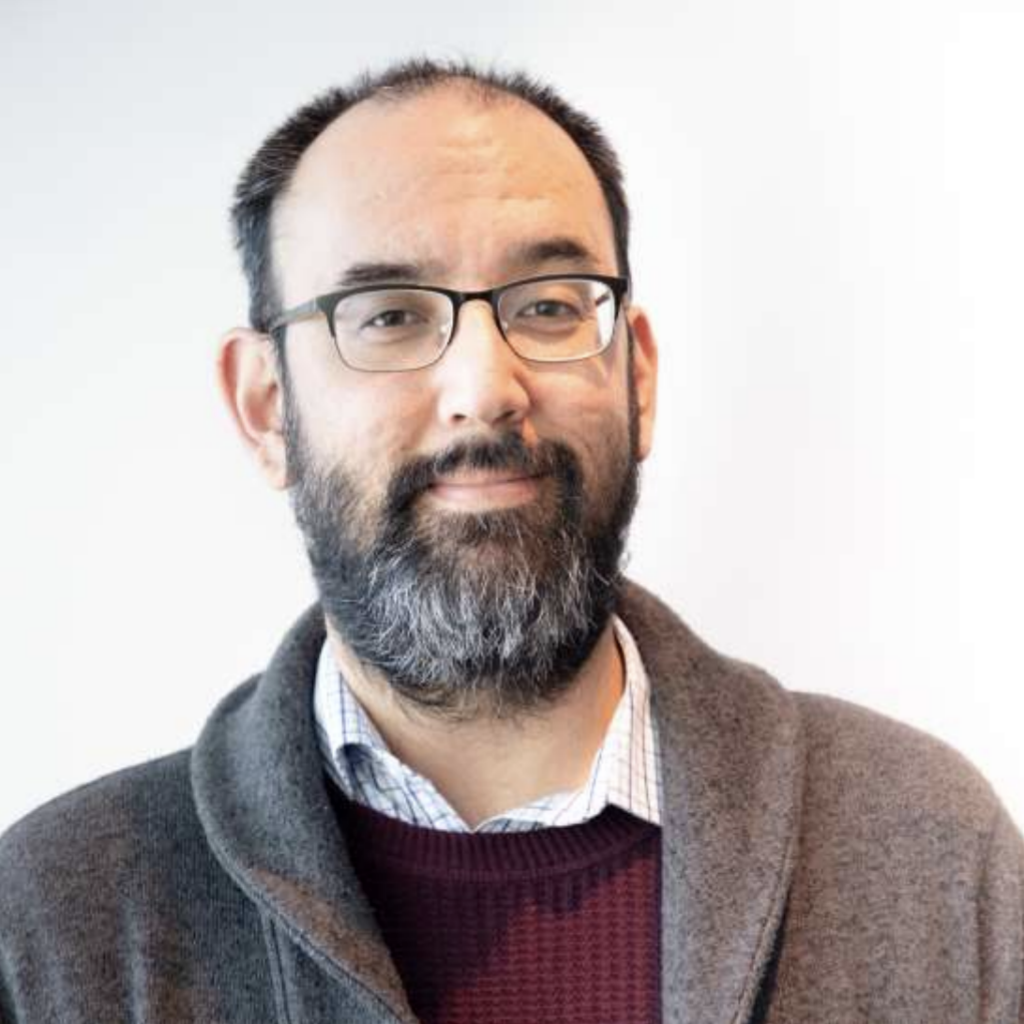
Michael Lombardo
SFARI Investigator

Alessandro Gozzi
SFARI Investigator
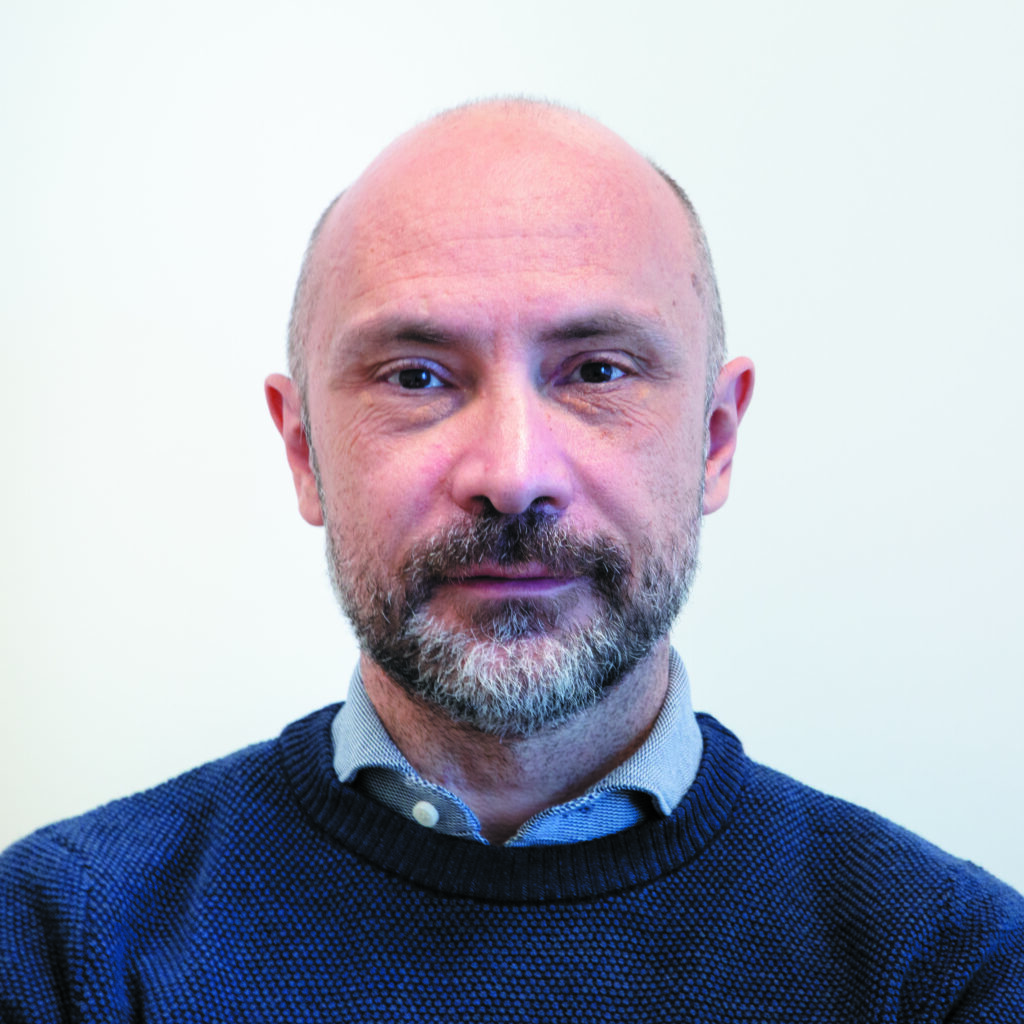
Stefano Panzeri
Senior Scientist
Bringing people and ideas together to fund, conduct, and share transformative science.
Our grants advance knowledge and strengthen connections between science and society.
Discover the latest news, research, and updates.
We convene scientists, mathematicians, and thinkers to share ideas and explore new questions.
Founded by Jim and Marilyn Simons, we’re a private philanthropy advancing mathematics and basic science.
Work with us on the frontier of basic science research.
The Flatiron Institute is a research center that uses computational science to advance fields like physics, biology, and astronomy.
Search
Funded Work
2022
Human Cognitive and Behavioral Science Award
SFARI Investigator
SFARI Investigator
Senior Scientist
Imbalance between excitatory and inhibitory signals in the brain (i.e., E/I imbalance) has long been theorized as one of the primary pathophysiological explanations behind autism. While the E/I theory is amongst the most influential in the field, very little is still known regarding how applicable the theory is to most autistic individuals. Filling this gap is of the utmost importance for honing in on heterogeneous mechanisms that may affect different individuals, but also for enabling further advancements in treatments that target E/I mechanisms.
In the current project, Michael Lombardo, Alessandro Gozzi and Stefano Panzeri plan to tackle this issue by using computational and animal modeling techniques to better understand how E/I mechanisms can be inferred from techniques such as electroencephalogram (EEG) and functional magnetic resonance imaging (fMRI). Their computational models of recurrently connected excitatory and inhibitory neuronal populations can simulate realistic local field potential (LFP) and fMRI blood-oxygen-level-dependent (BOLD) time-series readouts, while holding constant the ground truth of synaptic E/I ratio as well as a number of other E/I relevant parameters. Their labs are developing a decoding model that allows them to use time-series ‘spectral barcodes’ of neural time-series data (LFP, BOLD) to accurately predict ground truth estimates of synaptic E/I ratio and other E/I relevant parameters.
The researchers plan to build on these tools to computationally model and decode E/I mechanisms, and then validate such models using animal model data where chemogenetic manipulations have been made to alter excitation or inhibition. They will then apply these E/I decoding models to electrophysiological and fMRI data obtained from 20 genetic mouse models of autism, with the aim to cluster and identify emergent subtypes of genetic causes of autism that differ in inferred E/I mechanisms. One of these mouse models of an autism-associated copy number variant (CNV) at 16p11.2 will also be investigated with neuroimaging data from human participants in Simons Searchlight with deletions or duplications in this CNV region. The team also plans to apply these E/I decoding models to large publicly available EEG and fMRI datasets of idiopathic autistic individuals in order to scale-up their efforts to understand mechanisms underlying E/I imbalance in humans.
The goal of this project is to describe effect sizes for case-control differences, describe how E/I mechanisms may heterogeneously affect different regions or networks of the brain, and to isolate data-driven E/I subtypes and develop a robust stratification tool that could identify such subtypes in new datasets. Finally, the researchers plan to enroll 100 children and youth with autism (5-18 years old) and perform 2 sessions (test and retest) of EEG and fMRI recordings under both resting state and naturalistic movie viewing conditions. This dataset will allow them to examine test-retest reliability of E/I imaging biomarkers.