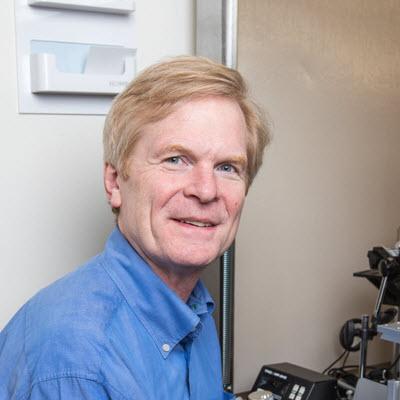
Christopher Walsh and his colleagues at Boston Children’s Hospital have been studying the genetics of autism by analyzing inherited recessive mutations in consanguineous families — those in which the parents are related to each other (e.g., as cousins).
Inherited genetic diseases in the children of such families are often caused by recessive mutations present in a recent ancestor that are transmitted through each parent, resulting in the child inheriting two copies of the mutation. These mutations are transmitted along with large blocks of the surrounding genome.
By analyzing genetic markers across the genome, Walsh and his team can identify regions where the affected children have inherited the same blocks of the genome from each parent, and thus localize the region likely to harbor the causative mutation. These markers can also reveal whether there are any large insertions or deletions in the genome.
Using this approach, Walsh’s group identified several strong candidate genes associated with autism. They showed that the identified mutations affect the function of the protein produced by the candidate gene. Several of the candidate genes were previously associated with more severe neurologic disruption, including metabolic disorders and brain malformation syndromes.
Walsh found that mutations that completely disrupt these genes tend to cause severe disorders, whereas mutations that only partially impair gene function tend to result in less severe autism spectrum disorders. This finding has important implications for both the diagnostic workup of children with autism and the development of treatments.