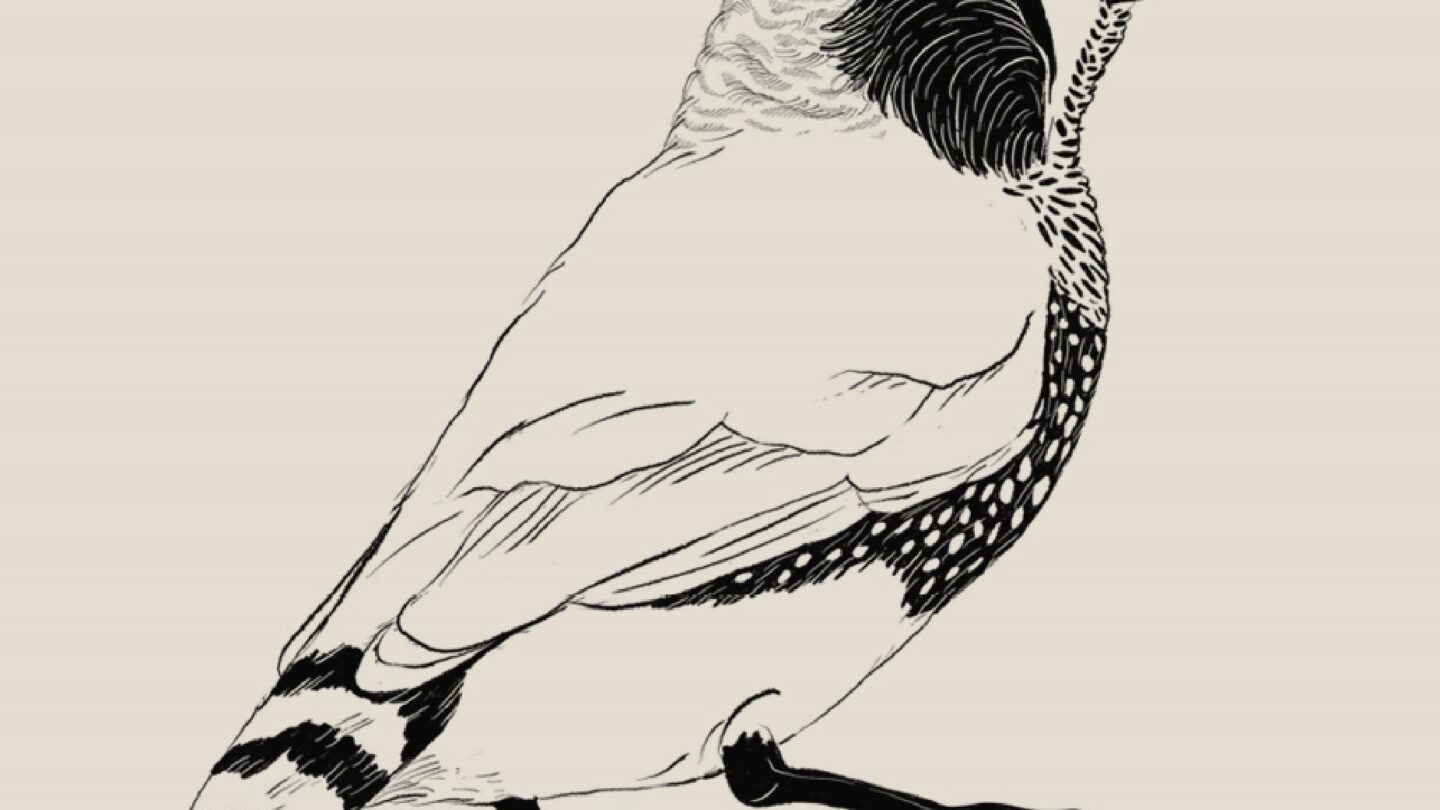
Some of our most complex behavior, such as speaking, swimming or playing the piano, can be understood by breaking the behavior down into a sequential succession of learning steps. This type of sequential learning is common across the animal kingdom — just as humans learn to speak, for example, songbirds learn to sing.
Decades of research have shown that many of the same neural processes can explain both behaviors. Birdsong, like human speech and other behaviors, is not innate but learned by imitating the behavior of parents and other adults. Scientists have identified neural circuits in zebra finches that drive song learning and have shown that the process requires the precise coordination of multiple regions spread across the brain. However, many questions remain about how these neural circuits develop throughout the bird’s lifetime. Previously, our lab demonstrated that a brain region called the HVC is involved in the timing of birdsong. Neurons in this brain region are individually active only at specific points in the song, but together form continuous sequences of activity that drive song production. We plan to observe the activity of neurons in the HVC and in auditory regions while juvenile birds are taught to sing by older adults, attempt the songs themselves and sleep. We’ll use this data to test the theory that sleep provides an essential stage of song learning — we hypothesize that the auditory regions of the brain replay the song while the birds sleep, activating the HVC to facilitate learning. Birdsong learning shares another remarkable feature with human speech learning. Juvenile finches babble just as human infants do — in birds, this is termed ‘subsong.’ We plan to investigate the brain areas, especially one called the LMAN, that drive subsong and provide the necessary variability for young birds to mix and match different sounds while learning to sing. We will collaborate with theoretical neuroscientists to develop and test models of how the brain forms sequences in HVC and generates the neural variability in LMAN. These advances will shed light not only on how birds learn to sing, but also possibly on how infants learn to speak, or how humans learn to perform any complex behavior based on sensory feedback, from sports to music.
FULL PROJECT
Awardees
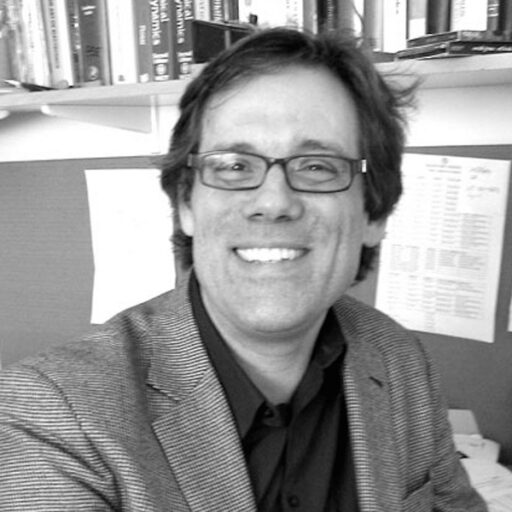
Michale Fee
Investigator, Simons Collaboration on the Global Brain

Adrienne Fairhall
Investigator, Simons Collaboration on the Global Brain
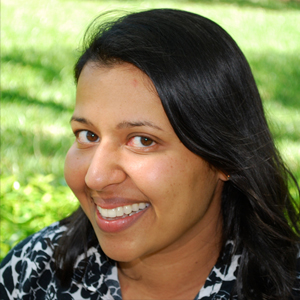
Ila Fiete
Investigator, Simons Collaboration on the Global Brain
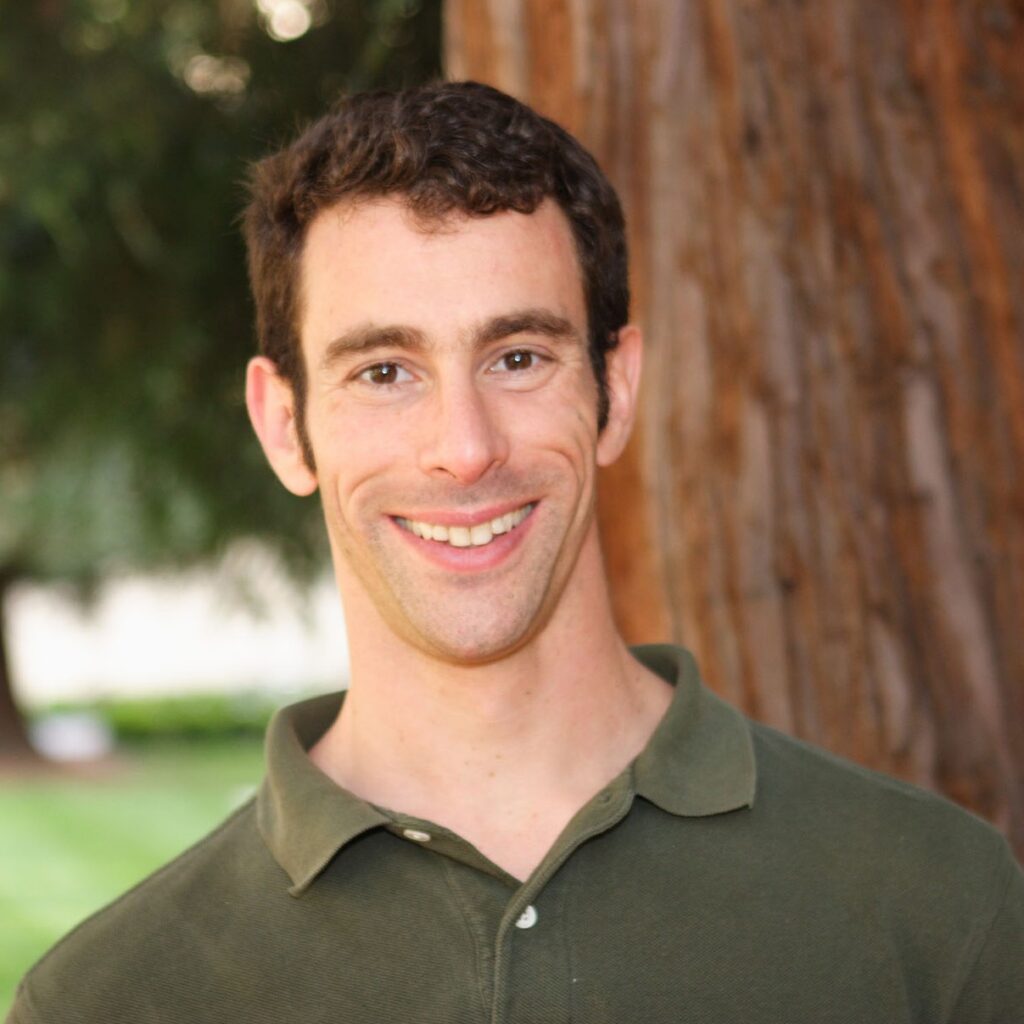
Mark S. Goldman
Investigator, Simons Collaboration on the Global Brain
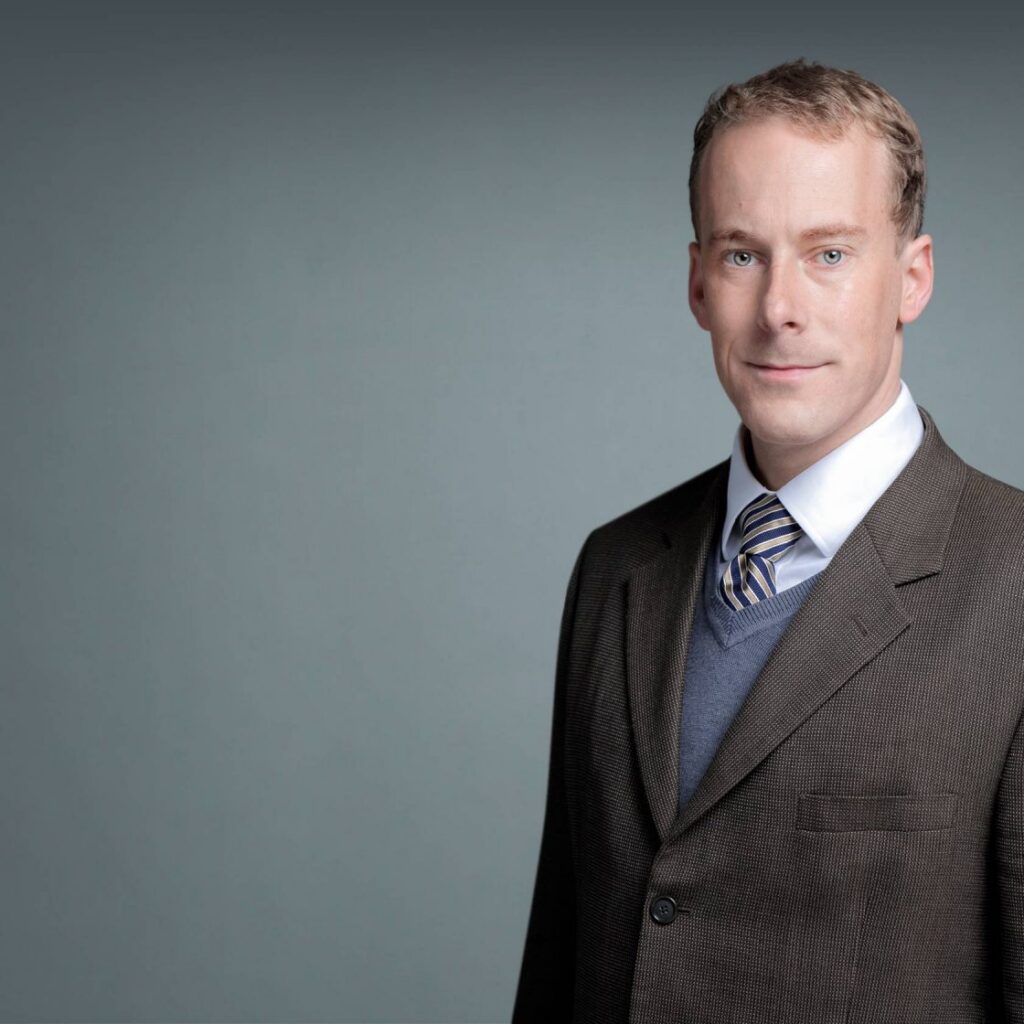
Michael A. Long
Investigator, Simons Collaboration on the Global Brain
Liam Paninski
Investigator, Simons Collaboration on the Global Brain