The Simons Simplex Collection

Funded Work

Award Year

2006

Award Type

Simons Simplex Collection

Awardees

Headshot of Investigator Pamela Ventola.

Pamela Ventola

SFARI Investigator

Headshot of Investigator Raphael Bernier.

Raphael Bernier

SFARI Investigator

A woman with shoulder-length blonde hair, wearing a black blazer, smiles at the camera in a professional portrait with a brown and green background.

Robin Goin-Kochel

SFARI Investigator

Headshot of SFARI Investigator Ellen Hanson.

Ellen Hanson

SFARI Investigator

Headshot of SFARI Investigator Christopher Walsh.

Christopher Walsh

SFARI Investigator

Headshot of Investigator Catherine Lord.

Catherine Lord

SFARI Investigator

Headshot of SFARI Investigator James Sutcliffe.

James Sutcliffe

SFARI Investigator

Headshot of SFARI Investigator Edwin H. Cook.

Edwin H. Cook

SFARI Investigator

Headshot of SFARI Investigator Bradley Peterson.

Bradley Peterson

SFARI Investigator

Headshot of SFARI Investigator Celine Saulnier.

Celine Saulnier

SFARI Investigator

Headshot of Investigator Mayada Elsabbagh.

Mayada Elsabbagh

SFARI Investigator

Headshot of Investigator Theodore Cicero.

Theodore Cicero

SFARI Investigator

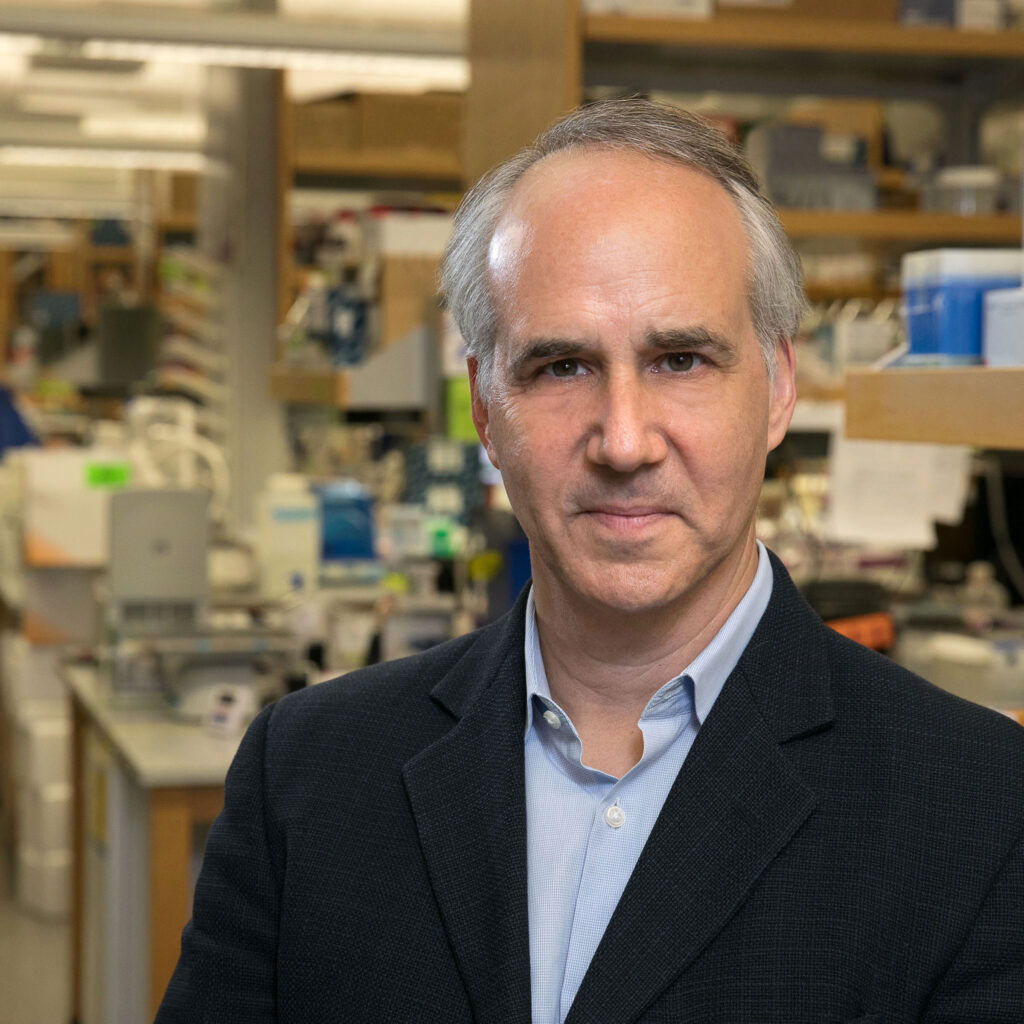
Portrait of SFARI Investigator Daniel Geschwind.

Daniel Geschwind

SFARI Investigator

Colorful DNA sequencing chromatogram showing overlapping peaks and corresponding DNA base letters (A, T, C, G) on a black background, representing genetic data analysis.

The Simons Simplex Collection (SSC) is a rigorously characterized set of data drawn from 2,700 families, designed to enrich the discovery of rare and de novo events in autism spectrum disorders. Twelve clinical sites in North America provided data from families who have one child between 4 and 18 years of age with an autism spectrum disorder. Data from each family also include information about unaffected siblings and unaffected biological parents.

The collection does not include individuals who have fragile X syndrome, Down syndrome, prematurity or neonatal complications, or families with a history of psychiatric disorders. The researchers used extensive protocols to ensure reliability in the administration and scoring of the numerous cognitive and behavioral assessments. They sent blood samples from all family members to the Rutgers University Cell and DNA Repository in New Jersey, where genomic DNA was extracted and lymphoblastoid cell lines were established and stored.

Phenotypic and genotypic data, as well as biospecimens, are available to approved researchers via SFARI Base, a central database of clinical and genetic information from families affected by autism or other neurodevelopmental disorders. More than 80 investigators using the SSC for data or biospecimens have studies under way, which have so far led to 18 publications.

A new partnership with the Interactive Autism Network (IAN), an online project that brings together researchers and thousands of people affected by autism spectrum disorders, has created the SSC@IAN, an online registry that allows coordination of follow-up studies and helps maintain a community of SSC families.

** A list of all SSC Investigators is available here.