Harry Vong Views Genetic Mutations to Trace Nerve Cell Development
Featuring
-
Keng Ioi Vong
Fellows-to-Faculty Fellow, SFARI (2025)
Bringing people and ideas together to fund, conduct, and share transformative science.
Our grants advance knowledge and strengthen connections between science and society.
Discover the latest news, research, and updates.
We convene scientists, mathematicians, and thinkers to share ideas and explore new questions.
Founded by Jim and Marilyn Simons, we’re a private philanthropy advancing mathematics and basic science.
Work with us on the frontier of basic science research.
The Flatiron Institute is a research center that uses computational science to advance fields like physics, biology, and astronomy.
Search
Fellows-to-Faculty Fellow, SFARI (2025)
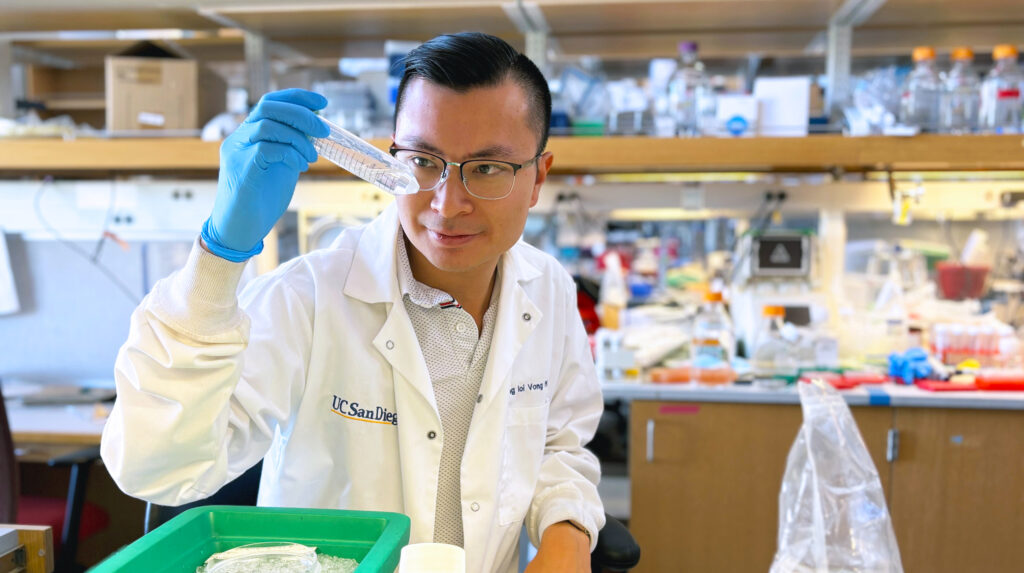
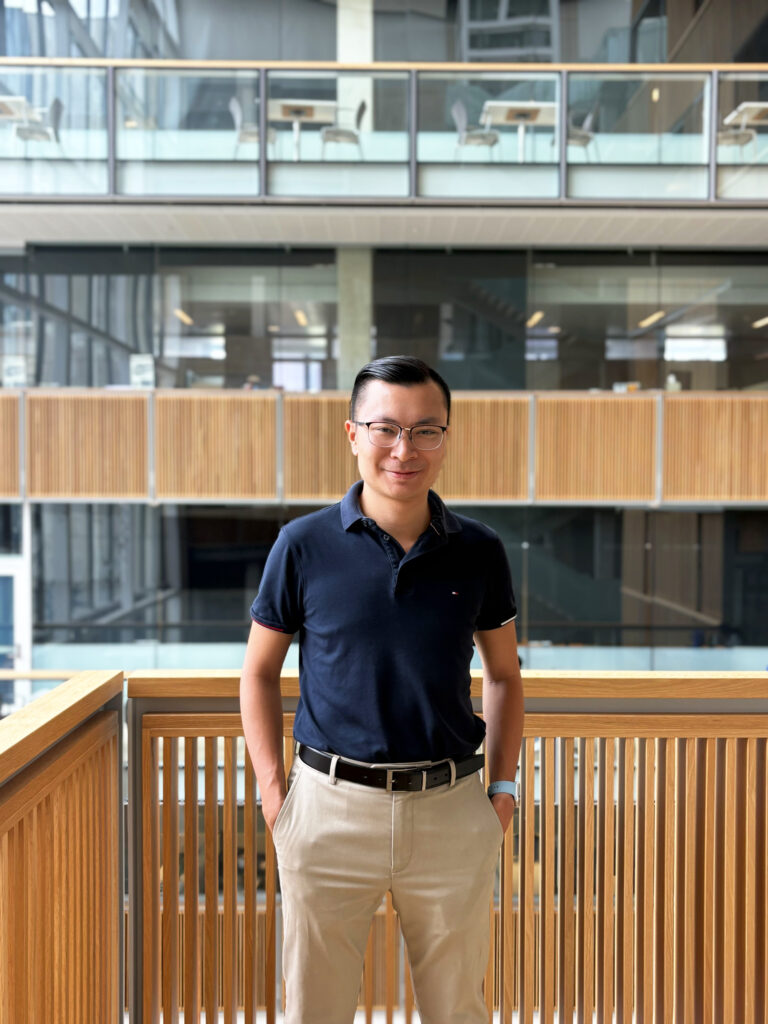
How do cells choose their identity? Every cell starts as a stem cell, then becomes a specialized progenitor cell, which eventually becomes one of the hundreds of cell types in the body. Keng Ioi “Harry” Vong, a postdoctoral fellow in the lab of Joseph Gleeson at the University of California, San Diego, is fascinated by how nervous system cells make these fateful choices in the body’s ever-changing environment.
“As a developmental biologist, I’m always intrigued by how a common pool of progenitors can generate so many different cell types,” he says.
Vong’s postdoctoral work focused on a type of progenitor that lays the groundwork for cells in the peripheral nervous system. Tracking cells throughout development has been done before, but those techniques typically only work when cells don’t move much during development. Unfortunately, the peripheral nervous system is extensive, and cells can travel long distances during this period.
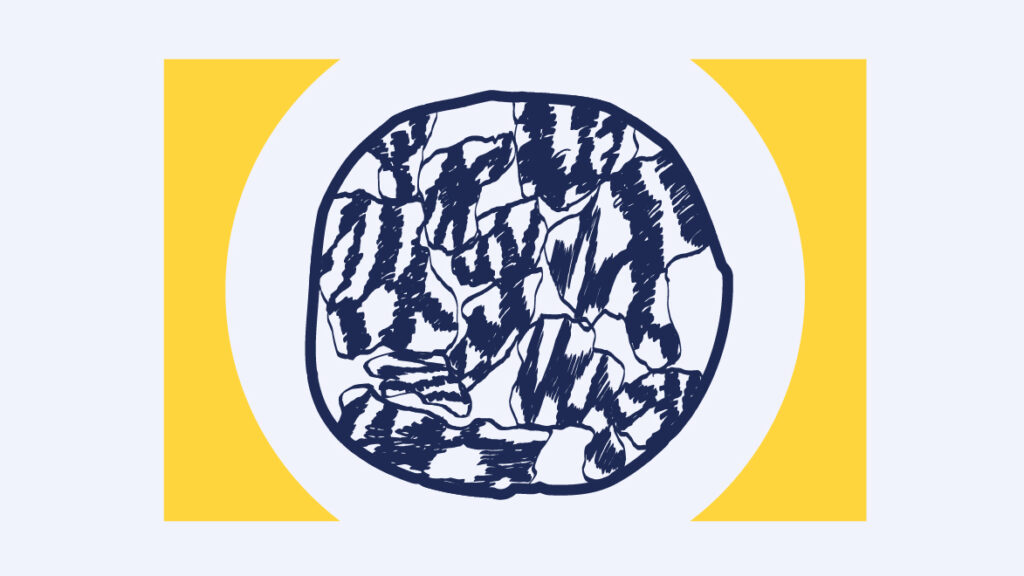
So Vong got creative. He looked at the tiny, harmless mutations in our DNA that naturally occur as our cells divide and multiply over our lifetime. Each cell inherits slightly different mutations throughout development, creating a mosaic of cellular DNA throughout the body.
“Our human body is like a huge genomic mosaic,” says Vong.
Tracing these microscopic barcodes in nerve cells from adult human donors and combining this approach with lineage tracing in animal models, Vong and his team uncovered a surprise within peripheral nervous system development. They found that the progenitors of two types of cells, sensory and sympathetic neurons, become biased toward their future identities much earlier than previously thought. These findings were published in April in Nature.
Vong’s Fellows-to-Faculty award will help him transition from his postdoc to his upcoming role as a principal investigator at the Baylor College of Medicine and Texas Children’s Research Institute. The award is designed to support talented early career scientists by facilitating their transition into tenure-track faculty positions.
As he launches his own lab in December, Vong will turn his attention to neurons in the gut, known as the enteric nervous system, to explore how genetic and environmental factors shape its development. This work could also shed light on differences in the enteric nervous system sometimes associated with autism. Vong’s Fellows-to-Faculty award is specifically funded by the Simons Foundation Autism Research Initiative (SFARI) and will provide substantial funding support for his research vision.
Vong is grateful for the Fellows-to-Faculty community for their guidance as he launches his new lab. “I love this community,” Vong says. “When I speak with other fellows about building a lab, developing a mentoring philosophy and navigating the transition to independence, I find that others are very open about their experiences.”
The fellowship cohort also offers Vong an interdisciplinary collection of scientific perspectives. “Because we approach the scientific question from very different directions, the exposure to perspectives outside my immediate field has been invaluable.”