Remembering Gerry Fischbach: A Pioneer in Neuroscience and Autism Research
Featuring
-
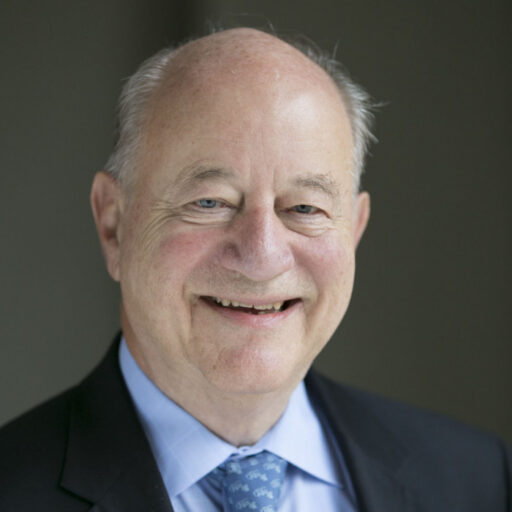
Gerald D. Fischbach
Emeritus Trustee
Bringing people and ideas together to fund, conduct, and share transformative science.
Our grants advance knowledge and strengthen connections between science and society.
Discover the latest news, research, and updates.
We convene scientists, mathematicians, and thinkers to share ideas and explore new questions.
Founded by Jim and Marilyn Simons, we’re a private philanthropy advancing mathematics and basic science.
Work with us on the frontier of basic science research.
The Flatiron Institute is a research center that uses computational science to advance fields like physics, biology, and astronomy.
Search
As founding director of the Simons Foundation Autism Research Initiative (SFARI) and the foundation’s first chief scientist, Fischbach helped build the foundation’s scientific enterprise.
Emeritus Trustee
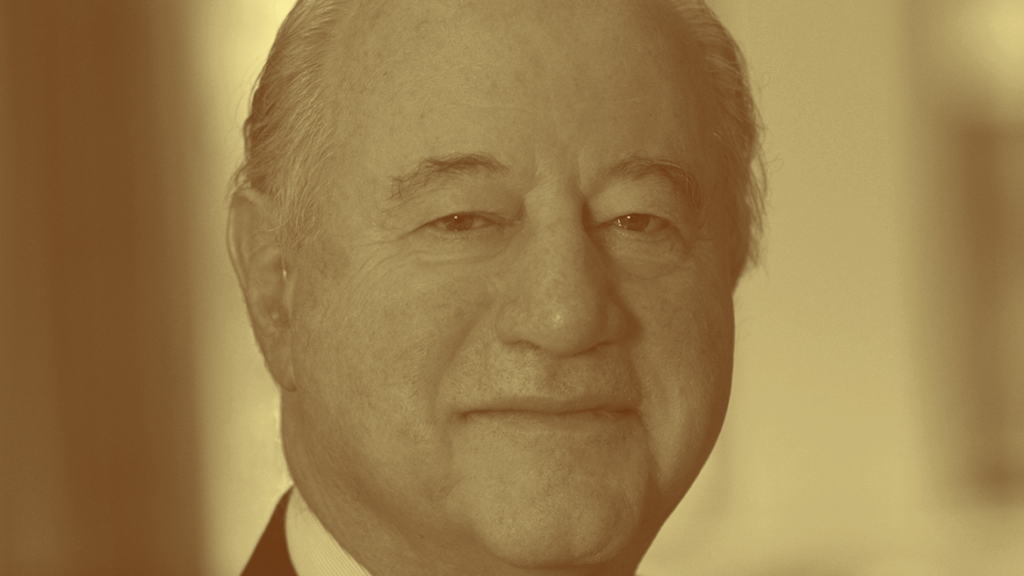
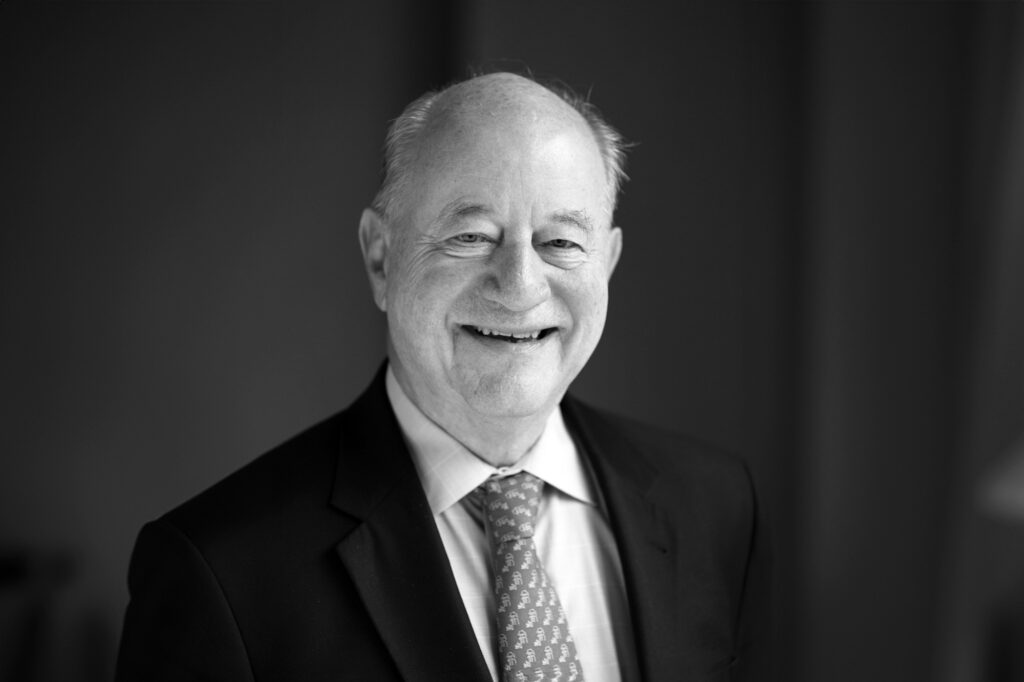
The Simons Foundation mourns the death of Gerald D. Fischbach, who died Sunday at 87.
Fischbach, who went by Gerry, was a renowned neuroscientist whose transformative leadership at the Simons Foundation, the National Institutes of Health (NIH) and academia advanced our understanding of how brains work. As founding director of the Simons Foundation Autism Research Initiative (SFARI), he championed research that revolutionized the neurobiological understanding of the condition.
“Gerry is an integral part of the Simons Foundation’s story,” says Simons Foundation President David Spergel. “His scientific insight and unwavering commitment to advancing knowledge have profoundly impacted neuroscience and our understanding of autism. We are forever grateful for his contributions and will continue to build on his incredible legacy.”
Fischbach joined the Simons Foundation in 2006 as the founding director of SFARI, heading the initiative from 2006 to 2013. In 2013, he became the foundation’s first chief scientist and the “first fellow” of its Simons Society of Fellows. During his time at the foundation, he also held the title of distinguished scientist and fellow and served on the foundation’s board of trustees.
“Gerry was a visionary leader who loved hearing about new ideas and approaching difficult questions from new angles. His leadership transformed our funding of scientific research,” says Marilyn Simons, co-founder and chair of the Simons Foundation. “And beyond being an outstanding scientist, Gerry was a warm and optimistic person. He was a dear friend, a dedicated mentor, and we will miss him greatly.”
Fischbach was born on November 15, 1938, in New Rochelle, New York. He earned his medical degree from Cornell University Medical School and completed his medical internship at the University of Washington Hospital before beginning his research career at the NIH. He later held faculty and leadership positions at Harvard Medical School and the Washington University School of Medicine, including serving as chair of neurobiology at Harvard and Massachusetts General Hospital. Prior to joining the Simons Foundation, Fischbach was dean of the faculty of health sciences and of medicine at Columbia University and director of the NIH’s National Institute of Neurological Disorders and Stroke.
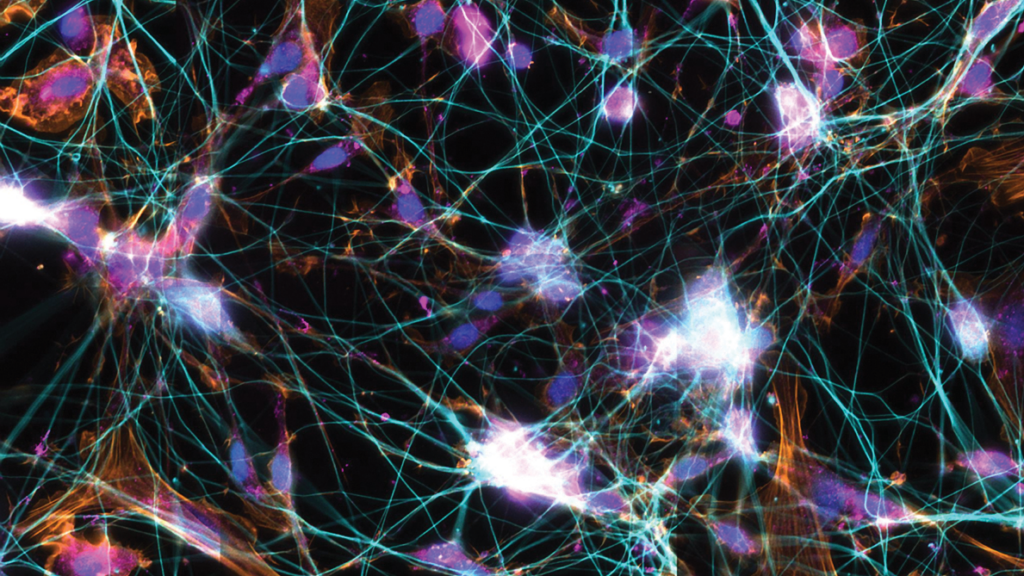
Throughout his career, his main research interest concerned the form and function of synapses — the connections through which nerve cells communicate with other cells. He pioneered the use of nerve cell cultures to investigate how these connections develop, including their electrical activity, structure and biochemistry. He was also an integral player in illuminating the role of synapses at the neuromuscular junction, the connection point between neurons and muscles.
Fischbach’s contributions were widely recognized. He was elected to the National Academy of Sciences, the American Academy of Arts and Sciences, the National Academy of Medicine and the American Philosophical Society. He also served as president of the Society for Neuroscience.
During Fischbach’s time at Columbia University, Simons Foundation co-founder Jim Simons approached him for recruiting advice regarding an autism research initiative he planned to launch.
“One day Jim asked if I would go to lunch with him,” Fischbach recalled in a 2023 interview. “He asked for the meeting because he wanted a search for a director of the autism program at the foundation. He was told by two people that he should consult with me for who would be good on that search committee. Well, we had a very animated lunch, complete with pastrami sandwiches. By the end of the lunch, he asked if I would take the job.”
Fischbach readily agreed. He was eager to understand how his previous work and scientific insight might fit into autism research.
“Autism more and more occupied my mind because it deals with important issues in development and synapses,” he recalled. SFARI “involved many of the things I was interested in: development, plasticity, reversibility of disorders, organizing a team.”
Under Fischbach’s leadership, SFARI transformed autism research by advancing the search for autism-associated genes and deepening understanding of the biology underlying autism. Fischbach established landmark resources such as the Simons Simplex Collection, which collected genetic and phenotypic information from thousands of families impacted by autism, enabling researchers worldwide to investigate genetic risk factors and share data.
“When we started this whole project, there was one convincing autism-related gene for sure, discovered in 2003. Now there are more than 150,” Fischbach recalled in a 2020 article for the Simons Foundation’s 25th anniversary.
Just as importantly, Fischbach built a collaborative, interdisciplinary research community and laid the groundwork for generations of scientists to build on these advances.
“Gerry was a champion for basic science who recognized that fundamental discoveries about neural development and function could open new paths for autism research,” says Kelsey Martin, executive vice president of the Simons Foundation’s Autism & Neuroscience division. “Within SFARI and beyond, his influence will continue to be felt in the science he helped make possible and in the researchers he inspired.”
Fischbach’s leadership also inspired the launch of the Simons Foundation’s neuroscience collaborations, which support and convene scientists to address fundamental questions about brain function.
At the Simons Foundation’s offices in midtown Manhattan, an auditorium bears Fischbach’s name. It’s a fitting tribute to someone so dedicated to bringing researchers together, sharing breakthroughs and nurturing the next generations of scientists.
“Gerry was incredibly curious and believed deeply that understanding the brain required deep collaboration from scientists across disciplines,” says Alyssa Picchini Schaffer, vice president and senior scientific officer of the Simons Foundation’s neuroscience collaborations. “He was generous with his time and knowledge and taught me so much about facilitating great science and leading with kindness and curiosity. His absence will certainly be felt throughout the entire neuroscience community.”
He is survived by his wife, Ruth L. Fischbach, a bioethicist with whom he collaborated on questions of science and ethics, and their children and grandchildren.