Search
What are you looking for?
Featured


Results
-
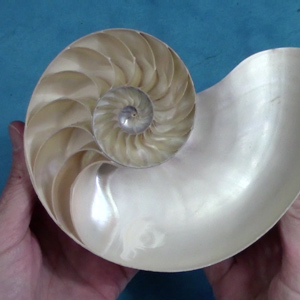 The golden ratio is greatly hyped, partly for its beautiful mathematical properties but also for nonsensical reasons. Distinguishing between the two requires understanding that mathematics is about structures …
-
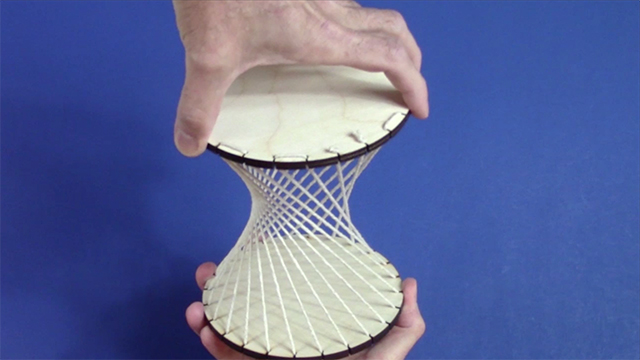 The elliptic hyperboloid is a beautiful quadratic surface that is “doubly ruled,” meaning that the surface, although curved, contains two straight lines through each point.
-
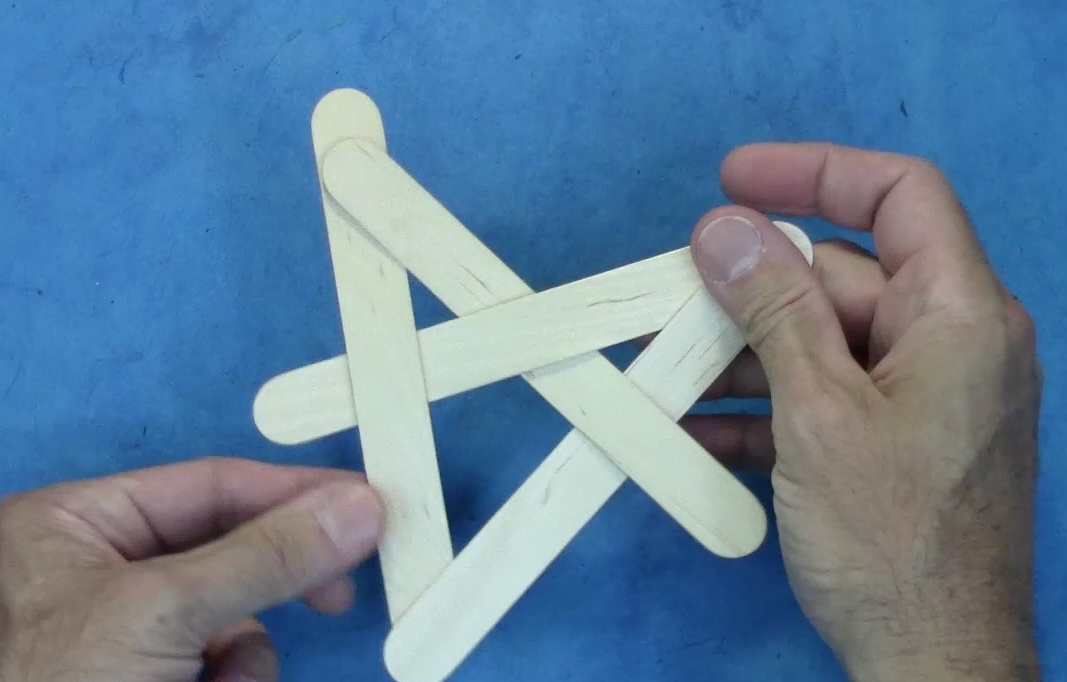 How do long sword dances produce stable patterns of interwoven segments? What are the possible variations? Explore the mathematics of this traditional art form.
-
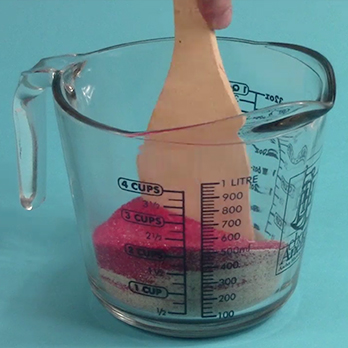 Why does a mixture of sand and colored sugar spontaneously separate when poured?
-
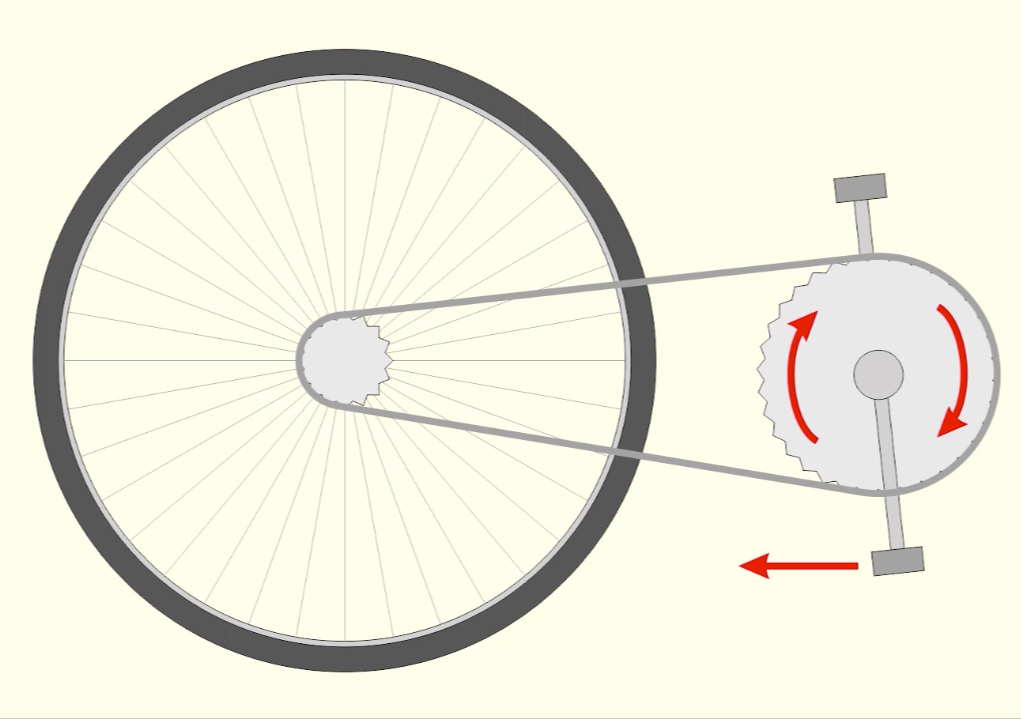 If you pull straight back on the lower pedal of your bicycle, will the bike move forward or backward? This classic puzzle has a surprising twist.
-
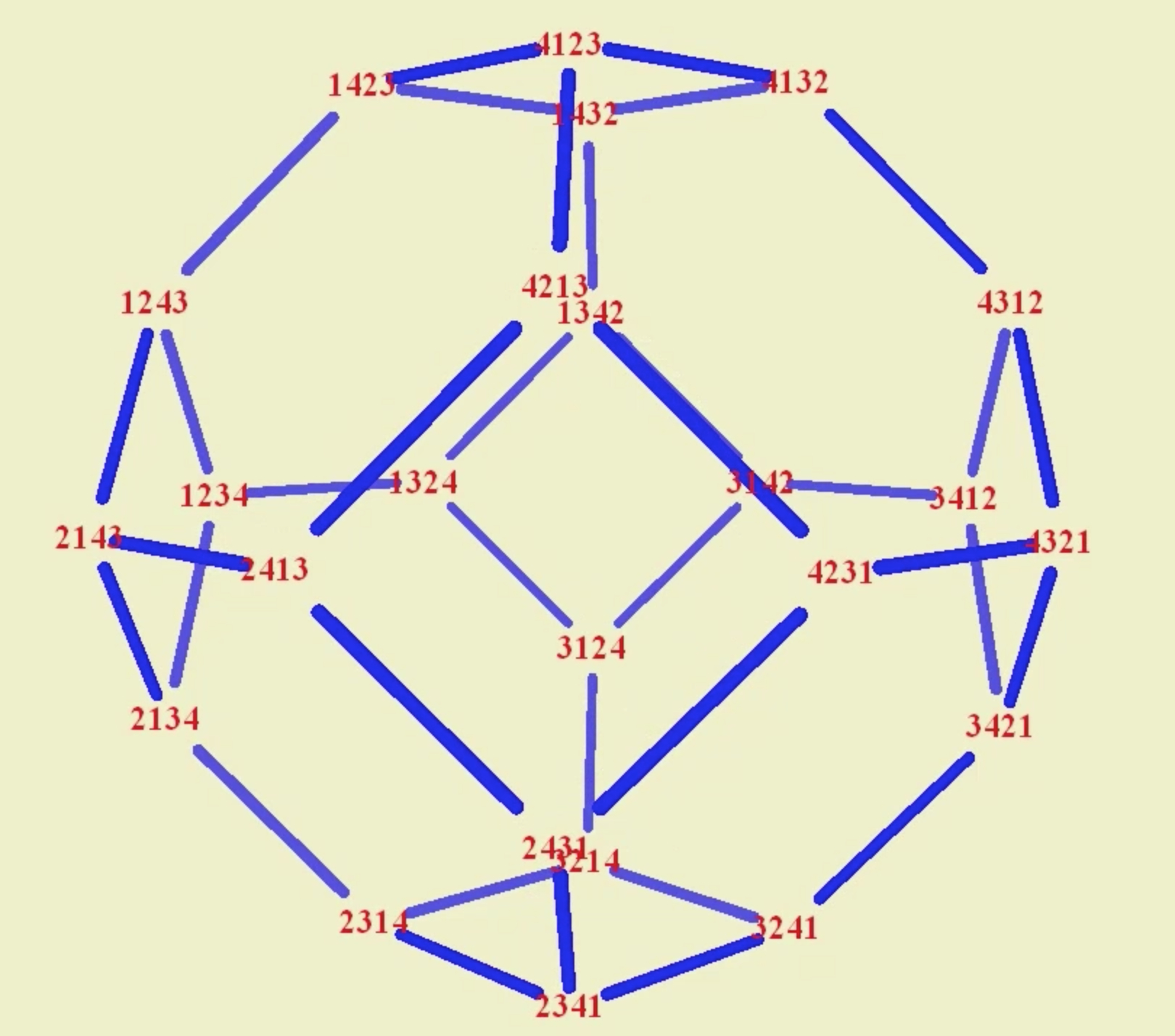 Change ringing, in which a band of ringers plays long sequences of permutations on a set of peal bells, is a little-known but surprisingly rich and beautiful …
-
 The art exhibition at the annual Bridges Conference showcases a wide range of artworks inspired by mathematical thinking.
-
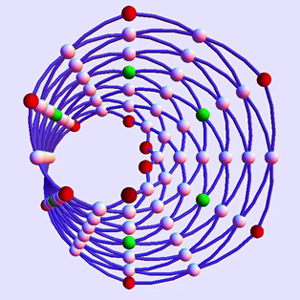 Musical chords naturally inhabit certain topological spaces, which show the possible paths that a composer can use to move between chords.
-
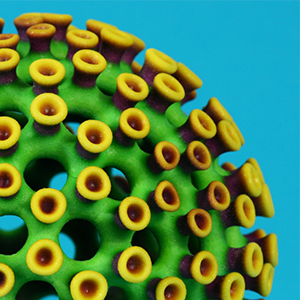 Because of their aesthetic appeal, organic feel and easily understood structure, Goldberg polyhedra have a surprising number of applications ranging from golf-ball dimple patterns to nuclear-particle …
-
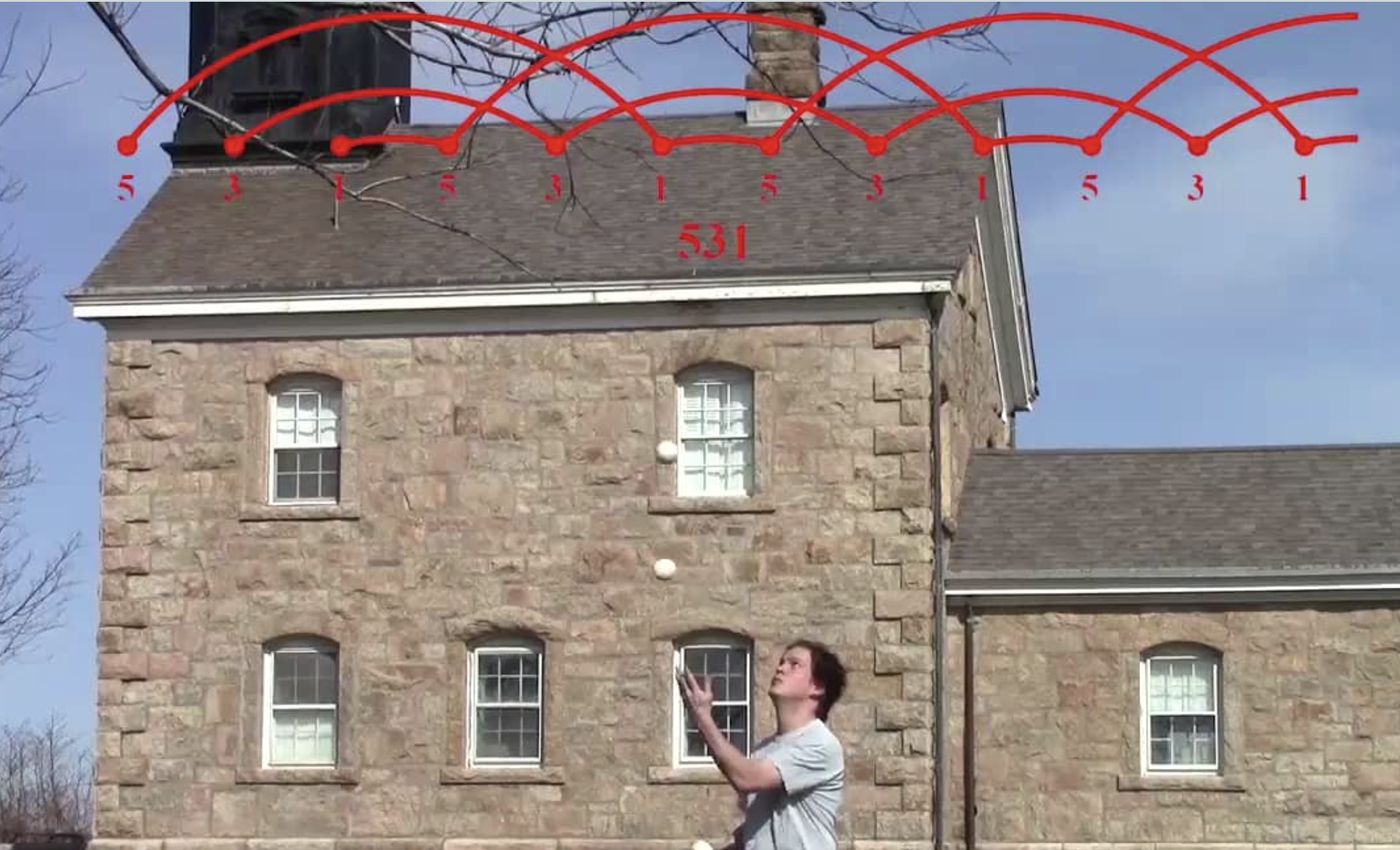 Juggling has advanced enormously in recent decades, since mathematicians began systematically investigating the possible patterns of non-colliding throws. As part of this research, many new possibilities have …
-
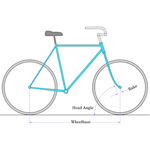 A nice mathematical puzzle, with a solution anyone can understand, is to determine the direction a bicycle went when you come upon its tracks. The answer involves thinking …
-
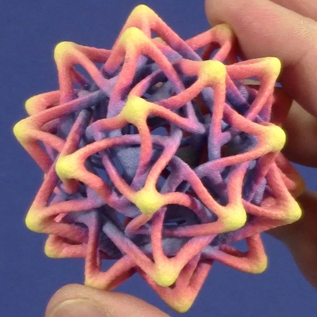 It is an unexplained fact that objects with icosahedral symmetry occur in nature only at microscopic scales. Examples include quasicrystals, many viruses, the carbon-60 molecule, and some …
-
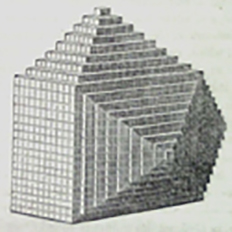 Can you combine simple observations and mathematical thinking to show that atoms exist?
-
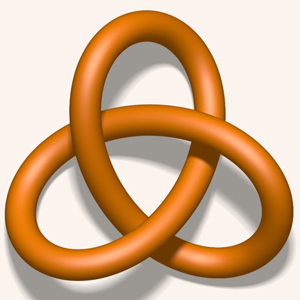 The mathematics of knot theory says that a simple loop and a trefoil are fundamentally different knots. But is that all there is to the question?
-
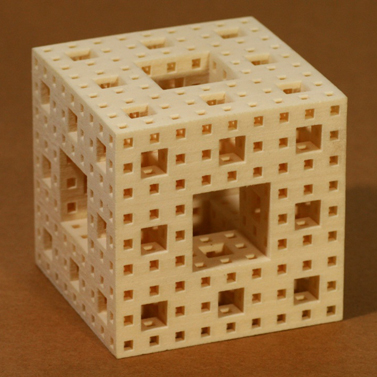 The Menger Sponge, a well-studied fractal, was first described in the 1920s. The fractal is cube-like, yet its cross section is quite surprising. What happens when …
-
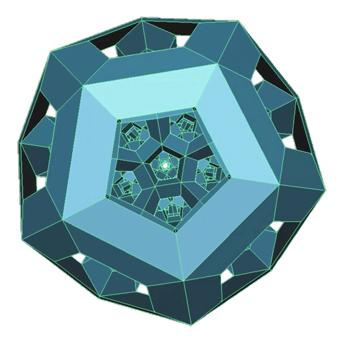 George Hart describes in this video how to create physical models of mathematical objects, surveying some examples of surfaces and polytopes.
-
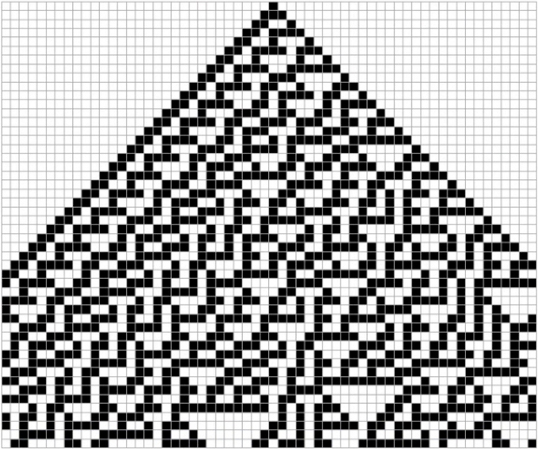 A video explaining how some seemingly complex patterns on sea shells can be created by simple, one-dimensional, two-state cellular automata.
-
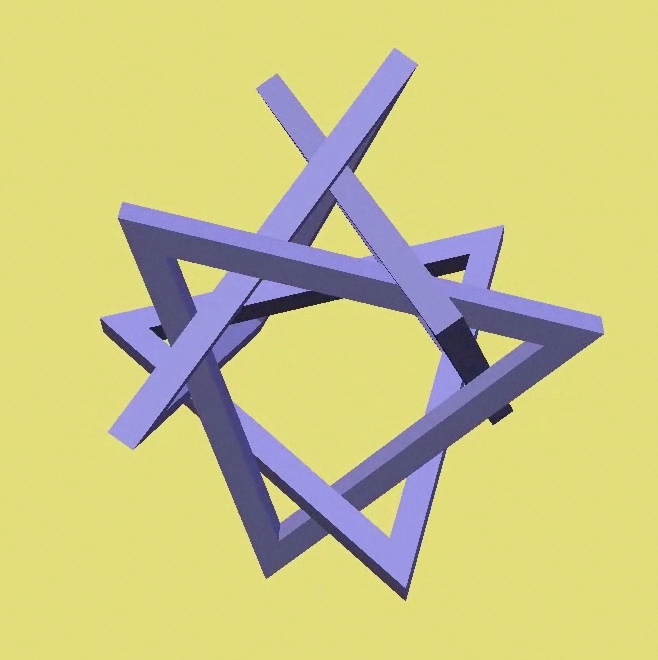 A video illustrating the beautiful geometry behind symmetrical linkages of regular polygons.
-
 A sculpture project built entirely with right angles combines math and art in subtle and surprising ways.