Search
What are you looking for?
Featured

Results
-
 Experts across science, industry, policymaking and philanthropy gathered for the 2026 Simons Science Summit to discuss how artificial intelligence is accelerating scientific discovery, reshaping research and raising new …
-
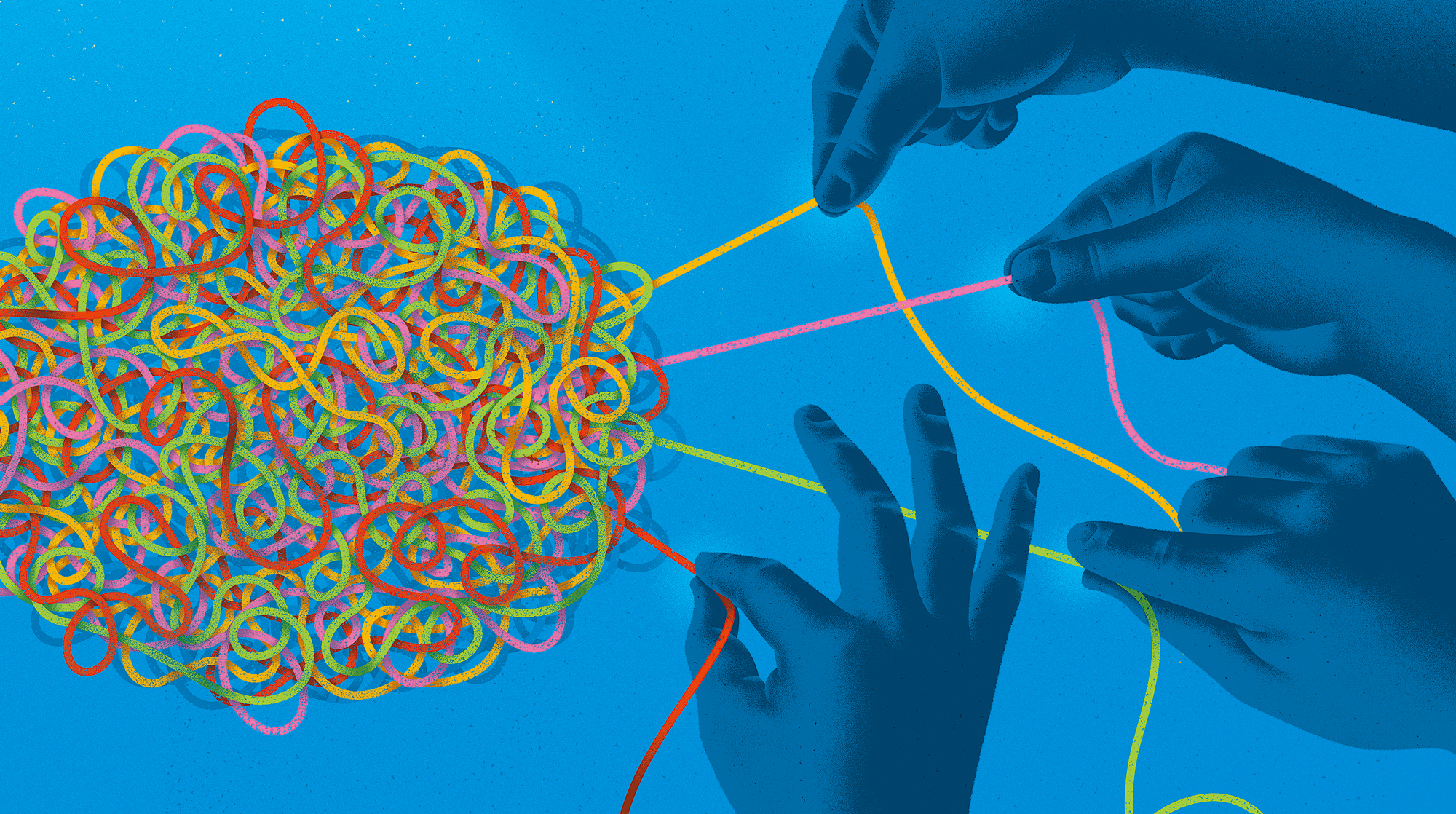 An analysis of more than 5,000 individuals with autism reveals four distinct groups that link autism-related traits with underlying genetics. The work could open the door …
-
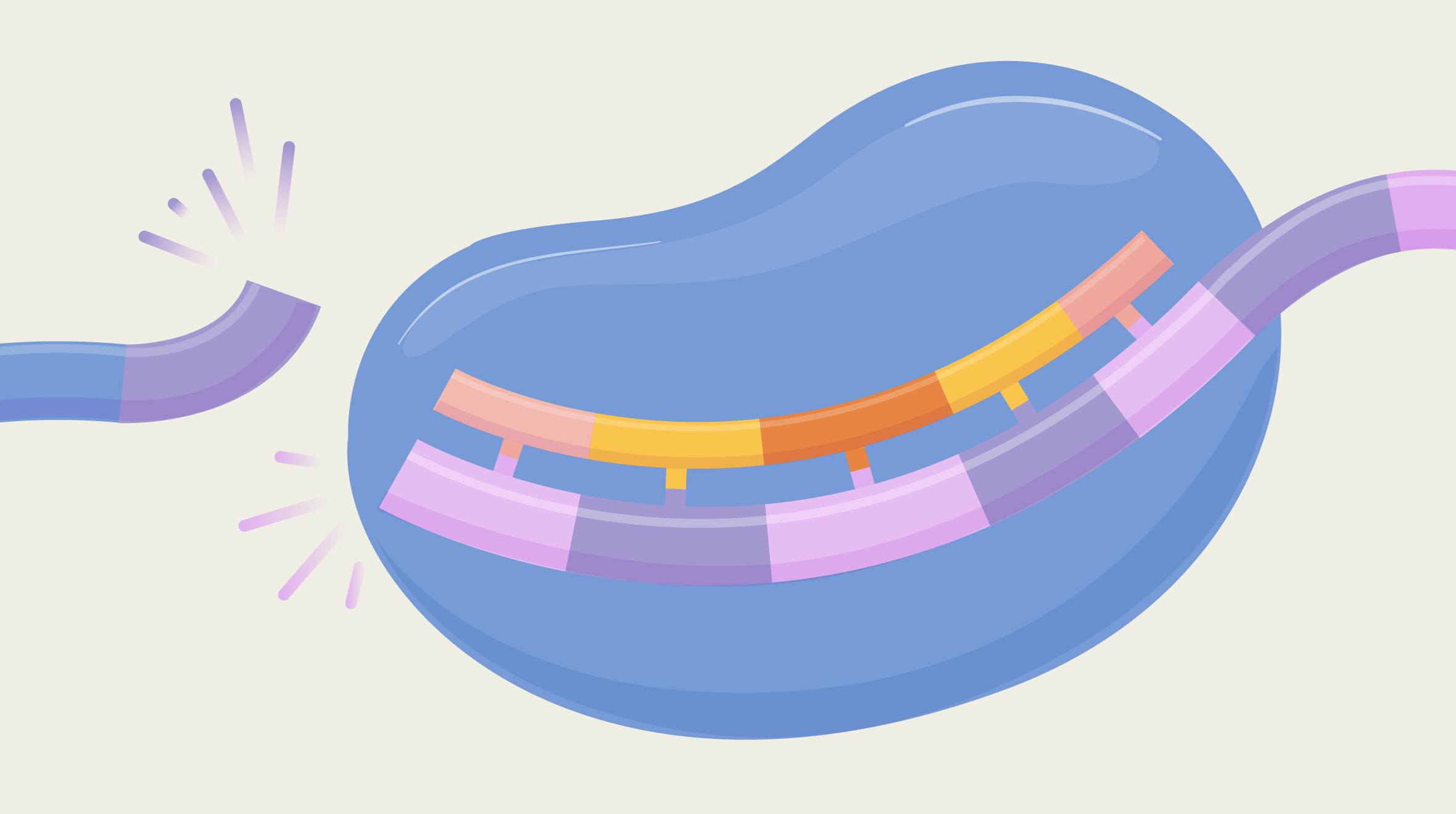 CRISPR promises to be a game changer in the development of treatments for genetic diseases, but sometimes the technology slices DNA where it’s not supposed to. A …
-
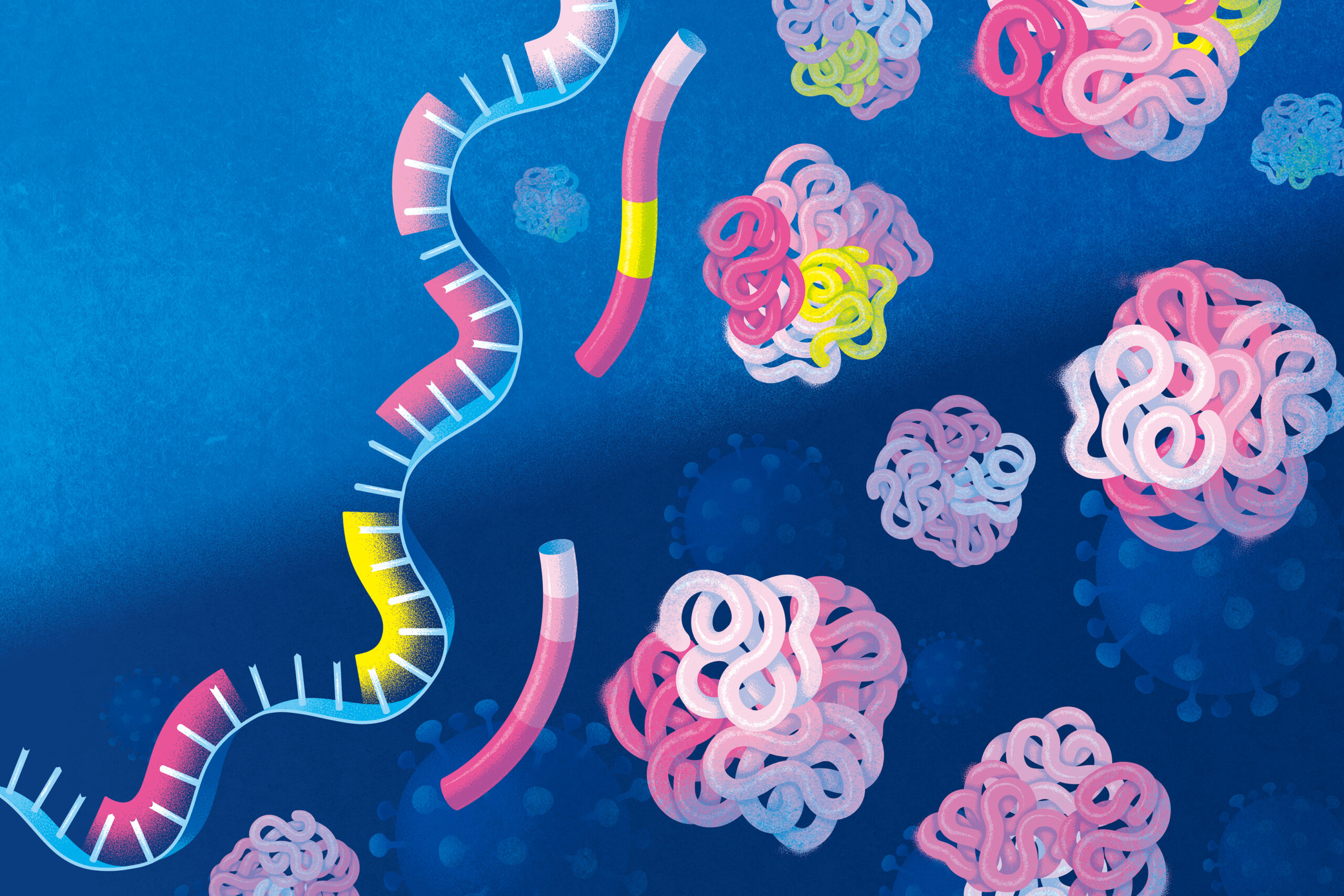 By monitoring the body’s molecular response to a viral attack, the new method developed by Flatiron Institute researchers and their colleagues can diagnose even asymptomatic patients with …
-
 … other members of the Simons Foundation staff. Ultimately, the Simons Foundation accepted every application it received and extended the application period as many scientists lost power and …
-
 Built from one of the world’s largest collections of epigenetic data, the newly developed model Sei predicts how DNA sequence variation alters gene expression, advancing our understanding …
-
 This powerful, dynamic software system is changing how scientists sift through the recent deluge of human genomic data — and deepening our knowledge of human biology, health and disease.
-
 Vulnerable kidney cells undergo similar cellular processes during diabetic kidney disease and COVID-19 infection, potentially explaining why the two illnesses together are so deadly.
-
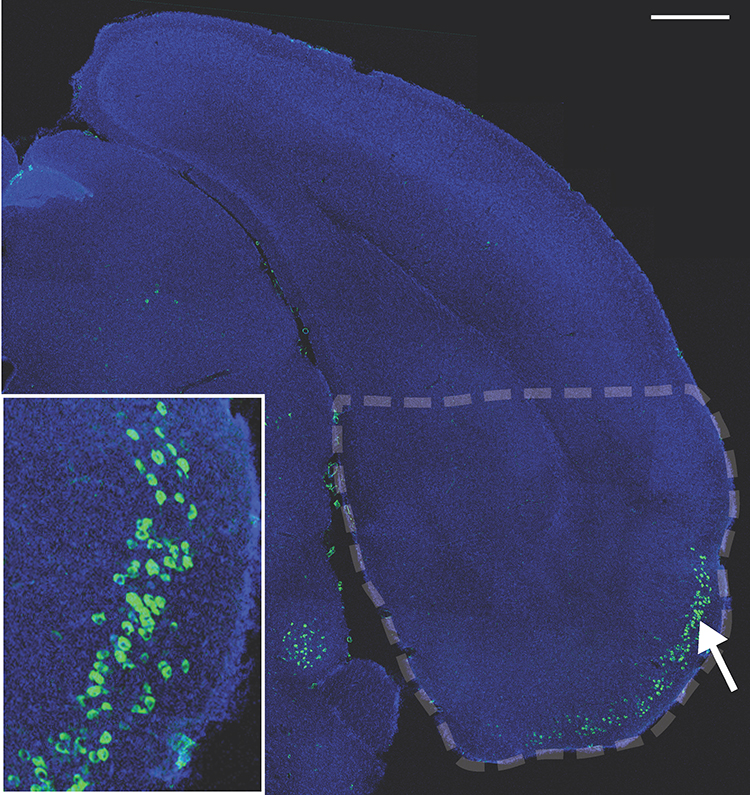 Neurons that regularly remodel are more prone to the dysfunctions linked to the disease’s onset, a new experimental and computational study finds.
-
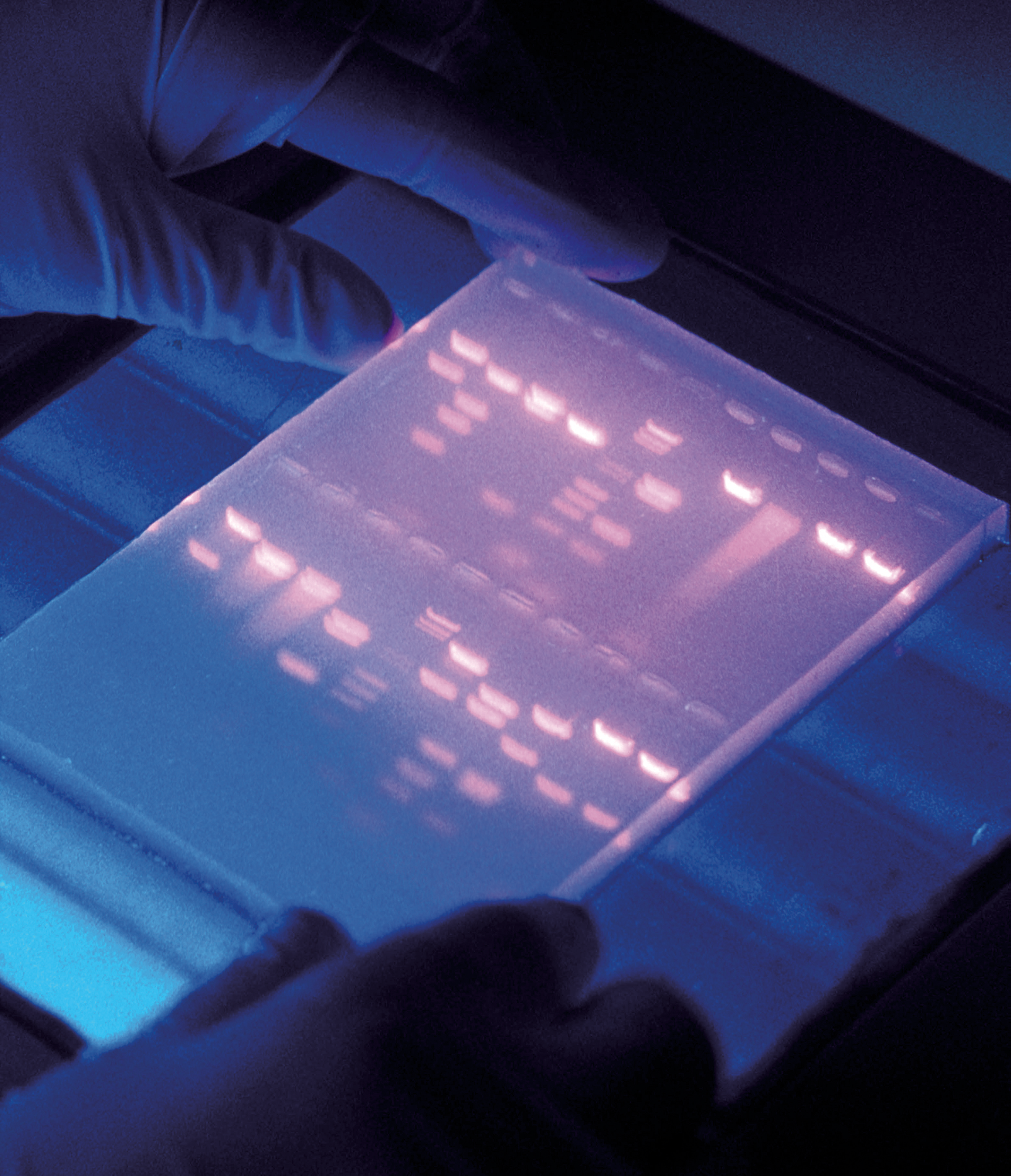 Genetic dark matter makes up 98 percent of our genomes, yet scientists are still figuring out how it works.
-
 The institute has grown from a beautiful proposal into a bustling hub for computational science in astrophysics, biology, mathematics and quantum physics.
-
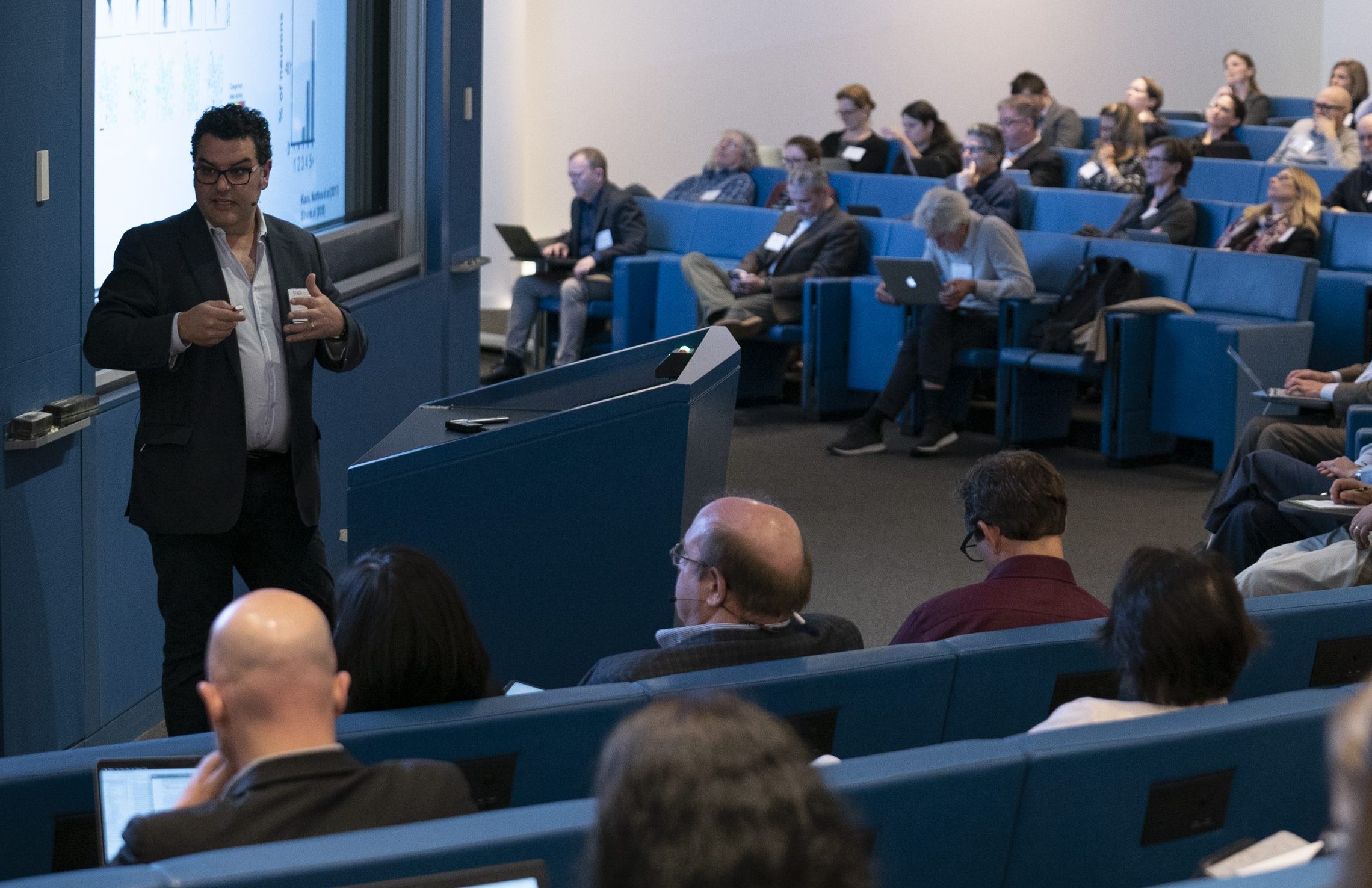 SFARI held its 15th science meeting April 7–9, 2019. Over 100 SFARI investigators, collaborators and foundation staff convened to discuss recent findings on the genetics, molecular- and …
-
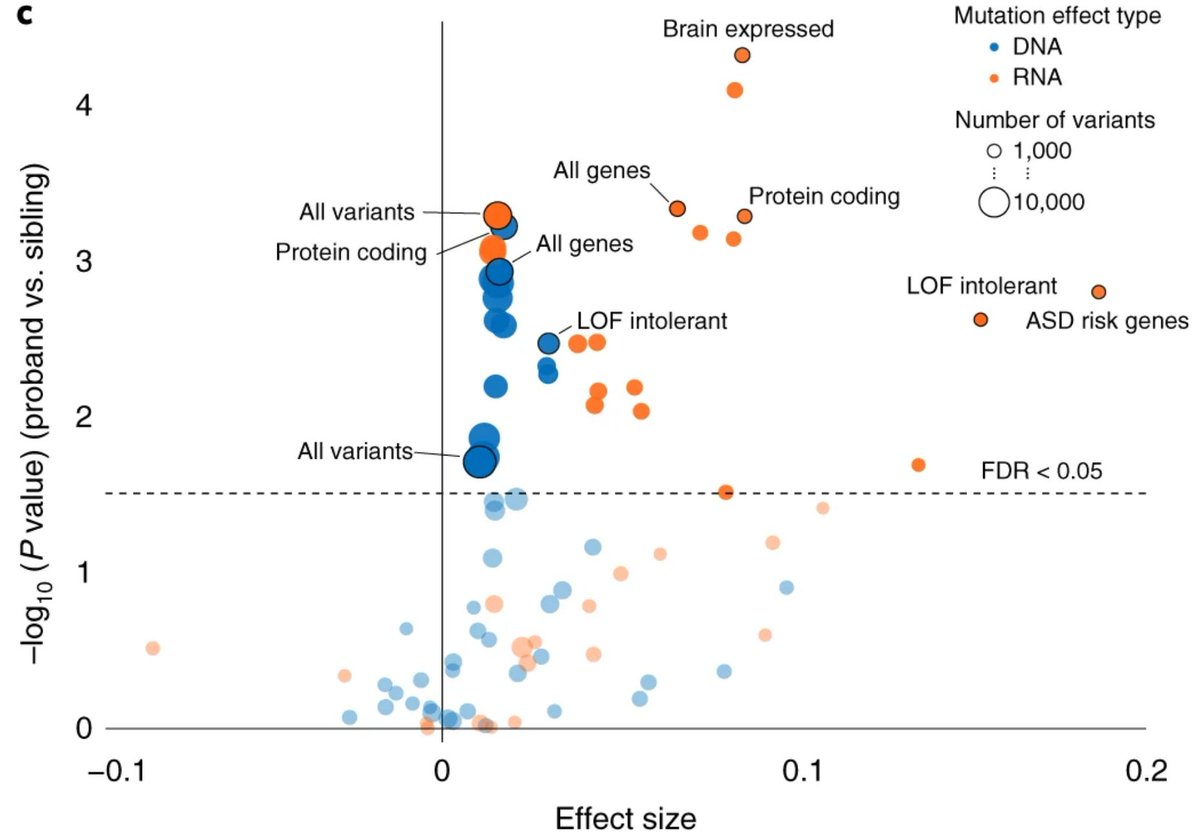 Olga Troyanskaya, Robert Darnell and colleagues applied deep-learning methods to whole-genome sequencing data from SSC families and identified a clear enrichment for de novo noncoding variation …
-
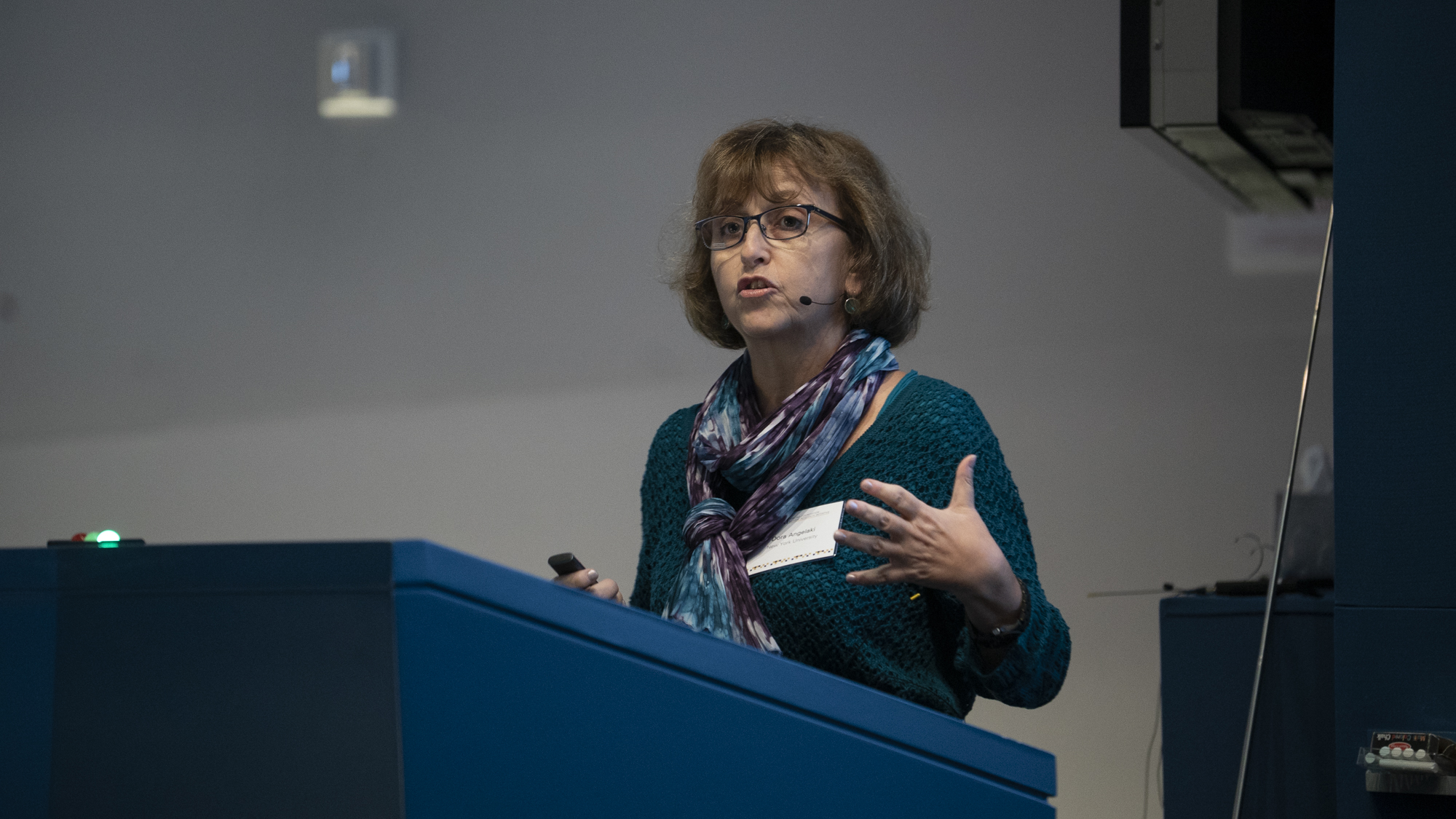 SFARI held its fourteenth science meeting September 30–October 2, 2018. SFARI investigators, collaborators and foundation staff came together to discuss recent findings in autism genetics, molecular and …
-
 The neurodevelopmental condition can result from mutations in the noncoding regions of the human genome, new research demonstrates for the first time.
-
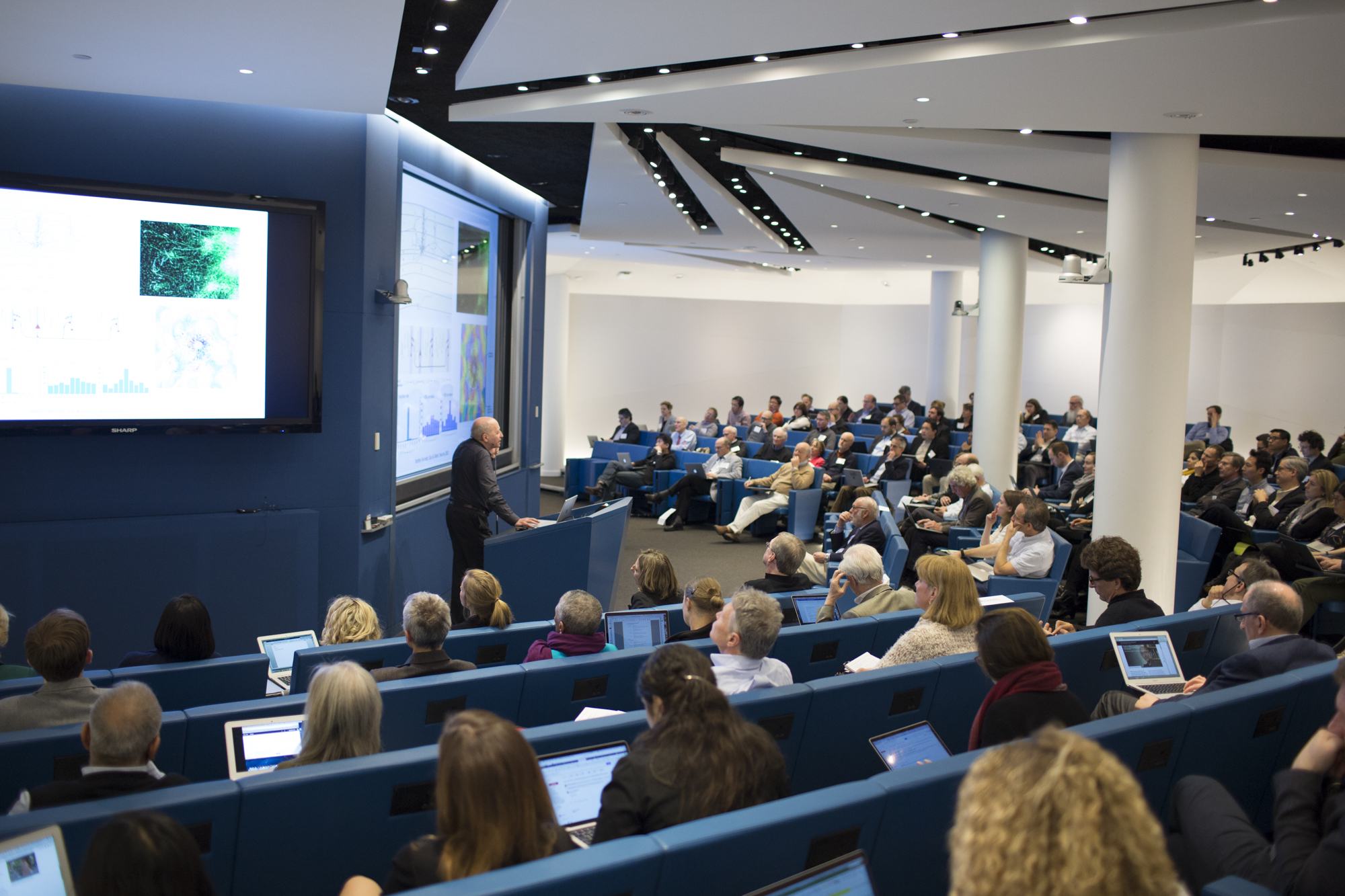 SFARI held its thirteenth science meeting April 8–12, 2018. SFARI investigators, collaborators and foundation staff came together to discuss recent findings in autism genetics, molecular and system …
-
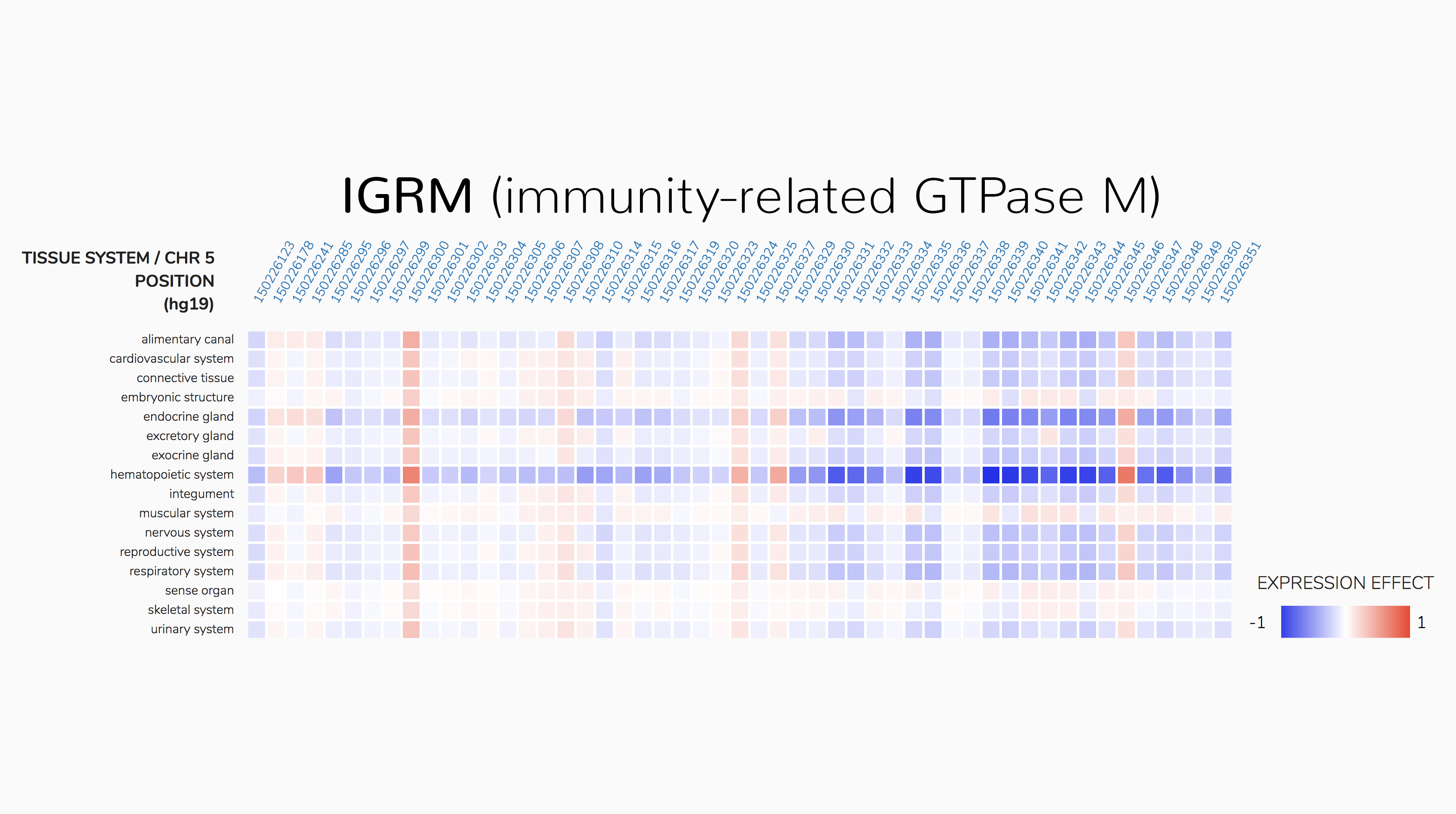 The new deep learning technique could help researchers identify the genetic origin of diseases and better understand how evolution shaped our genes
-
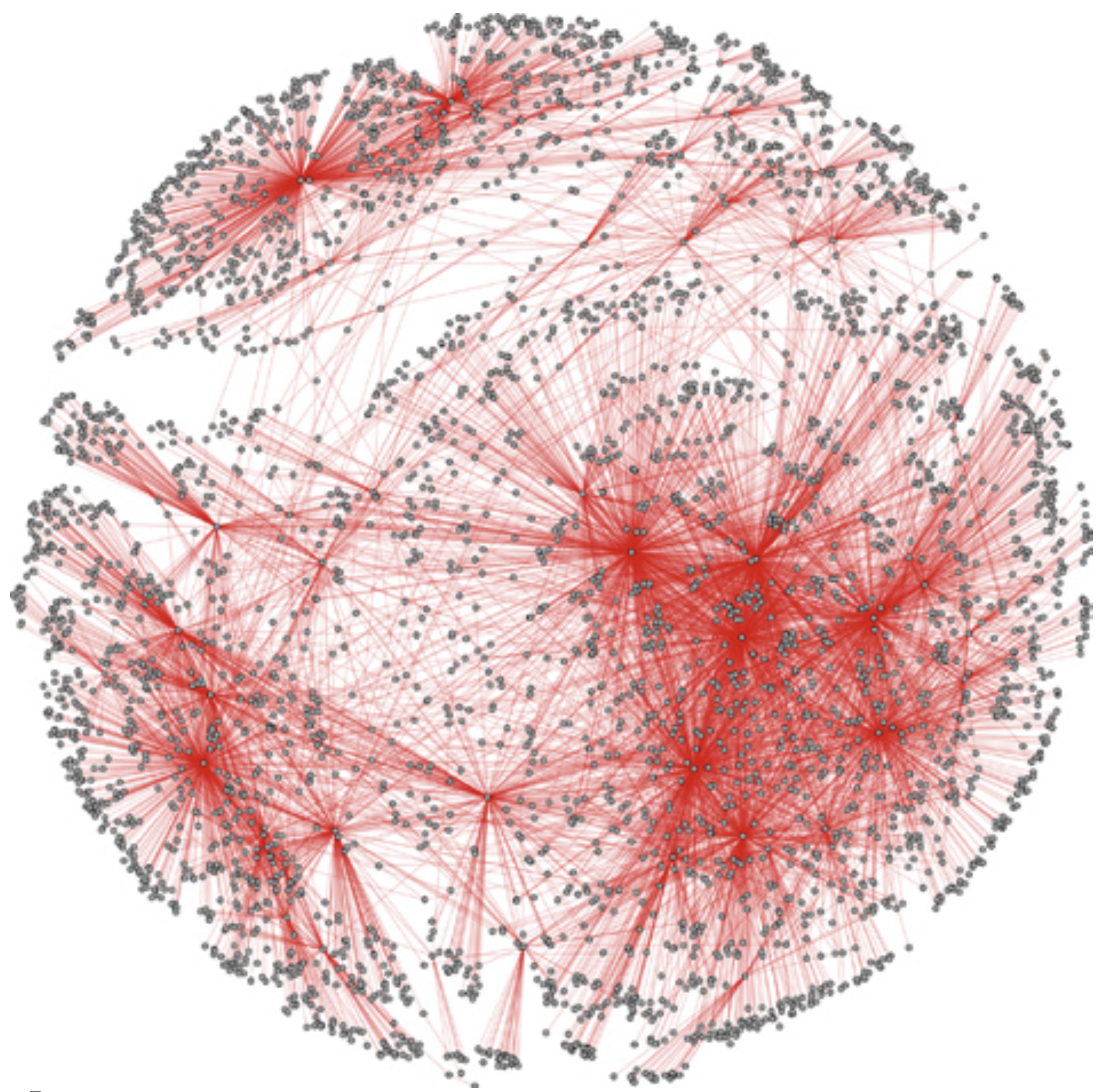 SFARI announces the launch of HumanBase, a Simons Foundation interactive web server for predictions and information about human genes, pathways and disorders.
-
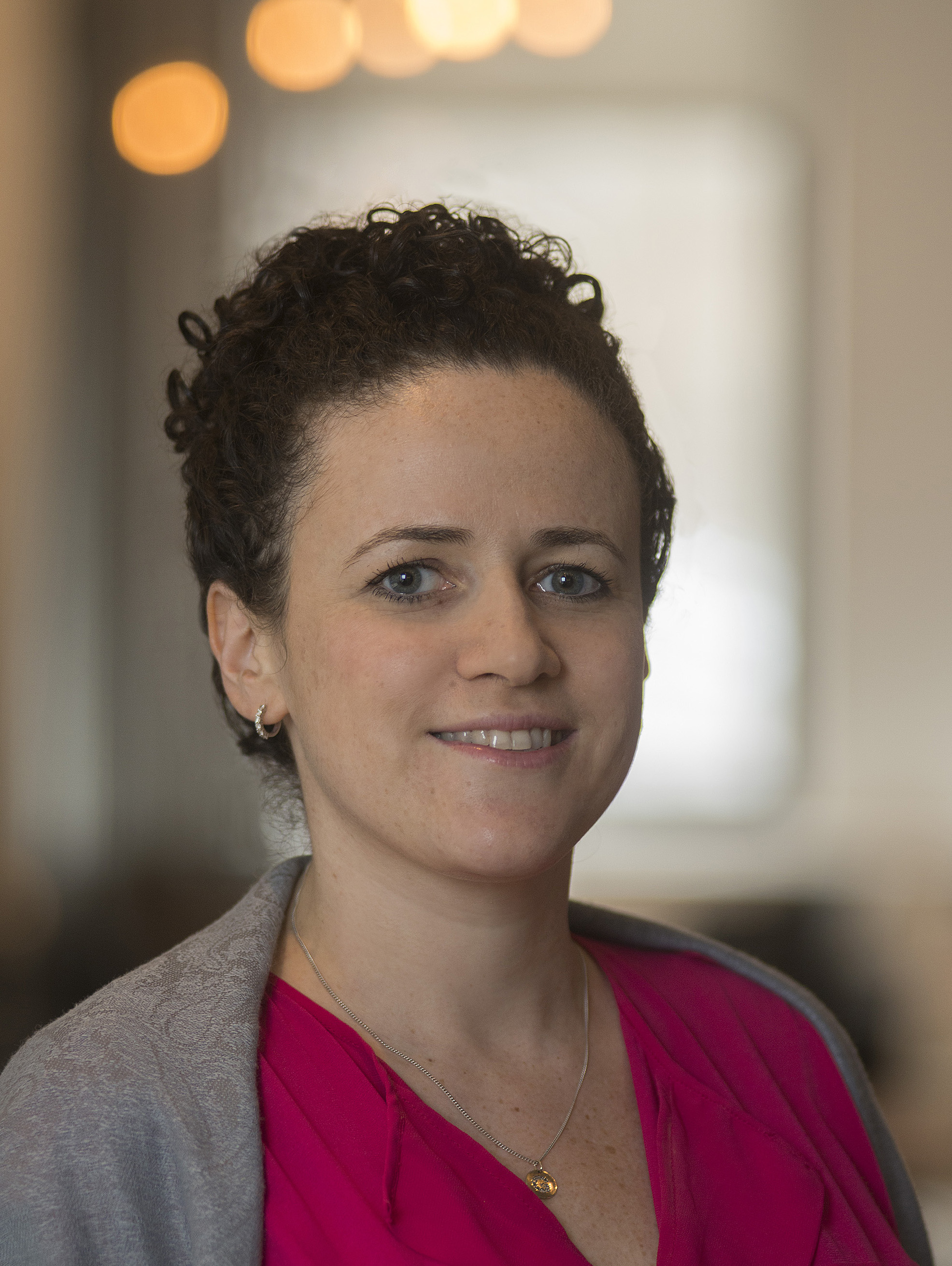 Olga Troyanskaya The Simons Foundation congratulates Olga Troyanskaya, who has been selected as an International Society for Computational Biology (ISCB) Fellow in the fellows’ class of 2017. The …
-
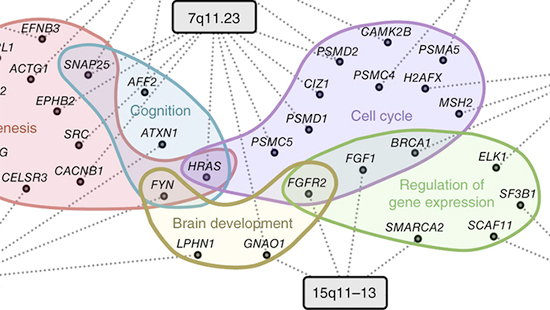 Simons Center for Data Analysis scientist Olga Troyanskaya has developed a machine-learning tool that uses neural interaction networks to predict autism risk genes.
-
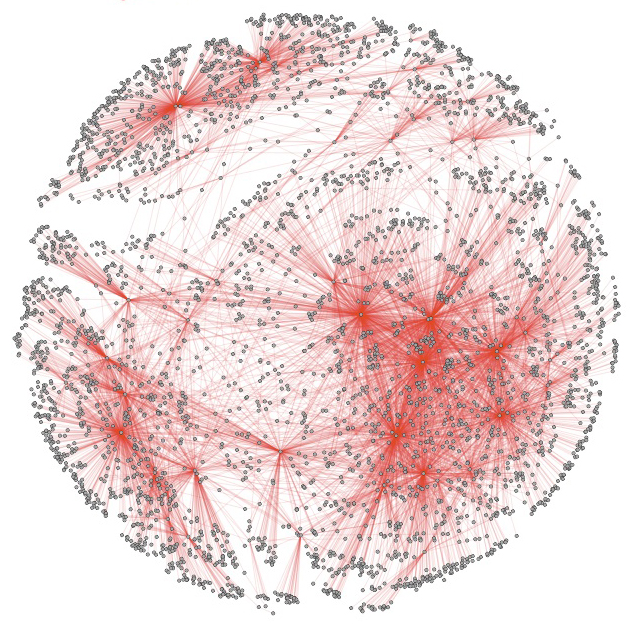 A computational technique will help scientists to better identify genes, developmental stages of the brain, and cellular functions implicated in the disorder
-
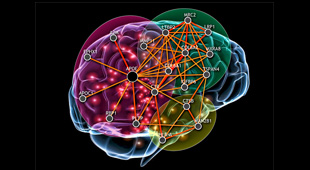 … examining large datasets. It aims to address the unsolved mathematical, statistical and computational questions whose resolution will illuminate the underlying science. The center is particularly interested in …
-
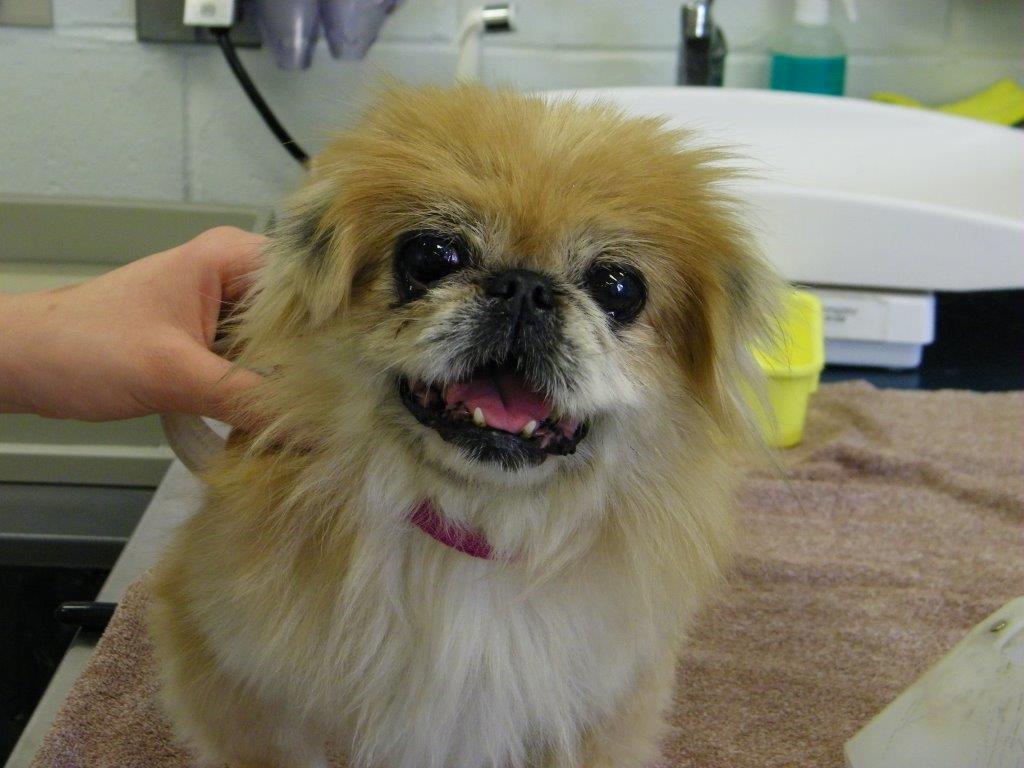 … understanding of what makes tumors become malignant in humans. When a dog, usually from a nearby shelter, is brought to Sorenmo for treatment, two parallel tumor samples …