How does sleep sustain synaptic lipid function across life? The brain maintains broadly stable circuit function, reflected in precise tuning of synaptic connections and neuronal morphology, over days, months and years. As most neurons in the central nervous system survive throughout adult life, the homeostatic processes that maintain brain function must be near-perfect over long timescales. At the same time, aging almost inevitably diminishes cognitive function, likely reflecting how small imbalances in these homeostatic processes gradually accumulate to diminish the function of individual cells and specific circuits. We hypothesize that sleep is a recurring state with a fundamental homeostatic function for neuronal integrity, and thus a key regulator of the effects of aging. Sleep integrity is paramount for memory and cognition, and sleep fragmentation in normal aging is thought to be responsible for decreased cognitive and memory performance. Further, the functions of sleep in regulating cytoplasmic membrane composition, synaptic strengthening and neurite pruning are highly conserved across species and have been demonstrated in fly, zebrafish, mouse and humans. Moreover, while the proteins involved in synaptic plasticity and neuronal biology has been extensively studied, homeostatic processes that shape the specialized lipid membranes of neurons are largely unknown. The goal of this proposal is to understand the sleep-dependent molecular mechanisms that underpin how neuronal membrane function is maintained over long timescales.
Awardees
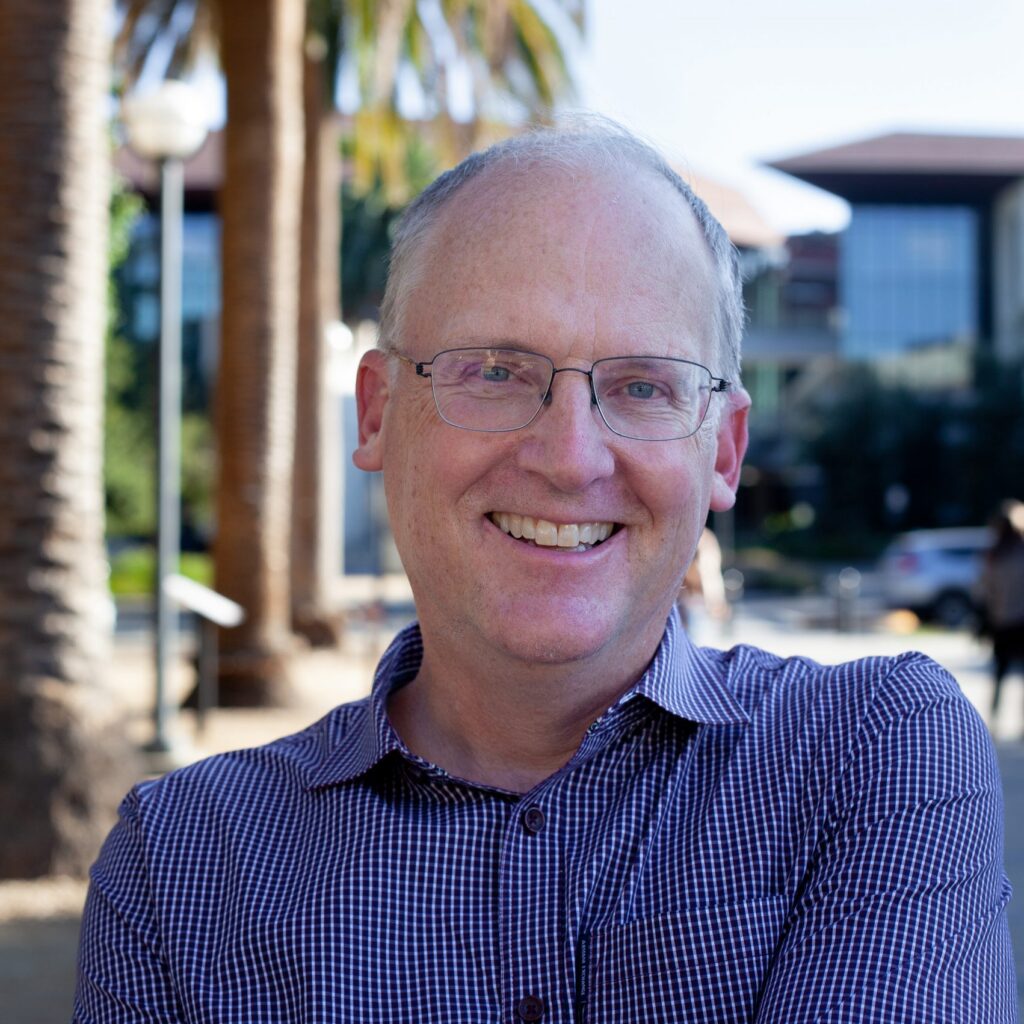
Thomas R. Clandinin
Investigator, Simons Collaboration on Plasticity and the Aging Brain
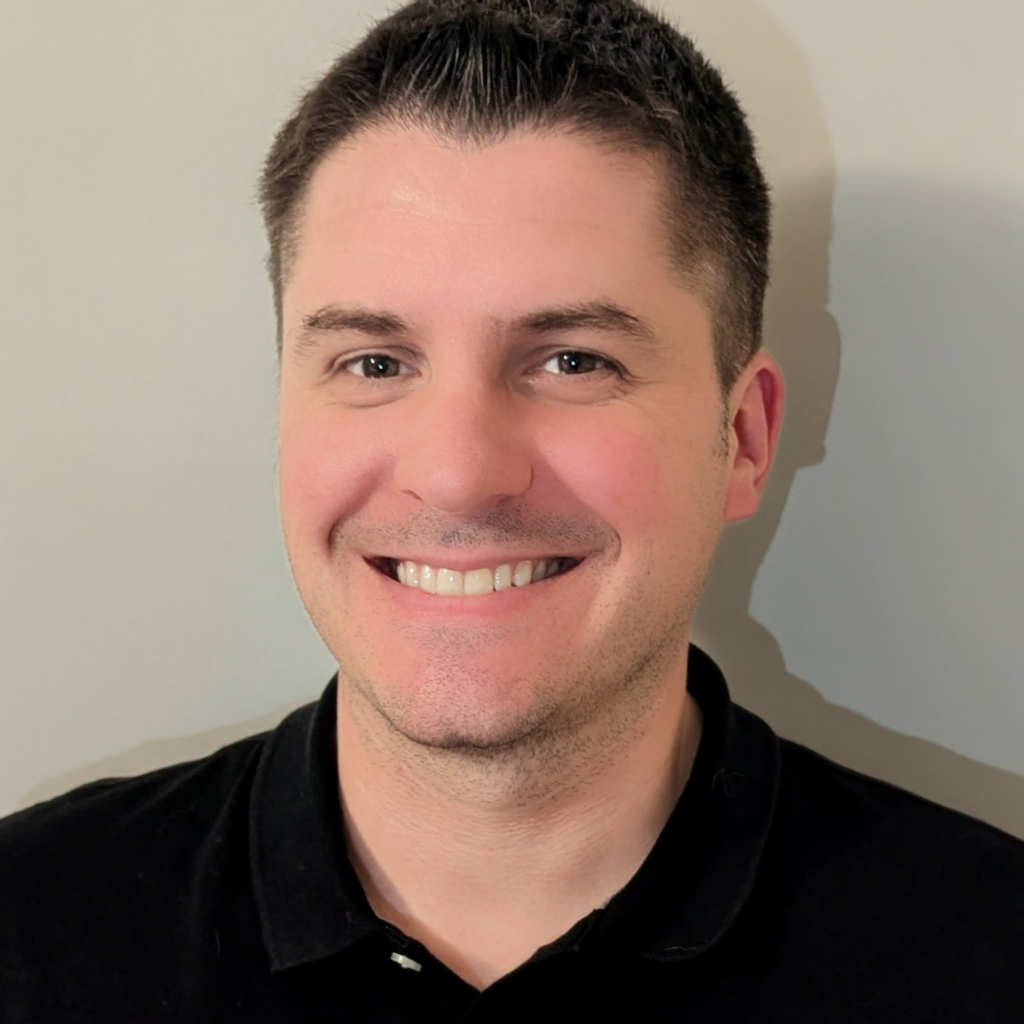
Brian Hoffmann
Investigator, Simons Collaboration on Plasticity and the Aging Brain
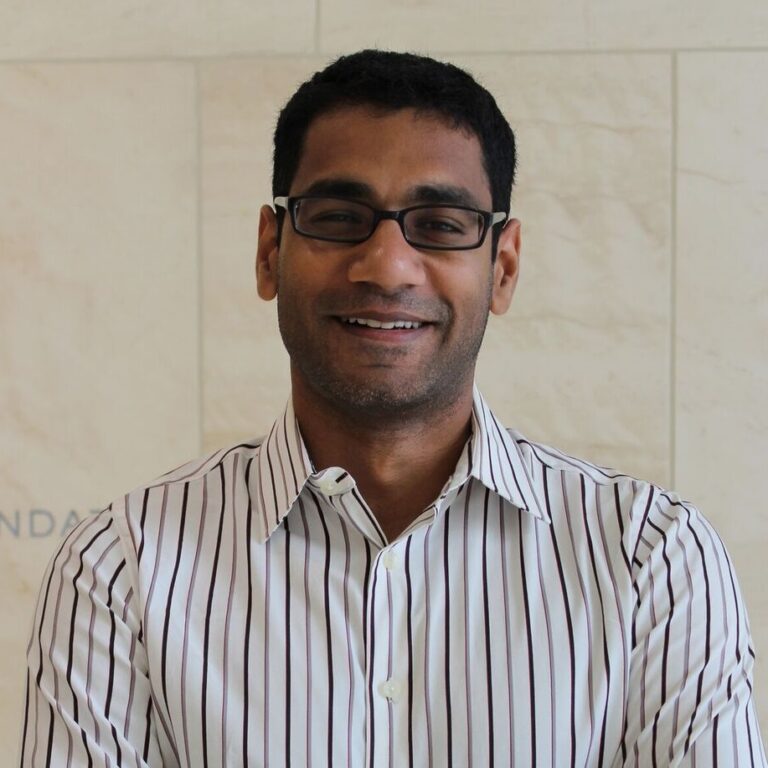
Vilas Menon
Investigator, Simons Collaboration on Plasticity and the Aging Brain
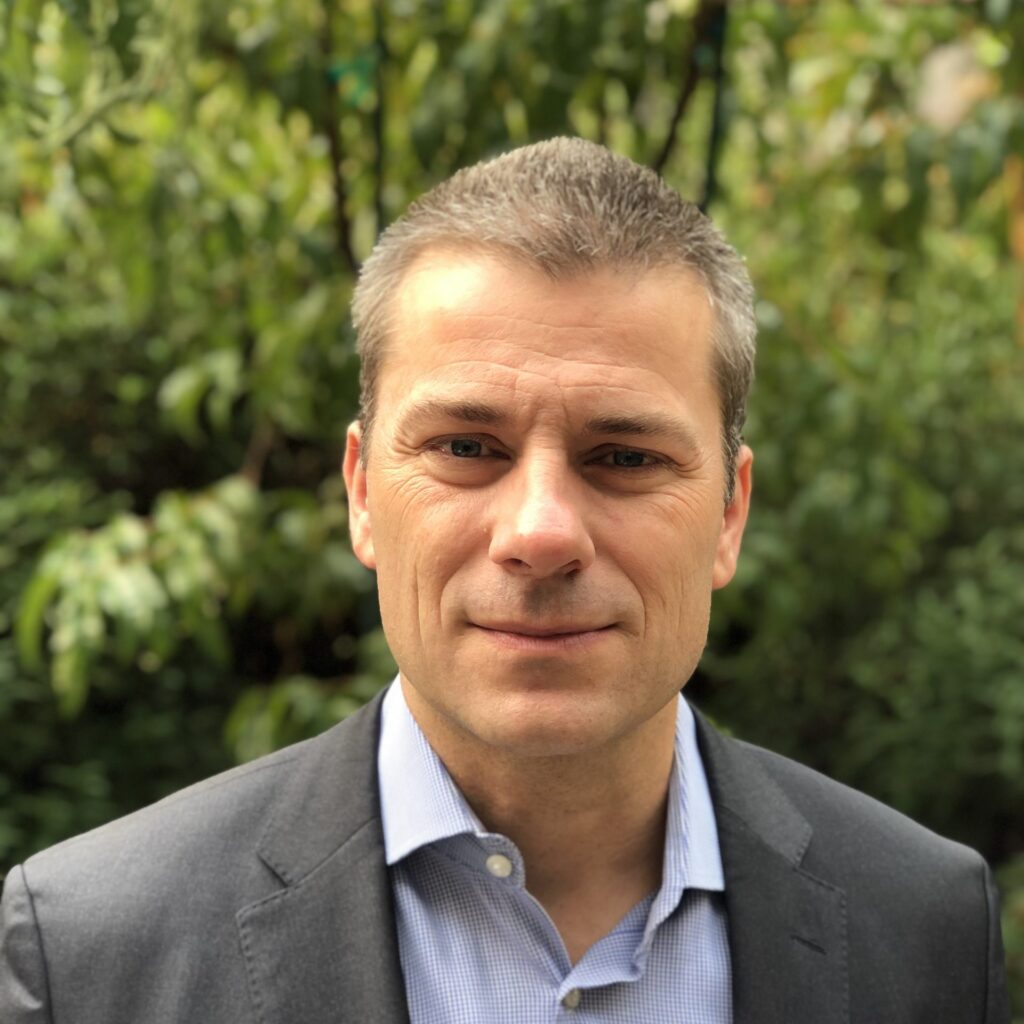
Philippe Mourrain
SFARI Investigator
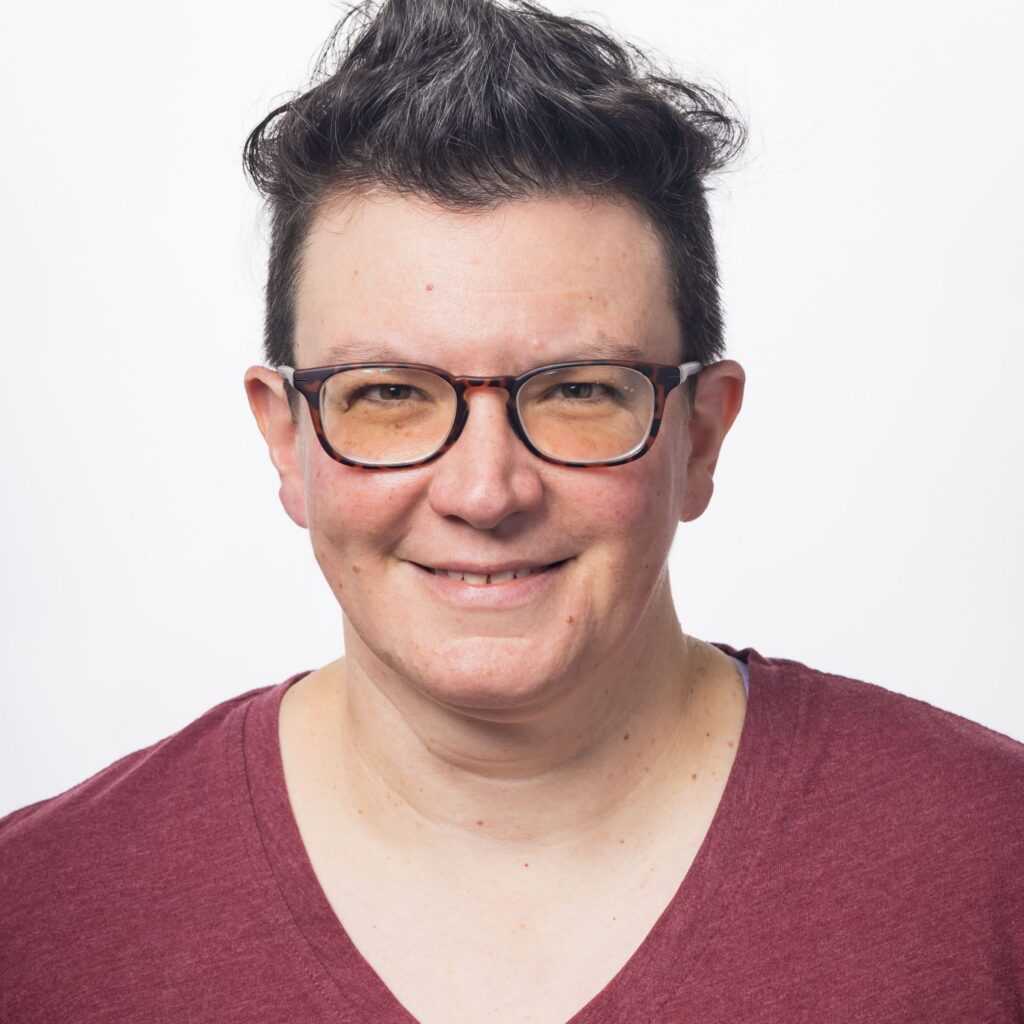
Kristen O'Connell
Investigator, Simons Collaboration on Plasticity and the Aging Brain
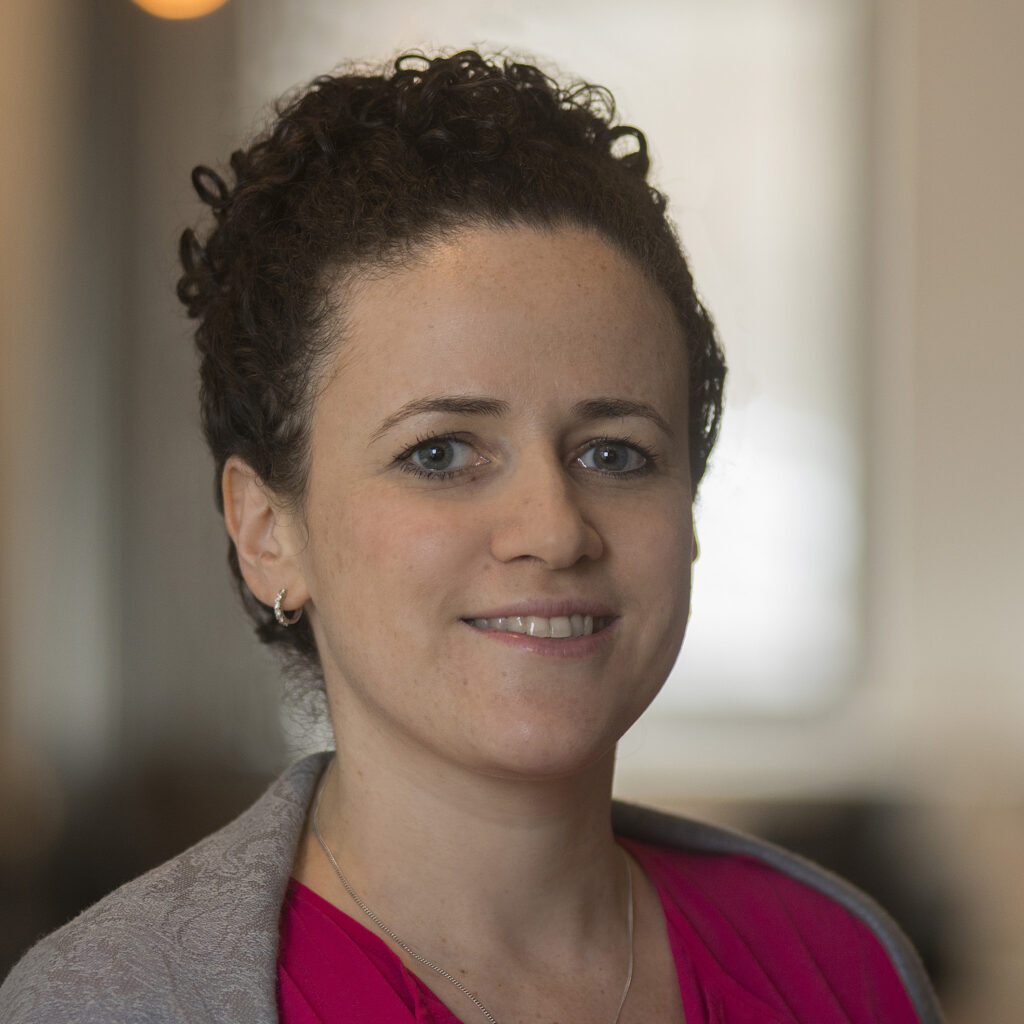
Olga Troyanskaya
Senior Research Scientist, Center for Computational Biology
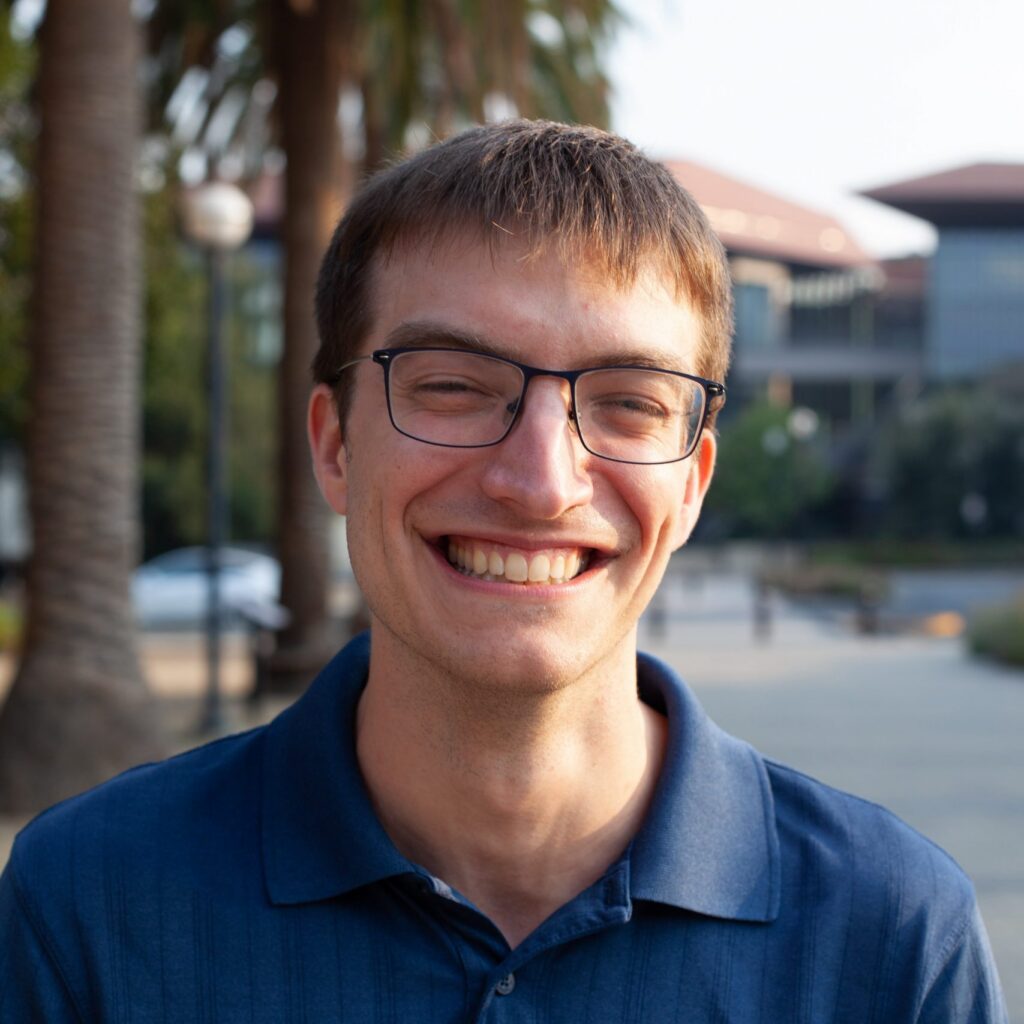
John Vaughen
Investigator, Simons Collaboration on Plasticity and the Aging Brain