
Computational Astrophysics: Exoplanets
We study the origins and evolution of planetary systems around other stars.
About
Focus Areas
Detection and Characterization
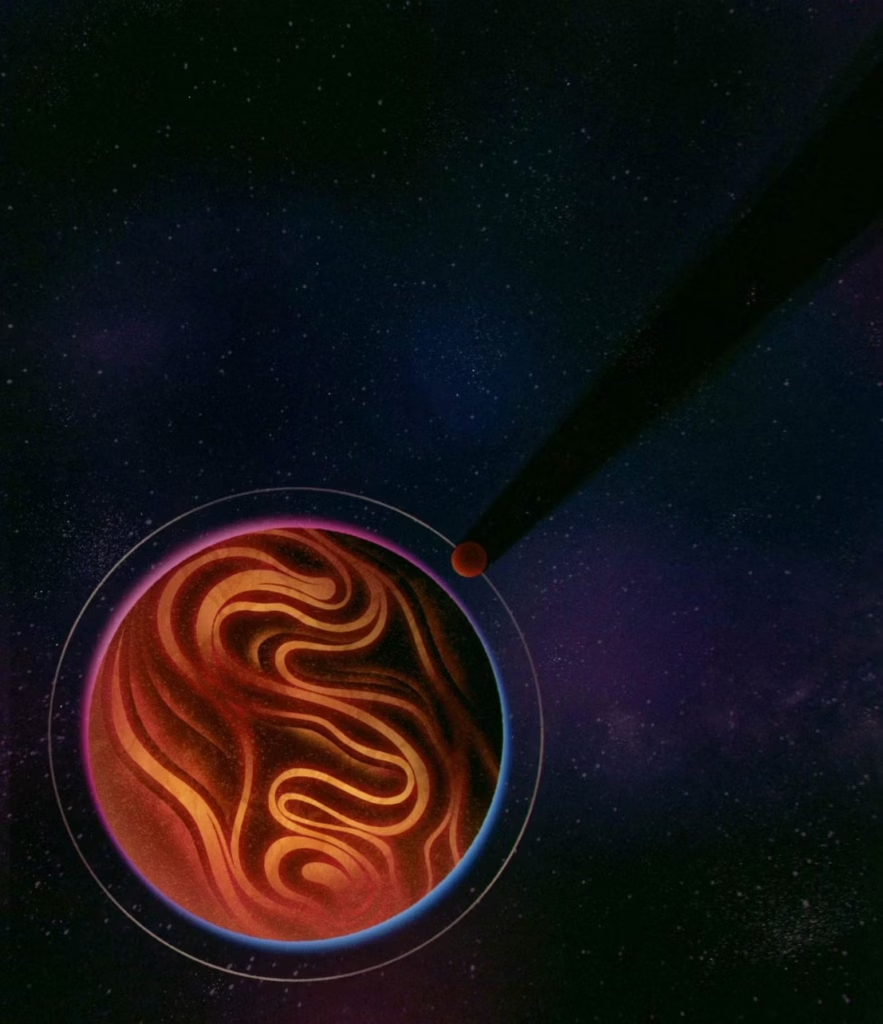
Discovering and characterizing planets around distant stars is an exciting observational challenge with big implications for how we understand our place in the universe. To achieve the detection of exoplanets as small as the Earth, astronomers must employ statistically robust methods for fitting low-amplitude signals in data with complex noise properties. CCA members work to develop and deploy these methods on data including NASA’s TESS mission and Extreme Precision Radial Velocity (EPRV) spectroscopic surveys like the Terra Hunting Experiment. Our work in this area has strong connections to stellar astrophysics and open-source software development. This research theme has heavy overlap with Astrophysical Data and Surveys, and weekly internal group meetings are held jointly between the two.
For more information, please contact Megan Bedell.
Planet Formation
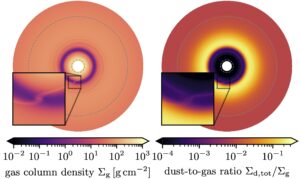 Planetary systems form from dust and gas in the protoplanetary disks that orbit young stars for the first few million years of their lives. Key steps along the way, including the growth of dust to pebbles and planetesimals, the accretion of rocky and giant planets, and the interaction of protoplanets with the protoplanetary disk and among themselves, present novel problems in hydrodynamics and gravitational dynamics. CCA members work to understand planet formation physics, its relation to the earlier phase of star formation, and how it can be tested with protoplanetary disk and exoplanet observations. We work to develop and apply multi-fluid simulations, radiation hydrodynamics and Machine Learning techniques to open problems in planet formation.
For more information, please contact Phil Armitage.
Organizational Leadership

Phil Armitage
Senior Research Scientist, Center for Computational Astrophysics
Megan Bedell
Research Scientist, Center for Computational Astrophysics
Yan-Fei Jiang
Research Scientist, Center for Computational Astrophysics
Full Team

Phil Armitage
Senior Research Scientist, Center for Computational Astrophysics
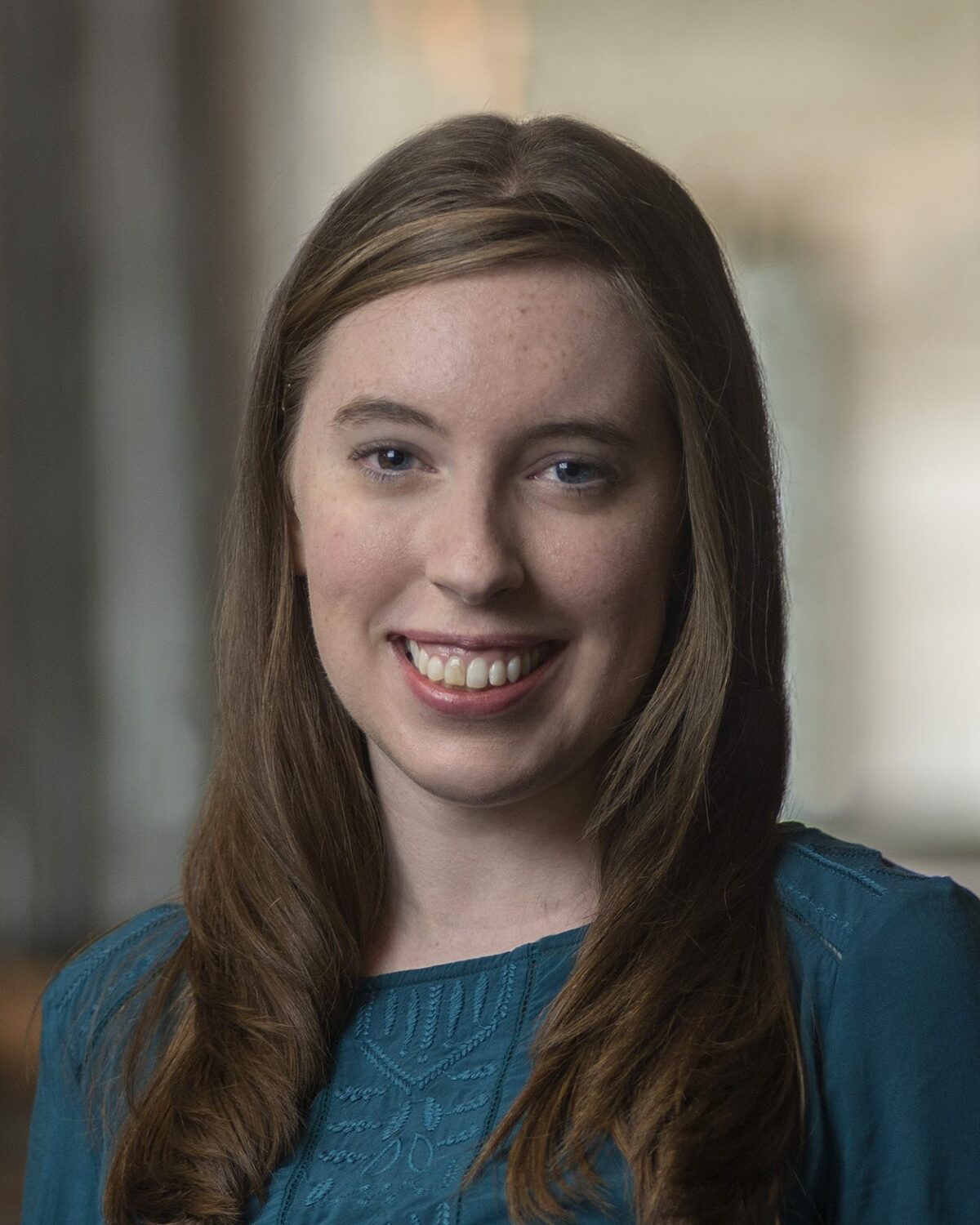
Megan Bedell
Research Scientist, Center for Computational Astrophysics
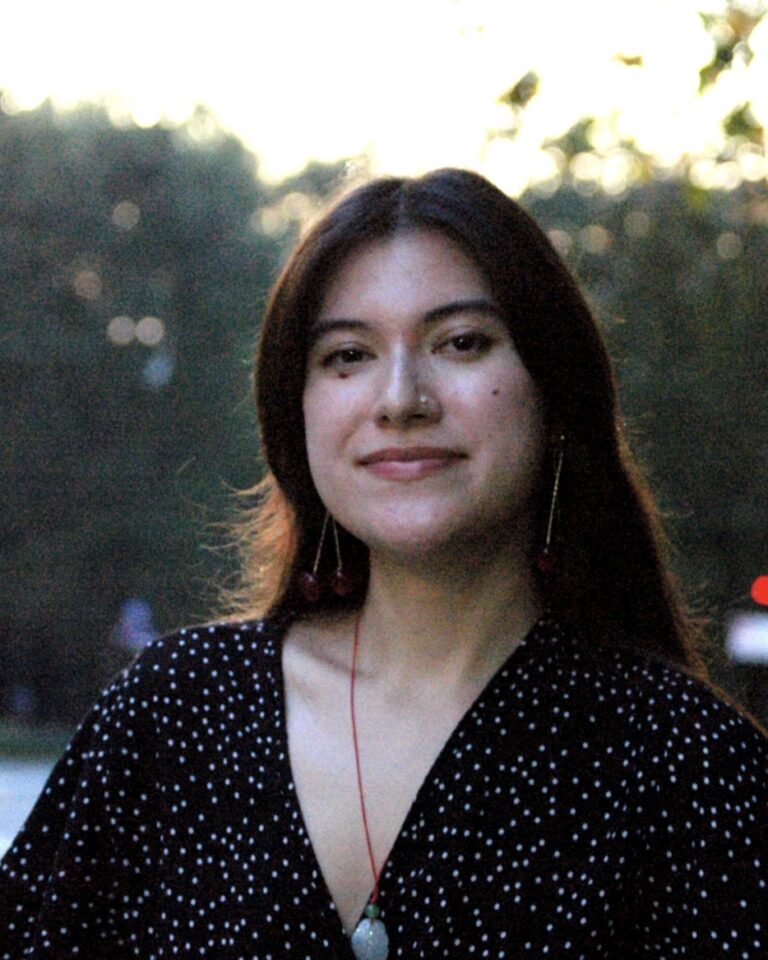
Aida Behmard
Flatiron Research Fellow, Center for Computational Astrophysics
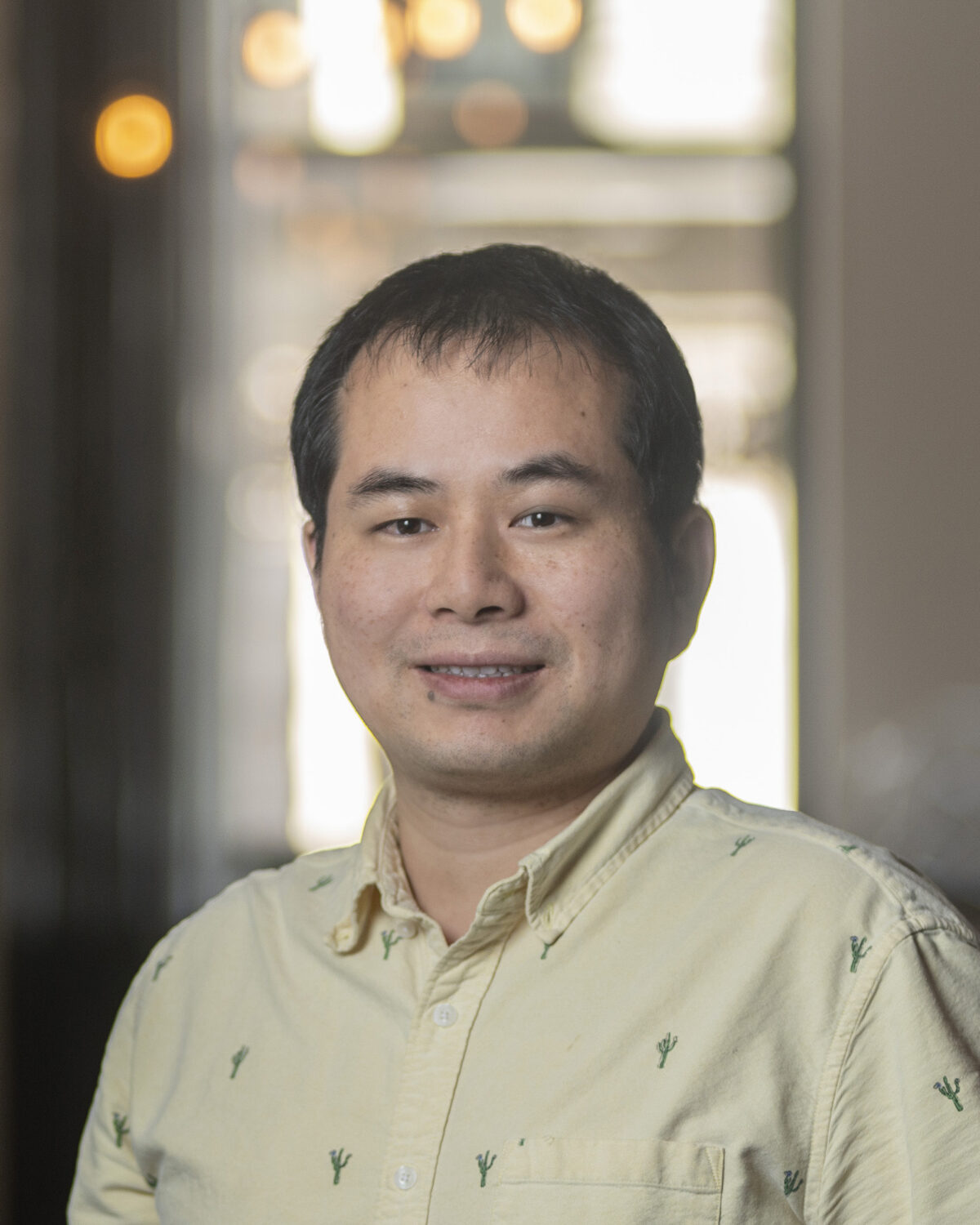
Yan-Fei Jiang
Research Scientist, Center for Computational Astrophysics
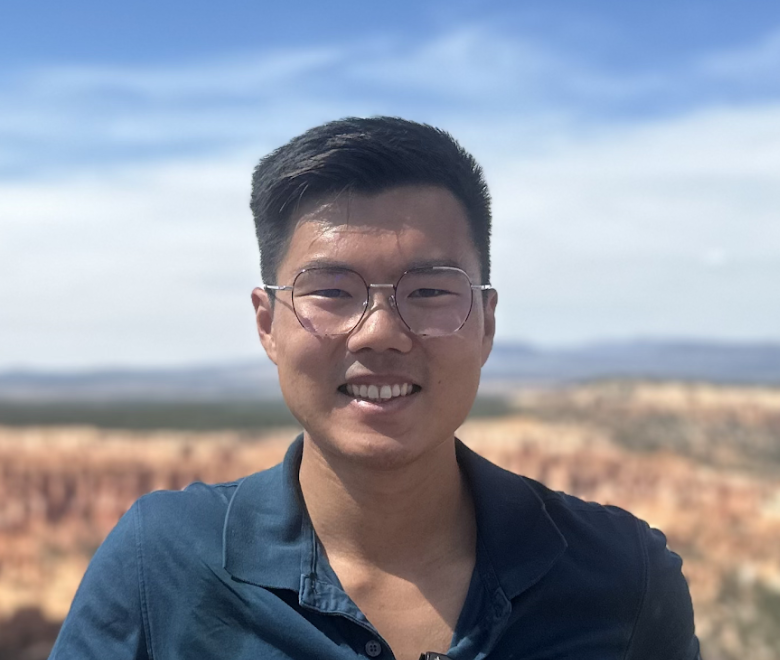
Tiger Lu
Flatiron Research Fellow, Center for Computational Astrophysics
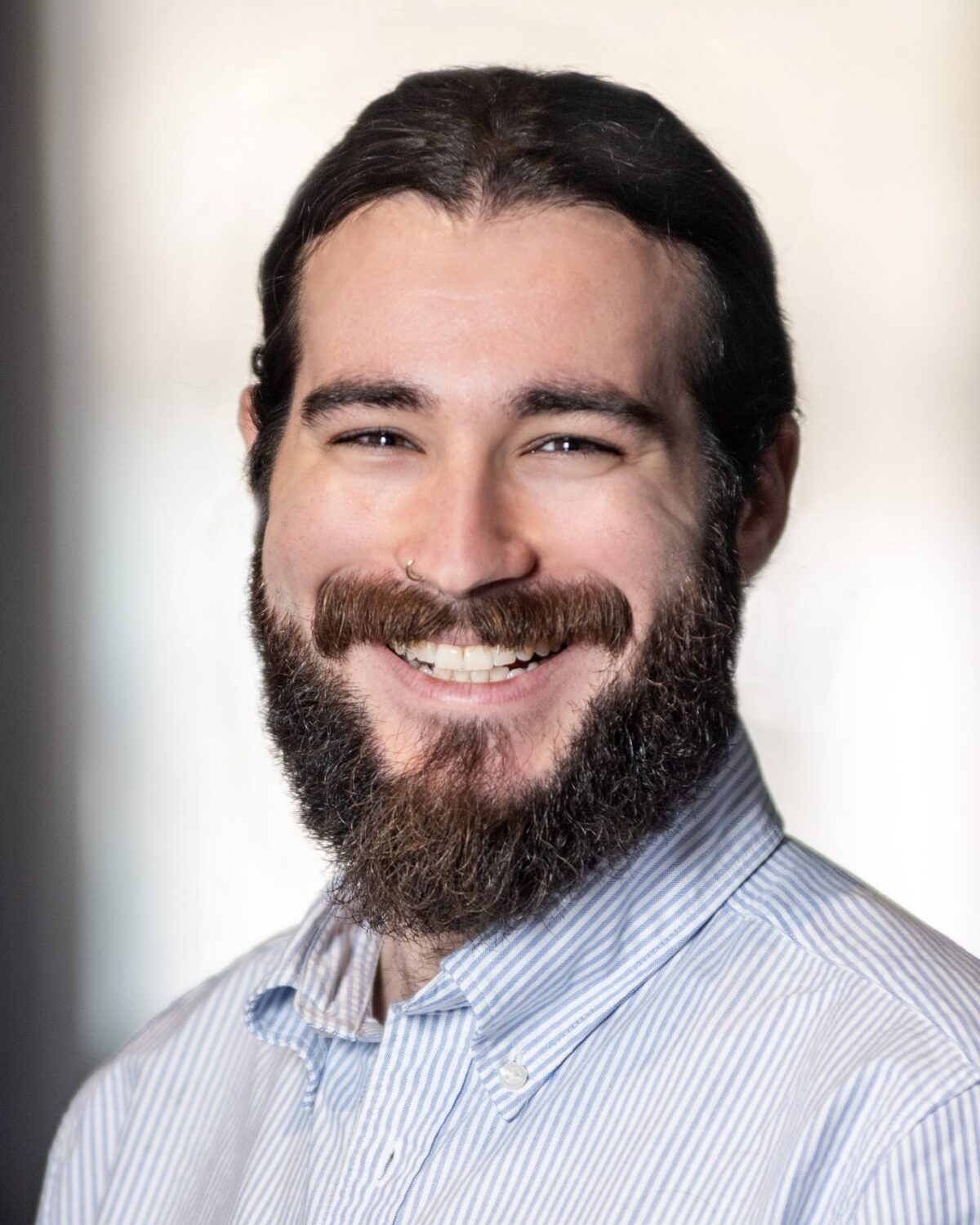
Michael Palumbo
Flatiron Research Fellow, Center for Computational Astrophysics

Thomas Pfeil
Flatiron Research Fellow, Center for Computational Astrophysics
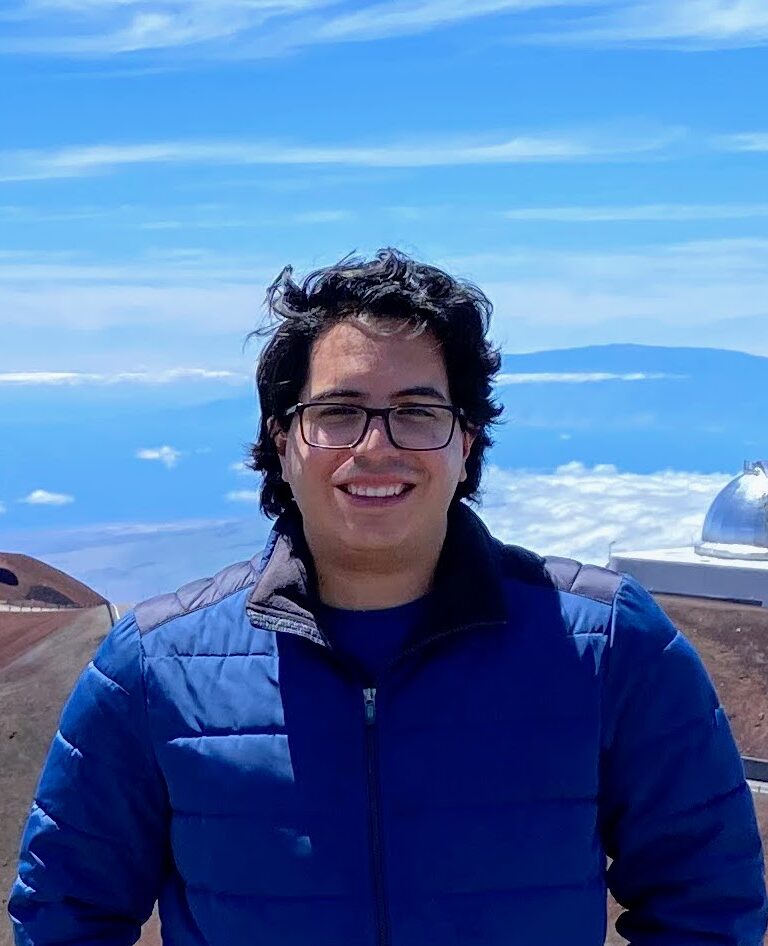
Victor Ramirez Delgado
Flatiron Research Fellow, Center for Computational Astrophysics
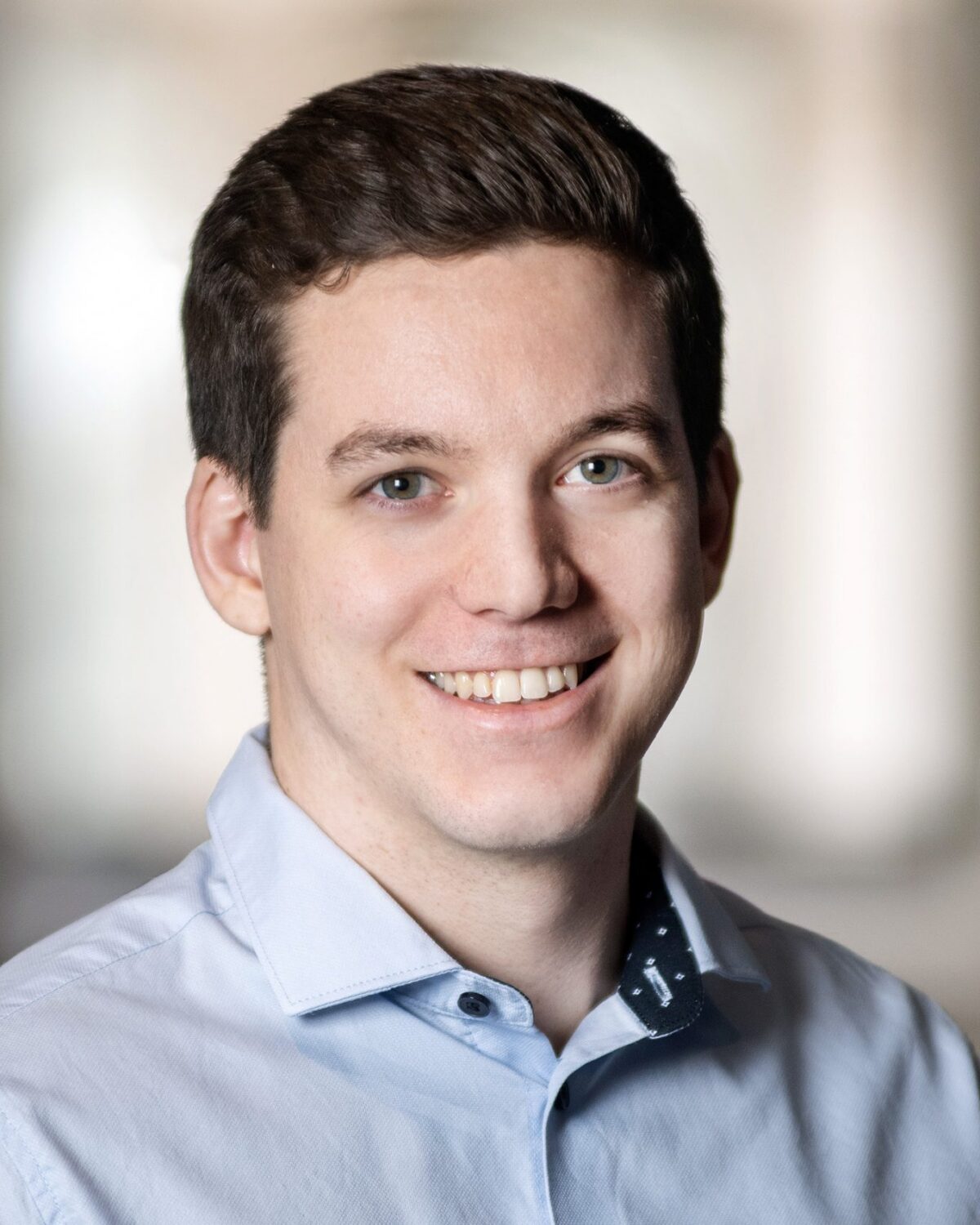
Ryan Rubenzahl
Flatiron Research Fellow, Center for Computational Astrophysics
Software & Datasets
Video Archive
October 16, 2024
6–7 p.m. ET
Speaker
Laura Kreidberg
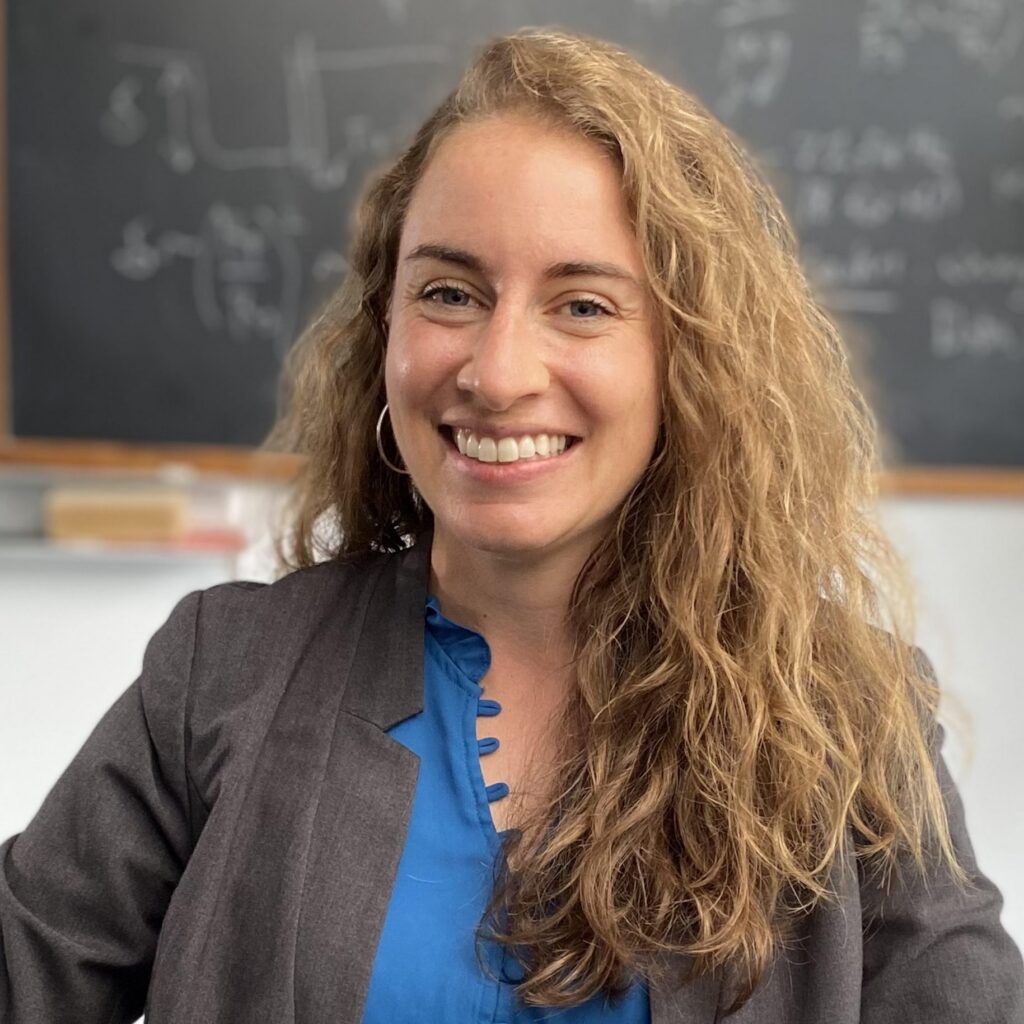
October 16–17, 2019