Computational Astrophysics: Galaxy Formation
We develop innovative numerical tools and physical insights to learn how galaxies form and evolve within a cosmological context.
About
Strategic Project Areas
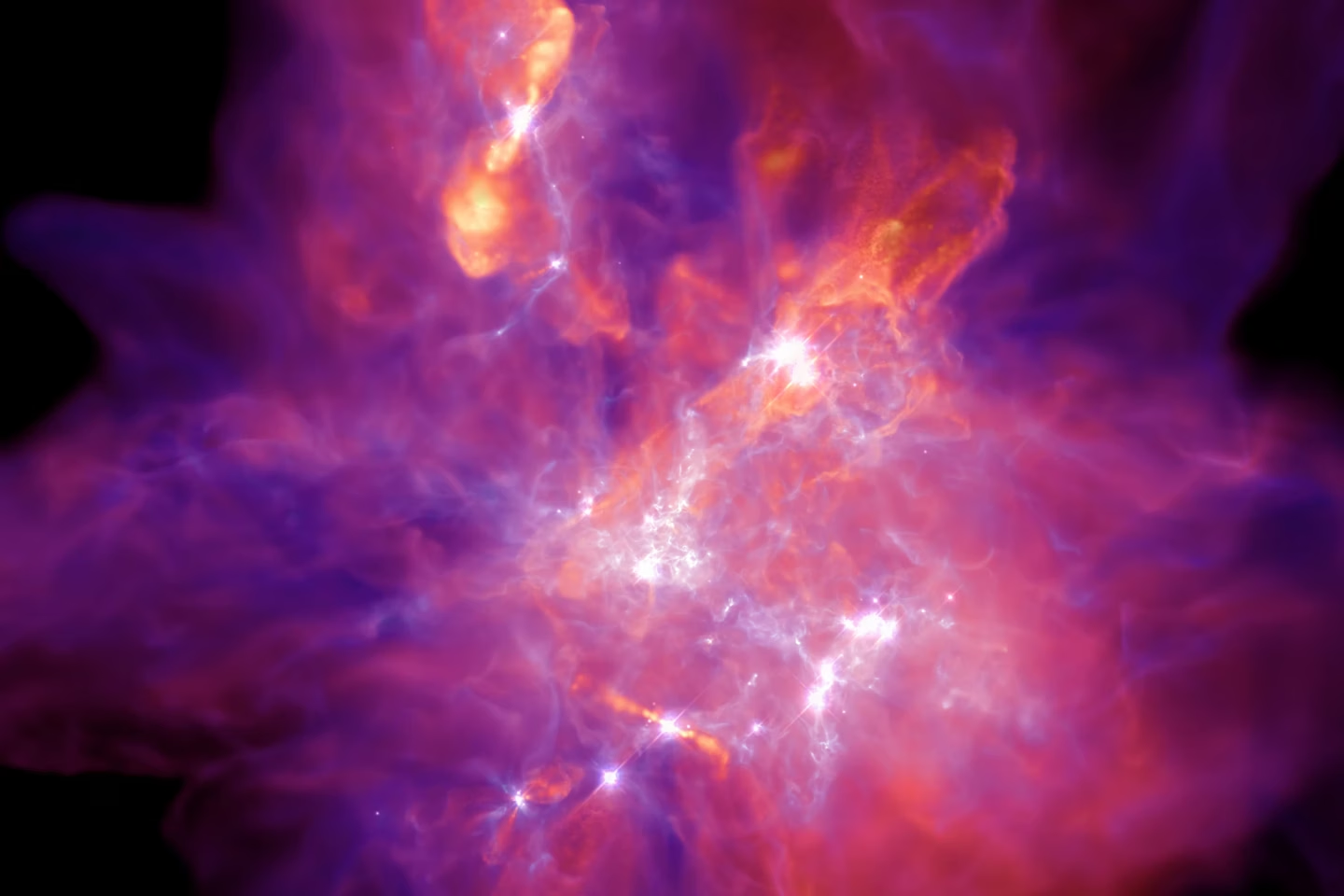
Star Formation in Extreme Environments
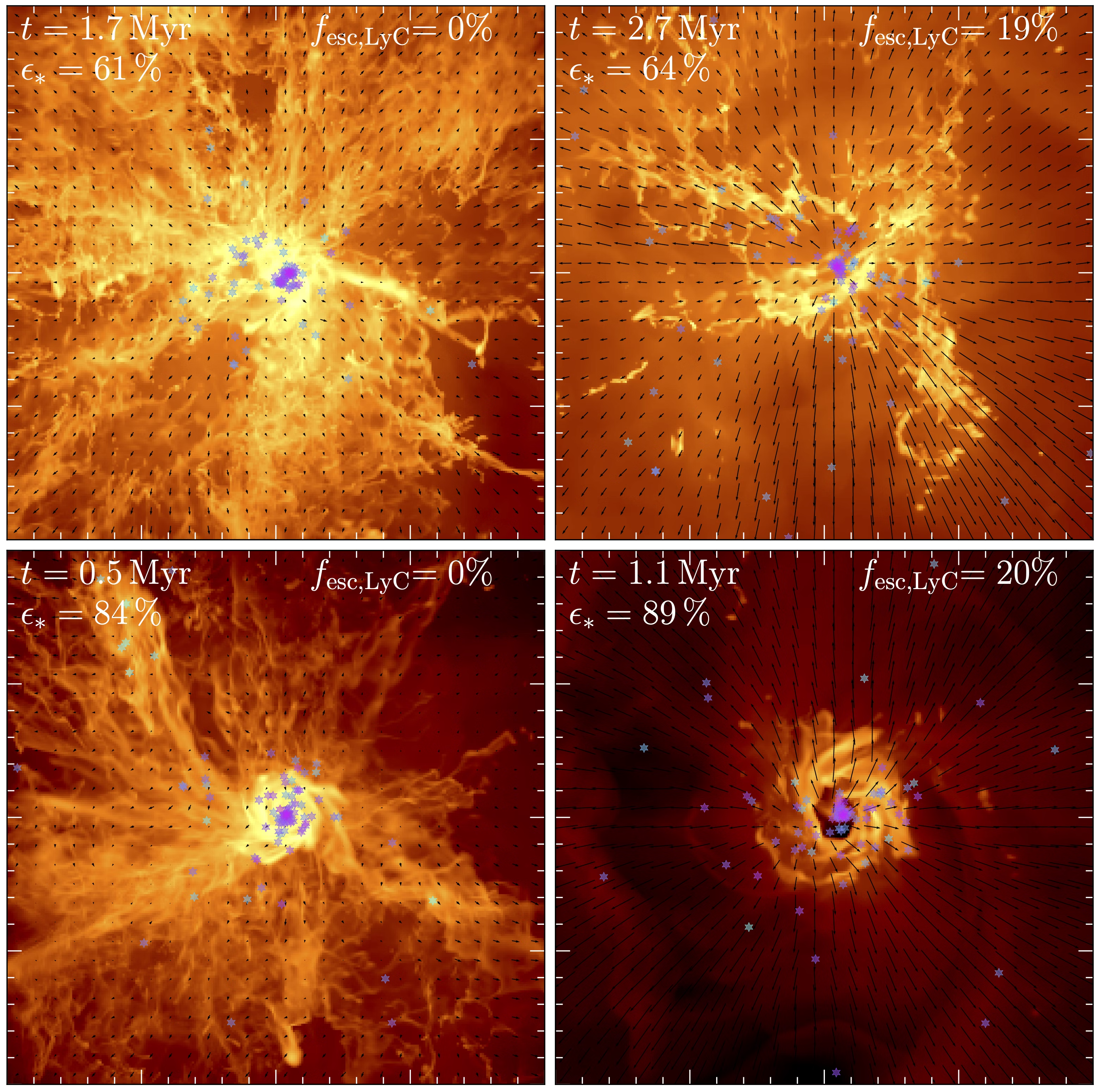 Current simulations that attempt to explicitly resolve the multi-phase interstellar medium (ISM) and stellar feedback are typically set up with conditions that are representative of local disk galaxies like our Milky Way and do not incorporate a cosmological context of inflowing and outflowing material. This project seeks to develop new techniques to simulate star formation and understand how it works in environments very different from our local solar neighborhood, exploiting the common physics operating in all of these systems. These environments span the galactic center to the outskirts of low surface brightness galaxies, superstar clusters to globular clusters, massive dusty starburst galaxies to ultra-faint dwarf galaxies, protocluster galaxies to nearby jellyfish galaxies, and galaxies at cosmic dawn to nearby green peas. We plan to develop new analytic models and new simulation techniques to address these questions, using both idealized/controlled setups and well as cosmological initial conditions.
Multi-Scale Models of Black Hole Formation, Accretion, and Feedback
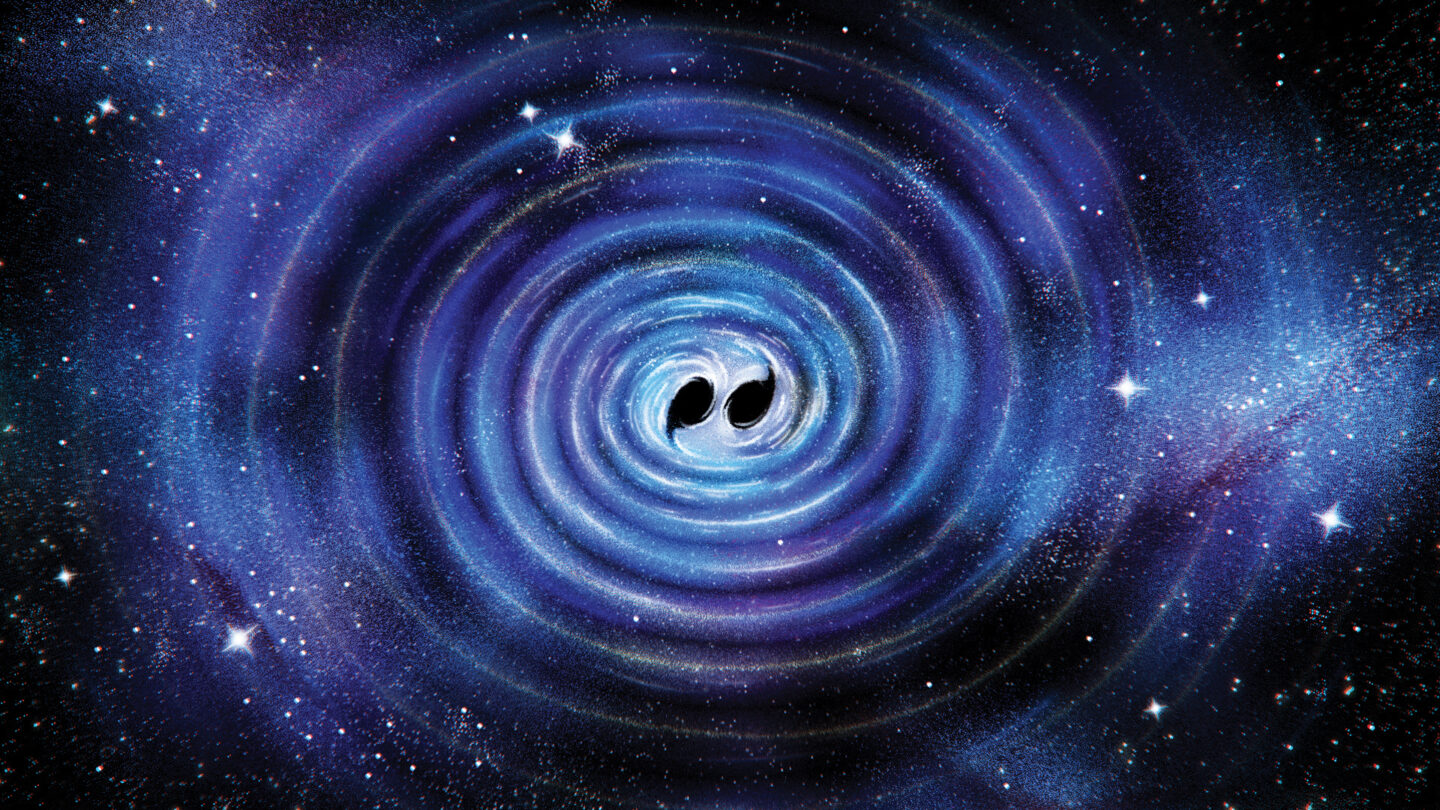
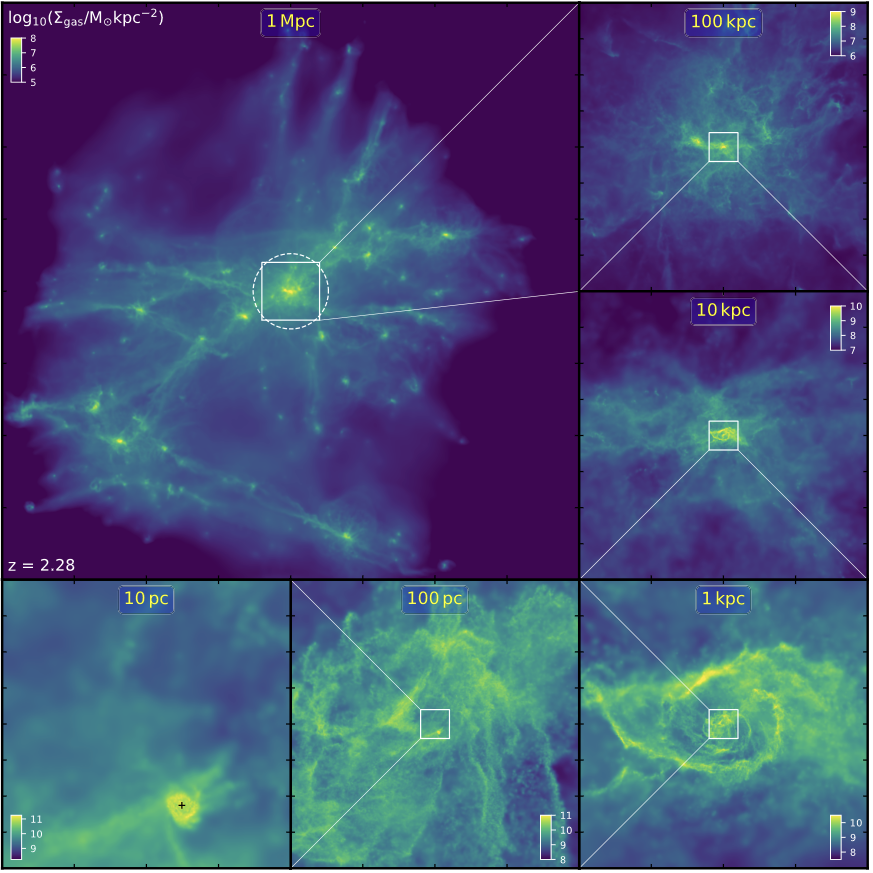 Supermassive black holes (SMBH) play a key role in regulating galaxy formation, and the puzzle of “What seeds supermassive black holes, and how do they grow?” was one of the key questions identified by the Astro2020 Decadal report. Furthermore, the James Webb Space Telescope has identified a surprisingly large number of accreting SMBH at very early times in the universe, challenging our current understanding of black hole formation and growth. However, most current cosmological galaxy formation simulations incorporate crude sub-grid recipes for black hole seeding, growth and feedback. In this project, we plan to study physical mechanisms for black hole seeding using ultra high-resolution simulations. In addition, we will use zoom-in and hyper-refinement techniques to connect galaxy/ cosmological scales with accretion disk scales. In this way, we will inform the outer boundary conditions for “small scale” (hundreds to thousands of gravitational radii) simulations that include general relativity, radiation and magneto-hydrodynamics (GRMHD), in collaboration with the CCA Stars & Plasma Astrophysics (SPA) group. These simulations will then provide the missing physics-based insights into how mass, magnetic fields and angular momentum are transported around black holes across a vast range of scales. These insights will be used to develop new sub-grid treatments of black hole seeding, accretion and feedback that will be implemented into a new CCA-led generation of cosmological simulations.
The Baryon Cycle
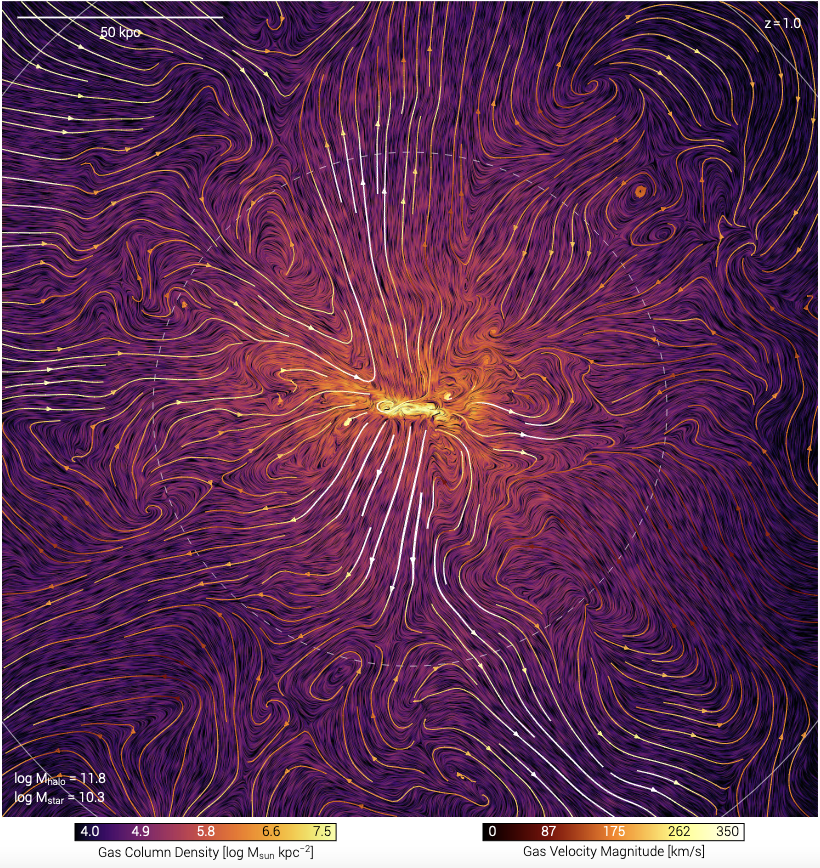 We’re creating a novel interface between theory and observations to decipher fundamental processes in galaxy formation.
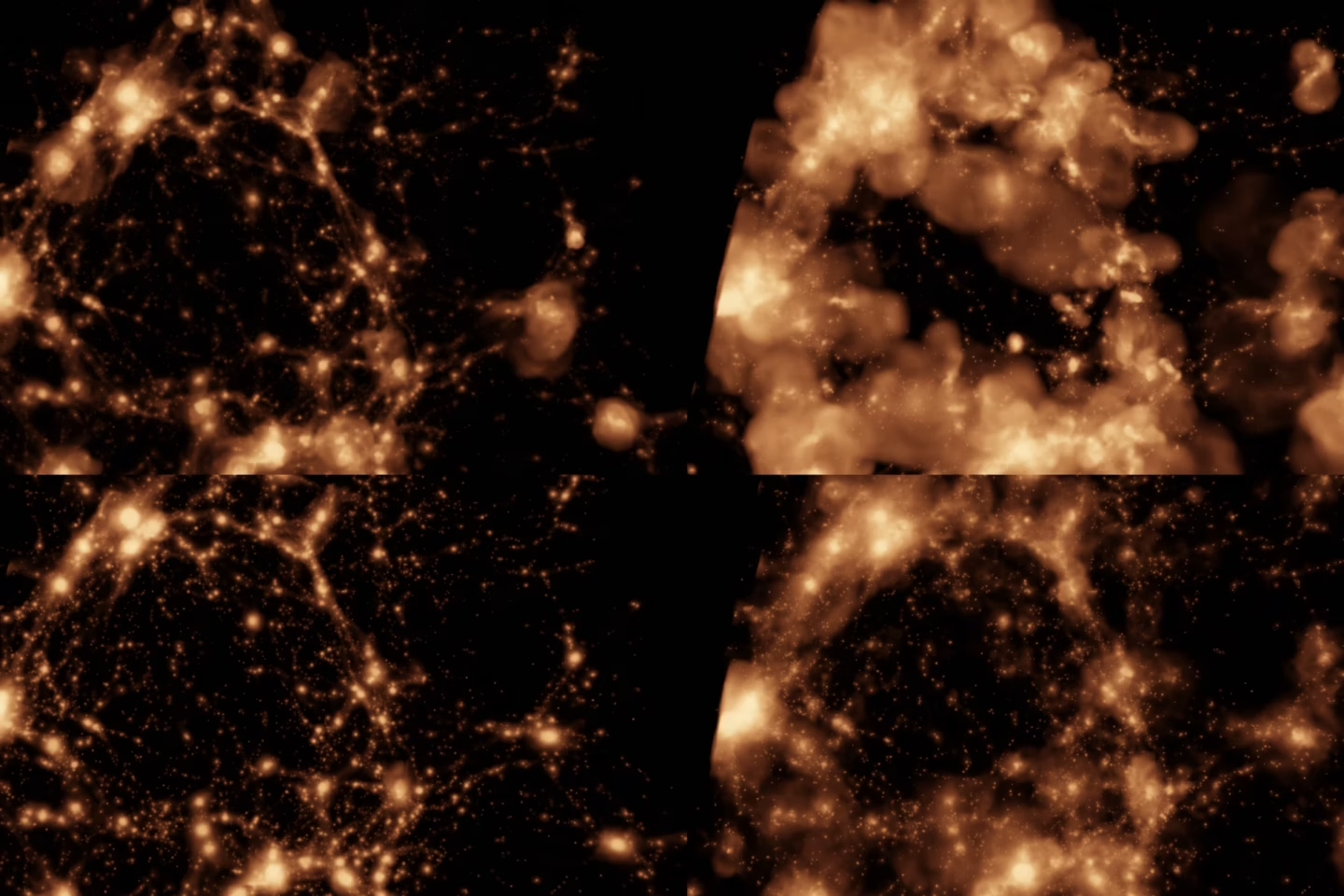
The baryon cycle refers to the cycling of mass, energy and metals through galactic ecosystems. Over the past decade, it has become a central frontier in the field of galaxy formation. We plan to form a new theoretical-observational consortium that will tackle the challenges of understanding the baryon cycle through a novel synergistic approach bringing together researchers working on multi-scale simulations, synthetic observations and multi-tracer, multi-wavelength observations of inflows and outflows from ISM to circumgalactic medium (CGM) to intergalactic medium (IGM) scales.
SIM Research
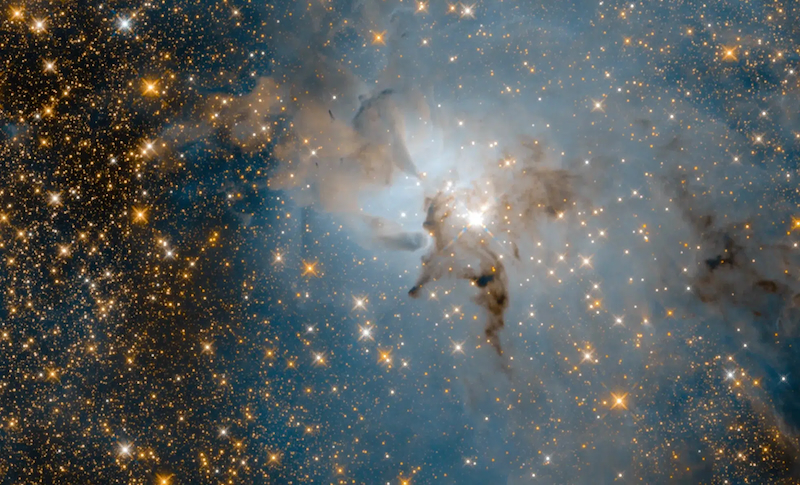
The Star Formation and the Interstellar Medium (SIM) research team has broad interest in star formation, interstellar medium dynamics and chemistry across different cosmic environments from the local Milky Way ISM to high redshift galaxies.
Active research areas include star cluster formation, first stars, globular cluster formation, molecular H2 observations, 3D dust mapping, interstellar turbulence, magnetic dynamo and reconnection, and cosmic ray physics.
For more information, email Blakesley Burkhart or Mike Grudić.
Collaborations & Projects
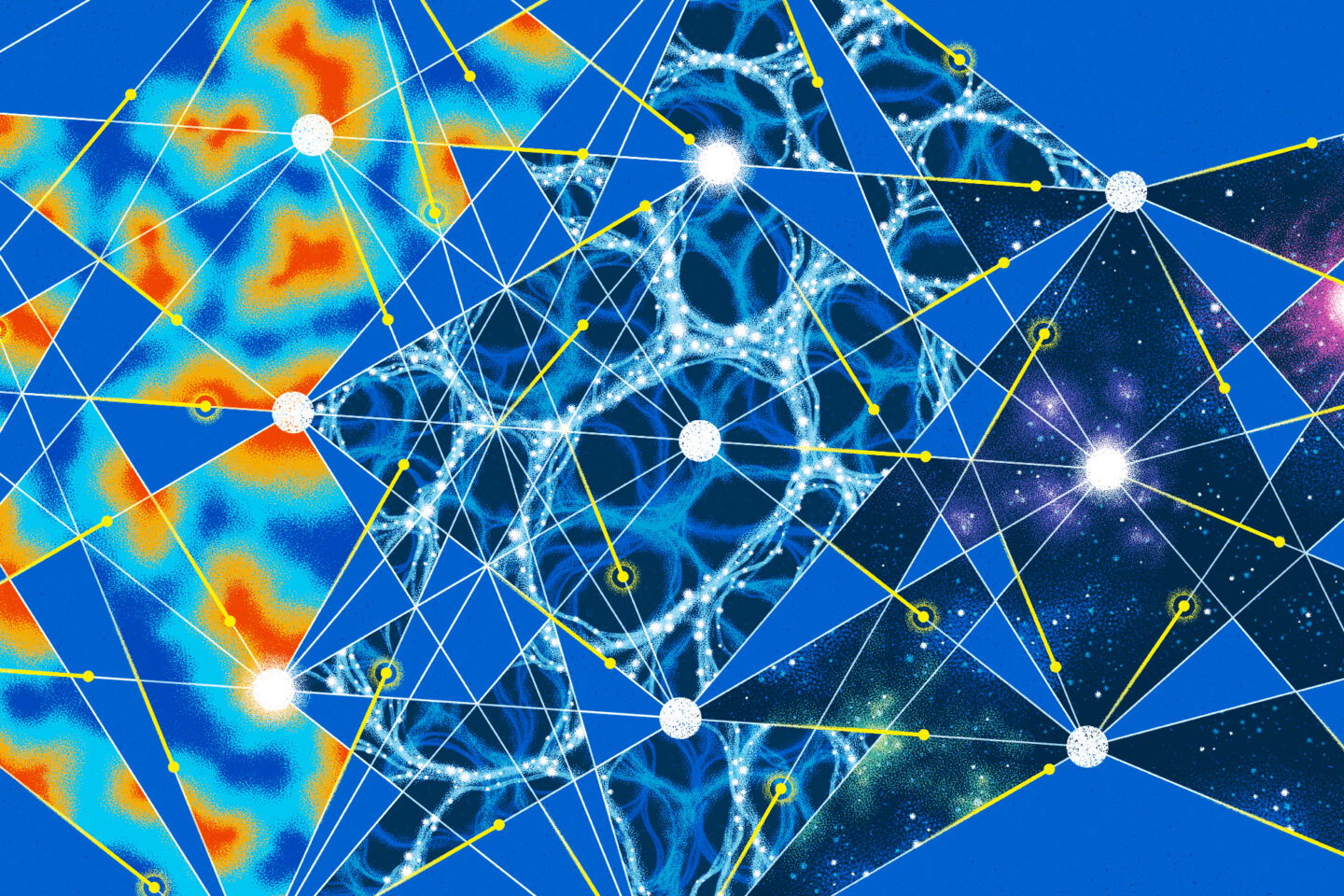
Many of our researchers participate in external projects and collaborations.
Organizational Leadership

Blakesley Burkart
Research Scientist, Center for Computational Astrophysics

Shy Genel
Research Scientist, Center for Computational Astrophysics

Mike Grudić
Associate Research Scientist, Center for Computational Astrophysics

Rachel Somerville
Senior Research Scientist, Center for Computational Astrophysics
Amiel Sternberg
Senior Research Scientist, Center for Computational Astrophysics

Stephanie Tonnesen
Research Scientist, Center for Computational Astrophysics
Full Team

Blakesley Burkart
Research Scientist, Center for Computational Astrophysics
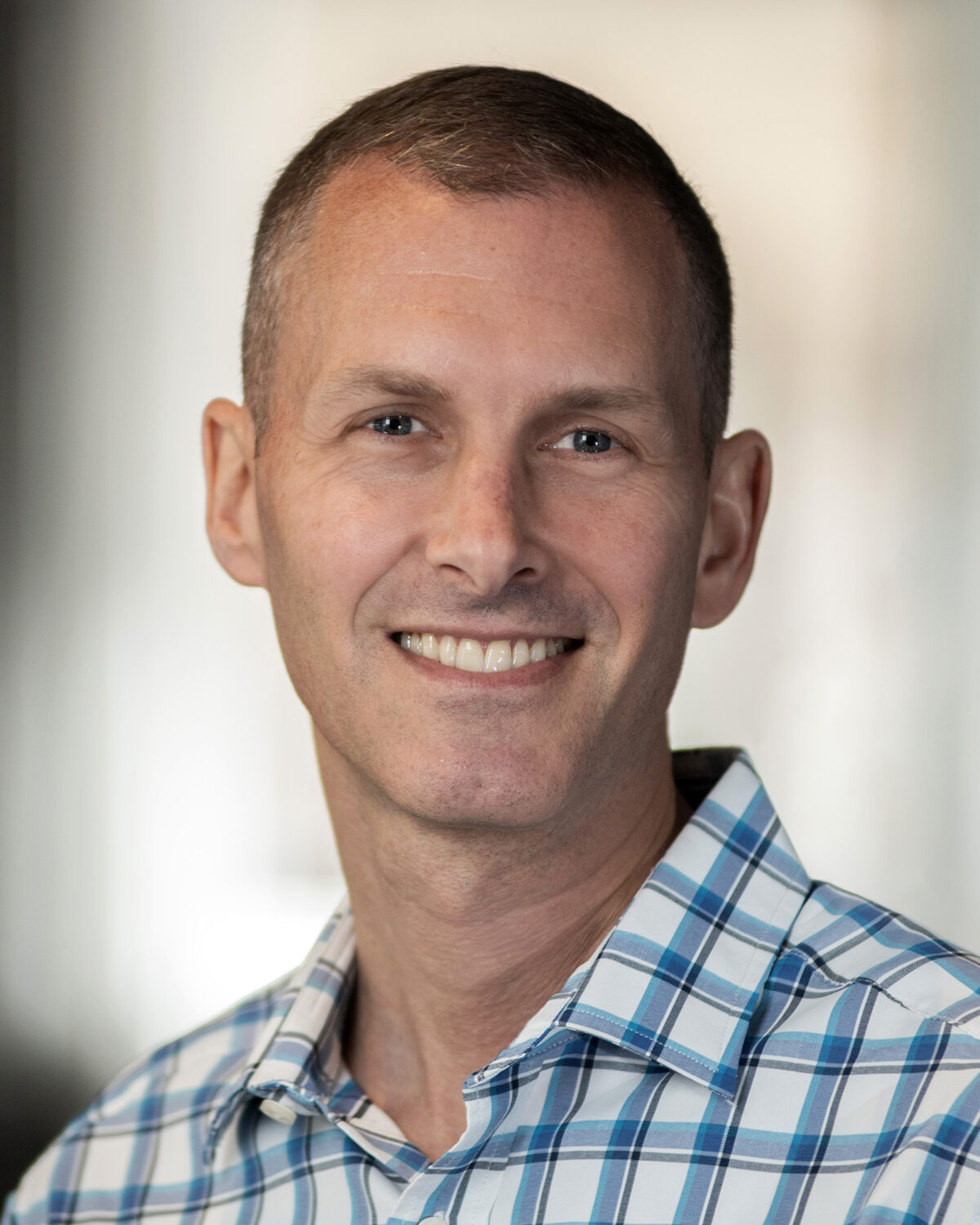
Shy Genel
Research Scientist, Center for Computational Astrophysics
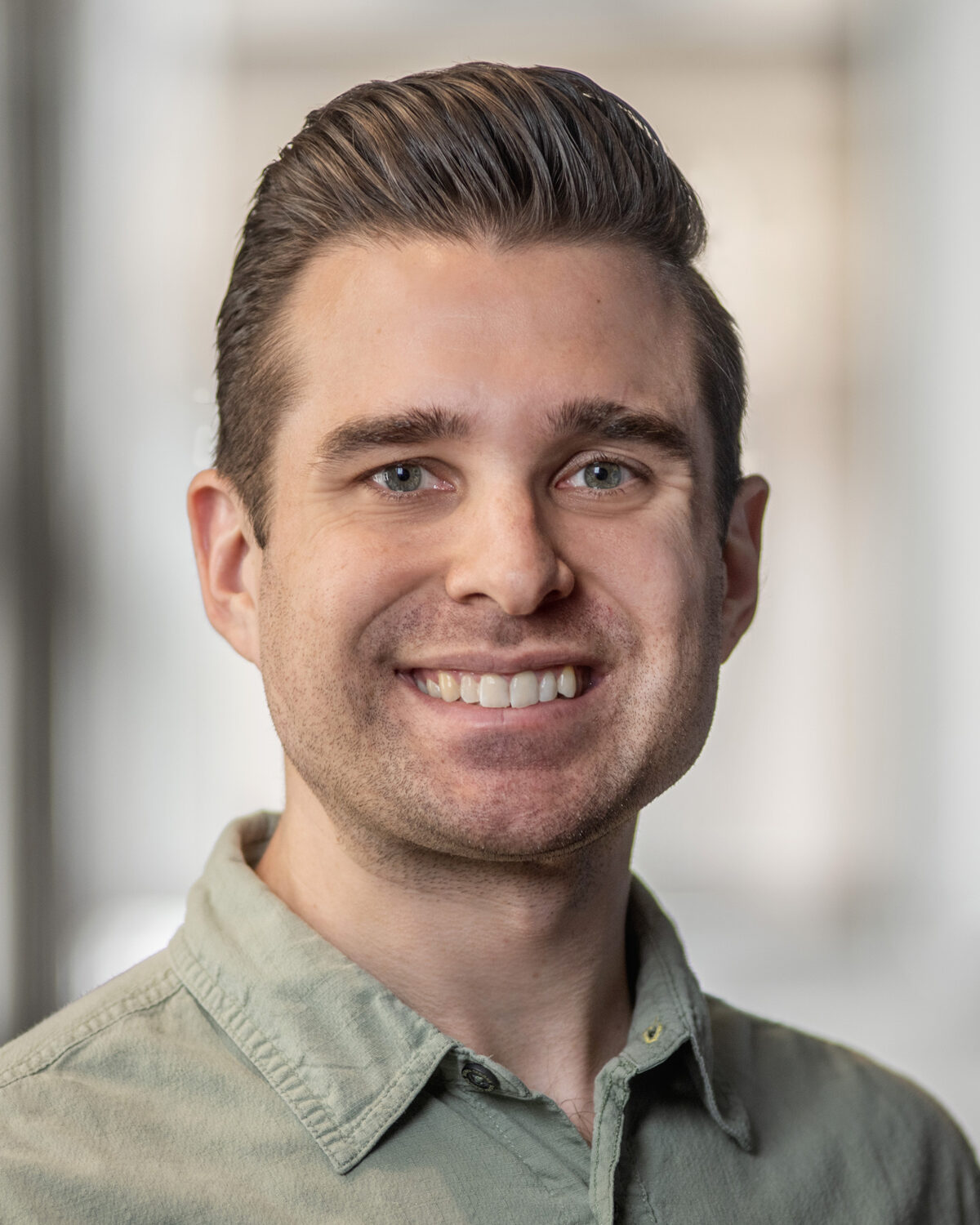
Mike Grudić
Associate Research Scientist, Center for Computational Astrophysics

Shivan Khullar
Flatiron Research Fellow, Center for Computational Astrophysics
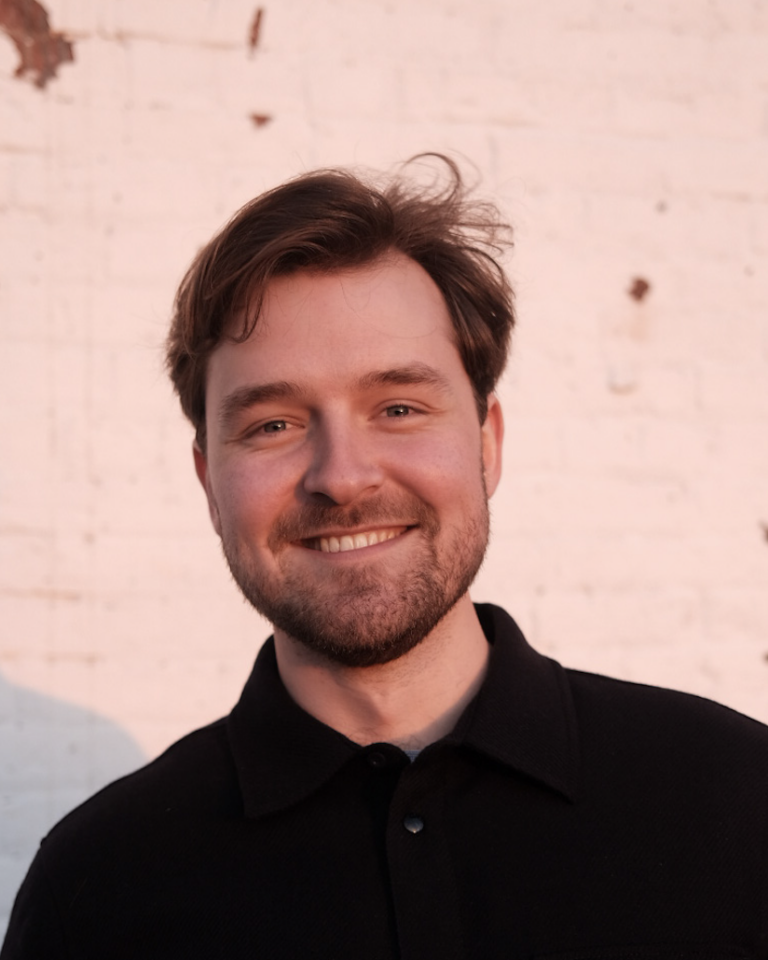
Lachlan Lancaster
Flatiron Research Fellow, Center for Computational Astrophysics

Kunyang Li
Flatiron Research Fellow, Center for Computational Astrophysics
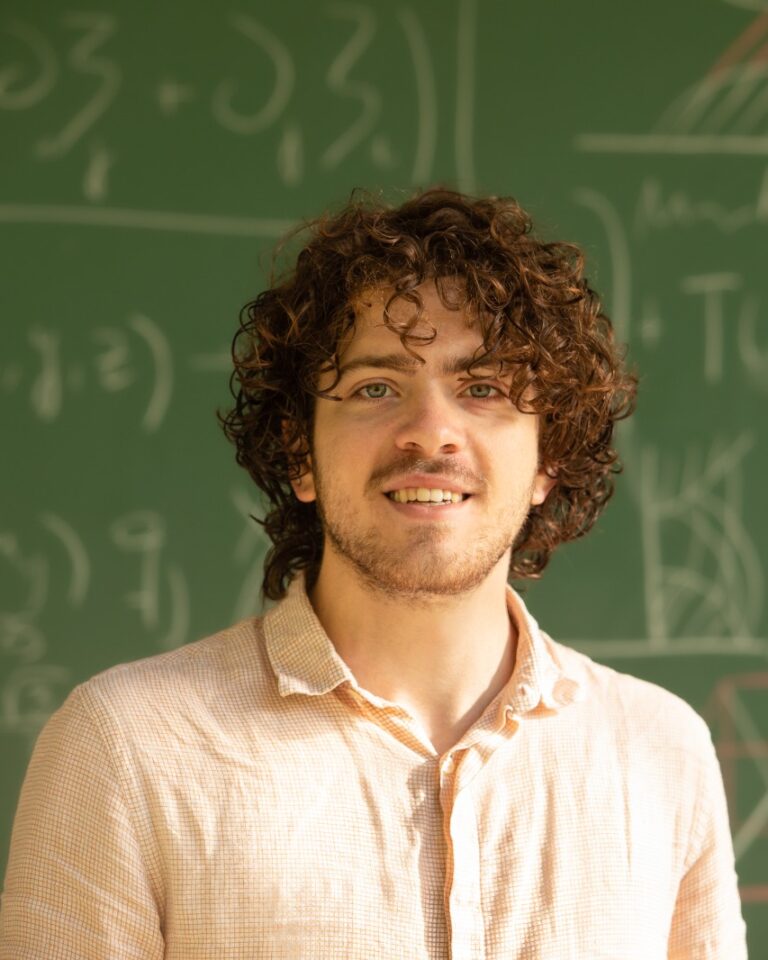
Francisco Maion
Flatiron Research Fellow, Center for Computational Astrophysics

Shyam H. Menon
Flatiron Research Fellow, Center for Computational Astrophysics

Yurina Nakazato
Flatiron Research Fellow, Center for Computational Astrophysics
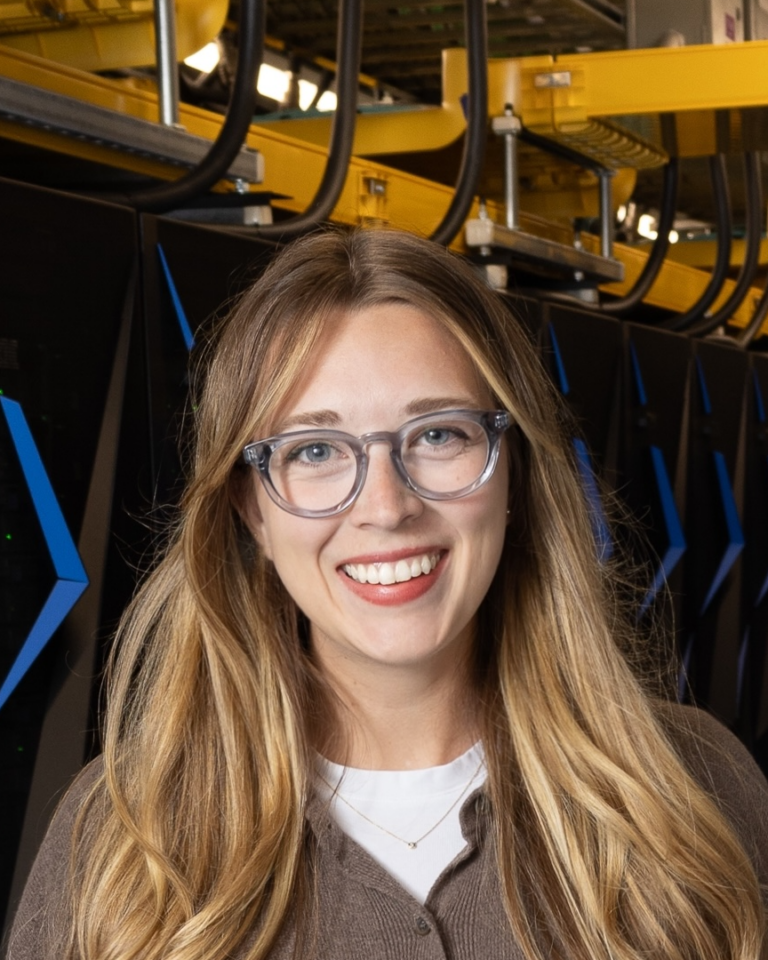
Helena Richie
Flatiron Research Fellow, Center for Computational Astrophysics
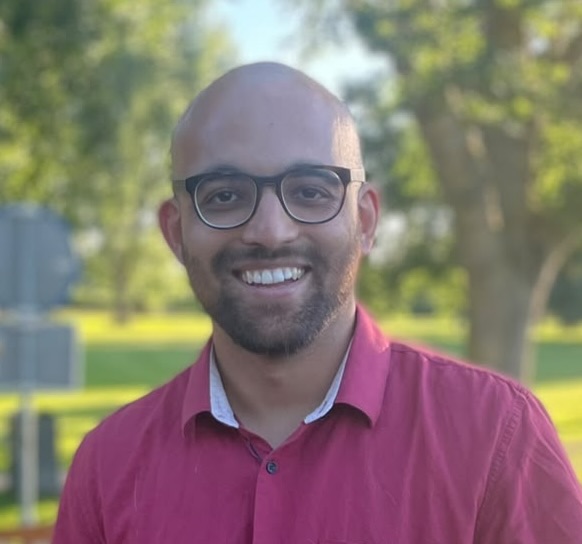
Piyush Sharda
Flatiron Research Fellow, Center for Computational Astrophysics

Rachel Somerville
Senior Research Scientist, Center for Computational Astrophysics
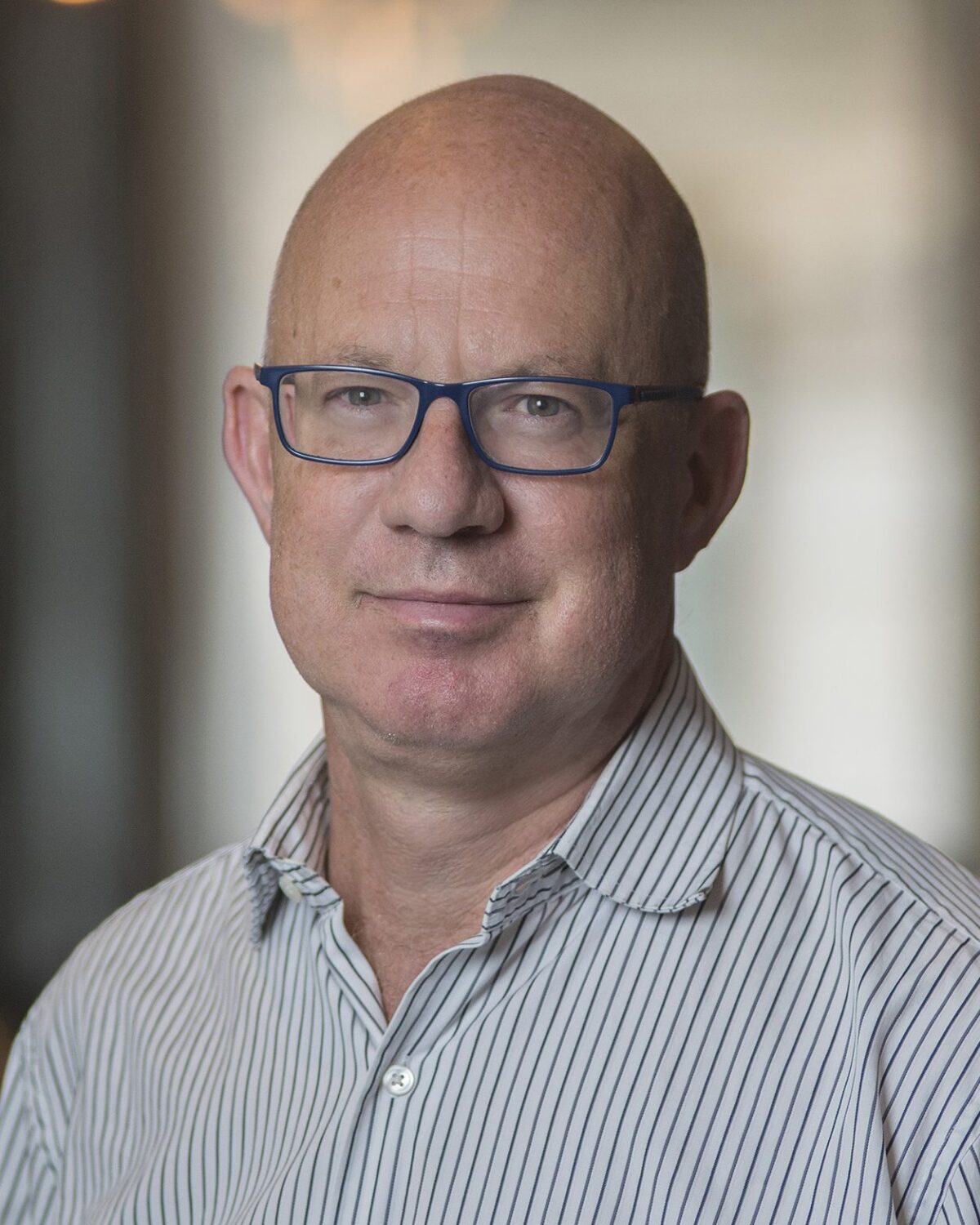
Amiel Sternberg
Senior Research Scientist, Center for Computational Astrophysics
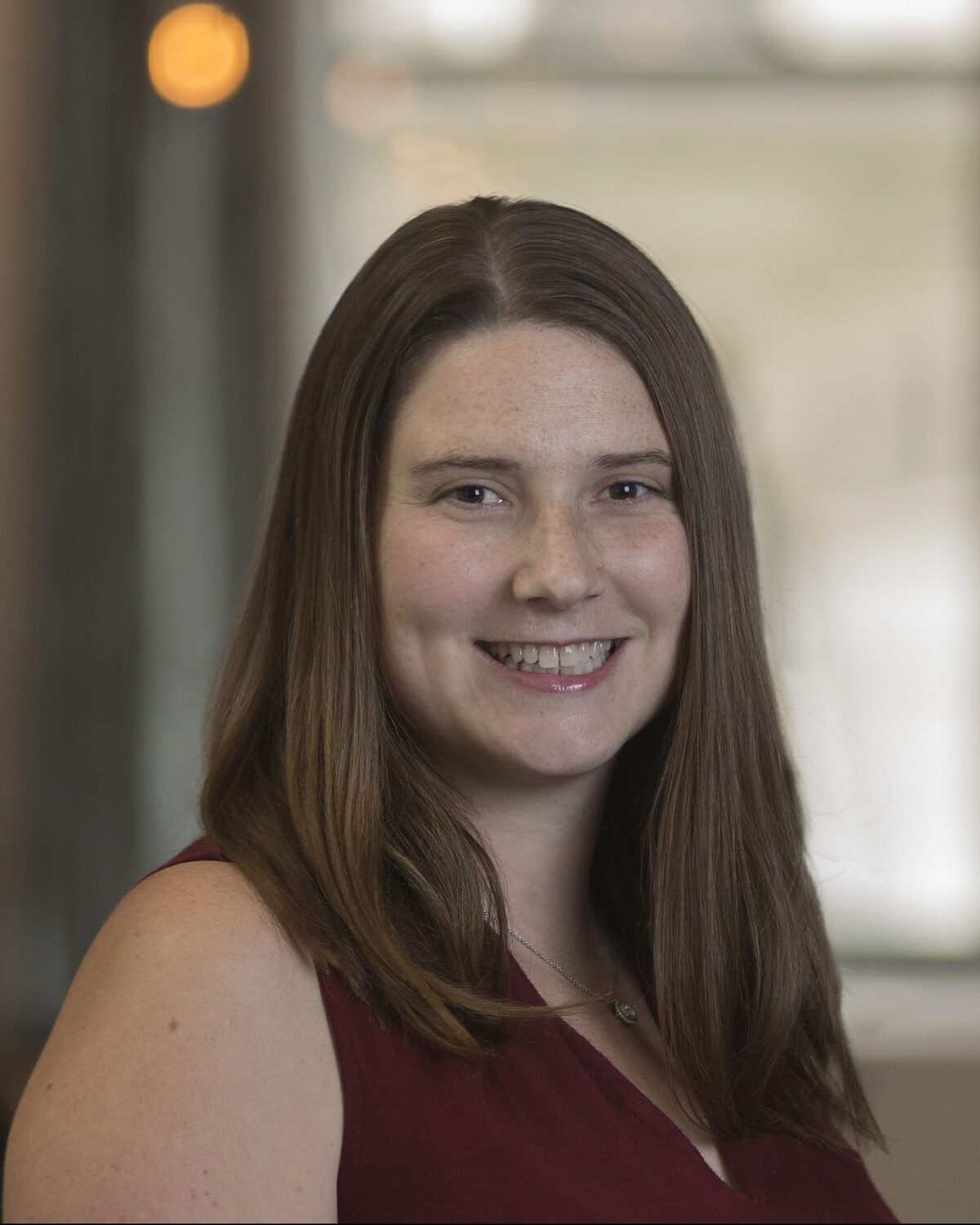
Stephanie Tonnesen
Research Scientist, Center for Computational Astrophysics
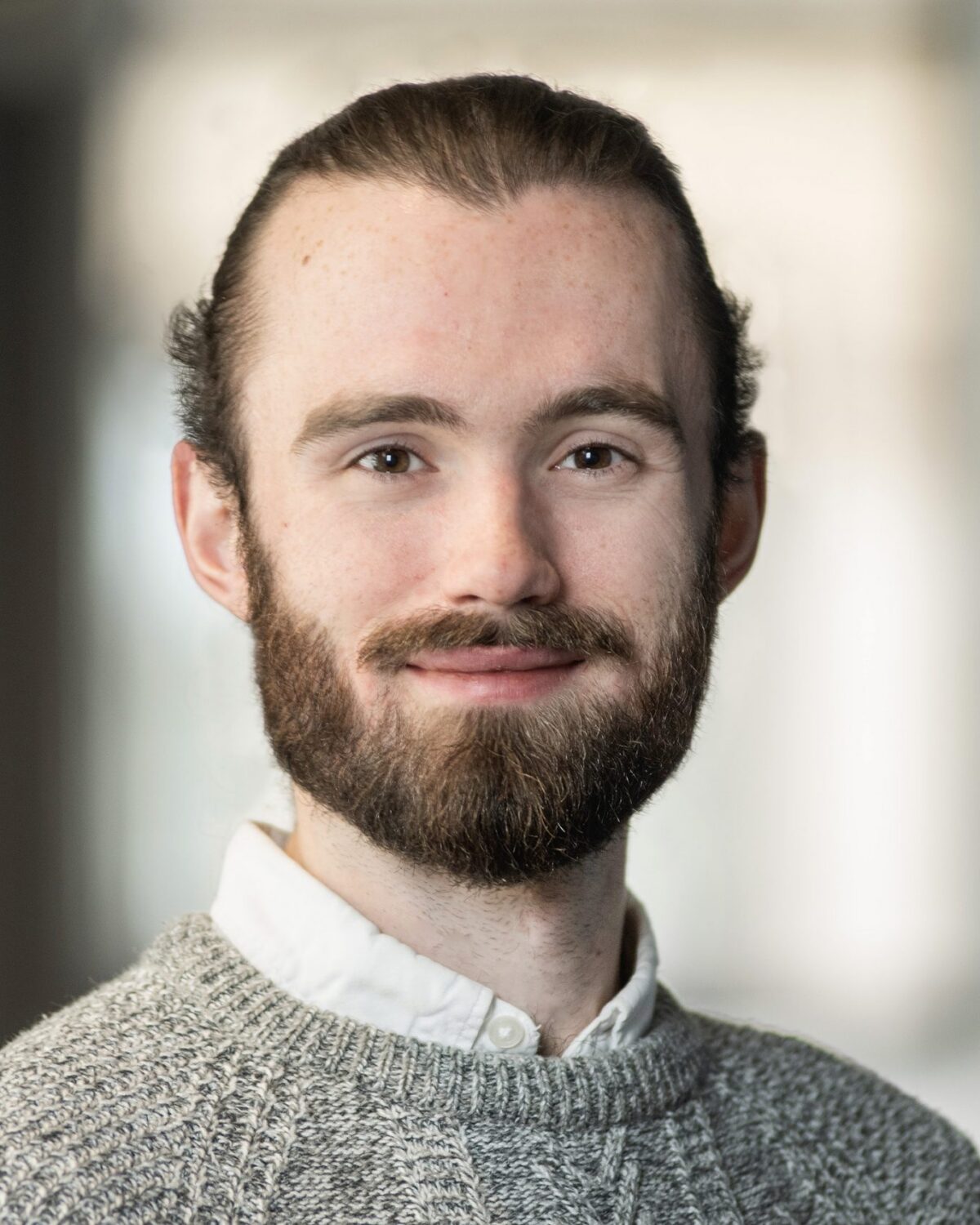
Samuel Ward
Flatiron Research Fellow, Center for Computational Astrophysics
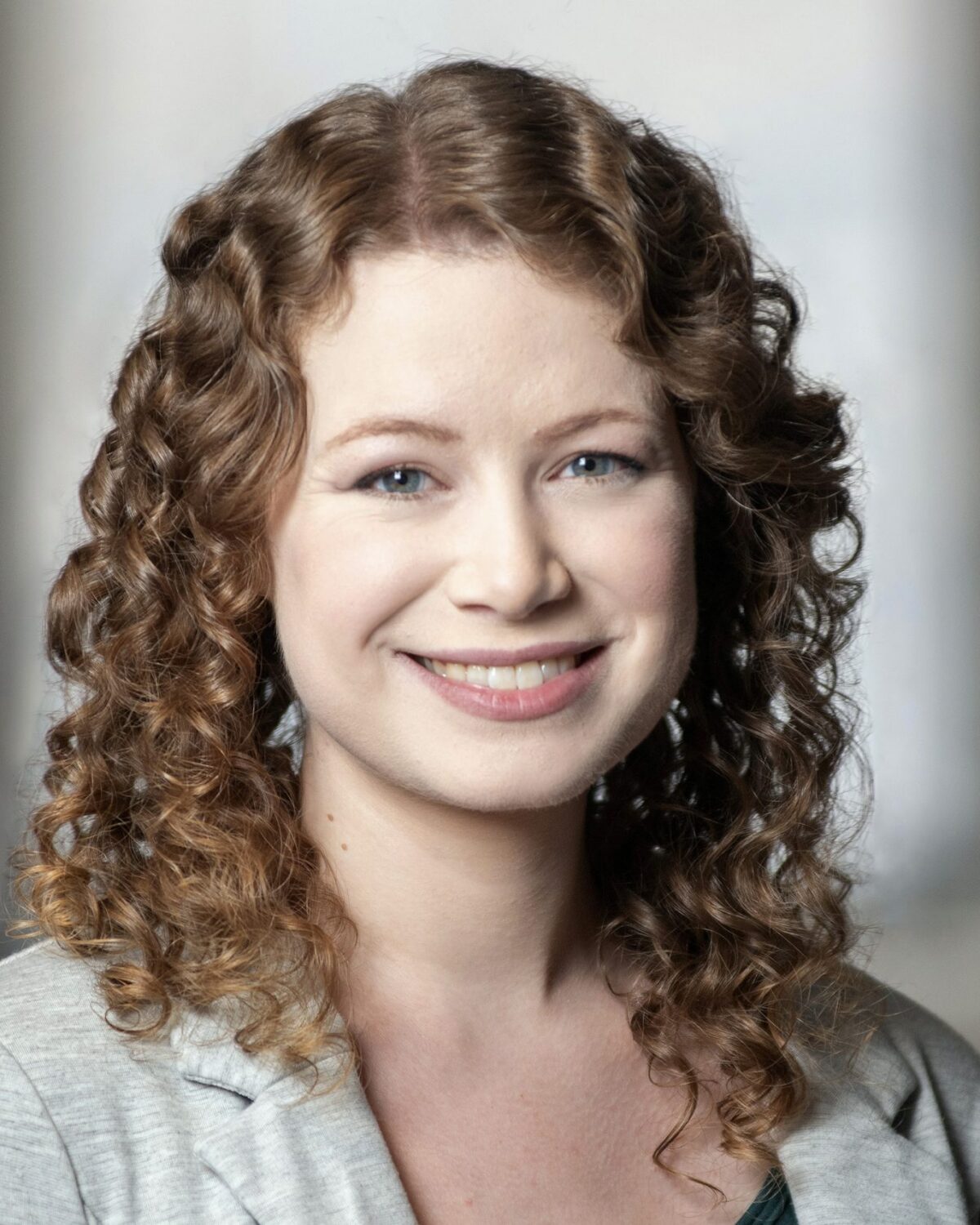
Anna Wright
Flatiron Research Fellow, Center for Computational Astrophysics
Software & Datasets