Funded Work
Our funded projects advance discovery across mathematics, the physical and life sciences, neuroscience, and autism.
Results
-
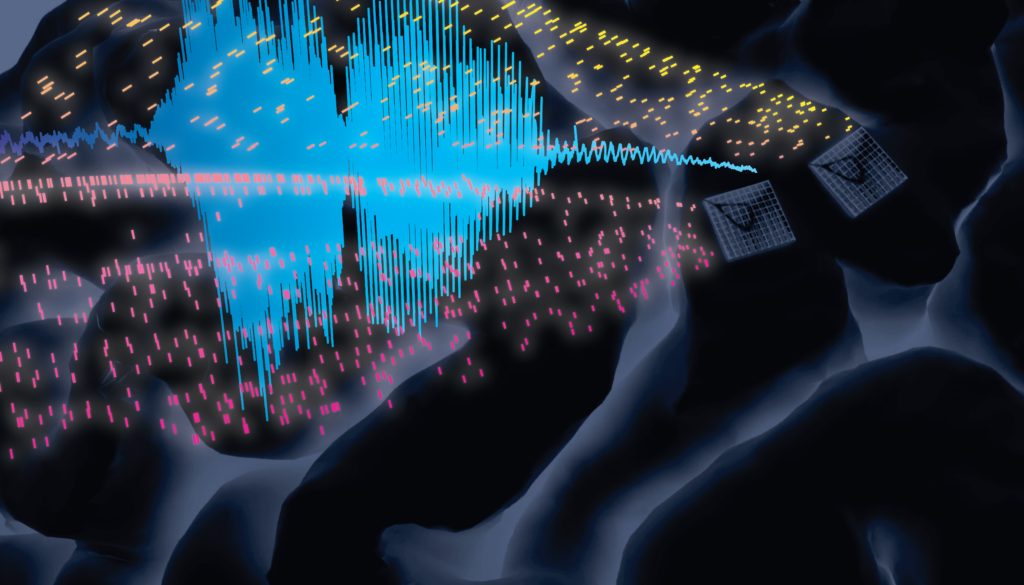 Speech is a highly sophisticated, uniquely human behavior.
-
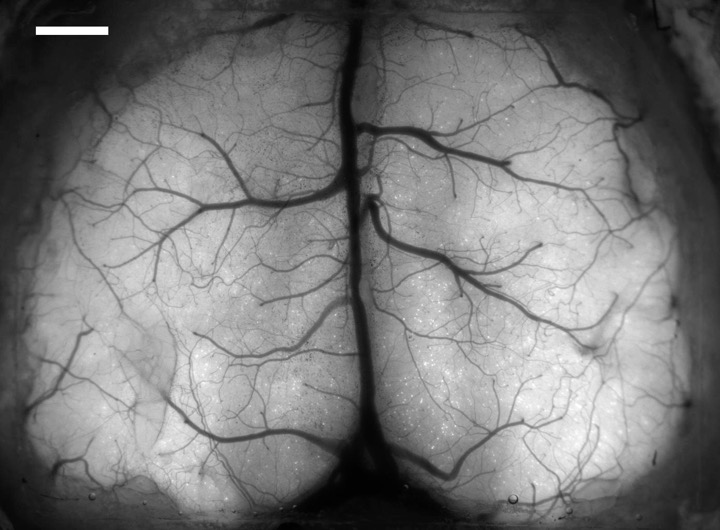 Prediction of the future and mental simulation of experiences are key to many forms of cognition and sensory processing.
-
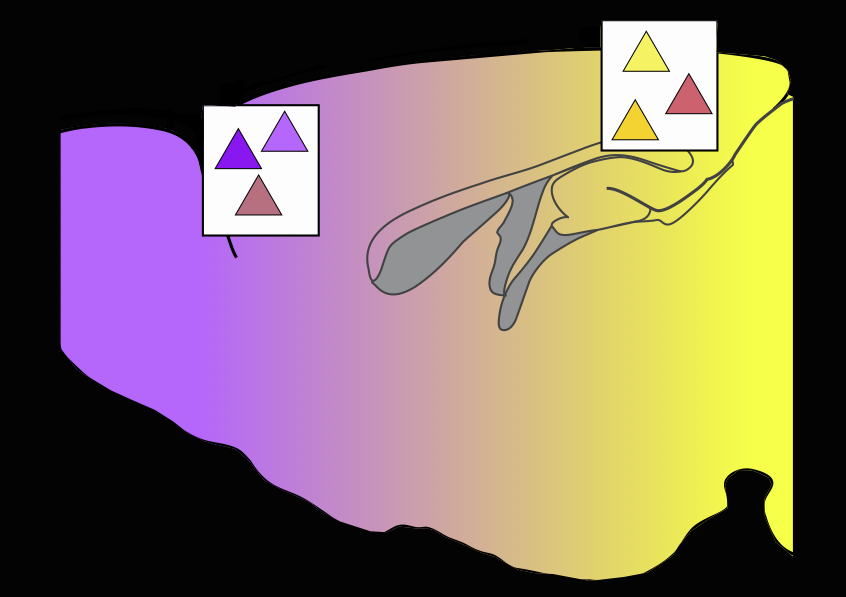 The ability to make decisions lies at the core of cognition, but much remains unknown about its underlying neural mechanisms.
-
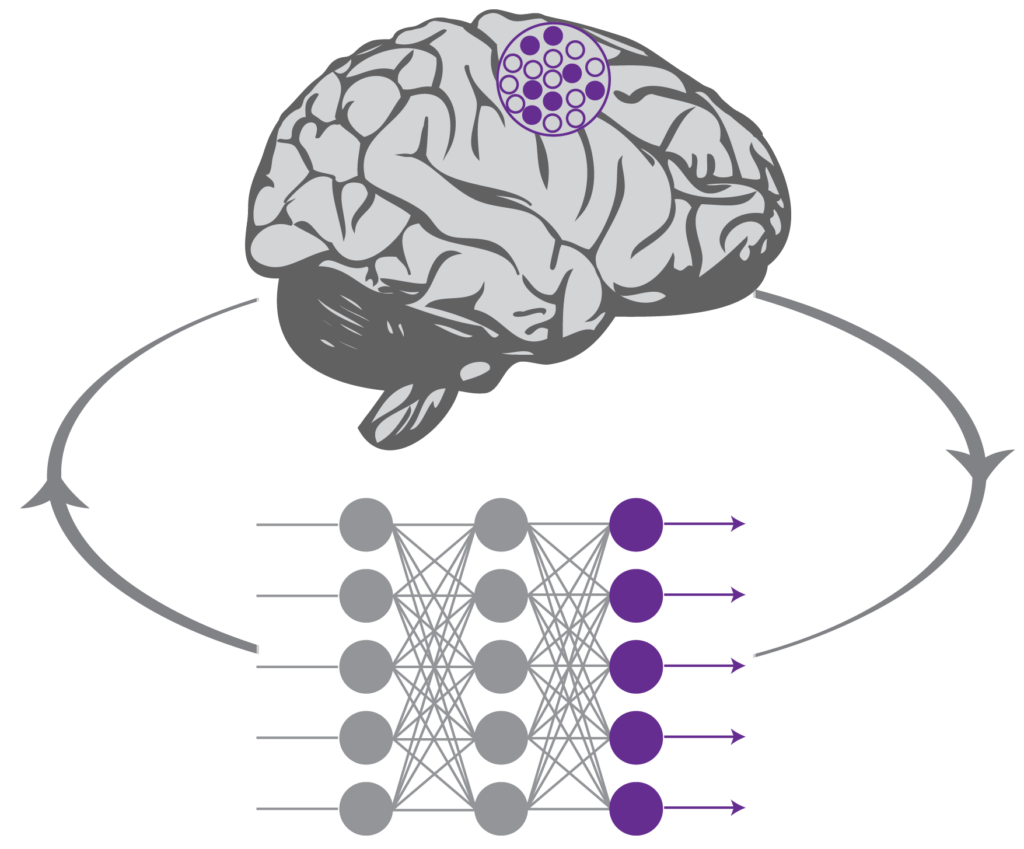 Learning a complex motor skill like playing tennis or a music instrument requires changes in connections between many neurons in the brain.
-
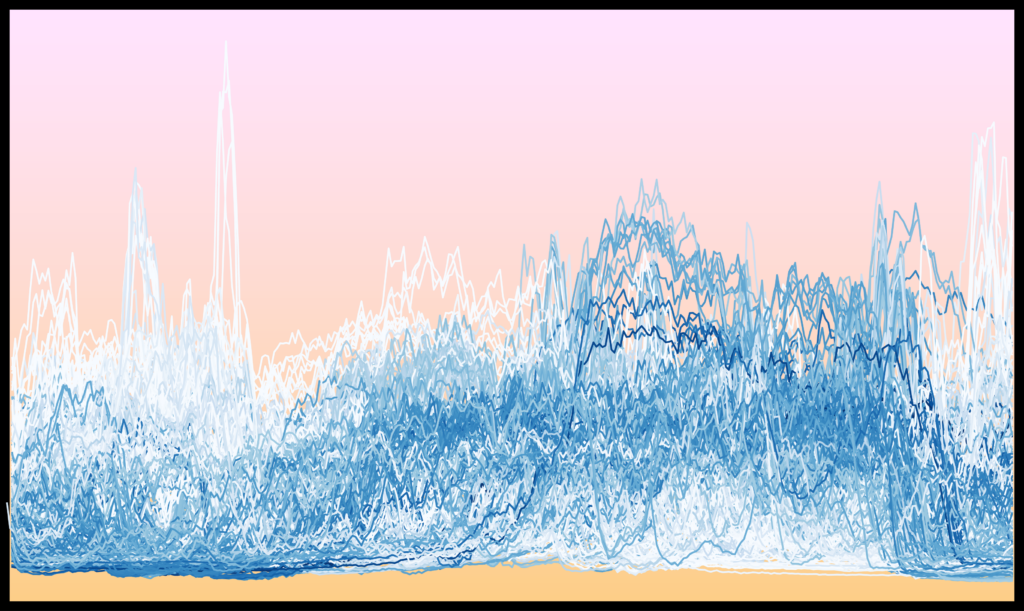 Behaviors are known to arise from numerous neurons communicating with each other within and across brain areas.
-
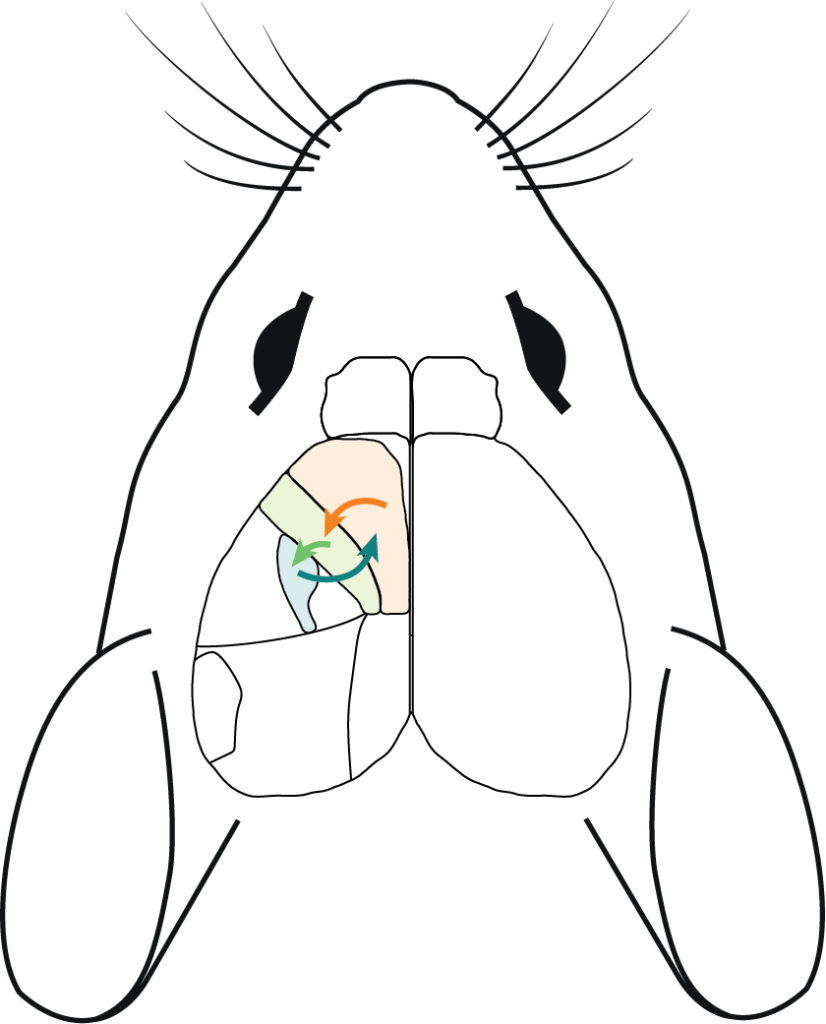 Movement is the primary way animals interact with the world.
-
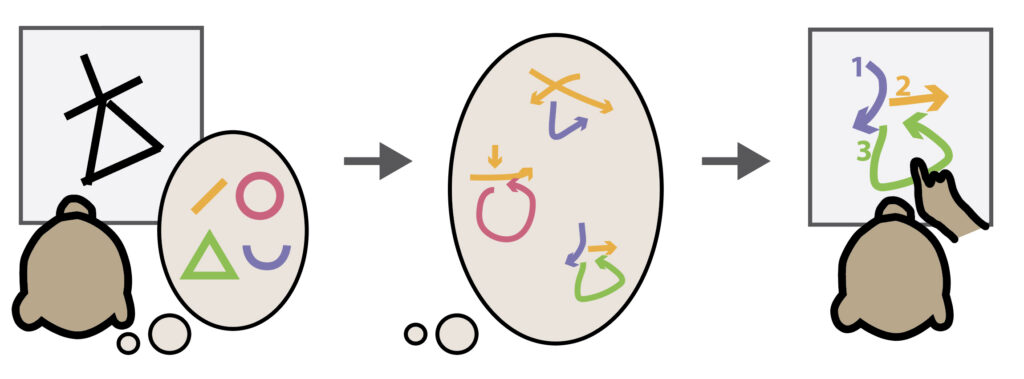
Investigating symbol-like reasoning in the brain: Neural mechanisms of compositional action planning
Humans and other animals can rapidly solve new problems — such as imitating a dance from a single observation — by adaptively combining components from prior knowledge to generate new … -
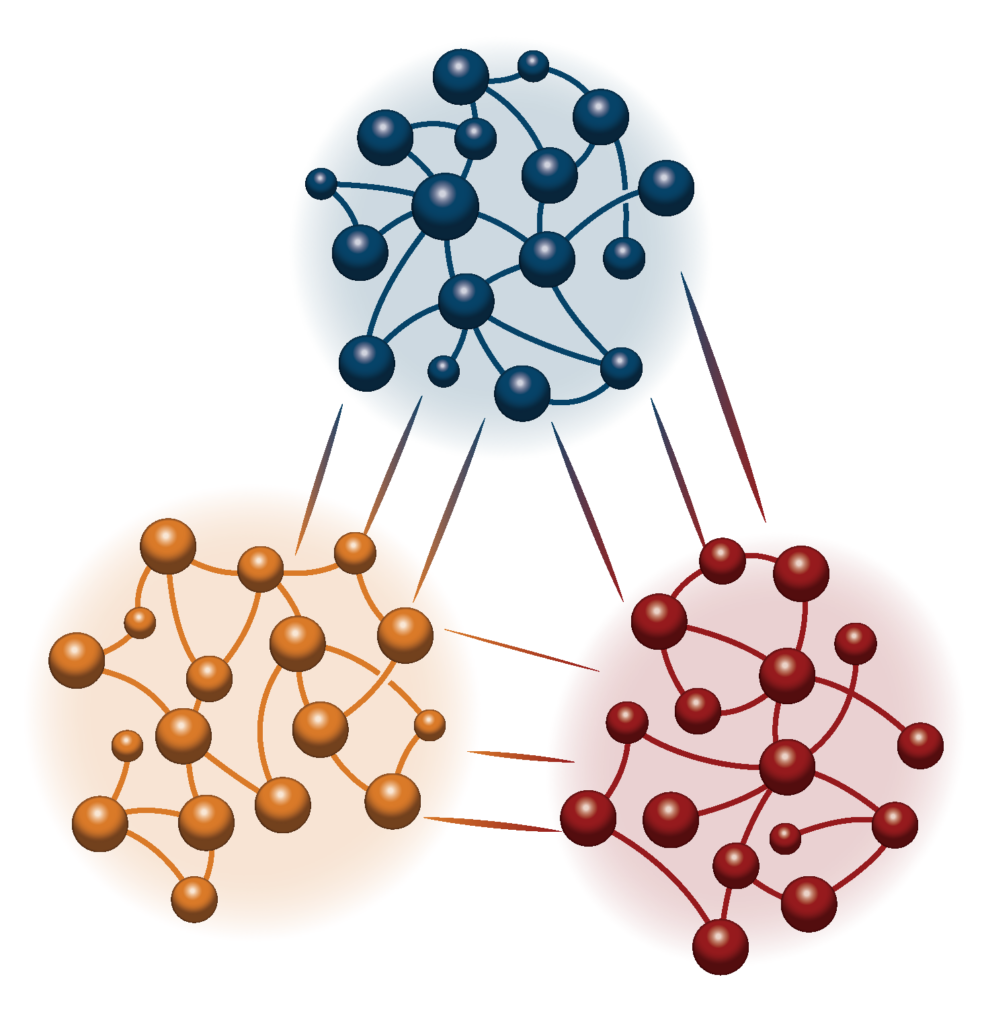 Individuals vary widely in the types of behavioral transitions they undergo in response to adverse environmental conditions.
-
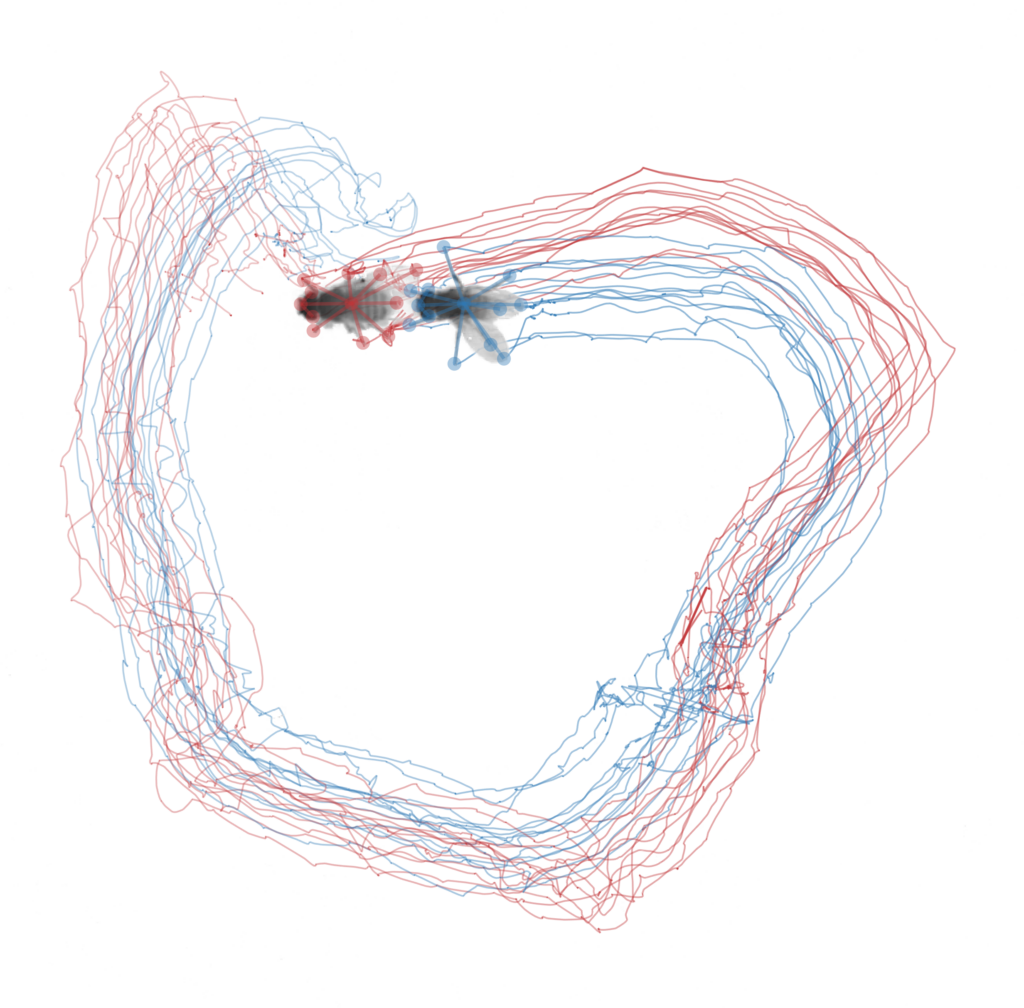 Communication is a fundamental aspect of life among animals, and yet we lack a comprehensive understanding of the underlying neural mechanisms.
-
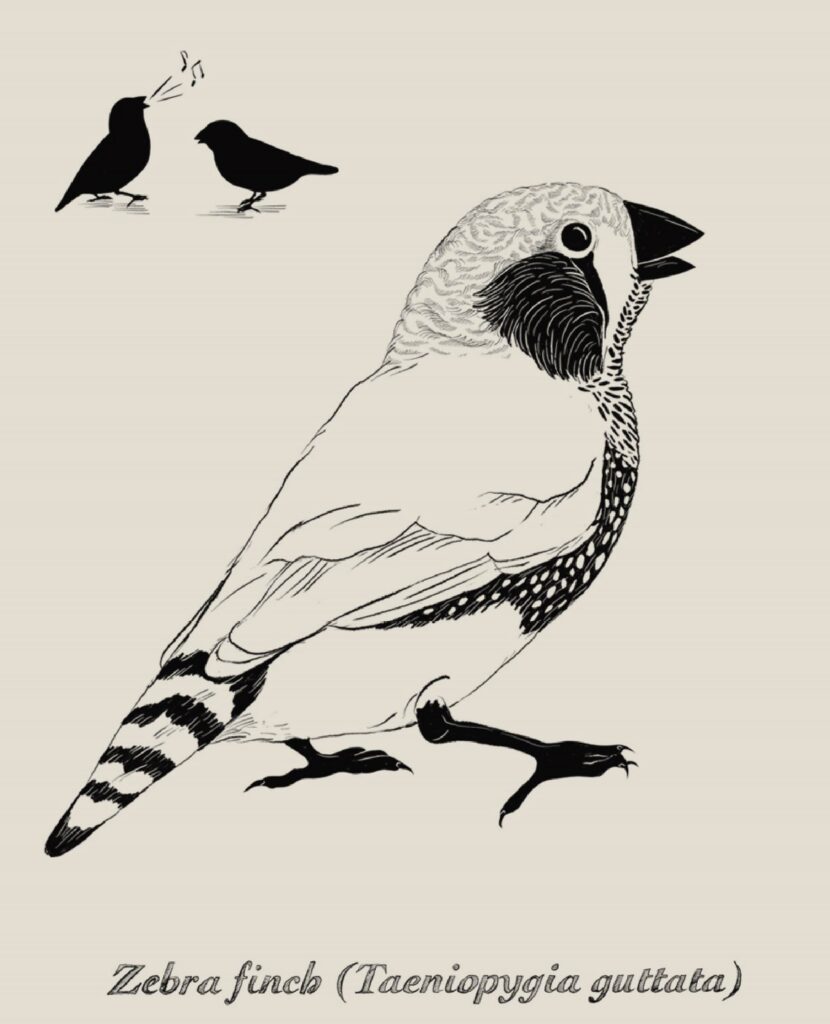 Some of our most complex behavior, such as speaking, swimming or playing the piano, can be understood by breaking the behavior down into a sequential succession of learning …
-
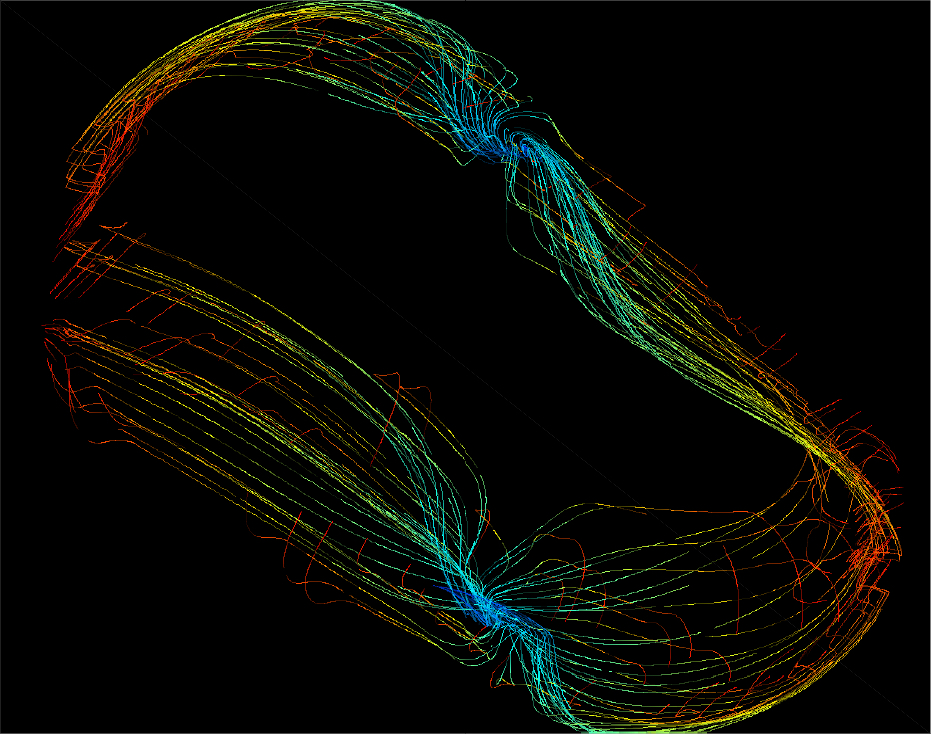 The human brain is a daunting object: It contains nearly 100 billion neurons, each one linked to roughly 10,000 other neurons, making 100 trillion total connections in …
-
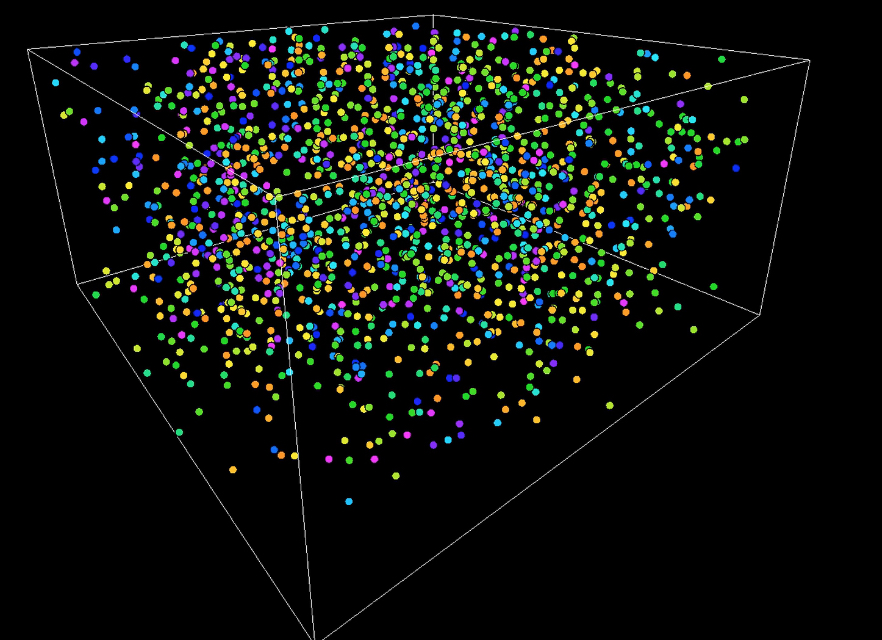 Our brains are able to store information about the world for several seconds after it was acquired, for example the shape and identity of an animal that disappeared …
-
 Imagine a tennis player hitting a forehand, but in slow-motion: There is anticipatory footwork, alignment of the body, preparation of the racquet, the wind-up and swing …
-
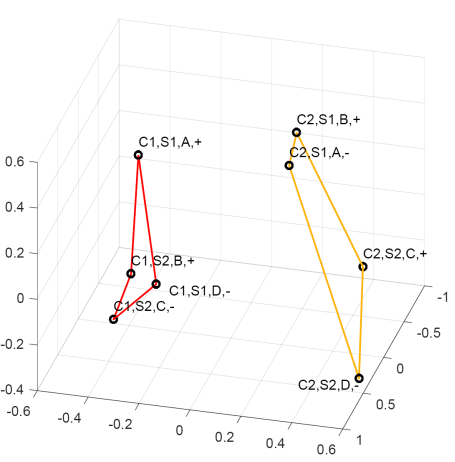 Context matters when making a decision.
-
 When deciding whether to eat an apple, you might focus on its color, firmness and smell.
-
 Loosely speaking, we all have two brains.
-
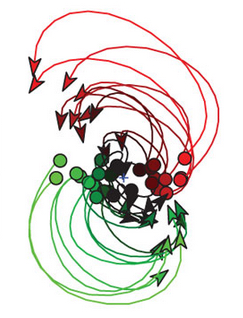 Animals often move in response to the senses.
-
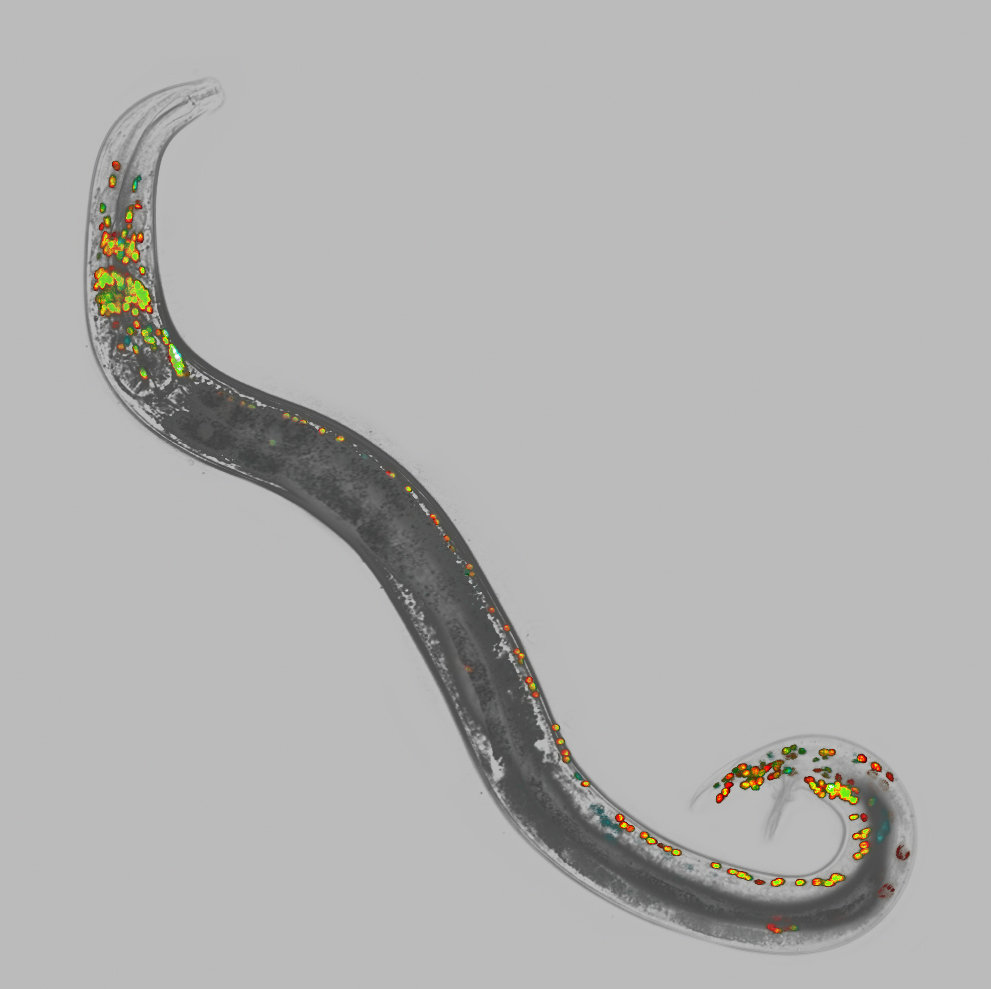 The brain of any animal has to operate on multiple timescales at once.
-
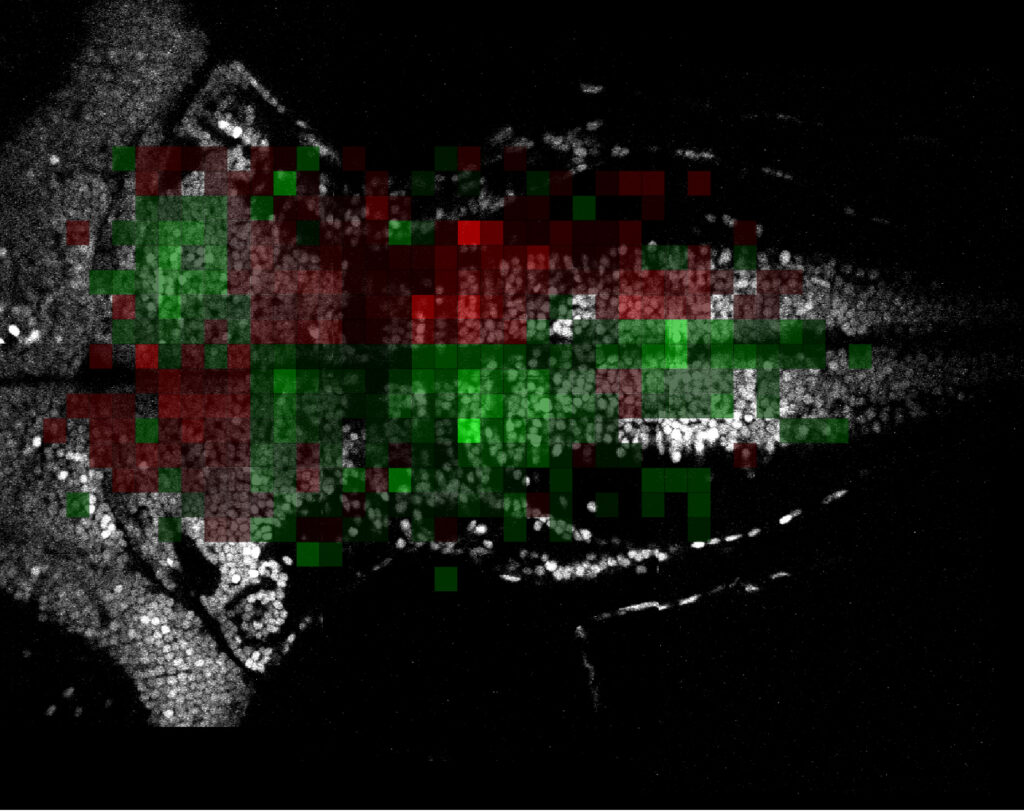 In the last few years, powerful experimental techniques that can monitor the activity of many neurons at once have generated a new field of neuroscience — ‘neural dynamics’ — which …
-
 A central goal of neuroscience is to decode the brain activity responsible for decisions and actions.
-
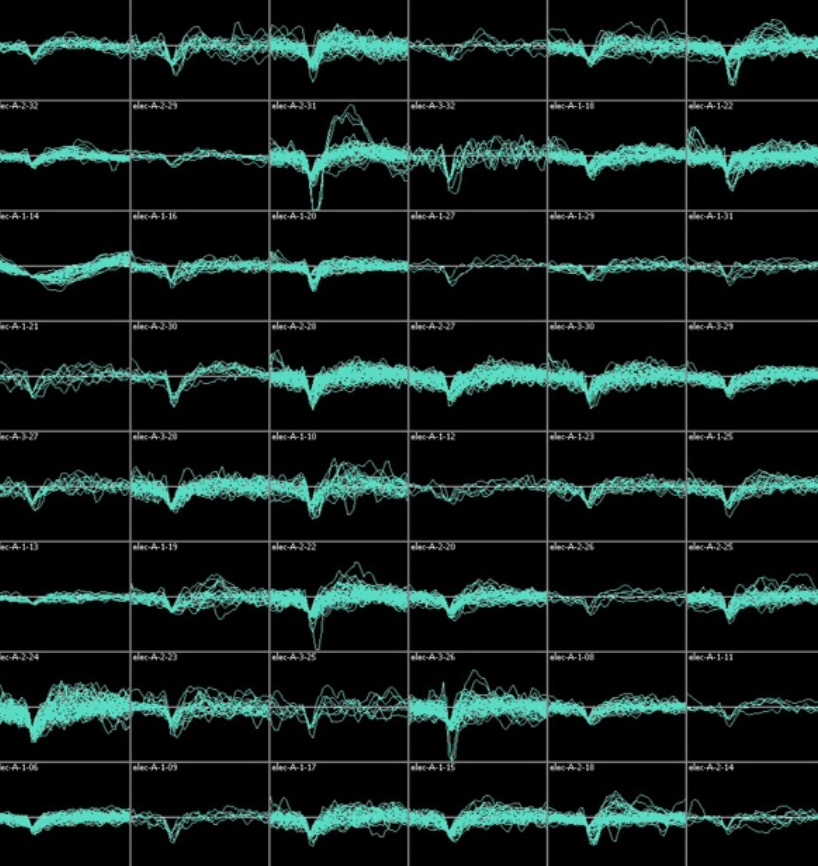 Every time we open our eyes, we take in far too much visual information for our brains to fully process.
-
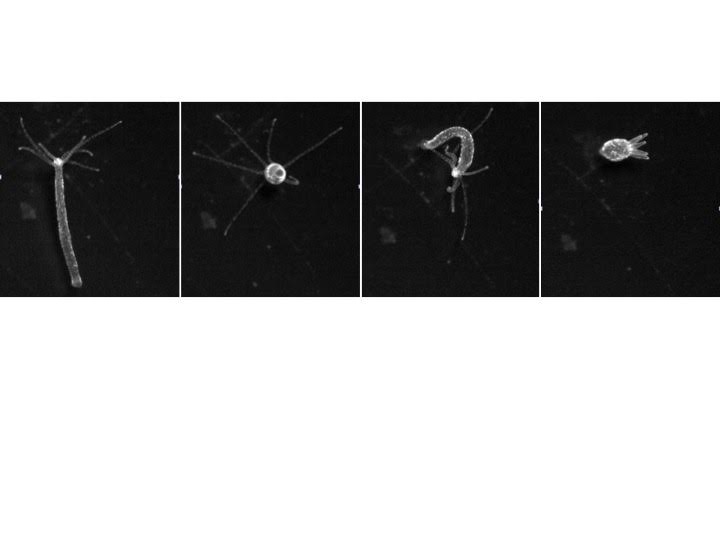 Our group is helping Rafael Yuste’s lab to pioneer the use of Hydra vulgaris, a small, freshwater polyp that attaches itself to underwater surfaces in lakes, rivers …
-
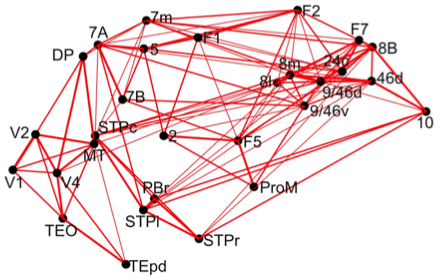 Working memory, the ability to temporarily hold and manipulate pieces of information in our minds, is crucial for thinking and flexible behavior.
-
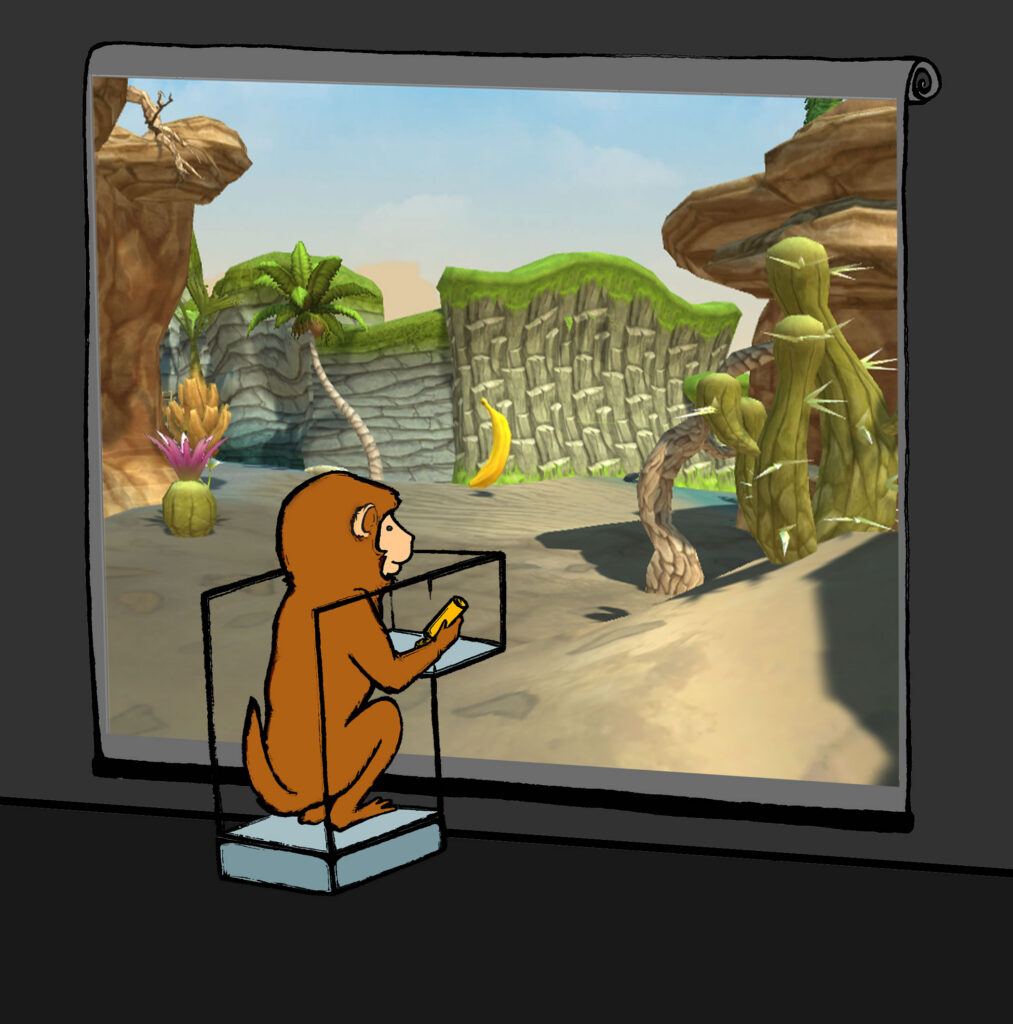 We take it for granted that we can distinguish similar events yet still group them together as being similar.
-
 Imagine you are rowing a boat in a river.
-
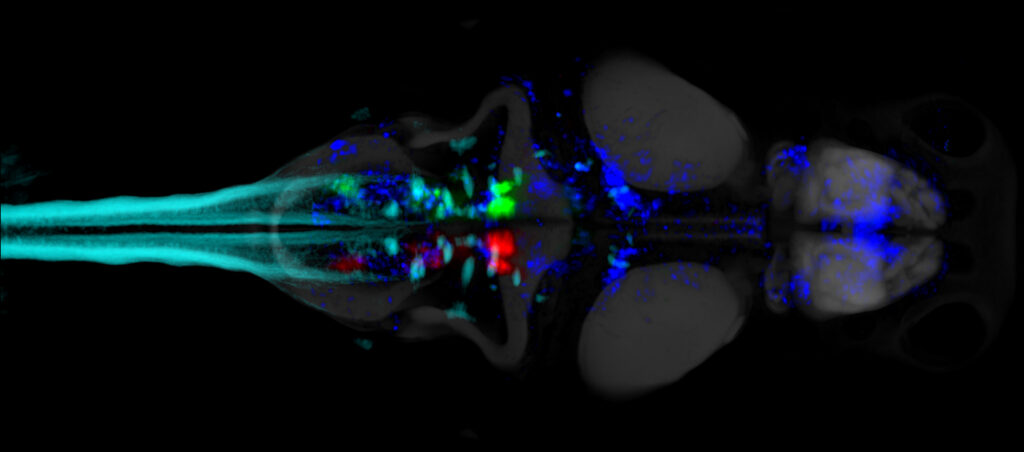 The human brain is composed of billions of neurons.
-
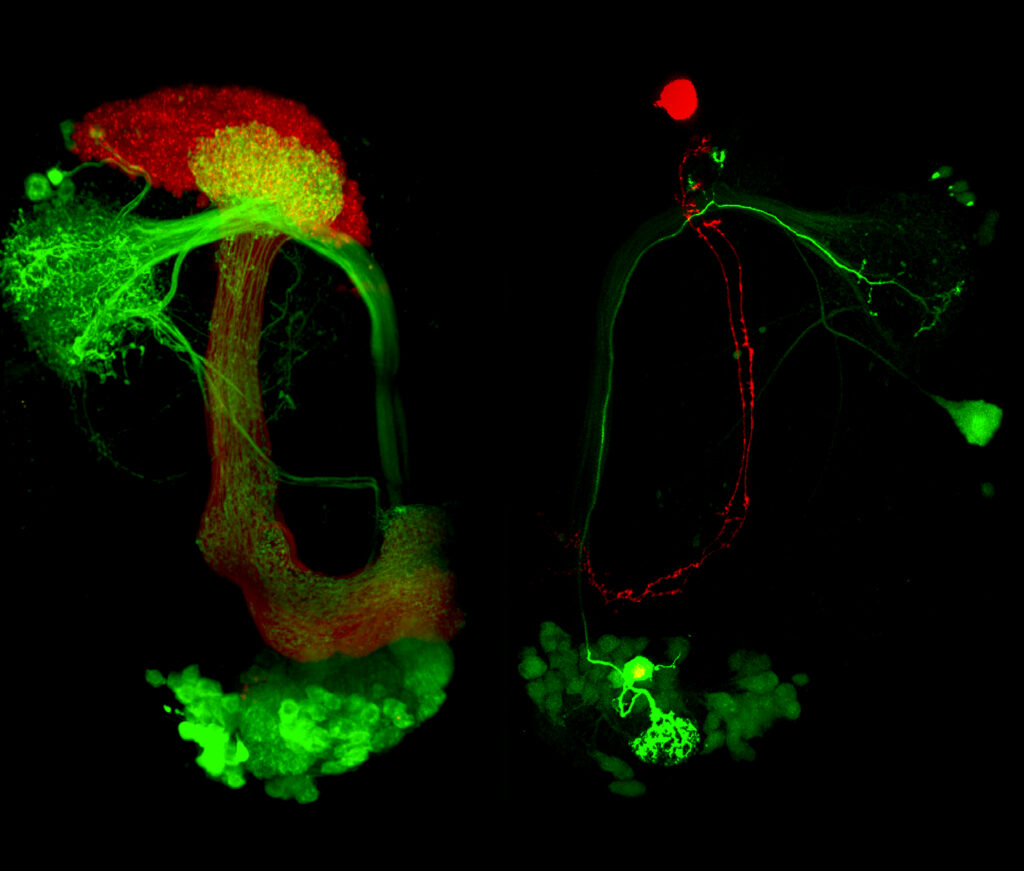 Our interaction with the world is influenced by our internal state.