Funded Work
Our funded projects advance discovery across mathematics, the physical and life sciences, neuroscience, and autism.
Results
-
 Recent efforts in the area of microbiome research have suggested a potential role of the human microbiome in mediating the effects of genetic and environmental risk factors on …
 -
 CHD8 is a regulatory gene that binds to the promoters of autism spectrum disorder (ASD) risk genes and remodels chromatin accessibility.
 -
 A wealth of research has amassed that points to substantial sensory and language processing deficits in autism.
 -
Pathogenic mutations in STXBP1 cause a developmental and epileptic encephalopathy (DEE) with an occurrence of approximately one in 35,000 children.
-
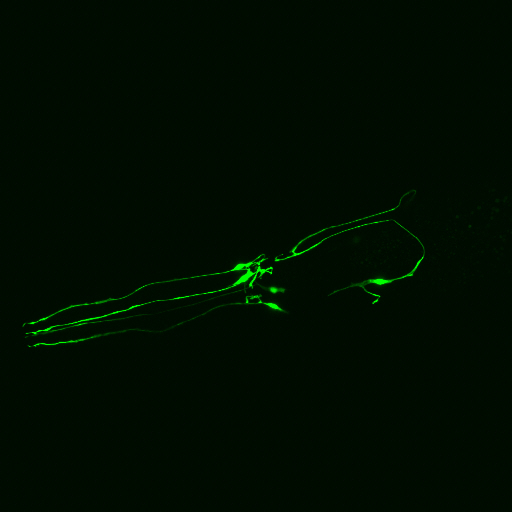 As we age, our ability to learn and remember starts to decline, even in the absence of age-related dementia.
 -
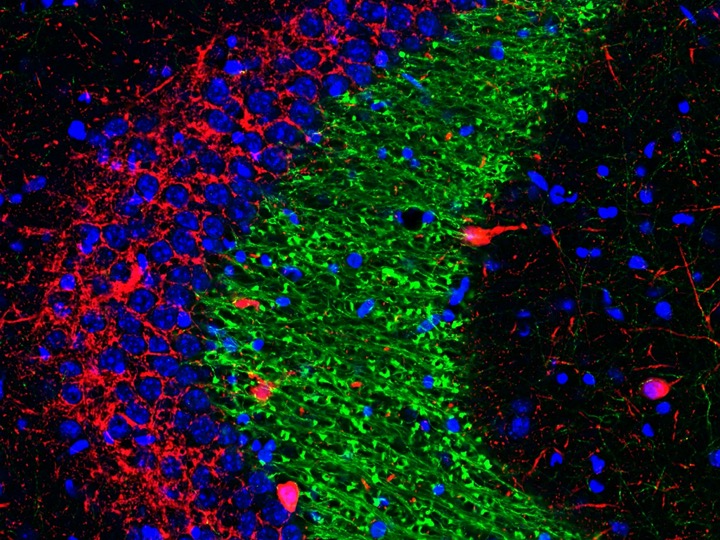 Advances in disease prevention and therapeutics have enabled humans to live longer than ever before.
 -
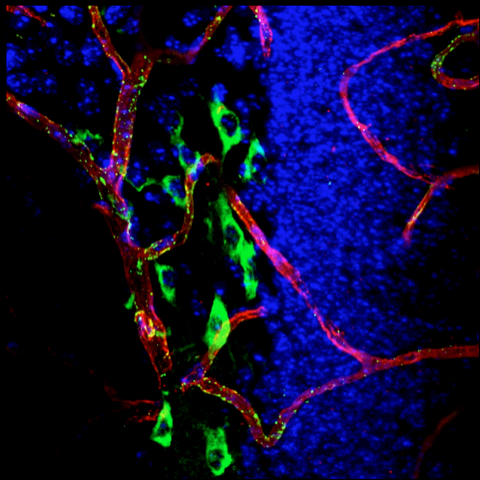 Cognitive function declines with age, reflecting a complex and interrelated set of changes in neurons, neural stem cells, glia and vascular cells.
 -
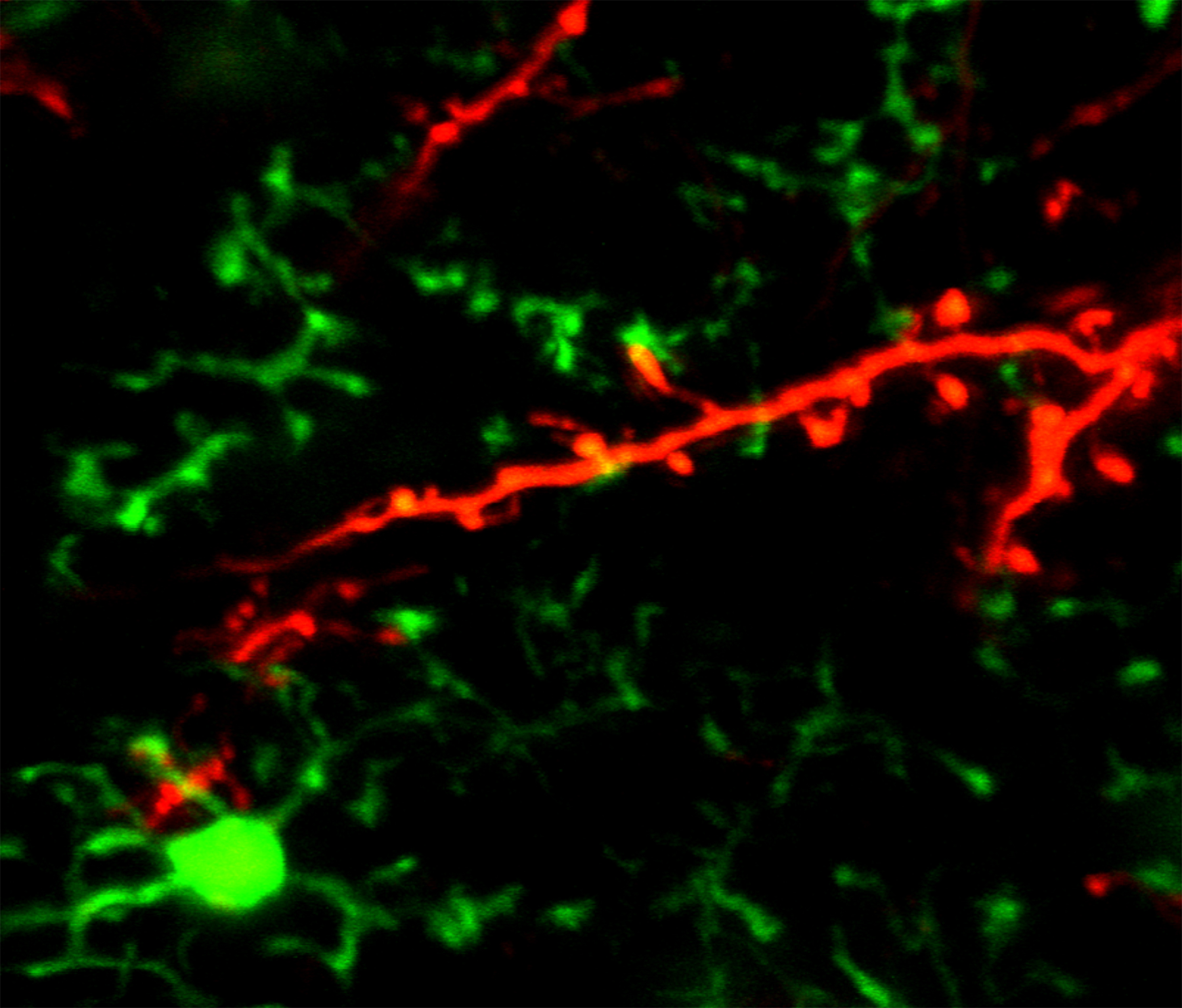 Aging is accompanied by a striking reduction in deep sleep and sleep structure.
 -
Many children with autism spectrum disorder (ASD) suffer from sleep disturbances such as difficulties in falling asleep, staying asleep or waking up early.
-
Autism spectrum disorders (ASDs) are complex, multigene conditions which ultimately converge to cause changes in the electrical activity in the brain.
-
Recent breakthroughs in antisense oligonucleotide (ASO) therapy have demonstrated that the damaging effects of some disease-causing mutations can be corrected in vivo.
-
The sensory and cognitive features of autism spectrum disorders (ASDs) must have origins in altered neural coding and information processing.
-
A strong genetic component exists among individuals with autism spectrum disorder (ASD), with an estimated heritability up to 80–90 percent; however, our existing knowledge can only explain …
-
Extensive genetic evidence implicates mutations in genes that encode subunits of the BAF chromatin remodeling complex (e.g., ACTL6B, ARID1B, ARID2, ATRX, BICRA, SMARCA2, SMARCA4 and SMARCC2) as …
-
 The Autism Diagnostic Observation Schedule (ADOS-2) provides a way for clinicians to observe the social communicative behavior and play/imagination of a participant and to place these …
 -
GABAergic neuronal signaling is essential in the development and basic functioning of the nervous system.
-
SCN2A, which encodes the alpha subunit of the neuronal voltage-gated sodium channel 1.2 (Nav1.2), is a high-confidence risk gene for autism spectrum disorders (ASD).
-
Autism spectrum disorder (ASD) is a highly heterogeneous and highly heritable condition with complex genetic contributions, and yet 20 percent of genetic risk is imparted by de novo …
-
Although approximately 50 percent of the risk of autism spectrum disorder (ASD) is genetic, genetics alone is insufficient for diagnosis and imparts little clinical utility for non-syndromic …
-
Autism spectrum disorder (ASD) is a multifactorial spectrum of neurodevelopmental conditions with complex genetic traits underlying their etiology.
-
Thanks to the Simons Simplex Collection and other genetic cohorts of individuals with autism spectrum disorder (ASD), over 100 high-confidence risk genes have now been identified.
-
A large number of mutations in chromatin regulatory proteins have been observed in autism spectrum disorders (ASDs).
-
Alternative splicing is recognized as a major mechanism to increase protein diversity by shuffling coding gene sequences.
-
 An art/design incubator that brings scientific research into mainstream dialogue, translating complex issues for the general public.
 -
 A weeklong summer camp offering hands-on STEAM education for underprivileged youth in Queens, NY.
 -
Animals display a strong motivation to engage in social interactions and maintain social bonds.
-
Fragile X syndrome (FXS), an autism spectrum disorder (ASD) and the most common genetic form of intellectual disability in males, is caused by the loss of function of …
-
Autism spectrum disorder (ASD) is difficult to diagnose and treat because it is a heterogenous condition with diverse molecular and genetic etiologies.
-
Autism spectrum disorders (ASDs) represent a heterogeneous group of neurodevelopmental conditions with a strong genetic basis.
-
Autism spectrum disorders (ASDs) are prevalent neurodevelopmental disorders, characterized by difficulties in social communication and interactions as well as restricted, repetitive behaviors.
-
Sleep and circadian (approximately 24 hour) rhythm disturbances are prevalent in as many as 80 percent of individuals with autism spectrum disorders (ASDs).
-
Fragile X syndrome (FXS) is the most common cause of inherited intellectual impairment and the most frequent single gene cause of autism.
-
A decrease in cortical neural inhibition has been hypothesized to be a primary contributor to the neurobiological basis of autism spectrum disorder (ASD)1.
-
The foundation for the functional and anatomical complexity of the brain is laid during embryogenesis, when the neural plate develops into the entire central nervous system in a …
-
Individuals with autism spectrum disorder (ASD) often report that their sensory processing difficulties are particularly bothersome.
-
Approximately 100 risk genes for autism spectrum disorder (ASD) have emerged from studies focused on identifying germline de novo mutations (GDMs) within the exome.
-
The SCN2A gene encodes the alpha subunit of the neuronal voltage-gated sodium channel NaV1.2.
-
Genomic copy number variation (CNV) of part of human chromosome 1 (1q21.1 distal deletion/duplication interval) has been associated with autism spectrum disorder (ASD) in multiple studies …
-
High-confidence autism risk genes fall within several distinct functional categories, which include synaptic genes, WNT pathway genes and genes encoding chromatin remodeling factors.
-
Gene-disrupting genetic variants frequently lead to neurodevelopmental disorders, including autism spectrum disorder (ASD), when they occur in one of the several hundred genes associated with these conditions.
-
Computational gene risk prediction methods and network-based analyses are major tools in analyzing large autism spectrum disorder (ASD) datasets based on whole-exome and whole-genome sequencing …
-
The search for therapies for autism spectrum disorder (ASD) might benefit from discovering reliable endophenotypes in animal models, especially if these could be adapted to in vitro assays …
-
Gastrointestinal issues have been identified as a comorbidity of autism spectrum disorder (ASD).
-
Much progress has been made in our understanding of the genetic and molecular factors underlying autism, and how they affect structural and electrophysiological properties of single neurons and …
-
In addition to social challenges and communication difficulties, a commonly associated feature of autism spectrum disorder (ASD) is alterations in sensory function, including changes in touch, vision and …