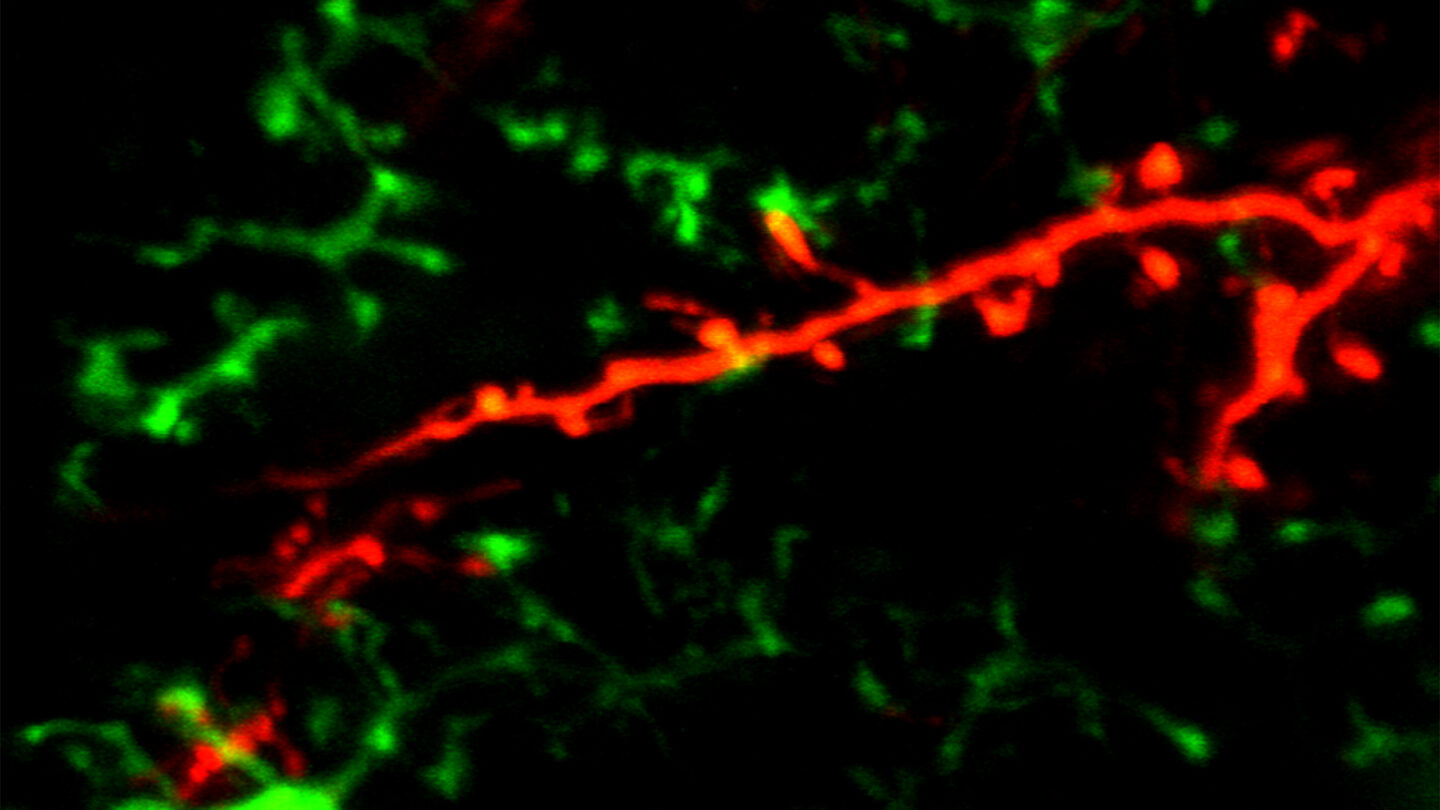
Aging is accompanied by a striking reduction in deep sleep and sleep structure. Because sleep plays several essential roles in the brain, loss of sleep with age may contribute to cognitive decline — for example, sleep loss predicts individual memory ability in older adults. During sleep, glial cells and the lymphatic system help remove metabolic waste that accumulates in brain cells when we’re awake, reducing inflammation and restoring a healthy neural environment. Sleep is also crucial for regulating neural plasticity. During wakefulness, the size and number of synapses and overall excitability in the brain rises. Sleep restores the baseline and prevents the brain from becoming hyperexcitable.
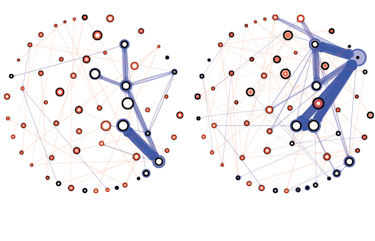
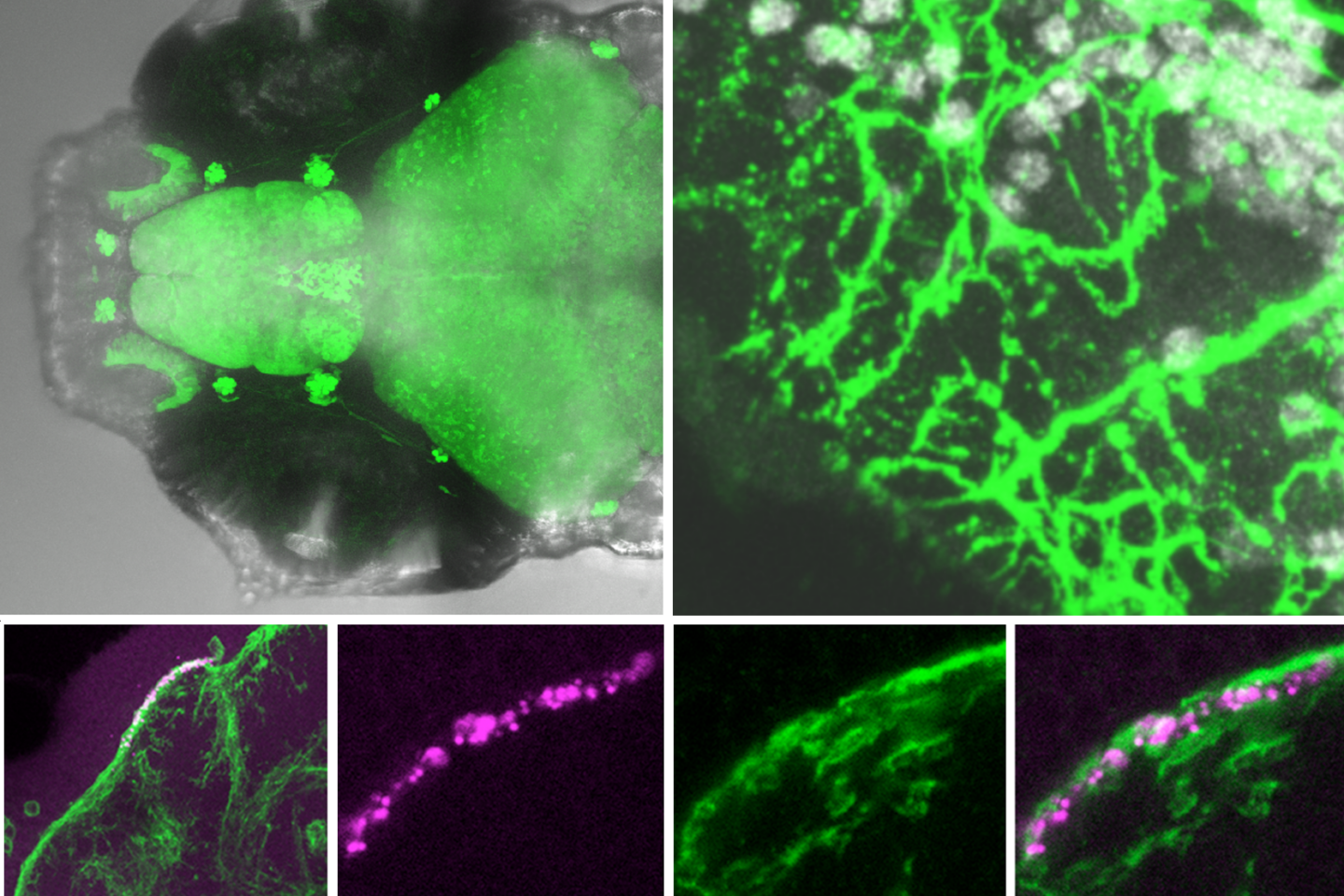
It’s unclear exactly how age-related sleep decline disrupts cognitive function. We hypothesize that worsening sleep quality impairs waste removal, triggering low-grade neuroinflammation, slowing the birth of new brain cells and dampening synaptic plasticity. Our collaboration will identify how glial function during sleep changes with age in fish, mice and humans and how these changes influence inflammation and neural plasticity. We will determine if improving the quality of sleep and enhancing glial waste-removal systems makes animals more resilient to age-related cognitive decline. We will search for mechanisms that impair waste removal and determine how modulating these mechanisms influences plasticity, memory and the birth of new neurons. The results will highlight potential biomarkers that can be used to assess sleep-related damage with age, as well as targets for slowing sleep-related cognitive decline.
Awardees

Anne Brunet
Investigator, Simons Collaboration on Plasticity and the Aging Brain

Anna Gillespie
Investigator, Simons Collaboration on Plasticity and the Aging Brain

Laura Lewis
Investigator, Simons Collaboration on Plasticity and the Aging Brain
Maiken Nedergaard
Investigator, Simons Collaboration on Plasticity and the Aging Brain
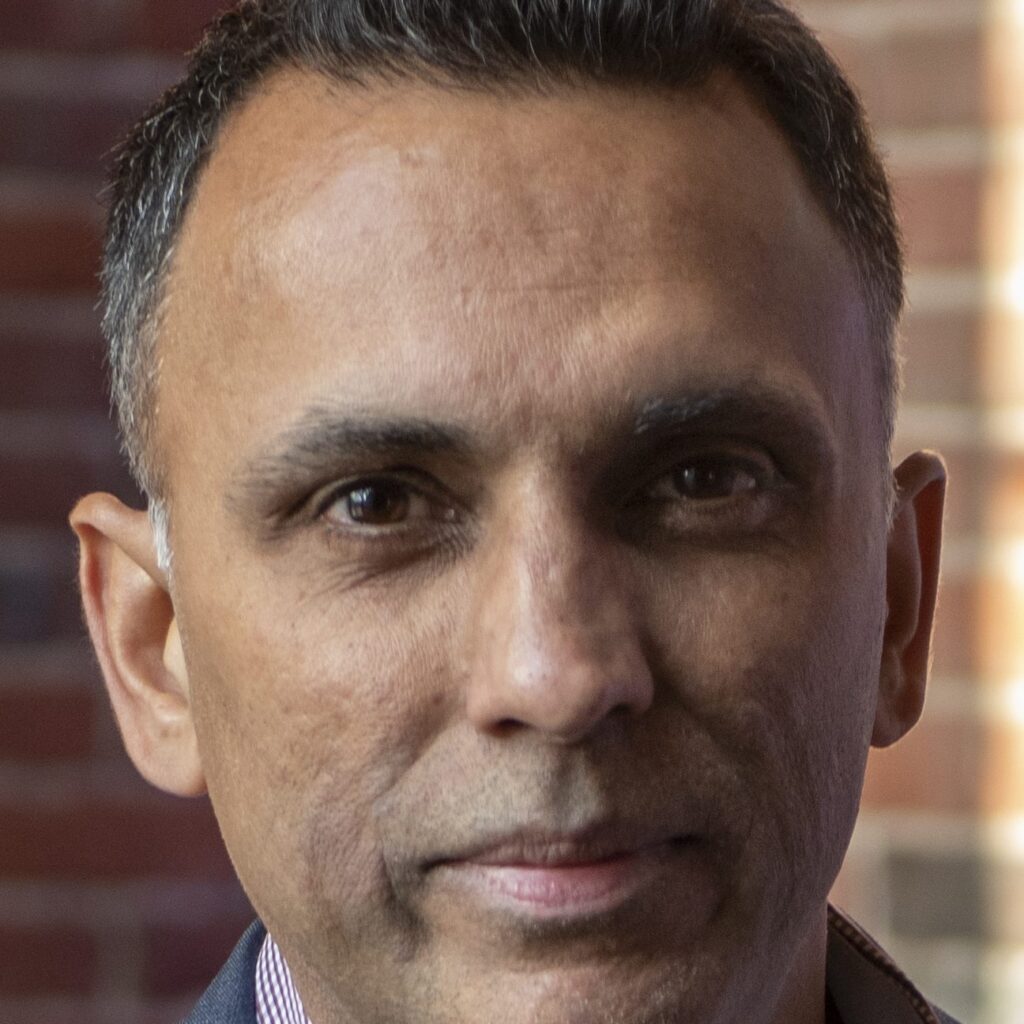
Amar Sahay
Investigator, Simons Collaboration on Plasticity and the Aging Brain
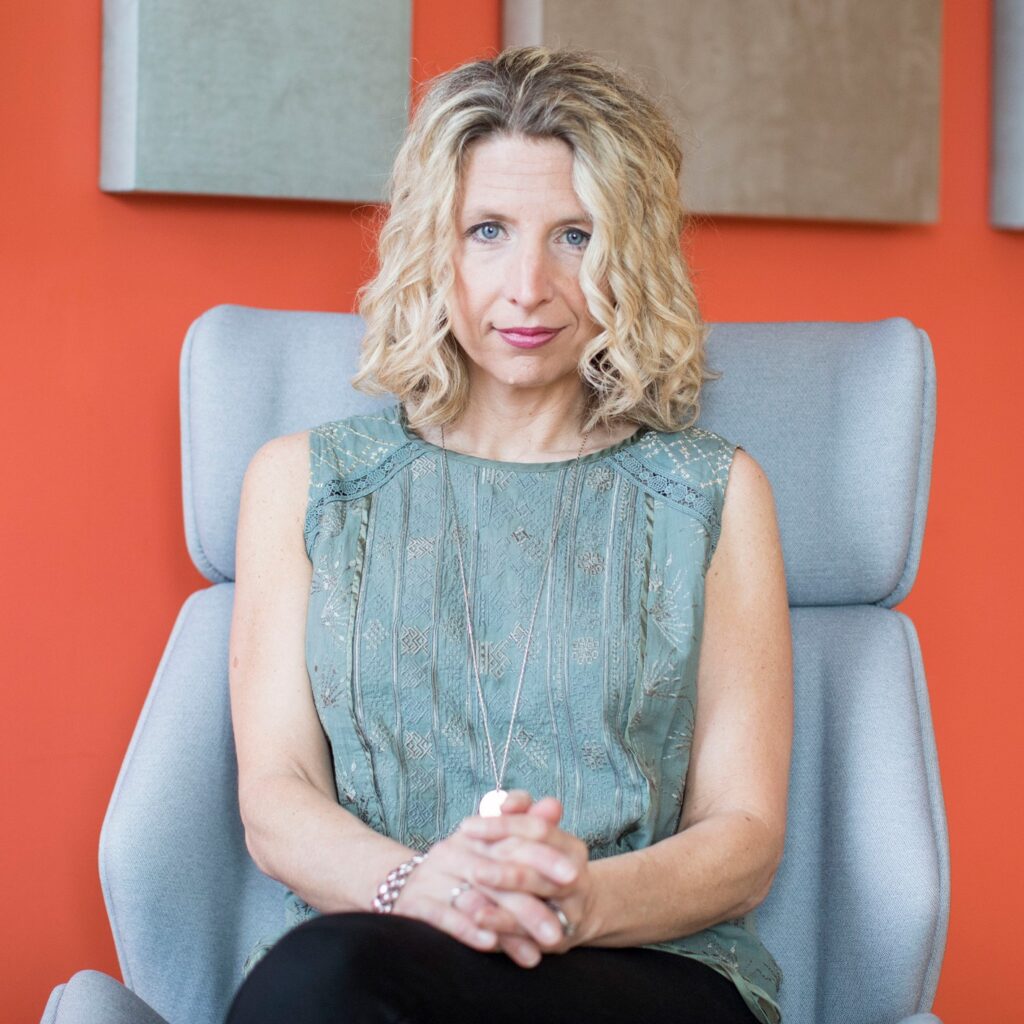
Beth Stevens
Investigator, Simons Collaboration on Plasticity and the Aging Brain