A Massive Black Hole Collision Confirms Predictions from Einstein and Hawking
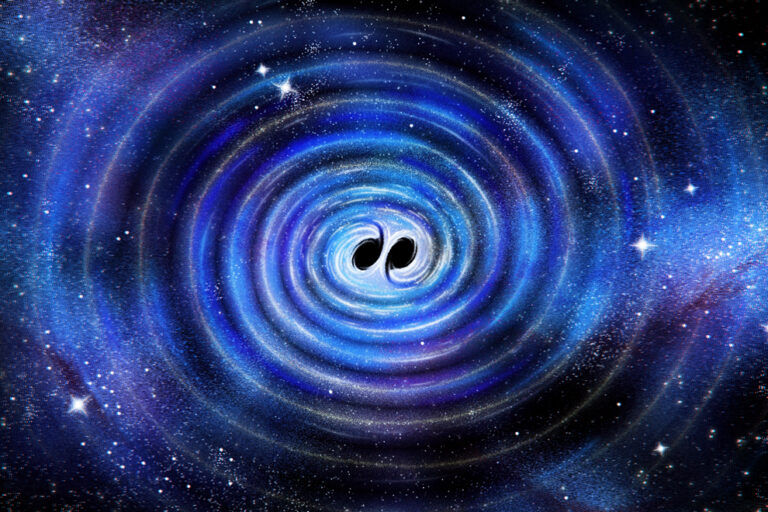
A decade after the first gravitational waves were detected from colliding black holes, a newly observed black hole merger offered the clearest view yet of how black holes work, confirming key predictions by Albert Einstein and Stephen Hawking. The measurements, made by the Laser Interferometer Gravitational-Wave Observatory (LIGO) and analyzed by researchers at the Flatiron Institute’s Center for Computational Astrophysics, reveal new clues about the deep connection between quantum physics and general relativity.
Linking Traits to Genetics Reveals 4 Potential Subclasses of Autism
Autism can present with a wide range of traits, making it difficult for scientists to link observed behaviors to underlying genetics. Researchers from the Flatiron Institute’s Center for Computational Biology and collaborators used data from SPARK, the largest autism cohort to date, to analyze genetic and trait data from over 5,000 children and teenagers with autism. They identified four distinct groups with shared characteristics tied to specific genetic variants and biological processes, a step toward more precise diagnoses and earlier, personalized support and interventions.
Thank Math for Lowering Your Electric Bills
Modern LEDs use roughly one-tenth the energy of standard incandescent lightbulbs to produce the same light, saving U.S. households $14.7 billion in 2018 alone and an estimated $890 billion by 2035. A surprising driver of this efficiency is pure mathematics. In 2012, mathematician Svitlana Mayboroda and physicist Marcel Filoche developed the ‘landscape function,’ a new way to predict how waves behave in complex, nonuniform environments. Their work, later expanded through the Simons Collaboration on the Localization of Waves, of which Mayboroda served as director, bridged pure mathematics, physics and materials science to optimize light-producing materials in LEDs without costly trial and error.
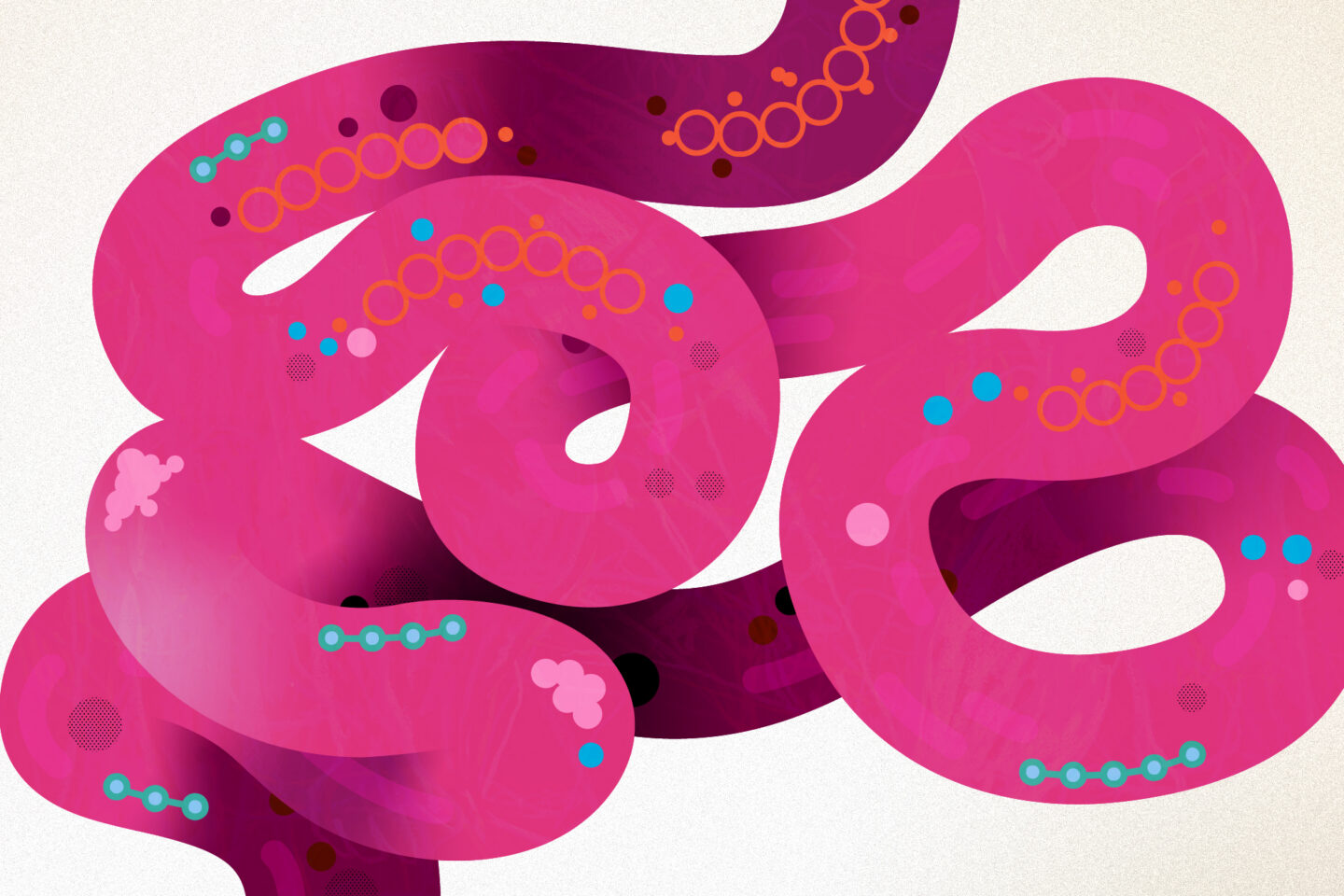
Need to Bounce Back from a Depleted Gut? A Healthy Diet Is Everything
Trillions of microbes live in the human body, forming a vital community that supports digestion, immunity and defense against disease. However, illness or medical interventions like antibiotics can disrupt this balance. In a study of mice, Joy Bergelson, executive vice president of the Simons Foundation’s Life Sciences division, and collaborators suggested that the most effective way to restore a depleted microbiome is also the simplest: maintaining a healthy diet. The findings demonstrate that diet is probably essential for microbiome recovery and can even outperform more intensive interventions such as fecal transplants.
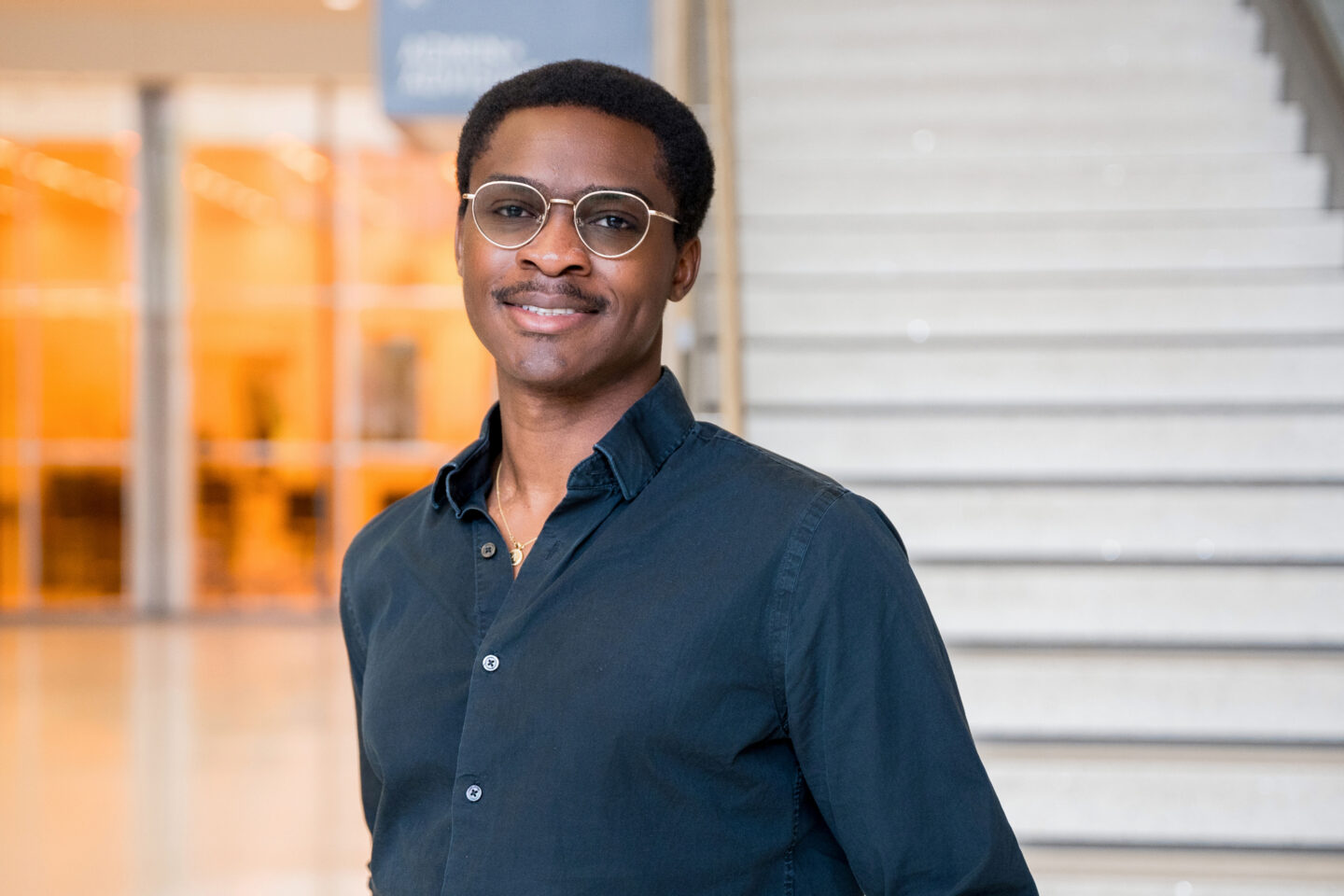
Daniel Alabi: Protecting Privacy Through Computer Science and the Importance of Mentorship
Computer scientist Daniel Alabi, a 2022 Junior Fellow in the Simons Society of Fellows, is dedicated to safeguarding privacy, working to counter AI-generated deepfakes and even making the U.S. census safer. He is also an advocate for mentorship, aiming to enhance computer science education for teenagers in his native Nigeria. Alabi discussed how the Simons Society of Fellows enabled him to take his work to new heights.
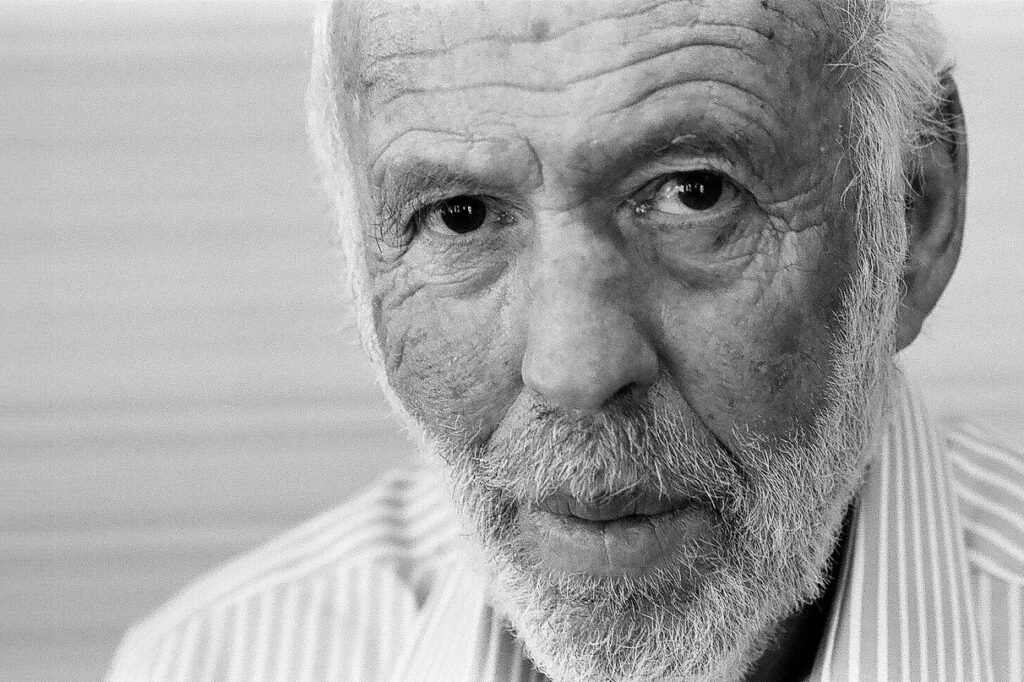
Mathematicians, Scientists and Philanthropists Gather to Honor Jim Simons
At a June tribute event, the Simons Foundation honored its late co-founder Jim Simons for his lifelong support of mathematics and basic science. Marilyn Simons, David Spergel, Cori Bargmann, Naomi Azrieli, Jennifer Doudna, David Emil Reich, Alessio Figalli, Nima Arkani‑Hamed, Jennifer Chayes and others highlighted his visionary philanthropy, commitment to high‑risk, high‑reward research and lasting influence on the scientific community.
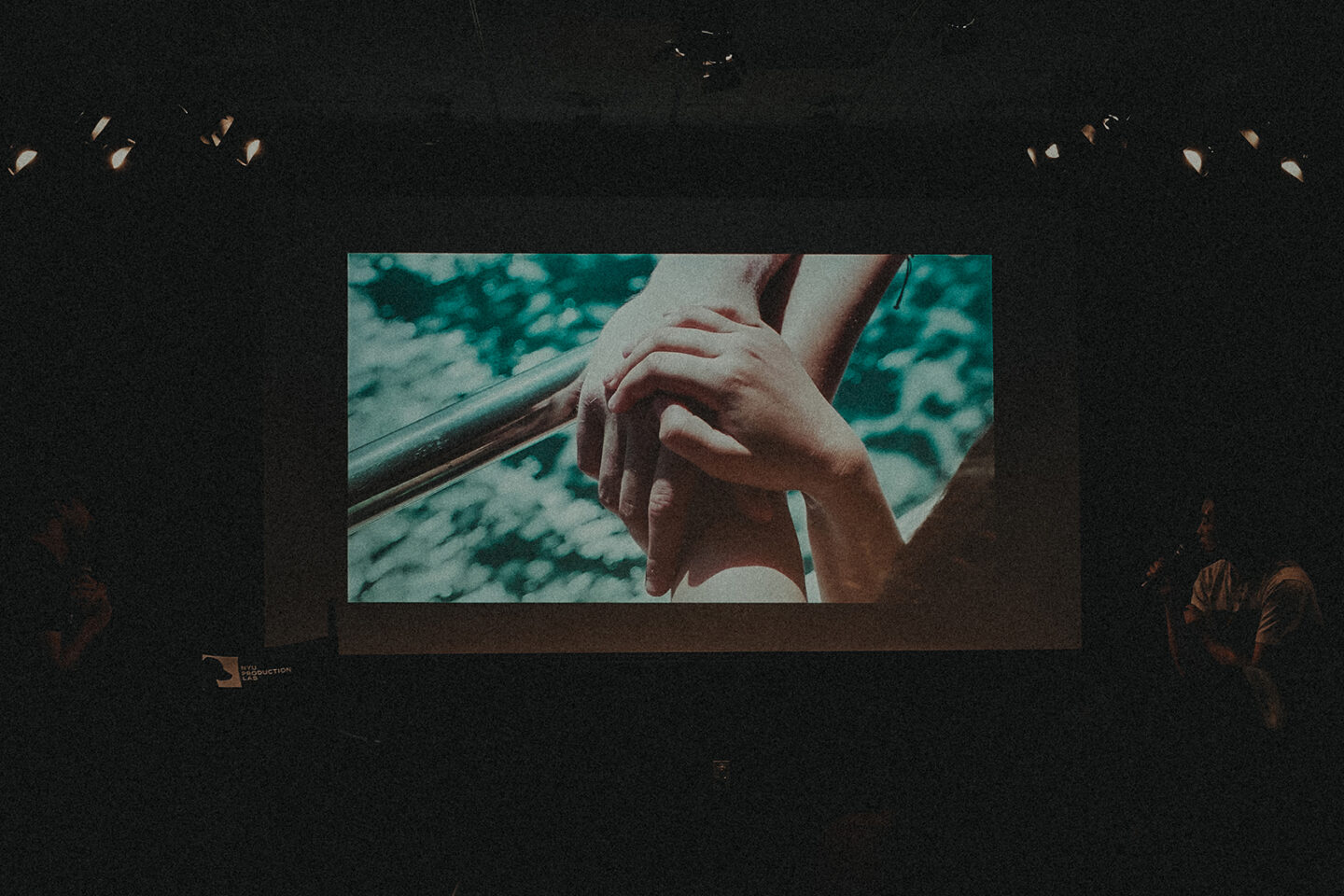
Science Meets Cinema in 6 Short Films Created by Researchers and Filmmakers
This summer, the Simons Foundation’s Science, Society & Culture (SSC) division paired Flatiron Institute researchers with filmmakers to produce six short films, putting an artistic spin on subjects such as gravitational waves and amino acids. The program, called Symbiosis, is part of SSC’s Researcher Engagement program, which aims to connect members of the foundation’s scientific community with opportunities for public engagement.

This Computer Model Predicts Natural Disasters
The open-source modeling platform GeoClaw — developed in part by researchers at the Flatiron Institute’s Center for Computational Mathematics — enables experts to simulate complex geophysical flows associated with natural disasters such as tsunamis, landslides and asteroids. The tool is being leveraged by federal and state agencies, academic institutions, insurance companies and advocacy groups to better predict and prepare for deadly natural disasters.

Why Can Autism Cause Slower Updating of Expectations?
A study revealed that mice carrying autism-linked genetic variants update their ‘priors’ — expectations based on past experience — more slowly and inflexibly. Unlike typical mice, which adjust these expectations in sensory brain regions, the variant-carrying mice rely more heavily on frontal areas involved in reasoning and cognition. Jean-Paul Noel, a Simons Foundation Autism Research Initiative (SFARI) Investigator and a member of the Simons Collaboration on Ecological Neuroscience and the International Brain Laboratory, led the study in collaboration with Edoardo Balzani of the Flatiron Institute’s Center for Computational Neuroscience, offering fresh insight into how prior updating may differ in autism.
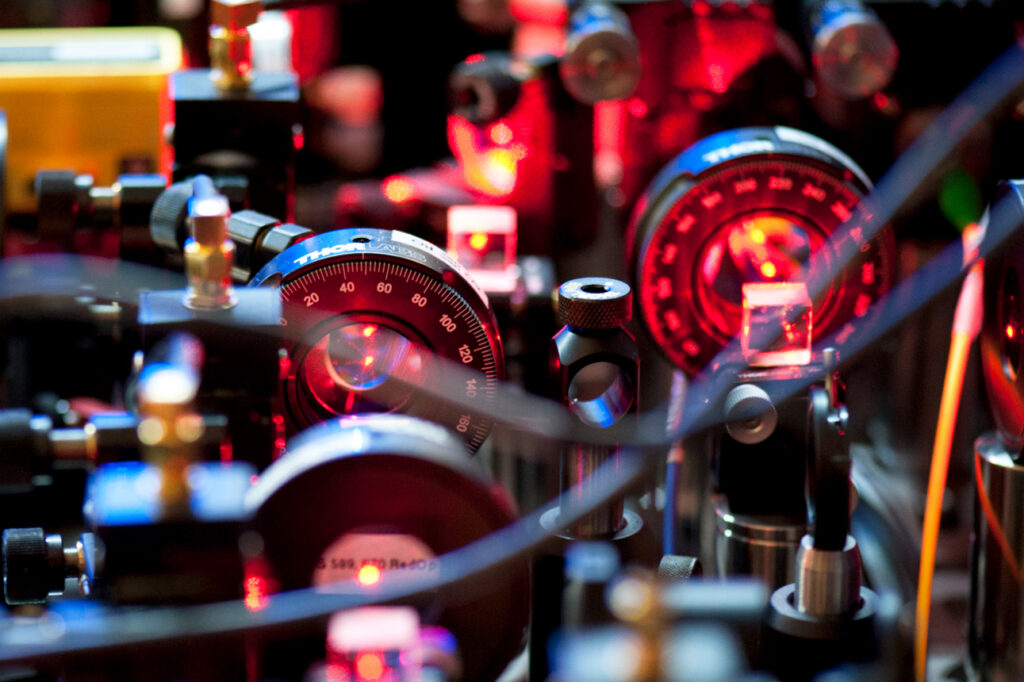
Chilling a Quantum System to a Lowest-Ever Temperature
Researchers at Harvard University and the Flatiron Institute’s Center for Computational Quantum Physics cooled a quantum system called the Hubbard model to record-low temperatures. Reaching these extreme conditions allows more powerful simulations of quantum materials and could shed new light on phenomena such as superconductivity.