Search
What are you looking for?
Featured



Results
-
 From black holes to massive stars, Flatiron theoretical astrophysicist Yan-Fei Jiang is working to tackle some of the hardest problems in modeling extreme cosmic environments.
 -
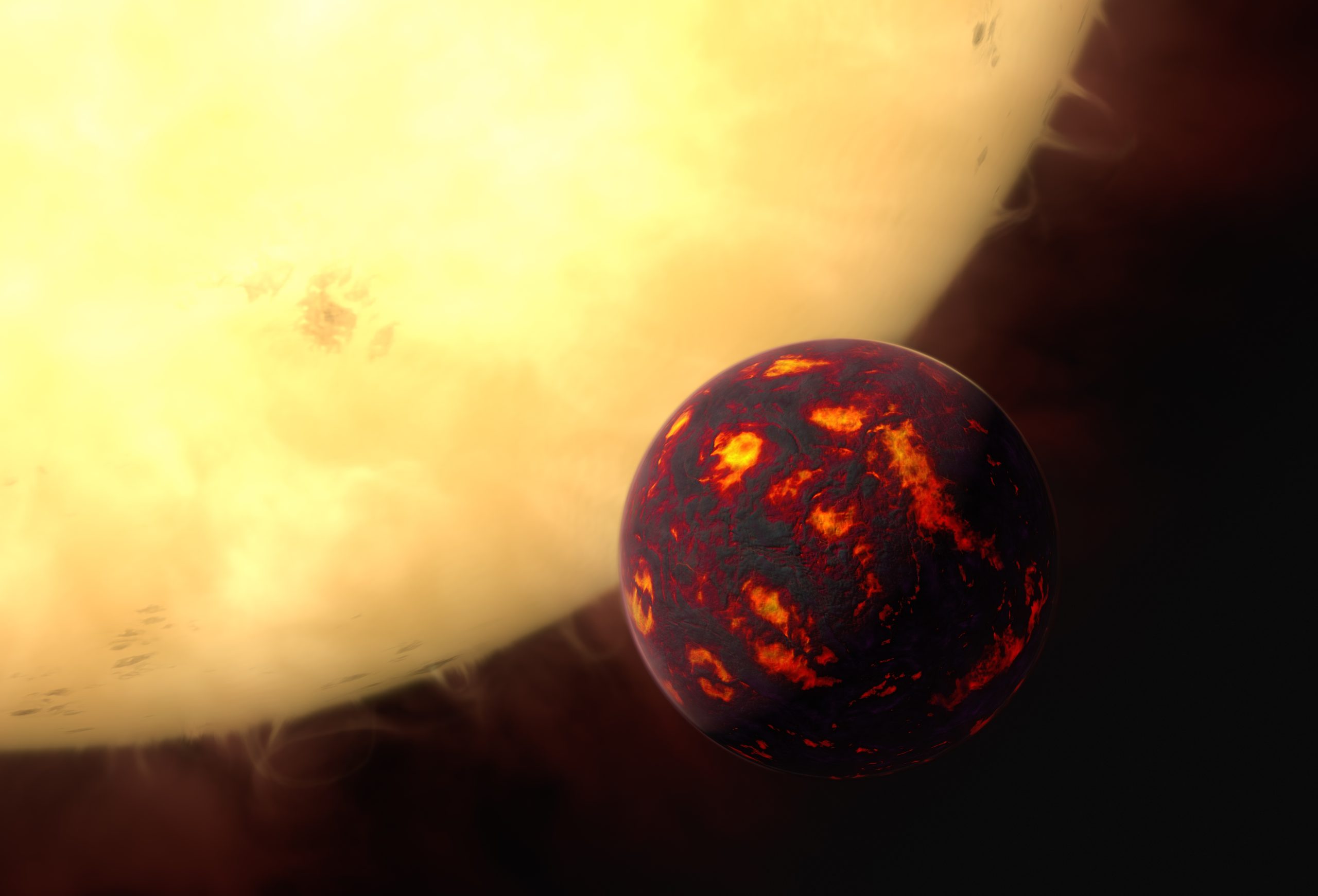 New ultra-precise measurements reveal the orbital path of planet 55 Cnc e (nicknamed “Janssen”), a scorchingly hot super-Earth closely circling a distant star. The findings, made …
 -
 Computational models are empowering researchers to understand observations from the James Webb Space Telescope, painting a virtual picture of the early universe.
 -
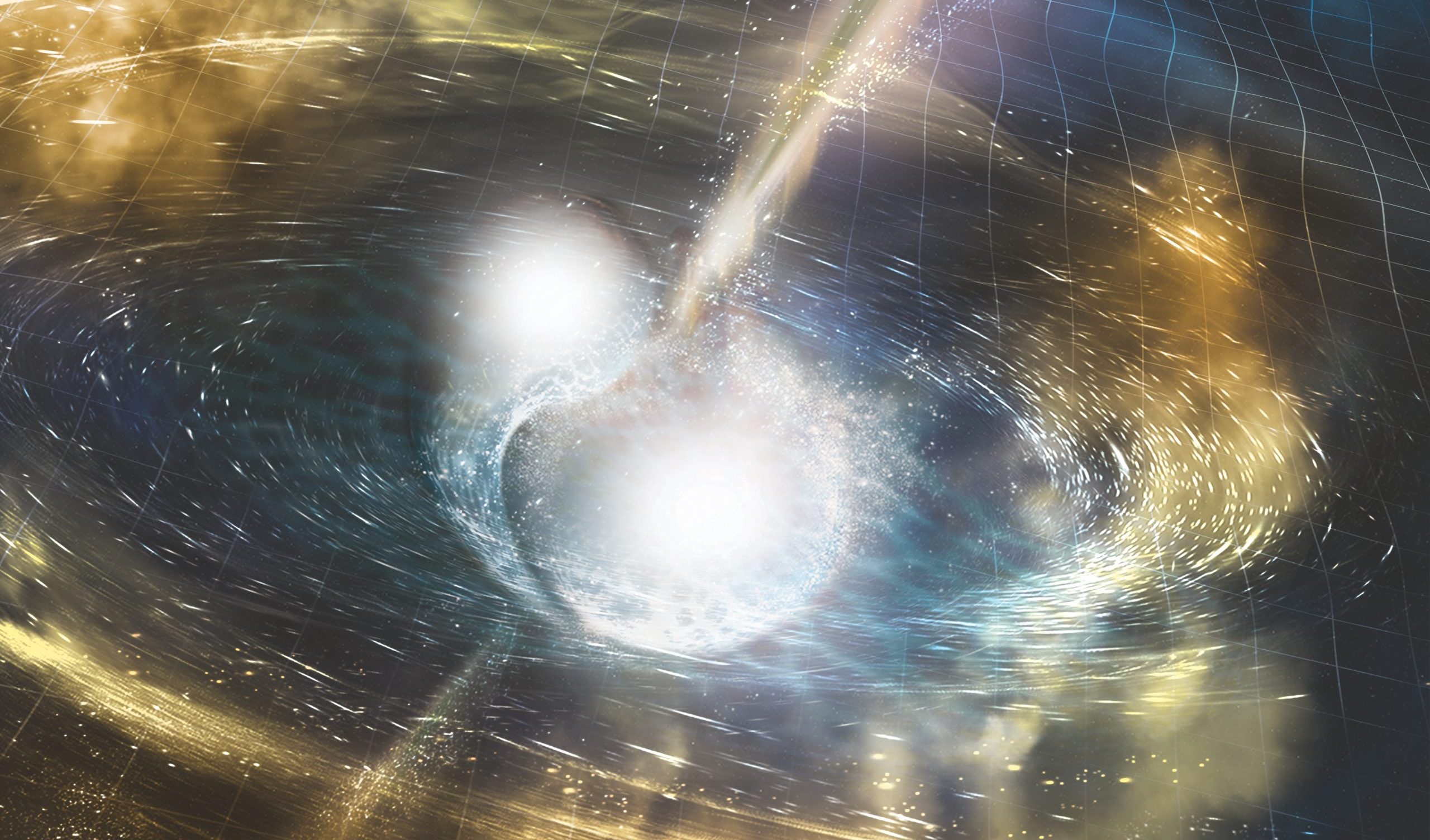 … angle. Further data collected in the following months confirmed that the hypothesis supported in this work is indeed correct. Cantiello joined the foundation in 2017 as associate …
 -
 Is there another Earth out there? Flatiron Institute astronomer Megan Bedell is on the hunt for Earth 2.0. And she’s making new discoveries about sunlike stars …
 -
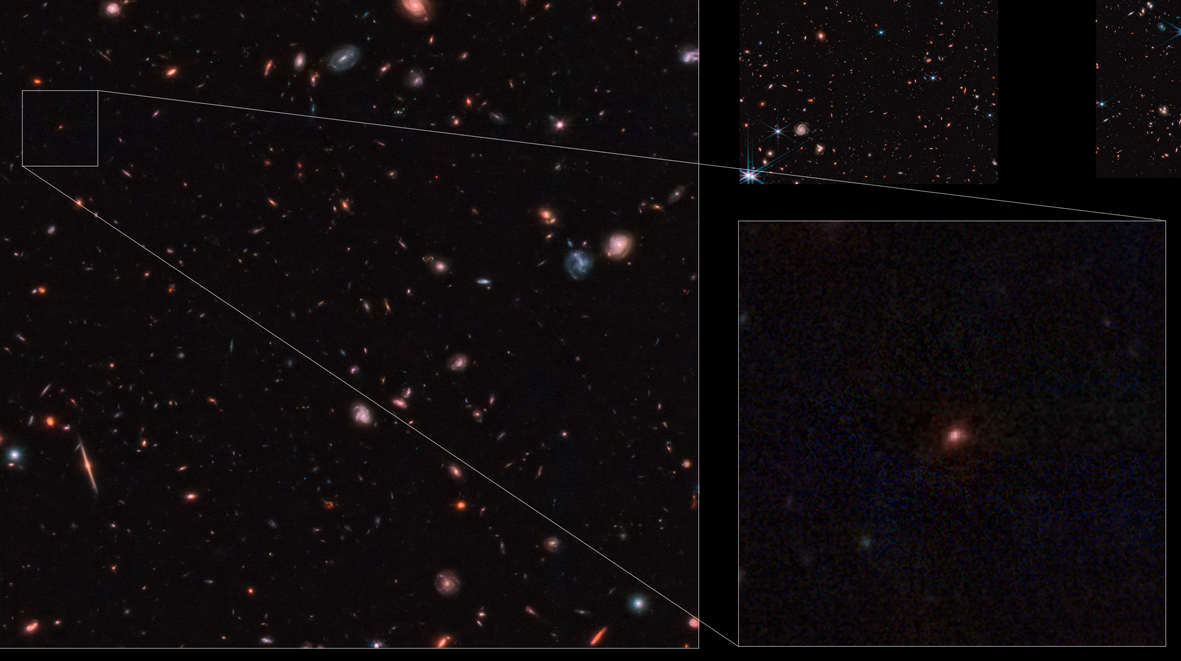 … galaxies’ evolution and create predictions for future observations. “One thing we still don’t really understand is how they formed so quickly,” says Yung. “They’re only …
 -
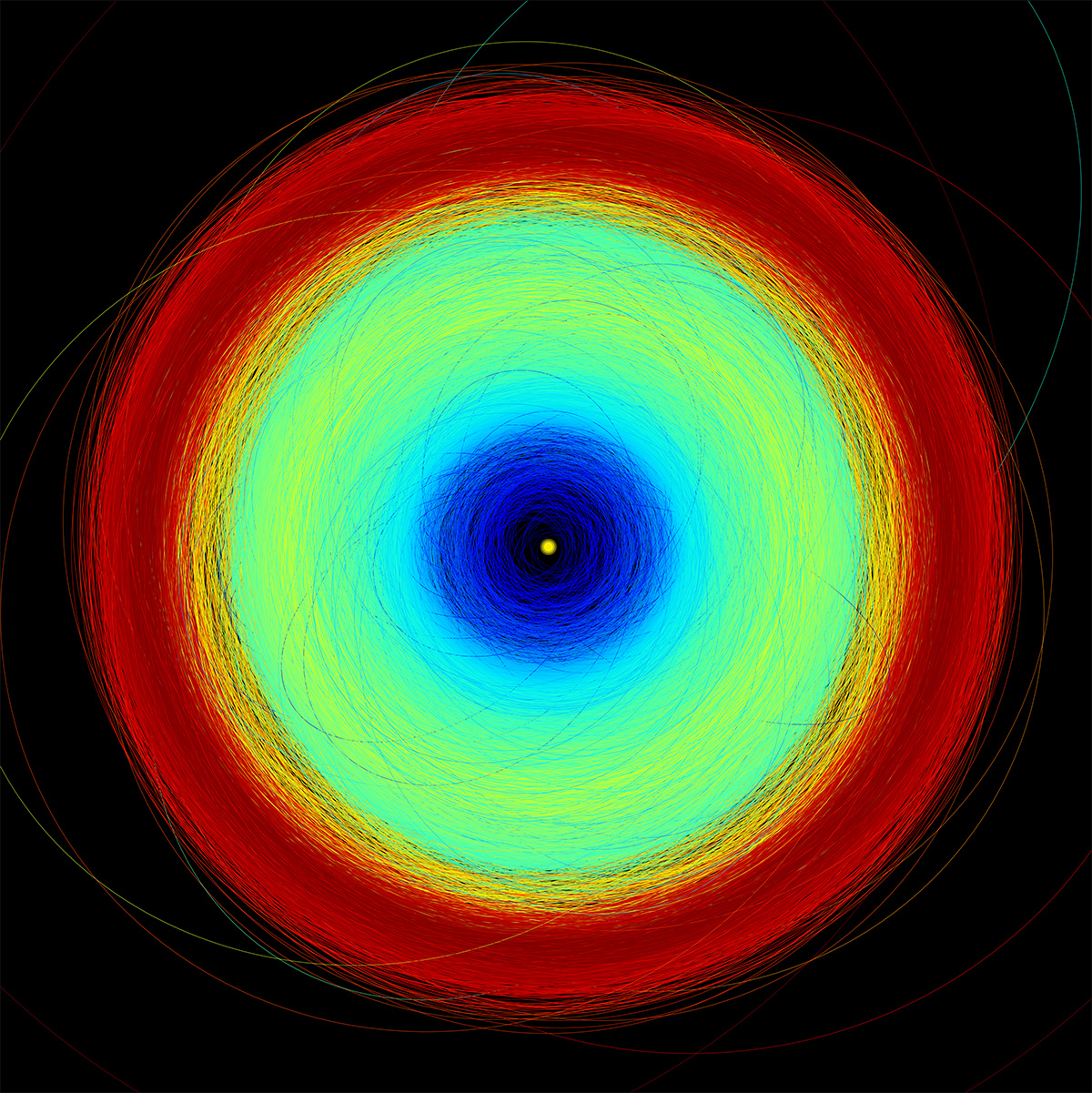 … galaxy’s structure and evolution over billions of years to better understand the life cycle of stars and our place in the universe. DR3 includes new information …
 -
 Massive stars are key players in the universe. They explode as supernovae, affect the evolution of galaxies, and even create the elements in our DNA. Through computer modeling …
 -
 The Alfred P. Sloan Foundation has awarded one of its prestigious research fellowships to cosmologist J. Colin Hill. The fellowship “recognizes and rewards outstanding early-career faculty who …
 -
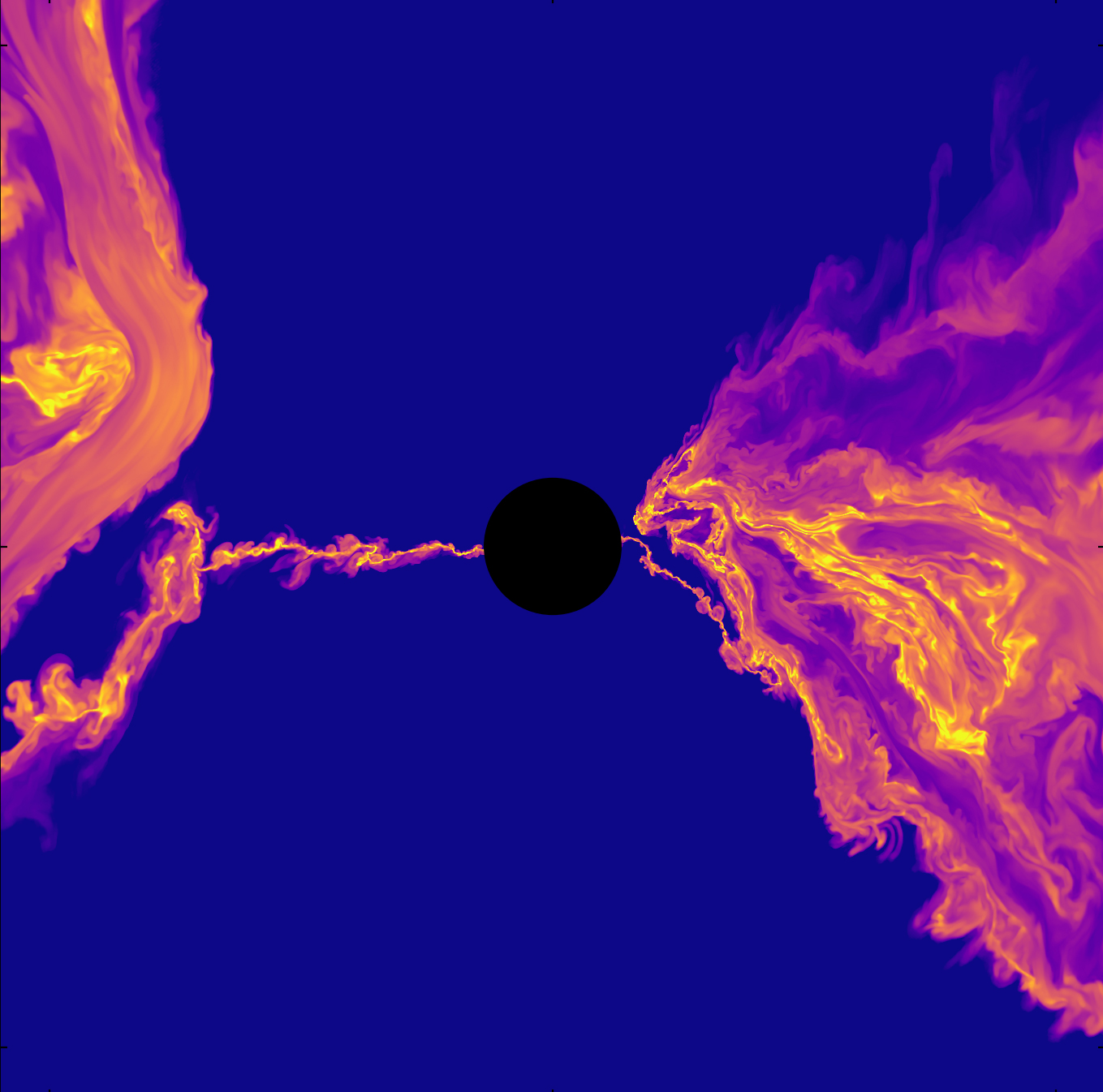 Researchers at the Flatiron Institute and their collaborators found that breaking and reconnecting magnetic field lines near the event horizon release energy from a black hole’s magnetic …
 -
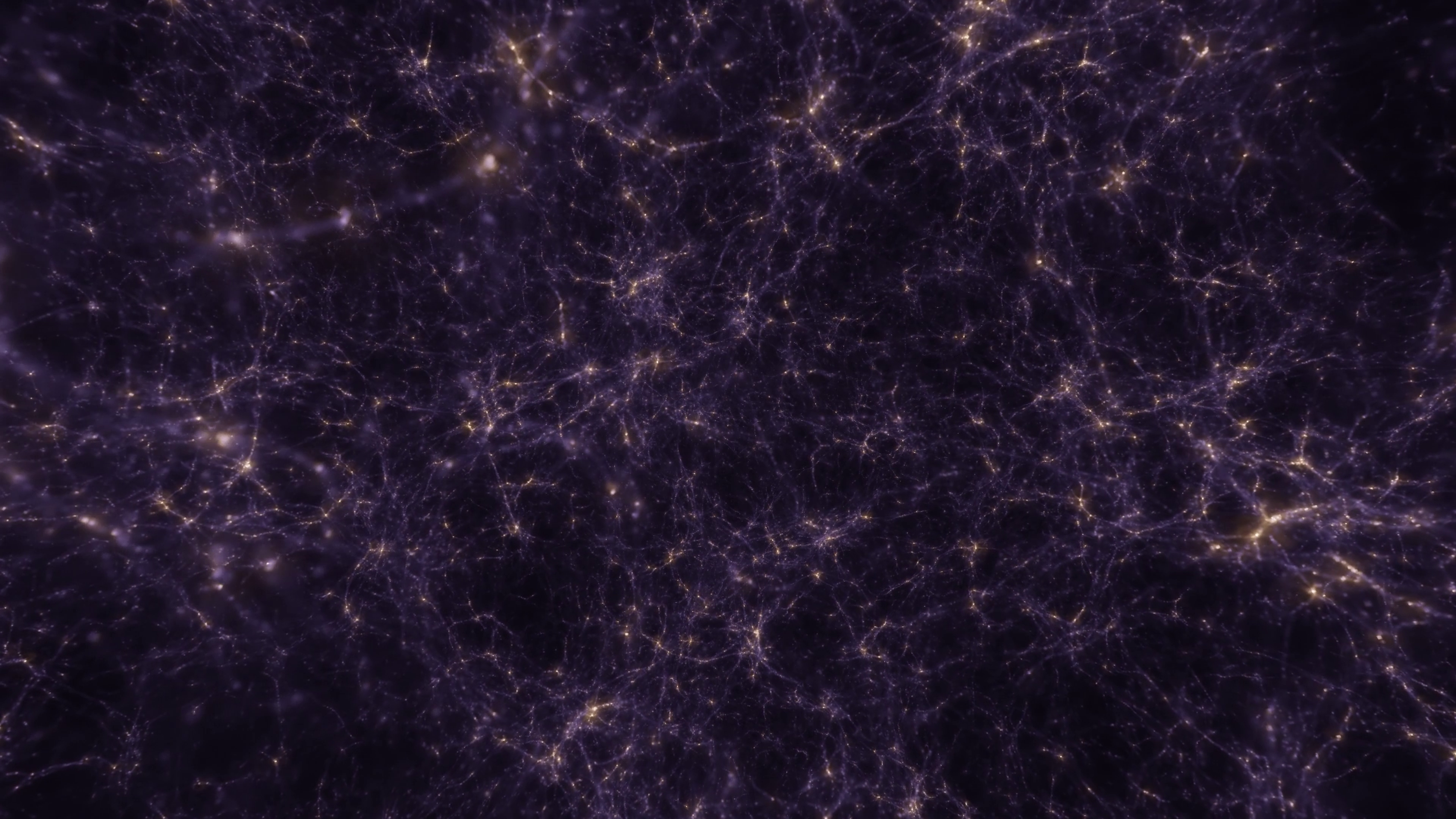 The CAMELS project uses machine learning and thousands of simulations to extract secrets from the cosmos
 -
 The Center for Computational Astrophysics (CCA) at the Simons Foundation’s Flatiron Institute is accepting requests from faculty members on sabbatical who are interested in visiting the CCA …
 -
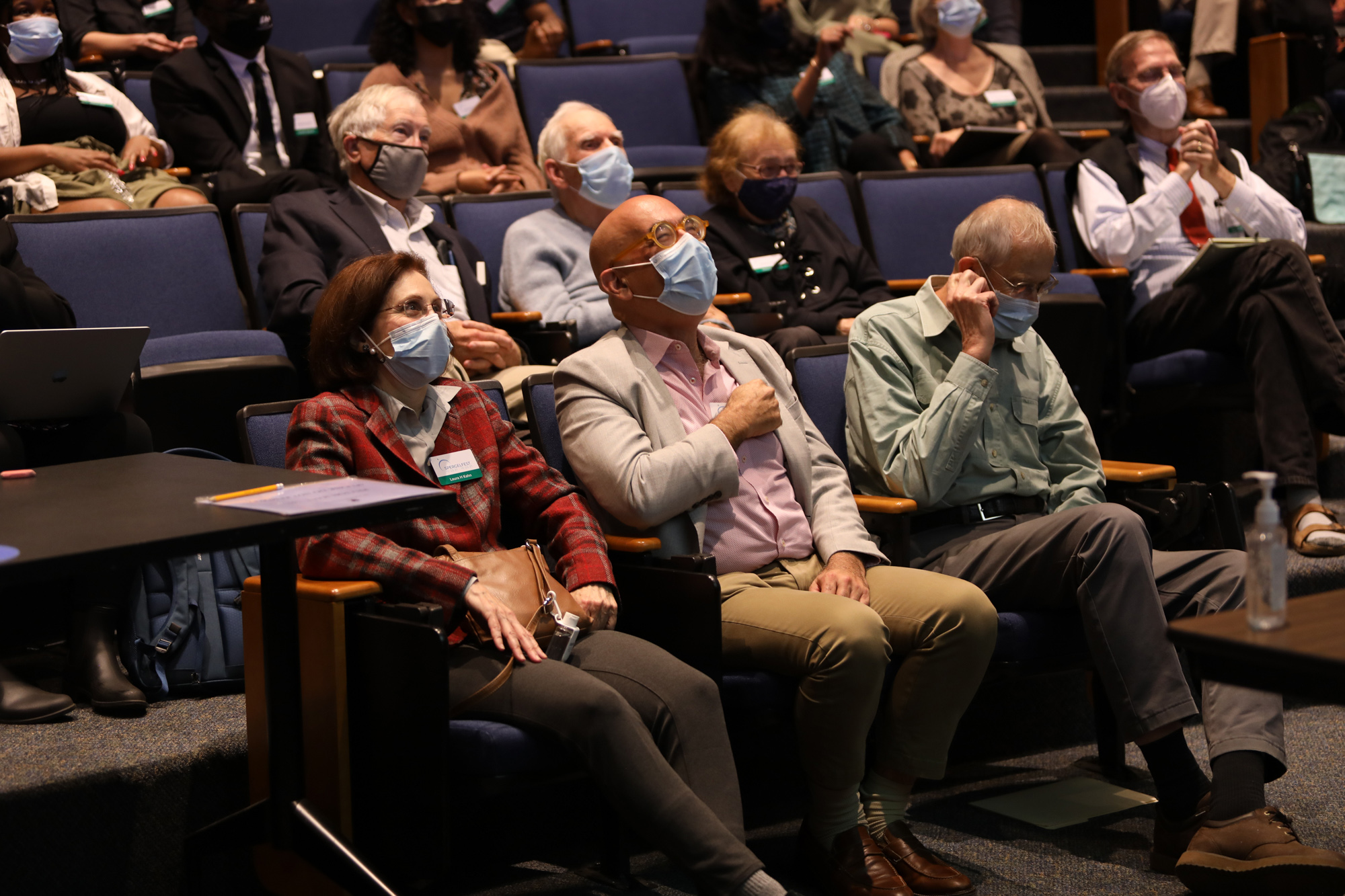 … best wishes via prerecorded video message, lauding Spergel’s work in encouraging — and guiding — government funding of science. The celebrations focused not only on Spergel but also …
 -
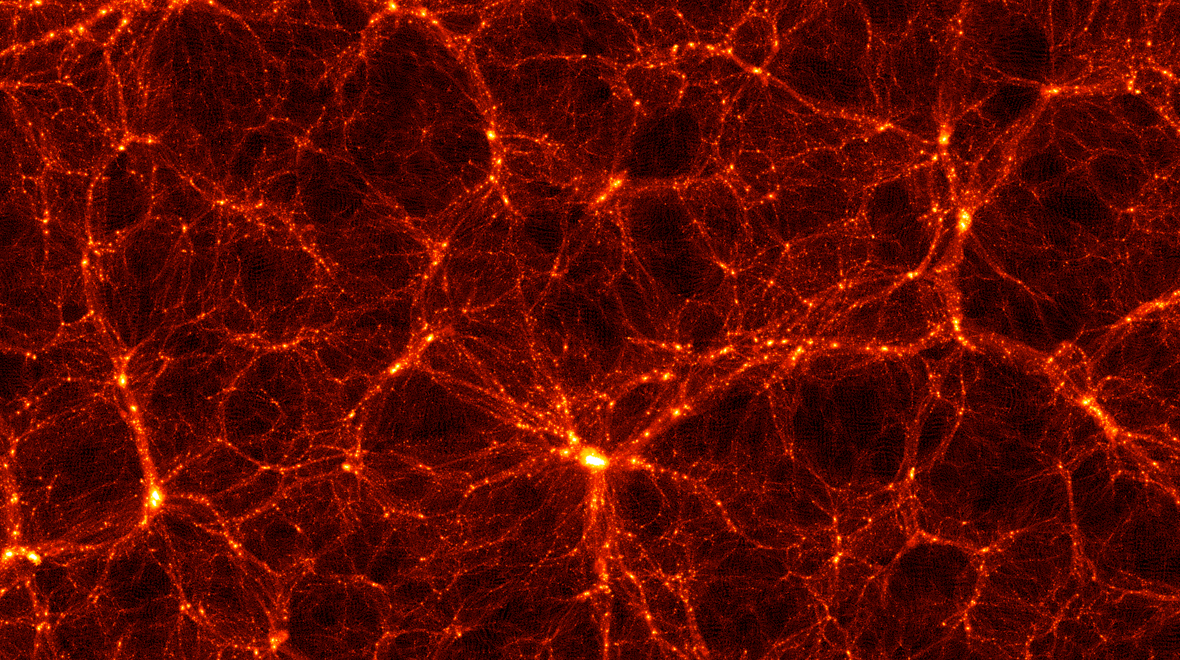 The AbacusSummit simulations will help scientists extract information about the universe from upcoming cosmological surveys.
 -
 The American Physical Society has named Blakesley Burkhart the winner of the 2022 Maria Goeppert Mayer Award, which recognizes and enhances outstanding achievement by a woman physicist in …
 -
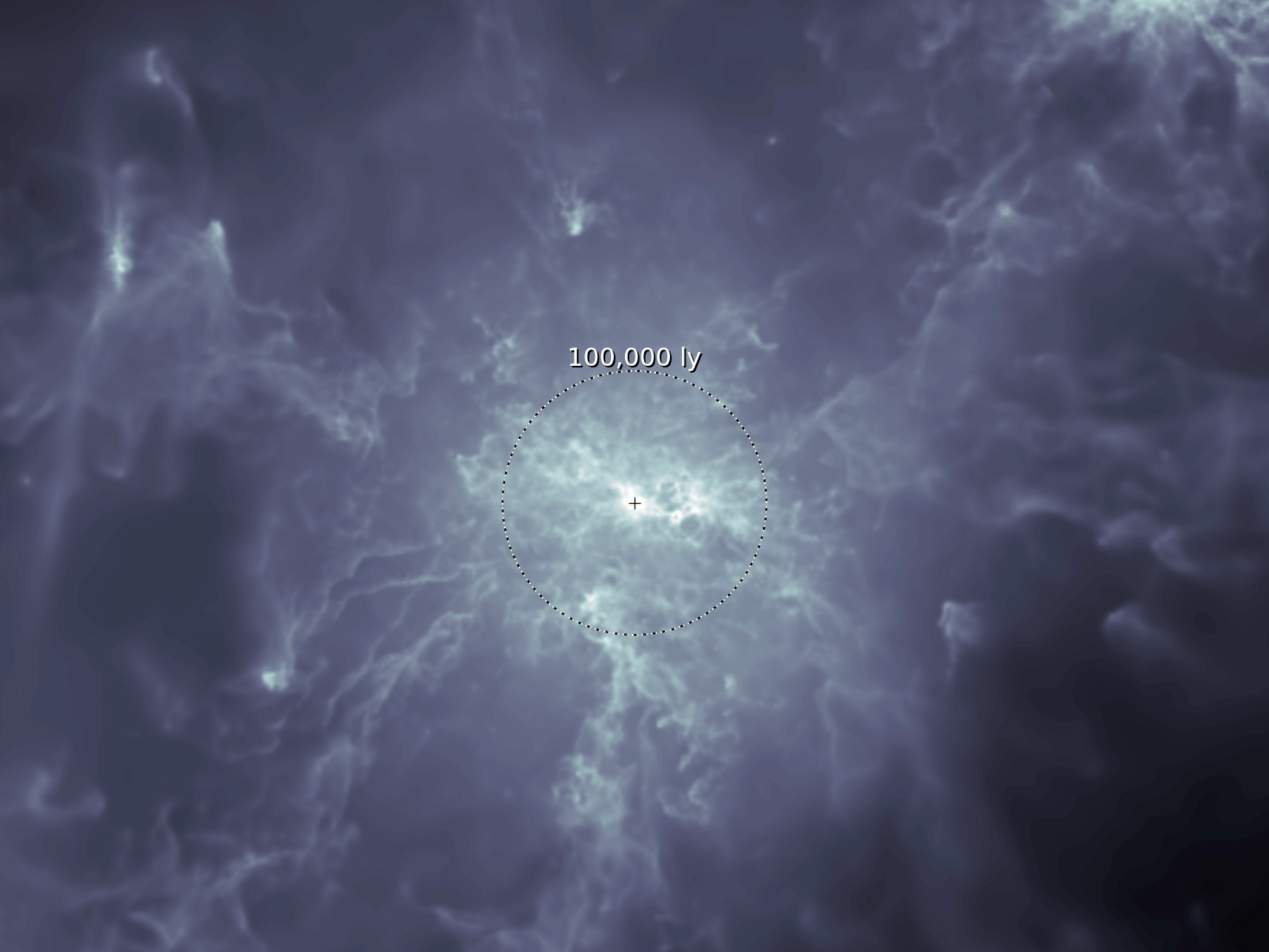 … central accreting supermassive black hole. Anglés-Alcázar et al. Astrophysical Journal 2021 “This is the first time that we have been able to create a simulation that …
 -
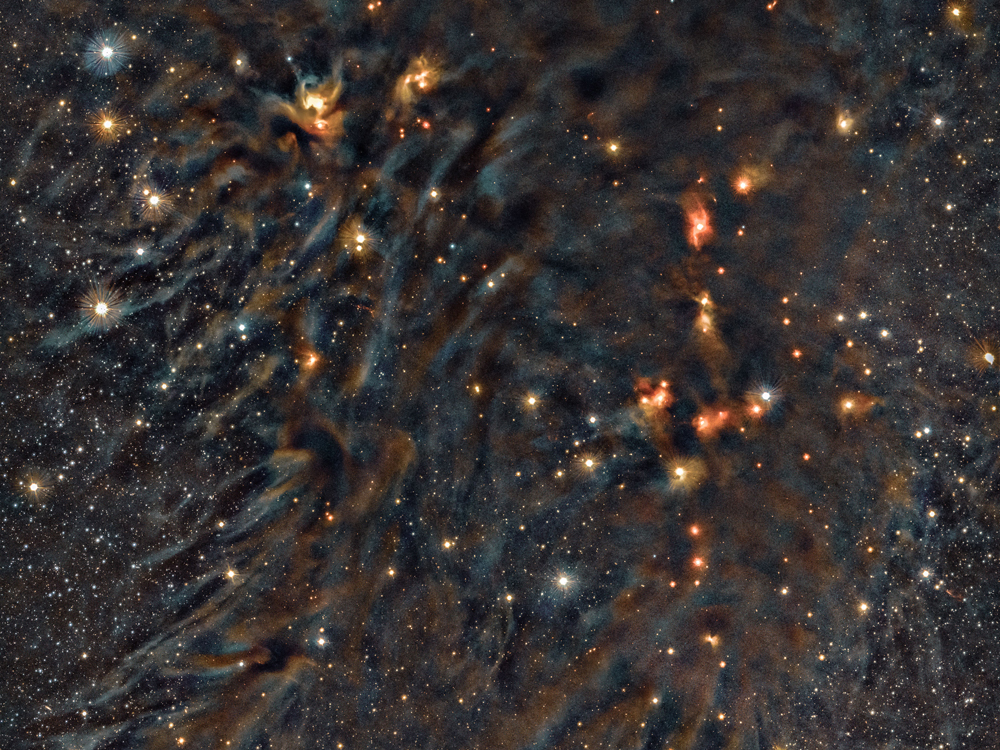 The Ophiuchus star-forming complex offers an analog for the formation of the solar system, including the sources of elements found in primitive meteorites.
 -
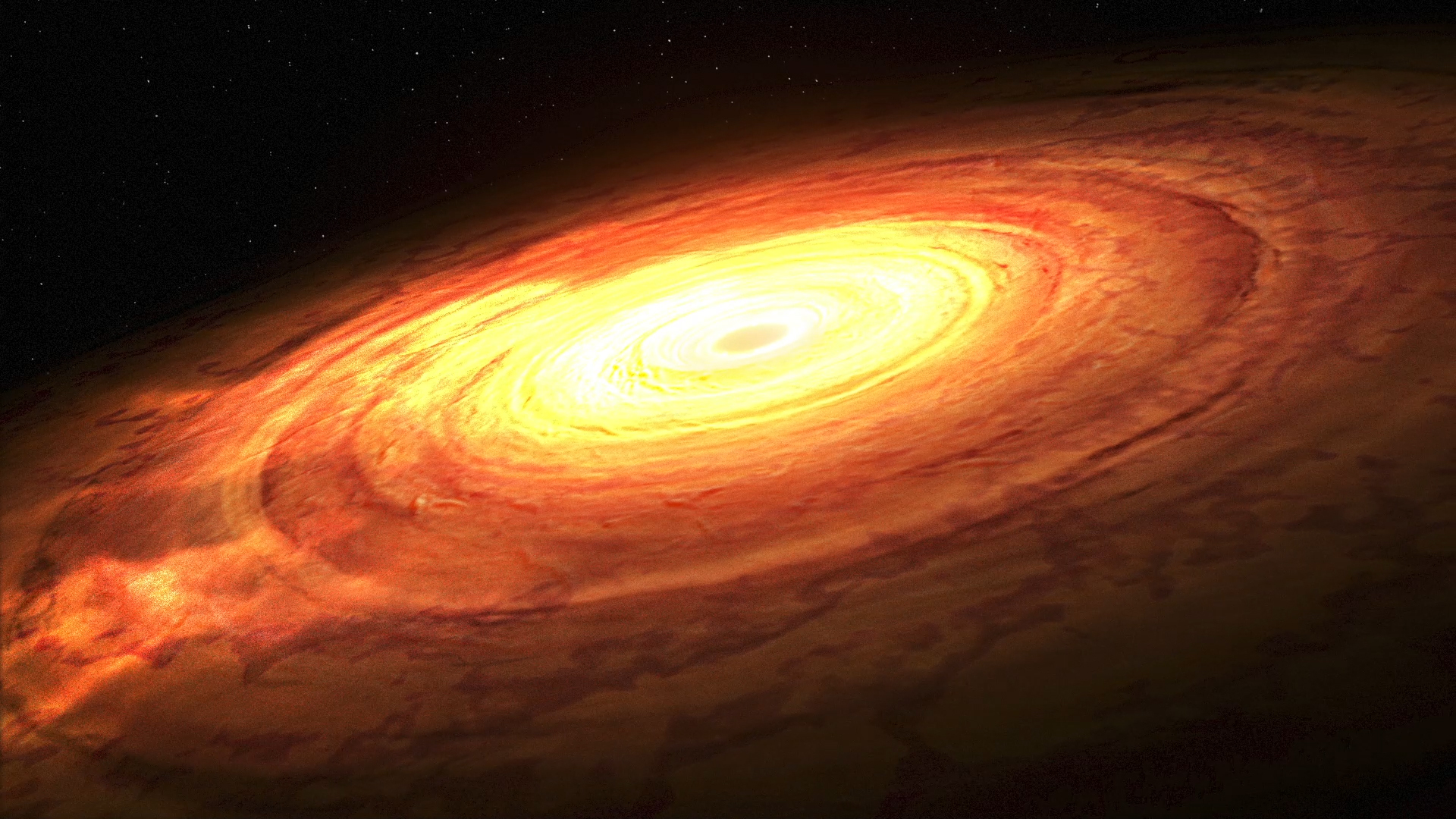 … Astronomers worldwide are waiting for the official kickoff of an era of massive surveys that monitor the dynamic and variable sky. Starting in late 2023, the Vera …
 -
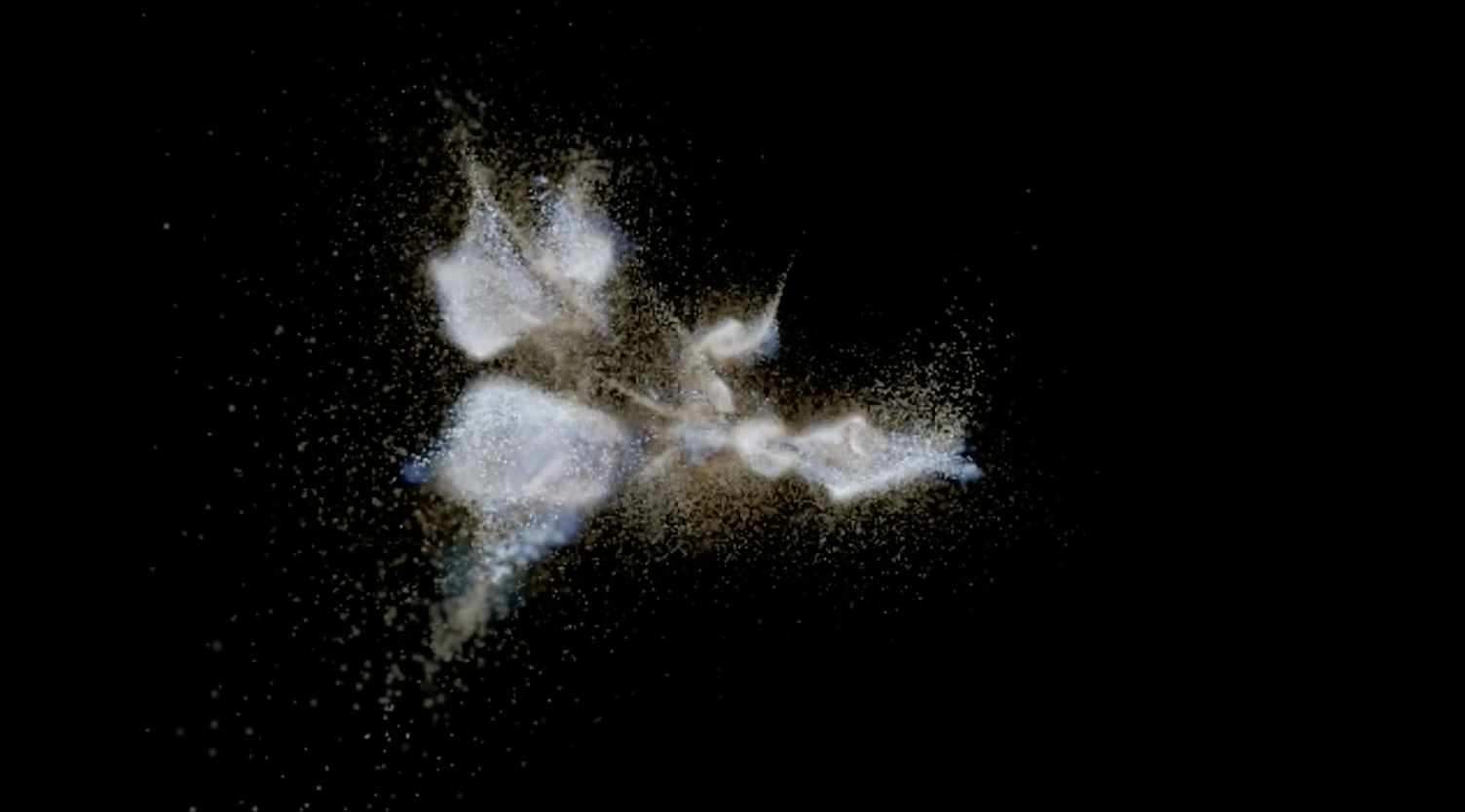 Galaxy clusters are some of the largest known structures in the universe. Astrophysicist Chris Hayward explains what happens when galaxies within those clusters collide.
 -
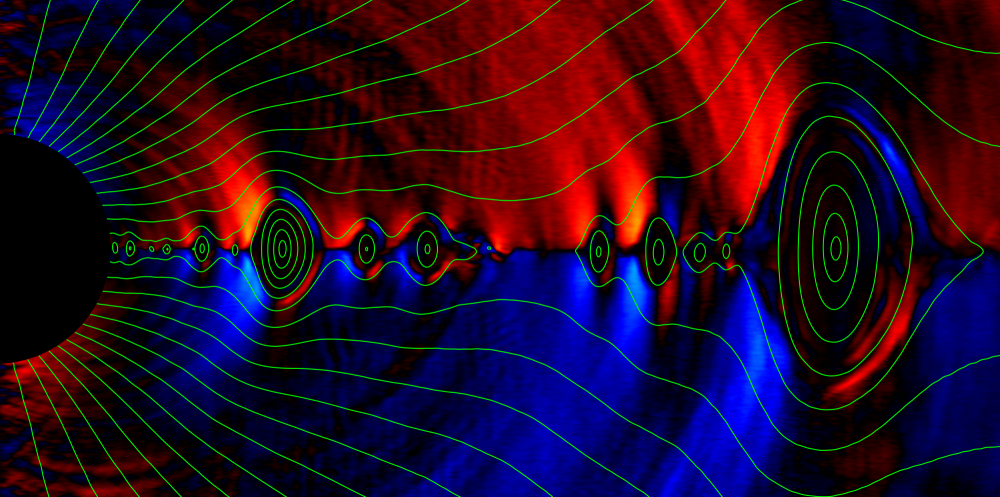 Magnetic fields around black holes decay quickly, report researchers from the Flatiron Institute, Columbia University and Princeton University. This finding backs up the so-called ‘no-hair conjecture …
 -
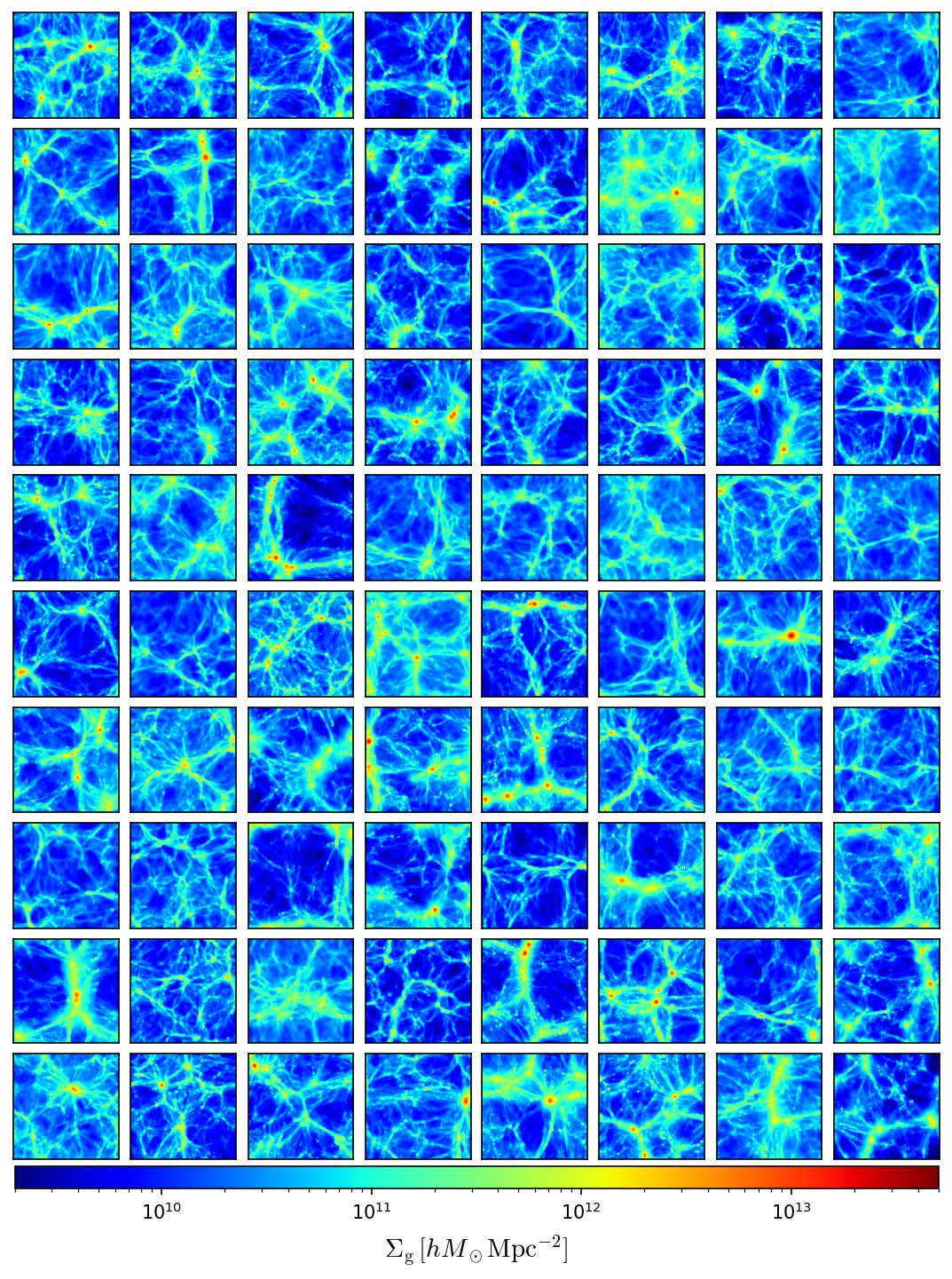 The CAMELS project is the largest set of detailed cosmological simulations designed to train machine-learning algorithms.
 -
 … Pasadena, California, before joining the University of Washington faculty in 1998. Dalcanton has received numerous recognitions for her work, including an Alfred P. Sloan Research Fellowship, a …
 -
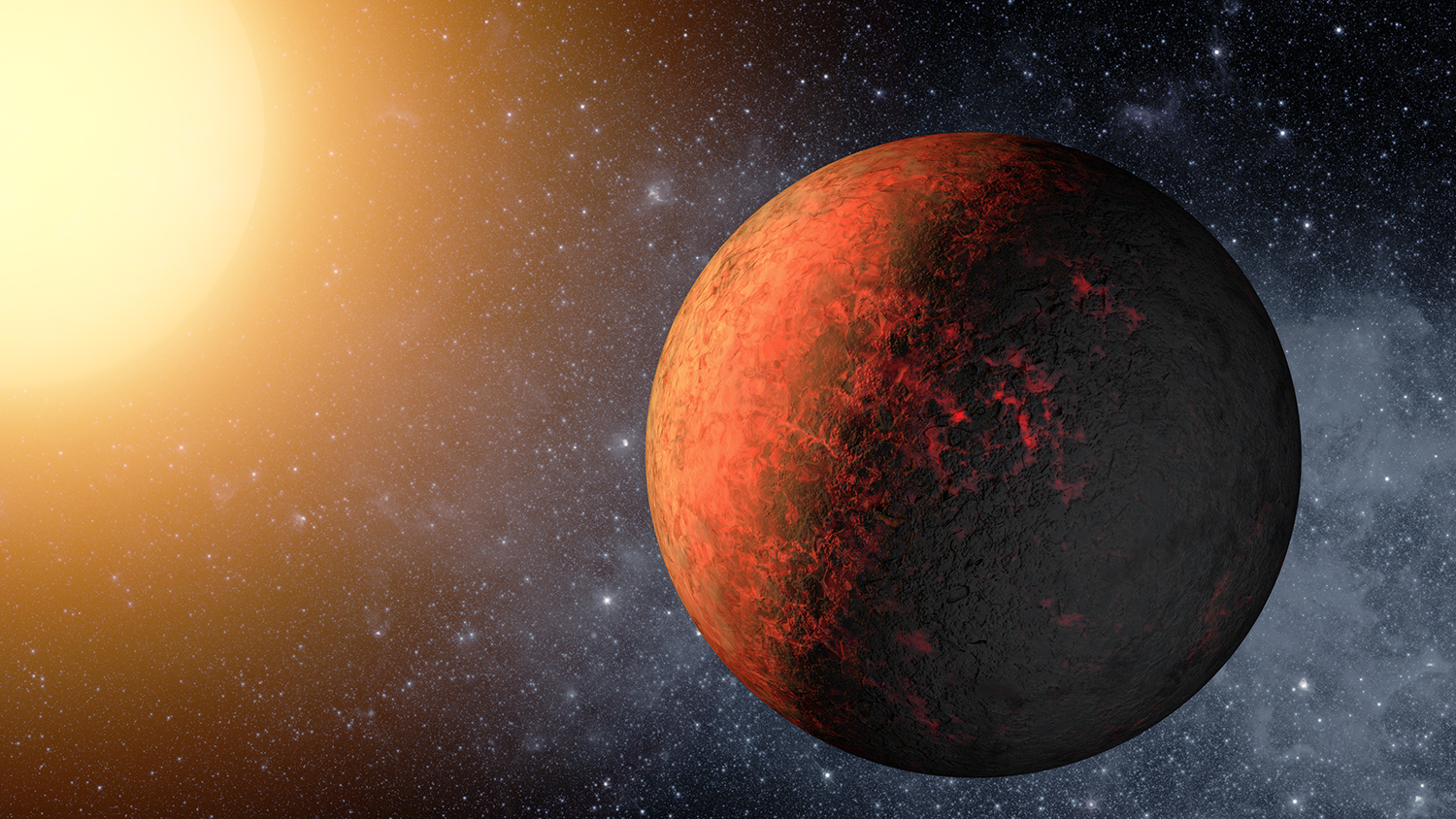 Studying data from the Kepler space telescope, Flatiron Institute researchers found that planetary shrinkage over billions of years likely explains a yearslong mystery: the scarcity of planets roughly …
 -
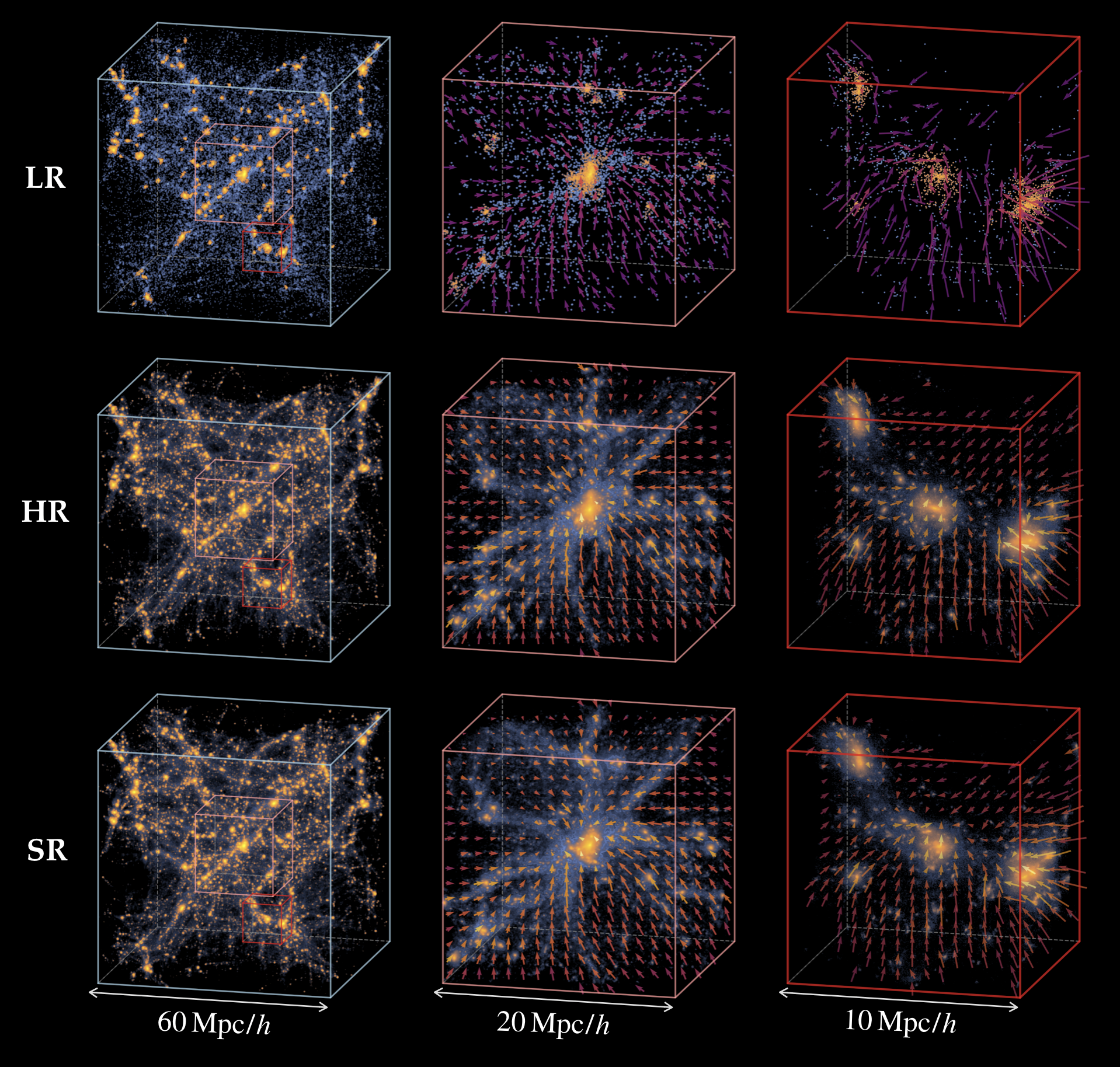 Using neural networks, Flatiron Institute research fellow Yin Li and his colleagues simulated vast, complex universes in a fraction of the time it takes with conventional methods.
 -
Blakesley Burkhart, an associate research scientist at the Flatiron Institute’s Center for Computational Astrophysics, has been awarded a 2021 Sloan Research Fellowship by the Alfred P. Sloan …
-
 The American Astronomical Society (AAS) has inducted Rachel Somerville as a legacy fellow. The honor recognizes her “contributions toward the society’s mission of enhancing and sharing humanity …
 -
The Center for Computational Astrophysics announces a new program that provides undergraduate NSBP members with summer research opportunities.
-
The Center for Computational Astrophysics (CCA) is not eligible to host members of the NASA Hubble Fellowship Program, which includes Einstein, Hubble and Sagan fellows. However, we encourage …
-
The Center for Computational Astrophysics (CCA) at the Simons Foundation’s Flatiron Institute is accepting requests from faculty members on sabbatical who are interested in visiting the CCA …
-
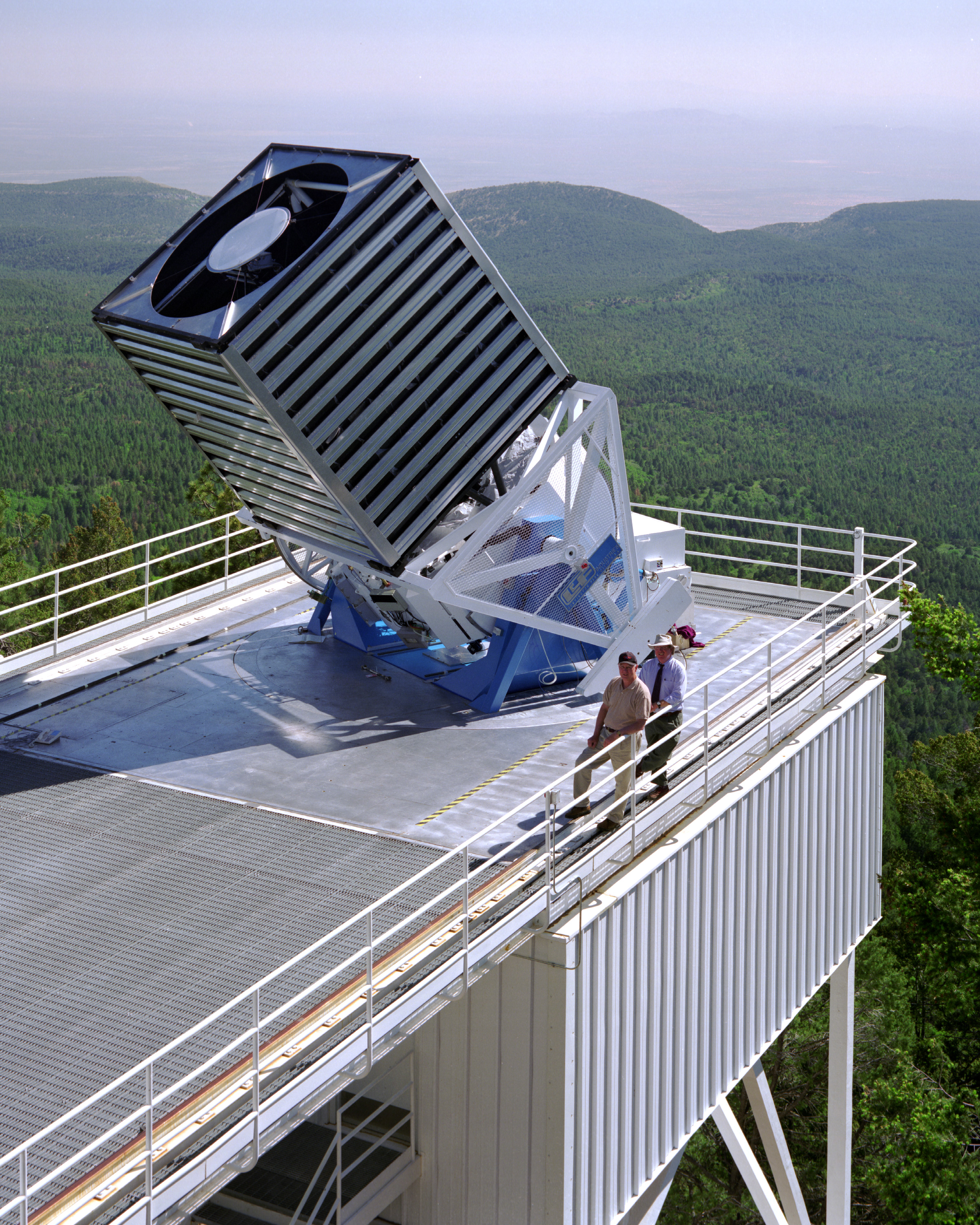 … “We are so pleased to support Juna Kollmeier and the entire SDSS team, and we are excited for this next phase of discovery.” SDSS-V will operate …
 -
 The first batch of research papers from the Simulating Multiscale Astrophysics to Understand Galaxies collaboration, or SMAUG, lays the groundwork for a transformation in the way galaxies are …
 -
… postdoctoral female researchers.
-
 The Blavatnik Family Foundation and the New York Academy of Sciences have named computational astrophysicist Adrian Price-Whelan as the winner of the 2020 Blavatnik Regional Award for …
 -
 Astronomers have discovered that a halo of warm gas surrounding the Magellanic Clouds likely acts as a protective cocoon, shielding the dwarf galaxies from the Milky Way’s …
 -
 Astrophysicist Brian Metzger has been named the 2020 Blavatnik National Awards Laureate in Physical Sciences & Engineering by the Blavatnik Family Foundation. The honor recognizes Metzger’s contributions to …
 -
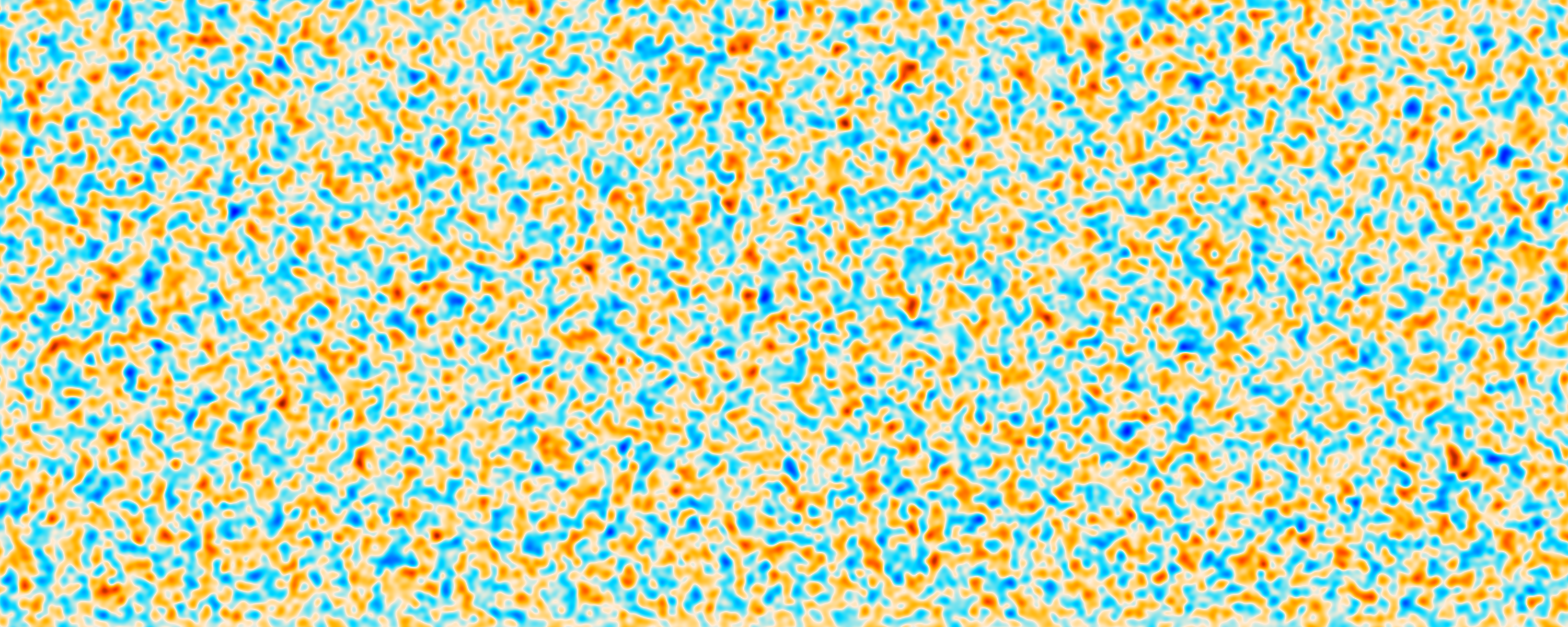 Observations by the Atacama Cosmology Telescope suggest that the universe is 13.8 billion years old.
 -
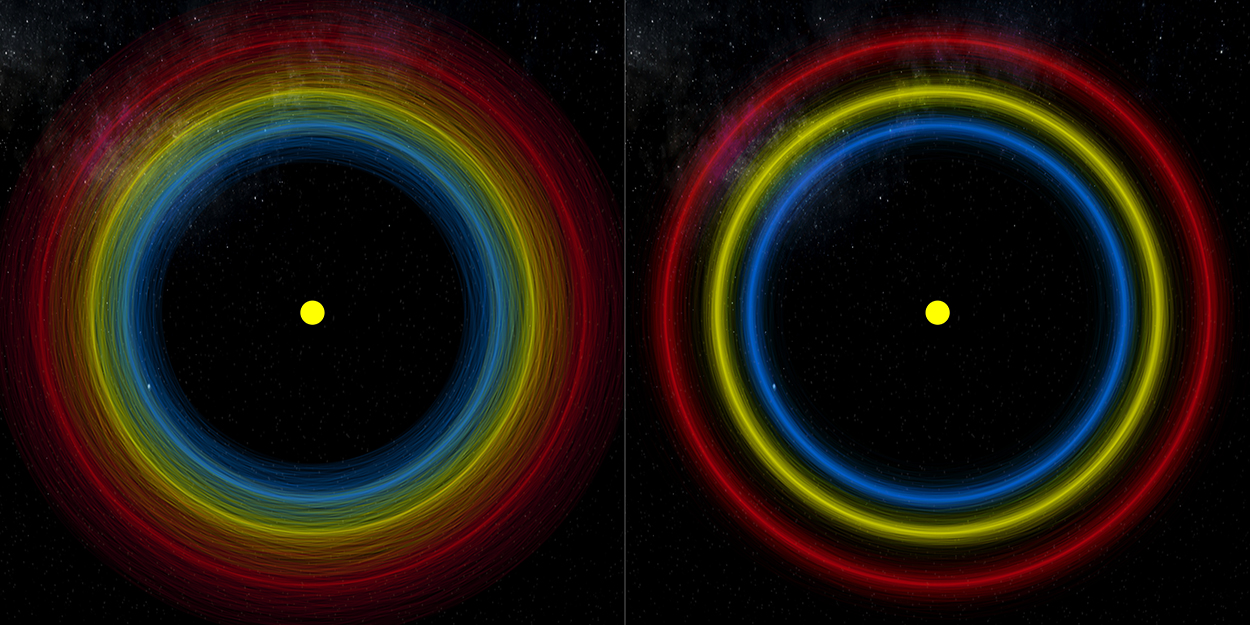 Machine-learning methods can predict the long-term stability of planetary configurations 100,000 times faster than previous approaches.
 -
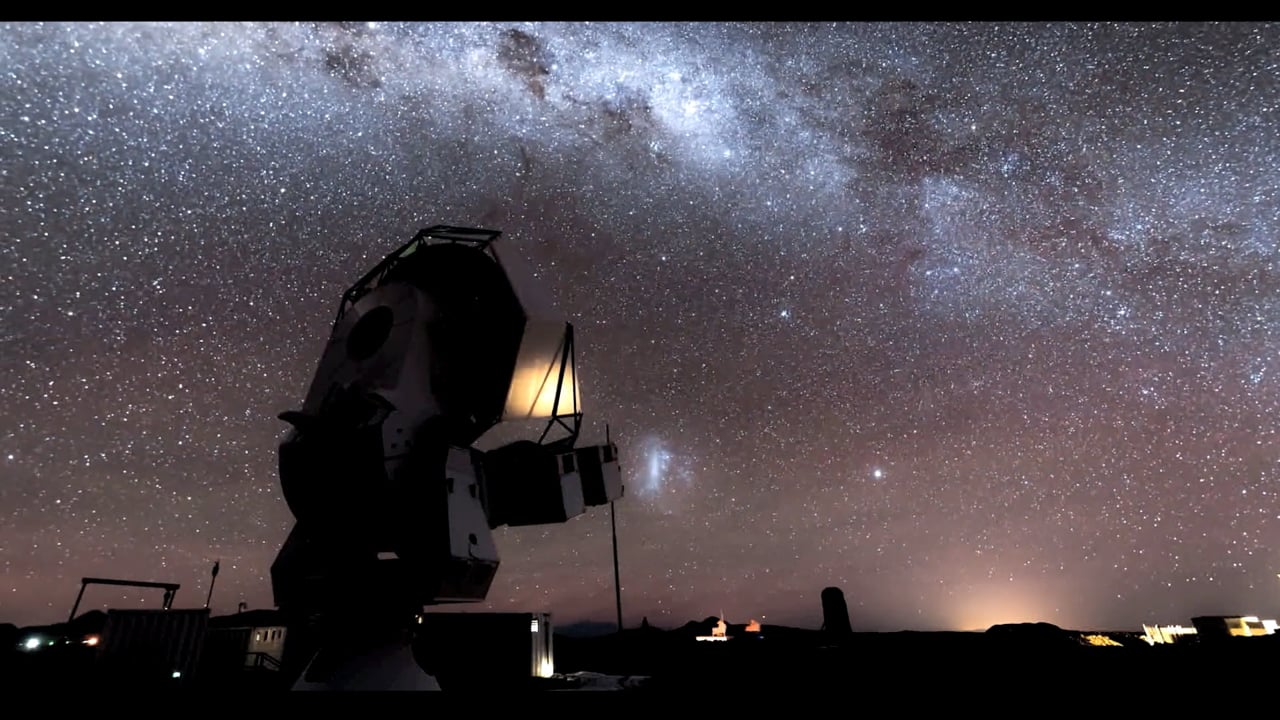 This video series documents the building of the Simons Observatory, which will look for signs of cosmic inflation to answer questions about the origin of the universe.
 -
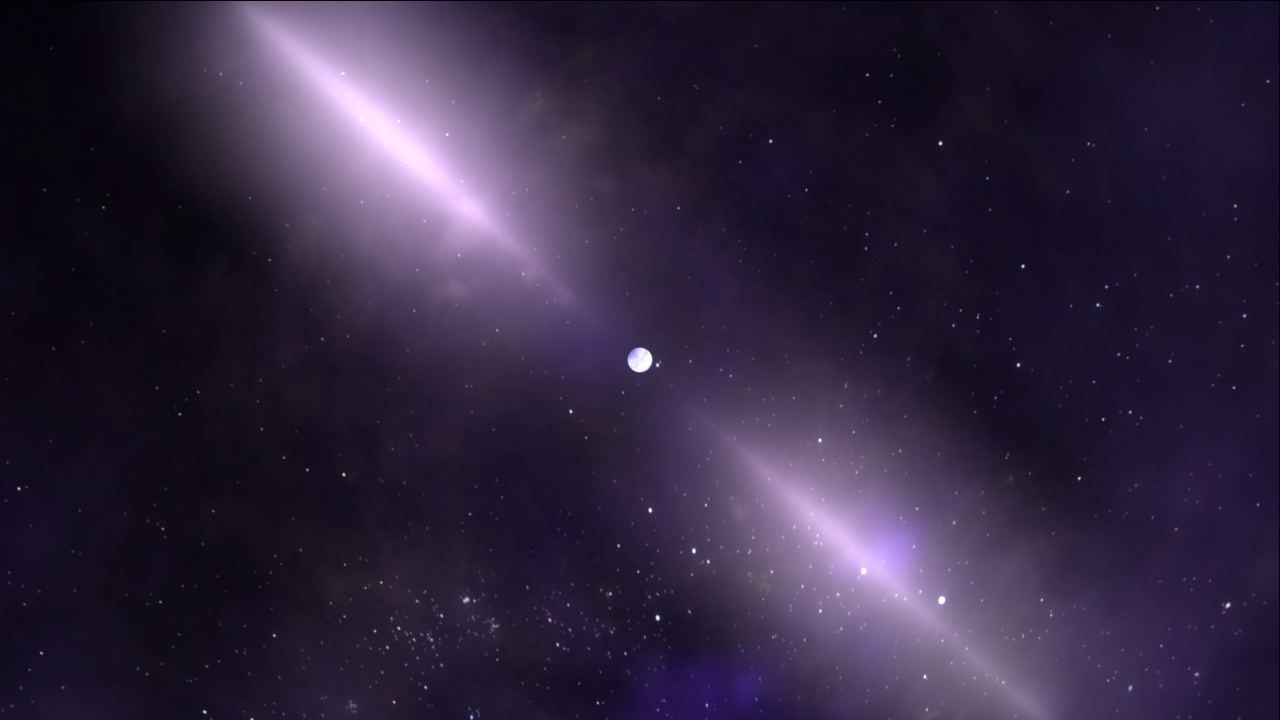 Intense radio emissions produced by the fast-spinning stars are caused by newborn particles interacting with powerful electromagnetic fields, new plasma simulations suggest.
 -
 Physicists propose that the influence of cosmic rays on early life may explain nature’s preference for a uniform “handedness” among biology’s critical molecules.
 -
 The institute has grown from a beautiful proposal into a bustling hub for computational science in astrophysics, biology, mathematics and quantum physics.
 -
 David Spergel, director of the Center for Computational Astrophysics (CCA), is among 232 astronomers and astrophysicists honored as the first class of fellows of the American Astronomical Society …
 -
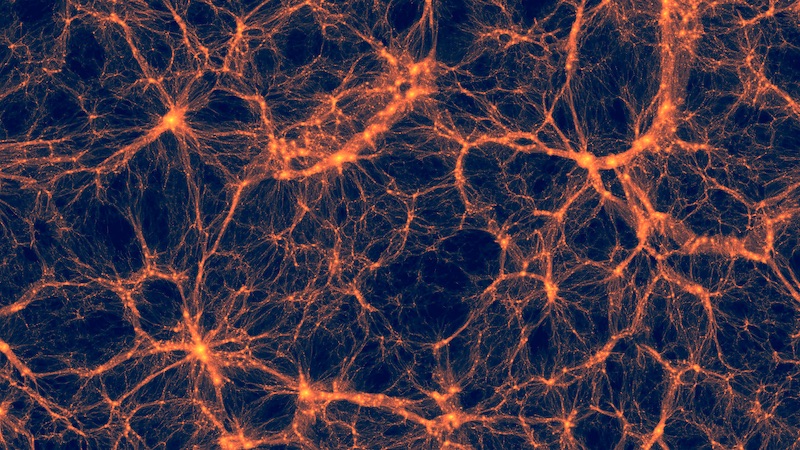 When it comes to the composition of the universe, we’ve made significant progress in finding out how little we know.
 -
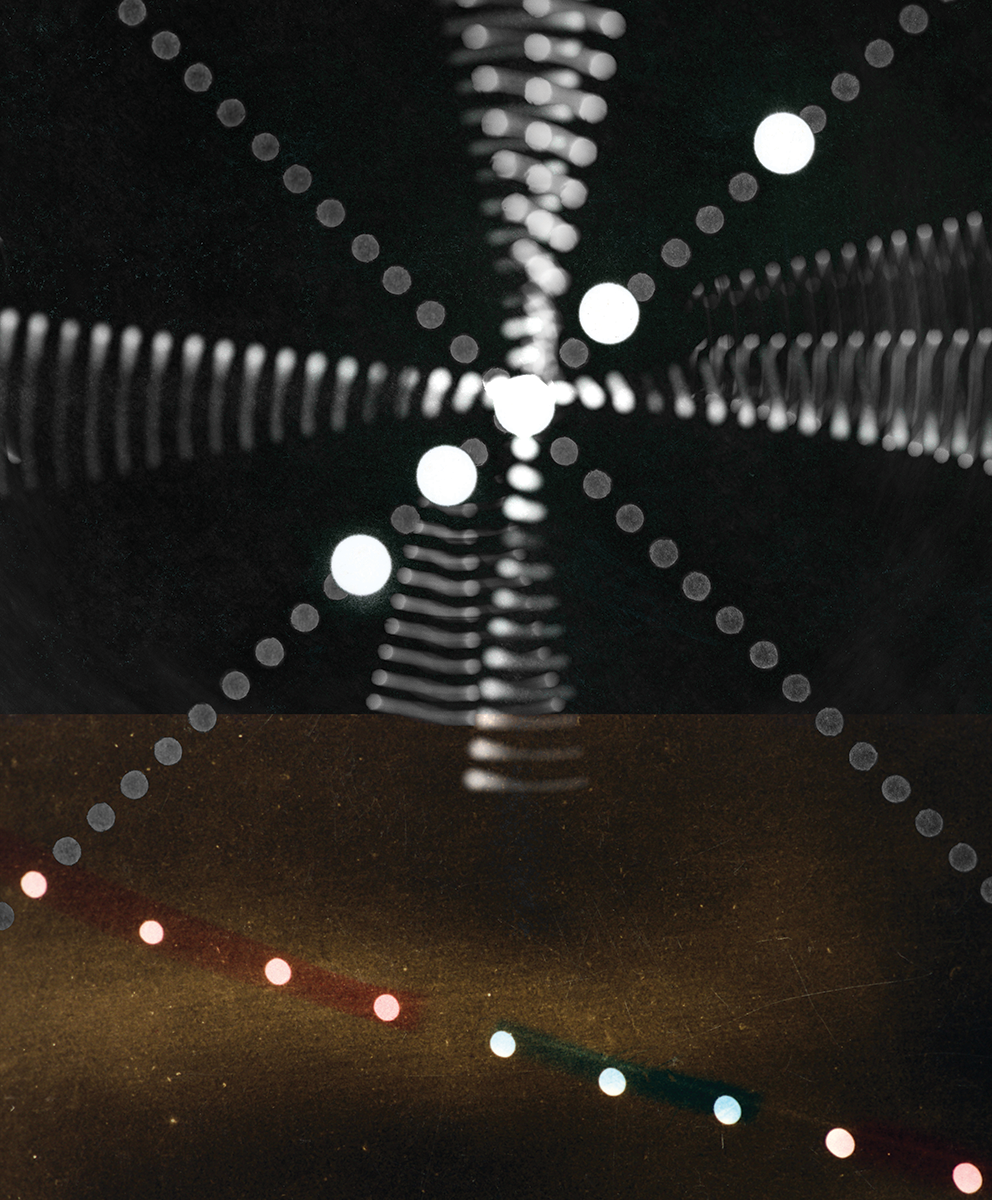 Rocky planets inside, gas giants outside — we thought our solar system was typical. But the discovery of worlds around other stars has altered that view.
 -
 The Albert Einstein Society in Bern, Switzerland, will award its 2020 Einstein Medal to the international collaboration of scientists behind the Event Horizon Telescope. The prize recognizes the …
 -
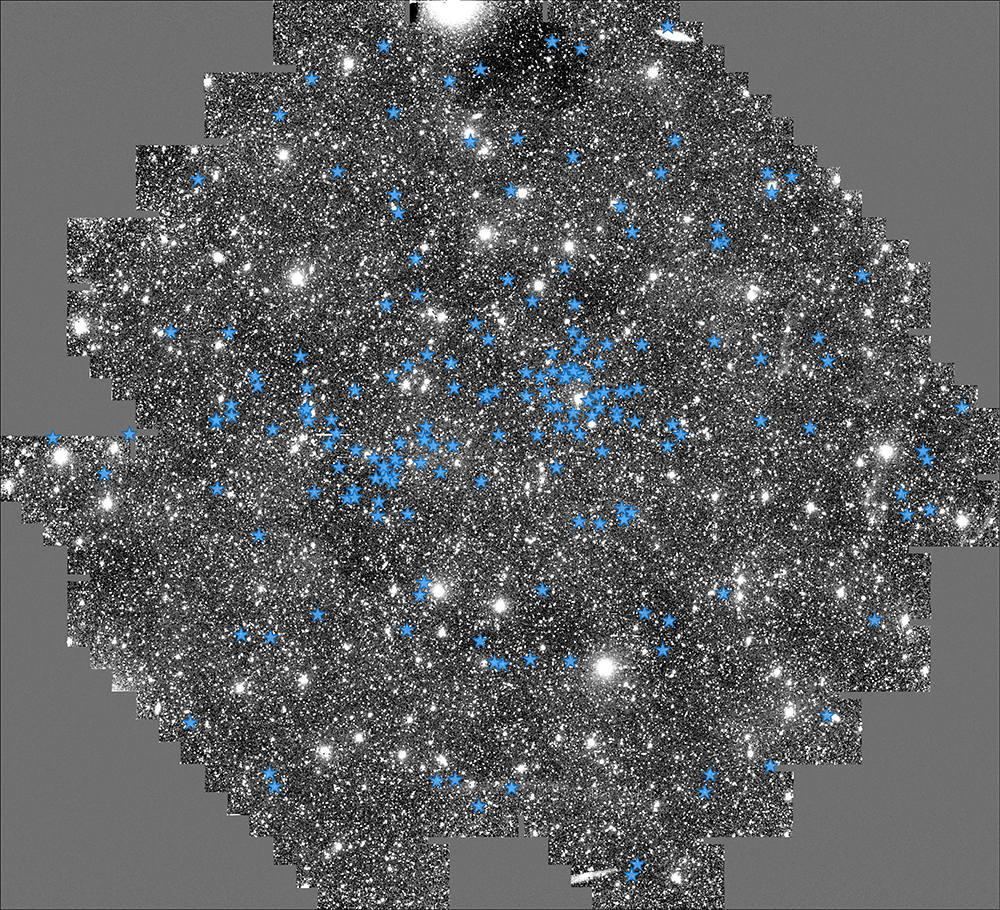 Newborn stars on the outskirts of our galaxy probably formed from material from two dwarf galaxies called the Magellanic Clouds.
 -
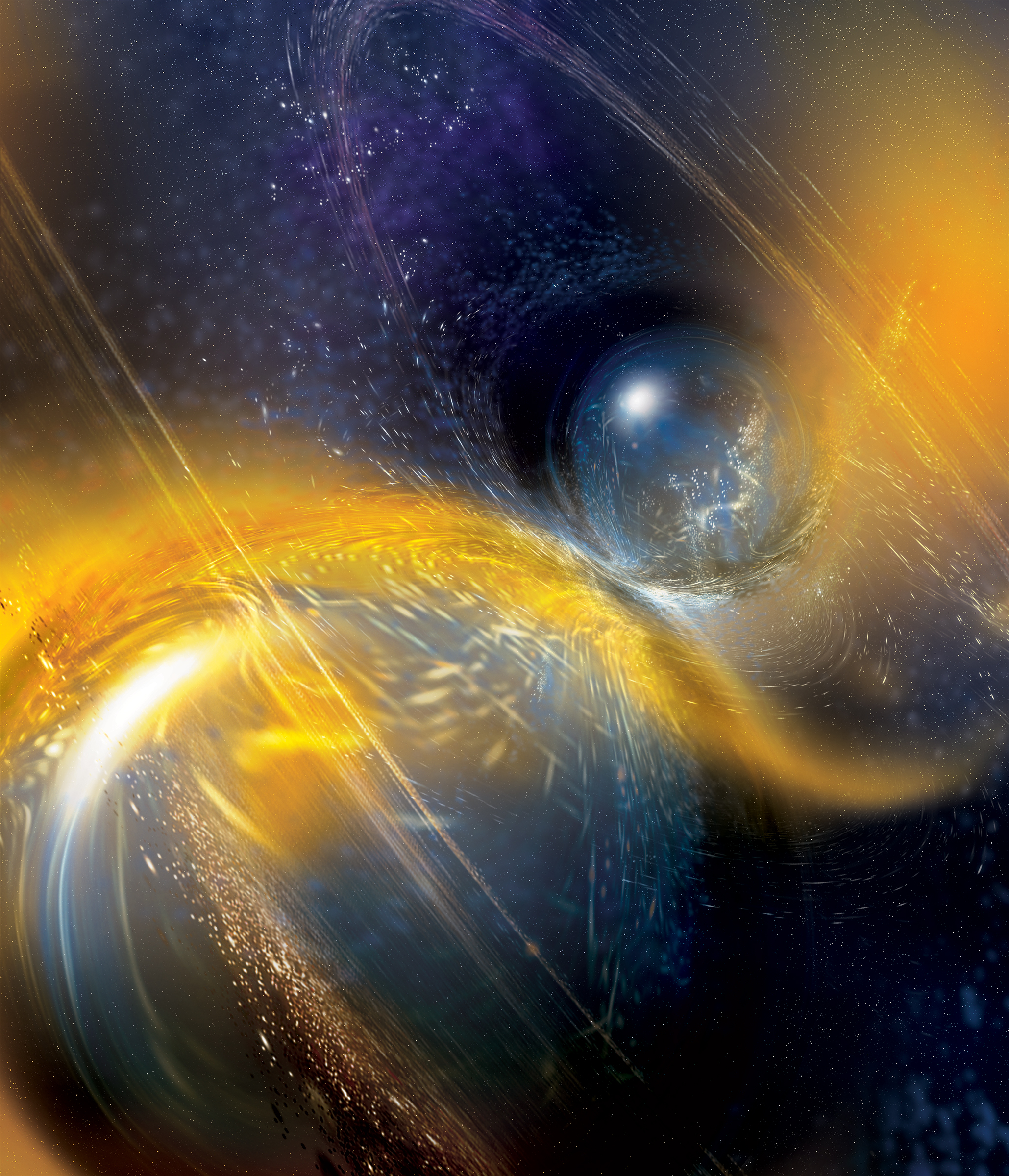 … together later in life within dense, busy environments. The LIGO data for the April 25 event do not indicate which of these scenarios is more likely, but …
 -
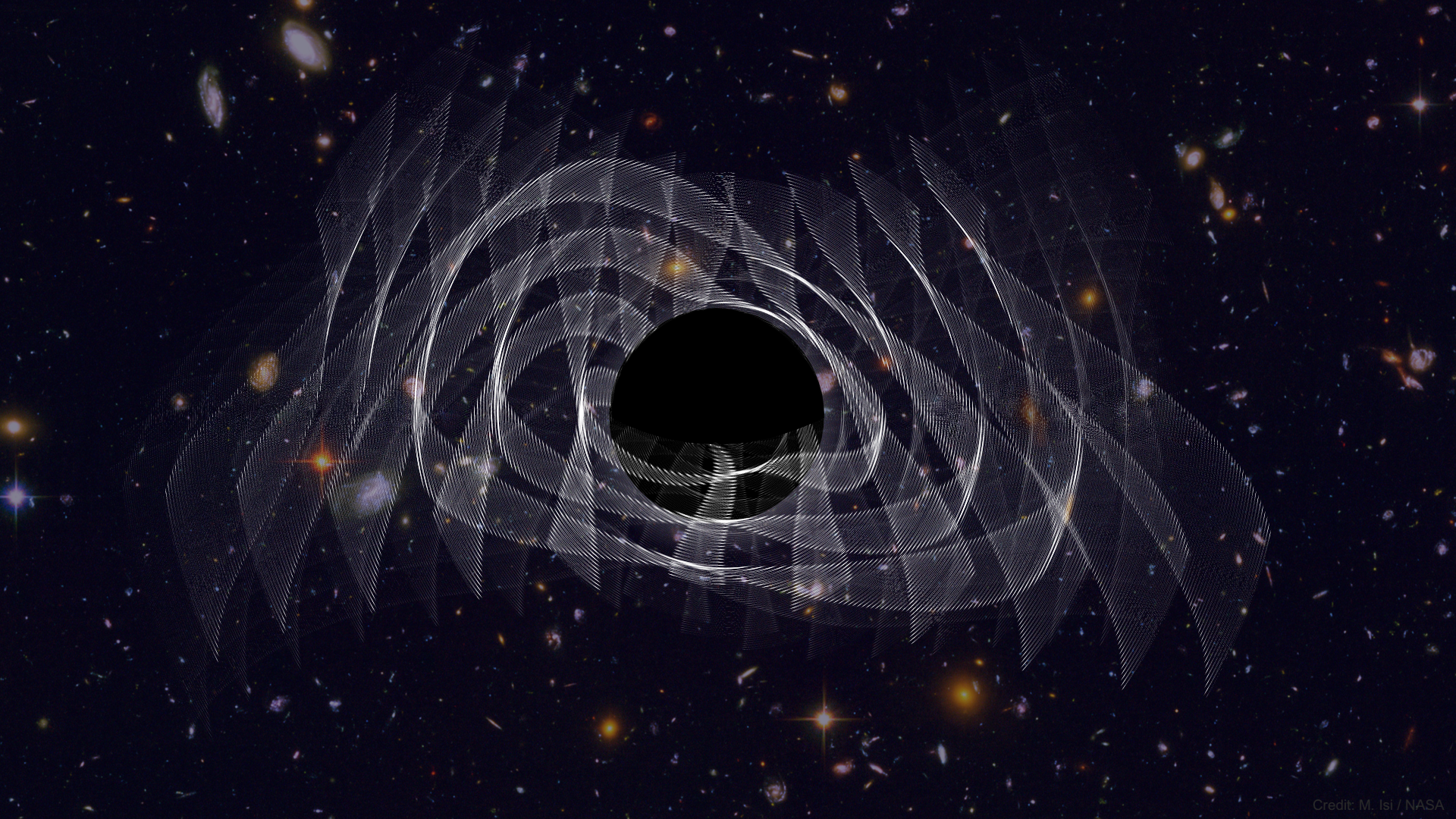 Gravitational wave ‘tones’ detected following the merger of two black holes confirm the decades-old ‘no-hair theory’ of black hole properties.