In the Path of Totality: Activations
In the Path of Totality
On April 8, 2024, millions of Americans gathered to see the total eclipse of the sun.
Museums & science centers
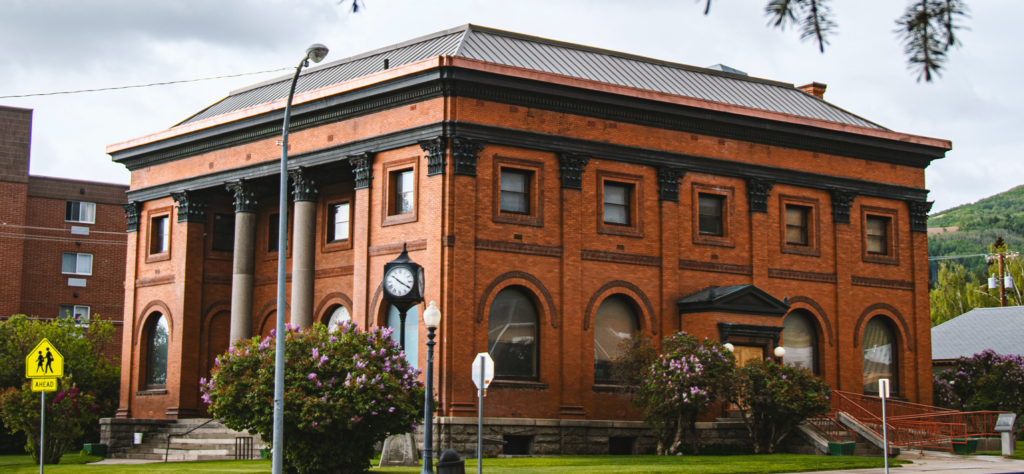
Rochester Museum and Science Center
Rochester, NY
The mission of the Rochester Museum and Science Center (RMSC) is to inspire a better future for all through curiosity, exploration, and participation in science, culture and the natural world. RMSC is the hub for science learning in the region and is home to the Strasenburgh Planetarium, interactive STEM themed exhibits and a wide range of educational programs for learners of all ages, including live science demonstrations, camps and lectures on cutting edge scientific topics. Rochester is very diverse, and RMSC’s priority is to better serve the entire community through exhibits and programs that are accessible and meaningful for people of all backgrounds.
To prepare and excite the Rochester region for the incredible shared experience of the 2024 total solar eclipse, the RMSC plans to support more than 50 community partner organizations to participate in their RMSC Community Eclipse Ambassador Program. Ambassadors will be trained in eclipse education, basic astronomy and eclipse viewing safety. RMSC’s Ambassadors will be outfitted with equipment including a telescope with a solar viewing filter, educational materials, solar viewing glasses and materials for activities. The goal of the Community Eclipse Ambassador Program is to excite and educate Rochester about the April 8, 2024 total solar eclipse and decentralize STEM learning into communities, creating access for all. Participants represent community organizations, businesses and municipalities and serve people in Rochester and the nine counties (Monroe, Genesee, Livingston, Ontario, Orleans, Seneca, Wayne, Wyoming and Yates) around the city.
Thinkery
Austin, TX
Thinkery’s mission is to lead the future of play-based STEAM learning experiences that inspire and equip all children to be confident, creative thinkers. They see their role in the community as a connector and convenor. Their community relationship work is a deeply significant part of how they ensure that Thinkery experiences are informed by, designed for and provided to all children. Thinkery’s vision is for all children to cultivate a lifelong love of learning through experiences that highlight the organization’s core values of belonging, playfulness, innovation and collaboration.
The Thinkery Ambassador program will support several key initiatives related to their community relationships work by implementing an eclipse taskforce to carry this work through the eclipse and beyond. They will follow a model for listening, learning and planning with Thinkery’s community to design customized learning experiences. With a focus on expanding partnerships into areas in Austin, Texas that have systematically been marginalized in STEAM, they will have the opportunity to center the voices and lived experiences of those communities. Thinkery hopes the 2024 total solar eclipse will act as a catalyst to spark a lifelong love of learning, a sense of joy and belonging.
Great Lakes Science Center
Cleveland, OH
Located in Cleveland, Ohio, the Great Lakes Science Center is dedicated to making science, technology, engineering and math come alive. Their vision is a community where all people value science, technology, engineering and math to inform decision making and enrich lives. They cultivate creative, innovative, critical thinkers for the 21st century and support a learning culture that encourages curiosity and experimentation. The center brings people together by providing welcoming, fun and high-quality guest experiences and strengthens their community impact by collaborating with other organizations and connecting to STEM resources in the Ohio region.
The Great Lakes Science Center plans to support 50 community partners with the training and resources to be community ambassadors who will lead their own 2024 eclipse celebrations, incorporating high-quality, engaging STEM educational programming. The center will focus on after-school programs and community-based organizations across the Northeast Ohio region within the path of totality. Ambassador organizations will receive glasses to view the eclipse safely, a telescope and solar filter, viewing panel, Sun/Moon/Earth model, colanders, marketing/promotional materials and printable educational materials. Ambassadors will also receive training to implement programming in their communities.
Terre Haute Children’s Museum
Terre Haute, IN
The Terre Haute Children’s Museum, located in Terre Haute, Indiana, enriches children’s lives through play and the exploration of science, technology, engineering and math. The museum emphasizes STEM in their everyday lives through exhibits and programming. They are the only organization in West Central Indiana and East Central Illinois dedicated to STEM engagement. Families look to the Terre Haute Children’s Museum for a blend of education and entertainment for their children from birth through 12 years old. The museum helps create memories across generations, as almost 54,000 children, parents, grandparents, cousins and friends explore, experiment and engage with STEM annually within their walls and via their programs.
As the local science center, the museum is the convening organization for 2024 eclipse planning in Vigo County. The intent of the program is to extend the museum’s reach in serving diverse communities that may not be able to visit museums and create new access and enthusiasm for science learning. The museum will support science ambassadors by providing training, supplies, equipment, educational resources and ongoing assistance to empower them to create customized science learning experiences in their communities.. The awareness, excitement and enthusiasm around the 2024 eclipse will provide a unique opportunity to build relationships with communities who are less connected to STEM and the museum.
Lake Erie Arboretum at Frontier
Erie, PA
Lake Erie Arboretum at Frontier (LEAF) is excited to announce “Sun, Moon, and Trees: Arboretum Eclipse Bash” on April 8, 2024! LEAF will host a celestial celebration where the sun, moon and trees unite in a cosmic dance. Engage with local astronomers, witness the eclipse through specialized telescopes amid the arboretum’s lush greenery, and enjoy family-friendly activities. It’s a blend of nature and astronomy, promising an unforgettable experience for all. With live entertainment, eclipse-themed snacks and interactive exhibits, this event is a unique opportunity to marvel at the wonders of the cosmos at Frontier Park in Erie, Pennsylvania.
kidscommons Children’s Museum
Columbus, IN
In the week leading up to the solar eclipse, kidscommons will provide six activities in five-minute programming sessions at the museum which will teach children what occurs during an eclipse and explain the importance of safety precautions while the eclipse is taking place. Beyond these six activities, as the event approaches, kidscommons will staff booths and participate in community events at the local public library. All the events taking place outside the museum will be free to the public, and kidscommons is providing staff time to assist with these activities.
Lake Loramie State Park Nature Center
Minster, OH
Lake Loramie State Park will host interactive, family-friendly solar eclipse programs from April 6 to 8, featuring free activities such as evening nature walks, nocturnal animal demonstrations, STEM projects, constellation identification, educational sessions with local partners, and more. Ohio’s Center of Science and Industry is partnering with Lake Loramie to provide hands-on scientific experiences. Programming before the eclipse will highlight the many ways solar eclipses affect the environment and impact life on Earth. The center hopes all learners will ask questions, gather information and develop a hypothesis to put to the test during the eclipse.
Little Rock Zoo
Little Rock, AR
The Little Rock Zoo is one of the most unique places to view the much-anticipated solar eclipse on Monday, April 8, 2024. By visiting the Little Rock Zoo, guests can observe firsthand how resident wildlife reacts to this phenomenon, engage with staff and volunteers at interpretation stations around the zoo, and participate in science activities related to the eclipse. Live music and entertainment make this a family-friendly event you don’t want to miss! The Conservation Learning Center will be open on weekend dates before and after the eclipse for families to explore solar events and how wildlife is affected.
Mayborn Museum, Baylor University
Waco, TX
The Mayborn Museum at Baylor University is celebrating the 2024 eclipse with pre-eclipse programming consisting of an outdoor event on the day of the eclipse and professional development workshops for teachers estimated to reach more than 40,000 students. Students will receive eclipse viewing glasses and free entry to the museum. The Mayborn will also play an active role in planning and executing STEM Zones for a large-scale event on Baylor’s campus on April 8, 2024, in collaboration with Baylor, the city of Waco, Lowell Observatory and the Discovery network. Activities include pinhole viewers, observation posters, and a passive shadow tinker station.
Mayborn Science Theater & Planetarium
Killeen, TX
Mayborn Science Theater will use these funds to showcase the total solar eclipse, whose path of totality will include Killeen, Texas. The theater has plans with local cities to host a large event and serve as the epicenter for central Texas, since the theater has the rare addition of a planetarium. These events will start on Friday, April 5, and conclude on April 8. The theater will also offer crafts and safety lessons for students and the public from October through April. The eclipse will be a memorable event, and Mayborn Science Theater hopes to create lasting memories for all those near and far.
Mid-America Science Museum
Hot Springs, AR
The Mid-America Science Museum hopes to encourage the community to fully experience the 2024 total eclipse. In the months leading up to the eclipse, the museum will offer facilitated, hands-on discovery tables with eclipse-related themes, a specialized show entitled “Darkness Over Arkansas” in our Digital Dome Theater, and pairs of certified eclipse glasses for the viewing on the museum grounds. The opportunity to see a total eclipse in Arkansas will not occur again for another 60 years, and for many this will be their only opportunity to learn about this astronomical process in a fun and engaging environment.
Minnetrista Museum & Gardens
Muncie, IN
Minnetrista Museum & Gardens is hosting a weekend full of events for the whole family to celebrate the solar eclipse. On Saturday and Sunday visitors will explore the art and science of eclipses through crafts and activities as well as performances of an eclipse-themed one-act play. On Sunday evening, join Minnetrista and Orchestra Indiana for “Eclipsed: A Magical Night of Music” under the open sky. Visitors are encouraged to bring lawn chairs and picnic blankets to revel in celestial-themed musical selections. The climax unfolds on Monday, April 8, when Minnetrista Museum & Gardens welcomes the community to its expansive lawns for a community viewing party!
Muncie Children’s Museum
Muncie, IN
The Muncie Children’s Museum in Muncie, Indiana, will hold a series of activities for children ages 4 to 10 to learn about and prepare for the eclipse and celebrate this great science experiment in the sky. Beginning in February, hands-on activity stations at the museum will be included with paid admission and available during its February and March Free Saturdays. On April 6, 7 and 8, the museum will have an educational team at Minnetrista Museum & Gardens, also in Muncie, to offer free outdoor activities and take part in a family-friendly viewing party on their expansive lawns.
Museum of Discovery
Little Rock, AR
The Museum of Discovery’s mission is to ignite and fuel a passion for science, technology, engineering, arts and math through dynamic, interactive experiences. Through in-museum programming, community and school outreach, and professional development, the museum serves nearly 200,000 people a year hailing from all 50 states. In the lead-up to the total eclipse, the museum is offering free professional development workshops to educators and dedicating two of its galleries to museum programming. On the day of the eclipse, the museum will be available for everyone to enjoy, with a keen eye toward providing a safe space and resources for neurodiverse visitors.
Museum of Science & Technology
Syracuse, NY
In the months leading up to the eclipse, the Museum of Science & Technology will distribute more than 2,000 free eclipse kits to educators, businesses, offices, museum members and others, and will also display a special solar eclipse promotional exhibit, screen a custom eclipse-themed planetarium show, and host other promotional astronomy-related activities and events throughout the month of March with local students, scientists and meteorologists. On April 8, the museum will host the 2024 Solar Eclipse Festival on the museum lawn and grounds, with food trucks, music, activity booths from the museum and its partners, and distribution of glasses.
Museum of the Red River
Idabel, OK
The Museum of the Red River will host a total eclipse event on April 8, 2024. They will provide on-site bathrooms, host food trucks, and offer free crafts and other activities for the public to enjoy. Astronomer Sheldon Schafer will be on-site on the day of the eclipse and for a few days beforehand to provide in-depth education to museum visitors. Science Museum Oklahoma Programs Vice President Clint Stone as well as Kirkpatrick Planetarium Director Waylon Troyer and planetarium educator Astoria Hallford will be visiting the museum to assist with event programming, provide educational support, and set up a telescope for public use.
National Museum of the United States Air Force
Riverside, OH
The National Museum of the United States Air Force will be the premier location in southeast Ohio to see the total solar eclipse on April 8, 2024. The museum will offer free educational activities/stations indoors on the size of the solar system, the power of the sun (solar/heat), the effects of shade (solar panels, Vernier energy sensors, resistor boards), the effects of ultraviolet rays (sun-sensitive paper for solar), gyroscopes, the centripetal force and paper rockets. There will also be space-related demos on neutral buoyancy, orbit, rocket guidance, microgravity, telescopes, satellites and navigation.
The National Museum of the U.S. Air Force, located at Wright-Patterson Air Force Base near Dayton, Ohio, is the world’s largest military aviation museum. With free admission and parking, the museum features more than 350 aerospace vehicles and missiles and thousands of artifacts amid more than 19 acres of indoor exhibit space. Each year, thousands of visitors from around the world come to the museum.
Perot Museum of Nature and Science
Dallas, TX
The Perot Museum of Nature and Science will collaborate with the Carnegie Institution for Science to provide bilingual astronomy education leading up to the great North American eclipse. The two organizations will partner with local social service organizations that serve under-resourced communities to reach almost 1 million individuals during the spring of 2024. Perot Museum and Carnegie scientists will share the intricacies of large-scale, modern-day astronomy and the extraordinary history of total solar eclipses with on- and off-site audiences. Eclipse outreach will highlight eye safety, and the museum will distribute approximately 1 million eclipse glasses free of charge.
Portage Lakes State Park
Akron, OH
Portage Lakes State Park will host interactive, family-friendly solar eclipse programs from April 6 to 8, featuring free activities such as evening nature walks, nocturnal animal demonstrations, STEM projects, constellation identification, educational sessions with local partners, and more. The park’s half-mile Planet Trail will take visitors through the galaxy and beyond with informational signs for all planets. Programming before the eclipse will highlight the many ways solar eclipses affect the environment and impact life on Earth. Portage Lakes State Park hopes all learners will ask questions, gather information and develop a hypothesis to put to the test during the eclipse.
Sci-Tech Discovery Center
Frisco, TX
Sci-Tech Discovery Center will hold a free public event on Monday, April 8, called “Total Eclipse of the Park” in Frisco, Texas, at the new Kaleidoscope Park. Guests will experience hands-on activities that teach about the science behind the eclipse and will learn about astronomy and space professionals throughout history. The event will also feature a sensory area, activity instructions in Spanish and ASL along with audio sign descriptions, and tactile models. Sci-Tech will also be partnering with urban and rural youth-serving organizations to provide hands-on activity kits and training around the eclipse
Sci-Tech Museum
Watertown, NY
Before the eclipse, Sci-Tech will prepare the community for safe viewing. This will include a public lecture on the science and cultural history of eclipses; hands-on family workshops on safe viewing; and the public display of two new exhibits. On April 8, the museum will be part of a local celebration and viewing event, with both projection and video telescopes for the public, as well as the distribution of safe viewing glasses. After the eclipse, the museum’s new exhibits will continue on display, and children will be encouraged to submit their eclipse-related artwork, with prizes awarded for three different age groups.
Toledo Zoo
Toledo, OH
The Toledo Zoo’s goal for total eclipse 2024 programming is to foster our mission — enjoy, inspire, educate and act — and to encourage zoo visitors to explore the science around them. All activities during the event will be free. The main activity will be the zoo’s inquiry-based exploration of animal behavior during the eclipse. Using specially developed ethograms and data collected in the days leading up to the eclipse, the zoo will have visitors participate in data collection through predictions, observations and possibly conclusions about how animals will react to the eclipse. The event will be family-friendly with entertainment and animal engagement.
Seneca Park Zoo
Rochester, NY
Seneca Park Zoo will run eclipse programming from April 1 through eclipse day, April 8. All events and activities will be included with zoo admission. Activities will include the distribution of eclipse glasses and on-site stations run by zoo naturalists and interpretation volunteers that offer guests the opportunity to learn more about the eclipse and build pinhole cameras. Virtual programming will include presentations from Seneca Park Zoo conservation partners Polar Bears International and Snow Leopard Trust, presented by field scientists and animal behavior experts on topics related to nocturnal animal behavior and migration during the long Arctic days and nights.
Science Play-Space Initiative
Mount Vernon, OH
In a rural community like Mount Vernon, Ohio, it’s land that usually gets most of the attention. But all eyes will turn skyward on April 8 as this town — with its aptly named Mayor Starr — gathers to enjoy a celestial spectacle. A solar eclipse viewing event and a series of lead-up activities will be hosted by Science Play-Space Initiative (SPI). This science center (the size of Pluto relative to its peers) will launch an “SPI mission” throughout its facility, hooking families with an engaging narrative that moves them through learning stations to explore sun and space concepts. It will also collaborate on a stop-motion animation workshop and will generate more innovative ideas through conversations with stakeholders. This rare opportunity will allow SPI to showcase its programs and serve as a convener, organizing communitywide offerings for an unforgettable astronomical experience.
The Science Center
Carbondale, IL
The Science Center in Carbondale, Illinois, is excited to present custom programming related to the eclipse. The center will host a party featuring multiple stations of hands-on eclipse- and space-themed activities, punch cards, snacks, and prizes. The center will also attend the two-day Southern Illinois University CASTE event for the community. The center is proud to offer schools and other organizations free outreach and field trips featuring a custom eclipse program. The Science Center hopes to foster a lifelong excitement for learning.
The Wild Center
Tupper Lake, NY
In celebration of the Adirondacks’ first-ever total solar eclipse, the Wild Center invites visitors to a one-of-a-kind experience for this once-in-a-lifetime event. Join the Wild Center in Tupper Lake, New York, beginning Friday, April 5, 2024, for a three-day celebration with fun and engaging workshops, interactive events, and demonstrations by the Cornell Museum of Glass hot shop, all leading up to the big event on April 8. Sample food from regional food trucks, get a specially designed “hand poke” tattoo, and take a free shuttle to all the events and viewing opportunities happening around town.
Trautman Nature Center at Maumee Bay State Park
Oregon, OH
The Trautman Nature Center at Maumee Bay State Park will host interactive, family-friendly solar eclipse programs from April 6 to 8, featuring free activities such as evening nature walks, nocturnal animal demonstrations, STEM projects, constellation identification, educational sessions with local partners and more. The nature center will offer many educational opportunities through its live animals, constellation mapping technology and history exhibits. Programming before the eclipse will highlight the many ways solar eclipses affect the environment and impact life on Earth. The Trautman Nature Center hopes all learners will ask questions, gather information and develop a hypothesis to put to the test during the eclipse.
Westcott House
Springfield, OH
Frank Lloyd Wright’s Westcott House will implement “Solar@Westcott,” a series of STEM activities for local and regional schools, including field trips and hands-on activities for students and professional development workshops for teachers. All the activities will be offered at no cost. The program will be facilitated at the Solar House, which was designed and built by the students at Norwich University (Vermont) for an international Solar Decathlon competition organized by the U.S. Department of Energy. Following the competition, this solar-powered home was donated to the organization to serve as a learning lab. Spring 2024 marks 10 years of the Solar House on our site, an anniversary that coincides with the 2024 solar eclipse.
WonderLab: Museum of Science, Health, and Technology
Bloomington, IN
WonderLab will host a series of programs, events, maker workshops and educational opportunities around the April 8, 2024, total eclipse for the community of Bloomington, Indiana, and beyond. These events will teach the community why eclipses happen and about the relationships between the sun, Earth and moon, and will educate them on the multitude of safe ways to watch and experience a total eclipse. This will all culminate on April 8, 2024, with WonderLab hosting a street party with music, and with numerous ways to watch the eclipse, while WonderLab answers questions and keeps the community informed and safe.
Dobbs Park Nature Center
Terre Haute, IN
Terre Haute Parks and Recreation plans to deliver science-focused eclipse programming in parks across the city. The Dobbs Park Nature Center will host “Sun & Moon” classes based on the effects of the sun and moon phases. The Native American Museum will host an “American Eclipse Stories” program intended to highlight connections between Indigenous stories and natural science. This schedule of classes plus a speaker will culminate in the 2024 eclipse celebration. Resources will be available to the public so everyone will have the opportunity to safely experience the eclipse and learn about the science behind the Total Eclipse of the Haute.
Akron Children’s Museum
Akron, OH
On April 8, 2024, Akron Children’s Museum will partner with Stan Hywet Hall & Gardens to host an unparalleled total eclipse viewing party. This collaboration aims to unite the community in a unique, once-in-a-lifetime event. As an “eclipse ambassador,” the museum will facilitate safe eclipse viewing, offer hands-on educational demonstrations, and provide immersive, space-themed festivities including music, food and crafts. Leading up to the eclipse, the museum will host Thursday and Saturday workshops in the Little Monster Maker Space with local guest educators in alignment with our commitment to advancing education, reaching diverse audiences, and enhancing community engagement through innovative programming.
Alum Creek State Park Nature Center
Delaware, OH
Alum Creek State Park will host interactive, family-friendly solar eclipse programs from April 6 to 8, featuring free activities such as evening nature walks, nocturnal animal demonstrations, STEM projects, constellation identification, educational sessions with local partners, and more. The nature center will offer many educational opportunities involving its live animals, nocturnal animal call technology and scientific exhibits. Programming before the eclipse will highlight the many ways solar eclipses affect the environment and impact life on Earth. We hope all learners will ask questions, gather information and develop a hypothesis to put to the test during the eclipse.
Bootheel Youth Museum
Malden, MO
The path of totality passes over Malden, Missouri, on April 8, 2024, starting at 12:40:04 p.m. and ending at 1:57:11 p.m. We’ll experience three minutes and 18 seconds in totality, and this is the last chance to view a total eclipse in Missouri until 2178! The Bootheel Youth Museum will host “Totality: A Block Party,” which will include hands-on activities and a barbecue lunch beginning at 11 a.m. Guests will have the chance to learn more about this celestial phenomenon in our hands-on lab.
Buffalo Museum of Science
Buffalo, NY
The Buffalo Museum of Science and 37 collaborating public library locations throughout the city of Buffalo and Erie County are distributing over 300,000 free pairs of county-funded eclipse glasses for use on April 8. Glasses include safety directions and a link to frequently asked eclipse questions. The Buffalo Museum of Science is offering eclipse programming within the museum, in local schools and in the community to help distribute glasses and provide diverse and frequent exposure to science content and safety messaging.
Carnegie Museum of Montgomery County
Crawfordsville, IN
The Carnegie Museum of Montgomery County will present a combination of on-site and take-home activities for families prior to the day of the eclipse. The museum will feature numerous eclipse-themed educational activities leading up to the eclipse, specifically during the museum’s Pi Day event and Spring Break Science events. In addition to the on-site activities, the museum will create 300 to 500 take-home kits with eclipse-themed science activities for families to do at home. On April 8, 2024, the museum will host an eclipse viewing party in the parking lot of the public library, which is located across the street from the museum.
Charles W. Brown Planetarium
Muncie, IN
The Charles W. Brown Planetarium at Ball State University — Indiana’s largest and most technologically advanced — is expanding its eclipse programming. East central Indiana will enjoy free fulldome planetarium programs for all ages, solar telescope viewings, make-and-take workshops, and more. Planetarium guests, as well as Ball State students, faculty and staff, will receive free solar eclipse glasses, training, and information packages to help them as they prepare to safely view the eclipse.
Children’s Museum of Cleveland
Cleveland, OH
In celebration of the 2024 total solar eclipse, the Children’s Museum of Cleveland will host daily programming during the week leading up to the eclipse to build excitement and engage young learners ages zero to 8. Northeast Ohio families will have a variety of opportunities to learn about the sun, the moon and eclipses before the event on April 8. Activities will include story times, interactive activities and demonstrations, culminating in an eclipse viewing event on the museum’s front lawn. This series will have an educational impact on an underserved audience for STEM learning and will promote participation in this rare event across our region.
Children’s Museum of Evansville
Evansville, IN
Families can use the eclipse to foster a deeper understanding of science, technology, engineering, arts and mathematics at the Children’s Museum of Evansville. The museum’s maker space will feature various STEAM activities including making models of the eclipse, creating a moon phase chart, creating eclipse art in the museum’s art studio, and listening to celestial storytelling on the museum’s Speak Loud stage. The museum will have a special science guest for visitors to interact with during a science assembly. Additionally, the museum will have a hands-on discovery dome for all to use.
Indianapolis Children’s Museum of Indianapolis
Indianapolis, IN
The Children’s Museum of Indianapolis invites visitors to experience the solar eclipse at its “Eclipse Extravaganza” and take part in hands-on programs that foster learning in children and families alike. Museum educators will lead workshops in the museum’s STEM lab space, introducing participants to the science behind the phenomenon, while other activities explore eclipses through lenses such as art, telescopes and mythology. Finally, the museum’s 7.5-acre outdoor sports complex will be transformed into the optimal viewing location for families to witness this once-in-a-lifetime event together.
Cleveland Museum of Natural History
Cleveland, OH
On April 8, 2024, the Cleveland Museum of Natural History will host the “Total on the Oval Watch Party,” celebrating the eclipse with live music, hands-on activities and planetarium shows. The museum will also offer the following: All K-8 field trips to the museum will include an “Eclipse Extravaganza” planetarium show, and our astronomers will provide in-class programming for high school students; museum staff will host monthly eclipse learning events at six different community venues; the museum will host an eclipse-themed adult event; and on April 6 and 7, the museum will host free Eclipse Family Fun Days.
Dayton Society of Natural History
Dayton, OH
The Dayton Society of Natural History will provide programming with specialized solar equipment and eclipse-related activities in preparation for the total solar eclipse and will host day-of events with a focus on safety and education. Leading up to the eclipse, the Dayton Society of Natural History will offer eclipse glasses, portable and traditional planetarium shows, Science on a Sphere datasets, educational displays about solar eclipses, hands-on instruction on making pinhole viewers, and an admission-free day filled with eclipse activities. The Dayton Society of Natural History will host eclipse viewing events at two locations on April 8 using solar equipment.
Discovery Science Place
Tyler, TX
Discovery Science Place (DSP) will launch an eclipse education initiative in January 2024. Students visiting on field trips can enjoy a free mobile planetarium show or interact with light play stations to explore eclipses, shadows and color. DSP’s annual Full STEAM Ahead Festival on April 7 is totality-themed and will offer a pinhole-viewer-making station along with other eclipse-themed activities provided by makers in the community. On April 8, Discovery Science Place will provide a safe and free educational experience with telescopes, eclipse glasses and solar activities in DSP’s parking lot. The goal is to inspire the community to forge a lasting connection with space science.
Adirondack Sky Center & Observatory
Tupper Lake, NY
The Adirondack Sky Center & Observatory will feature a variety of activities for “Totality in Tupper,” partnering with the Tupper Lake Library, Tupper Arts, the Wild Center and the History Museum. Events will include activities, talks and presentations; music; astronomy science demonstrations; and eclipse citizen science projects. An international team of solar imagers will be on hand with telescopes, and an 18-foot digital screen will broadcast NASA live. Tupper Lake will provide a unique, family-friendly experience rich with activities centered on this celestial event.
ECHO, Leahy Center for Lake Champlain
Burlington, VT
ECHO, Leahy Center for Lake Champlain will serve as the hub for eclipse engagement in northern Vermont. On-site, ECHO will kick off total eclipse programming during ECHO’s Earth and Space-tacular Festival the last week of February. Ongoing programming leading up to the eclipse will include facilitated hands-on activities and a special eclipse-themed pop-up exhibit. The day of the eclipse, ECHO will partner with the city of Burlington to offer free eclipse viewing sites across the city. ECHO will also prepare the broader region for the eclipse by distributing eclipse glasses and other custom educational materials.
Evansville Museum of Arts, History and Science
Evansville, IN
The Evansville Museum is offering a free eclipse celebration event on Saturday, April 6, 2024. Because schools are open on April 8, this will enable local schoolchildren to visit the museum, tour its current eclipse exhibition, and watch the live eclipse planetarium show. There will also be eclipse-themed activities, live entertainment from a local educational storyteller, an eclipse painting workshop with a local artist, and more! As a member of the 2024 Solar Eclipse Regional Task Force, the museum is supporting eclipse-viewing events at three locations, including Angel Mounds, a historic site focused on pre-contact Native American Mississippian culture.
Fort Worth Fort Worth Museum of Science and History
Fort Worth, TX
In November, Fort Worth Museum of Science and History educators will participate in a learning workshop. In February, the museum will host a workshop for local school district educators. These workshops will primarily focus on content, safety and teaching resources related to the total eclipse. Through these initiatives, the museum hopes to engage with 1,000 science educators, while indirectly impacting 60,000 students in the community. These professional learning opportunities will be at no cost. In April, the museum will provide an awe-inspiring educational experience for the local community, creating an unforgettable event that fosters scientific curiosity and engages the public in the wonders of the cosmos.
Explore & More Children’s Museum
Buffalo, NY
Explore & More – the Ralph C. Wilson Jr. Children’s Museum, located in the heart of Buffalo, encourages hands-on, place-based learning with exhibits for and about western New York. The museum will host pre-eclipse readiness days, as well as an eclipse-themed spring break week focused on preparing the community for the eclipse from a STEM perspective. On the day of the eclipse, curated activities will be implemented in the museum’s three studio spaces. The focus is on educating the public on what an eclipse is, the basics of astronomy, and our place in the solar system.
Fairbanks Museum & Planetarium
St. Johnsbury, VT
The Fairbanks Museum & Planetarium will deliver a range of public programming in our galleries, through Eye on the Night Sky radio broadcasts, and in the Lyman Spitzer Jr. Planetarium in the weeks leading up to the museum’s “Sun + Moon + YOU” event on April 8, 2024. On April 8, anticipate a multigenerational audience gathering on the museum’s grounds and in the galleries of the Fairbanks Museum & Planetarium. The museum expects to reach over 1,000 people gathered in St. Johnsbury and approximately 200,000 listeners to the museum’s live broadcast on Vermont Public. All “Sun + Moon + YOU” activities on this day are free and open to everyon
Frontiers of Flight Museum
Dallas, TX
The museum is hosting multiple activities and events leading up to the total solar eclipse on April 8, 2024. From professional development workshops for teachers to Family STEM Nights, the museum aims to fully empower Dallas to enjoy this celestial phenomenon. The eclipse viewing event itself will be free to participants. The museum is collaborating with Dallas Love Field Airport, Celestron, Astronomy magazine and the Weather Channel to make this day as fun and engaging as possible, with a viewing area, family-friendly activities and expert presentations. The museum aims to promote STEM education and ensure a safe, enjoyable experience for all.
Imagination Station
Toledo, OH
The Imagination Station, Toledo’s science center, is buzzing with excitement about the total eclipse on April 8, 2024. The center is transforming this rare event into a stellar learning experience for northwest Ohio. Through solar eclipse workshops, space science festivals and StarLab planetarium programs, the museum is propelling STEAM education into area classrooms. The center’s Total Eclipse Ambassador program is training enthusiasts and providing resources to spread cosmic knowledge around the region. The climax? The museum’s astronomical event on April 8, engaging an anticipated 4,000 to 6,000 visitors to Imagination Station in activities to celebrate this once-in-a-lifetime cosmic dance toward Toledo’s two minutes of totality!
Indiana State Museum and Historic Sites
Indianapolis, IN
Indiana State Museum and Historic Sites (ISMHS) has 12 total sites, eight of which will be in the path of totality of the solar eclipse on April 8, 2024. These eight sites began programming for the eclipse nearly a year in advance, reaching approximately 1,440 people. On the day of the eclipse, ISMHS expects to reach 2,000 people. With the help of the Association of Science and Technology Centers Total Eclipse 2024 grant, ISMHS expects to reach a total of 3,440 people with our eclipse programming. ISMHS is excited to welcome guests from across Indiana and the United States for this spectacular event.
Inland Waterways Museum
Paducah, KY
By renting the adjoining theater, the Inland Waterways Museum will have a weather-independent venue where it will conduct presentations and hands-on science demonstrations about eclipse safety as well as the scientific discoveries made during past eclipses, especially that of helium. The museum will have multiple programming sessions, rain or shine, and will offer programming before and after totality. The museum will set up spaces with art supplies secured by the grant so children can illustrate what they experienced. Staff will alert the audience when totality officially begins and ends, so all will know when protection is required. Admission and participation in these programs will be free.
North Country Children’s Museum
Potsdam, NY
North Country Children’s Museum will run science programs on March 9, 16, 23 and 30. Each program will focus on different aspects of lunar astronomy, including gravity at the local level, gravity at the cosmic level, the structure of solar systems, the relationship between Earth and the moon, and how eclipses happen. Families will experiment with how the Earth and moon orbit at slight angles and in slightly elliptical orbits, how the trajectories change which regions of Earth are affected, and why that affects an eclipse like this one. On April 8, the museum will have an outdoor program with special eclipse-viewing glasses.
Joseph Moore Museum
Richmond, IN
The Joseph Moore Museum will provide eclipse-related field trips, planetarium shows, a public space-themed open house in March and an eclipse-day viewing event. The museum will also provide training for volunteers to staff educational activities at other eclipse-viewing locations run by the local parks department and educational nonprofits. The museum will offer hands-on activities, provide an integrated liberal arts view of eclipses, and take advantage of a new solar telescope and our planetarium. The museum’s aim is to provide an accessible gateway to science, especially for people who otherwise have limited opportunities to develop a positive relationship with science.
Art & cultural centers
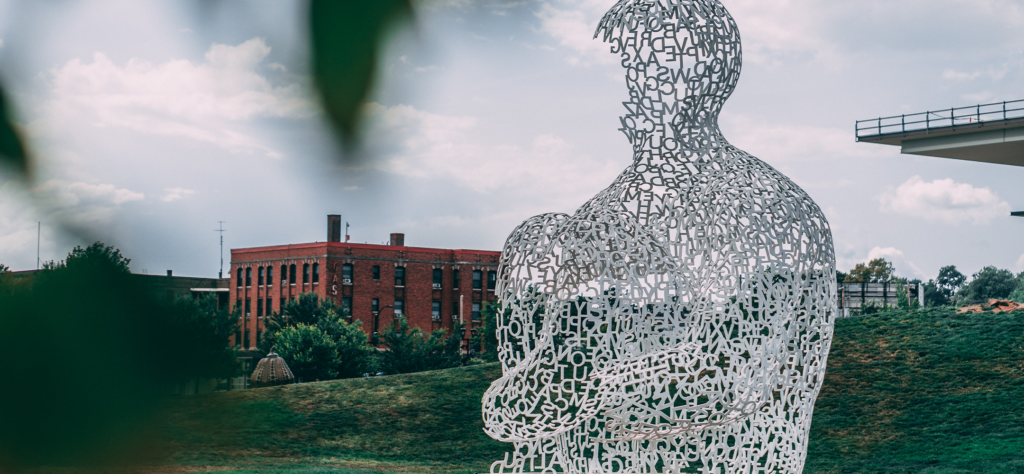
Artspace 304
Carbondale, IL
Since its founding in 1987 as Carbondale Community Arts, Artspace 304 has nurtured generations of artists and creators. Located in the center of downtown Carbondale, Illinois, their aim is to platform creative talent throughout the region. Artspace 304 exists as a cultural space for all of Southern Illinois and reflects the vibrancy of their many communities. Artspace 304 endeavors to promote access to educational resources for the people of Southern Illinois and to provide funding for the purpose of enveloping artistic culture in Carbondale and the surrounding communities. Facilitating young people’s involvement in cultural spaces is central to their mission, and they support community youth in various ways. This includes yearly summer camps, youth group exhibitions and other activities focused on advancing the next generation of creative talent.
As part of the Simons Foundation’s Triangle Program, Artspace 304 will host a photo sculptural installation by artist Antonio Martinez featuring a visualization of the sun’s chromosphere along with the past, present and future pathways of total eclipses. High-resolution source imagery of the sun will be converted into a positive color film, which in turn can be used in the artist’s wet-plate collodion enlargement studio to generate chemical effects that emulate the movement of the corona. The neighboring walls of the installation site will be covered with black, 3D wave-patterned wall panels. Mounted along the wave wall panels will hang a row of small structures that reference the structural form of the first published illustration of a camera obscura in Gemma Frisius’ “De Radio Astronomico et Geometrico.” This installation will be created in collaboration with astrophysicist Robert Baer.
Fusebox
Austin, TX
Fusebox is a nonprofit arts organization based in Austin, Texas. They were founded by a group of artists in 2005 who wanted to create a robust exchange of ideas across different art forms and geography, with particular interest in the live experience. They were also especially interested in how festivals could live in a more meaningful relationship with the place. Today, Fusebox partners with organizations all over the world ranging from small grassroots organizations to major art centers and festivals, along with producing two festivals and year-round programming. Fusebox collaborates with artists and community groups to share unforgettable live experiences and creatively address civic issues identified by their constituents.
In celebration of the 2024 eclipse, Fusebox is creating a large-scale public art installation and performance featuring renowned sculptor and interdisciplinary artist Guadalupe Maravilla. The work will be situated at Waterloo Greenway Conservancy in Central Austin and will be accessible to the public free of charge every day for its duration from April 1–30. Underpinning the project is a collaboration between Maravilla and award-winning neuroscientist Megan Kirchgessner. The two are exploring how different combinations of frequencies, rhythms and tones affect the human body and nervous system. They are applying this knowledge in conjuring the awe and wonder that accompanies the eclipse.
Erie Arts & Culture & FEED
Erie, PA
Founded in 1960 as the Arts Council of Erie, Erie Arts & Culture is the regional arts agency for Northwestern Pennsylvania. Their role is to promote, support and develop culture and creativity at the regional level; ensuring broad opportunities for residents and tourists throughout communities in Erie, Crawford, Venango, Warren, Mercer and Lawrence counties to engage with the sector educationally, socially and economically. Their presence ensures that all communities, regardless of their geographic location or economic status, are systematically and equitably served.
FEED Media Art Center is a digital arts incubator based in Erie, Pennsylvania. FEED is home to an unparalleled collection of technologies supporting the production, preservation and exhibition of media art. FEED provides artists with support including studio residencies, tools, exhibitions and mentions. They promote the exhibition, teaching, innovation and preservation of media art, serving to connect communities in downtown Erie to the rest of the world.
In collaboration with astrophysicist Moiya McTier and FEED, artist Alex “lonesav” Staley will create an immersive multimedia exhibit featuring an occasional simulated solar eclipse. During these simulations, the entirety of FEED will suddenly darken while ceiling projections reenact the phenomenon in an abstract, stylized manner, with the aim of providing a synthesized experience which will increase excitement for the forthcoming astronomical event. The work consists of floor-to-ceiling, 3D-animated projections and multichannel audio. One section includes a real-time interactive component, allowing users to engage directly with the material and see themselves in the simulated environment. This project helps reinforce their community’s sense of identity around the eclipse — recognizing Erie as a community of artists, scientists, educators, enthusiasts, students and families who partner together to explore what this celestial event means to them.
MAX & Highland Center for the Arts
Greensboro, VT
Media Art Xploration (MAX) expands live performance through science and technology. They bring together storytellers, performers, scientists and creative technologists to make music, dance and immersive performance that raise awareness and spark constructive dialogue about the constant innovation around the world. They illuminate scientific innovation through artistic expression and broaden artistic expression through scientific insight to create shared experiences and build a more informed democracy.
The Highland Center for the Arts is a nonprofit organization whose mission is to operate a welcoming venue for assembly, artistic expression, entertainment, education and refreshment. They offer a year-round schedule of locally and nationally sourced performances, exhibitions and events serving the residents and artists of Vermont’s Northeast Kingdom and beyond. They are committed to collaborating with other arts organizations and with local schools.
As part of the Simons Foundation’s Triangle Program, MAX’s creative producer Kay Matschullat will work with director Elena Araoz and astrophysicist Jared Goldberg to create “When Light Bends,” a live performance about the power of an eclipse to call into question our place in the universe. Through the contributions of a poet/playwright, an illusionist, musicians and a diverse cast, this lyrical work riffs on the science and legacy of relativity, featuring vignettes that traverse the history of scientific discovery counterposed with the effect that a total solar eclipse has on humans and the motions of our minds.
Squeaky Wheel
Buffalo, NY
The Long Center
Austin, TX
The Long Center for the Performing Arts is a venue located along Lady Bird Lake in downtown Austin, Texas that acts as a home for many of Austin’s local performing arts groups. For every Austinite of every background, the Long Center is a community gathering place that offers diverse programming and stunning views of the city so that everyone can experience remarkable live arts and entertainment together. Their programs create ways for every Austinite to access world class arts and cultural experiences.
As part of the Simons Foundation’s Triangle Program, the Long Center presents a new interactive soundwalk created by Point A (artists Andrew Schneider and Annie Saunders). Point A will work in collaboration with astrophysicist and cosmologist Katelyn Brievik to explore concepts of quantum entanglement. They will create a site-specific sound walk that can be accessed in public space through audiences’ personal devices. Guided by the voices in their headphones, audience members are taken on a walk along many popular walking paths in Austin that situate them in specific moments, signaling the exactitude of a given place and time. Using spatialized binaural field recordings made from the environment and serendipitous storytelling, this work gives audiences the sense that magic is happening all around them.
Dallas Contemporary
Dallas, TX
Founded in 1978, Dallas Contemporary focuses on exhibiting both new and recognized multidisciplinary works by emerging and established local and international artists as well as commissioning site-specific works. Their mission is to present the art of our time to the public: to document new directions in art through rotating exhibitions, publications and learning programs for visitors of all ages. As a contemporary arts institution that grapples with timely and complex issues in one of the fastest growing metroplexes in the nation, Dallas Contemporary firmly believes in the power of artists’ ideas and voices to chronicle and transform society.
Together with artist Brian Fridge and planetary scientist Mary Urquhart of the University of Texas at Dallas, Dallas Contemporary will generate meaningful public awareness and anticipation of the total solar eclipse of April 2024. Artworks by Brian Fridge will unfold in advance of the eclipse through a visual and literary campaign in three parts: as a series of billboards over Dallas highways, as films that will be screened throughout public locations in Dallas and as a collaborative publication. Each arm of the project considers the lens — the lens of the artist’s camera, the lens of the car window, the lens of the storefront window, the lens of the words printed on a page — as a filter by which the public perceives the eclipse. The project will reach various audiences in both passive and active ways, enriching the public’s literal and poetic view of the eclipse and refining the awe such a phenomenon offers earth’s creatures.
On Main Street
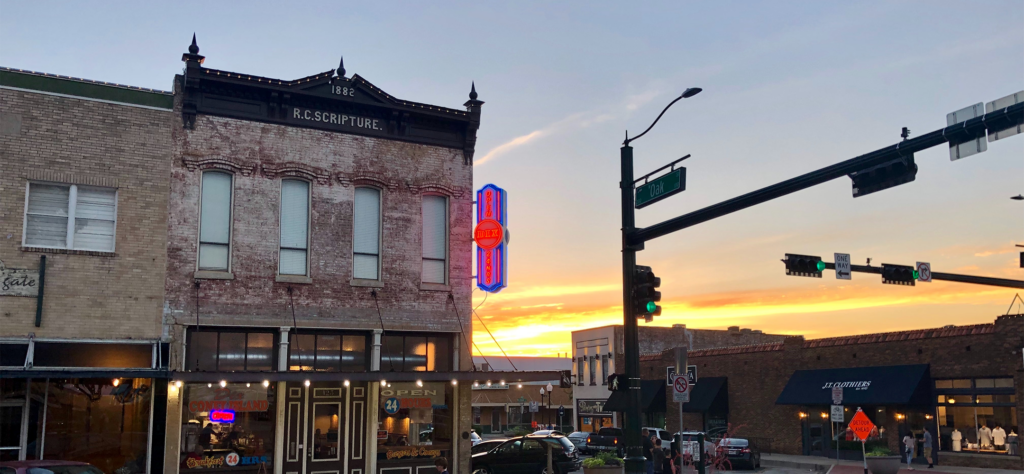
Uptown Jackson Revitalization Organization
Jackson, MO
The Uptown Jackson Revitalization Organization (UJRO) are partnering with local organizations to ensure the total eclipse in Jackson, Missouri, provides a meaningful and memorable experience for its residents. “Total Eclipse of the Heartland” will take place in Uptown Jackson and will include science activities led by STEM classrooms of local schools that will invite audiences of all ages to stoke their curiosity. UJRO will also be partnering with organizations like the Jackson Community Outreach Board, local schools and libraries, the Cape Girardeau County History Center, and many other organizations to ensure a great experience for all.
Main Street Kent
Kent, OH
The excitement is building as Main Street Kent prepares for a blackout Kent, Ohio, will never forget! The Kent Event: Total Eclipse 2024 will take place over a three-day period from Saturday, April 6 to Monday, April 8, 2024, and will include many different science engagement activities, such as the unveiling of a community-created, permanent art mural celebrating the Kent Total Solar Eclipse. There will also be an immersive learning experience at the Kent State University Planetarium, displays and kiosks spread throughout the downtown district with information about the local eclipse events, and educational information on eclipses. Main Street Kent’s local partners include Kent State University, the Kent Parks and Recreation Department, and local businesses in downtown Kent.
Beautiful Paducah (with Paducah Main Street)
Paducah, KY
Paducah Main Street and Beautiful Paducah will be organizing a two-day total solar eclipse community festival from Sunday, April 7 to Monday, April 8, 2024 in the heart of Paducah’s historic downtown district. Having already experienced the 2017 total solar eclipse, Paducah is excited to create an all-encompassing and immersive experience centered around this “twice” in a life-time natural science phenomenon. Some activities include a children’s and adult eclipse and science trivia scavenger hunt that takes participants around community landmarks and local businesses, and public programs hosted by the River Discovery Center, Paducah’s local museum located in the heart of the festival. Other community partners include local organizations and businesses.
North Vernon Main Street
North Vernon Main Street
North Vernon will be hosting a two-day festival called Explore the Dark SolarFest that centers around eclipse science, art and nature with the aim of spurring curiosity and interest in science for the local youth and adults in their rural farming community. Throughout the festival, there will be a wide variety of science engagement activities that include eclipse scavenger hunts, a creative science show by local youth, lunch and learns, and a community science mural. Some of North Vernon Main Street’s partners include the Jennings County Public Library, Jennings County Schools, Perceptions Yoga and the Park Theatre Civic Centre, as well as local businesses and artists.
Houlton Downtown Renaissance Committee {under the Town of Houlton}
Houlton, ME
Main Street Brookville, Inc.
Brookville, IN
Main Street Brookville is honored to host Eclipse: In the Path of Totality — Brookville’s first science-based festival. On the day of the eclipse, the event, held on Brookville’s historic main street, will take place, and will feature science stations organized by the local middle and high schools with a focus on the sky, a science-based window competition for local businesses, and a community-grown mural at ColorWorks, Brookville’s local greenhouse. The event will incorporate hands-on engagement to show science is for everyone and create lasting learning opportunities for community residents in the hours leading up to and culminating in the total eclipse event.
Historic Downtown Sikeston
Sikeston, MO
Sikeston, Missouri, will be hosting a full weekend of events leading up to the day of the eclipse, featuring activities that will all take place in the downtown commercial district. Activities include telescope viewing throughout downtown Sikeston, a collaborative program between the organization Animal Tales and the local library to discuss the effects of the eclipse on nocturnal animals. Other partners include the Historic Midtown Development Group, the Parks Department, the Sikeston Regional Chamber and the Sikeston’s Visitor Center.
Main Street Morrilton
Morrilton, AR
Main Street Morrilton has worked alongside the City of Morrilton, Conway County, the Morrilton Area Chamber of Commerce and the Conway County Economic Development Corporation to develop a dilapidated downtown site into multi-use outdoor event space that will serve as a hub for eclipse-related events. Educational programming will take place in the days leading up to, and during, the eclipse. Vendors will be invited to line Moose Street throughout the weekend, and local organizations will host interactive eclipse activities and entertainment.
Solar Rodeo
Mesquite, TX
City of Granger
Granger, TX
Located in a small farming community, Granger, Texas, is excited to host a science fair that will include the local school and surrounding small towns that are similar in size to Granger (populations with less than 2,000 people). The eclipse is a chance to put this tight-knit community in the spotlight and bring science to the young and old of Granger.
City of Eagle Pass
Eagle Pass, TX
The City of Eagle Pass will be putting on a weekend-long concert/music festival on the weekend leading up to the solar eclipse, attracting locals to enjoy the festivities. The viewing of the eclipse will be held at the town’s Student Activity Center in Shelby Park, and Heavenly Farms, a local pecan farm. At both locations, solar eclipse glasses will be distributed. There will also be an arts activity and science exhibit located at the Arts and Culture Center in the Downtown District.
SoMa 501 Little Rock, Inc.
Little Rock, AR
Little Rock, Arkansas will be home to SoMa in the Dark — the town’s eclipse celebration and an extension of the town’s popular SoMa After Dark’ series — and will feature an overarching theme of science-based engagement through the arts. Activities will include pop ups at local businesses, a nighttime parade through South Main Street, Astro Entertainment live performances, and a viewing event on the day of the eclipse. The activation will invite residents to imagine a new experience on Main Street and invite them to shape and participate in science-based activities leading up to and on display at the events.
Main Street Pittsburg
Pittsburg, TX
Pittsburg, Texas, is excited for the ability to experience and celebrate the 2024 solar eclipse with the community. Science engagement activities will take place as early as the month before the eclipse, helping residents learn more about what an eclipse is and preparing them to experience the cosmic event. On the day of the event, a dedicated viewing area with vendors, food and entertainment will be placed in downtown Pittsburg and will feature local businesses. Pittsburg’s partners include the City of Pittsburg, the County Library, the local community college and the Pittsburg Art Council.
Malvern Downtown Development
Malvern, AR
Eclipse Over Brick City is Malvern, Arkansas,’ flagship event that will engage and provide creative activities for the community to learn about the eclipse. In the weekend leading up to the eclipse, there will be outdoor space-themed movie events, a music festival that will feature science stations, and, on the day of the eclipse, a viewing event that will engage residents and inspire learning. Eclipse Over Brick City will impact residents positively by providing opportunities for engagement in the sciences, and interactive experiences for the community. Partners throughout the event include the Museum of Discovery, local civic clubs and Malvern’s local library.
Hillsboro Main Street Program
Hillsboro, TX
Rural communities
Arkansas Regional Innovation Hub
North Little Rock, AR
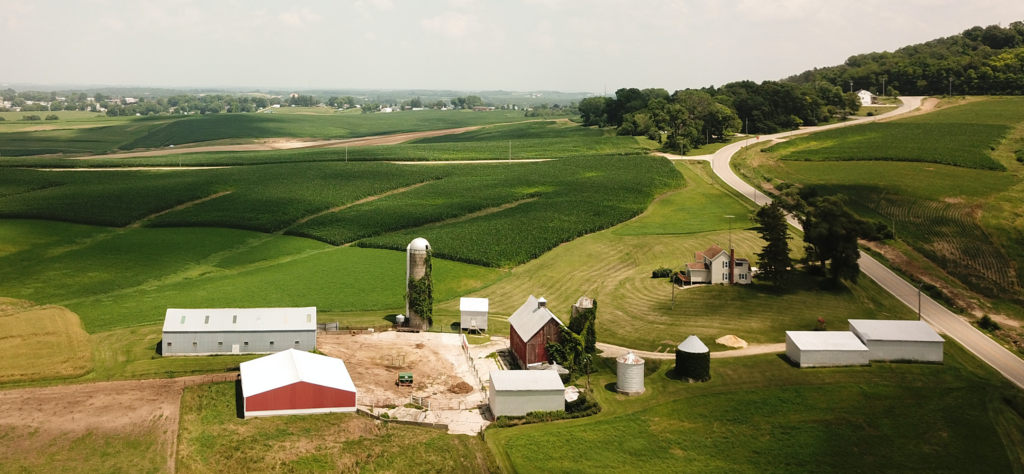
The Arkansas Regional Innovation Hub at Winrock International is a nonprofit organization dedicated to improving the lives of Arkansans by inspiring innovation and expanding opportunities. Since the Innovation Hub’s opening in 2014, their state-of-the-art facilities have provided tools and training to artists, entrepreneurs, students and other makers, preparing them to join and grow Arkansas’ creative ecosystem. In 2018, they partnered with community leaders to create the Mobile Makerspace (The Innovation Hub on wheels) that takes the technology currently available at the Hub to underserved communities, rural communities and schools across the state.
Using their Mobile Makerspace to bring STEAM hands-on activities to the students, the Arkansas Regional Innovation Hub seeks to enhance the overall knowledge concerning the 2024 total solar eclipse to students. The Hub will conduct STEAM solar eclipse hands-on field trips to 25 rural cities that will be in the path of totality to teach students about the science behind the solar eclipse by using tools such as ceramics, printmaking, robotics, fused glass, screen printing and more. They also plan to offer hands-on STEAM make-and-take solar eclipse focused activities during their 3rd Friday Art Walk, host local artists in their gallery that focuses on science, host an adult DIY solar eclipse glasses making workshop in March of 2024 and host an event on the eve of the solar eclipse.
Indiana University Center for Rural Engagement
Bloomington, IN
Established in March 2018, the Indiana University Center for Rural Engagement (CRE) has developed a vital, national model for connecting the distinctive resources of a state comprehensive flagship research and teaching university to the needs of rural residents and communities. The mission of the CRE is to improve rural lives and communities. It achieves this by connecting the Indiana University Bloomington campus’ people, research, cultural assets and expertise to address rural challenges that span from health care access to environmental management to sense of place.
On April 8, 2024, the path of totality of the solar eclipse will cross Indiana University’s Bloomington campus, along with a regional swath which includes cities, towns and rural landscapes across the state. In preparation for this once in a lifetime event, the CRE has begun planning to embrace this event in a multidisciplinary, community-focused initiative, which seeks to build on and support the rural communities that it serves in southern Indiana. The center aims to ignite a love for learning and science through a combination of hiring for dedicated staff outreach positions, funding for rural communities to engage and host events within the path of the eclipse and leveraging established rural relationships and initiatives through the CRE. The 2024 solar eclipse will be positioned as an inspiring scientific event that contributes to community-building and educational engagement in southern Indiana.
Science Mill
Johnston City, TX
The Science Mill is a nonprofit science museum dedicated to creating equitable access for students to STEM opportunities through an innovative platform of experiences and enrichment programs. Located in Johnson City, a rural town in central Texas with a population of 1,700, the Science Mill is a fully experiential museum of self-exploration where kids learn by doing, experimenting, discovering and, most importantly, by being curious. Their mission is to give all kids, regardless of their background, the confidence, tools and support to reach their full potential. Since opening in 2015, the Science Mill has welcomed almost 300,000 visitors to the museum, 65,000 students on field trips and over 3,100 summer campers.
To help rural students living in the path of totality better understand the 2024 eclipse’s significance, the Science Mill will deliver their Mobile Eclipse Team Challenge to schools both before and after the April 8, 2024 total solar eclipse. Designed specifically for students in third through eighth grade, their unique program includes four hands-on stations with gamified, digital experiences that participants can move through at their own pace. The program will feature cohesive challenges with corresponding STEM content and career exploration, hands-on activities, take-home activities for extended learning and family engagement and free eclipse glasses for safe viewing. They aim to encourage students not to miss this once-in-a-lifetime opportunity to witness an incredible celestial event: no child left inside during the eclipse.
Little Free Library
Multiple Cities, US
Little Free Library’s mission is to be a catalyst for building community, inspiring readers and expanding book access for all through a global network of volunteer-led Little Free Libraries. Their vision is a Little Free Library in every community and a book for every reader. Little Free Library believes all people are empowered when given the opportunity to discover a personally relevant book.
In the months leading up to the Eclipse, Little Free Library will be filling 25 Little Free Library boxes in communities along the path of totality with a set of 25 eclipse books.
Festivals & live events
Matthew Starr presents: Dark Matter
Multiple Cities, US
Comedian Matthew Starr presents his solo show Dark Matter. Part stand-up, part science, Dark Matter is like if Mike Birbiglia and Stephen Hawking listened to Dashboard Confessional. Men will literally learn astrophysics instead of going to therapy. If you’ve ever been in a relationship or existed in this known universe, this is the show for you!
The Universe in Verse at Waterloo Park
Austin, TX | April 7, 2024
On the evening before the first eclipse in Austin in 627 years, writer Maria Popova (The Marginalian) brings The Universe in Verse to the Moody Amphitheater at Waterloo Park. The show – a charitable celebration of science and the wonder of reality through poetry and storytelling – will feature a cast of beloved musicians, writers, artists, and other public figures, reading poems that speak to the science of eclipses.
Eclipse Viewing Party at the Long Center
We’re hosting our flagship, day-of eclipse event at the Long Center in Austin, TX. The Simons Foundation and the team at the Long Center have programmed 4 hours of entertainment, centered around the total eclipse and hosted by Radiolab’s Molly Webster. The Radiolab team will be recording a special episode from the Long Center, and the day will feature music by composer and Austin legend Graham Reynolds. Acclaimed writers Roxane Gay and Debbie Millman will lead guests through a visual storytelling experience.
Morning Glories with Radiolab’s Molly Webster
Austin, TX | April 9, 2024
Join Radiolab’s Molly Webster on the day after the eclipse at Waterloo Park for a special edition of Morning Glories, a free weekly early childhood education program that aims to foster a lifelong love of learning, community and the outdoors through music, dance, cultural learning and nature play. Webster will lead a special reading of her book “Little Black Hole”— a space-themed story about belonging and the power of friendship.
Science Sandbox Awardees
The Symposium: Academic Stand Up
Multiple Cities, TX
The Symposium: Academic Stand Up is an educational stand-up comedy show and workshop series that aims to challenge what experts look and sound like while also exploring the process of knowledge building through sharp, socially mindful humor. The program, created, produced and curated by science communicator and comedian Kyle Marian Viterbo, began in 2017 at New York City’s Caveat Theater and has traveled to Detroit, Boston and other cities in the U.S. They work with partner academic institutions to bring the training program to minorities in STEM. The workshop series provides intersectional and interdisciplinary science communication and comedy training to academics. The show brings together smart stand-up comedians alongside trained academics to do real stand-up comedy for adult audiences.
Next year’s North American total solar eclipse presents an incredible opportunity to connect with diverse communities in the U.S. about the science of this celestial event. The team will mount a week-long comedy tour across three cities in Texas along the path of totality and perform in famed comedy clubs. The Symposium’s science comedy incubator/collective aims to present this as an important moment to celebrate how diverse immigrant and indigenous communities value the sun and the stars. The Symposium hopes to leverage this incredible celestial event to celebrate how non-Western cultures can connect with scientific phenomena through different ways of knowing.
Design to Disrupt
Erie, PA
The Design to Disrupt (D2D) and Reimagine Education initiative began during the U.S. lockdown phase of the COVID-19 pandemic as an inclusive space for K-12 education stakeholders to provide information, and contribute to, the future of education. Since the group’s establishment, D2D roundtables have served as an entry point for essential conversations about race, racism and the digital divide. Central to these dialogues are the many intersections of one’s identity and social-emotional awareness.
As part of the Pennsylvania Chief Science Officers (CSO) program’s 2023 statewide expansion, D2D will take advantage of the natural disruption of the 2024 solar eclipse to share their learning journey and experiences prior to and following the eclipse event. A curated list of free and publicly accessible education materials will be shared with the greater CSO network to ensure all CSO’s have access to the science behind the eclipse event and the “Umbra/Penumbra/Eclipse” relationship. D2D will also head to Erie, Pennsylvania to host discussions that will convene youth, educators, families, community members and community-based organizations.
The Gaskins Foundation
Indianapolis, IN
The Gaskins Foundation is a non-profit organization that aims to present, engage and prepare students of all ages to become leaders in STEM using algebra, programming and design concepts. Their program EPICC STEMulates transforms historically black churches’ meeting spaces into a STEM learning environment and provides extraordinary STEM opportunities for under-recognized and underrepresented youth. The program also gives youth resources at many stages of their academic careers as well as their creative lives. Since its inception, the program has expanded to four locations in the area and supports 2,500 students annually.
Beginning in the fall of 2023, the STEMulates program will incorporate an outreach program to educate its partner communities about the 2024 total solar eclipse. In addition to the program’s established programming locations, The Gaskins Foundation will also partner with the Minority Engineering Program of Indianapolis, Indiana to host the program for students in the Indianapolis area and identify churches in Indianapolis to participate in STEMulates. Learning about the upcoming eclipse is an excellent opportunity for students to gain knowledge about the natural phenomenon that occurs in our solar system. Additionally, students can learn about the cultural significance of eclipses in different societies and how they have been interpreted throughout history. Understanding the eclipse can also help students appreciate the importance of protecting their eyes during the event and the precautions they need to take.
Imagine Science
Multiple Cities, US
Imagine Science is a collaboration of four leading national youth organizations formed to bridge the STEM gap by igniting the imaginations of historically under-represented youth. They believe that prolonged, informal exposure to STEM increases a child’s interest and builds a foundation for proficiency through high school and beyond. They strategically align their STEM priorities and invest in the creation of a national network of Innovation Sites that partner with one another to share curricula, training, data and other assets in unprecedented ways in order to engage more under-represented youth and identify best practices. They believe in the next generation of problem solvers and innovators. Imagine Science believes they share in the responsibility to have an equal chance to be inspired to pursue a career in STEM.
The Imagine Science Collaboration will leverage the awe-inspiring spectacle of the 2024 total eclipse to deepen its impact among under-represented youth. This unique celestial event serves as a catalyst to ignite curiosity, unite communities and stimulate interest in broader scientific concepts. The project intends to bring this opportunity to life by implementing the evidence-backed “H + NASA: Mission Sun!” curriculum at 12 program sites across two existing Imagine Science networks. All chosen sites will be within the path of totality, promising a profound, community based, high-quality hands-on science engagement.
NewComm LAB
Syracuse, NY
Through their novel “literary science” approach, NewComm Fellows equips both students and local organizations with useful, usable and non-breakable tools to amplify local innovation. They are revolutionizing the study of literature, as they turn what has traditionally been classroom-contained work into an active tool to understand and confront the evolving challenges of their local communities. By empowering learners to leverage the power of narrative to create tangible impact, they ensure their program is oriented towards transformational, not transactional, outcomes.
LAB is an annual weekend retreat exclusively designed for fellows participating in their program. Set outside of New York City, the event focuses on engaging Fellows with powers and design practitioners to refine and finalize the social impact project they have developed and tested since the summer. Each LAB is grounded in a particular theme or question that shapes the discussions guiding their work. The 2024 LAB will take place from April 8–9 at the Minnowbrook Conference Center at Syracuse University. The theme, “Face the Sun,” is inspired by Syracuse’s location on the path of totality, symbolizing the interplay of light and darkness in both physical and metaphorical spaces. During the retreat, fellows will attend workshops, design discussions, engage in group projects and have networking opportunities. The selected literary text will be Tracy K. Smith’s Pulitzer Prize-winning poetry collection Life on Mars, as it explores collective humanity through the lens of space and technology. LAB aims to create a uniquely supportive environment that combines literary analysis with practical problem-solving skills, fostering deep connections among fellows.
Radiolab
Cleveland, OH
Radiolab, hosted by Lulu Miller and Latif Nasser, is a radio program on a curiosity bender. They ask deep questions and use investigative journalism to get the answers. A given episode might whirl you through science, legal history and into the home of someone halfway across the world. The show is known for innovative sound design, smashing information into music. For over two decades, Radiolab has been devoted to science explorations, combining a celebration of natural curiosity with rigorous research to investigate stories based in biology, physics, chemistry, geoscience and more — including emerging and urgent topics in contemporary scientific discourse.
With a historic total solar eclipse set to occur across North America on April 8, 2024, Radiolab is exploring a range of programming options to celebrate the event. Radiolab’s eclipse programming will be powered by a network of regional partnerships that strengthen Radiolab’s connection to communities in the path of totality. In addition to leveraging all of New York Public Radio’s distribution platforms including live broadcast, streaming and podcast feeds, Radiolab will partner with public radio stations located in the path of totality. The team will also cultivate relationships with local community organizations participating in eclipse programming.
SciLine + The Open Notebook
San Antonio, TX
SciLine is a free service for journalists based at the nonprofit American Association for the Advancement of Science; its mission is to make it easier for reporters to include scientists and scientific information in their new stories, whether those stories are about science or about events and issues where science can add valuable context. The Open Notebook (TON) is an independent nonprofit that helps science journalists sharpen their skills through a diverse community of practices. The two groups share an interest in supporting the work of local journalists — particularly those who don’t often cover science issues and may not be trained to do so — to bring timely and relevant scientific evidence to the public.
Ahead of the 2024 total solar eclipse, they will create and implement a science-reporting training and mentorship program for one to three groups of up to 30 local journalists each who are serving communities in the path of totality. This program will teach reporters how to incorporate science into their everyday reporting, engaging in continued learning with peer-science reporters. This work combines and builds upon strengths already present at TON and SciLine to help local reporters prepare to cover the eclipse, and future stories, in scientifically accurate and meaningful ways.
Sing for Science
Syracuse, NY
Sing For Science is a science and music podcast produced with Talkhouse in which musicians talk to scientists about science as it connects to their most famous songs. Created and hosted by New York musician Matt Whyte, the podcast’s goal is to increase science literacy for as many people as possible by reaching a variety of different musicians’ fan bases. Listeners come to the show through their love of music and leave with a new place of knowledge about science and scientific process. Science literacy and respect for expertise are perhaps more vital now than ever before. The show’s chief tenet is that a more scientifically literate society can only contribute towards greater support for more fair, evidence-based policy in government.
In light of the 2024 total solar eclipse, Sing for Science will present a free “Sun Piano/Moon Piano” concert and live Sing for Science podcast taping with legendary new age pianist Laraaji in Syracuse, NY on the evening of April 8, 2024. Laraaji is a new age visionary, mystic and multi-instrumental sound artist. He arguably remains the most respected and popular of all legacy musicians to return to prominence in the new age music revival of the past 15 years on the foundation of his debut collaboration with Brian Eno in 1980. Two of Laraaji’s most recent works are the companion albums “Sun Piano” and “Moon Piano.” Both albums are stunning works of minimal ambient expression and will provide the sonic centerpiece to a beautiful gathering of music fans, eclipse enthusiasts and inquisitive members of the downtown Syracuse community.
Society for Science
Multiple Cities, AR
Society for Science is a champion for science, dedicated to expanding scientific literacy, effective STEM education and scientific research. The core intent of the Science News Learning program is to provide educators, and thus their students, with up-to-date, current science journalism that makes science relevant and engaging while strengthening students’ understanding and retention of scientific concepts. The program currently strives to deepen engagement with educators and support integration of program resources into curricula via professional development for enrolled school districts and virtual workshops for all educators within the program.
Society for Science has identified 40 public schools along the path of totality that are located in rural, small towns. They will offer these schools the opportunity to apply for a Solar Eclipse Kit and Resource Package from Science News Learning via a competitive grant application process. The kit will include a telescope with solar filter for viewing the eclipse, a classroom set of solar viewing glasses and a solar eclipse yardstick activity kit. The Resource Package will include Science News coverage of the event, the science behind solar eclipses and lesson plans with activities to teach related concepts. It will also contain communication-related resources designed to empower students to serve as STEM ambassadors to their communities and share their knowledge to help others experience the eclipse.
BioBus
Houlton, ME
BioBus envisions a world where everyone can reach their full scientific potential. They build toward this vision by bringing hands-on science learning directly to students in communities underrepresented in science careers. With BioBus’s two mobile labs and brick-and-mortar labs in New York City, a diverse new generation of scientists are already creating a fairer and more equitable world through science.
BioBus plans to bring our mobile lab to Houlton, Maine as well as a team of scientists to capitalize on the excitement and visibility of science in action. BioBus hopes to fan the spark of curiosity ignited by the eclipse to cultivate a life-long passion for science and critical thinking. During and after the eclipse, BioBus plans to engage the public by using DIY microscopes to mirror what is happening during the eclipse, discuss how eclipse viewing boxes work, and explore how insects and other mammals will perceive the eclipse. BioBus plans to roll out these activities at pre-eclipse events, namely street fairs and special events hosted by the town of Houlton. BioBus is also hoping to collaborate with the Maliseet tribe to bring culturally relevant programming to the participants. In offering this opportunity of inquiry-based, hands-on learning to participants, BioBus works to ensure a more equitable future for science learning and workplaces.
The American Printing House for the Blind: LightSound
Multiple Cities, US
Science Action Club
Multiple Cities, US
Founded in 2011 by the California Academy of Sciences, the Science Action Club (SAC) is an out-of-school time (OST) program that inspires middle-school-age youth to explore and connect with nature while achieving essential science, technology, engineering and math (STEM) learning goals. The program ignites curiosity and awe and builds STEM knowledge and identity, through dynamic curricula that integrates high-energy games and hands-on activities with citizen and community science investigations. SAC educator trainings provide step-by-step guidance for all activity plans, valuable background content and helpful teaching strategies for an informal learning environment. Since 2011, SAC has served over 63,000 youth and educators in hundreds of clubs across more than 400 communities in 30 states.
For the eclipse, the Science Action Club will adapt, develop and deploy SAC kits, training and eclipse learning materials for 15 new SAC clubs in rural areas within the path of totality. SAC will also provide eclipse learning content to the existing 20+ clubs within the path of totality. Altogether, this project aims to reach more than 800 youth and 70 educators.
Breweries
Great Lakes Brewing Co.
Cleveland, OH
Founded in 1988, with distribution across several U.S. states, Great Lakes Brewing is the first brewpub and microbrewery in Ohio. Time of totality: 3:13 p.m. EST.
Sun King Brewery
Indianapolis, IN
Started in 2009, Sun King Brewery is now one of Indiana’s most well-known breweries, with a national presence throughout the U.S. Time of totality: 3:06 p.m. EST.
Lost Forty Brewing
Little Rock, AR
Taking its name from a storied forest in Arkansas, Lost Forty Brewing was founded in 2014 and sits in the heart of downtown Little Rock. Time of totality: 1:51 p.m. CDT.
Meanwhile Brewing Co.
Austin, TX
South Austin’s Meanwhile brewery opened in 2020. The brewery space is situated on 3.7 acres and features an outdoor stage, a soccer field and more. Time of totality: 1:36 p.m. CDT.
Zilker Brewing Company
Austin, TX
Operating since 2015 with a taproom in East Austin, Zilker Brewing Co. has always had a community focus. Time of totality: 1:36 p.m. CDT.
Lavery Brewing Company
Erie, PA
Situated in the heart of downtown Erie, Pennsylvania, Lavery Brewing was founded in 2009 with a local focus. Time of totality: 3:16 p.m. EST.
Resurgence Brewing
Buffalo, NY
Opened in Buffalo in June 2014, Resurgence Brewing now brews just under 5,000 gallons of beer per week. Time of totality: 3:18 p.m. EST.
Coös Brewing Company
Colebrook, NH
Situated on the banks of the Connecticut River, Coös Brewing Co. was established in Colebrook, New Hampshire, in August of 2018. Time of totality: 3:28 p.m. EST.
Austin Beer Works
Austin, TX
A community-focused brewery in the northern part of Austin, Texas, Austin Beer Works was founded in 2011. Time of totality: 1:36 p.m. CDT.
Dry Ground Brewing Company
Paducah, KY
Established in 2014, Dry Ground Brewing, the first craft brewery in Paducah, operates out of a landmark industrial space. Time of totality: 2:00 p.m. CDT.
Henderson Brewing Co.
Henderson, KY
Henderson Brewing Co. is the city’s first craft brewery, founded in 2018 by five local families. Time of totality: 2:02 p.m. CDT.
Scratch Brewing Company
Ava, IL
Situated near the Shawnee National Forest in Ava, Illinois, Scratch Brewing offers farmhouse-style beers that showcase the terroir of Southern Illinois. Time of totality: 1:59 p.m. CDT.
Celestial Beerworks
Dallas, TX
The space and art obsessed Celestial Beerworks opened its doors in the heart of Dallas in October of 2018. Time of Totality: 1:40pm CDT
New York City

Simons Foundation Presents: Totality
New York City, NY | March 22, 2024
On April 8, 2024, a total solar eclipse will traverse the United States. The sight of our moon aligning with the sun, casting a shadow upon the Earth and plunging those in the path of totality into temporary darkness is an unforgettable one. Drawing from the world of science and history, we will discuss the totality experience from different perspectives.
The conversation will feature cosmologist and Simons Foundation scientist Shirley Ho, science writer and eclipse chaser David Baron, and astrophysicist Sóley Hyman.
Raja Feather Kelly/the feath3r theory: “The Absolute Future”
New York City, NY | April 5, 2024
Choreographed, written and directed by Raja Feather Kelly, the feath3r theory (TF3T)’s “The Absolute Future (or Death, Loneliness, and the Absolute Future of the Multiverse, or How to Cover the Sun with Mud)” is a devised danced-theater performance about a group of friends who attempt to watch the Great American Eclipse on April 8, 2024, and miss it. A constellation of shadows comes together in a daring mix of fiction, reality, fantasy and surrealism.
Founded in 2009, the feath3r theory (TF3T) was inspired by Raja Feather Kelly’s interest in the life and work of Andy Warhol. The numeral 3 in TF3T speaks to the equal importance of dance, theater and media in the work. In 2013, influenced by his research into Warhol’s life and ideas, Kelly expanded his company of dancers and designers to self-produce TF3T’s first evening-length production, Andy Warhol’s “DRELLA (I love you Faye Driscoll),” at the Invisible Dog Art Center in Brooklyn. The ensemble’s many awards include a 2018 – 2020 HERE Arts Fellowship, the 2016 Solange MacArthur Award for New Choreography and a 2017 Princess Grace Award for Choreography.
Shows will take place on April 5 and April 6, 2024.
Solar Viewings at Madison Square Park
New York City, NY
In the lead-up to the eclipse’s crossing North America on April 8, the Madison Square Park Conservancy and the Simons Foundation are hosting weekly solar viewings in Madison Square Park. The viewings will take place every Wednesday from noon to 2 p.m., weather permitting. Park-goers will have the opportunity to look through solar telescopes and chat with scientists and staff from the Simons Foundation about the sun and astronomy.
Solar Eclipse 2024: Presented by Pioneer Works, Green-Wood and the Amateur Astronomers Association
Brooklyn, NY | April 8, 2024
In the lead-up to the eclipse’s crossing North America on April 8, the Madison Square Park Conservancy and the Simons Foundation are hosting weekly solar viewings in Madison Square Park. The viewings will take place every Wednesday from noon to 2 p.m., weather permitting. Park-goers will have the opportunity to look through solar telescopes and chat with scientists and staff from the Simons Foundation about the sun and astronomy.
Eclipse Day at NYSCI
Queens, NY | April 8, 2024
On April 8, 2024, the New York Hall of Science (NYSCI) will welcome the public and visitors from around New York City to celebrate the solar eclipse and engage in activities as part of NYSCI’s Eclipse Day event.
Activities will include a NYSCI Eclipse Day Watch Party from 2 to 5 p.m. featuring hands-on activities, food vendors and a live set from an award-winning DJ. Participants will have opportunities to engage in a series of interactive activities designed to inspire curiosity and understanding about how and when solar eclipses occur and how to safely observe them. Attendees will even get to design their own eclipse art based on what they learn.
To ensure accessibility, NYSCI is providing free tickets for approximately 600 Corona students and their families as part of a STEAM Family Day. The organization is also offering 200 additional free tickets through the Department of Education’s STEM Department for their STEM Expo participants and family members. NYSCI has also created a Neighborhood Family Pass to provide subsidized tickets for local families to participate in the event.
Partial Solar Eclipse Viewing Party
New York City, NY | April 8, 2024
On Monday, April 8, New York City will witness a partial solar eclipse. The Flatiron NoMad Partnership and the Simons Foundation invite the local community to attend a Partial Eclipse Viewing Party on the Flatiron North Plaza from 12 to 3:30 p.m. on the day of the eclipse. Festivities will include a variety of science and family-friendly activities, including hands-on eclipse experiments led by the National Museum of Mathematics and solar viewings with scientists and staff from the Simons Foundation. This event is free and open to the public.