A textured sphere with three horizontal stripes: yellow on top, dark blue in the middle, and dark orange at the bottom.

Computational Astrophysics: Gravitational Wave Astronomy

We use gravitational waves to probe physics, astrophysics and cosmology.

About

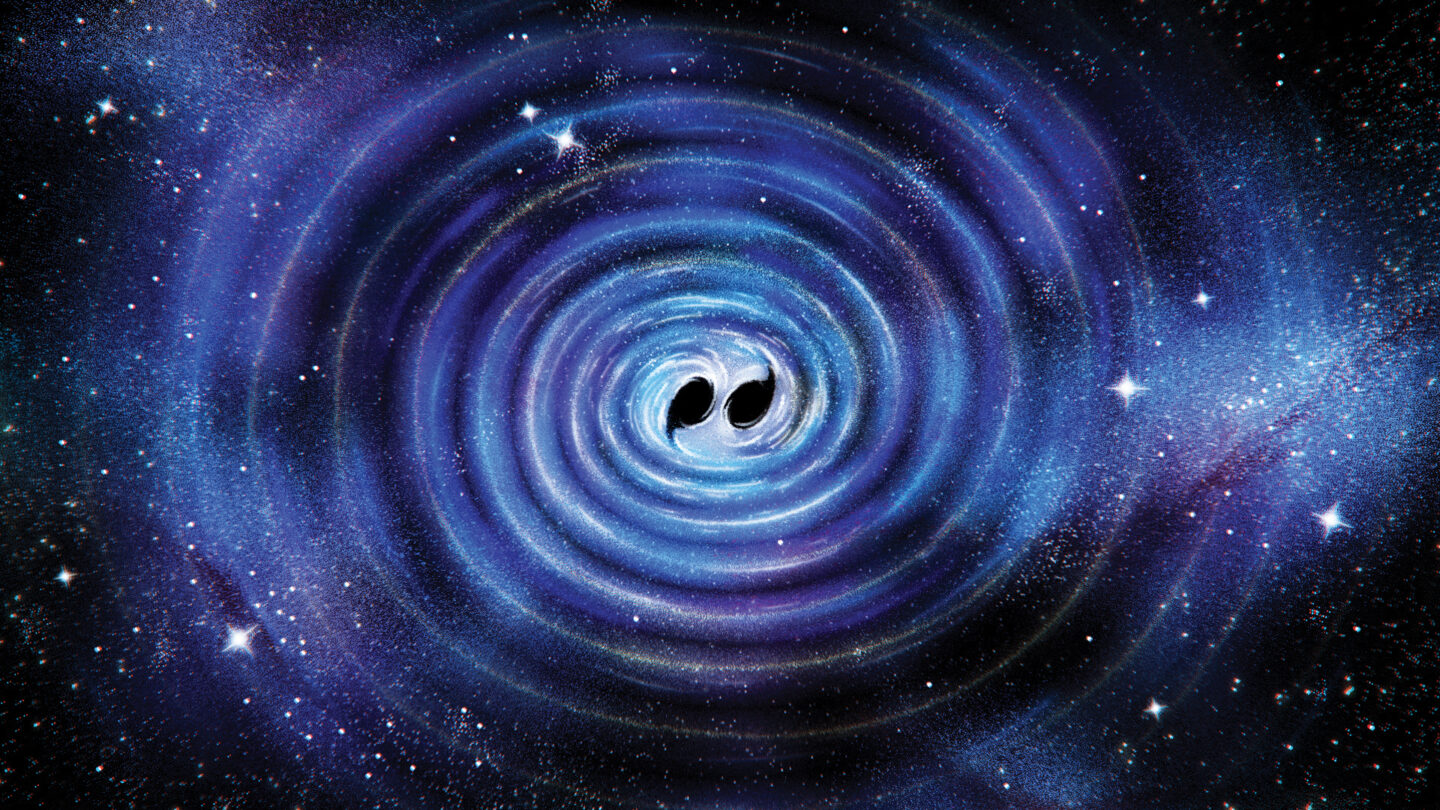
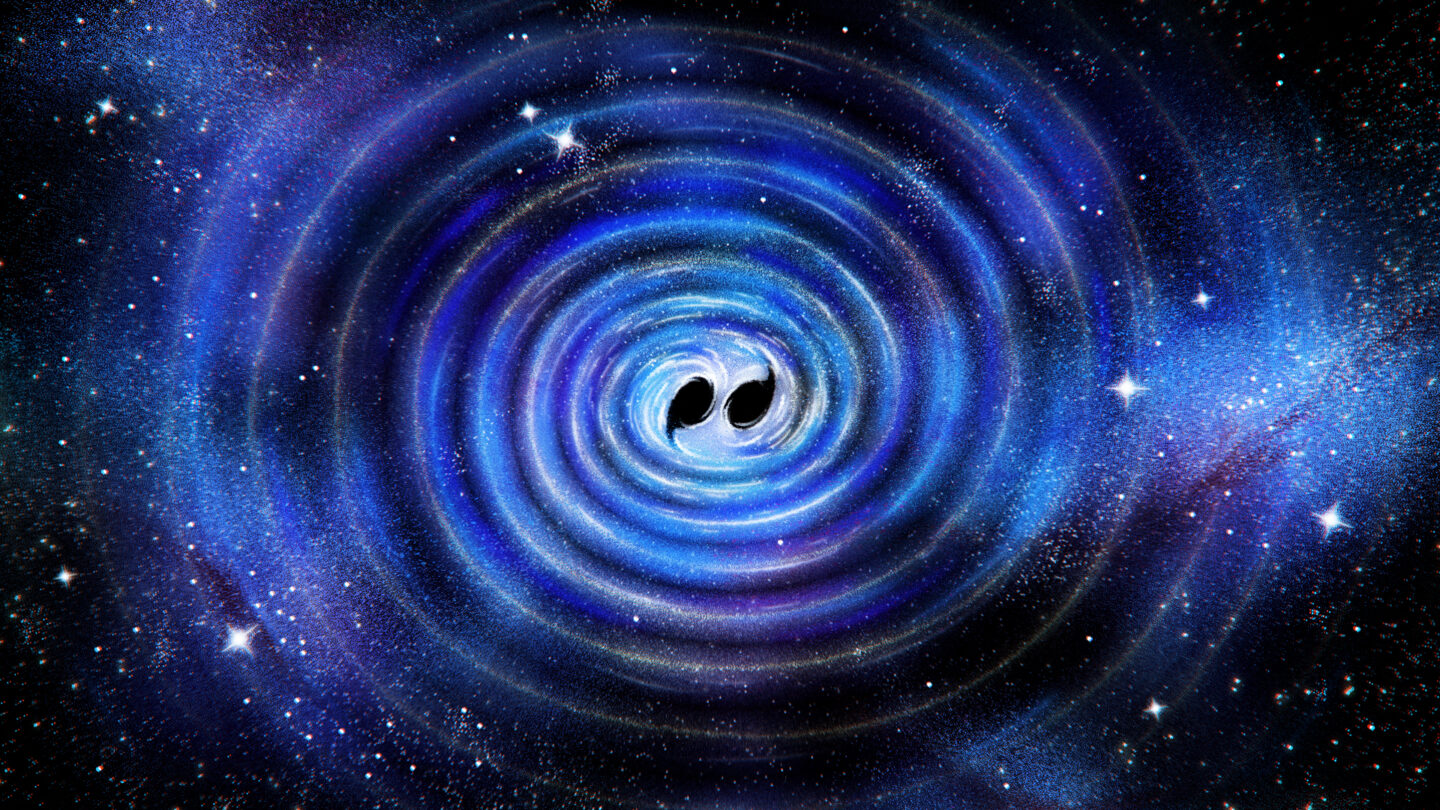
Since the first detection of gravitational waves in 2015, gravitational-wave astronomy has matured into a fast growing field with far reaching implications for physics and astronomy. 

As of LIGO-Virgo-KAGRA’s fourth observing run there are over 300 likely gravitational waves detected to date. We now routinely observe mergers of black holes and neutron stars, which continue to expand our view of the extreme physics in those compact objects, as well as the lives and deaths of the stars from which they formed. Gravitational waves and their counterparts are also a promising tool for cosmology. Our discovery potential continues to grow with improving detectors.

We are helping shape this rapidly evolving field, using gravitational waves to probe physics, astrophysics and cosmology. We are involved in the detailed modeling of the formation and emissions (gravitational and otherwise) of sources of gravitational radiation, the development of sophisticated analysis methods for extracting and characterizing gravitational wave signals from noisy detector data streams, and the application of cutting-edge statistical techniques to characterize the population of gravitational wave sources, relating them to existing models and observations of stellar populations. Our interests span all sources of gravitational waves, being LIGO-Virgo-KAGRA, LISA or pulsar-timing sources.

Organizational Leadership

A portrait photo of Will Farr.

Will Farr

Senior Research Scientist, Center for Computational Astrophysics

A young man with short brown hair and a beard smiles at the camera. He is wearing a light blue shirt and a dark quilted vest, with a blurred indoor background.

Max Isi

Associate Research Scientist, Center for Computational Astrophysics

Full Team

A portrait photo of Will Farr.

Will Farr

Senior Research Scientist, Center for Computational Astrophysics

A person with short brown hair and glasses smiles outdoors, wearing a brown jacket over a pink shirt. Lush green trees are in the background under a partly cloudy sky.

Jack Heinzel

Flatiron Research Fellow, Center for Computational Astrophysics

A person wearing glasses and a black Adidas sweatshirt stands outdoors, smiling, with trees and a distant, hazy landscape in the background.

Asad Hussain

Flatiron Research Fellow, Center for Computational Astrophysics
A young man with short brown hair and a beard smiles at the camera. He is wearing a light blue shirt and a dark quilted vest, with a blurred indoor background.

Max Isi

Associate Research Scientist, Center for Computational Astrophysics
A person with short blond hair, wearing a black jacket and gray backpack, smiles in front of blooming trees with white and pink flowers.

Konstantin Leyde

Flatiron Research Fellow, Center for Computational Astrophysics
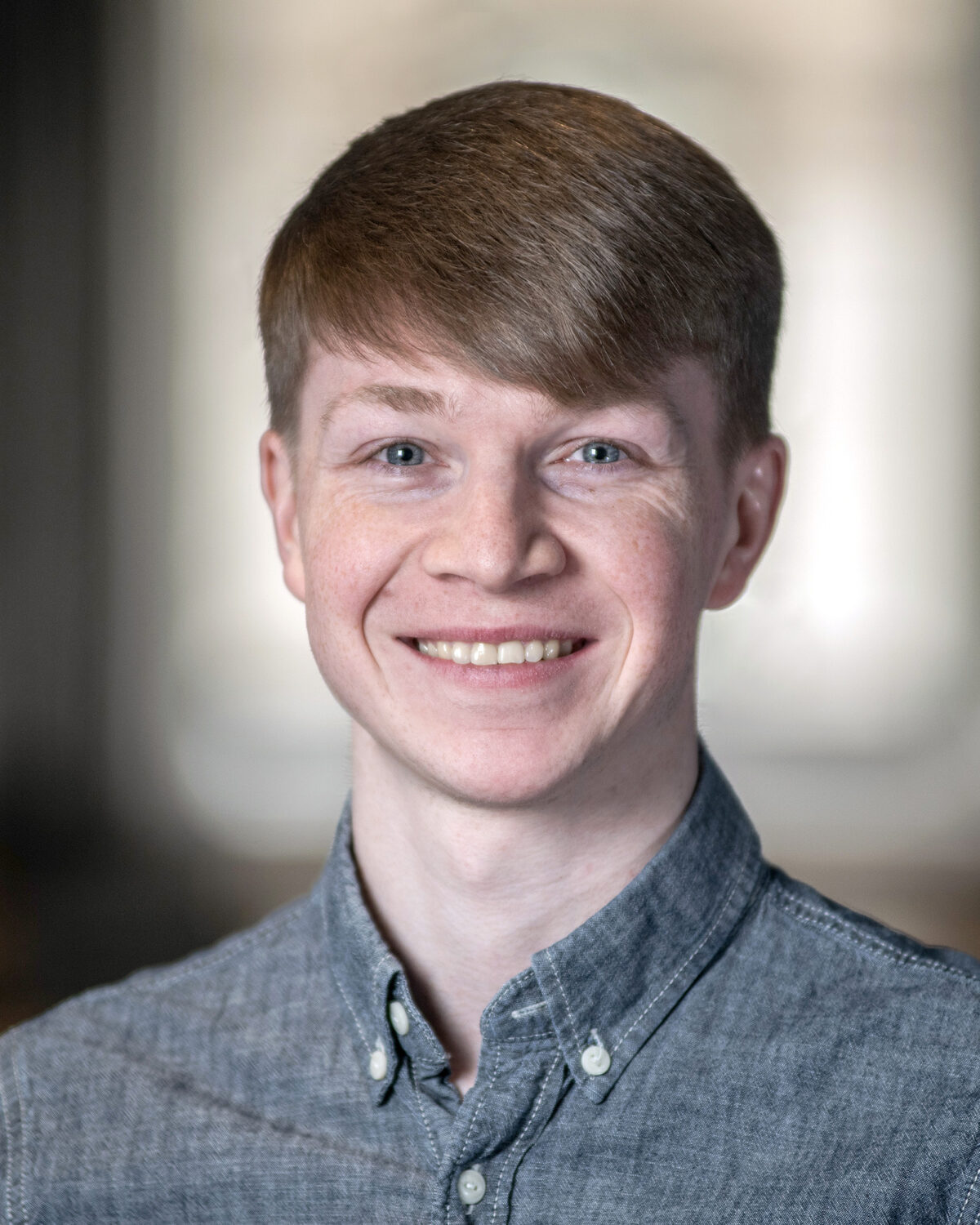
A young person with short light brown hair, wearing a button-up gray shirt, is smiling at the camera. The background is softly blurred, suggesting an indoor setting with natural light coming through windows.

Tom Wagg

Flatiron Research Fellow, Center for Computational Astrophysics
Video Archive

Speaker

Will Farr

A portrait photo of Will Farr.

September 25, 2019

5–6:15 p.m. ET

Speaker

Frans Pretorius

Portrait photo of Frans Pretorius