Search
What are you looking for?
Featured



Results
-
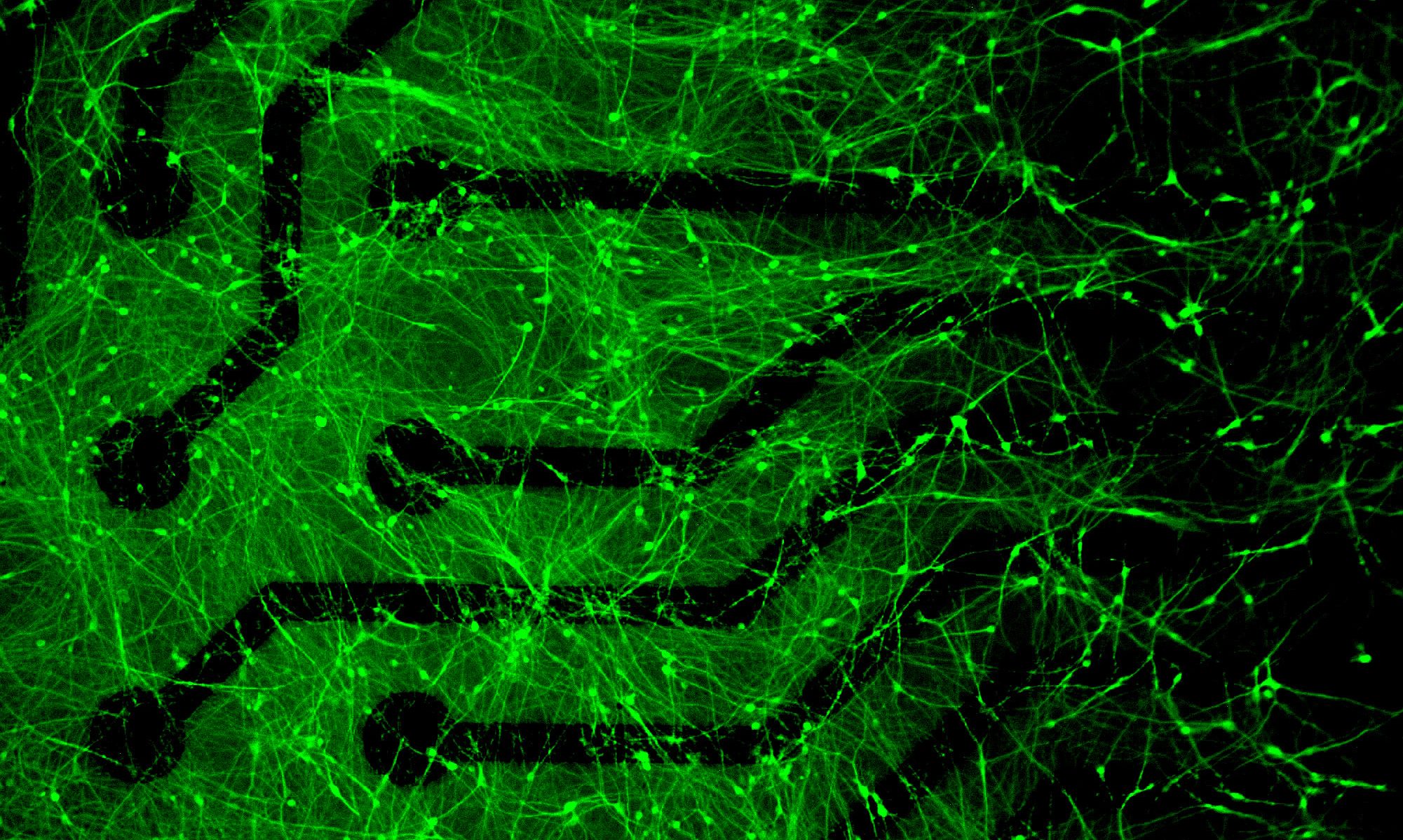 SFARI is pleased to announce that it intends to fund eight grants in response to the 2020 Research Award request for applications.
 -
 Astrophysicist Brian Metzger has been named the 2020 Blavatnik National Awards Laureate in Physical Sciences & Engineering by the Blavatnik Family Foundation. The honor recognizes Metzger’s contributions to …
 -
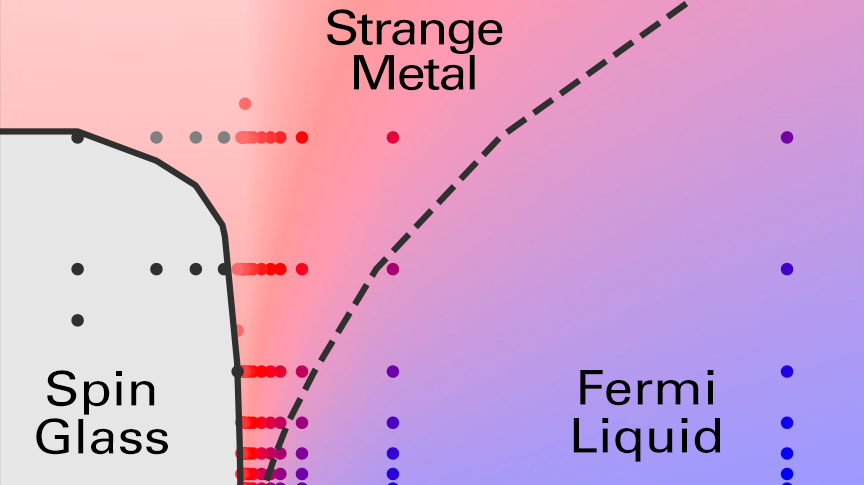 Strange metals have surprising connections to high-temperature superconductors and black holes.
 -
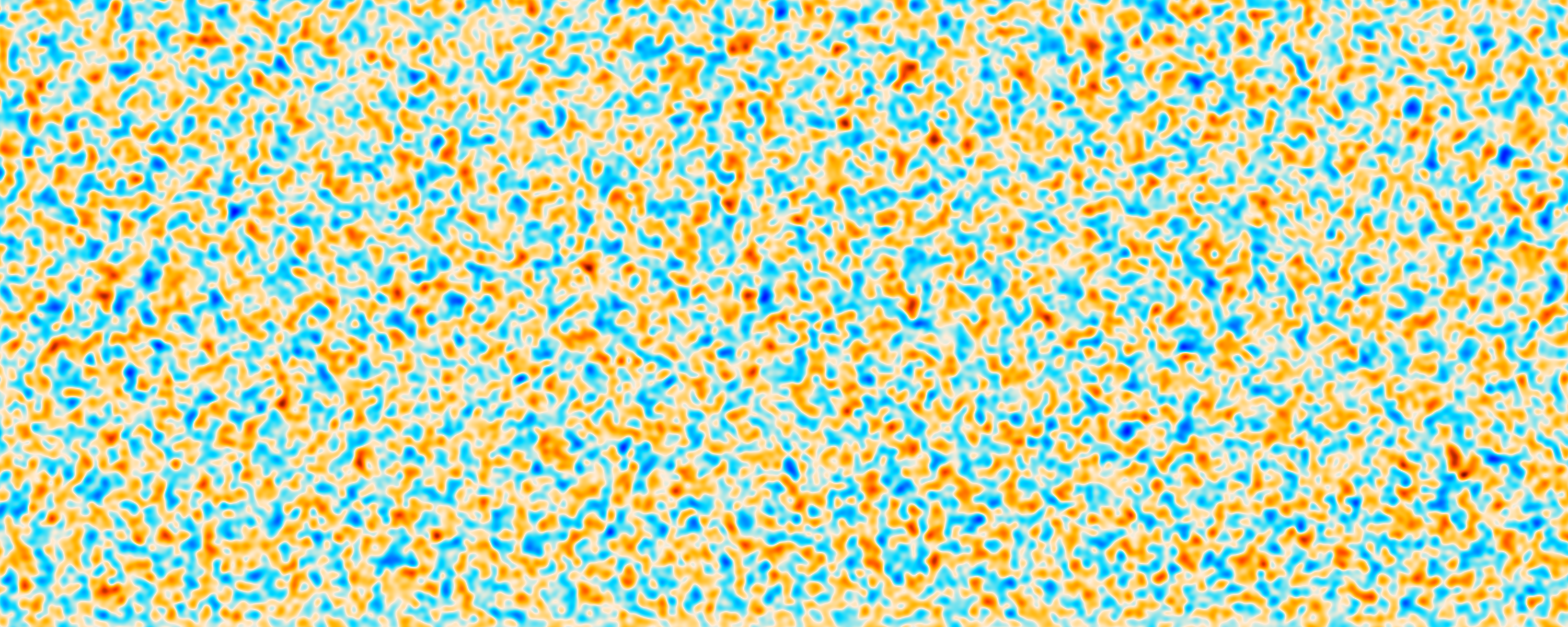 Observations by the Atacama Cosmology Telescope suggest that the universe is 13.8 billion years old.
 -
 SFARI would like to remind researchers that they can still request many SFARI resources, including genetic and phenotypic data as well as biospecimens, at this time. Researchers can …
 -
 Neuroscientists are uncovering patterns of neuron population activity during different movements and in new places, but why these dynamics exist is still a mystery
 -
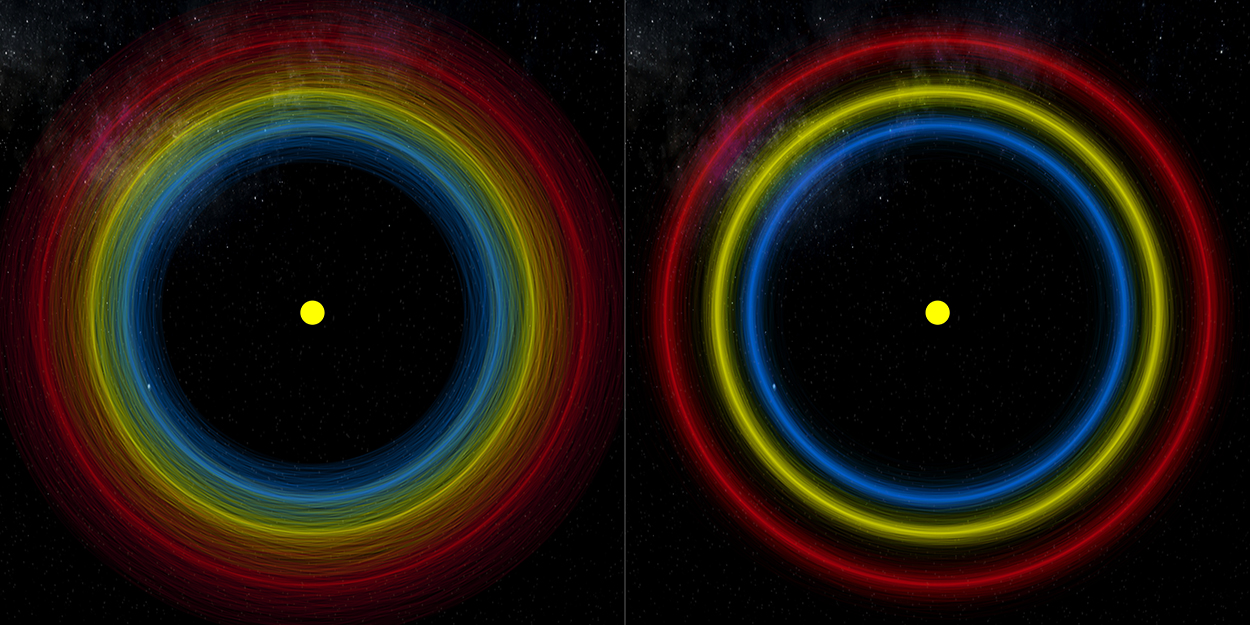 Machine-learning methods can predict the long-term stability of planetary configurations 100,000 times faster than previous approaches.
 -
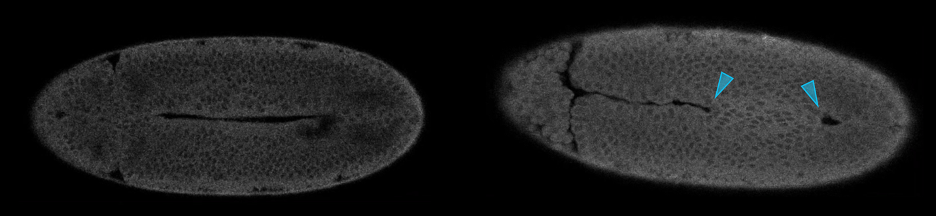 … something similar about the fiery bodies racing across the sky until some bold thinkers cracked the patterns. As a reproducible and evolvable system subject to cutting-edge …
 -
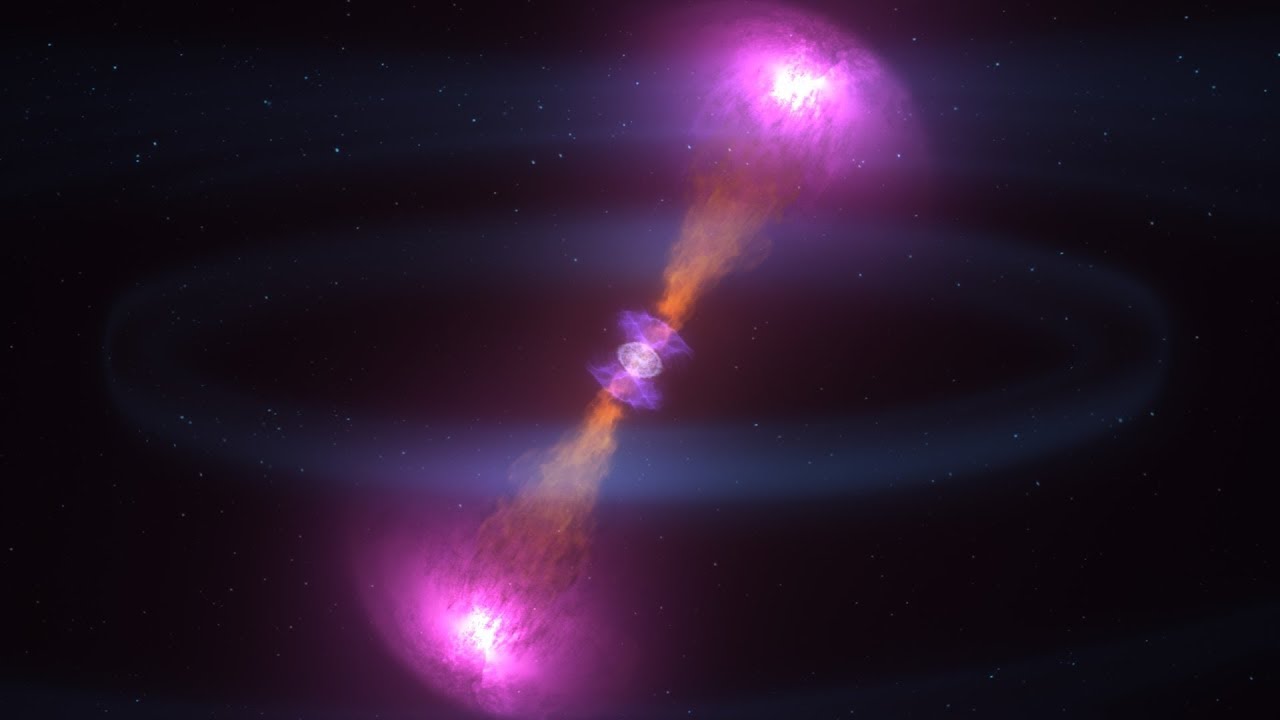 Why do some stellar explosions produce elements like gold but others do not? Through machine-learning techniques, Ashley Villar of the Simons Society of Fellows hopes to glean …
 -
 SFARI Investigators will be giving a number of presentations as part of the 12th FENS Forum of Neuroscience. Due to the COVID-19 pandemic, the forum will be …
 -
 Rice University’s Michael Wolf not only explores Riemann surfaces and other math problems, but he also prepares students from underprivileged backgrounds for a future in science and …
 -
 The International Society for Autism Research (INSAR) 2020 Annual Meeting to be held May 2020 was canceled, but virtual content is now available online. A selection of abstracts …
 -
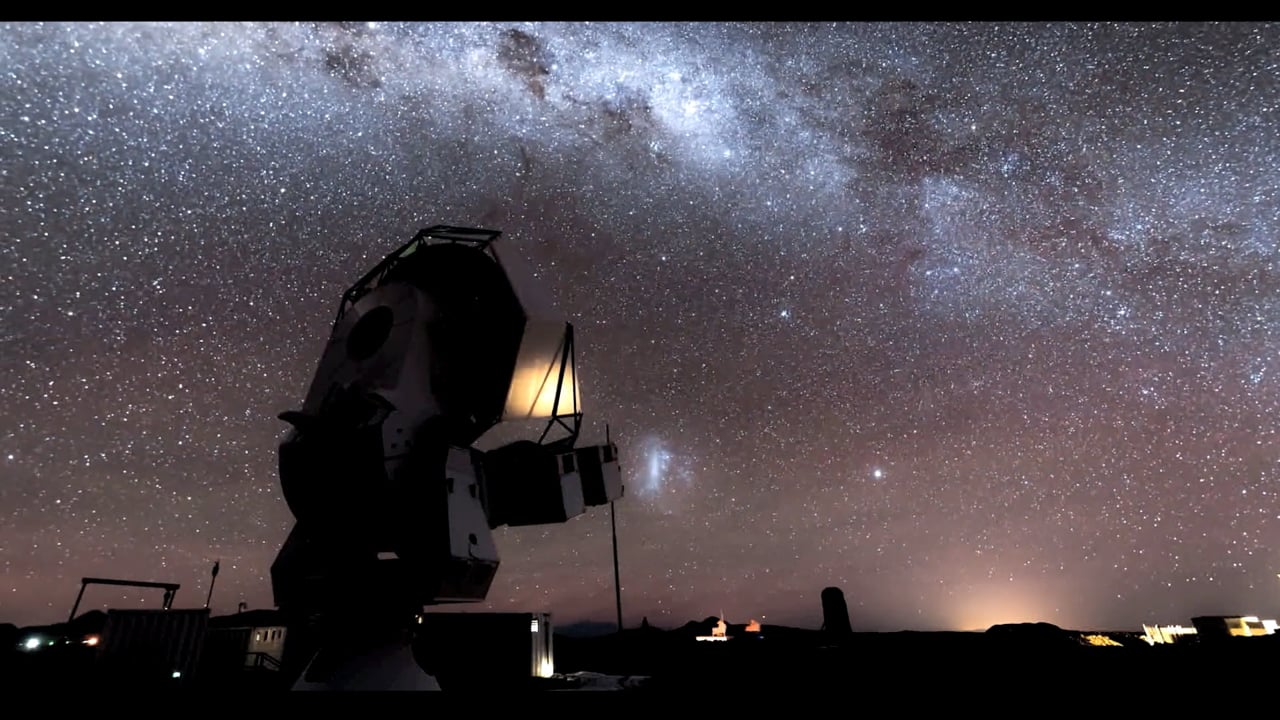 This video series documents the building of the Simons Observatory, which will look for signs of cosmic inflation to answer questions about the origin of the universe.
 -
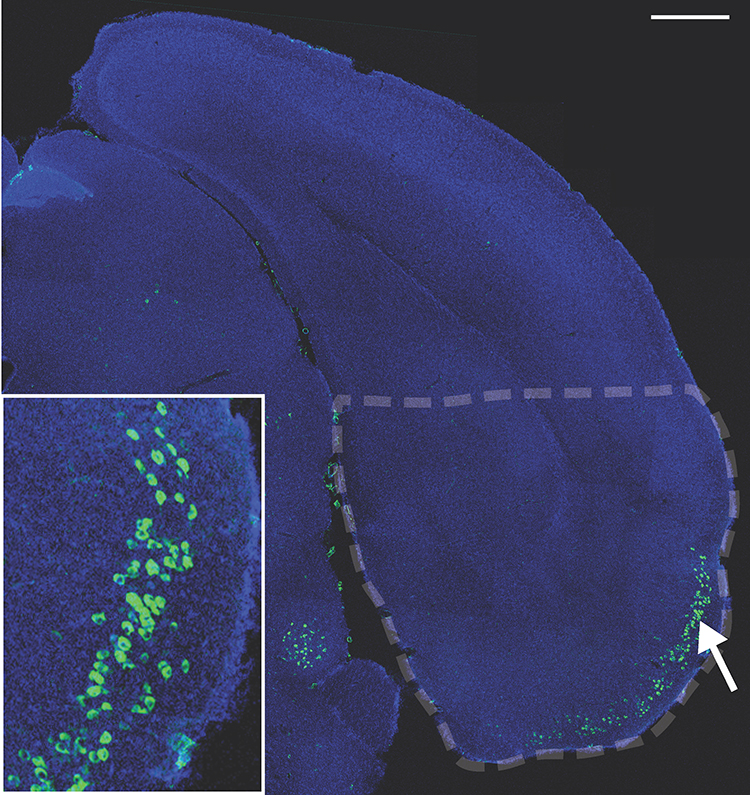 Neurons that regularly remodel are more prone to the dysfunctions linked to the disease’s onset, a new experimental and computational study finds.
 -
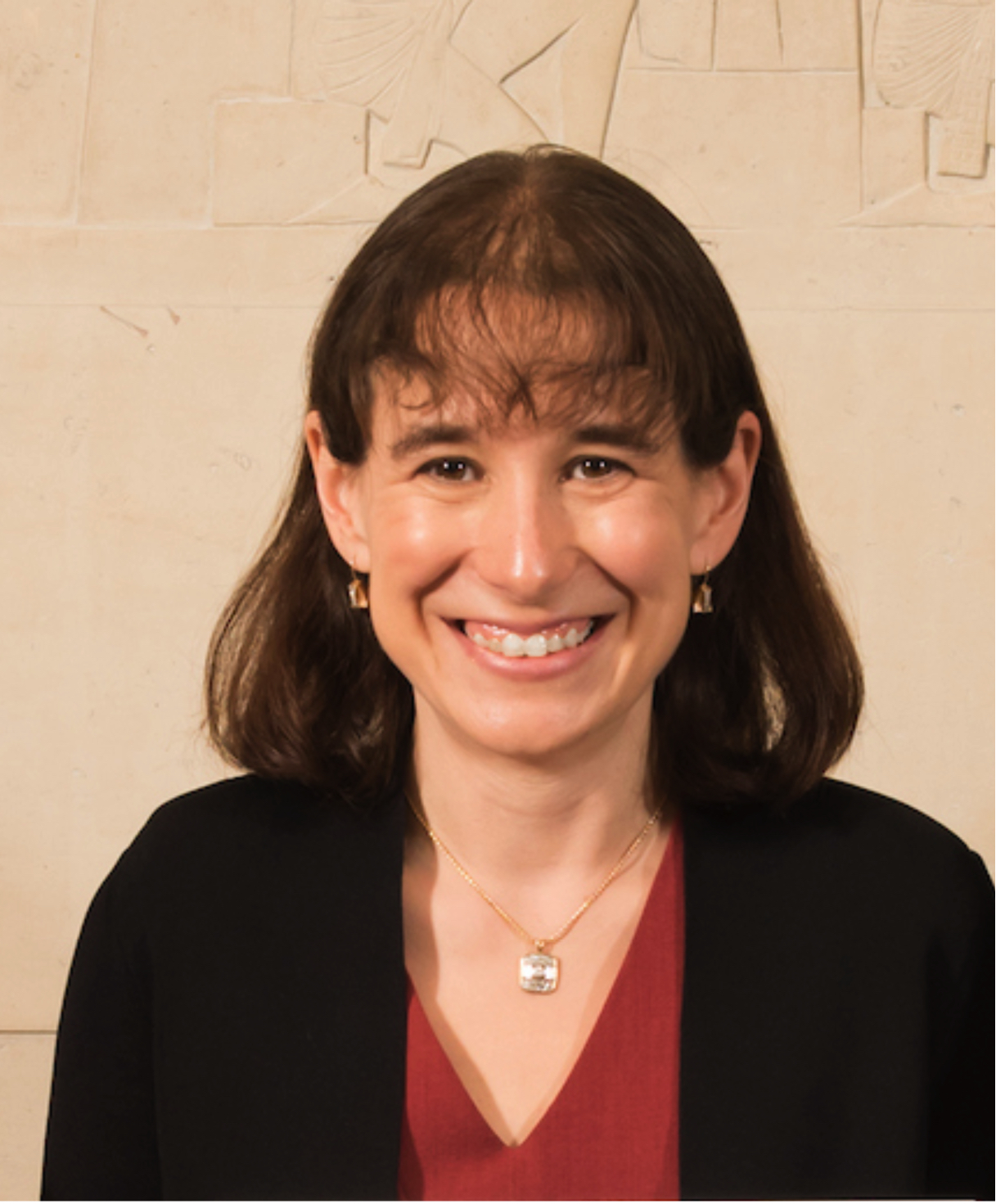 By studying neural activity, Marlene Cohen has found that attention alters how neurons carry information.
 -
 Each month, SCGB scans the bioRxiv and arXiv for interesting papers from the SCGB community and beyond.
 -
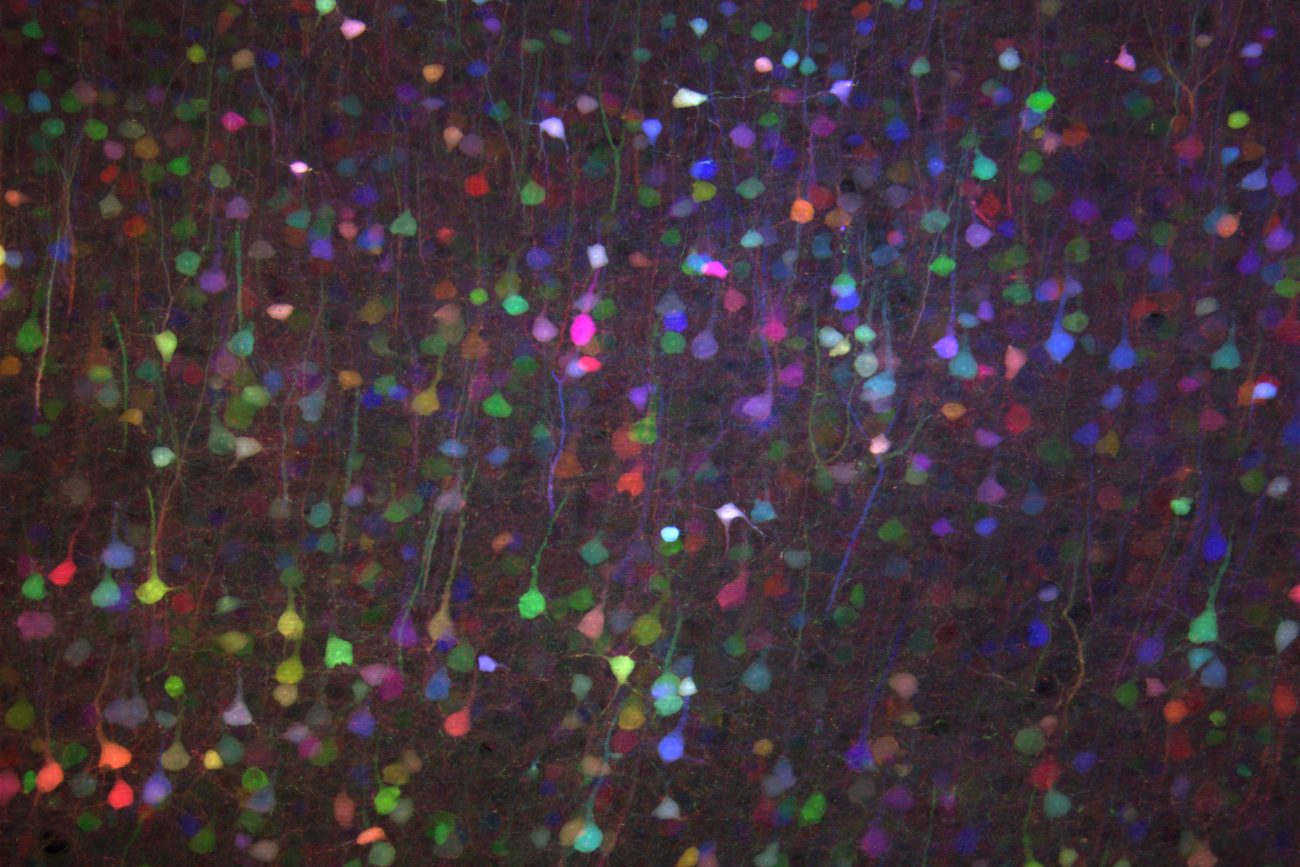 On February 6–7, 2020, SFARI convened a two-day workshop to explore the possibility of gene therapies for autism spectrum disorder.
 -
 Model builders once had to fumble in the dark to find the parameters that made their models work. Software called SNPE and EPI now enables the full parameter …
 -
 We can easily distinguish small quantities, but we utterly fail when numbers get big. Pooja Viswanathan of the Simons Society of Fellows has uncovered the neurons underlying this …
 -
 This year, Juneteenth will be a day off for staff at the Simons Foundation. As we have seen from the horrific violence against black men and women in …
 -
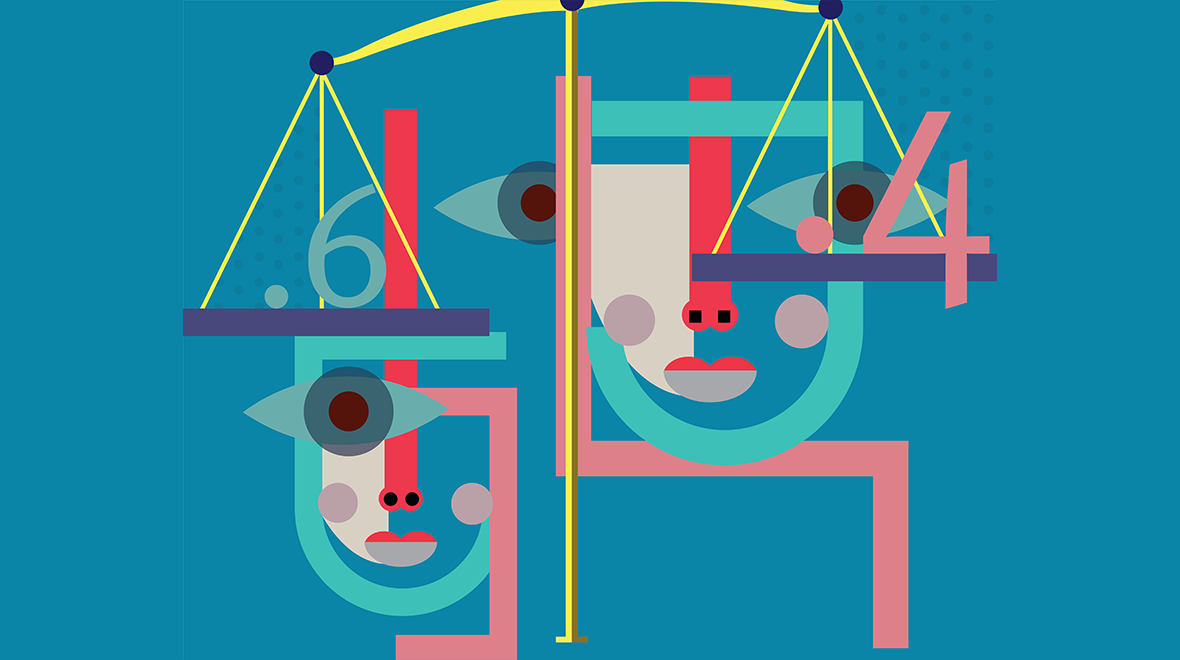 … role of theory in cryptography, algorithmic economics, privacy, quantum information, computational biology, social sciences and more. The project will form and study basic frameworks that address discrimination …
 -
 … new devices and breakthrough technology.
 -
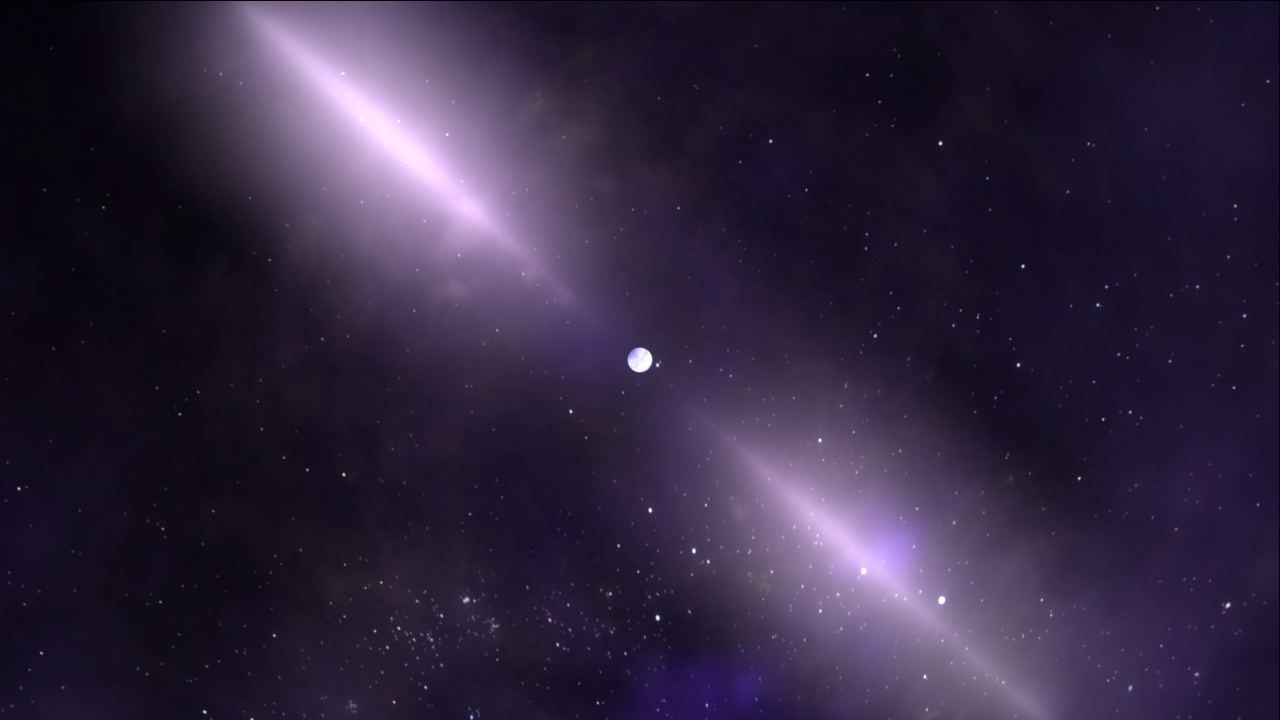 Intense radio emissions produced by the fast-spinning stars are caused by newborn particles interacting with powerful electromagnetic fields, new plasma simulations suggest.
 -
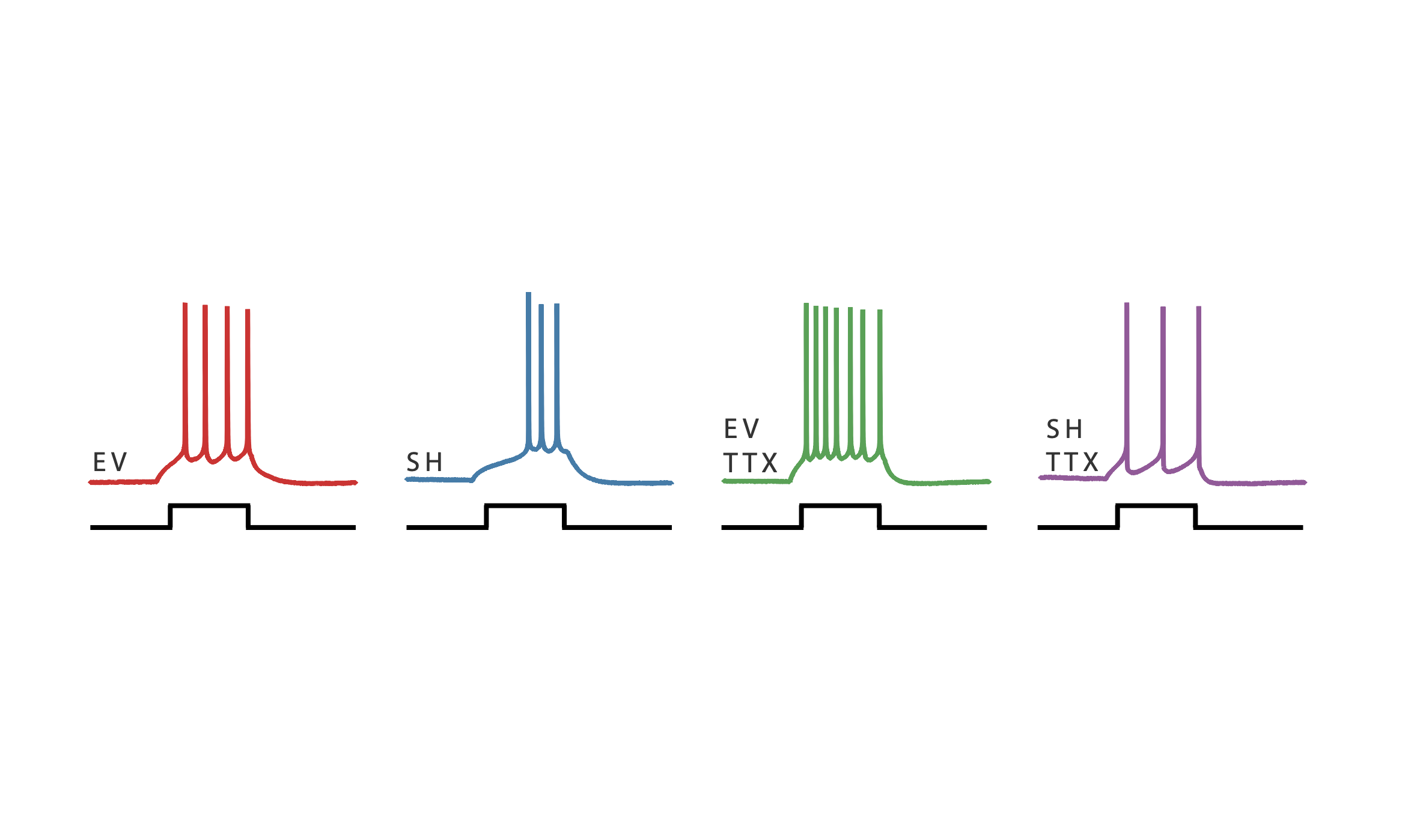 Gina Turrigiano and colleagues showed that loss of Shank3 disrupts homeostatic plasticity and that this deficit can be rescued by the mood-stabilizing drug lithium (Li+).
 -
 A SFARI Investigator and a past member of SFARI’s Scientific Advisory Board are among the 146 newly elected members of the National Academy of Sciences.
 -
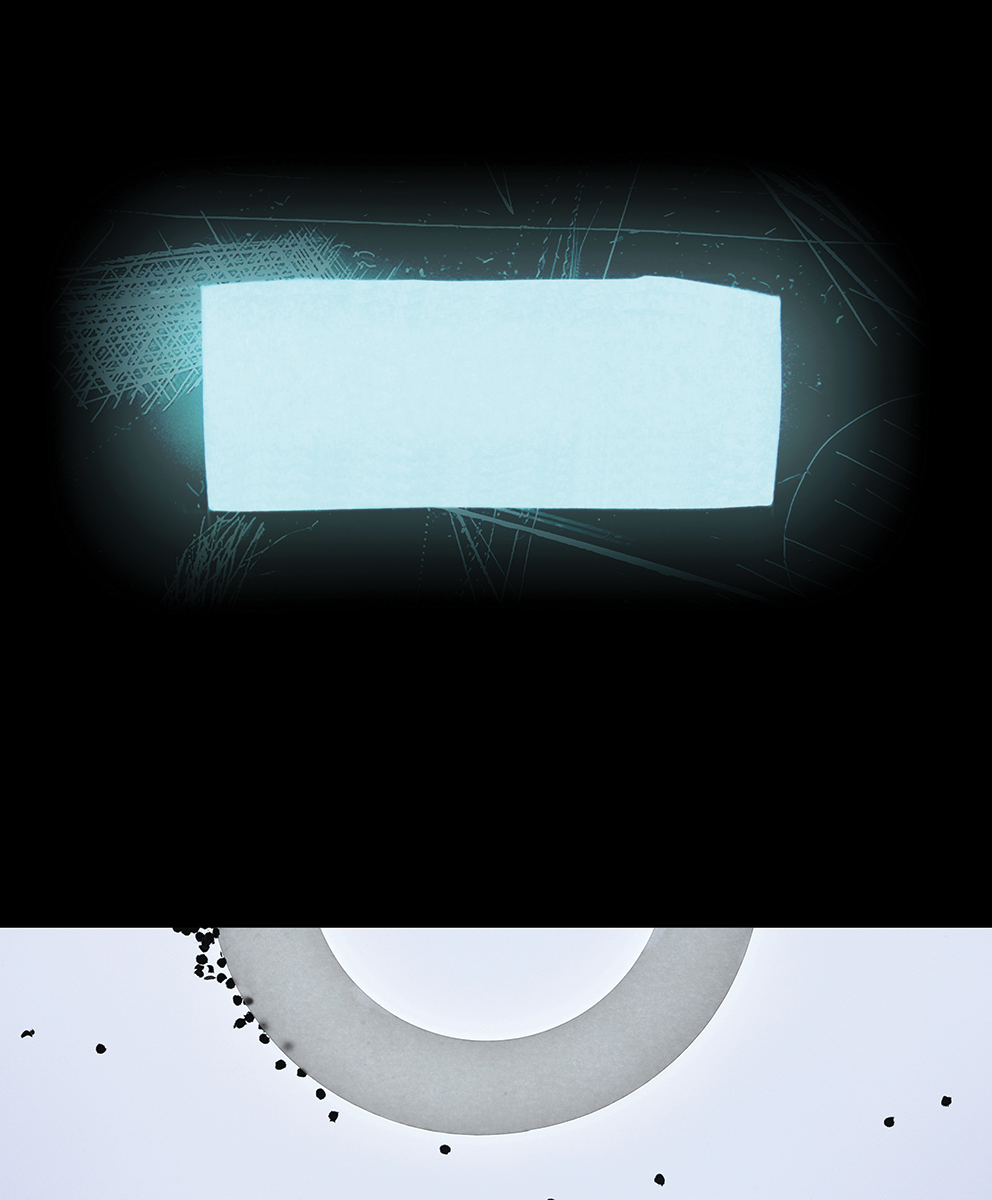 Two quantum particles can be intimately connected even when they are far apart, forming patterns beyond the scope of classical physics. When vast numbers of them link up …
 -
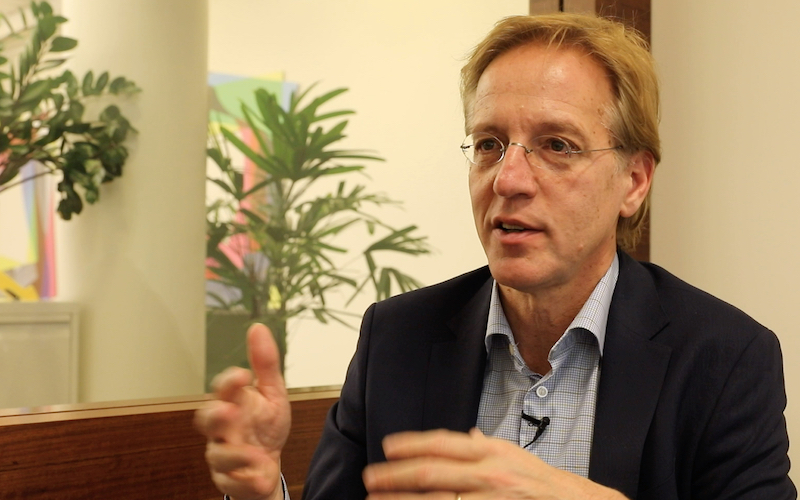 The director of the Institute for Advanced Study discusses how artistic talent and synesthesia informed his approach to physics research and why progress depends on bridging the communications …
 -
 Three current and former SFARI Investigators and one member of SFARI’s Scientific Advisory Board are among the 276 newly elected members of the American Academy of Arts …
 -
 Leveraging personalized genomics can aid the development of effective autism therapies, promising new research suggests.
 -
 Originally scheduled for an August 2020 premiere in Denver, the immersive installation is a journey inside the human brain.
 -
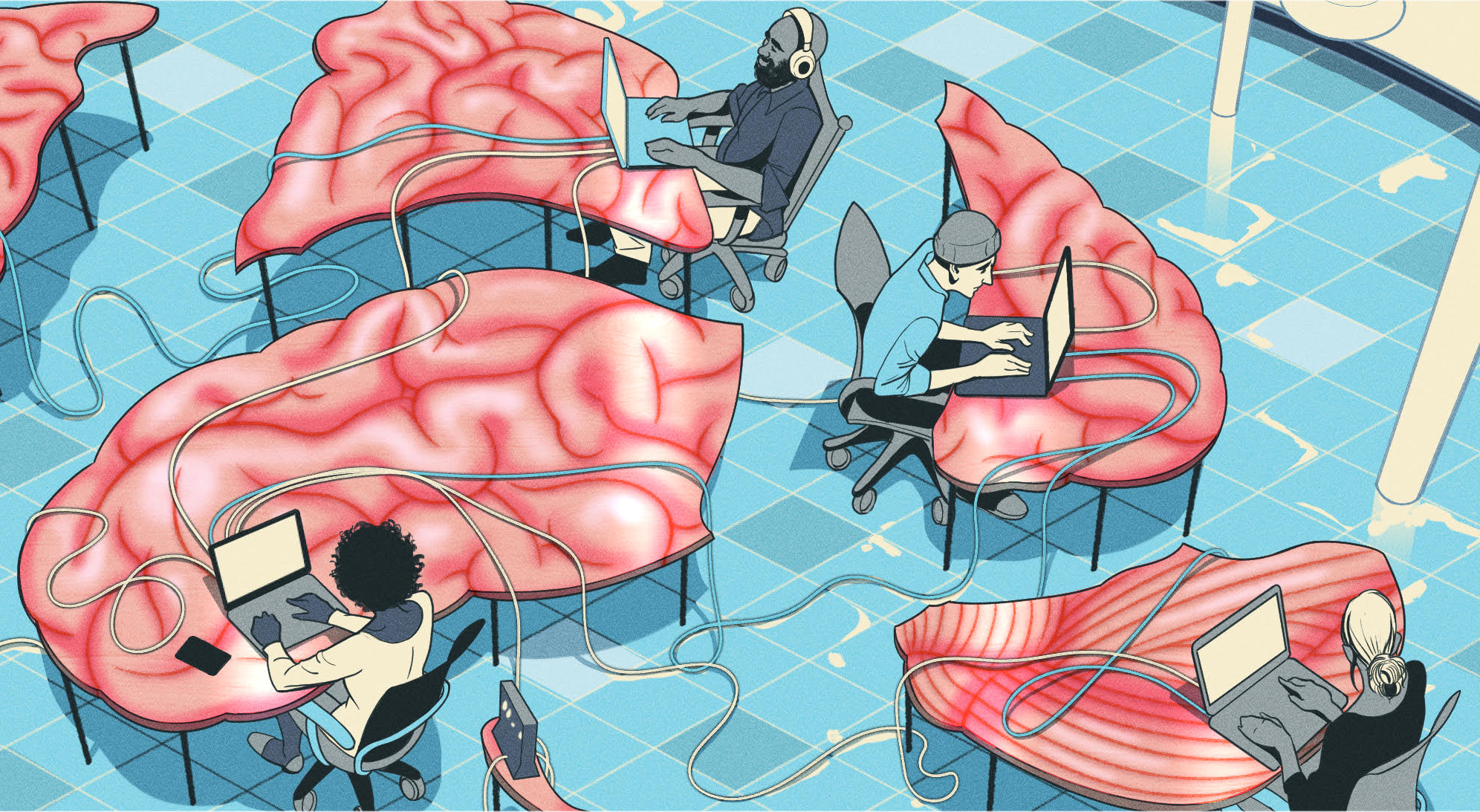 As we think, information is routed all over the brain, undergoing a complex series of transformations. Successful tracking of those transformations may help scientists decipher the brain’s …
 -
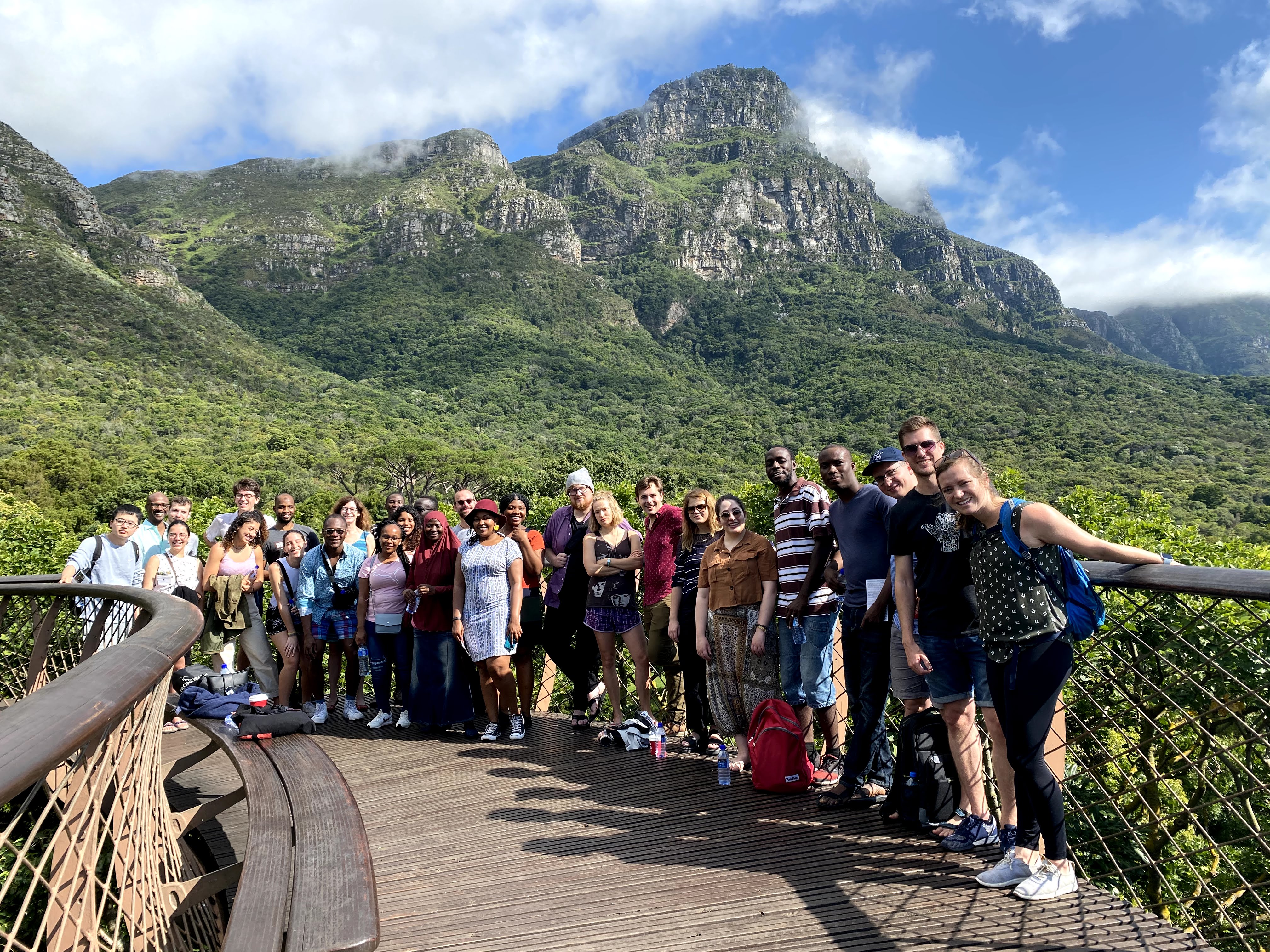 How we facilitate the formation of a cohesive community that transcends race, gender and geographic boundaries in just three weeks.
 -
Each month, SCGB scans the bioRxiv and arXiv for interesting papers from the SCGB community and beyond.
-
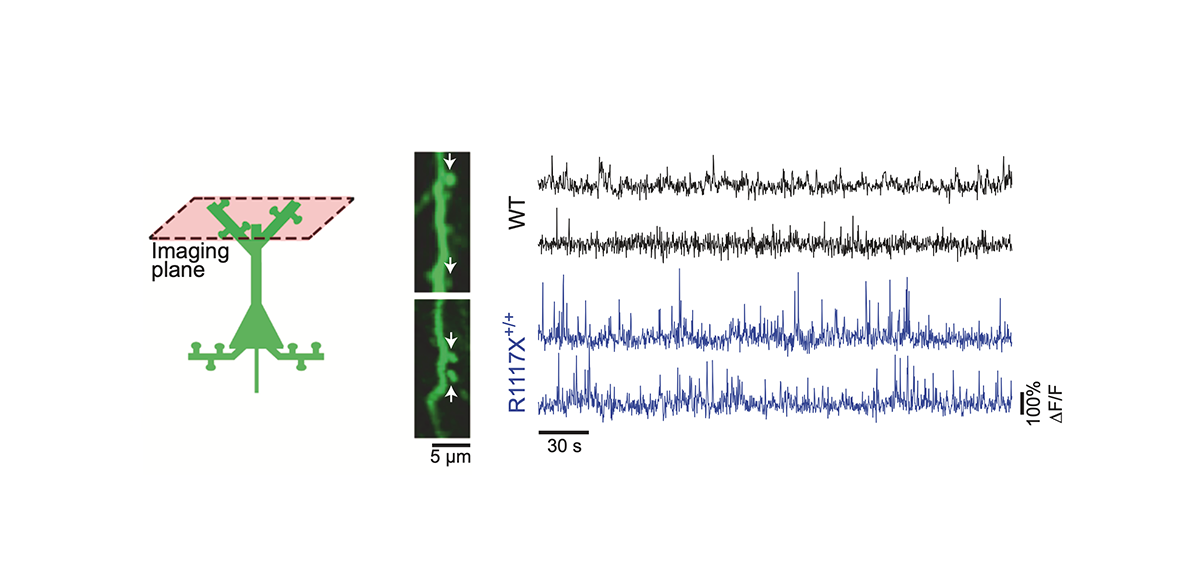 Alex Kwan and colleagues used in vivo calcium imaging to show that a mutation in Shank3 associated with schizophrenia affects the activity of inhibitory neurons in the cortex …
 -
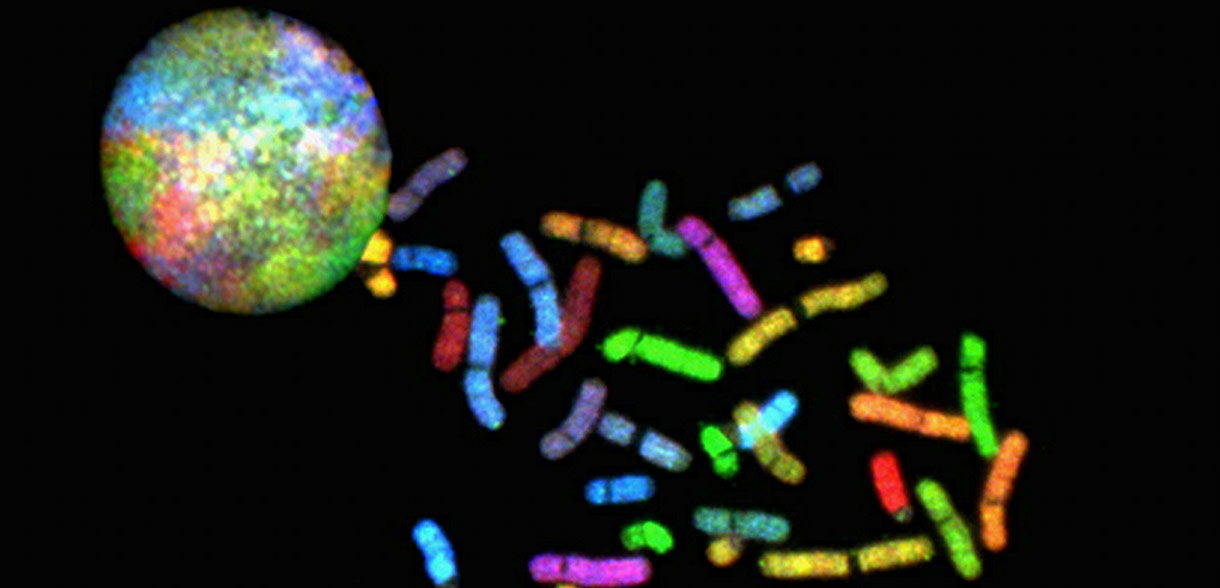 New data were added to SFARI Gene in April 2020. This data release included the addition of new candidate autism risk genes, new curated references of copy number …
 -
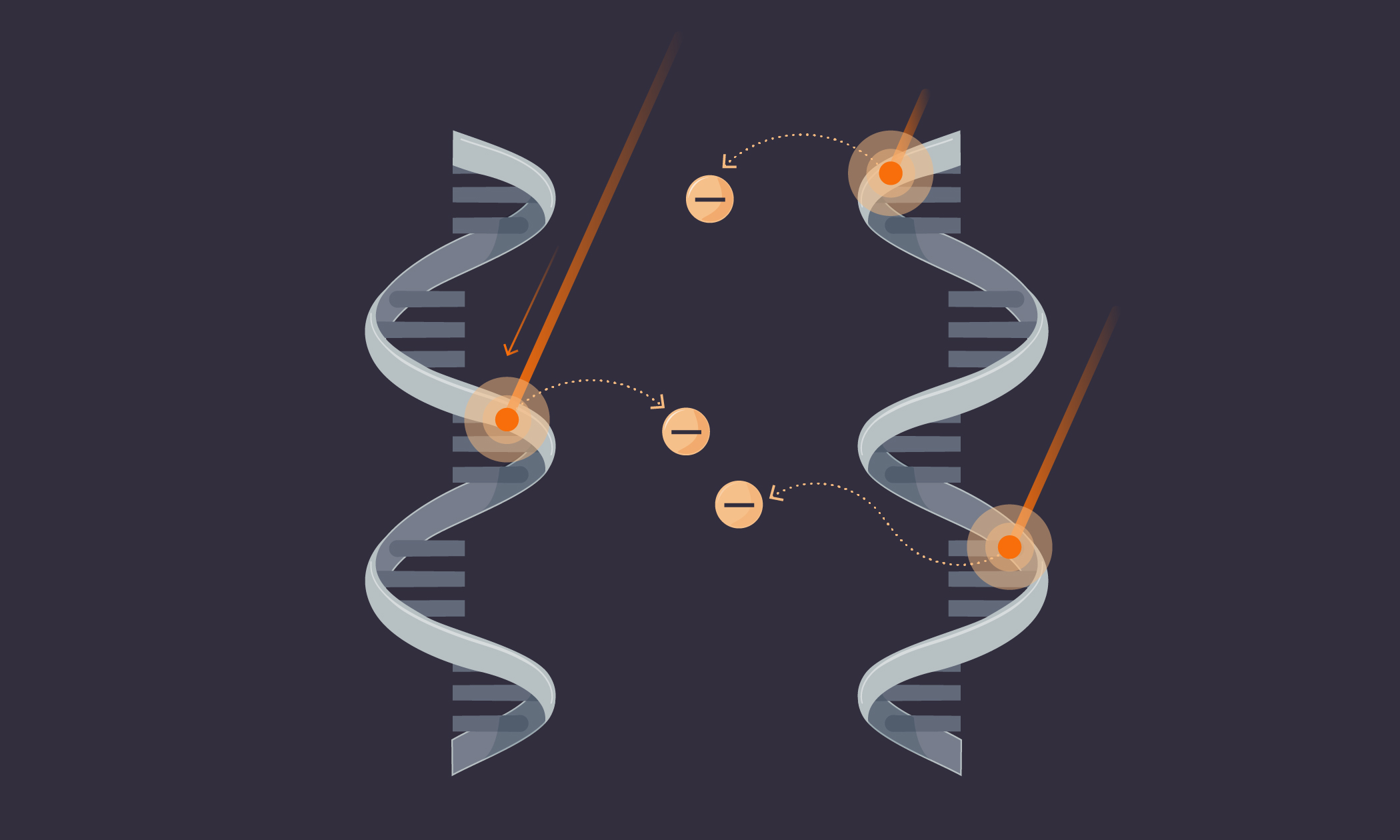 Physicists propose that the influence of cosmic rays on early life may explain nature’s preference for a uniform “handedness” among biology’s critical molecules.
 -
 Phenotypic data from 230,936 participants enrolled in SPARK, including more than 90,000 individuals with ASD, are now available to approved researchers.
 -
 AI can recognize faces, drive cars and simulate the universe, but precisely how it works remains unknown. Flatiron Institute scientists plan to solve the mystery.
 -
 The European Academy of Sciences has elected Angel Rubio as a fellow of its materials science division in recognition of his scientific achievements. Rubio is a distinguished research …
 -
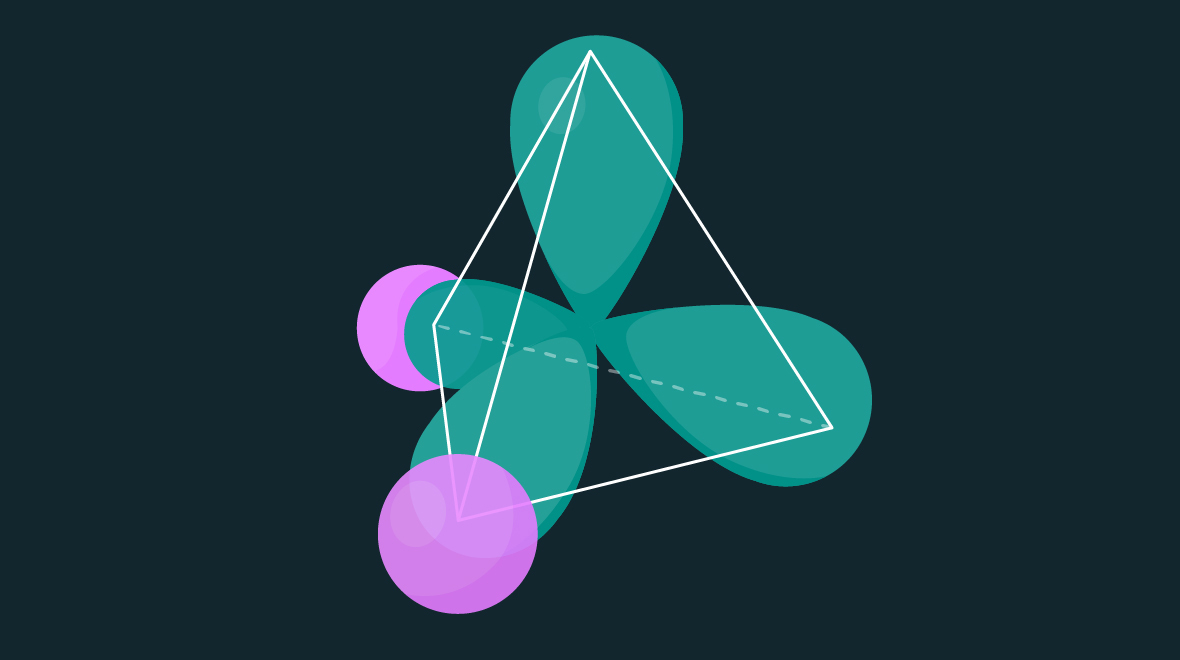 Artificial intelligence techniques accurately calculate the energy required to make — or break — simple molecules.
 -
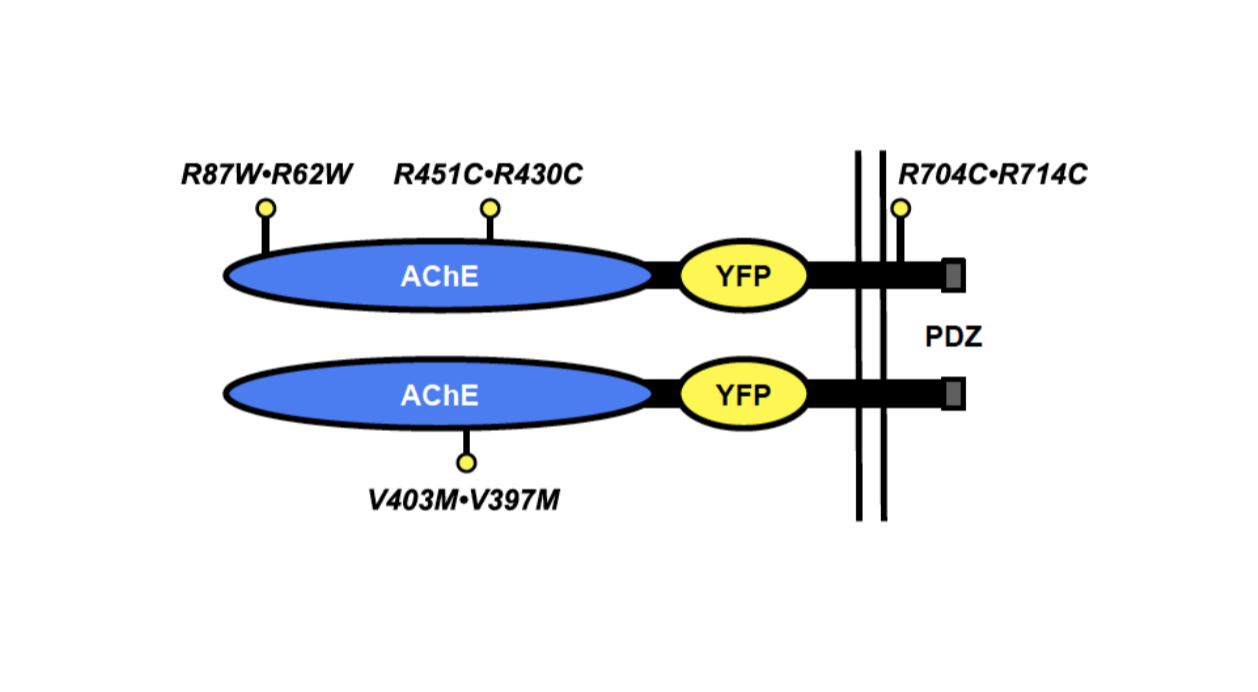 Catharine Rankin, Kurt Haas, Paul Pavlidis and colleagues used machine vision to find that mutations linked to ASD risk genes are associated with changes in habituation of response …
 -
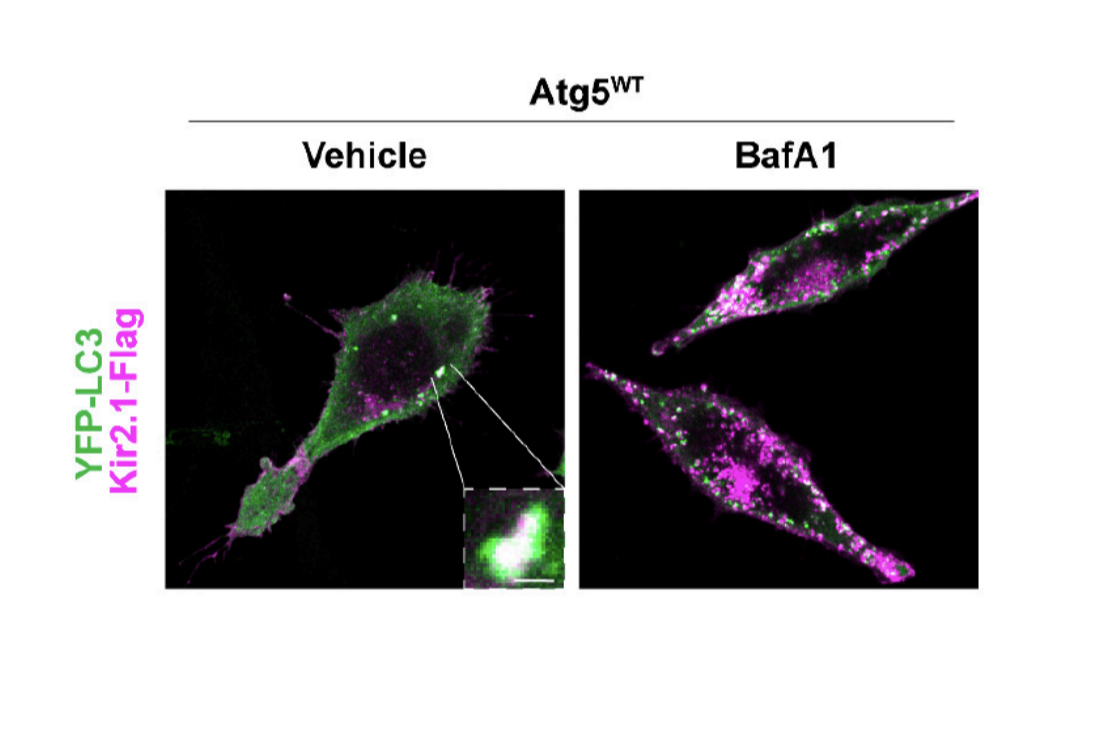 David Sulzer and colleagues used conditional knockout mice of Atg7, a protein involved in autophagy, to study the effects of loss of autophagy on the structure and function …
 -
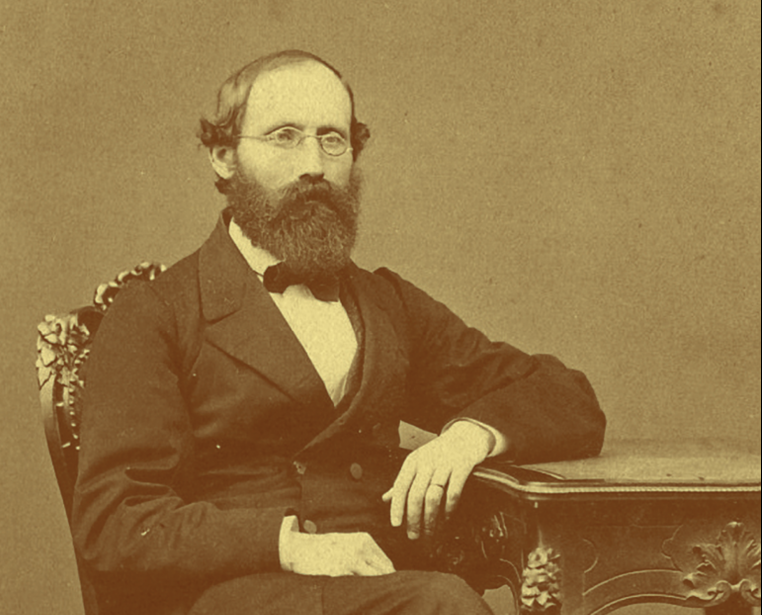 BERNARD RIEMANN was not even 40 years old when he died, but in his short life, he made an indelible imprint on vast swaths of mathematics. Riemann sums …
 -
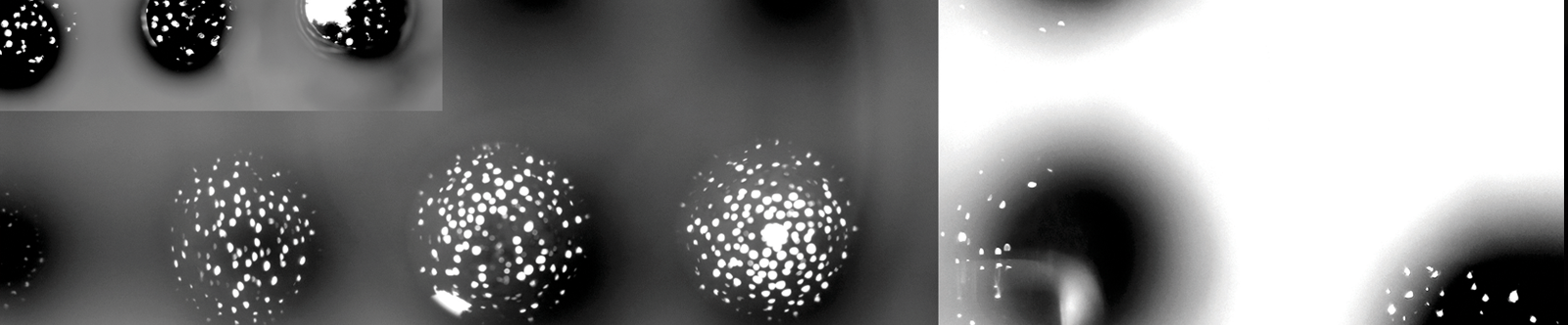 The 160-year-old Riemann hypothesis has deep connections to the distribution of prime numbers and remains one of the most important unsolved problems in mathematics.
 -
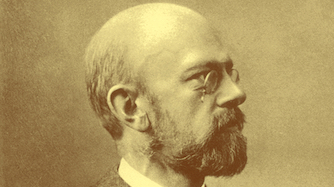 David Hilbert put forth 23 problems that helped set the research agenda for mathematics in the 20th century. Here is a status report on those challenges.
 -
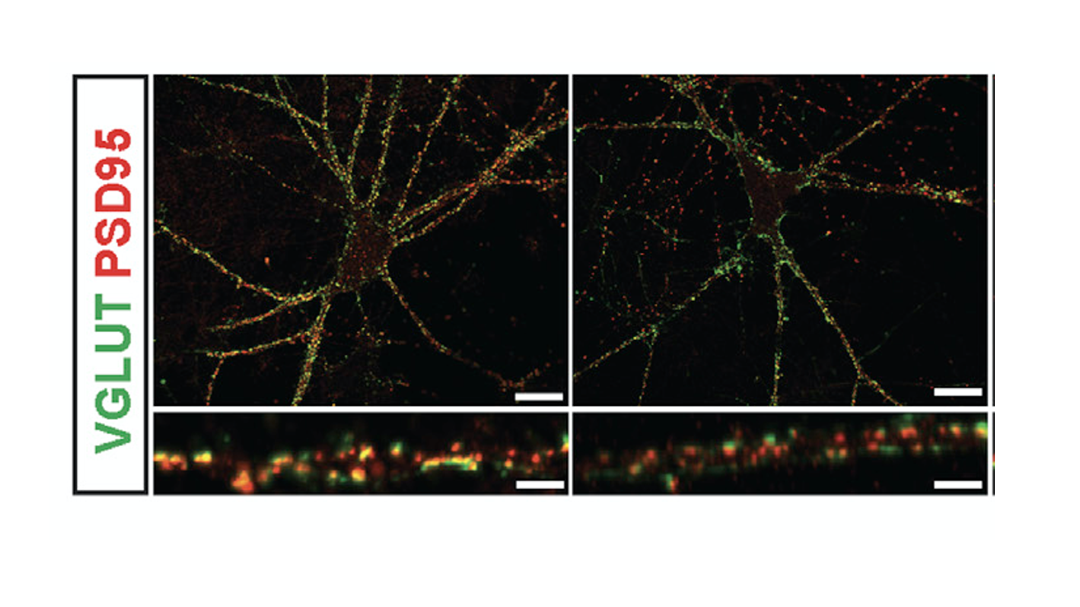
Genetic Mutations Linked to Kleefstra Syndrome Converge on Similar Neuronal Hyperactivity Phenotypes
Nael Nadif Kasri and colleagues used micro-electrode array assays to demonstrate common neuronal network phenotypes associated with genes underlying Kleefstra spectrum syndrome. -
 … Investigator, Simons Collaboration on Principles of Microbial Ecosystems. Jacob Lurie Institute for Advanced Study. 2018 Simons Fellow in Mathematics. Gregory Moore Rutgers, the State University of New …
 -
 Genetic dark matter makes up 98 percent of our genomes, yet scientists are still figuring out how it works.