Computational Astrophysics: Stars & Plasma Astrophysics
We develop theory and simulations to understand the life cycles of stars, their explosive deaths, and extreme astrophysical plasmas.
About
Focus Areas
Stars
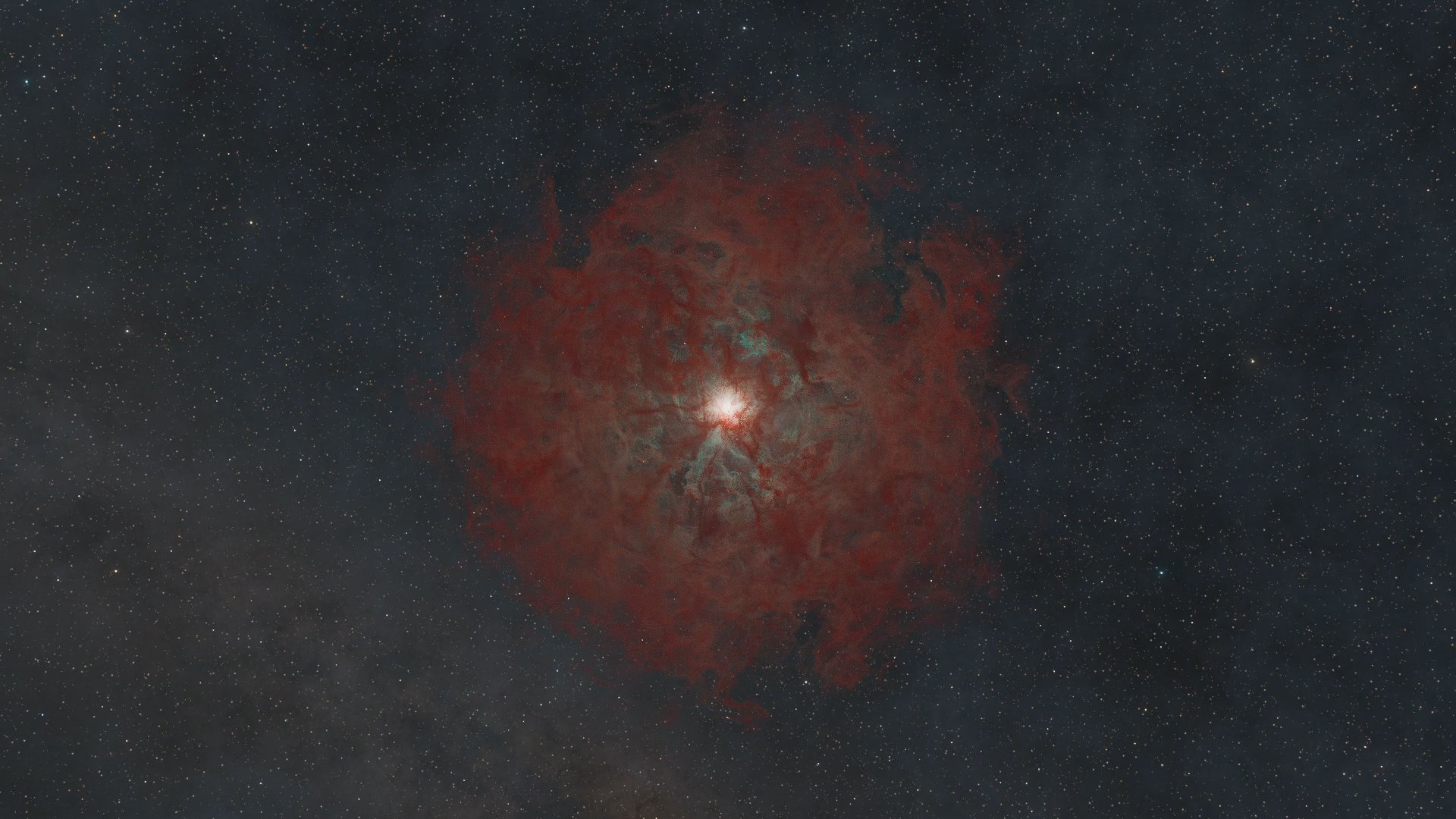
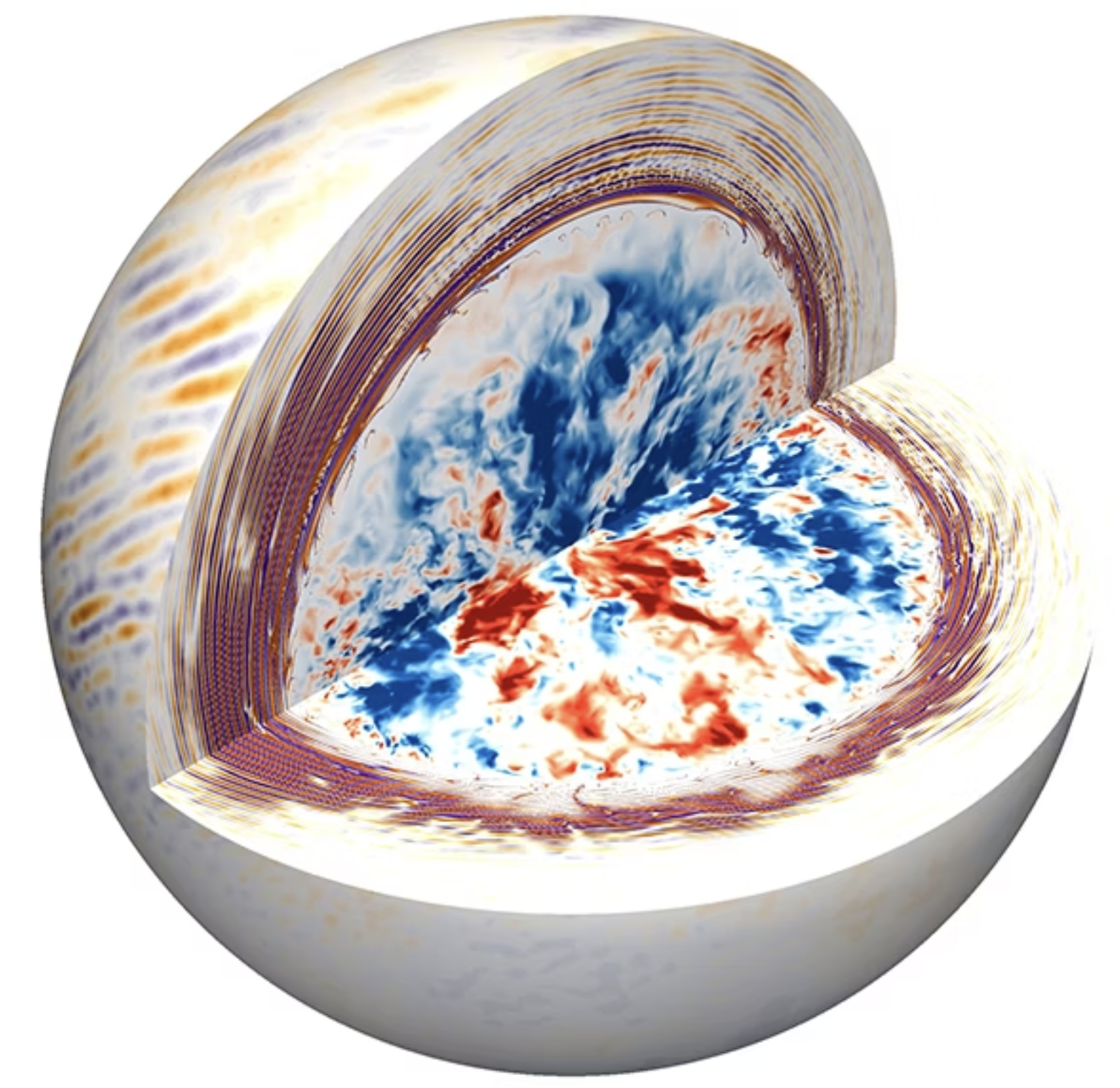 Stars are fundamental astrophysical building blocks, their life and death driving the evolution of gas chemistry and dynamics in galaxies across cosmological times. The goal of the Stars group is to understand the physics of stars, their explosive deaths and the compact remnants they leave behind. To achieve this goal, we develop numerical models and test them using diverse observational probes, including spectroscopy, asteroseismology and the observations of stellar populations.
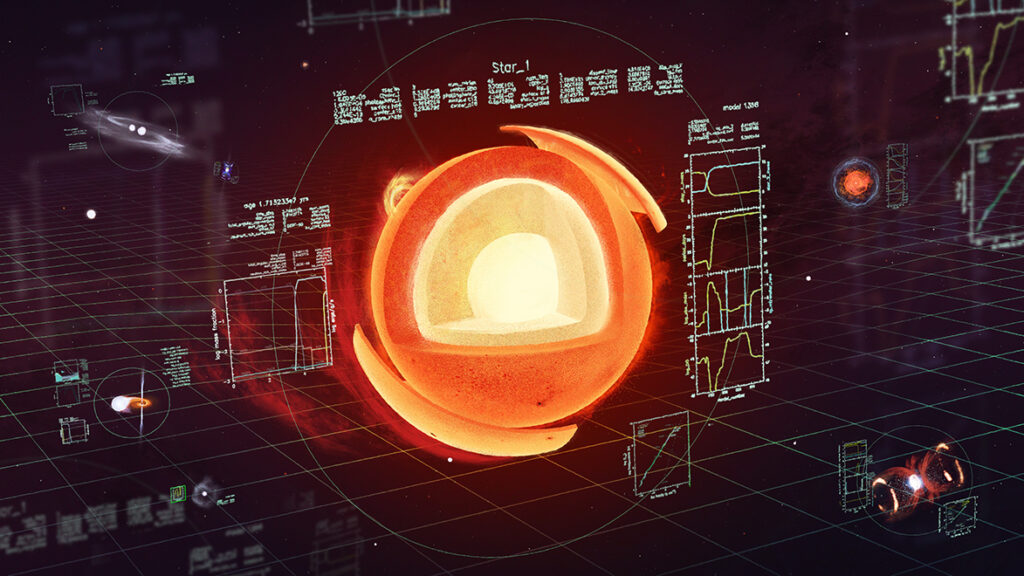
Recent hardware and software improvements are finally allowing us to start modeling stars in three spatial dimensions as a function of the fourth dimension of time. However, direct numerical simulations are not computationally feasible due to the vast range of scales associated with the problem, so these calculations are still largely under-resolved. Our strategy to bridge the gap and allow substantial progress in the quantitative study of stars involves the synergy between one-dimensional stellar evolution calculations (e.g. MESA) and three-dimensional stellar calculations (e.g. Athena++, Dedalus), using detailed observations of stars as a way to test the models and/or identify areas where our current understanding is lacking.
Transients
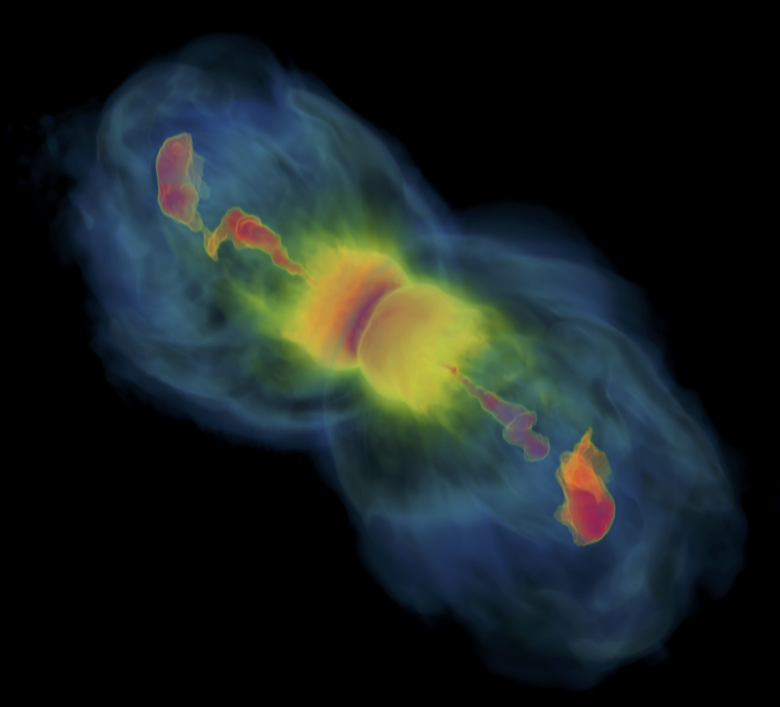 The births and deaths of stars and compact objects in supernovae, mergers and tidal disruption events provide some of the most spectacular and luminous displays in our universe. Better understanding these transient events can provide new insights into topics as diverse as the synthesis of the elements, galaxy scale feedback processes and the formation channels of gravitational wave sources.
A chief goal of the Transients group is to develop “end-to-end” pipelines elucidating the physics of explosive transients, starting from models of the progenitor systems, continuing through the formation of the central engine and associated mass and energy release, and ultimately arriving at the creation and escape of the electromagnetic radiation and other multi-messenger signals observed from Earth. Our primary tools include (magneto)-hydrodynamical simulations that are coupled to detailed microphysics input, nuclear reaction networks and radiation transport calculations.
Astrophysical Plasma
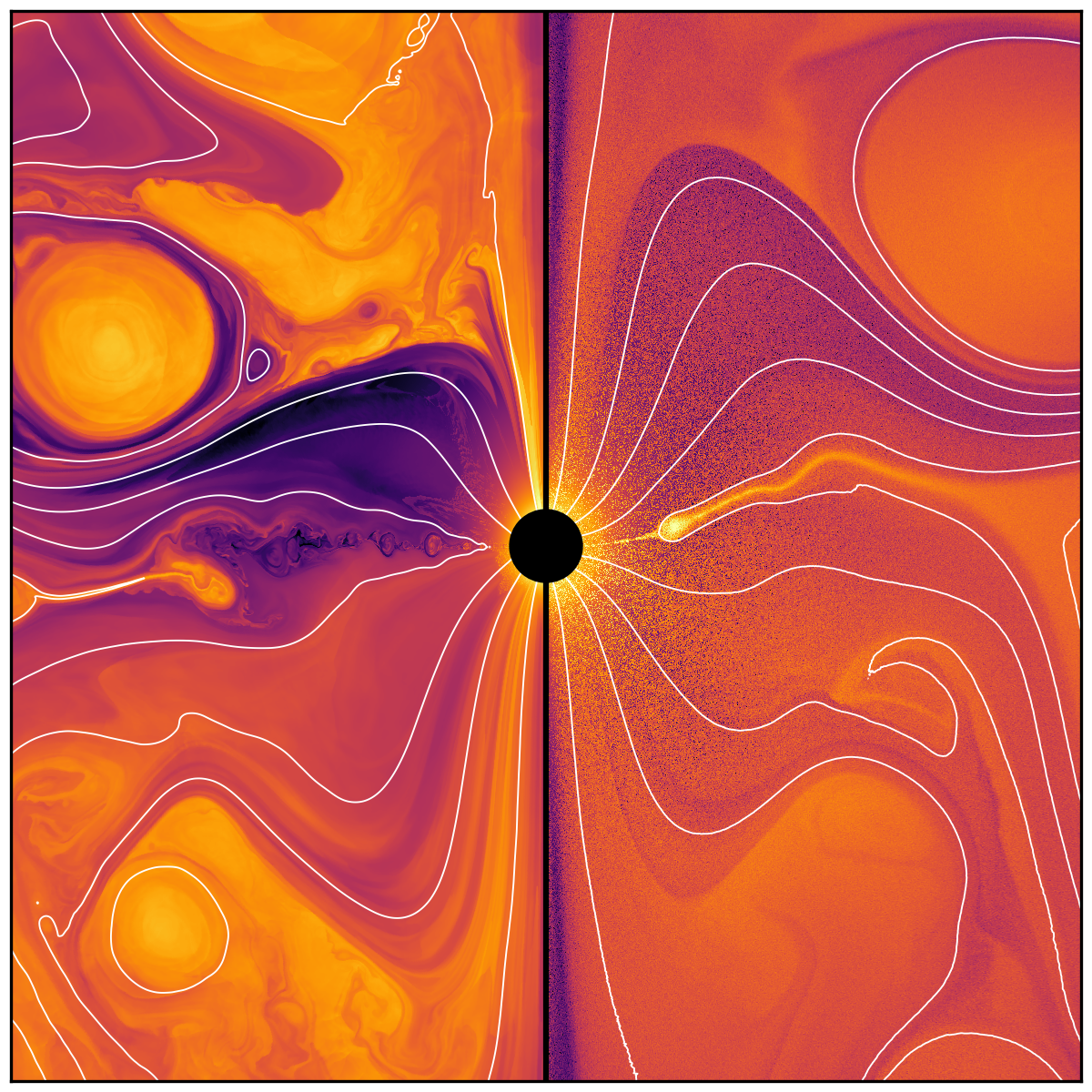 The physics of astrophysical plasma is of paramount importance for the interpretations of observed transient phenomena in the sky. The Plasma Astrophysics group investigates how fundamental plasma processes — e.g., those governing the transfer of energy from ultra-strong magnetic fields to energetic particles — can power the extreme properties of black holes and neutron stars.
The group employs state-of-the-art general relativistic magnetohydrodynamic codes and kinetic particle-in-cell codes to study the multi-timescale, multi-wavelength and multi-messenger signatures of black holes and neutron stars. By modeling the plasma physics of high-energy astrophysical sources from first principles, we build self-consistent, falsifiable models of their observational manifestations. Group members currently work on the following: (1) the fundamental plasma physics of shocks, magnetic reconnection, turbulence and plasma instabilities; (2) understanding thermal and non-thermal emission of pulsars and magnetars, including their potential role as Fast Radio Burst progenitors; (3) tackling the global dynamics and the emission properties of black hole accretion flows, including Sgr A* at the center of our galaxy; and (4) modeling the launching, propagation and emission of relativistic jets in AGNs and gamma-ray bursts.
Organizational Leadership
Matteo Cantiello
Senior Research Scientist, Center for Computational Astrophysics
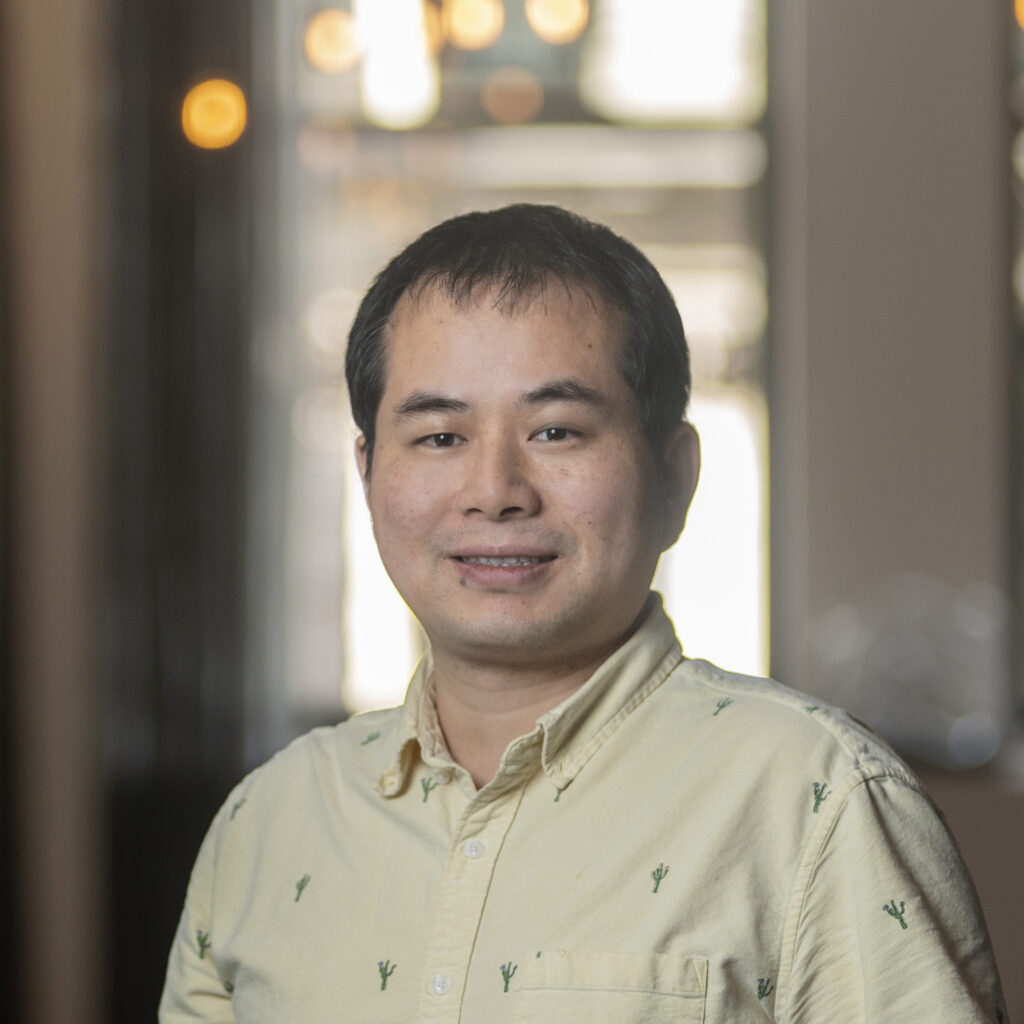
Yan-Fei Jiang
Research Scientist, Center for Computational Astrophysics
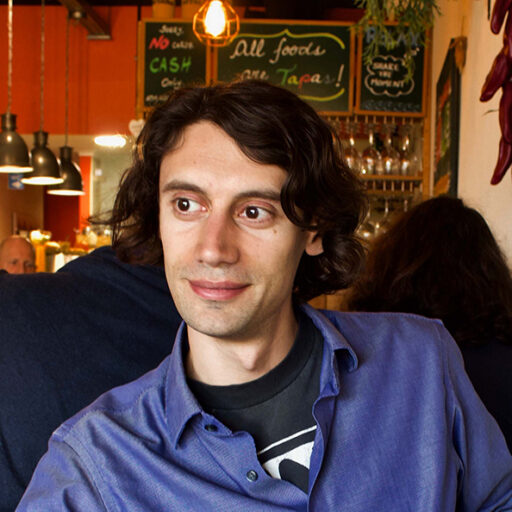
Daniel Lecoanet
Research Scientist, Center for Computational Astrophysics
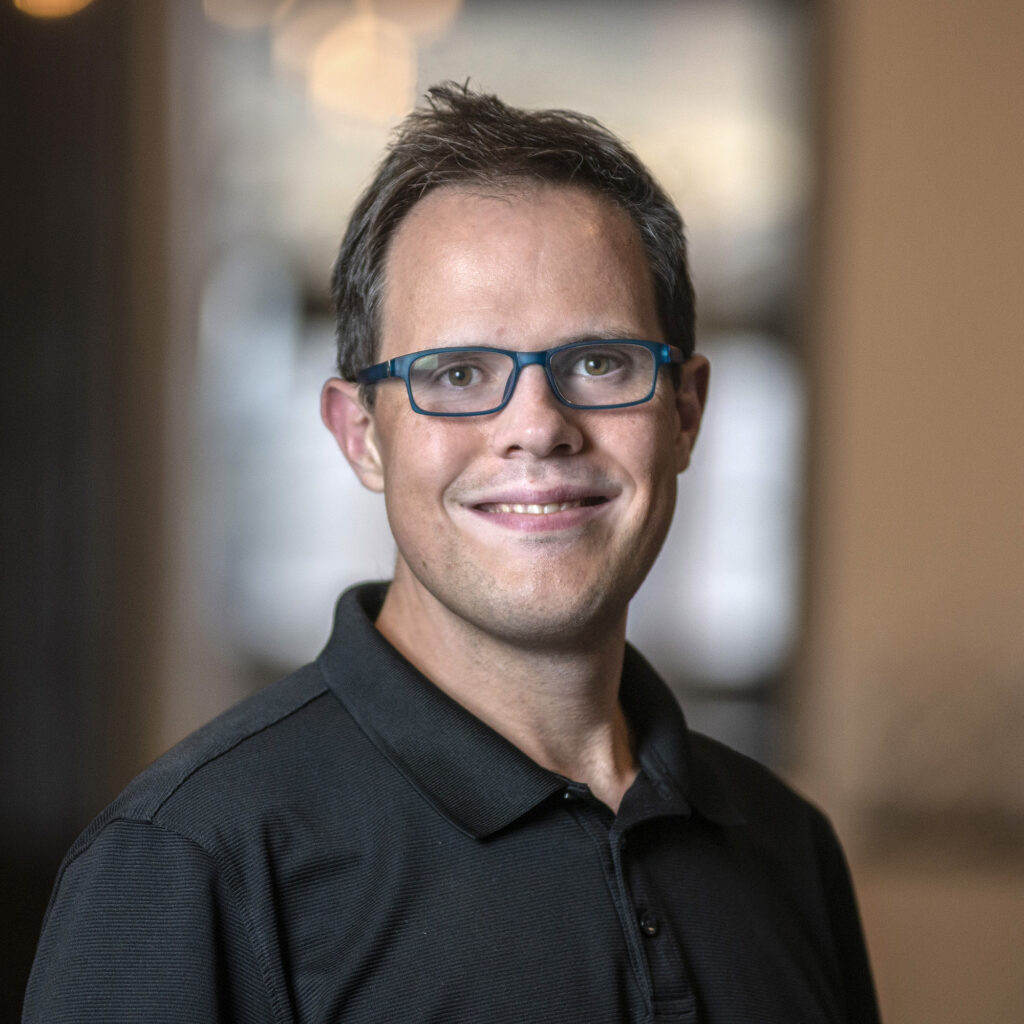
Brian Metzger
Senior Research Scientist, Center for Computational Astrophysics
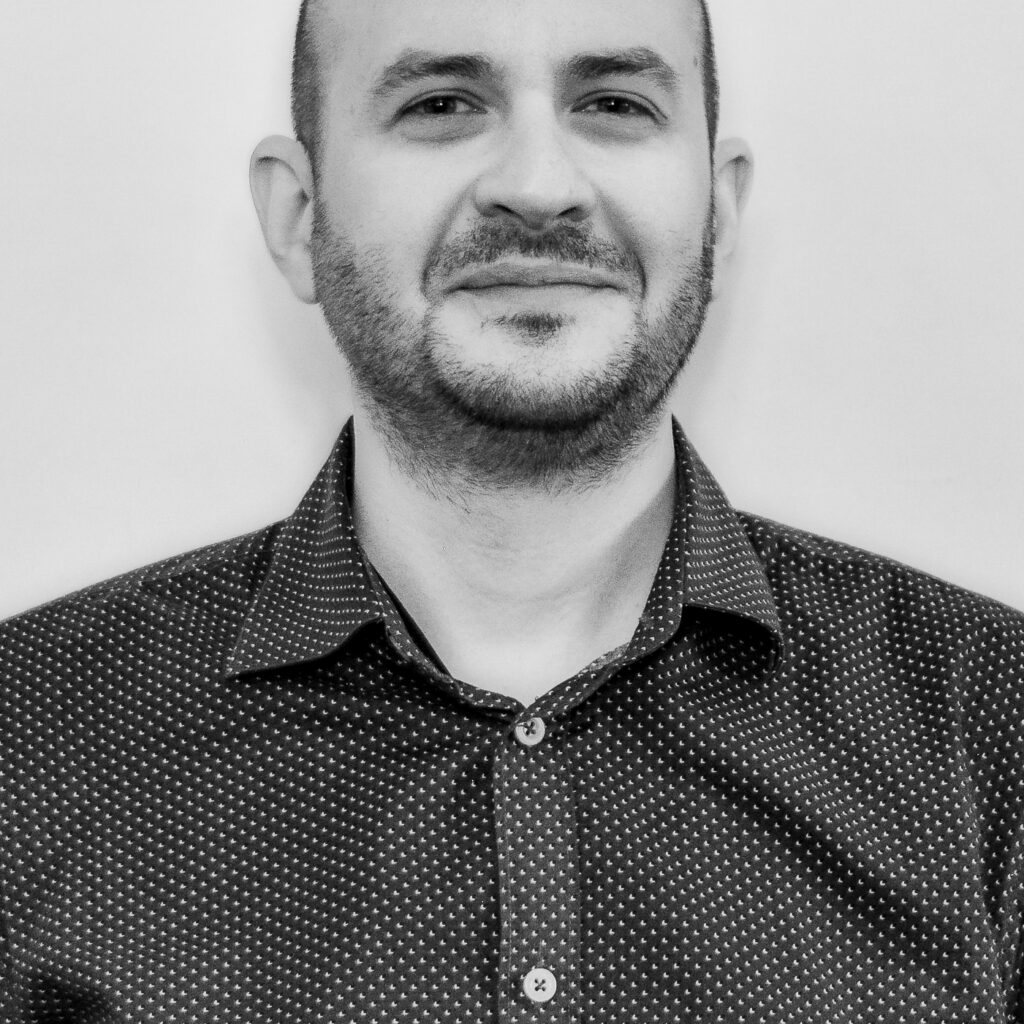
Lorenzo Sironi
Research Scientist, Center for Computational Astrophysics
Full Team
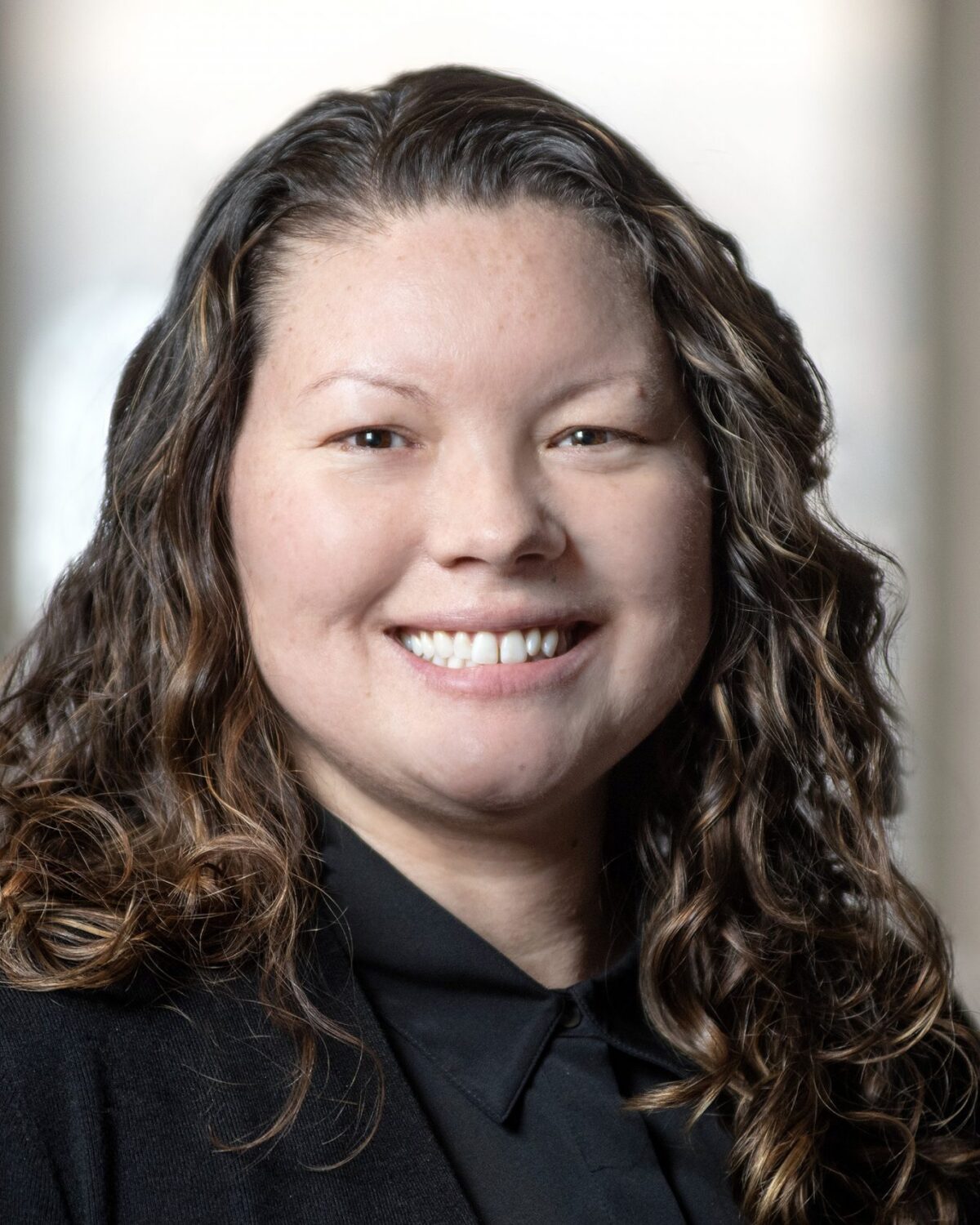
Andrea Antoni
Flatiron Research Fellow, Center for Computational Astrophysics

Brandon Barker
Software Engineer, Center for Computational Astrophysics
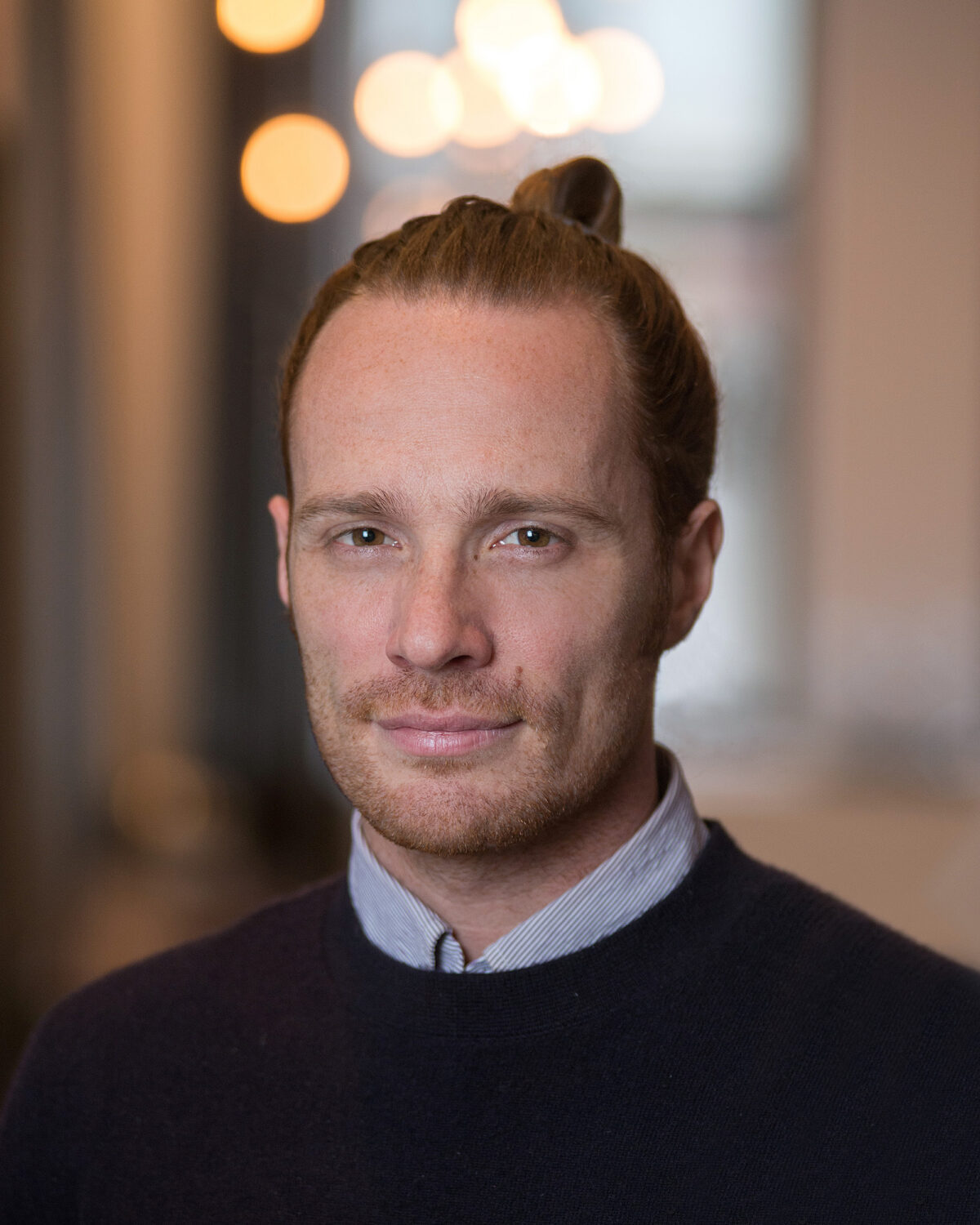
Matteo Cantiello
Senior Research Scientist, Center for Computational Astrophysics
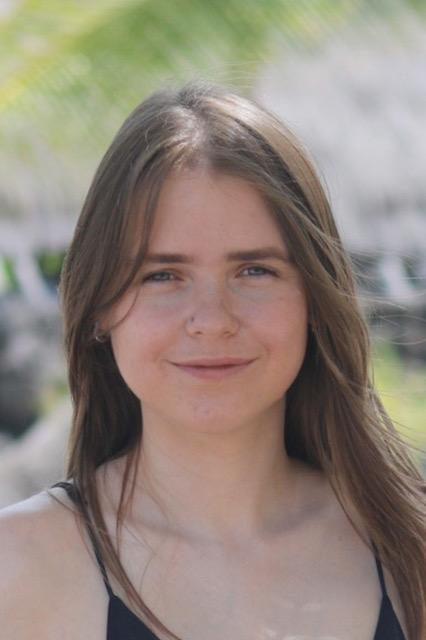
Alisa Galishnikova
Flatiron Research Fellow, Center for Computational Astrophysics
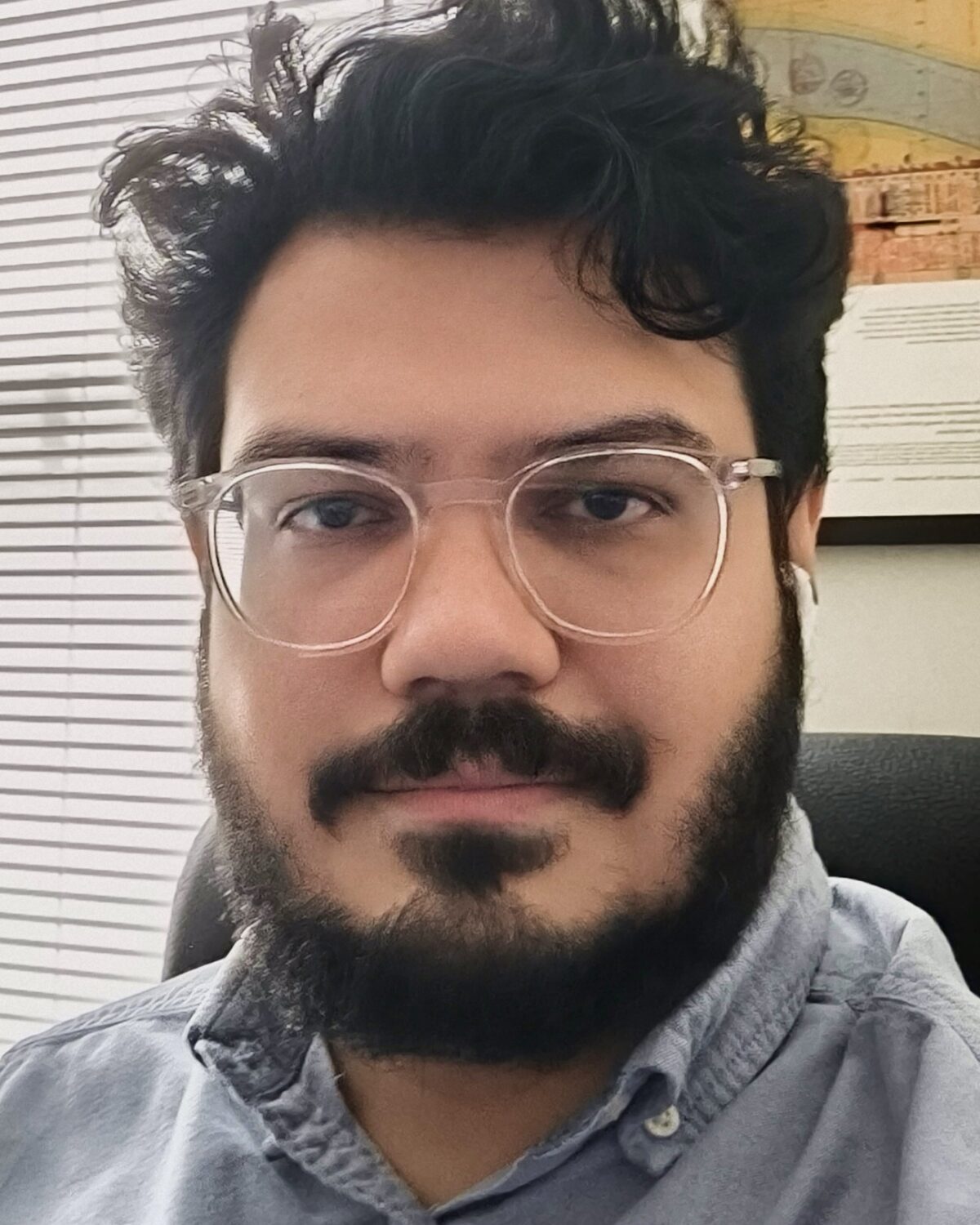
Hayk Hakobyan
Flatiron Software Research Fellow, Center for Computational Astrophysics
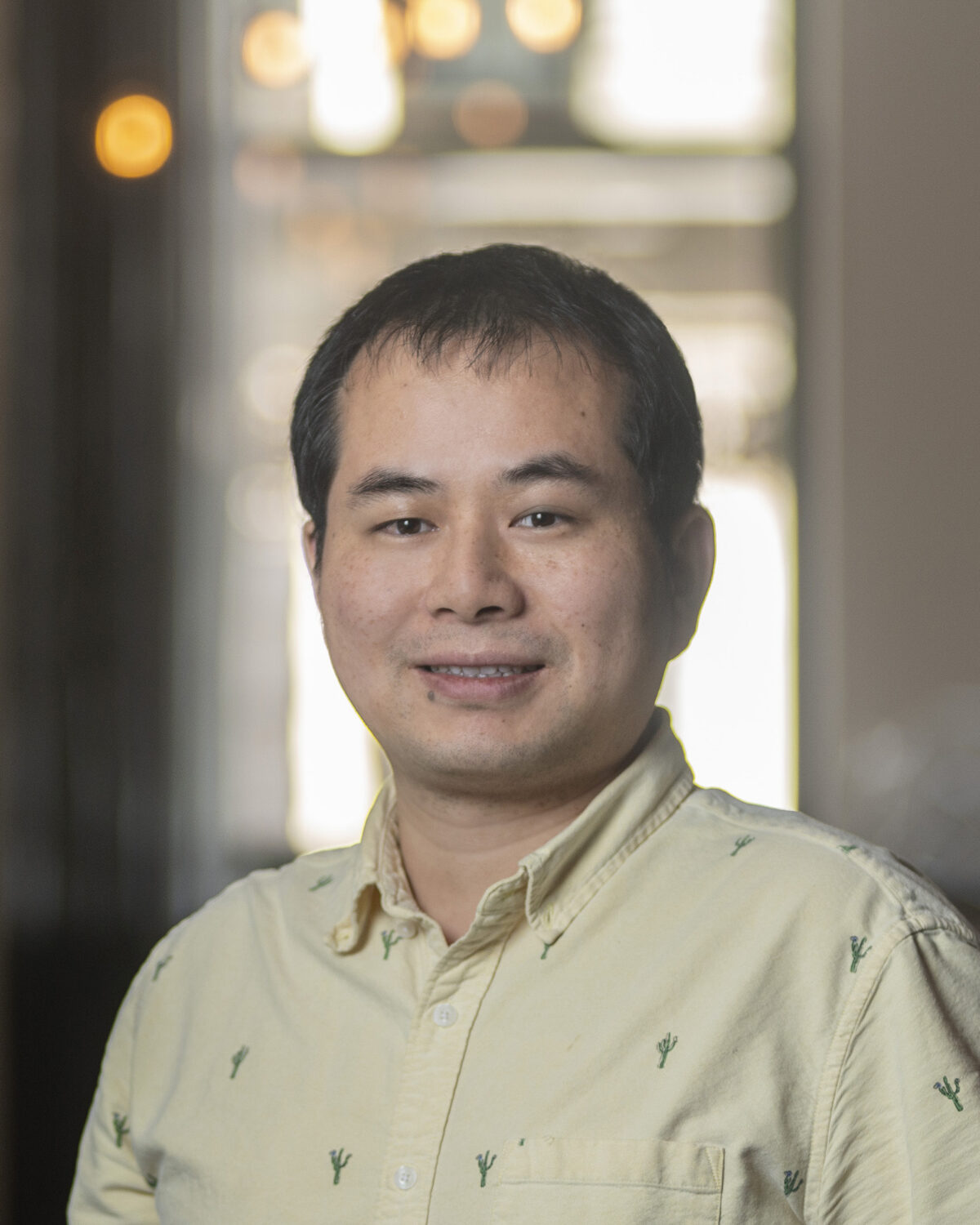
Yan-Fei Jiang
Research Scientist, Center for Computational Astrophysics
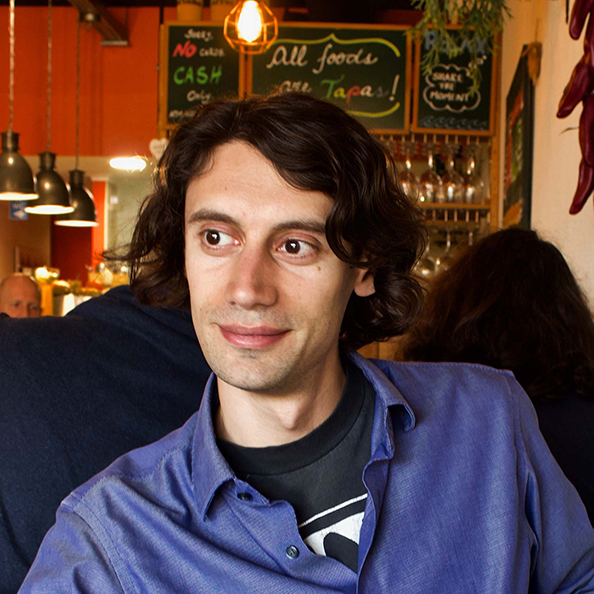
Daniel Lecoanet
Research Scientist, Center for Computational Astrophysics
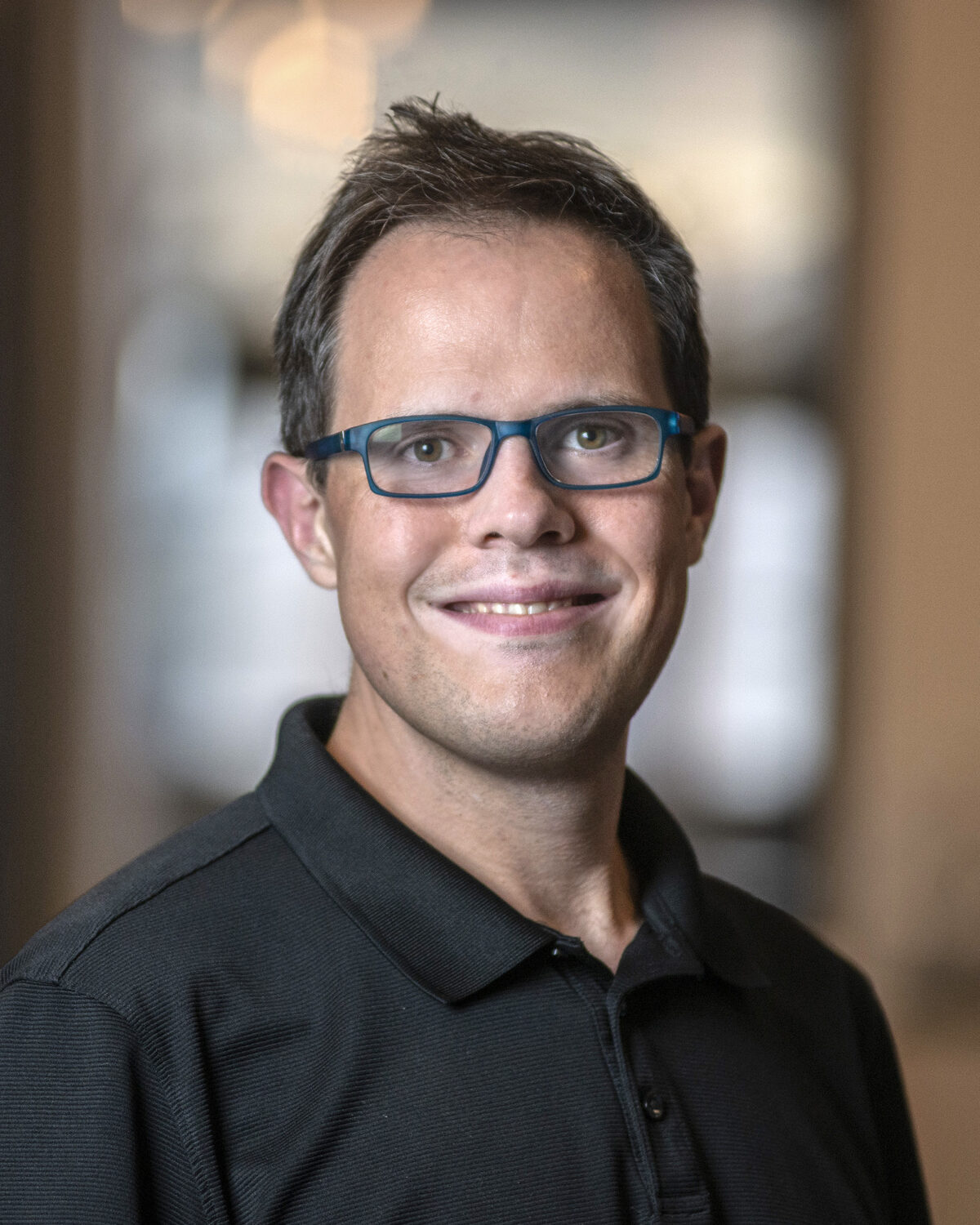
Brian Metzger
Senior Research Scientist, Center for Computational Astrophysics
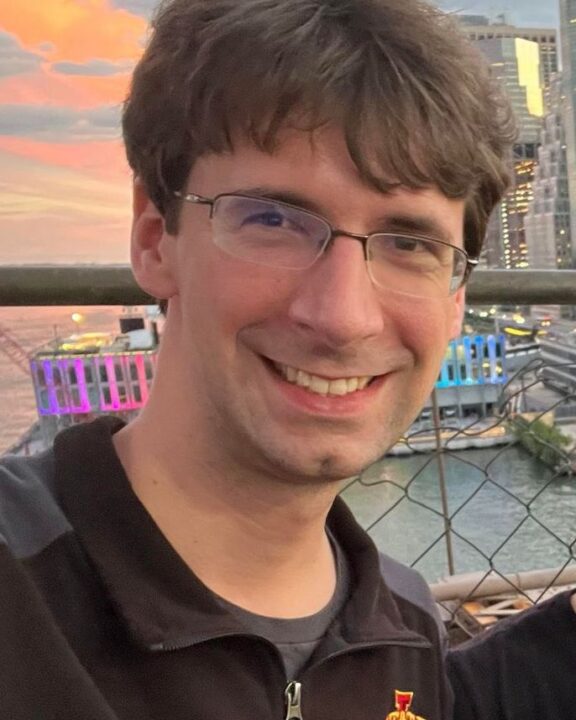
Logan Prust
Flatiron Research Fellow, Center for Computational Astrophysics

Amy Secunda
Flatiron Research Fellow, Center for Computational Astrophysics
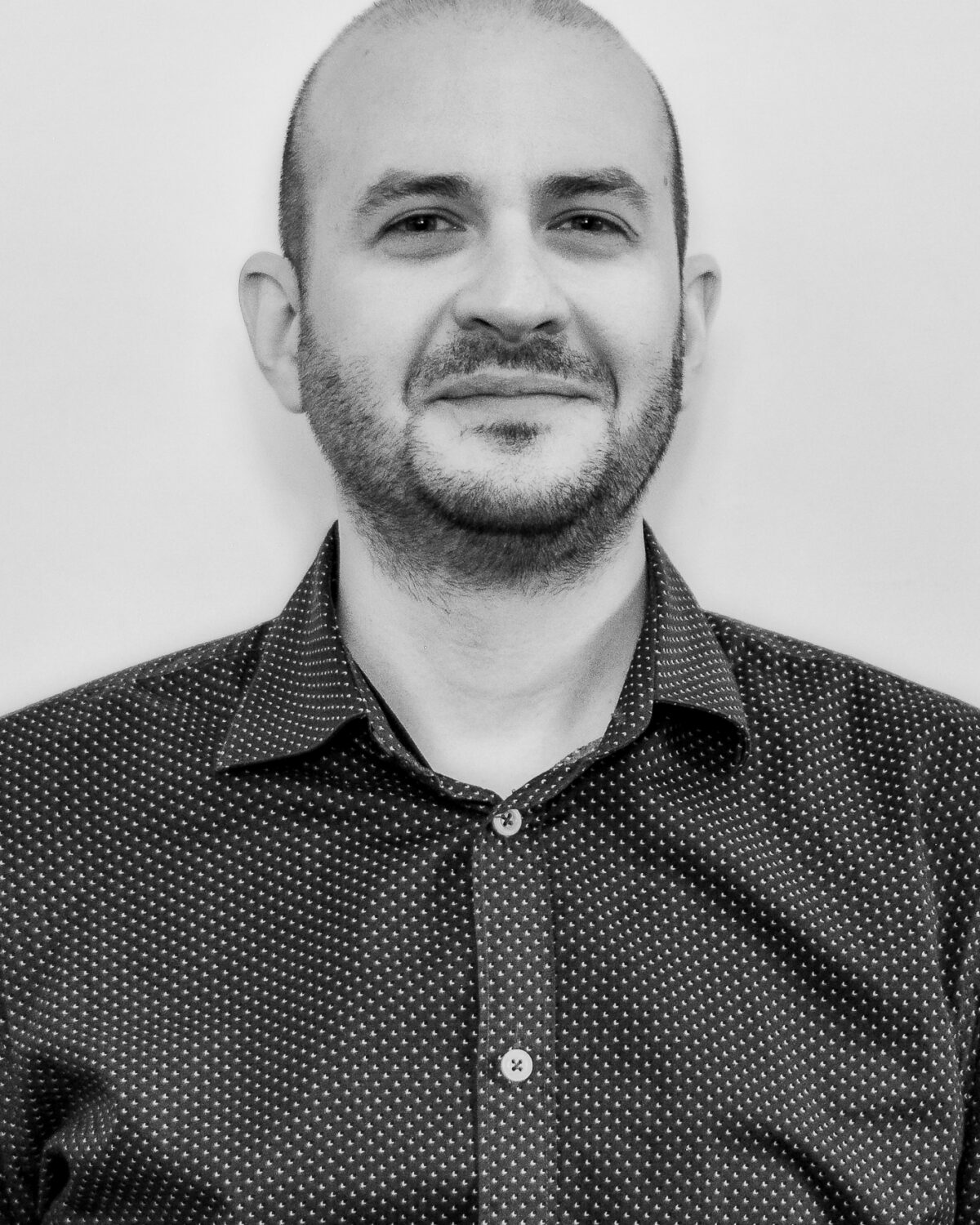
Lorenzo Sironi
Research Scientist, Center for Computational Astrophysics
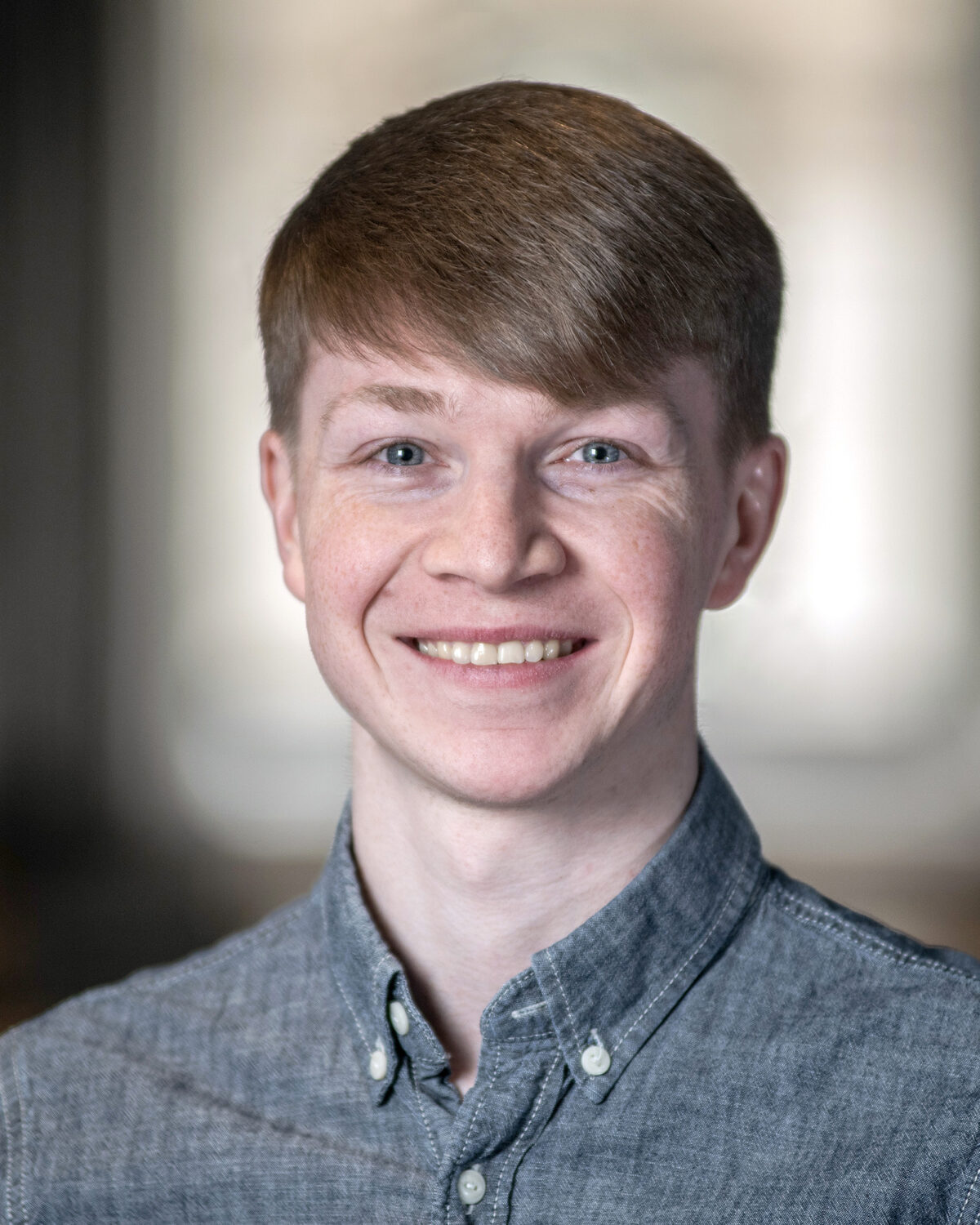
Tom Wagg
Flatiron Research Fellow, Center for Computational Astrophysics


Community
Stars & Plasma Astrophysics Events
Our research groups meet weekly to discuss in-progress research and stay abreast of advances in the field. For more information about attending the Stars & Plasma Astrophysics meeting, email Matteo Cantiello. For the Astrophysical Plasma meeting, email Lorenzo Sironi.