Search
What are you looking for?
Featured



Results
-
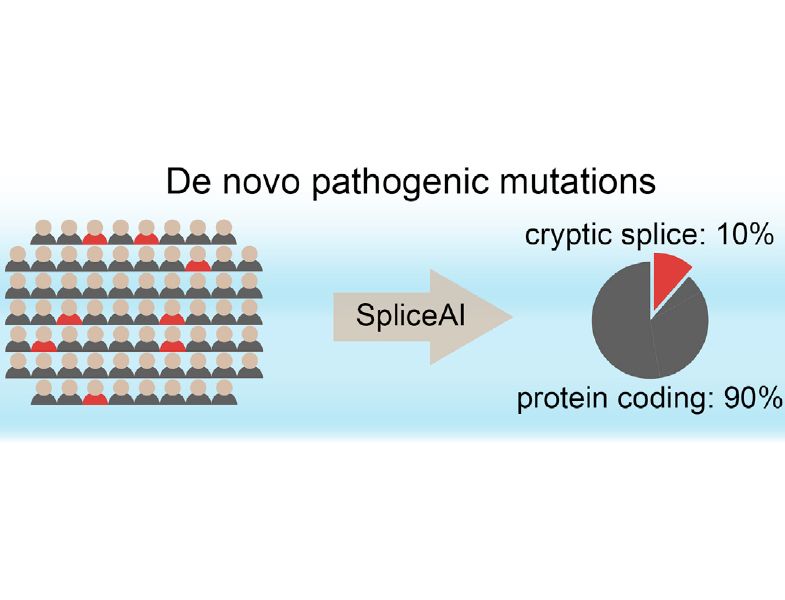 Kyle Kai-How Farh and Stephan Sanders developed a deep-learning method to predict risk mutations that affect mRNA splicing and contribute substantially to neurodevelopmental disorders.
 -
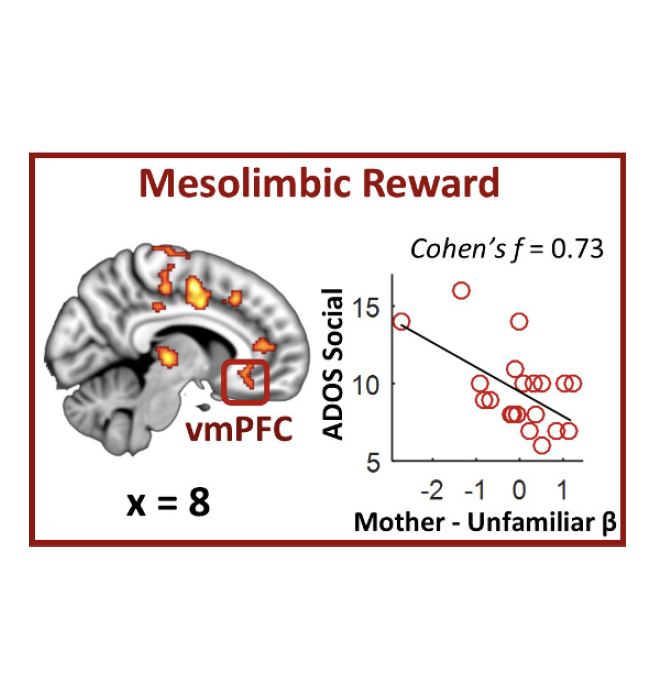 Vinod Menon and colleagues report that a difference in the activation of a voice-processing network comprising reward and salience detection systems is a distinguishing feature of autism.
 -
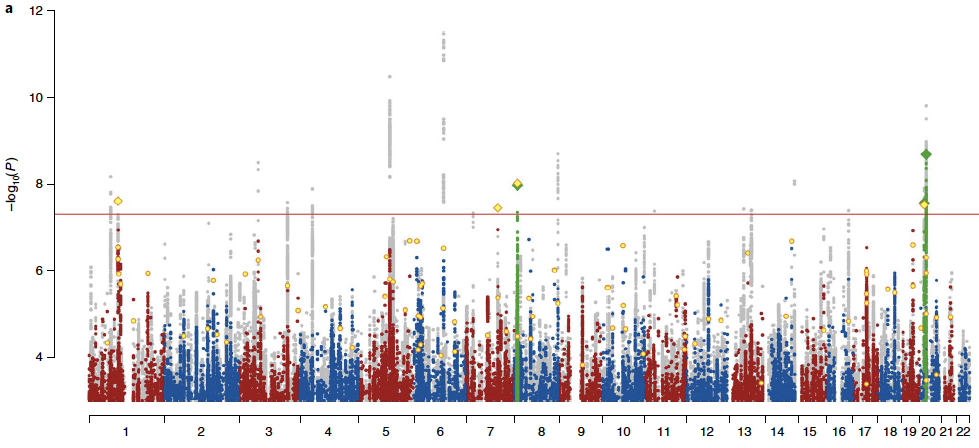 Mark Daly and colleagues report the results of a large genome-wide association meta-analysis of more than 18,000 individuals with ASD, including the newly genotyped Danish …
 -
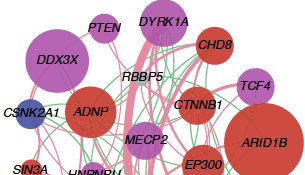
Meta–Analysis of De Novo Mutations Yields Longer List of Risk Genes for Neurodevelopmental Disorders
Evan Eichler and colleagues performed a meta-analysis of de novo mutations from individuals with ASD, intellectual disability or developmental delay and found new risk genes for neurodevelopmental … -
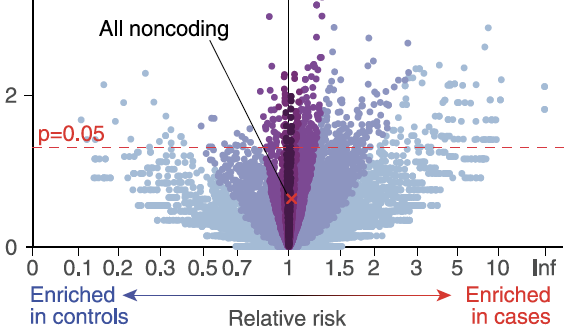 Stephan Sanders and colleagues used a machine learning approach to analyze whole-genome sequencing data from more than 1,900 SSC families and found that de novo noncoding …
 -
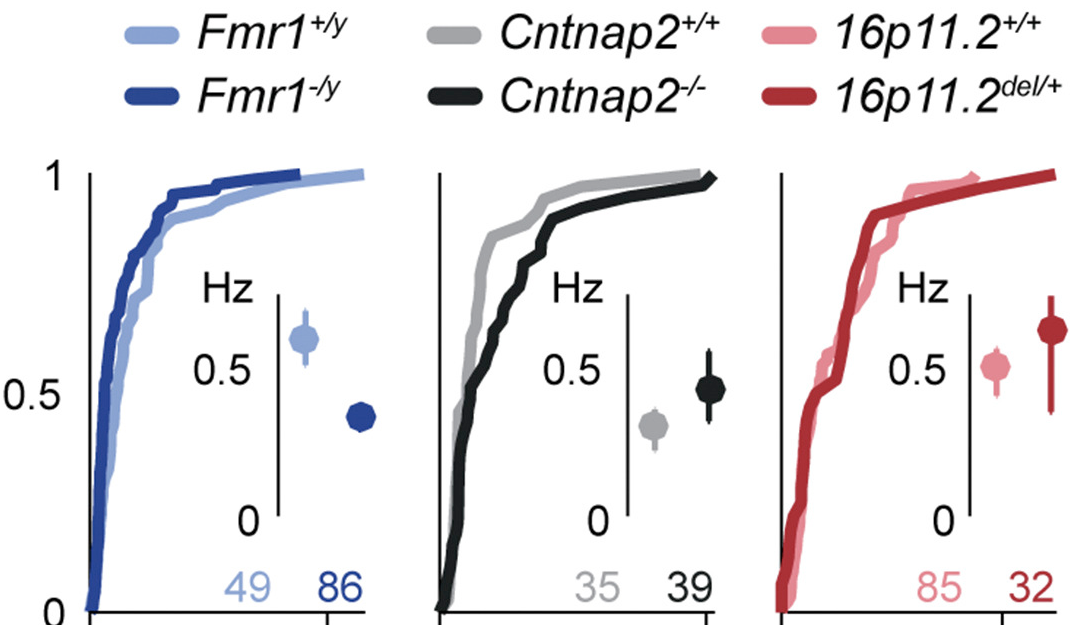 Dan Feldman and colleagues analyzed four mouse models of autism and found that alterations in the excitation-inhibition ratio may serve as a homeostatic mechanism to prevent network …
 -
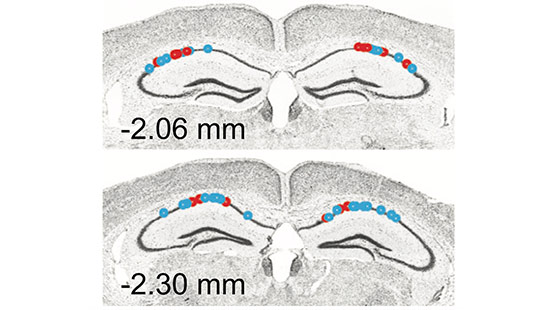 Assessing network and synaptic communication in the hippocampus of behaving Fmr-1 null mice, André Fenton and colleagues showed altered network communication linked to behavioral alterations in fragile …
 -
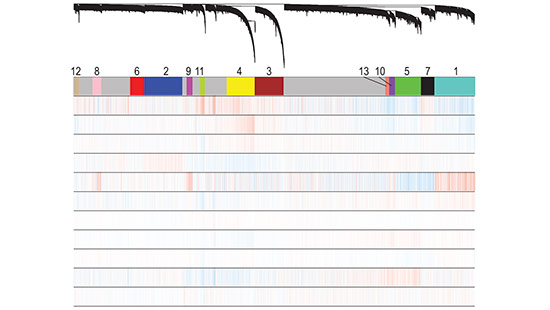
Shared Alterations in Gene Expression Networks Mirror Genetic Risk Across Neuropsychiatric Disorders
In comparing gene expression profiles and SNP risk across psychiatric disorders, Michael Gandal, Daniel Geschwind and colleagues found that shared genetic risk manifests in alterations in gene networks. -
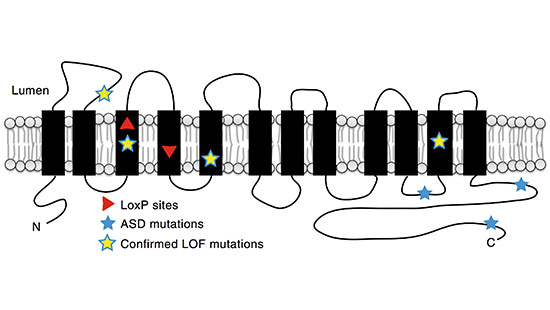 Using a mouse lacking brain-localized NHE9, Edwards shows that pH gradients affect neuronal communication and autism-like behaviors.
 -
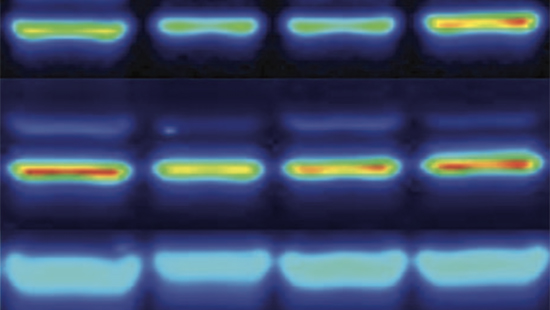 By assessing the 16p11.2 deletion autism mouse model, Ted Abel and colleagues uncover male-specific vulnerabilities in striatal signaling and reward function.
 -
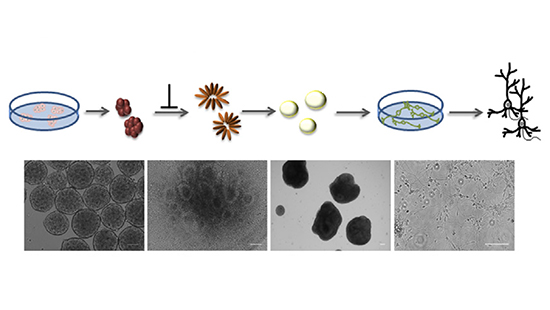 Lauren Weiss and Erik Ullian report on two studies using carrier-derived iPSC neurons to elucidate cellular phenotypes associated with 16p11.2 CNVs and a BRAF RASopathy mutation.
 -
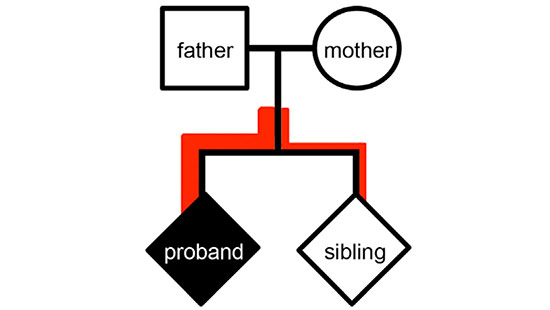 Evan Eichler and Robert Darnell provide deep whole genome sequencing of 516 families with idiopathic autism, providing insights into the complex etiology of simplex autism.
 -
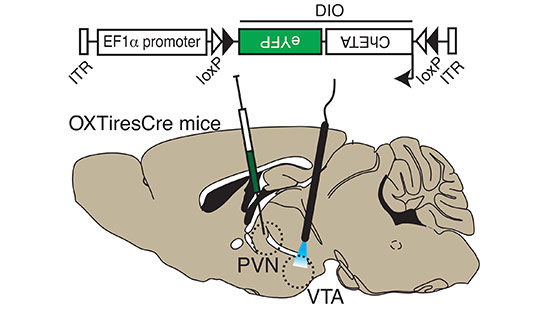 Robert Malenka and colleagues find that oxytocin acts within the ventral tegmental area to increase dopamine reward neurons to reinforce the rewarding aspects of social interactions in mice.
 -
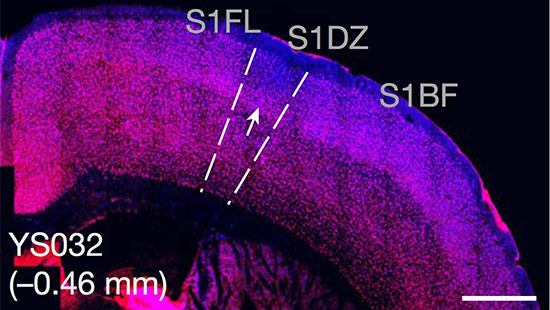 Jun Huh, Gloria Choi and colleagues provide a link between maternal infection, gut bacteria and the risk of developing behavioral and cortical abnormalities in mice.
 -
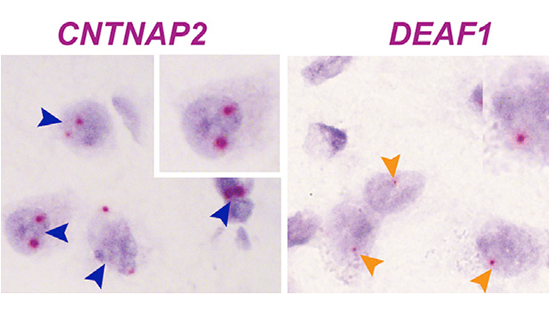 Christopher Gregg and colleagues demonstrate that diverse epigenetic mechanisms affect allele-specific gene expression in the mammalian brain.
 -
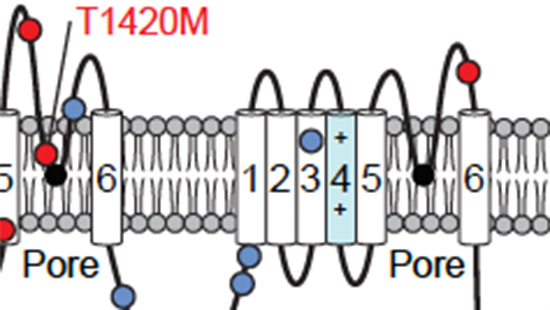 Kevin Bender and Stephan Sanders show that ASD-associated SCN2A variants lead to impaired NaV1.2 channel activity and reduced neuronal excitability.
 -
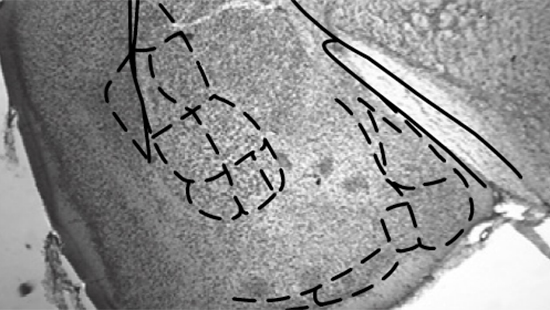 Amiel Rosenkranz and colleagues have identified a specific intra-amygdala circuit, from the lateral nucleus to the medial nucleus, which is critical for social learning.
 -
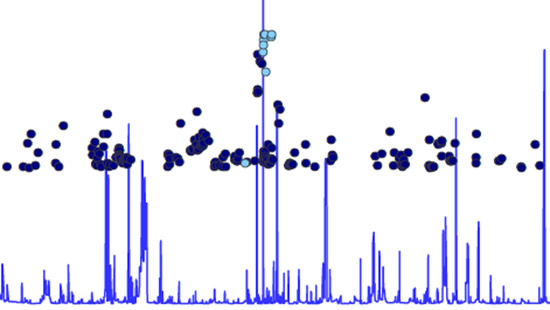 Lauren Weiss and colleagues used a reverse pathway genetic approach, focused on the RAS/MAPK pathway, to show that gene-gene interactions contribute to autism.
 -
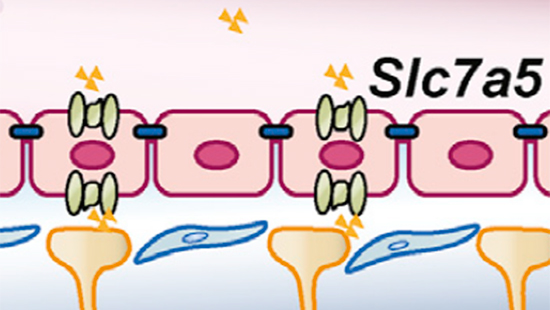 Gaia Novarino and Joseph Gleeson find impaired amino acid transport into brain causes ASD-like symptoms in mice, and uncover transport mutations in individuals with ASD.
 -
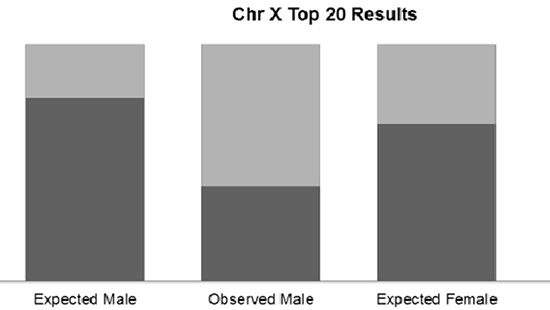 By examining SNPs from ASD datasets, Lauren Weiss finds that genetic mechanisms regulating general sex differences, such as height and weight, contribute to autism risk.
 -
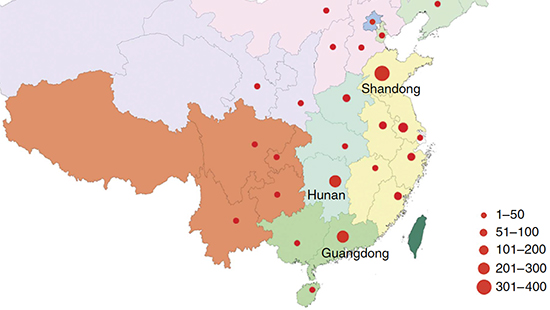 By assessing a Chinese autism cohort, Evan Eicher establishes the importance of de novo mutations for conferring autism risk in both European and Chinese populations.
 -
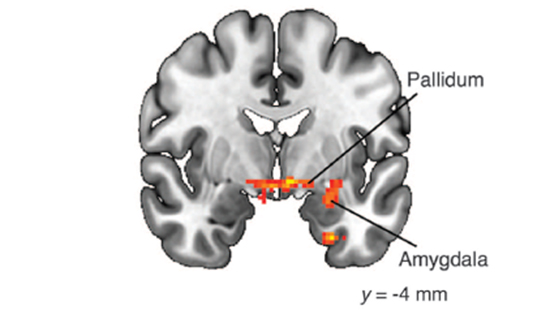 Suitable biomarkers are needed to assess treatment outcomes in ASD. Pamela Ventola has developed fMRI biomarkers that allow accurate prediction of intervention success.
 -
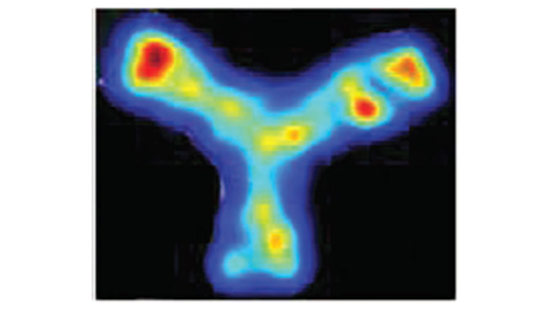 Betty Diamond reports on a method to isolate monoclonal brain-reactive antibodies from plasma obtained from mothers in the SSC, showing their in utero exposure can cause ASD.
 -
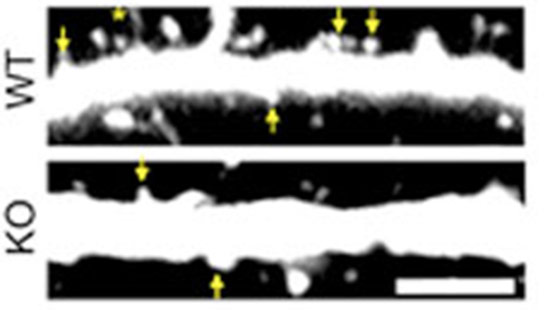 Benjamin Cheyette finds higher rates of DIXDCI disruptions in individuals with ASD, schizophrenia or bipolar, and DIXDC1 signaling rescue improves mouse ASD-like behaviors.
 -
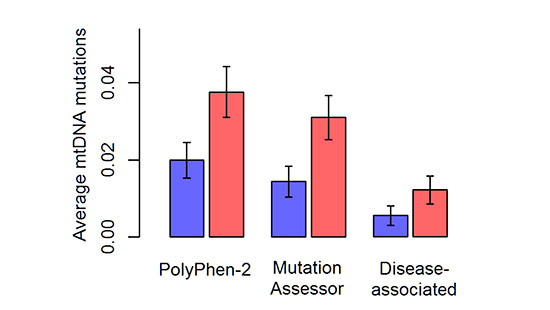 Using sequencing data from the Simons Simplex Collection, Zhenglong Gu found an enrichment of predicted pathogenic mutations in mitochondrial DNA in autism.
 -
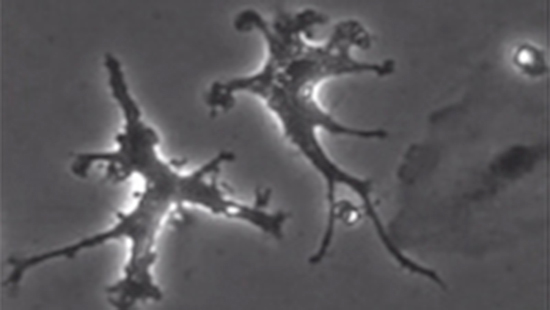 Rudolf Jaenisch has developed a method enabling the generation of microglia-like cells from human embryonic stem cells and induced pluripotent stem cells.
 -
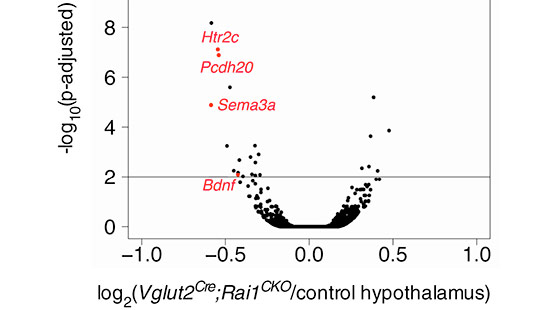 Liqun Luo uses conditional, cell-type-specific RAI1 deletions in mice to assess how loss of RAI1 contributes to neurodevelopmental phenotypes in Smith-Magenis syndrome.
 -
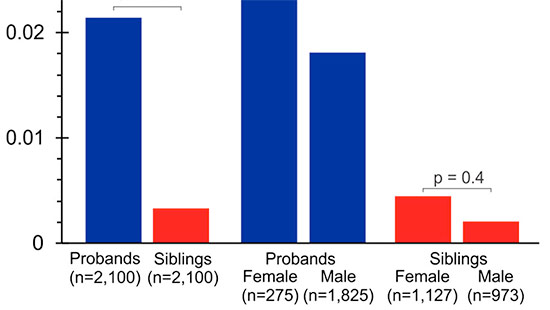 By assessing human accelerated regions (HARs) in healthy individuals and those with ASD, Chris Walsh shows HARs regulate human social and cognitive behavior and ASD risk.
 -
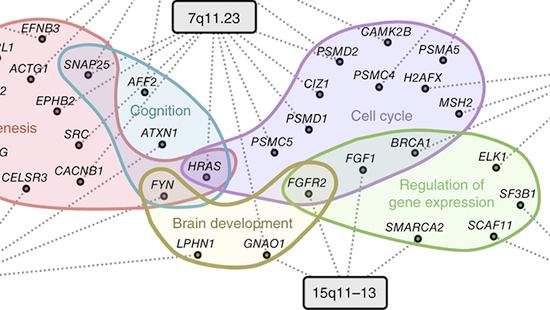 Simons Center for Data Analysis scientist Olga Troyanskaya has developed a machine-learning tool that uses neural interaction networks to predict autism risk genes.
 -
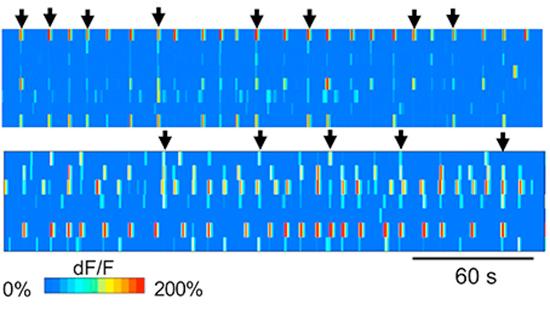 Huda Zoghbi and Stelios Smirnakis investigate how opposing molecular deficits in MeCP2 duplication and Rett syndromes lead to similar behavioral phenotypes.
 -
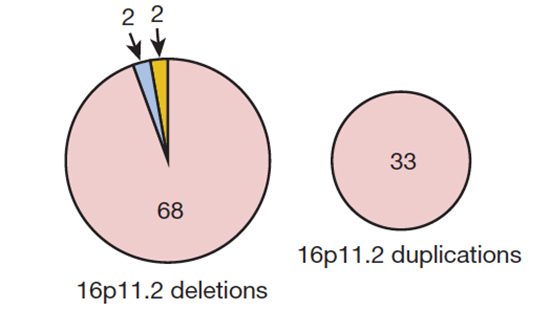 Evan Eichler reconstructs the evolution of chromosome 16p11.2 and finds most disease-causing rearrangements map within a H. sapiens-specific duplication containing BOLA2.
 -
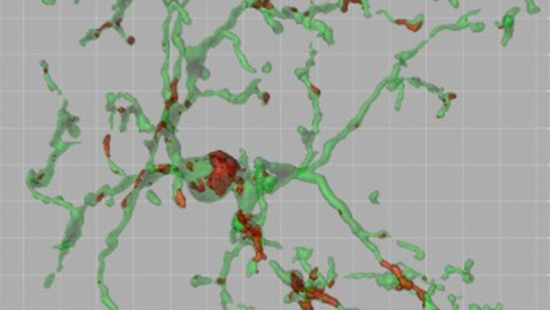 Beth Stevens shows that, in MeCP2 null mice, microglia excessively eliminate presynaptic inputs, targeting synapses previously weakened by MeCP2 loss in other CNS cell types.
 -
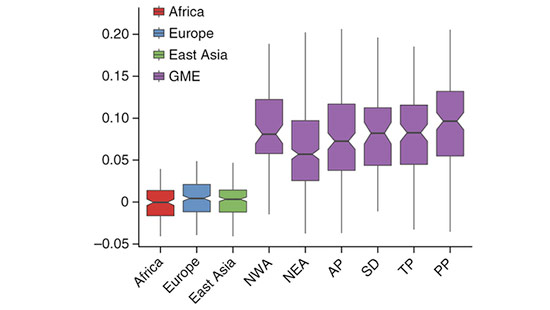 Joseph Gleeson and colleagues have generated a publically accessible whole-exome variome from 1,111 unrelated individuals within the Greater Middle East Variome Consortium.
 -
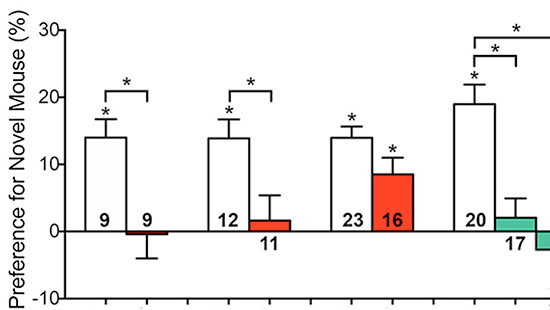 David Ginty shows that four different mice harboring mutations in ASD risk genes have altered peripheral sensory neuron processing that contributes to ASD-like phenotypes.
 -
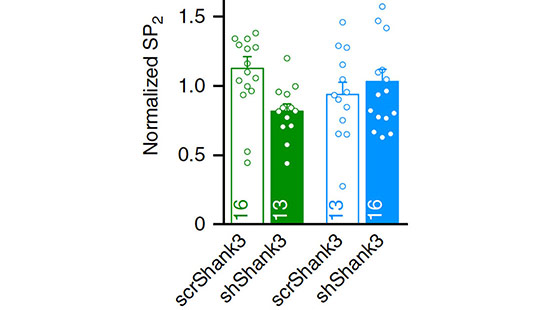 Christian Luscher and Camilla Bellone show that ASD- model mice with reduced SHANK3 in the VTA have altered excitatory synapse transmission and impaired social behaviors.
 -
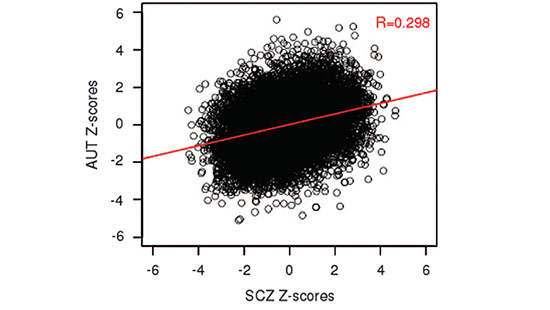 Dan Arking compares large-scale transcriptome datasets from neurotypical individuals and those with autism, schizophrenia and bipolar disorder.
 -
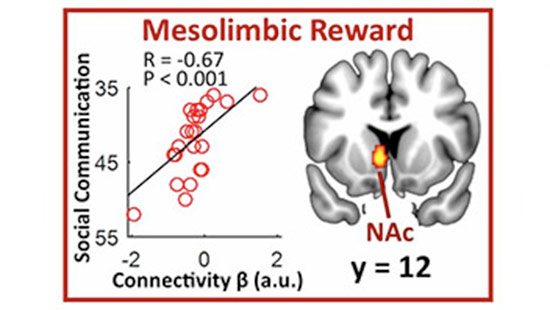 Using fMRI in typically developing children, Vinod Menon finds one’s mother’s voice activates a network of brain regions predictive of a child’s social communication skills.
 -
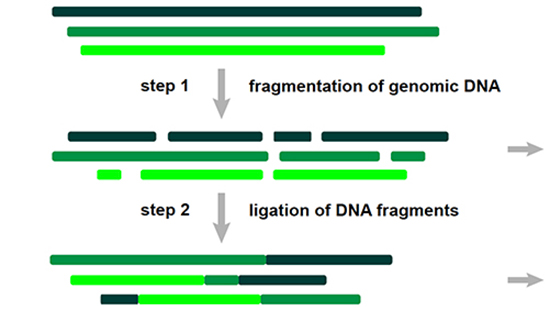 Michael Wigler and Dan Levy develop a new fragmentation and sequencing method for CNV analysis that generates high-resolution CNV data at lower cost than traditional analyses.
 -
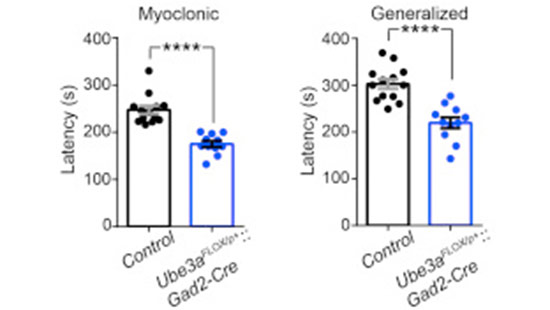 Benjamin Philpot shows that seizure susceptibility in an Angelman syndrome mouse model results from the specific loss of UBE3A from GABAergic, but not glutamatergic, neurons.
 -
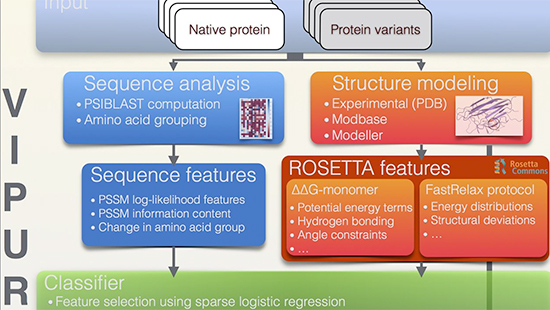 Simons Center for Data Analysis scientist Richard Bonneau develops a method to assess disease gene variants that combines sequence analysis and protein structural modeling.
 -
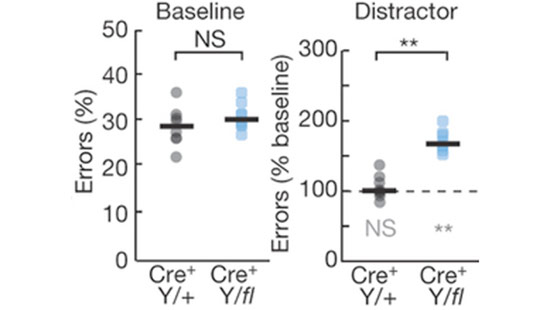 Guoping Feng and Michael Halassa create mice with global or thalamic-specific loss of the ASD-risk gene PTCHD1 to show specific roles for thalamic PTCHD1 in ASD …
 -
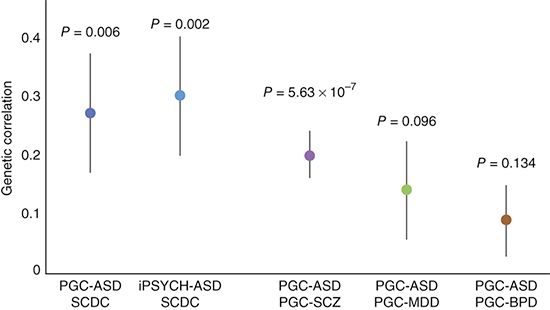 Mark Daly compares genetic data of social and communication difficulties in healthy individuals with ASD genetic data to show how risk variants lead to a behavioral continuum.
 -
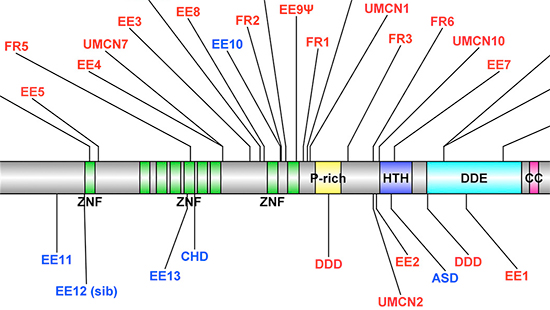 By comparing phenotypes in 25 individuals with de novo mutations in POGZ with SSC ASD phenotypic data, Evan Eichler uncovers a distinct POGZ-ASD clinical subtype.
 -
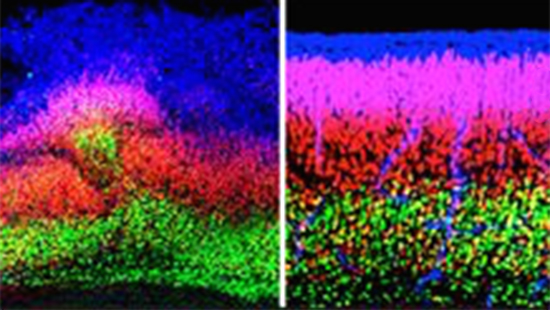 Dan Littman and colleagues use a mouse maternal immune activation (MIA) model to dissect immune pathways linking MIA with autism risk.
 -
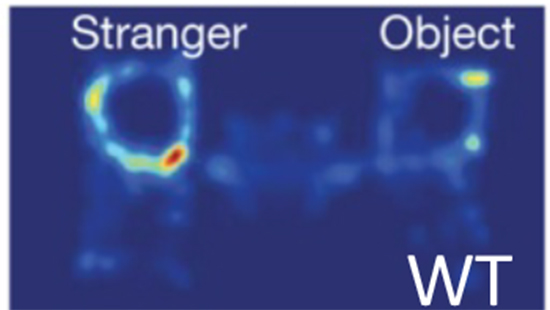 Using SHANK3 conditional knock-in mice, Guoping Feng shows that adult re-expression of SHANK3 improves cellular and behavioral abnormalities, including ASD-like deficits.
 -
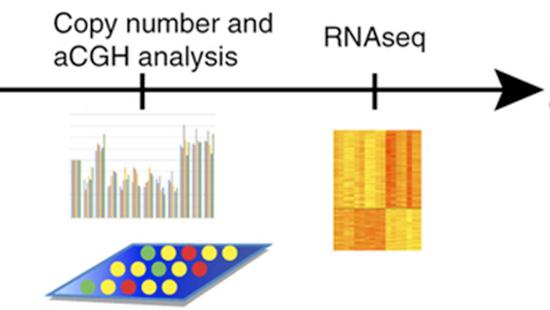 James Gusella and Michael Talkowski develop a CRISPR/CAS9 genomic method to generate microdeletions and microduplications in human iPSCs that mirror human CNV genetics.
 -
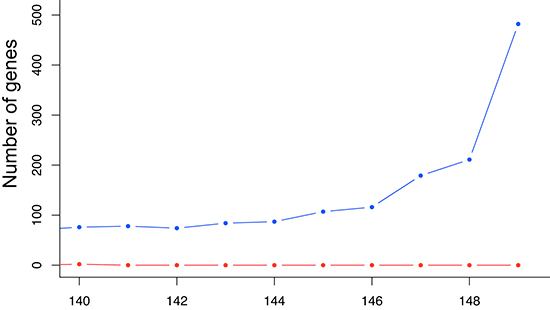 Evan Eichler compares whole-genome and whole exome sequencing data of ASD indivduals and finds an enrichment of variants in putative noncoding regulatory elements in ASD.
 -
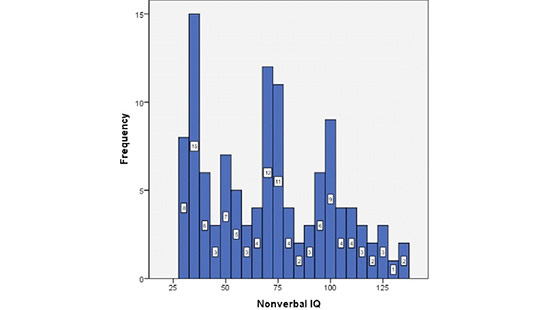 The Autism Inpatient Collection, directed by Matthew Siegel, enrolls individuals severely affected by autism, facilitating assessment of this under-represented group.