Search
What are you looking for?
Featured



Results
-
 Pawan Sinha and colleagues found that sensory habituation is reduced in autism, and furthermore, that this reduction correlates with behavioral assessments of social communication and sensory difficulties.
 -
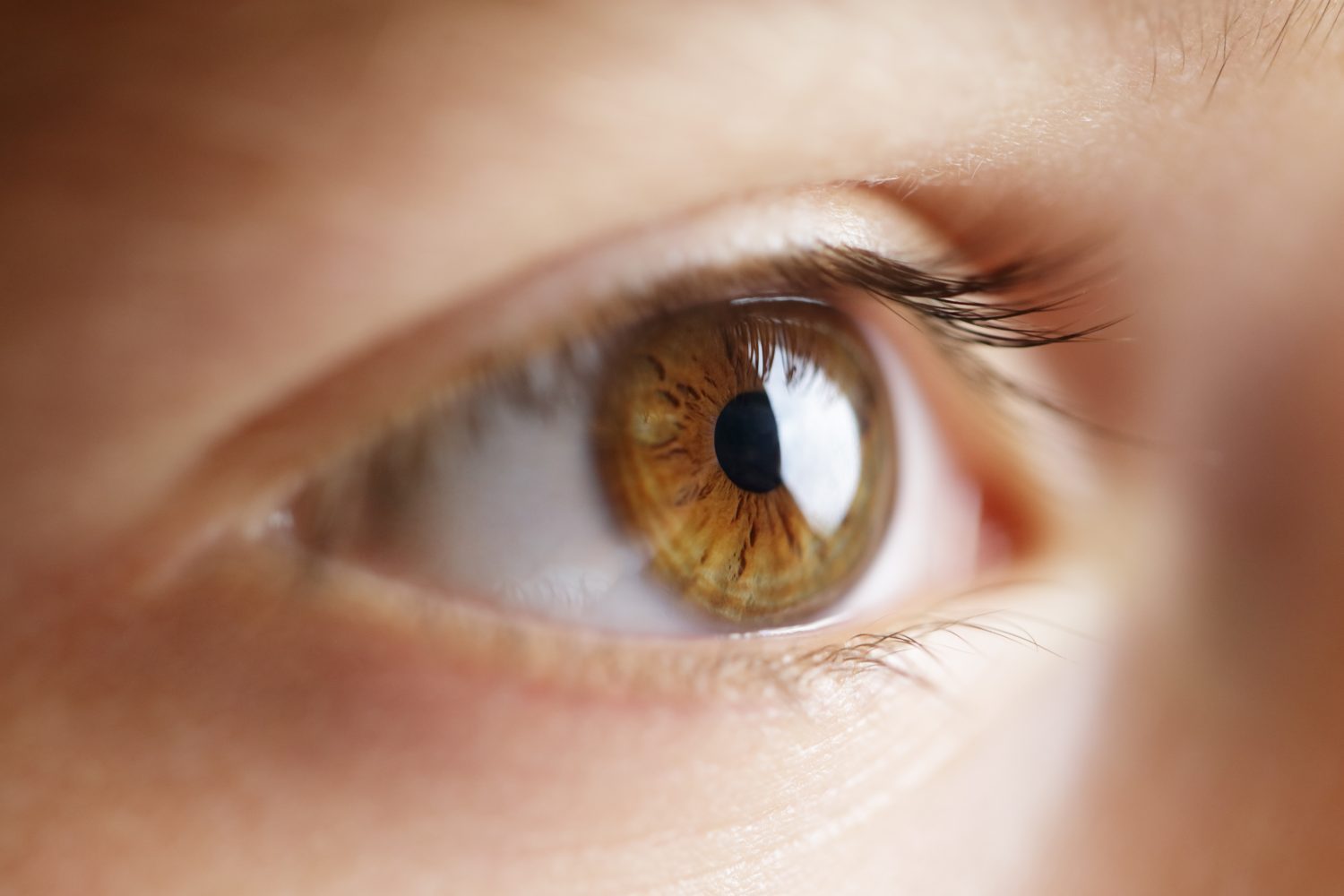 Vanessa Troiani and colleagues demonstrated a linear relationship between pupil dilation, reward/punishment sensitivity and individual ASD diagnostic status.
 -
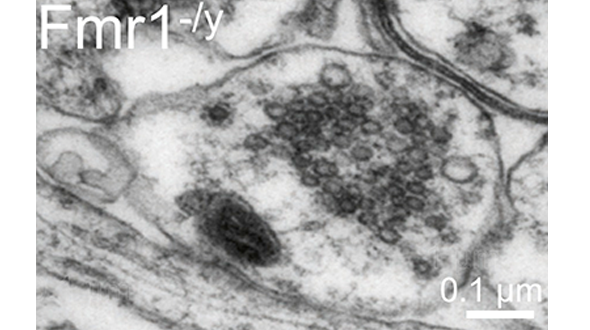 Elizabeth Jonas and colleagues identified a molecular mechanism underlying the contributions of mitochondrial dysfunction to the synaptic and behavioral features associated with fragile X syndrome.
 -
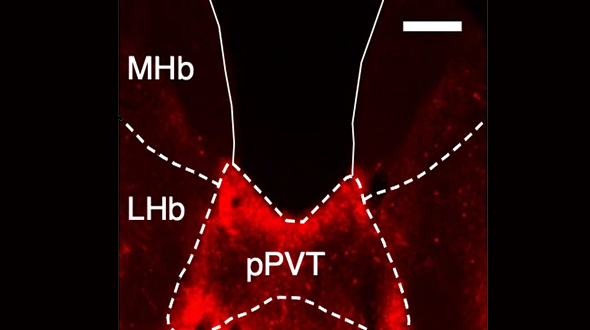 Hirofumi Morishita and colleagues showed that juvenile social isolation leads to deficits in adult mouse sociability via reduced activation of a prefrontal-paraventricular thalamus circuit.
 -
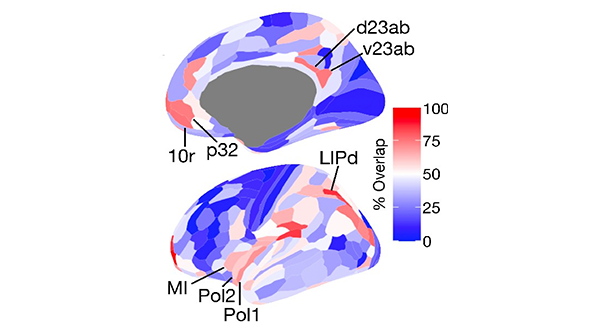 Stefano Panzeri and colleagues used neuroimaging-derived measures to assess the sex differential impact of excitation/inhibition imbalance in idiopathic ASD.
 -
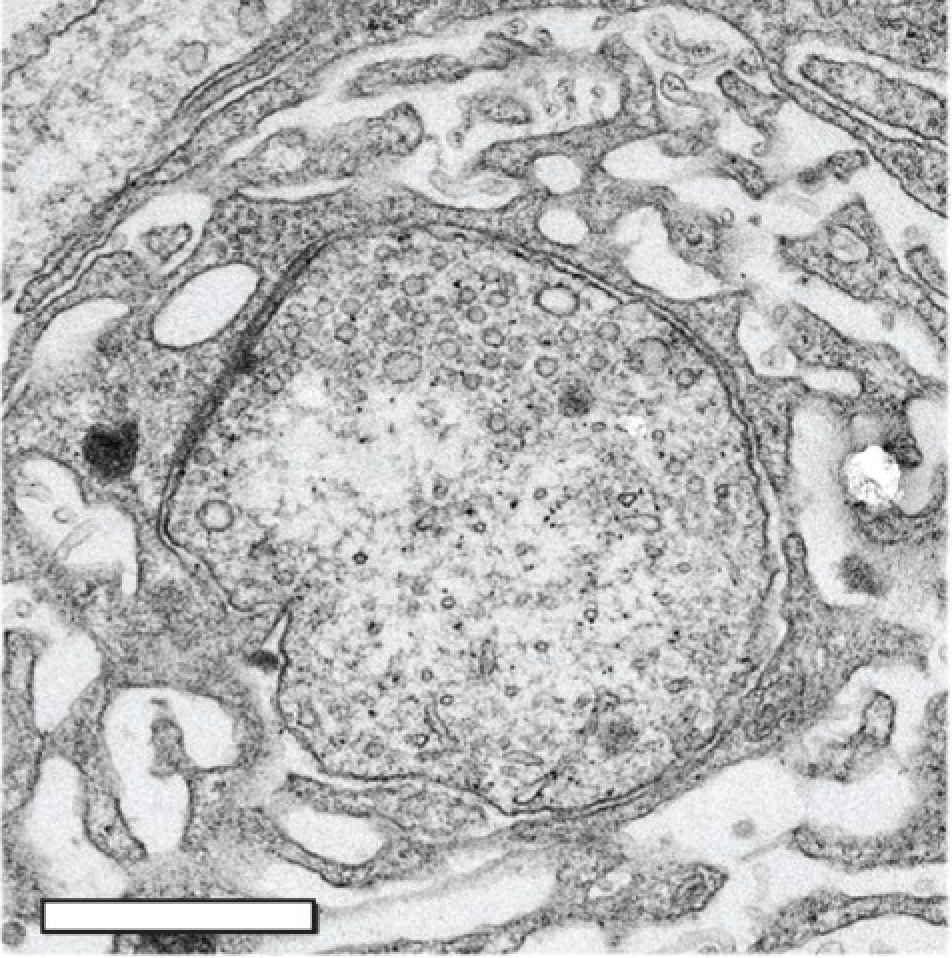 Graeme Davis and colleagues showed that ASD risk genes genetically interact with a class of common modifiers of presynaptic homeostatic plasticity at the Drosophila neuromuscular junction.
 -
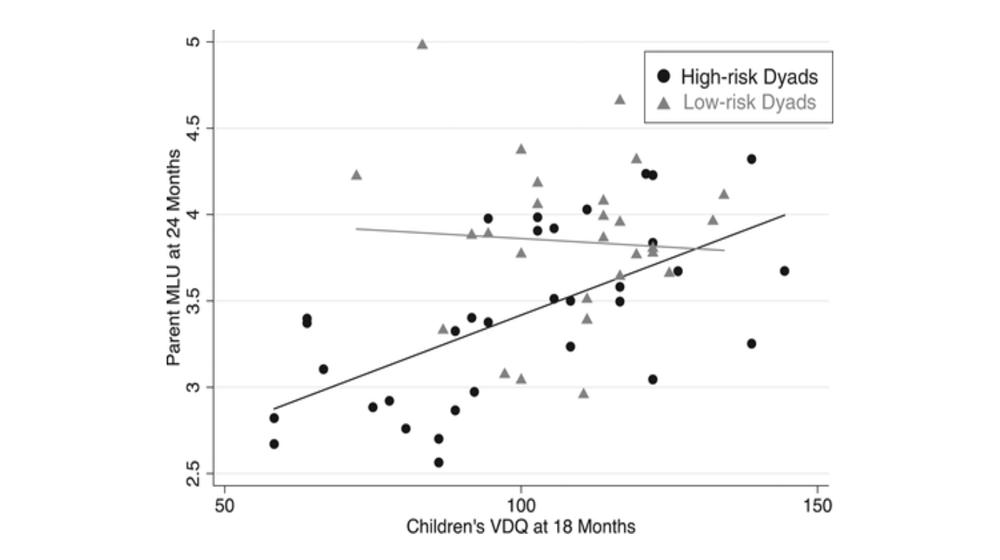 Charles Nelson, Helen Tager-Flusberg and colleagues assessed language development in infants at high risk and low risk of ASD. They reported parental mean length of utterance as …
 -
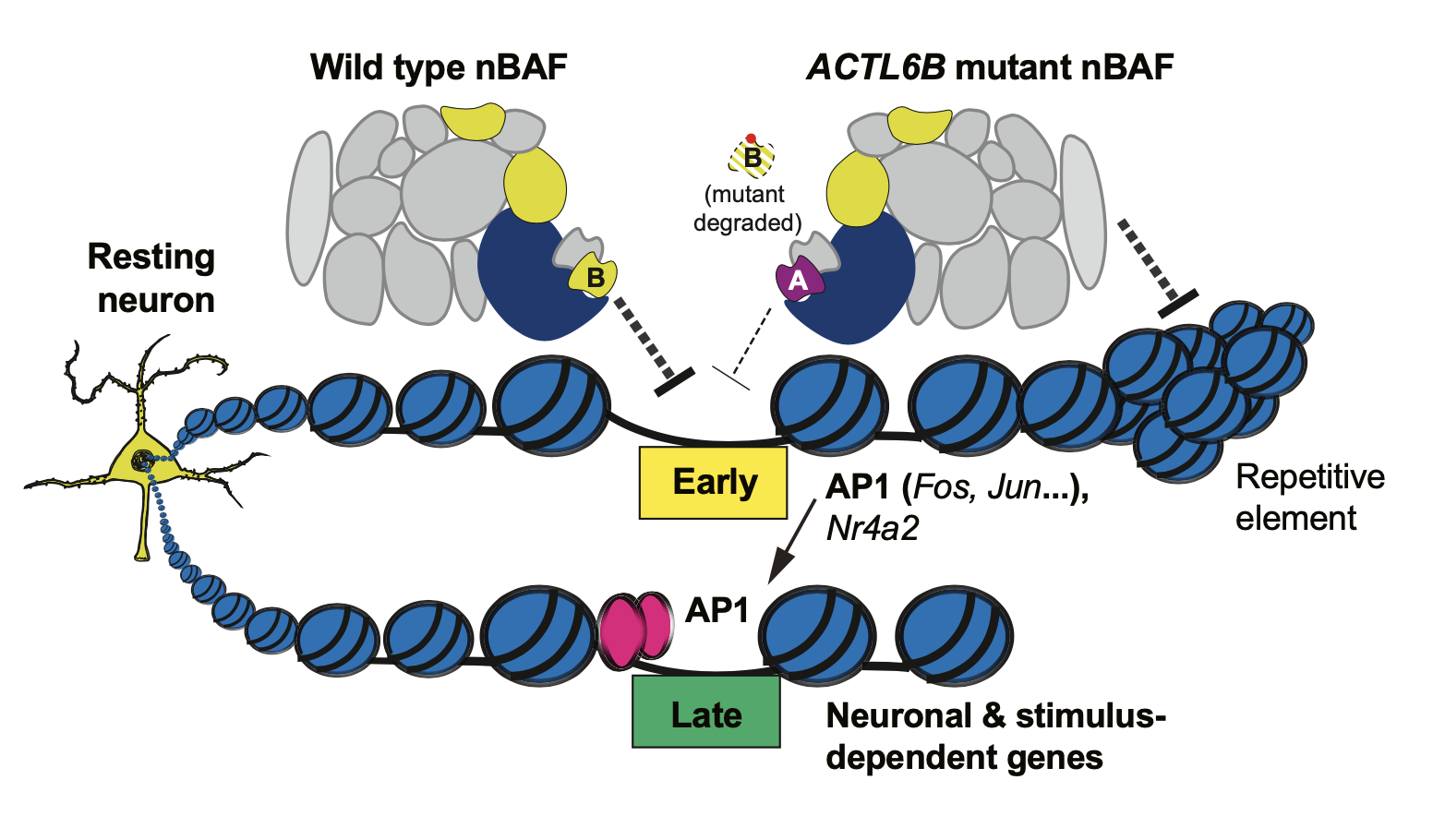 Gerald Crabtree, Joseph Gleeson and colleagues defined a new recessive form of ASD caused by mutations in ACTL6B, part of the BAF complex, which regulates activity-responsive transcription …
 -
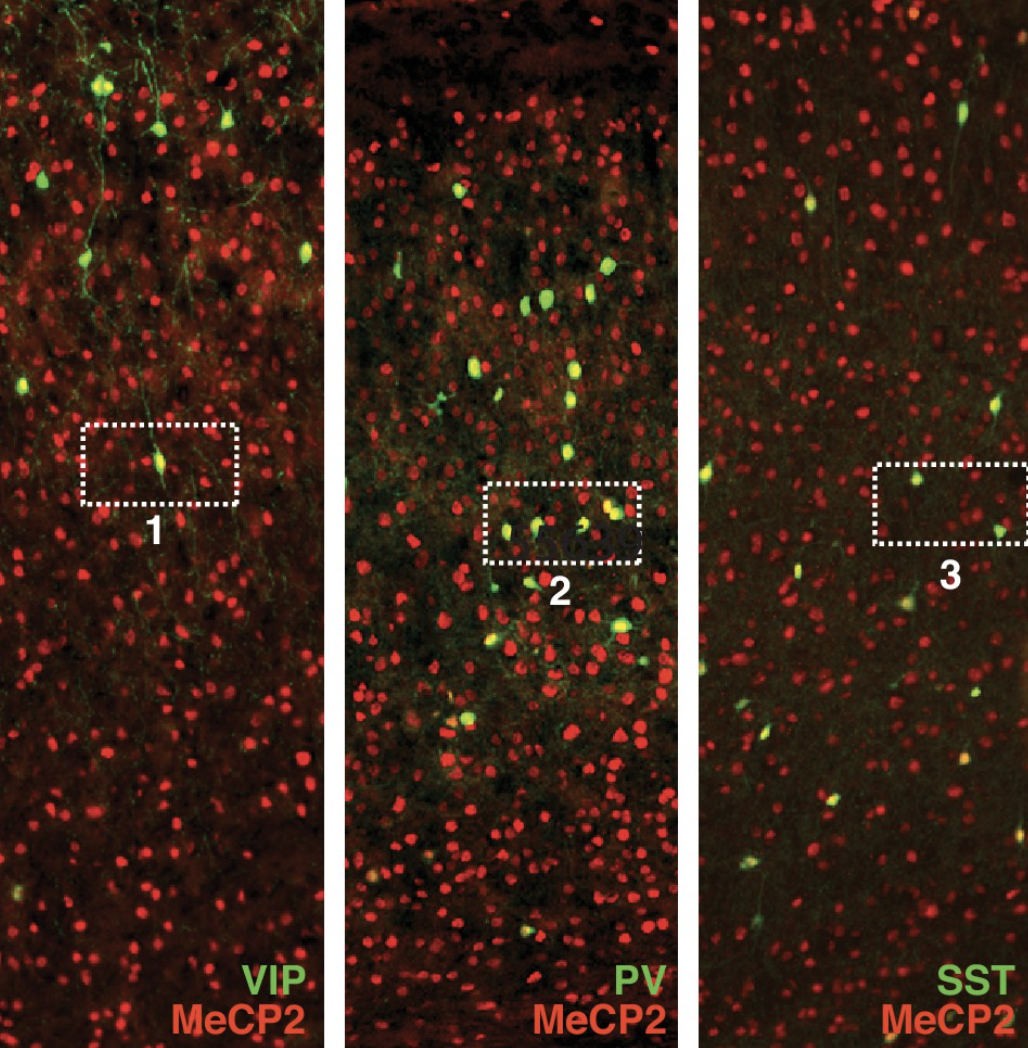 Jessica Cardin and colleagues identified an important and unexpected role for the VIP subclass of interneurons in mediating the functions of MeCP2 in the development of cortical circuits.
 -
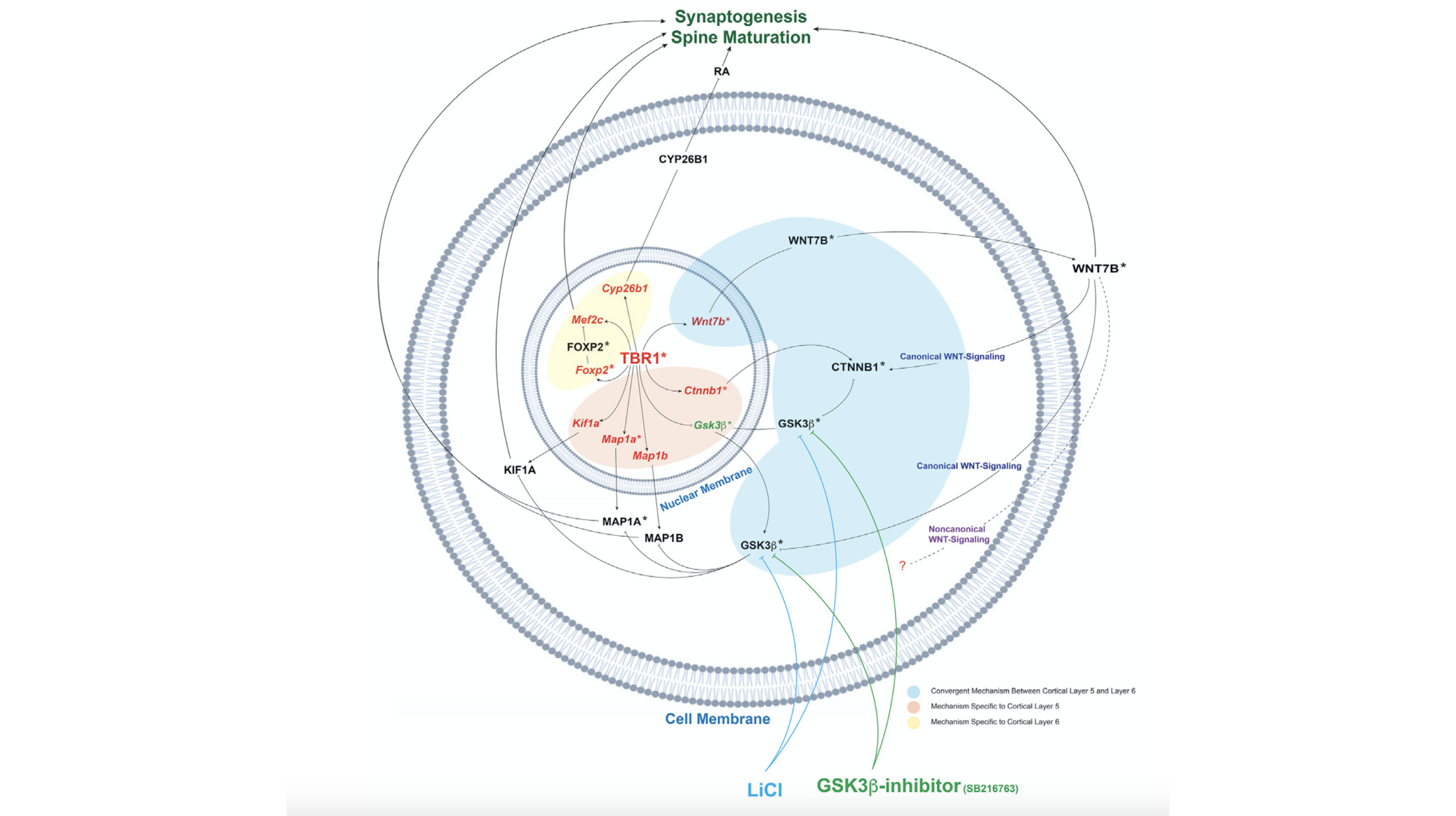 John Rubenstein and colleagues identified WNT signaling as a key mediator of Tbr1-dependent functions in deep-layer cortical neurons, and showed that normalizing WNT signaling rescues particular …
 -
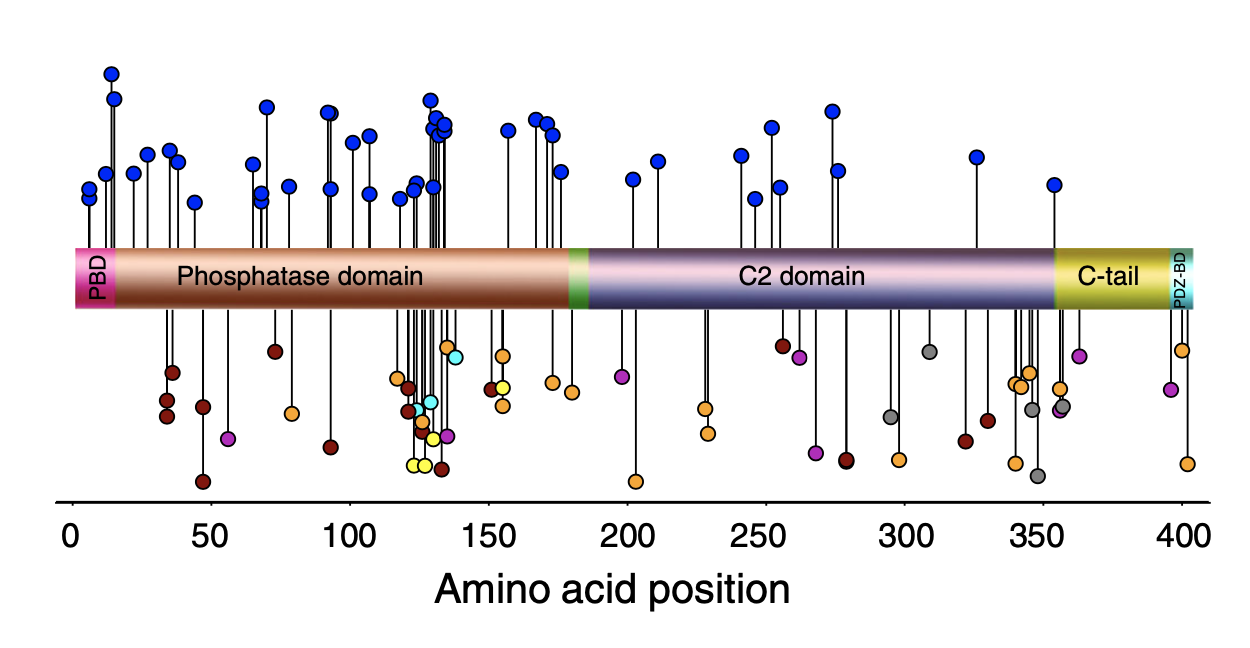 Kurt Haas and colleagues used multiple models and bioassays to assess the functional impact of more than 100 missense and nonsense mutations in PTEN, allowing for high-confidence …
 -
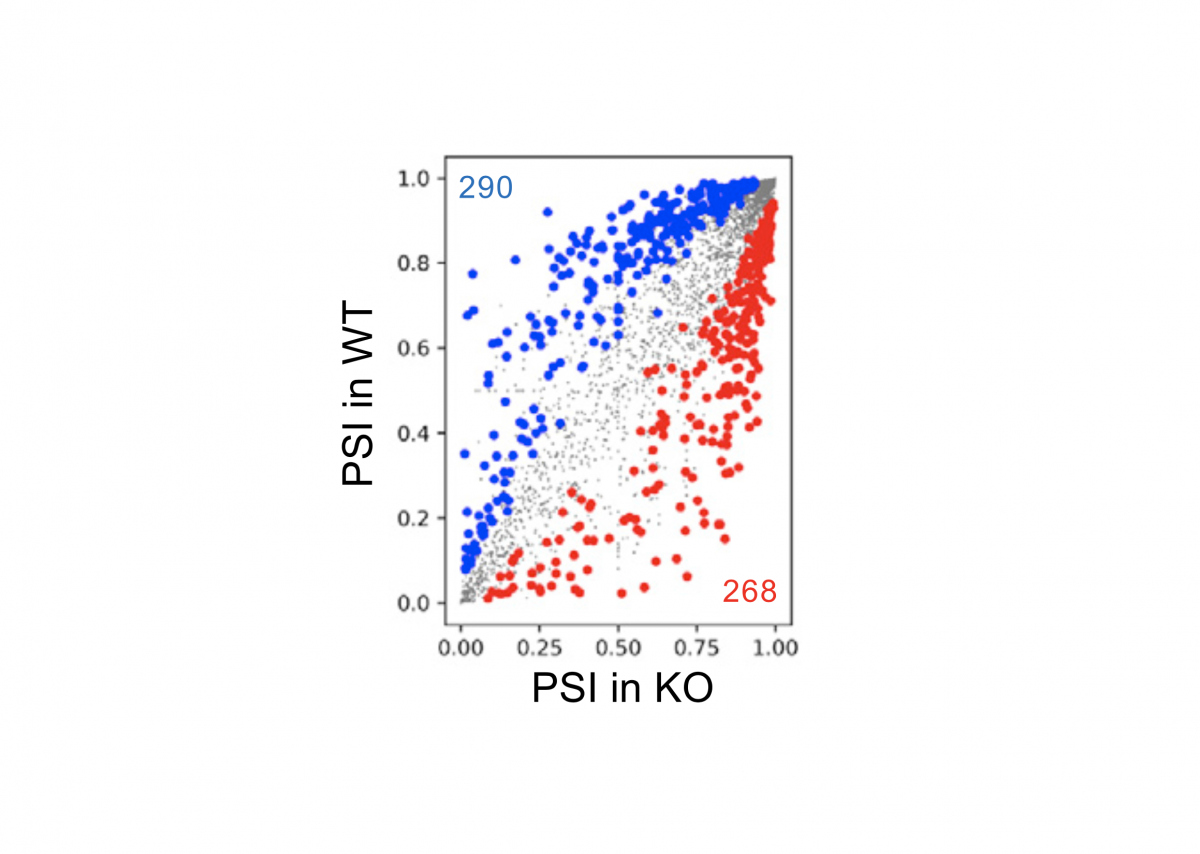 Kimberly Huber, Joel Richter and colleagues showed that FMRP deficiency in mice leads to changes in a key histone modification across the genome, with subsequent effects on alternative …
 -
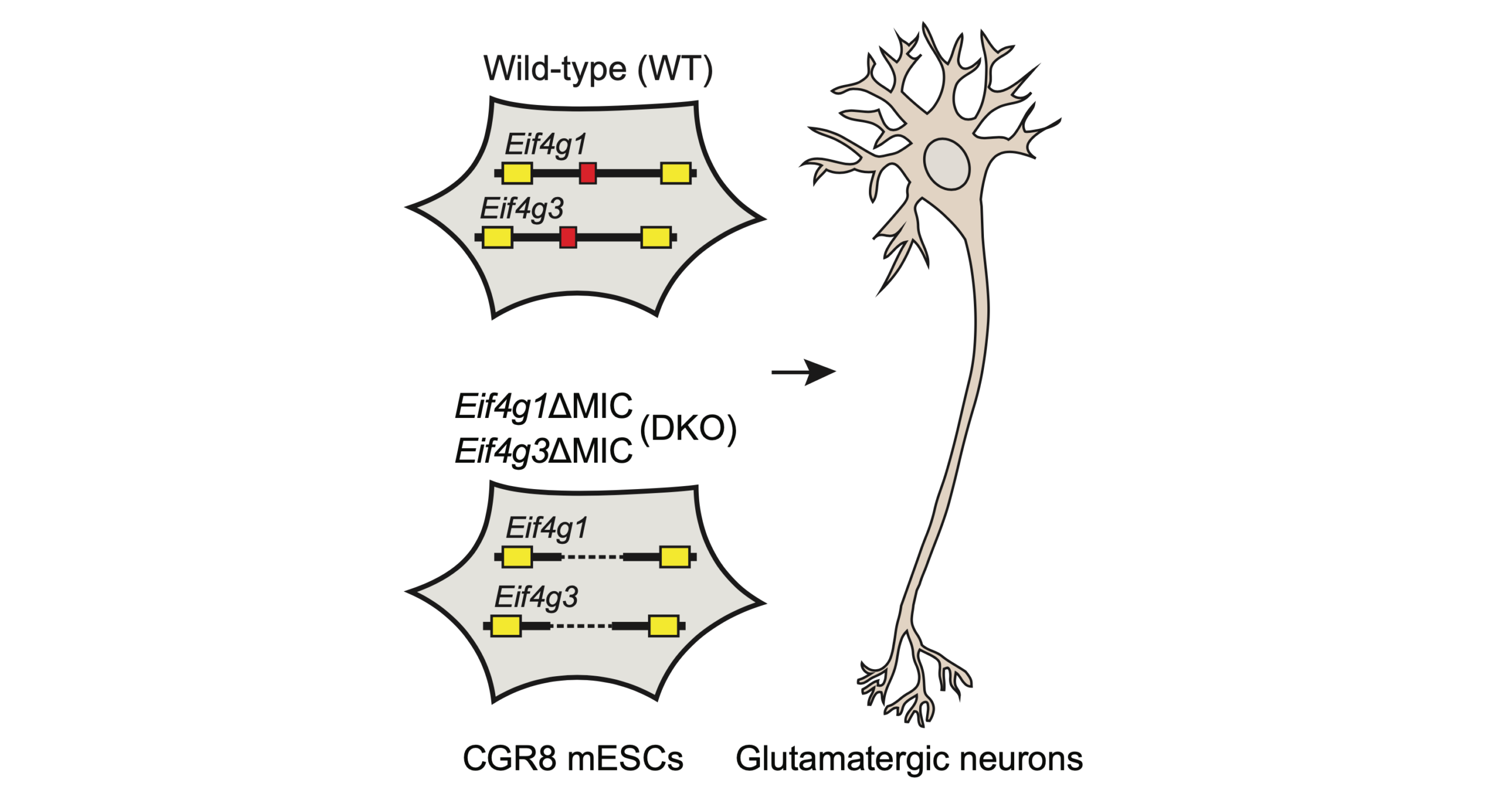 Benjamin Blencowe and colleagues defined the functional roles of microexons in genes encoding translation initiation factors, linking them to altered translation, synaptic plasticity and behavior.
 -
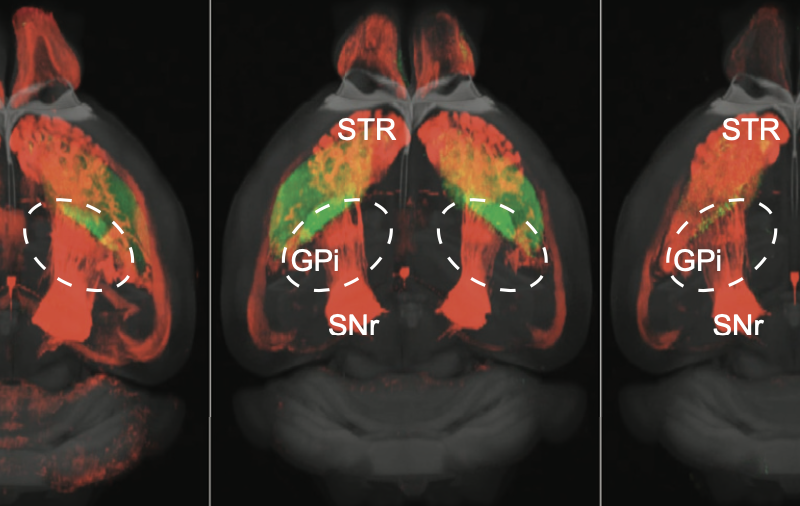 Genevieve Konopka and colleagues reported important roles for Foxp1 in particular subclasses of the spiny projection neurons in the striatum, with downstream effects on striatal-dependent circuits and …
 -
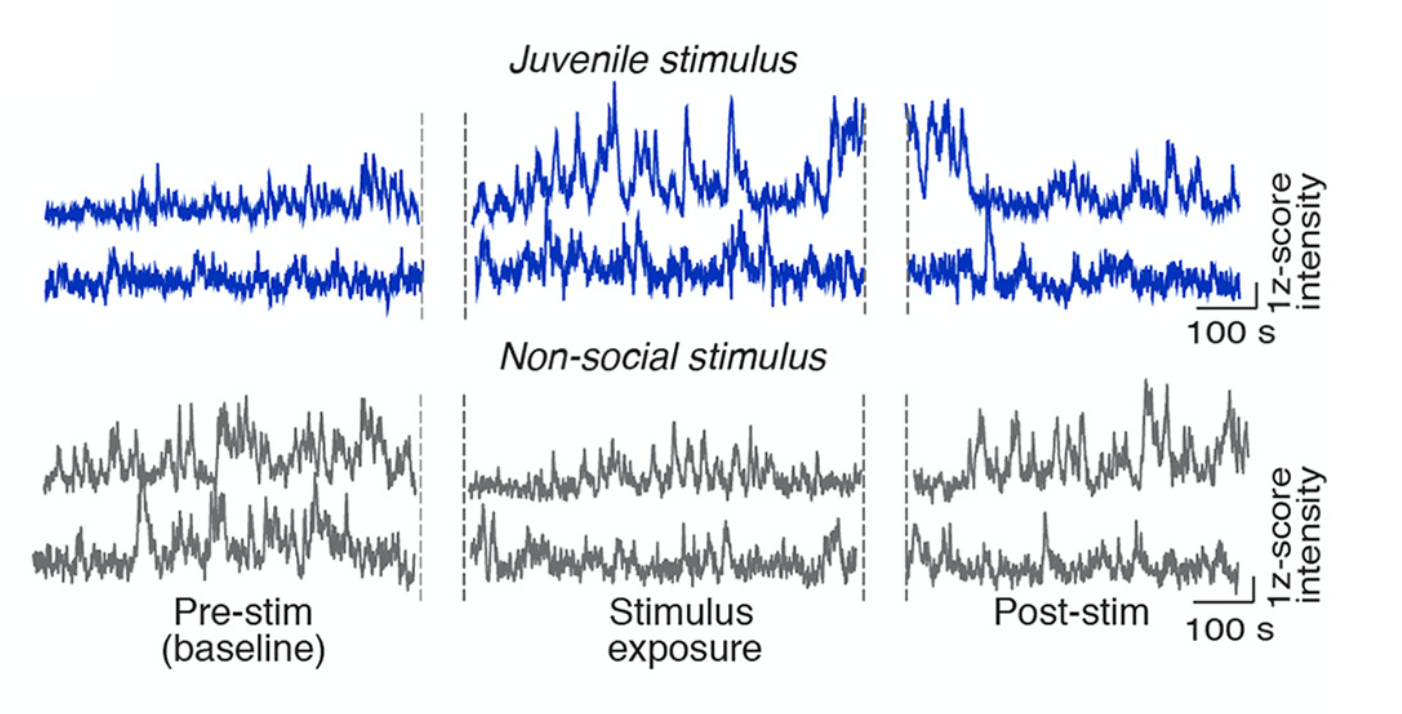 Garret Stuber and colleagues used in vivo calcium imaging to show that a population of oxytocin-positive (OT) neurons in the paraventricular nucleus of the hypothalamus responds preferentially …
 -
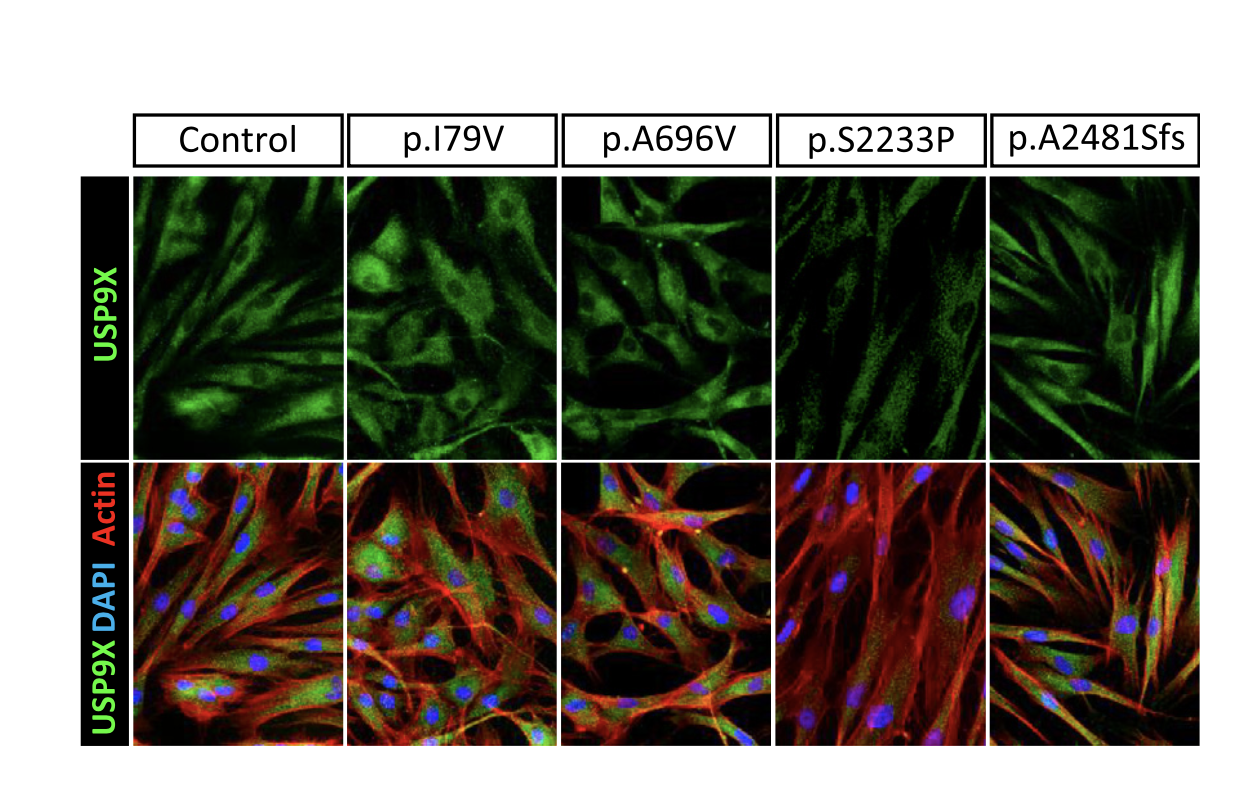 Michael Piper and colleagues confirmed and extended the association of USP9X loss-of-function mutations with a neurodevelopmental syndrome in both sexes, driven by changes in multiple signaling …
 -
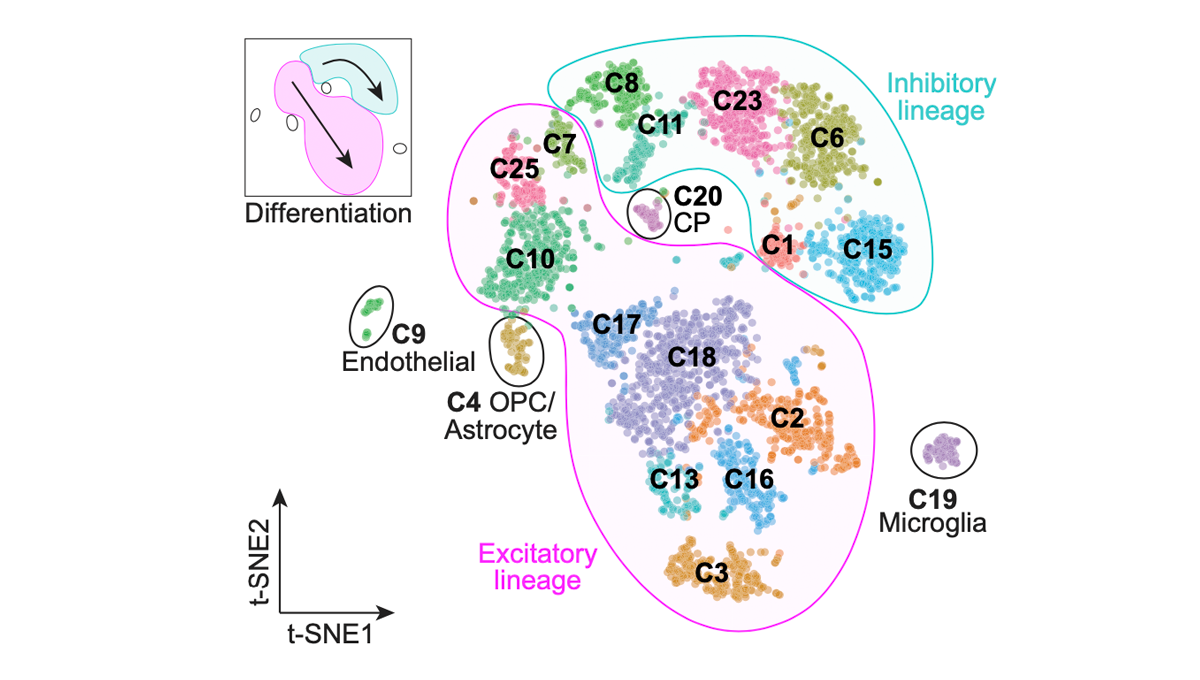 Joseph Buxbaum and colleagues in the Autism Sequencing Consortium reported the largest exome sequencing study of ASD to date, identifying 102 risk genes at a false discovery rate …
 -
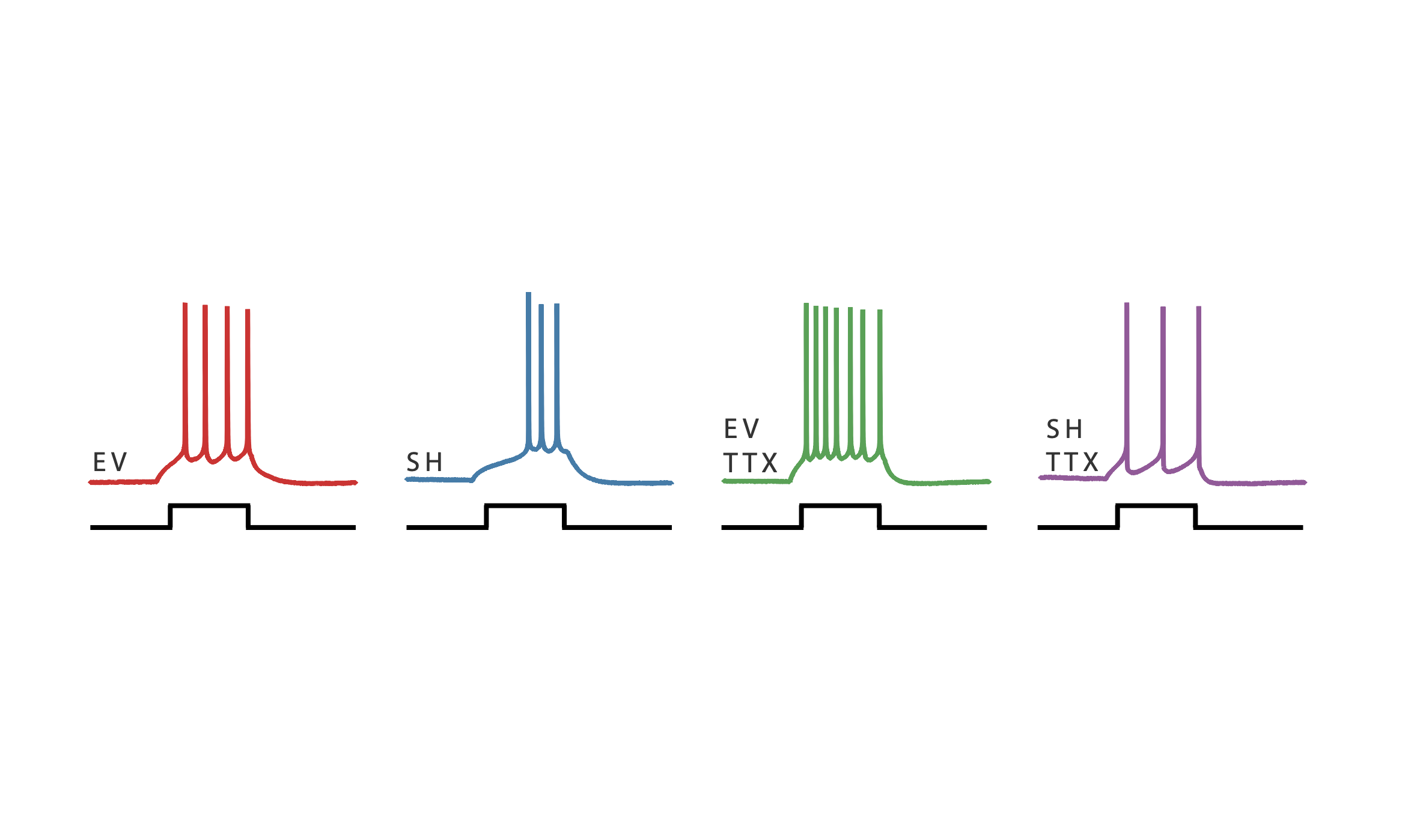 Gina Turrigiano and colleagues showed that loss of Shank3 disrupts homeostatic plasticity and that this deficit can be rescued by the mood-stabilizing drug lithium (Li+).
 -
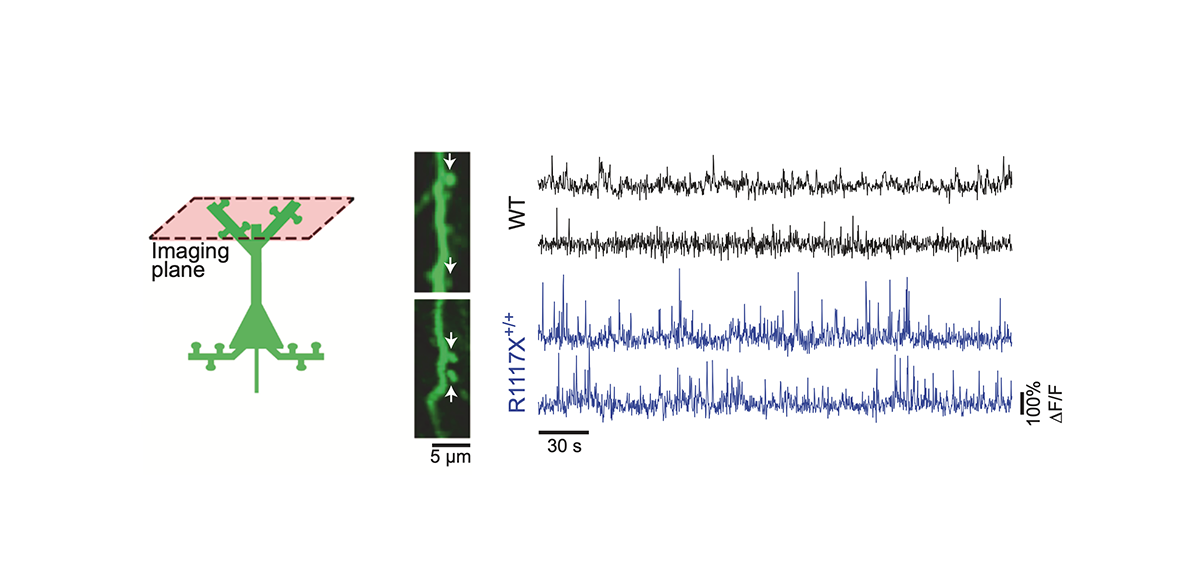 Alex Kwan and colleagues used in vivo calcium imaging to show that a mutation in Shank3 associated with schizophrenia affects the activity of inhibitory neurons in the cortex …
 -
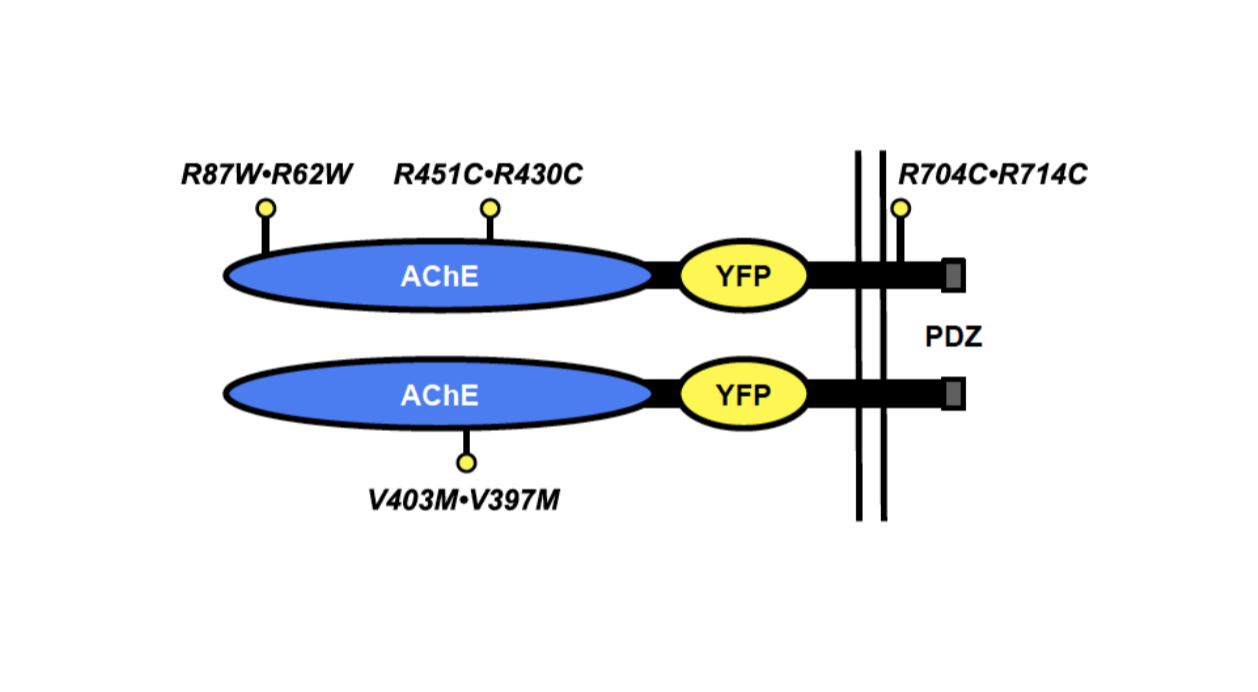 Catharine Rankin, Kurt Haas, Paul Pavlidis and colleagues used machine vision to find that mutations linked to ASD risk genes are associated with changes in habituation of response …
 -
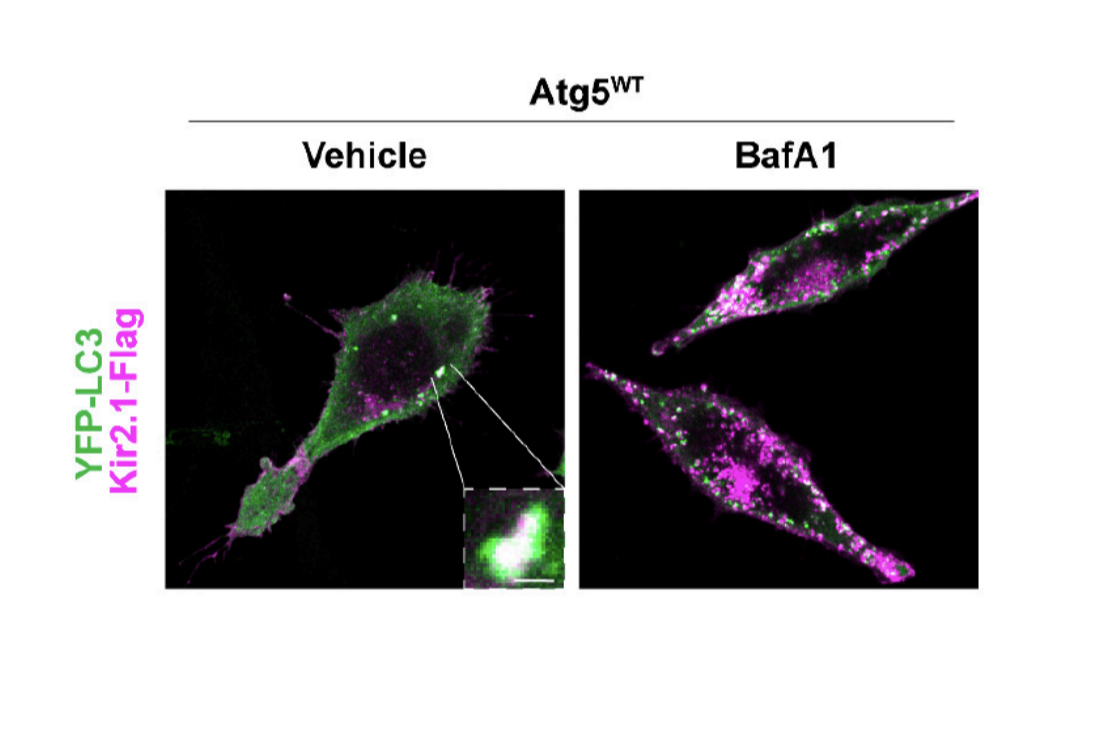 David Sulzer and colleagues used conditional knockout mice of Atg7, a protein involved in autophagy, to study the effects of loss of autophagy on the structure and function …
 -
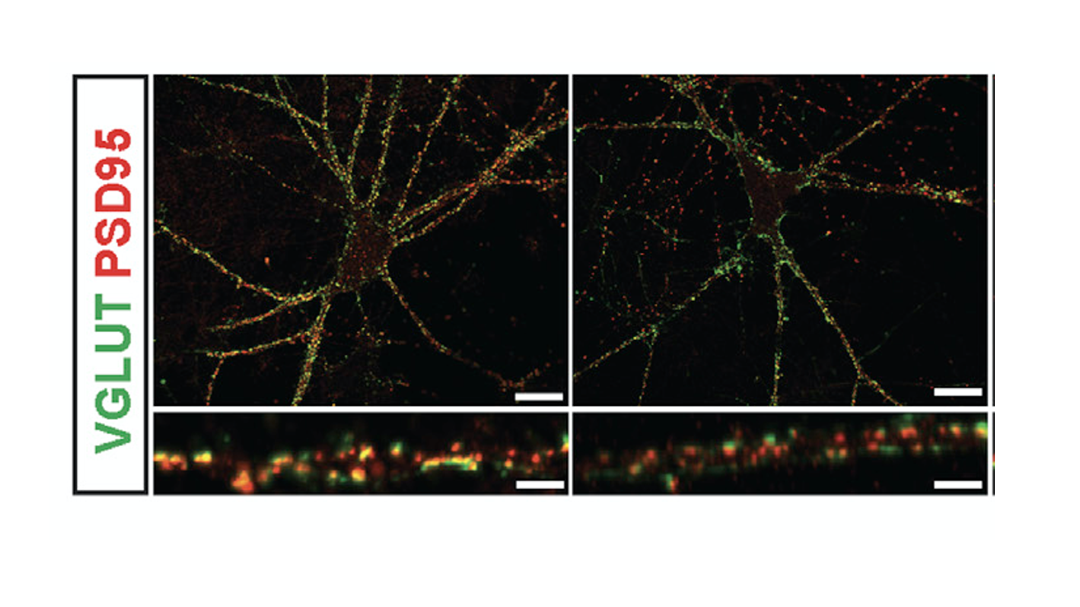
Genetic Mutations Linked to Kleefstra Syndrome Converge on Similar Neuronal Hyperactivity Phenotypes
Nael Nadif Kasri and colleagues used micro-electrode array assays to demonstrate common neuronal network phenotypes associated with genes underlying Kleefstra spectrum syndrome. -
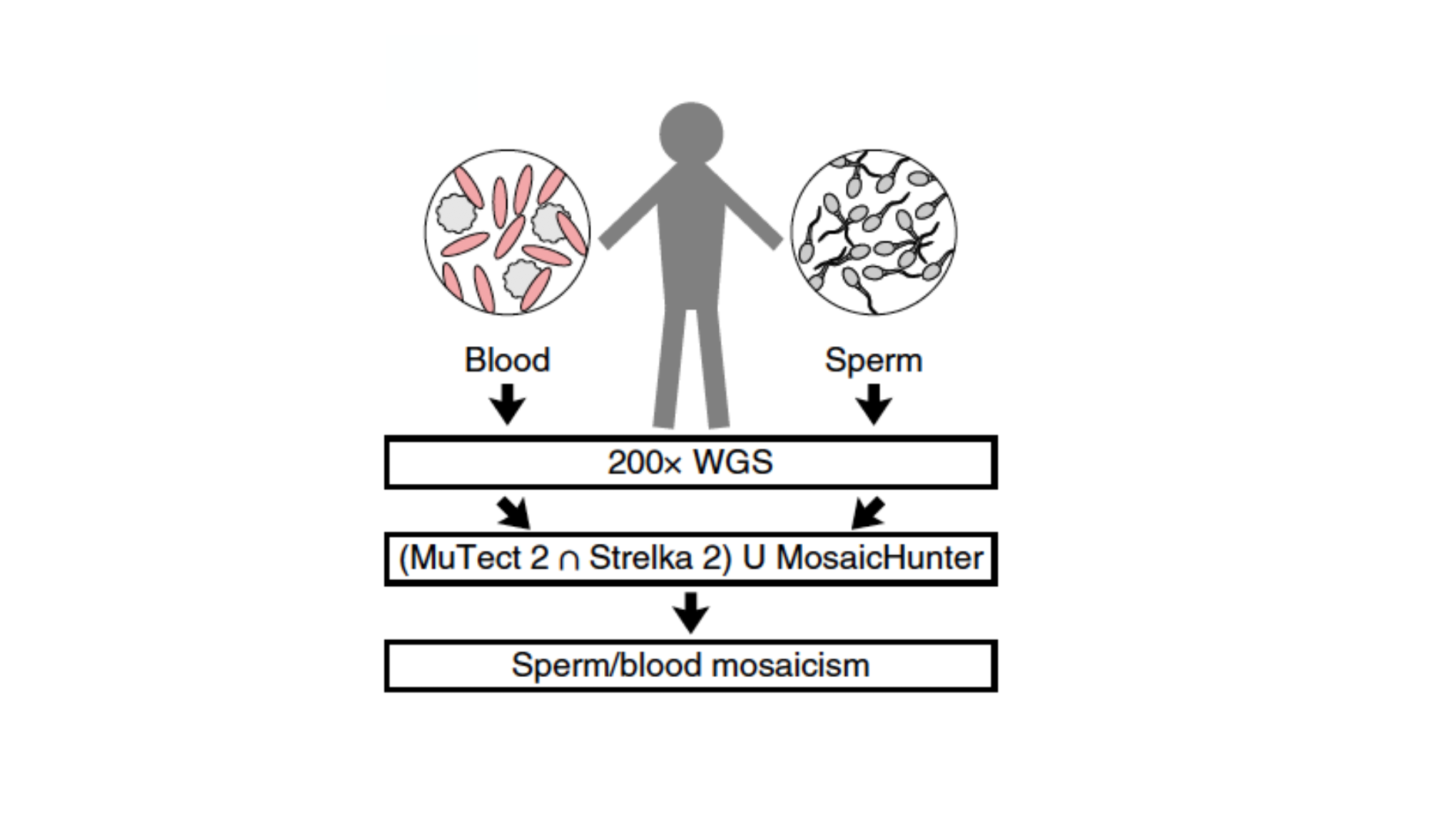 Joseph Gleeson and colleagues used deep whole-genome sequencing and genotyping of sperm DNA to stratify ASD risk in offspring due to de novo mutation.
 -
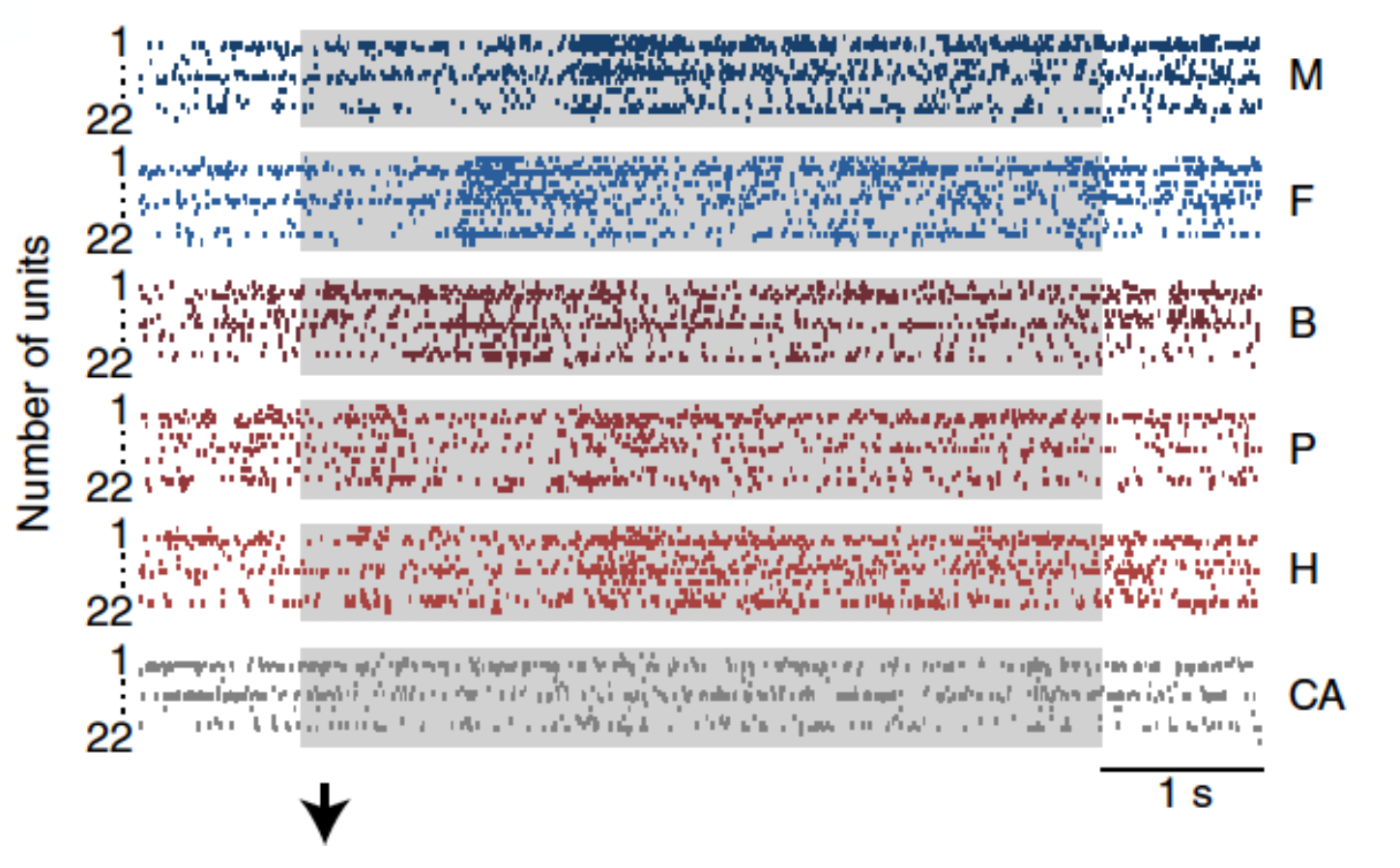 Ofer Yizhar and colleagues described the altered dynamics of social representation in neurons of the medial prefrontal cortex of Cntnap2-null mice, a model of autism spectrum disorder.
 -
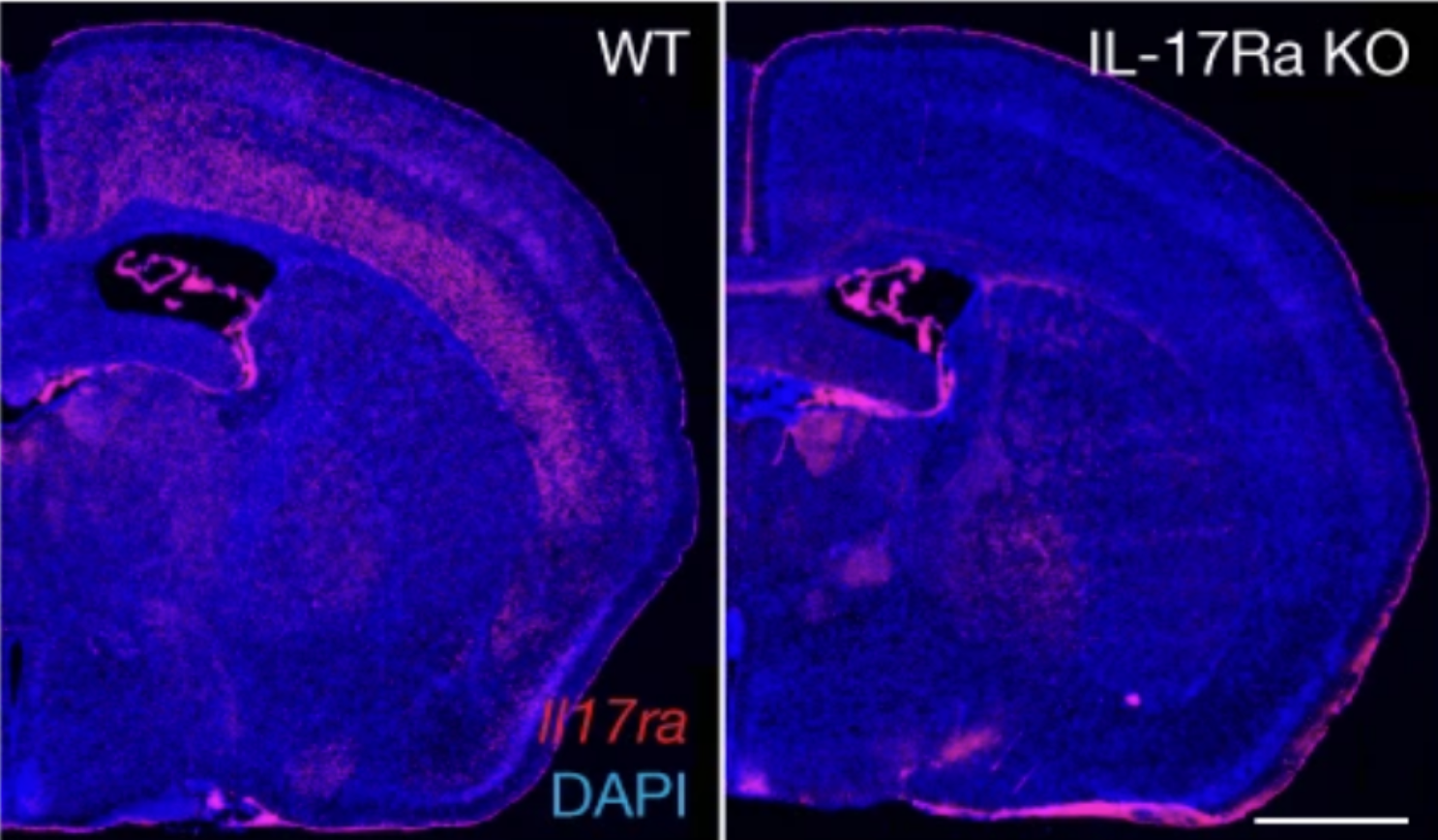 Gloria Choi, Jun Huh and colleagues showed that postnatal administration of IL-17a can rescue some of the anatomical and behavioral deficits observed in a maternal immune activation …
 -
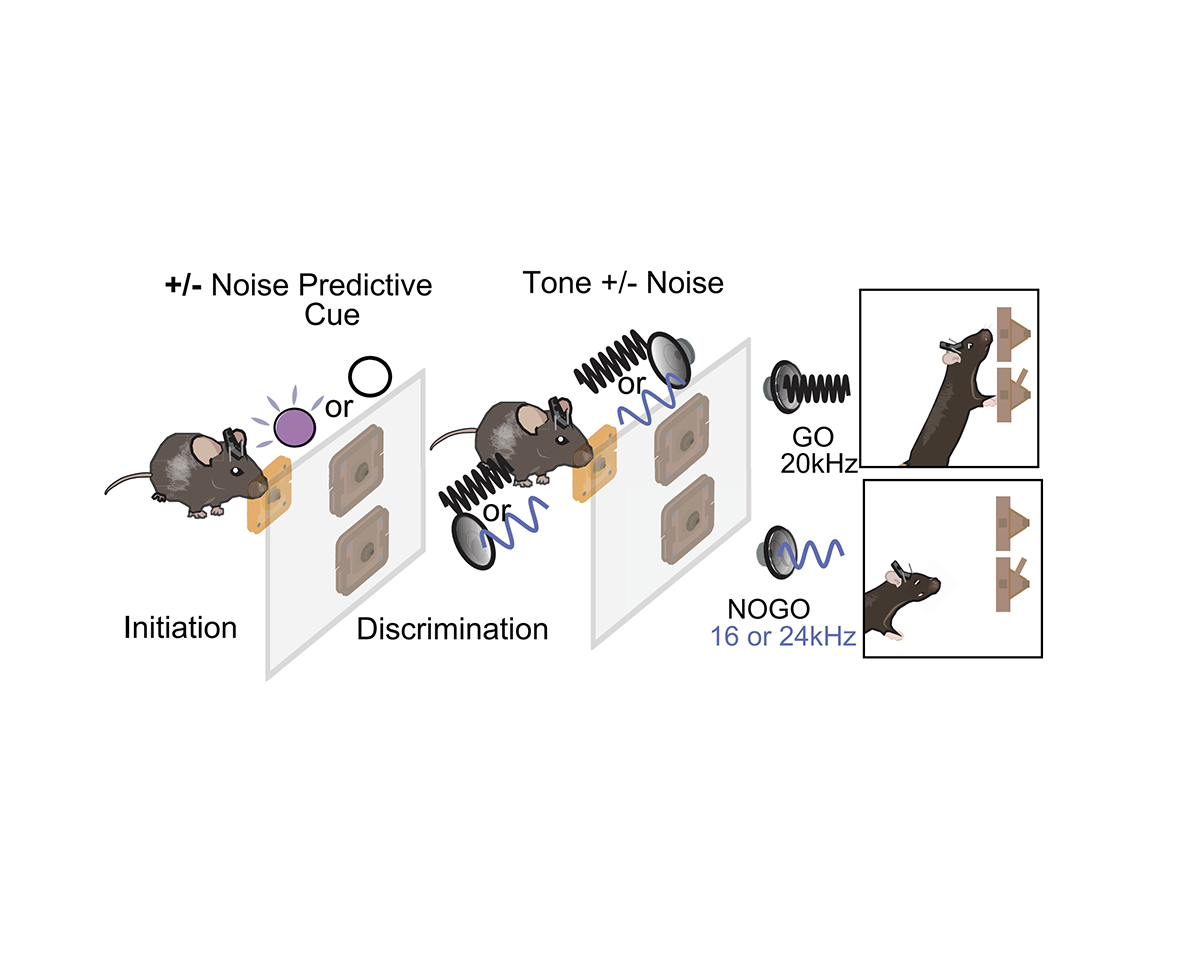 Michael Halassa, Guoping Feng and colleagues identified a combinatorial strategy to reverse noise hypersensitivity in Ptchd1 knockout mice, while Stephen Scherer, James Ellis and colleagues separately explored the …
 -
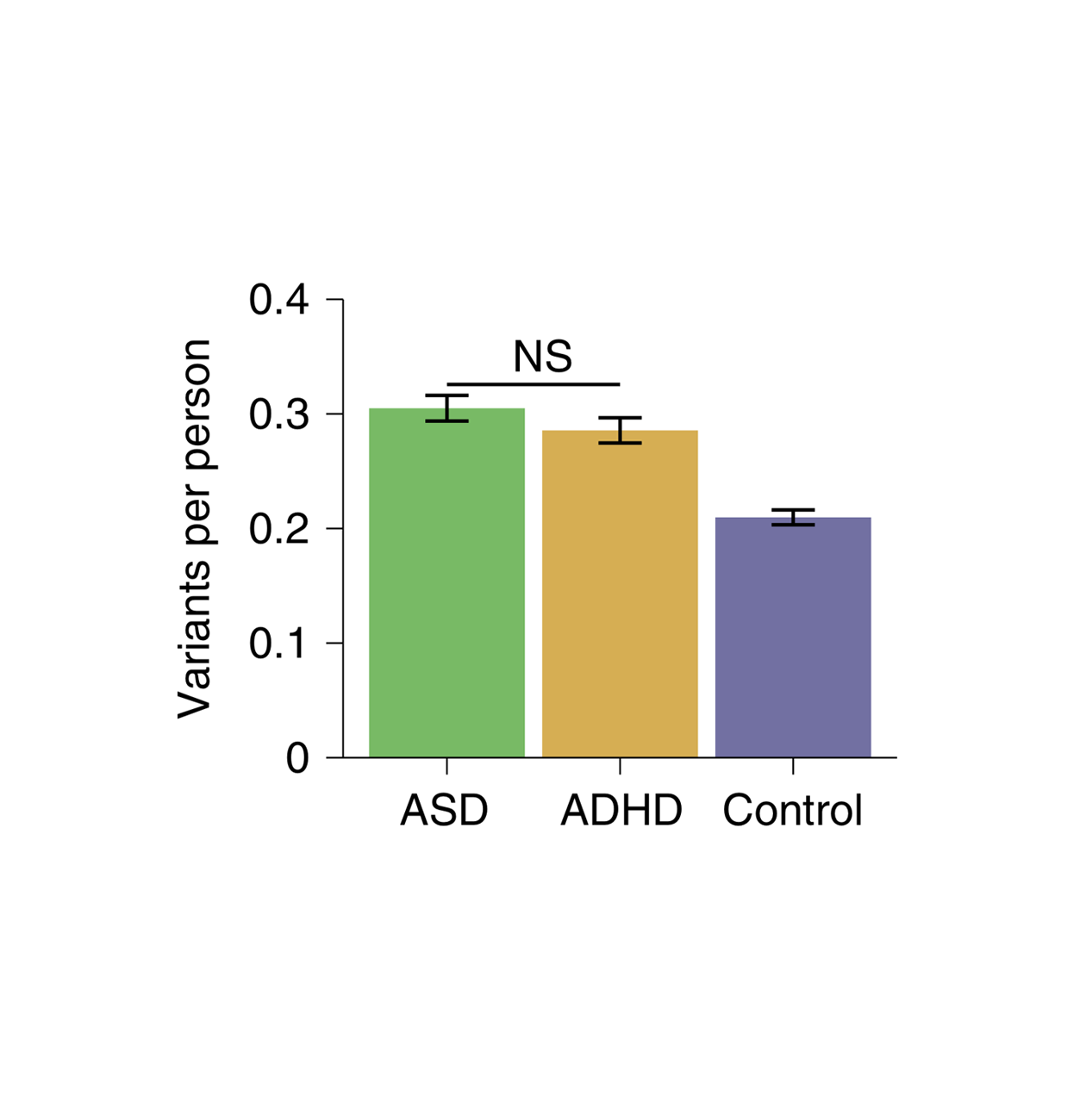 Mark Daly and colleagues used an exome sequencing data set of ASD and ADHD to identify a similar profile of rare protein-truncating variants in each disorder.
 -
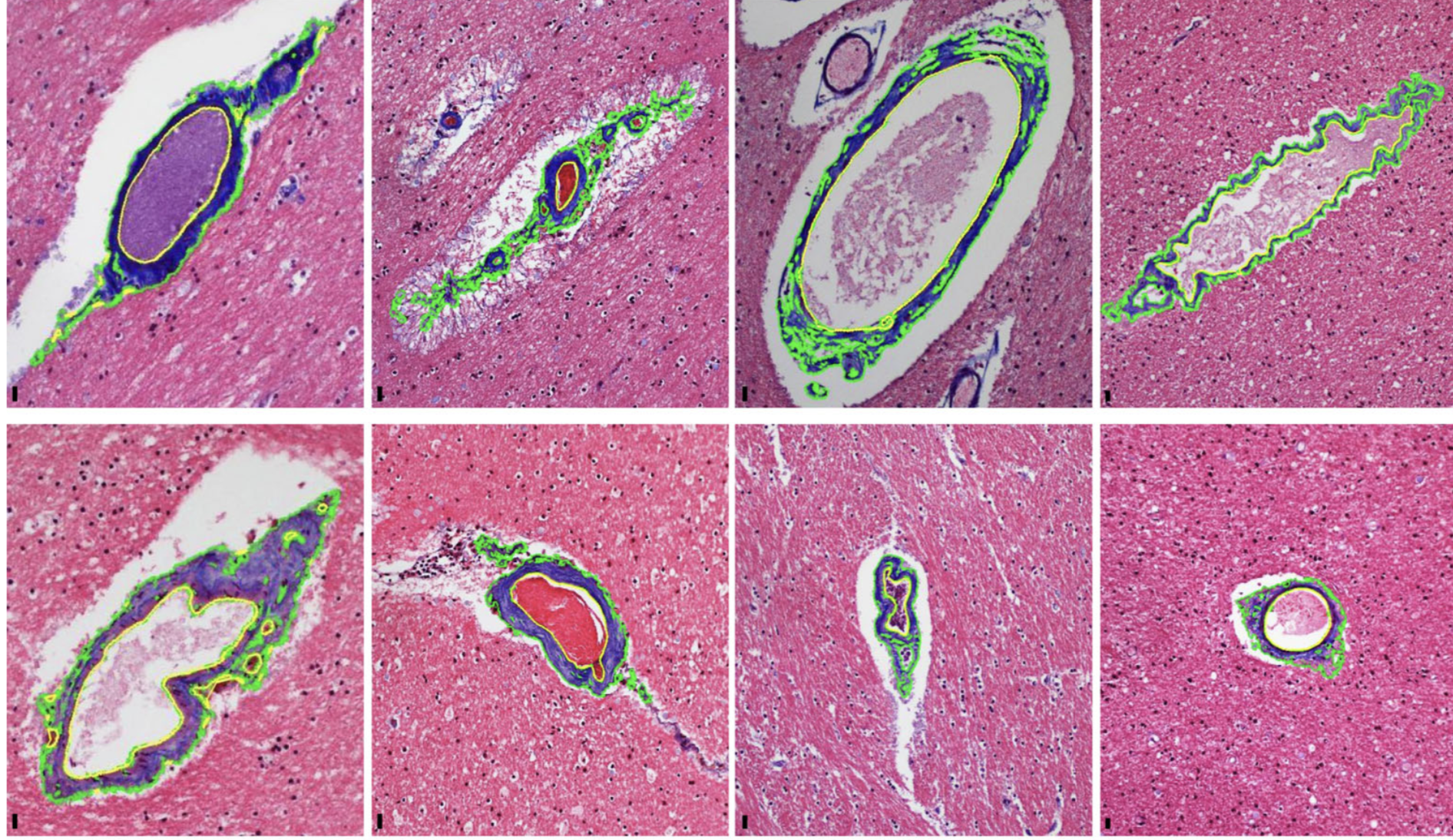 A study from Matthew Anderson and colleagues identified an excess of T-lymphocytes in the postmortem ASD brain, which are prominently associated with astrocytes.
 -
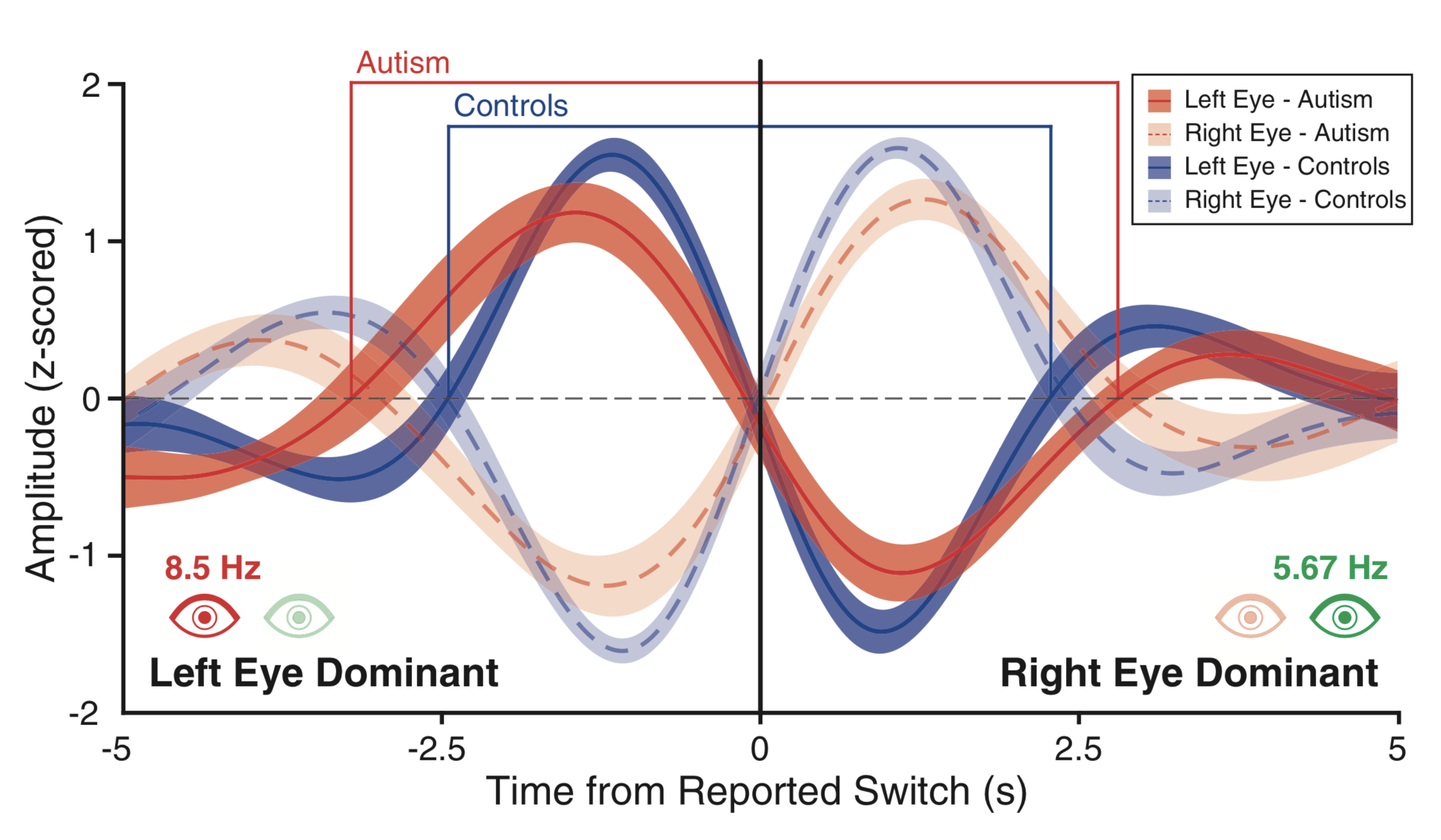 Caroline Robertson and colleagues developed a novel paradigm that provided direct neural evidence for slower binocular rivalry in autism. They also demonstrated a causal link between GABAergic inhibition …
 -
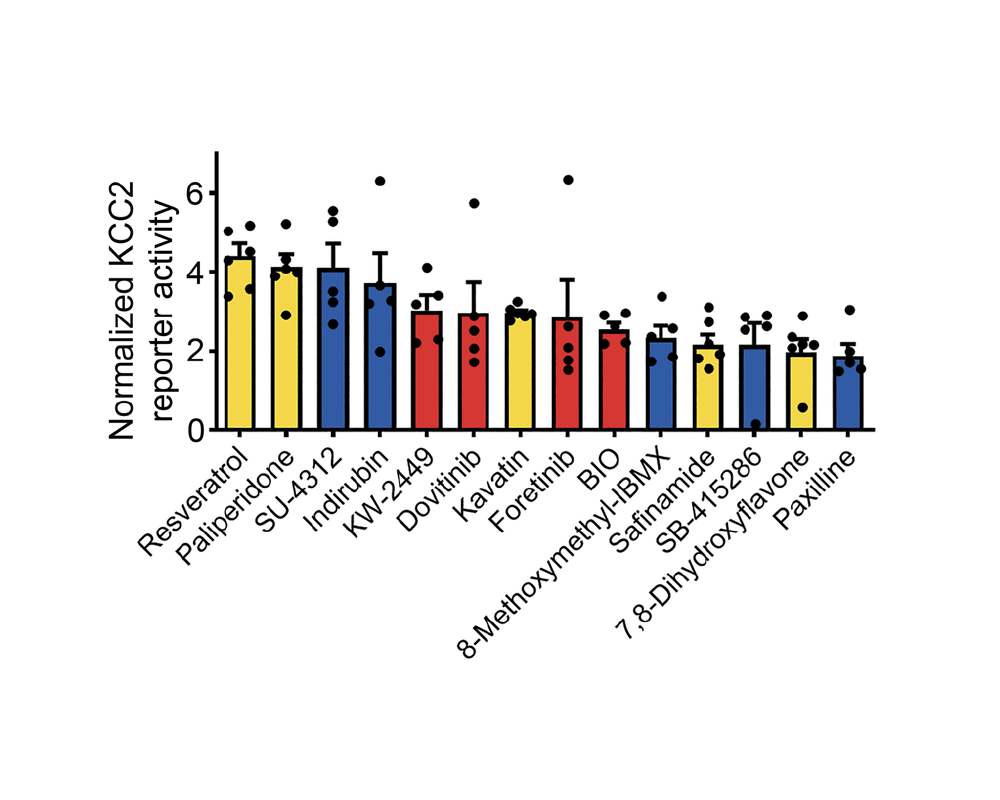 Three recent studies – two by Kristopher Kahle and Igor Medina, and the third by Xin Tang, Mriganka Sur and Rudolf Jaenisch – explored regulatory mechanisms that modulate KCC2 function …
 -
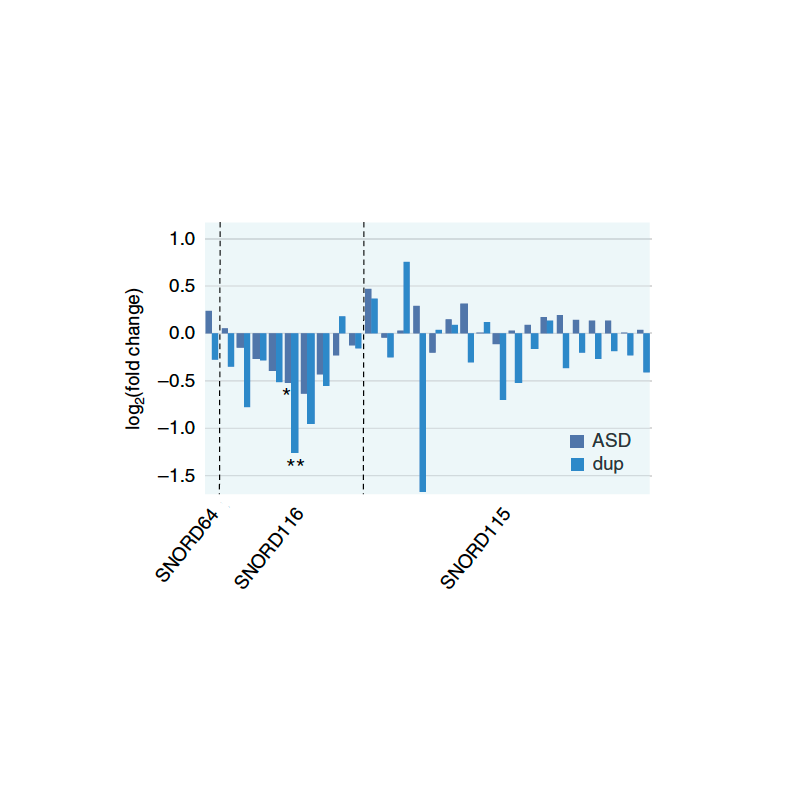 Daniel Geschwind, Michael Gandal and colleagues reported that allelic imbalance in gene expression in ASD shows a surprising preference for the minor allele and implicates a family of …
 -
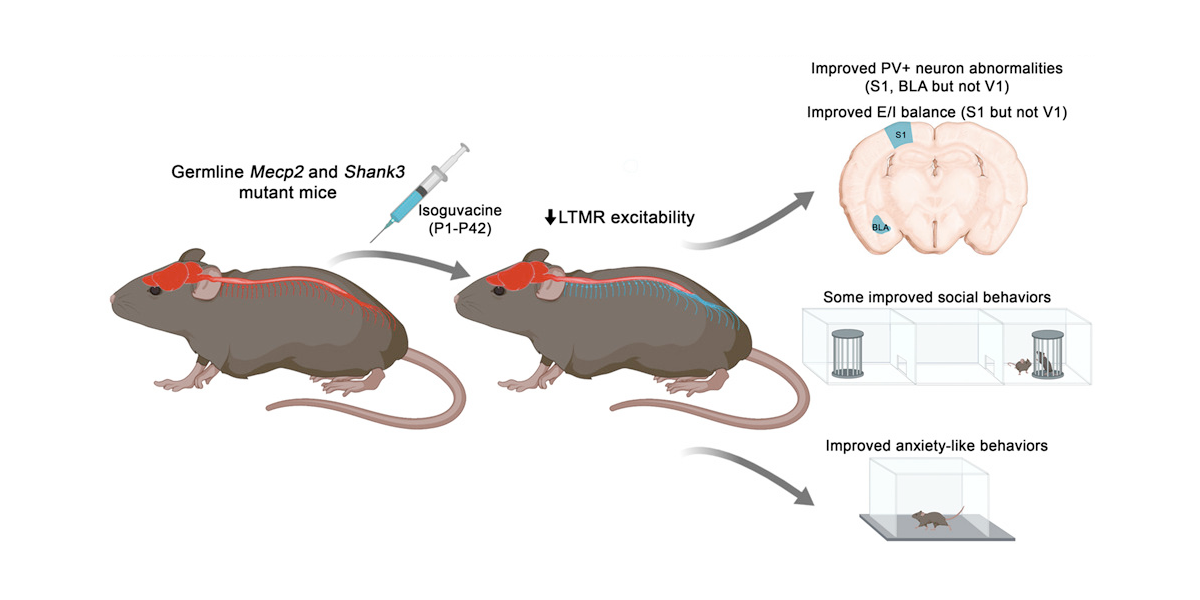 David Ginty and colleagues have identified mechanisms through which peripheral loss of ASD-associated genes affect behaviors in mice and identify a potential peripherally restricted therapy to treat …
 -
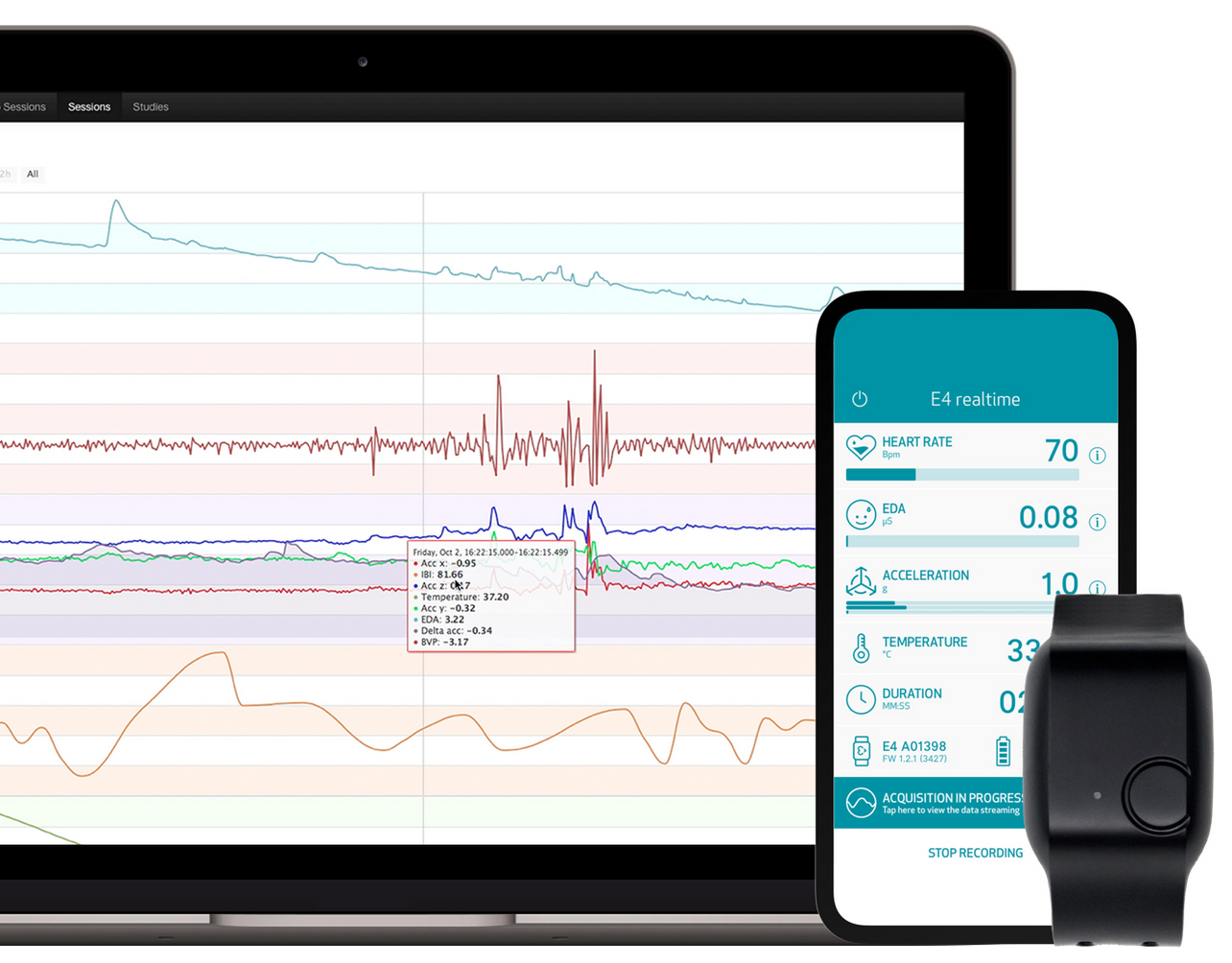 Matthew Goodwin, Matthew Siegel and colleagues found that data from a wearable biosensor can be used to accurately predict aggressive behavior up to one minute before it occurs.
 -
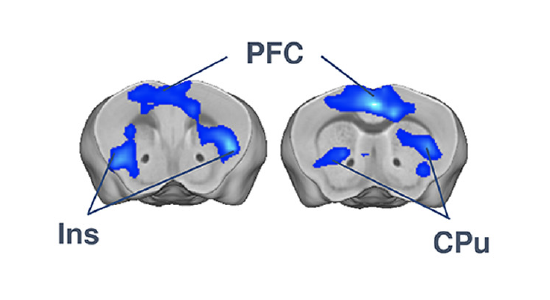 Alessandro Gozzi and colleagues found that Shank3-deficient mice have disrupted frontocortical functional connectivity, which is associated with impaired communication and social behaviors.
 -
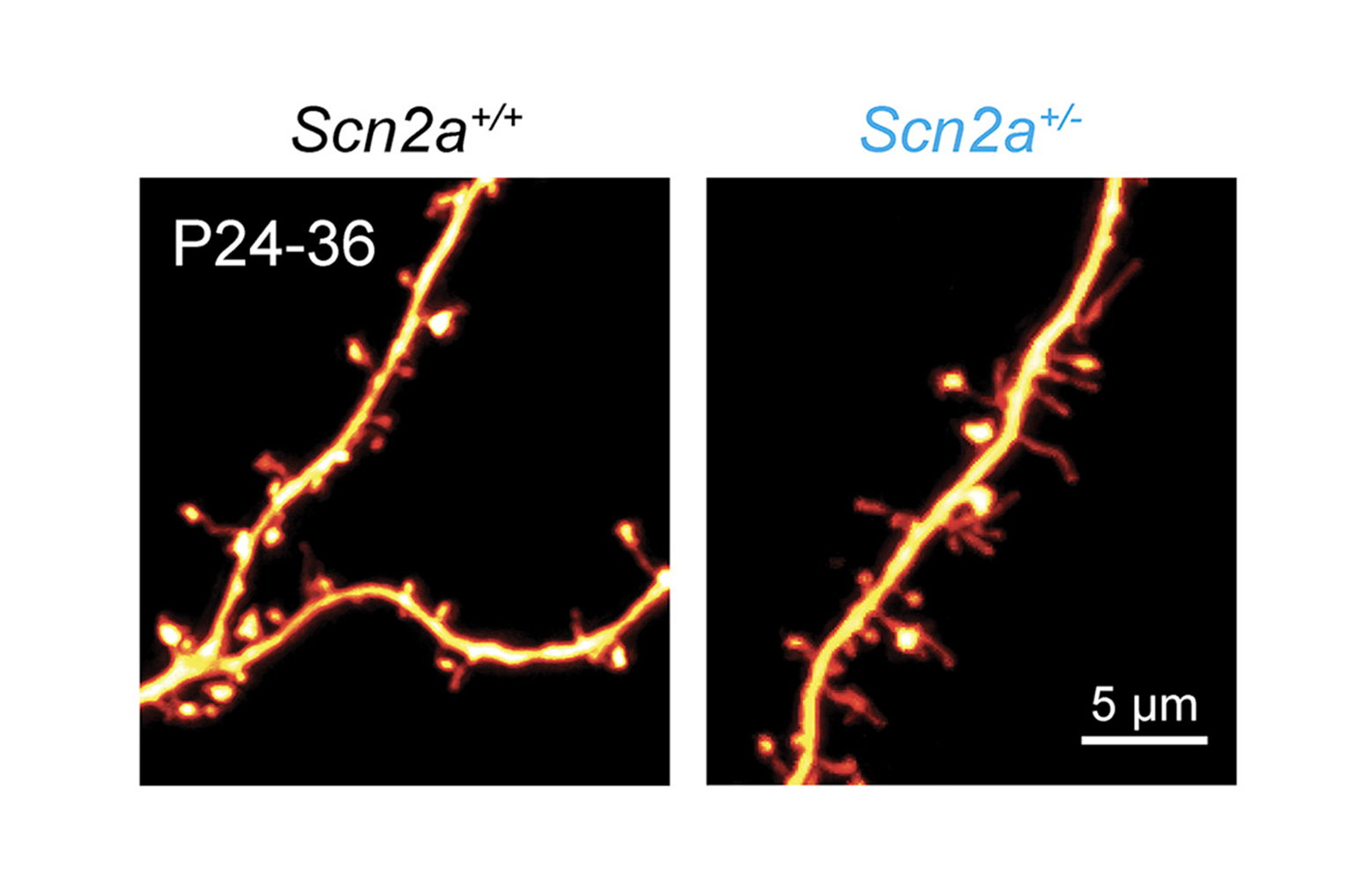 Kevin Bender, Stephan Sanders and colleagues show that there is an unexpectedly critical role for the autism risk gene Scn2a, which encodes the sodium channel NaV1.2, in …
 -
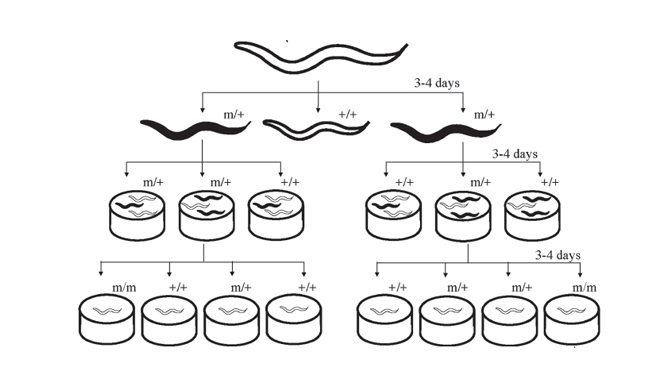 Paul Sternberg and colleagues establish an initial pipeline in C. elegans to screen autism-associated missense mutations for functional effects.
 -
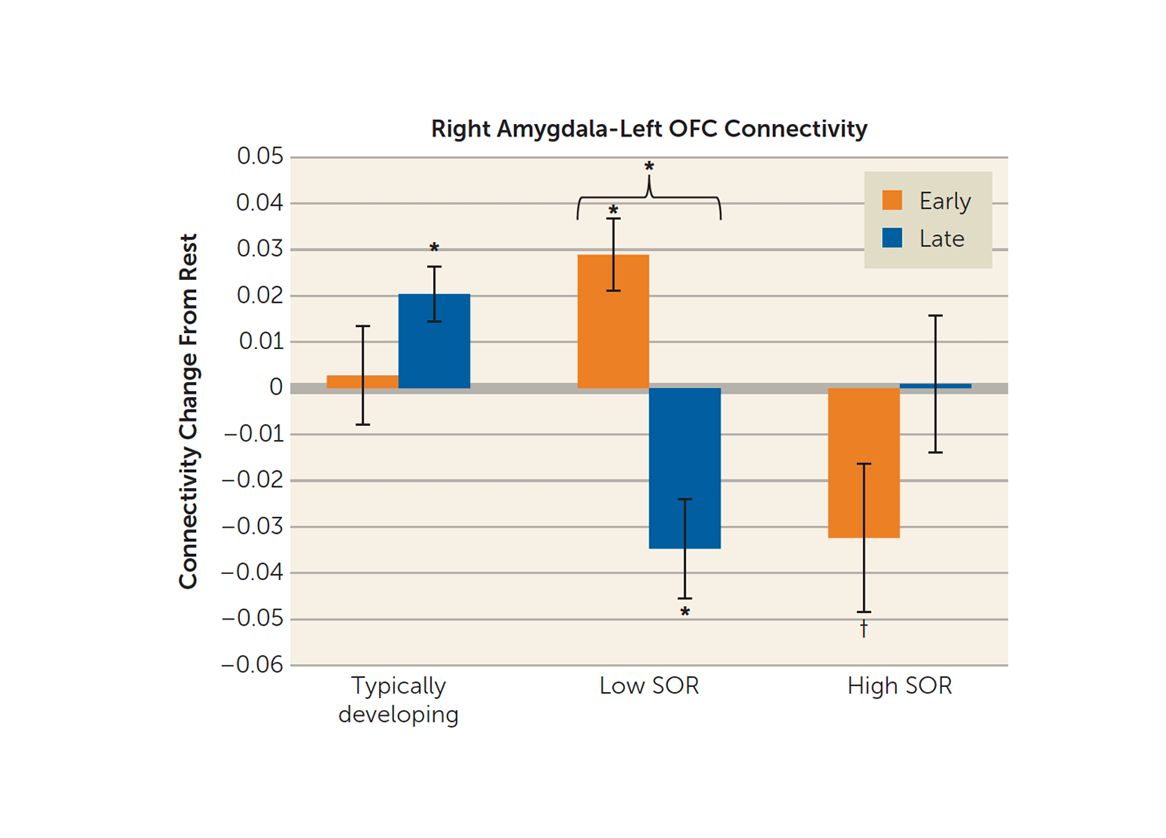 Susan Bookheimer and colleagues show that the degree of sensory overresponsivity in individuals with autism may be driven by distinct patterns of connectivity between the prefrontal cortex and …
 -
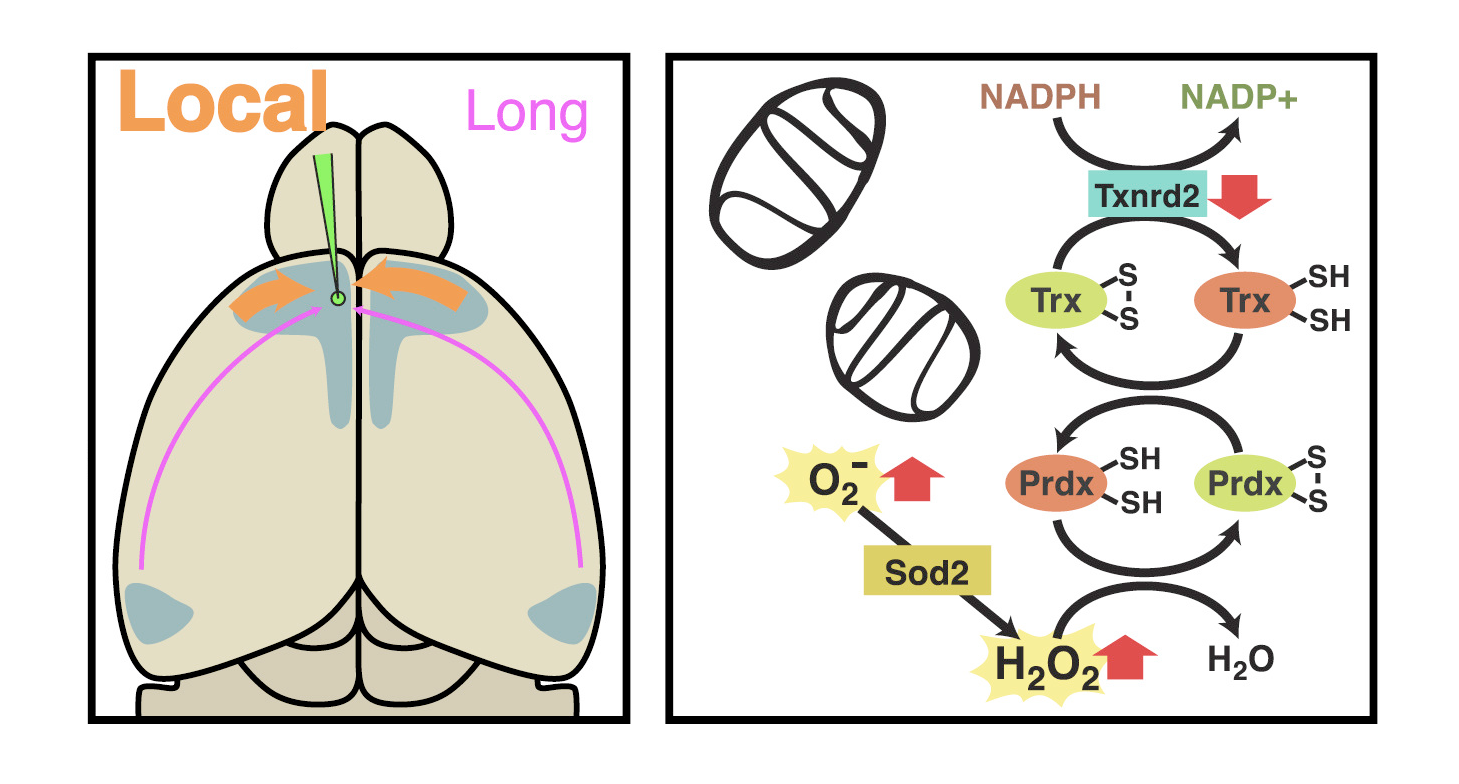 Anthony-Samuel LaMantia, Thomas Maynard and colleagues show that a mouse model of 22q11.2 deletion syndrome has fewer long-distance cortico-cortical connections, which is caused in …
 -
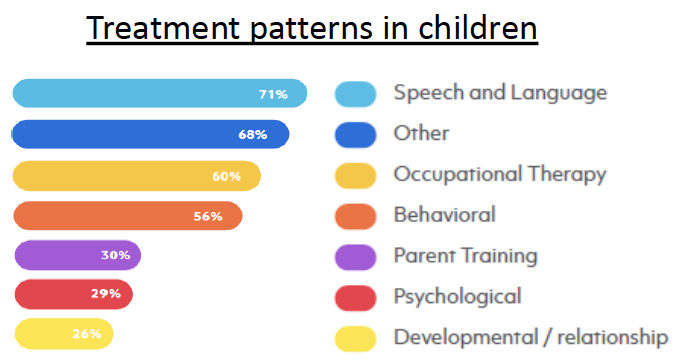 Two studies from Brigitta Monz, Richard Houghton and colleagues provide examples of the effectiveness of SPARK’s research match program to rapidly recruit thousands of individuals for the …
 -
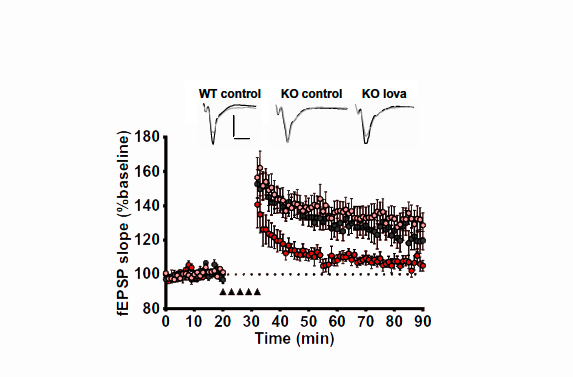 Peter Kind and colleagues show that brief treatment with lovastatin results in sustained correction of physiological and behavioral deficits in a rat model of fragile X syndrome.
 -
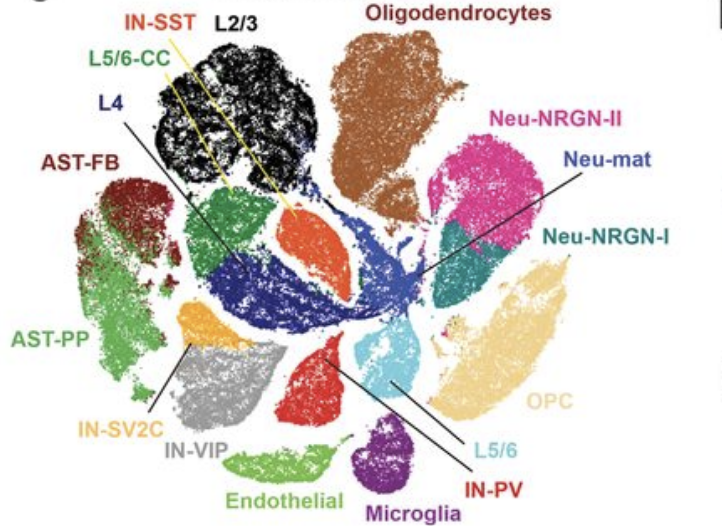 Using single-nucleus RNA sequencing of postmortem cortical tissue from individuals with ASD, Arnold Kriegstein and colleagues identify upper-layer excitatory neurons and microglia as key cell types …
 -
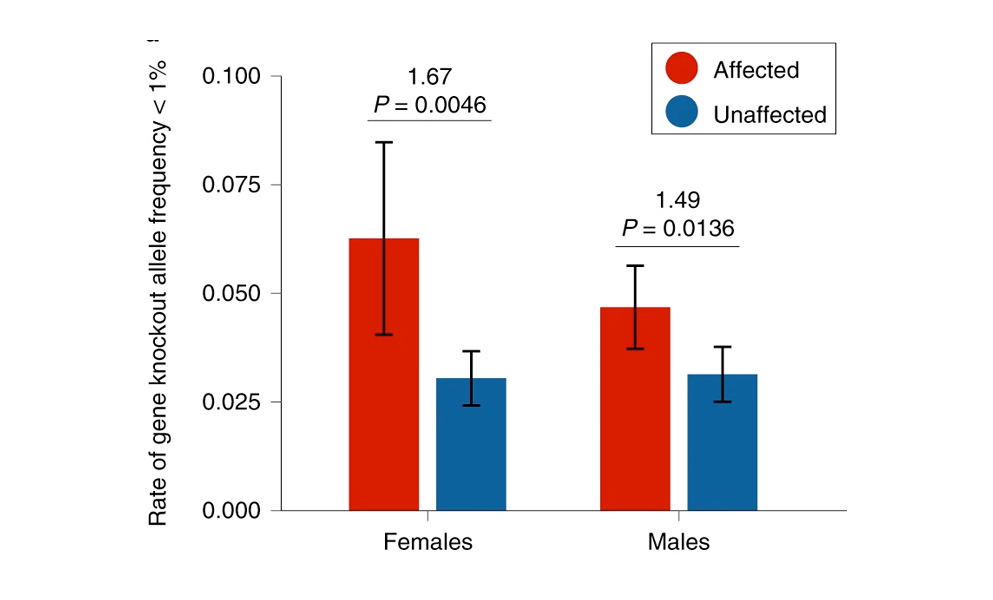 Timothy Yu and colleagues analyzed exome sequencing data to estimate that recessive mutations contribute to approximately 5 percent of all cases of autism, including 10 percent of females.
 -
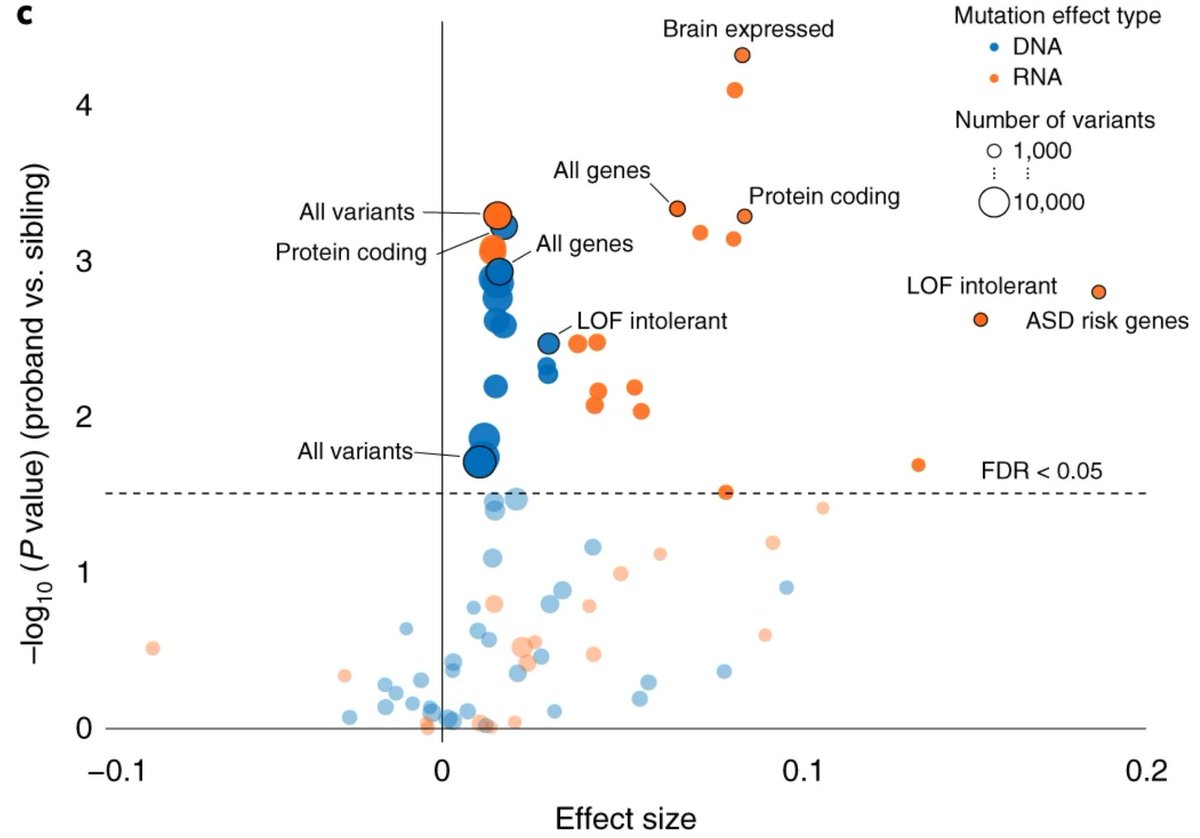 Olga Troyanskaya, Robert Darnell and colleagues applied deep-learning methods to whole-genome sequencing data from SSC families and identified a clear enrichment for de novo noncoding variation …
 -
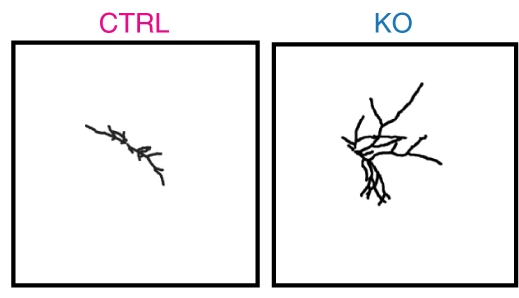 James Ellis and colleagues used a sparse co-culture system for iPSC-derived cortical neurons to assess neuronal connectivity, demonstrating increased connectivity in SHANK2-mediated ASD.
 -
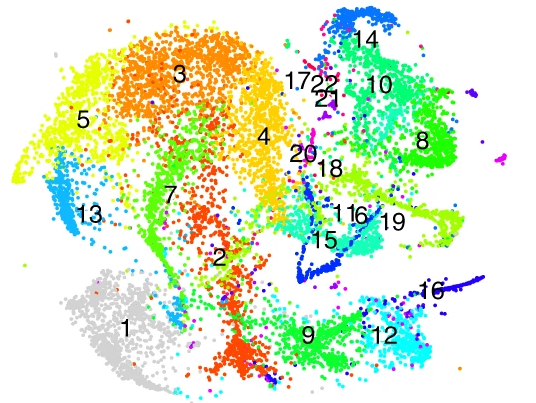 Mark Zylka and colleagues generated single-cell RNA-seq data from wild-type mouse cortex during early development and demonstrated how such a resource can be used to …